The other day I was contacted over on Twitter by a senior mental health nurse who had read my book ‘Bring me to Light.: embracing my bipolar and social anxiety’. She felt that it should be read by her colleagues at Norfolk and Suffolk mental health trust, here in England, and so donated a copy to the staff library for them to read- and they shared this photo.
This was by far one of the most touching and special things to have happened on my book journey- while it may seem small, to me it means the world.
I wrote my book, my memoir about living with bipolar disorder and social anxiety to help other people going through it (and their families) feel less alone. However, to see it being used by mental health hospitals- where I have been twice in my life, though in London- brings me hope.
Hope that professionals will read it and learn from it (there were times in hospital that I wasn’t fully happy with my care but most staff were amazing).
Hope that we can make a change and help the stigma around mental illness to fall.
Hope that by sharing my story, it will encourage others to feel comfortable to share theirs without fear of shame or embarrassment.
So thank you to Dawn💕 and Norfolk and Suffolk mental health trust. If you’d like a copy of my book : https://lnkd.in/e3cheTw
When you have aging parents there’s a lot that you need to consider. Getting them help and keeping them healthy as well as safe is usually at the top of most children’s priority lists. You also want to make sure that they are happy and enjoying their senior years.
If you have been struggling to find ways to help your elderly relative feel more comfortable, there are a few things you can do to make sure they get the help that they need to stay healthy and happy. Take a look at the following steps.
Get Them Involved
As your parents age, they may need help in and around their homes. You may need to get them a live-in caregiver. A caregiver will help to ease any burdens you may be feeling and give your parents the chance to get assistance.
However, a caregiver can make your parents feel as if you are taking away their independence. This is why you need to make sure that you involve them in the process of finding someone to assist them.
You will need to do interviews for live in care jobs, so get them involved. This can help them to feel less resentful and happier with the situation.
Sort Out Their Finances
Assisting your elderly relative in making sure that their finances are in order is something that you should do.
Getting someone to assist them will cost money. Buying them the medication that they need or also call money.
Take a look at their current financial assets and then decide if they need financial help. There may be some programs that you can apply to.
Once you know how much money they are likely to need, especially in a month, you can ask family and even friends who are capable of assisting to do so.
Keep Them Safe
Another thing you need to do for your elderly relatives is to make sure you keep them as safe as possible. For elderly people, safety begins in the home. Be sure to declutter the floors and remove rugs and cords that can make them slip and fall.
You can add grab bars in their bathroom and make sure they are railings on their stairs. Ensure that their homes are well lit especially if they live alone and that they have high-level security systems in their home to keep them safe.
Show Your Love
Part of taking care of elderly parents is making sure that they have all the things they need to be healthy and happy. It can be overwhelming sometimes because it may seem as if they need so much help.
However, if you consider the points that have been given here and work on them you will be able to help your parent significantly.
Getting the right help, taking care of their finances, and keeping them safe are the main things you need to do to take care of your elderly relatives.
This article was written by a freelance writerand contains links.
You’ve heard all the hype about journalling for your mental health, but you’re not sure where to start. Surely there’s more to it than simply writing down your thoughts?
Well, yes and no. There are multiple journalling tactics that offer different benefits depending on your needs, goals, and personal style. Some techniques work well for some, while others might find different systems fit better with their lifestyle.
Here, we’ll cover three journalling techniques that can help you with your mental health.
Free writing
One of the most common techniques in mental health journaling, free writing can benefit you in many ways. Also known as stream-of-consciousness journaling, all you need to do is pick up a pen and paper and start writing.
The goal with free writing is to get whatever is going on in your head onto paper – but without the need for structure, judgement, or reflection. You begin writing about the first thing that comes to mind, whether that’s exploring what you’re feeling or a random musing you’re having. You stop when you feel finished – it can go on for pages or be a few short paragraphs.
Through stream-of-consciousness journaling, you can better understand yourself. You can work through complicated thoughts and feelings or simply relieve your brain of them. Seeing your thoughts on paper can help you understand them more clearly and address them. Free writing is also associated with a boost in creativity and can be used as a way of brainstorming.
How do I know if free writing is right for me?
You want to try out journaling, but you’re not sure where to start
You don’t like exercises to be structured
You’re experiencing a mental block
Gratitude journalling
Practising gratitude has a lot of mental health benefits, and there are many different methods. You can tell your loved ones that you’re grateful for their contributions to your life, carrying out acts of kindness to convey your gratitude. Or you could observe the small things that make life worth living – like the colour of the sky or a beautiful green landscape.
Journalling is a great way to solidify your practices of gratitude. By writing down the things you’re grateful for in your life , you can better visualise them and see just how much you have to be thankful for.
Gratitude can be especially beneficial if you’re prone to negative thoughts because it can help you appreciate the good in your life. But it’s important to understand that it’s not a catch-all solution. If practised incorrectly, gratitude could cross over into toxic positivity. To ensure it’s fully beneficial to you, make sure you can also acknowledge your current challenges while noting everything you’re grateful for.
How do I know if gratitude journaling is right for me?
You’re stuck in a cycle of negative thoughts, whether large or small
You want to get a better understanding of the good things in your life
You’d like to start your day off in a positive mindset
Cognitive journalling
This is a CBT technique turned journalling practice. If you’ve ever had CBT, you’ll know that thoughts, behaviours, and feelings are different, but they can all impact each other. A thought – especially an untrue negative one – affects your emotions and can influence how you react to something.
Cognitive journalling can be done once a day or whenever you experience negative thoughts and emotions with this ABC technique, you write down the event that triggered the thoughts you had (the activating event), how it made you feel (your beliefs), and the way it made you react (the consequences). By doing this exercise, you can begin to separate thoughts from feelings and understand how they affect your life and your behaviours.
Another version of this technique involves you writing down a negative thought and the evidence that supports it, as well as evidence against it. This helps you to understand that your thoughts aren’t facts and can undo unhelpful negative thought patterns.
How do I know if thought, behaviour, and feeling recording is right for me?
If you struggle with anxiety and constant negative thoughts
You want to understand and challenge your anxious thoughts and beliefs
You struggle to separate thoughts and feelings
Journalling can help us with so many things, from inspiring creativity to helping us process our day. Some techniques are proven to support and improve our mental health, and the one that works best for you will depend on your goals and how you experience life. It’s important to note that it’s not a replacement for therapy, but it’s a supplementary activity that can boost you on a day-to-day basis. So get comfy in your favourite pyjama set, grab a pen and paper, and journal your heart out.
This unpaid blog was written by a freelance writer in collaboration with Cath Kidston, homewear brand.
Your mental attitude often influences your altitude. People who are happy and successful don’t get there by chance alone. To go where you want to go, you need to take deliberate action, practice self care, and bring energy to everyday activities.. To live the life you want, here are some good ideas to follow, if you are able:
1. Get Out of Bed Early
Even if you don’t have to get up at the same time as the sun every day, it’s still important to get up at a reasonable (early) time so your body can function at its best. The human body and brain have evolved to follow a circadian rhythm, which helps to regulate sleep and wake patterns set by our natural environment, specifically the sun’s rising and setting. This rhythm was set by the natural environment millions of years ago and passed down through generations of humans. This natural circadian rhythm also aligns with the natural cortisol levels inside the body.
Cortisol is a hormone widely recognized for its function in our metabolism, immune system, stress response, and overall energy levels. Cortisol levels start to increase 2-3 hours after the start of sleep and continue to climb until the early morning, which helps wake us up. This rise in cortisol levels occurs in a balanced condition. The cortisol levels in the body will reach their highest point between 8:30 and 9:00 in the morning, and then they will fall as the day progresses slowly. As a result, optimizing one’s energy levels, level of productivity, and general health may be accomplished by the simple practice of adhering to one’s natural circadian cycle and cortisol levels. Note: cortisol can also increase anxiety, which can explain why you may feel more anxious upon waking.
2. Establish a Set Morning Routine
Find out what gets your day off to a roaring start and make it your priority every morning. For instance, if you like to reflect before starting your day give self guided meditation a try. This is a surefire method to help relieve tension, quiet a buzzing mind, and delve deeper inside yourself. Meditation can improve overall health and wellbeing. Doing a meaningful activity first thing in the morning will help you get off to a good start and be more proactive throughout the day. Rather than racing through the morning to make up for a lost time, beginning your day with a routine may help reduce stress, improve mental tiredness, and boost productivity. If you have no idea where to start then you may find it helpful to examine others morning routines and see what works for you.
3. Read
Reading books is one of the most effective ways to expand one’s horizons intellectually and creatively. Reading in a state of immersion enhances attention and has a relaxing impact similar to meditation. Moreover, reading before bed might help you sleep better. Books that are not works of fiction, in particular, are a great instrument for expanding one’s horizons, developing new ideas, and looking for inspiration. In addition, they give real-life examples of how to deal with a variety of tough situations and give advice on how to get through them.
4. Go on a Stroll
Step outside for some exercise and taking in some oxygen can lift your spirits immediately, help you think more clearly, and give you a break from working on your computer. It is also a very underappreciated exercise that may make your heart and lungs stronger, lower the risk of cardiovascular disease and stroke, alleviate high blood pressure and high cholesterol levels, soothe joint discomfort, and much more. It is an easy way to enhance your general health that is entertaining and has a minimal effect, to put it another way.
5. Fuel Your Body with Healthy Food
It is becoming more common practice for medical professionals to suggest plant-based diets to all their patients, not only those suffering from conditions such as high blood pressure, diabetes, and heart disease. If one cannot wholly commit to a vegan or vegetarian diet, even making an effort to consume more plant-based foods whenever it is practical to do so may cause a significant improvement to one’s overall health.
If you make it a point to concentrate on developing wholesome routines that are manageable for you on a day-to-day basis and that you look forward to doing, you will have a better chance of sticking with them over the long run. Creating healthy routines for one’s daily life will require an investment of time, energy, and focus, but this does not indicate that it is impossible to do so.. Instead, steer clear of drastic solutions, focus on developing good habits, and take your time to help guarantee that your health and success will be long-lasting.
‘Just like a heatwave Burning in my heart Can’t keep from cryin’ It’s tearing me apart’
Temperatures yesterday here in the UK reached 40 degrees celsius, the hottest day here on record ever! Some people love the heat- ‘Oh it reminds me of being on the beach on holiday’, ‘It’s not that hot- just put a cold flannel on your face’ and ‘Why are people moaning, we go abroad to get this weather?’ are things i have heard this week. However, for people like myself who take strong mental health medication, in a country not used to these temperatures, this weather is quite literally no picnic.
Firstly, my parents and sister are redheads with pale skin. I am the same and am not built for the heat or humidity. Then, we can add in the fact that I have bipolar disorder and take daily medication- which if not managed correctly can send my blood and body toxic. This has never happened as I stay indoors, don’t do strenuous exercise and drink constantly (and eat enough) in the heat. Yesterday though was a big risk as it became SO hot.
(image: Karolina Grabowska: Pexels)
The risks of Lithium, a mood stabilising medicine, in the heat are fairly well known. It is a natural salt, dehydrating the body so if you don’t drink enough water or eat enough salt, the level of Lithium in the blood saturates and becomes too high- toxic.
Signs of lithium toxicity include: nausea and vomiting, abdominal pain and diarrhea, confusion, drowsiness, slurred speech, increased thirst and lack of coordination of muscles. Severe toxicity signs are: blurred vision, severe muscle spasms, seizures and coma. It is no joke. So trying to cope with Lithium in 40 degree weather and in most places, lack of air con, meant I was confined to my home as I didn’t want to feel like I was melting or run out of water. Thankfully, I didn’t go toxic!
Additionally, I take the anti psychotic Quetaipine which stops me developing mania and psychosis. This and another such medications can impair the body’s ability to regulate it’s own temperature. I am therefore at risk of developing hyperthermia- excessive body temperature- which can be fatal. (scary right??)
So you can imagine that when I hear we are having a heatwave, I instantly think ‘stay indoors, cool showers, ice lollies, sit by air con unit, drink lots and lots’ . I worry about commuting or travelling in the heat. I still can be out in some heat- but 40 degrees was too much!
Something that has troubled me as i wrote this blog is this. My employers have been amazing and let me work from home yesterday. I am able to hydrate myself and eat and keep myself cool. But for those who are ill and unable to, I imagine many were rushed to A and E with the above symptoms yesterday. As a vulnerable adult, my GP didn’t even call to check on me or highlight the side effects of my meds… I only know all this from Dr Google!
There is still a long way to go with proper care for those of us living with (as termed by my doctor) ‘severe mental illness’ whether we live in remission/recovery or whether we have a support network…..I may be 34, not 94- but I could be at risk and they wouldn’t know.
I hope by writing this blog and highlighting these side effects that more people will be aware of this too- which affects people with bipolar, schizophrenia/ schizoaffective disorder, psychosis, depression and other illnesses where anti psychotic meds are used.
One positive- when the heat broke last night and the summer rain fell as Rob and I watched on our balcony.. it reminded me of being in India during monsoon season and in Ghana having a shower in the rain so I suppose not all bad! I admitted I cheered when I saw the rain.
Lastly, I can’t finish this blog without highlighting we had a family bereavement yesterday- a cousin (but more like an uncle) passed away after illness. I will miss him terribly but learnt so much from him- kindness, humility and faith.
Accepting help for mental health issues is an undeniably courageous step in the healing process. Individual counseling can provide you with many helpful tools for coping with your issues, but so can group counselling. Here are a few reasons why group therapy might be the next step in your healing journey.
Groups Are a Sounding Board
One of the most beneficial aspects of group counselling is that the group can act as a sounding board. Whatever dilemmas you are facing, whatever you’re struggling with in your mind, you can voice it to your group and get helpful feedback. Your group mates will likely come from diverse backgrounds and have had their own unique experiences. Their outside perspectives can give you insight into how to handle difficult situations and emotions. Whether it is, a group can give you guidance based on their own experiences, which can help yours.
Group Therapy Can Be More Cost-Effective Than Individual Therapy
Group therapy can be more budget-friendly than individual therapy. And, just because group therapy tends to cost less, that does not mean it lacks any of the quality you would get from individual counselling. Group counselling can be empowering and helpful in the same way individual therapy is, and it is a great option for those who will have to pay out-of-pocket costs.
Groups Help You Learn About Yourself
Each of your group’s members will figuratively hold up a mirror so that you can take a deeper look at yourself. You can only learn so much about yourself on your own; having those outside perspectives can make your self-introspection all the more intensive and meaningful. There are things about yourself you might not be able to see that others can help you uncover.
Groups Can Help You Develop Social Skills
Social skills are something many of us adults haven’t fully developed, especially as we struggle with our own psychological issues. In a group, you might feel less isolated, plus you will have the opportunity to engage with other people. Here you can learn how to better get along with others and express yourself in a group setting. Studies have found that adventure-based group therapy can particularly help people develop their social skills.
Whether you choose to do group therapy due to finances or because you want to build your social skills, it is an option that works well for most people. You get a new support network of people who are going through similar things and are also looking for reciprocal support. Allow them to hold up the mirror so you can look in and see who is really there.
This article was written by freelance writer Lizzie Weakley
Do you ever feel like your past is holding you back from being happy in the present? If so, you’re not alone. Many people find it difficult to let go of hurtful memories, especially if they’ve experienced a traumatic event. However, carrying around these negative memories can be incredibly damaging to your mental health and wellbeing. That said, this blog post will discuss how to let go of hurtful memories and lead a happier life!
Acknowledge your hurtful memories
The first step to letting go of hurtful memories is acknowledging them. This may seem like a difficult task, but it’s important to face your demons head-on. Once you’ve acknowledged your hurtful memories, you can begin the process of healing. If you’re not sure how to start this process, consider talking to a therapist or counsellor. They can help you work through your feelings and start the journey to recovery.
Understand that your past does not define you
One of the most important things to remember when trying to let go of hurtful memories is that your past does not define you. Just because you’ve experienced trauma or pain in your life doesn’t mean that’s all there is to you. You are so much more than your hurtful memories! Allow yourself to see the good in yourself and know that you deserve happiness.
Also, don’t forget that your hurtful memories don’t have to control your present or future. Just because something bad happened in your past doesn’t mean it will happen again. You have the power to create a bright future for yourself, no matter what your past may hold.
Focus on the present and build a positive future
Once you’ve acknowledged your hurtful memories and accepted that they don’t define you, it’s time to focus on the present. What makes you happy right now? What are your goals for the future? Start spending your time and energy on things that make you feel good. Fill your life with positivity and watch as your hurtful memories start to fade away.
It’s also important to forgive yourself for what happened in the past. Forgiving yourself doesn’t mean forgetting what happened or downplaying its importance. It simply means letting go of the negative feelings associated with the event and moving forward with your life. Remember, you deserve happiness!
Seek professional help if needed
If you find yourself struggling to let go of hurtful memories, don’t be afraid to seek professional help. There’s no shame in admitting that you need assistance to deal with your past. A therapist or counsellor such as from The Awareness Centre, can help you work through your feelings and develop healthy coping mechanisms. They can also provide support and guidance as you begin the process of healing.
Letting go of hurtful memories is a difficult but necessary task if you want to lead a happier life. However, by following the tips outlined above, you can start on the path to recovery and begin living the life you deserve!
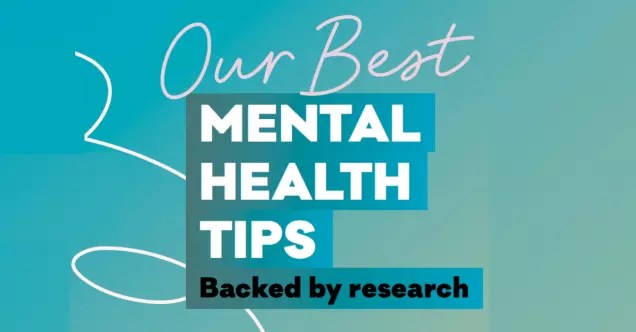
The 11 most effective ways for people to protect their mental health are revealed in a guide launched today by the Mental Health Foundation.
The free guide, Our Best Mental Health Tipsis based on the Foundation’s own ground-breaking study on what protects people from common problems such as anxiety and depression.
Dr Antonis Kousoulis, who led the research and is a Director of the Foundation, said: ‘Our new guide encourages us to take care of the fundamentals of life – our relationships, our experiences, our bodies and our finances.
‘The evidence shows that this is far more likely to keep us mentally healthy than the gimmicks and miracle cures promoted by some in the ‘wellness’ industry, who prey on our vulnerability.
‘The truth is, there are no quick fixes for good mental or physical health. What works is developing healthy habits in our daily lives, that help us to feel OK and able to cope with everything.
‘For example, in our new guide we talk about getting more from our sleep, learning to understand and manage our feelings, planning things to look forward to and getting help with money problems.’
The full list of mental health-promoting actions suggested by the new guide is as follows:
Get closer to nature
Learn to understand and manage your feelings
Talk to someone you trust for support
Be aware of using drugs and/or alcohol to cope with difficult feelings
Try to make the most of your money and get help with problem debts
Get more from your sleep
Be kind and help create a better world
Keep moving
Eat healthy food
Be curious and open-minded to new experiences
Plan things to look forward to
Most members of the public involved in the study had experienced their own, or family members’ problems with mental health, so had the benefit of hindsight when assessing what helps most with prevention.
The new guide (and the research on which it is based) acknowledges that people may be unable to follow some of its suggestions, for instance because the place they live makes it impossible to sleep well or spend time close to nature.
Dr Kousoulis added: ‘Enjoying good mental health should be an equally accessible goal for all of us, yet it is often out of reach for many. Government action is needed to create the circumstances that solve problems that are beyond individuals’ reach, and help prevent people having problems with mental health in the first place.’
You can download the new guide free of charge from the Mental Health Foundation website.You can also order hard copies by post, with a small charge.
About the Mental Health Foundation
Our vision is of good mental health for all. The Mental Health Foundation works to prevent mental health problems. We drive change towards a mentally healthy society for all, and support communities, families and individuals to lead mentally healthy lives with a particular focus on those at greatest risk. The Foundation is the home of Mental Health Awareness Week www.mentalhealth.org.uk
This is a non sponsored article written by the Mental Health Foundation.
Whether it is addiction to alcohol or drugs, deciding to seek treatment for substance abuse is never an easy decision. If it is a family member or yourself who has a problem with substance abuse, there are certain signs that will indicate it’s time to seek treatment at a qualified facility. Though it may be hard to admit, here is how you will know the time has come to admit professional help is needed.
Changes in Personality
If you have major personality changes eg you were once very outgoing but now are withdrawing from those closest to you, this can indicate you may need treatment for a substance abuse problem- you could also be struggling with depression . Another indication is if you lie about your addiction to those you love and try and keep it secret.
Financial Problems
If you are addicted to drugs, it won’t take long for this problem to result in you having severe financial problems. Whereas in the past you always had money to pay your bills, you now find yourself having to ask others to help you out financially. Eventually, you may lose your car and even your home. Seek help for your finances when you are able to- perhaps a friend of family member could help you.
Incidents with Law Enforcement
As you live with addiction, you may find that you commit crime or do things you wouldn’t normally do. This may include getting arrested for drunk driving, possession of drugs, or even more serious crimes such as theft or assault and battery. Once this cycle begins, it will worsen very quickly, which is why you should seek out substance abuse treatment as soon as possible. Drugs and alcohol can change your behaviour.
Physical Problems
When you are drinking or doing drugs regularly, this will ultimately take quite a toll on your physical health. While the most common signs may be relatively minor such as nosebleeds or eyes that are constantly red, you may also start to notice other signs. Look for signs of liver damage, increased blood pressure, or trouble breathing. Once these signs become evident, you need to get medical treatment as well as substance abuse treatment for your mental health. Look after your body as it can take a battering when you are addicted to substances.
Losing Your Job and Marriage
When substance abuse problems get very bad, your job and marriage may be at risk of being lost to you forever. You may find yourself suddenly being faced with the prospect of being unemployed and possibly divorced due to your ongoing battle with drugs or alcohol. Addiction can sadly strain relationships and make you unreliable at work too, because you are unwell and can’t get better. At that point, if you hit rock bottom, you may admit you need help for your addiction.
Taking that initial step in seeking treatment will be tough. However, doing so will enable you to get your life back on track and overcome your addiction to drugs or alcohol.
There are many places that offer specialised drug and alcohol treatment in the UK and globally. Check out Alcoholics Anonymous, Mind and Action on Addiction.
This article was written by freelance writer Rachelle Wilber.
Your mental health matters a great deal when it comes to your overall wellbeing. There may be days or times you feel low or maybe you’re someone who is managing a mental health or mood disorder currently.
Regardless of who you are, it’s important that you take positive steps in the right direction to take good care of yourself. Consider making and incorporating these changes and then notice how much better you feel overall. Here are four effective ways to boost your mood and be well so that you can get back to living fully and have a smile on your face while you do it.
1.Exercise & Move More
One effective way to boost your mood and be well is to exercise. Not only workout and break a sweat regularly but also commit to moving more throughout the day. Exercising is great for your mental health and can instantly put you in a better mood. Make working out fun by engaging in activities you enjoy and that get your body moving and making a playlist that keeps you motivated.
2.Get Organised & Declutter
Another effective way to boost your mood and be well is to get organised and reduce the clutter in your home, office, and life. You’ll feel less stressed daily and will be able to easily find what you’re looking for. Go through old boxes and get rid of or donate items you no longer use or want sitting around. As for anything you decide you want to keep but don’t want in your home, it would be useful to look into securing a storage unit with https://www.storagearea.com for the overflow.
3.Stay Social & Connect with Others
If you want to effectively boost your mood and be well then it’s in your best interest to build relationships with others, if you are able. Stay social when you can and make connections that are meaningful and rewarding. Keep a social calendar and be sure to get out and about once in a while so that you’re not always sitting around the house or feeling lonely. Sometimes this can be more difficult, so be kind to yourself.
You may want to join clubs or orgnaisations in your area, volunteer, or play group sports to help you stay better connected, if you want to. Otherwise, take up a hobby or two and make new friends this way as well. If you struggle with making friends or have social anxiety, you aren’t alone and there is a lot of support out there for you too!
4.Eat A Healthy Diet
What you put in your body for fuel can also impact your mood and mental health. Feel better fast by eating a healthy diet and cutting back on sugar, alcohol, and processed and fried foods. Some foods can also cause anxiety and make you feel uneasy. Stick to a healthy and well-balanced diet filled with fruits, vegetables, and leafy greens, nuts, and lean proteins. It might help to get in the habit of cooking for yourself at home so you have more control over the ingredients you use and what you’re eating. Also, always drink plenty of water to make sure you stay hydrated and have more natural energy to get you through the day.
Keeping well is something you can do for yourelf- go at your own pace and look after your mental health and overall wellbeing. This article was written by a freelance writer.









 beurownlight.com