What Eye Tests Can Reveal About Your Mental Health  by Addy Reeds.

(image: Unsplash)

Eye health goes beyond just vision acuity; it can also offer a window into one’s mental and overall health. Recent studies have shown that comprehensive eye exams can uncover early signs of mental health conditions. In this post, we’ll discuss how certain eye tests can be indicative of broader health issues, shedding light on the intricate connection between eye and mental health.  

Visual Field Test and Anxiety Disorders 

A visual field test measures the entire scope of vision, including peripheral vision. Individuals with anxiety disorders may exhibit an unusually narrow visual field. This constriction is often linked to heightened alertness to threats, a common characteristic of anxiety disorders. By identifying these patterns, eye care professionals can recommend further psychological evaluation. 

Retinal Screening and Depression 

Retinal screening involves the examination of the back of the eye, including blood vessels. Changes in retinal blood flow and the thickness of retinal layers might correlate with depression. The retina is an extension of the brain, and its health could reflect the state of brain health. These findings at optometry clinics can prompt referrals for mental health assessments. 

Pupil Response Tests and Schizophrenia 

Pupil response tests evaluate how pupils adjust to light and darkness. Abnormalities in pupil reactions can be indicative of schizophrenia. Specifically, individuals with this condition may show an exaggerated pupil dilation when focusing on certain tasks. These variances in pupil response offer critical clues for early detection and management of schizophrenia. 

Eye Movement Tests and ADHD 

Tests that assess the rapidity and accuracy of eye movements can offer insights into Attention Deficit Hyperactivity Disorder (ADHD). People with ADHD tend to have difficulty maintaining steady visual focus, leading to rapid eye movements. This characteristic can help differentiate ADHD from other attention disorders, guiding appropriate treatment and support. 

Color Vision Tests and Cognitive Health 

Color vision tests do not just assess the ability to distinguish colors; they can also reveal cognitive health aspects. Certain neurological conditions, including dementia and Alzheimer’s disease, can impair color vision. Early detection of these changes in color perception can lead to timely cognitive assessments and interventions. 

Contrast Sensitivity Test and Anxiety Levels 

Interesting research has revealed a correlation between reduced contrast sensitivity and higher levels of anxiety. This might be due to the way anxiety can affect neural pathways related to vision processing. Identifying a decrease in contrast sensitivity could, therefore, suggest the need for a mental health check-up, underlining the complex interplay between visual function and mental well-being. 

Optical Coherence Tomography (OCT) and Bipolar Disorder 

Optical Coherence Tomography (OCT) is a non-invasive imaging test that provides detailed images of the retina’s various layers. Recent studies suggest that individuals with bipolar disorder may have certain retinal nerve fiber layer abnormalities detectable through OCT. These abnormalities in the eye’s structure could reflect alterations in neural pathways associated with bipolar disorder.  

Eye tests provide valuable insights not only into one’s vision but also into overall mental health. The connection between the two underscores the importance of regular psychological assessments as well as consultations from optometry clinics like Calvert Ophthalmology Center. Surprisingly, eye exams can reveal early signs of mental health conditions, which can offer an opportunity for early intervention and support.  

How To Think About Crafting A Personal Development Plan for Self-Improvement.

(image: Karolina Grabowska, Pexels)

So, you’ve decided to take the reins and guide yourself toward personal growth? That’s great news! Crafting a personal development plan isn’t just about lofty goals; it’s about mapping out your journey to becoming the best version of yourself. Think of it as creating a personalised roadmap that highlights both the routes and the scenic stops along the way.


Understand Your Current Situation

First things first: where are you at right now? Take a good, hard look at what you’ve accomplished and where you might be spinning your wheels. It’s all about self-awareness. Do you feel like you’re killing it in some areas but maybe lagging a bit in others? This step is your foundation—it’s all about knowing your strengths and poking at your weak points a bit. Remember, honest self-evaluation is the first step to genuine growth.

Define Clear, Relevant Goals

Now, let’s talk about your goals. And not just any goals—SMART ones. Specific, Measurable, Attainable, Relevant, Time-bound. That’s the secret sauce. Whether it’s climbing up the career ladder, enhancing your health, or just learning how to whip up a good meal, knowing exactly what you want to achieve gives you a clear target to hit. Setting these goals will also infuse your daily routine with purpose and direction.

Identify The Skills You Need

Got your goals? Great! Next up: figuring out what skills you’ll need to bag these goals. If you’re aiming for a promotion, maybe you need some extra leadership flair or tech skills. If it’s about health, understanding nutrition or workout plans might be your focus. List what you need to learn, then plan how you’re going to learn it. This planning should also include identifying any potential barriers to your learning and thinking about ways to overcome them.

Allocate Resources And Time

Resources—time, money, tools—it’s what you’ll need to get where you want to go. Planning is key here. Maybe carve out a few hours each week for studying, or set aside some cash for courses or books. Knowing what you have and what you need to get is crucial. Also, consider the less tangible resources like emotional support or professional networks.

Action Plan

Time to break those big dreams down into smaller, bite-sized tasks. Add some deadlines to keep you motivated. If you’re learning a new language, maybe you’re practising daily, chatting with a native speaker weekly, and subscribing to a language app. Each small step should align with your larger goals, creating a path forward. Consider using tools like digital planners or apps that can help you manage these tasks and keep you on track. R

Remember, the key here is consistency; by chipping away at your goals day by day, you’ll build momentum and see tangible progress. Plus, scheduling regular check-ins with yourself to assess the week’s successes and setbacks can keep you honest and adaptable.

Monitor Your Progress

Keeping an eye on how you’re doing is essential. It’s like giving yourself a mini-report card. Are you smashing those targets? Great! Falling a bit short? Time to tweak your plan. This step keeps you motivated and on track. Regular reviews can also help you understand if your goals still resonate with your aspirations or need adjustment.

Be Flexible And Adjust

Here’s the thing: life happens. Your goals and methods might need a quick shuffle as you face new challenges or opportunities. Stay flexible and keep your plan fresh. Flexibility can also help reduce the stress of unexpected changes and keep you resilient against discouragement.

Seek Feedback

Don’t shy away from feedback. Whether it’s from friends, family, or a mentor, a fresh pair of eyes can offer new insights and help you stay the course. Use that constructive criticism—it’s gold! Plus, engaging regularly with your feedback sources can build stronger relationships and open up more support networks.

Incorporate Wellness And Recovery

Taking care of your overall well-being is non-negotiable. If life’s stressors are piling up, it’s vital to incorporate strategies to manage them. Organisations like AUK can be a tremendous help if you’re struggling with addictions or related stress. Remember, a healthy you is a more productive you. Incorporating mindfulness practices into your daily routine can also play a significant role in maintaining your mental health.

Reflect And Celebrate

Take a moment to pat yourself on the back. Celebrate every win, no matter how small. It’s not just about cheering yourself on; it’s about reinforcing the habits that got you there. Celebrating your progress not only boosts morale but also helps anchor your achievements in your mind, reinforcing the behaviours that got you there. Create a ritual around your celebrations—maybe it’s a monthly ’victory dinner’, or writing down accomplishments in a journal. This can help turn reflection into a habit, which not only boosts your self-esteem but also enhances your motivation to continue striving towards your goals. Such moments of reflection allow you to see how far you’ve come, which is essential when the road ahead seems daunting.

Harness The Power Of Visualisation

Imagine yourself succeeding. Really, picture it! This isn’t just feel-good fluff; it’s a powerhouse technique to keep your eyes on the prize. And why not throw together a vision board? It’s a fun, visual reminder of where you’re headed. Using visualisation regularly can effectively bridge the gap between your current state and your goals, making them feel more attainable.

Establish A Support System

It’s easier to climb mountains with a little help. Build a network of cheerleaders who believe in your journey. They can offer a shoulder to lean on, an ear for your plans, or even a nudge when you need it. This support network can become your go-to resource during challenging times or when you need a bit of inspiration.

Stay Curious And Keep Learning

And finally, never stop learning. As you grow, so will your interests and goals. There’s a whole world out there filled with books, courses, and people to learn from. Keep that curiosity alive, and you’ll never stop growing. Staying engaged with new ideas and continuous learning can also prevent stagnation and keep your mind sharp.

A personal development plan isn’t just a checklist; it’s a living, breathing blueprint for your growth. With the right planning, a bit of flexibility, and a whole lot of gumption, you’re well on your way to becoming your best self. Keep pushing, keep learning, and most importantly, keep enjoying the journey!

This article was written by a freelance writer

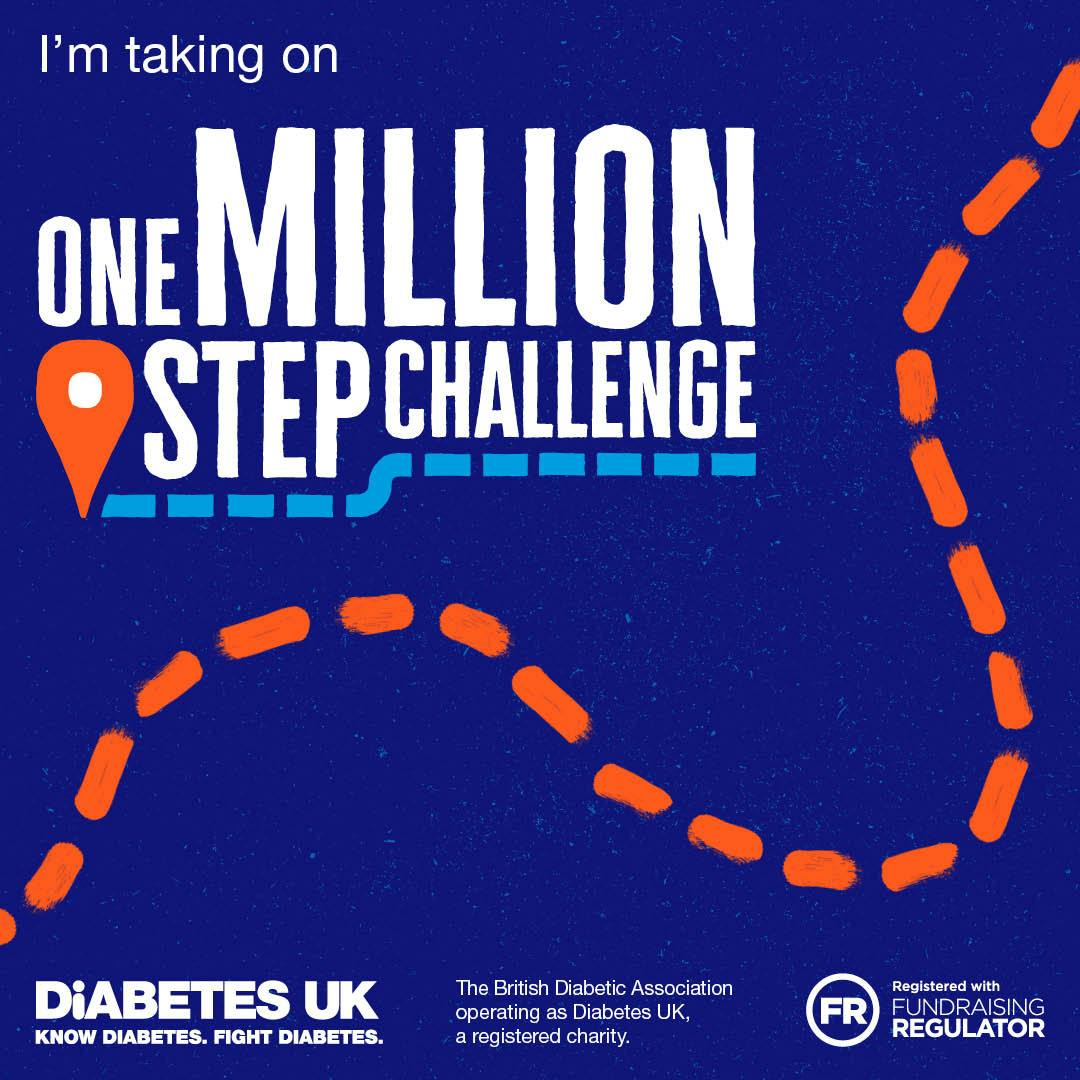
I am doing the One Million Step Challenge (500,000 steps) for Diabetes UK!

This is scary but here goes! This summer, I’m stepping up for Diabetes UK in their Step Challenge (I will be aiming to do 500,000 steps between my birthday 1st July and September).🤣🥰

I am doing this challenge to not only support the 5 million people in the UK who live with diabetes (including my dad Mike) but also to get fit, healthy and lose weight after being diagnosed with polycystic ovarian syndrome (pcos) last year. With pcos there is a future risk for diabetes as well as fertility challenges- I’m not diabetic currently and want to get healthier.

Those who know me well know this is a big deal for me as I am not a gym goer! I will be aiming to do 5000 steps a day starting on my 36th birthday 1st July- through to 30th September to total 500,000 steps which is one of the challenges.

Please sponsor me if you can afford to fund life saving treatments/research into diabetes and get me off the couch so I am healthier too!

Click sponsor me in previous sentence to donate or learn more!

Thank you; Eleanor xx

🦋🌻

The Digital Descent: Understanding the Connection Between Doomscrolling, Anxiety and Panic Attacks by Charles Watson

(image: Brian McGowan, Unsplash)

In 2024, there is a growing awareness of the effects associated with constantly consuming negative news, a behaviour commonly known as “doomscrolling.” Media and constant news updates often fuel this habit of seeking out distressing information. Sadly, this can have serious implications for both physical and mental health.

Recent conversations among health experts have shed light on the link between doomscrolling and the increase in Substance-Induced Anxiety Disorder (SIAD) as well as panic attacks. As someone who writes on mental health, I wanted to delve into this correlation, providing insights and practical tips to protect your health in a world that appears to be in a perpetual state of crisis.

What is the Meaning of Doomscrolling?

Doomscrolling involves the consumption of news. Consumers caught up in this cycle feel compelled always to follow disasters, political unrest, environmental crises, and other distressing events, resulting in prolonged exposure to negative media. Additionally, some may even engage in extended sessions of watching vertical, short-form videos without awareness of the passage of time.

We can admit staying informed is important. However, constant focus on distressing media can affect one’s well-being.

Psychological Effects of Doomscrolling

The brain is naturally inclined to react to threats with a fight-or-flight response—a survival instinct ingrained in our biology throughout history.

However, when the mind is activated by immediate non-physical threats, like distressing news, it can result in prolonged stress. This prolonged state of vigilance can heighten anxiety levels over time potentially leading to anxiety disorders and panic episodes.

However, why is it so addictive to watch distressing news? Well, engaging in doomscrolling triggers the activation of dopamine receptors, which provides short relief from anxiety, despite the eventual worsening of mood. 

What is more concerning is individuals often revert to doomscrolling in an attempt to alleviate their distress, perpetuating the cycle of negative emotions.

Link to Substance-Induced Anxiety Disorder

Substance-induced Anxiety Disorder (SIAD) begins to show its ugly face when symptoms of anxiety or panic stem directly from substance consumption, withdrawal, or exposure to substances. Common culprits include caffeine, alcohol, nicotine, and certain prescription drugs. 

People who engage in doomscrolling may resort to substances like alcohol or prescription drugs as a coping mechanism for the anxiety and stress triggered by the news they consume. This could establish a cycle where substance use provides relief from anxiety symptoms but later worsens them, possibly resulting in SIAD.

Real World Implications – Panic Attacks

Panic attacks are episodes of fear that may manifest as heart palpitations, sweating, trembling, etc.  Sometimes there is even an overwhelming sense of dread and fear of losing control. 

For those who are exposed to negative news, unfortunately their threshold for panic attacks may be lower. Substances used to manage this stress can further decrease this threshold, making panic attacks more frequent and intense.

(image: Mark Adriane, Unsplash)

Tips for Breaking This Habit

Breaking free from the cycle of doomscrolling requires effort and specific strategies. Here are some “practical?” steps you can follow;

1. Establish Strict Time Boundaries

Hold yourself to designated times during the day for checking the news and make a commitment to stick to these schedules. Utilizing apps restricting your access to websites or social media platforms can help you maintain this routine.

2. Customise Your Social Media Content

Take a role in curating your social media feeds by including uplifting content. Follow accounts that share stories or even your city media feeds to create a balanced experience alongside the inevitable negative news we all have to see.

3. Try Healthy Coping Mechanisms

It may be time to hit the gym. Or engage in activities such as yoga or jogging. Better yet, incorporate mindfulness techniques like meditation or diaphragmatic breathing. Finally, find a way to express yourself through creative endeavors like writing or painting.

4. Consider Professional Support

If needed, and if feelings of anxiety or panic become overwhelming, seek assistance. A health professional can always be beneficial. Therapists can offer personalized coping strategies tailored to meet your needs, as we are all different in what triggers our anxiety.

5. The Inevitable – Keeping in Touch

Even as a mental health writer, I can be better at this one. Having ties with friends and family can ease stress and worry. Interacting regularly can shift our focus away from the constant stream of negative news.

In the end, while staying informed is important, it’s also vital to strike a balance in how we consume news. Recognizing the signs of scrolling through distressing content and taking proactive measures to lessen its impact can help prevent the development of more severe anxiety issues and panic attacks. The world has changed, and mental health is important, so by being mindful and adopting coping strategies, we can safeguard our well-being during these challenging times (no matter where we are located.)

By being aware of how our media intake affects our health, we can navigate the age without falling prey to its negative aspects. Remember, it’s completely fine to unplug for the sake of your well-being.

Charles Watson is a freelance blogger.

Your Environment Matters: Setting the Stage for Drug Detox Success this Mental Health Awareness Week by Maya

(image: Unsplash: Ron Smith)

When you’re struggilng with substance abuse and considering detox, chances are you have a clouded view of what this looks like. Images of withdrawal symptoms, sterile hospital beds, and indifferent staff often cause people to fear going into a rehab center. But drug detox doesn’t have to be this way.

Facilities across the USA (and in the UK) like Utah drug detox centers, can provide a safe, supportive, and structured environment to help you navigate this challenging phase. These centres offer the resources and expertise necessary to manage detox. They can help set you up for long-term success.

What are the key aspects of a positive detox environment, and how do they contribute to a successful recovery journey? We’ll discuss those answers here.

Building a Foundation

Research shows that up to 90% of people who relapse after drug detox do so within the first year. Don’t let this number discourage you, though! It can feel daunting, but it also highlights the importance of setting yourself up for success from the very beginning.

Creating a positive environment during detox will improve your chances of long-term recovery. You need a calming, supportive space. Whether you choose your own home, a friend or family member’s place, or a detox program, make sure it’s comfortable and includes healthy, appealing meals that nourish your body. As you heal and cope with withdrawal symptoms, you’ll need proper nutrition.

Surround yourself with a supportive network of people as well. Those who understand your journey and believe in your recovery will be a crucial source of strength.

Address Detox Concerns

Detoxification is often seen as a difficult, uncomfortable experience, and with good reason. Many people entering detox worry about withdrawal symptoms. These effects can range from anxiety and fatigue to nausea, pain, and muscle aches.

But withdrawal symptoms aren’t the only concern. People might also worry about privacy, safety, and the cost of detox. Quality detox programs focus on patient privacy and confidentiality with trained medical professionals to provide a safe, supportive environment.

These types of detox programs can come with a hefty price tag, but many facilities have flexible payment options or work with insurance. Treatment is still within reach for those struggling financially.

Environment

Imagine stepping into a detox program, not with a sense of dread, but with a feeling of comfort. Instead of glaring lights and cold metal, you’re greeted by a warm, home-like environment. Attentive and professional staff are there to support you, easing the anxieties often associated with detox. This welcoming atmosphere can foster a crucial element of recovery: trust.

Trust in your caregivers is essential. When a detox program feels clinical and impersonal, it can create a sense of detachment. You might feel like just another patient to be processed. But a comfortable and inviting space can make a big difference.

This environment allows you to feel safe, valued, and more receptive to the personalised care and guidance offered by your treatment team. The sense of trust empowers you to fully engage in the detox and recovery process, setting you up for a stronger foundation on your journey to a healthier life.

Take the First Step

Detox is a crucial first step on the path to recovery. By prioritizing a safe, supportive, and comfortable environment, you can significantly increase your chances of long-term success.

Remember, you don’t have to face this alone. Reach out to a qualified professional or treatment center today to begin your journey to a healthier and happier life. Many resources are available to support you, and there is no shame in seeking help. Take that first step today — your future self will thank you for it.

We’re a Top 10 UK Mental Health Blog by Vuelio for Mental Health Awareness Week 2024!

(image: Vuelio).

I am absolutely delighted to share that Vuelio has listed Be Ur Own Light as a Top 10 UK Mental health blog! For the 6th year running! I am so grateful as we work hard year-round on the blog. Thank you to all our amazing collaborators too. These lists recognise influential blogs in their sectors.

You can see Vuelio’s Top 10 Mental health blog list here this Mental health awareness week: https://www.vuelio.com/uk/social-media-index/mental-health-blogs-uk-top-10/

We are number 7! (last year number 5, but getting on this list is a huge achievement and for 6 years in a row… can’t believe it.)

Thanks Christina and all at Vuelio!

Looking forward to sharing more mental health blogs and battling stigma daily.

Eleanor x

Returning To Work After A Long Time Away And Work Mental Health

(image: Josh Duke: Unsplash)

While we might think that everyone is a buttoned-down professional, everyone has their own relationship to their work. But what about returning to work after a long time away? Maybe you’ve been on maternity leave, have suffered an illness, been struggling with mental health, or have been off work for a variety of reasons.

However, it’s true that settling back into the regular working cycle is often a form of mental health and self-care in itself. This is because work is hard, as is balancing a job around personal priorities. As such, it’s important to get out there, to make the right preparations and to believe you can do it. The secret is that you really can, even if you had to fight against your previous employer thanks to their lack of labor law compliance tracking.

With that in mind, let’s discuss how to brace yourself for a return to work, even after a long time away.

Plan Ahead For Your Transition

Your employer likely knows that you have a period of unemployment in the past, and may have asked you about it. If you were candid about it and still gained the job, your employer will likely understand. For the first couple of weeks, you might ask to do staggered days or part-time shifts, then slowly move into full-time. It can’t hurt to ask.

Alternatively, you might integrate a full month of regular 9-5 work to onboard, and then consider remote working from that point on. Planning ahead for your transition, making these requests, or asking for any appropriate support measures can be key. For example, perhaps you need to visit your physiotherapist once a week for mobility assistance. Laying this all out on the table is healthy, because you have nothing to be ashamed of, and reasonable provisions must be made for you (as they legally ought to be for anyone who experiences a personal condition or disability).

Refresh Your Skills & Knowledge

Even the most capable professional can feel rusty in their skills after a period away, as work isn’t like riding a bicycle, it takes a little adjustment period to feel your best. As such, you might ask to review certain work materials before you start, such as the company structure, role boundaries and parameters, and specific preparations to make.

In some cases, you may have the tools to play around with before you start. If you’re working in the content production section of a marketing department, you might focus on Premiere Pro revision or editing software understanding once more, checking out the new updates to see what has changed. This way, you arrive at the new place a little sharper and more practiced.

Get Into The Daily Schedule Beforehand

You may have a couple of weeks before you start work again, which is a great practice period for getting used to your new schedule. You might begin waking up early in the morning and going to bed early, to help your body clock adjust to the new normal. You could even take the commute a few times to make sure you relax into it, and don’t have to worry about being late for your first day. If taking the train during rush hour or figuring out the best route to drive, that can give you great peace of mind. If you are struggling with your mental health, definitely reach out for support.

Moreover, you might prepare your lunch the night before just to get into the habit, or purchase your train tickets set to be valid by a certain date. Getting into the swing of things allows you to avoid feeling tired out or a little shocked when you settle back into work. You don’t want to wake up for your first day tired, irritable, and hungry, but energised and ready to get started. If you have work anxiety, its OK speak to a trusted friend, family member or therapist and seek support.

Don’t Try & Reinvent The Wheel

Most people like to give a good impression as they turn up to a new job for the first time, but that doesn’t mean you have to become the employee of the year in the first week. Just take it easy, and follow the onboarding plan. That’s all you have to do to begin with. Sure, you might be involved in new meetings, but you don’t have to lay out a large vision or plan just yet. Sure, you might be an integral part of the team, but you don’t need to take everyone’s work on immediately. 

It takes time to adapt to a new workplace, and any manager worth their salt understands that. This is also a period to ask as many questions as possible, even if they seem silly on the surface. After all, if you don’t ask now, when will you? Moreover, if you’re a little rusty, don’t be afraid to admit that and slowly sharpen your skills. You don’t have to put every insecurity out there of course, but don’t feel like you have to be perfect, because that’s the quickest way to make a mistake.

Manage Stress & Anxiety Responsibly

It’s natural for people to feel a little stressed at work, and if you have anxious feelings, a new job is fertile ground for them to surface. But you can manage your anxiety with care. You might use supplements to help you (consult a doctor first), and this could include valerian root which is know to deal with mild stress, or ashwagandha, a herbal blend known to relax. Use what works for you and is approved by your doctor, and if advised against taking it or if they clash with any medications you take, make sure to stay well clear. Seeing a therapist can also be helpful.

Moreover, breathing exercises, good sleep schedules and hygiene, and the willingness to take each day at a time can help you feel more relaxed in no time. The first few weeks can be worrying, but sooner rather than later you may begin to feel at home.

With this advice, you’ll be certain to brace yourself even after a long absence preceding your return to work. 

This article was written by a freelance writer.

Mental Health Care In Schools Resources- with Twinkl

(image: Kenny Eliason, Unsplash)

I am delighted to be collaborating with Twinkl on their mental health resources for children in schools.

Twinkl say , ‘We must recognise the need to improve understanding of children’s mental health. A person’s mental health is determined by a complex cocktail of different factors interacting. Some of these factors come from a person’s biology, while others come from external factors. Further complicating things, young children don’t always have a full understanding of why they feel they way they do. They can also be reluctant to talk about it, which only adds to the challenge if you’re a teacher trying to support good mental health care at your school. Ultimately, though, if you have concerns that one of your students is struggling with something related to mental health, you should report your concerns to the appropriate authority.’

Twinkl creates resources for teachers and their students, to provide excellent mental health education. This includes resources such as a morning physical and mental health check in, mental health discussion cards, mindfulness colouring pages, and the emotions iceberg to help children understand their feelings.

(image: Twinkl)

Sometimes children come to school unable to express their emotions or what is going on at home. That’s why its so important for teachers to use these tools to help children at school.

Click here to look at the amazing resources and read this blog by Twinkl.

This is an unpaid collaboration with Twinkl.

What 6 Phases Does the Borderline Personality Disorder Relationship Cycle Consist Of? by Maya

(image: Kenny Eliason: Unsplash)

Those who have Borderline Personality Disorder (BPD) often have trouble maintaining relationships. Though not every relationship will go through these stages and the process isn’t always linear, there are six distinct phases they can go through (although each person is different). Those phases can include the following.

Idealisation

The first phase, often the start of the relationship, is the idealisation phase. Someone with BPD will shower their partner with affection, so the relationship starts out passionately. They may develop feelings fast, and they may mistake the initial feelings of passion as finding the person they’re going to be with forever. Those getting help for their mental health at a Borderline personality treatment center will learn how to recognise this phase in their relationships.

Fear of Abandonment

Once the relationship is underway, the person with BPD will end up watching everything their partner does carefully. The fear of abandonment is strong, so they end up worrying that there are signs that they will be left behind. If their partner doesn’t answer a text message fast enough, the person with BPD might feel like their partner is thinking of leaving them. This can put strain on the relationship.

Reassurance

At this point, the person with BPD will attempt to get reassurance that the partner isn’t going to leave. They might start arguments in an attempt to get the partner to prove they are willing to fight to stay in the relationship. This is often where relationships turn toxic, as the behaviour leads to more arguments and fights in an effort to get the partner to prove they’re serious about the relationship.

Distress

Because of the toxicity in the relationship, it will start to fall apart. The person with BPD will see this coming and start to feel like there’s no way to save the relationship. They’re may feel like they are empty, but they do not have a way to communicate this with their partner. The lack of communication skills can spell disaster for the relationship.

Abandonment

The person with BPD is likely to be the first one to break up the relationship. At this point, it’s difficult if not impossible for the relationship to recover, even if the person with BPD realises what they’ve done. This ultimately creates the feeling of being abandoned, so they are likely going to feel like their fear is real and will be more likely to repeat these phases in the future.

Grief

The final stage is grief. They may end up blaming themselves for the relationship ending and can engage in self-harm or other destructive behaviours as a result. Some will turn to substance abuse or risky behaviours as they grieve the end of the relationship. Depending on the severity of BPD, the intensity of the relationship, and other factors, it may not take long to get from the idealisation stage to the grief stage, which can make going through this stage worse.

BPD disorder doesn’t mean that a relationship is impossible and not all relationships with them will go through these phases. However, this is a common way that relationships play out when one of the people suffers from BPD. Therapy and relationship counselling can help both people to recover and repair from any toxic relationship patterns.

This article was written by Maya.

Unleash Your Potential: Unconventional Hacks for Personal Growth by Miranda Spears

(image: Clark Tibbs: Unsplash)

Personal development frequently demands unique techniques to maximise potential. This article will explore unorthodox personal development hacks that can spark creativity, fresh views, and goal-setting. Each hack for self-discovery and development is different, from embracing pain and novelty to using technology and extreme honesty. By using these unique methods, you’ll discover hidden strengths, tear down boundaries, and open up new opportunities for personal development and enjoyment.

1. Embracing Discomfort

Contrary to popular belief, embracing discomfort can be a powerful catalyst for personal growth, as it challenges you to confront your fears, expand your comfort zone, and discover your true capabilities. Instead of avoiding discomfort, lean into it by intentionally seeking out challenging situations or activities that push your limits, as long as it feels healthy for you to do so. Whether it’s trying a new hobby, speaking in public, or initiating difficult conversations, each experience of discomfort offers an opportunity for growth and self-discovery. Embrace the discomfort as a sign that you’re stepping outside your comfort zone and making progress toward your goals, knowing that resilience and growth wait on the other side.

2. Enroll in Growth Programs

For individuals seeking to unlock their full potential, enrolling in growth programs can be a transformative step. Consider embarking on a self-mastery program tailored to your unique aspirations and challenges. These programs are expertly crafted to provide comprehensive guidance and support on your journey of personal development.

Through a mastery program, participants gain access to valuable tools, insights, and strategies designed to foster growth and resilience. By immersing yourself in a growth-oriented environment, you open doors to new perspectives, opportunities, and personal breakthroughs. Embracing the opportunity to enroll in a mastery program empowers individuals to navigate life’s complexities with clarity, purpose, and confidence.

3. Leveraging Technology

Technology can be a valuable tool for personal growth when used intentionally and mindfully. Explore digital resources such as apps, podcasts, and online courses that offer insights, techniques, and exercises for self-improvement and development. From meditation apps and habit-tracking tools to virtual communities and online learning platforms, there’s a wealth of technology-driven resources available to support your growth journey. Harness the power of technology to access information, connect with like-minded individuals, and track your progress toward your goals, leveraging its potential to enhance your well-being and accelerate your growth.

4. Practicing Radical Honesty

Being entirely open and genuine in your communication, whether it is with yourself or with other people, is an essential component of radical honesty. This is true even when the communication is met with resistance or discomfort. Embrace radical honesty as a method of enhancing your self-awareness, bolstering your relationships, and living in a manner that is congruent with your core beliefs. Identifying areas in which you can be holding back or avoiding tough realities can be accomplished via the practice of self-reflection and introspection.

Once you have identified these areas, commit to stating and living your truth with integrity and bravery. Despite the fact that radical honesty requires a degree of vulnerability and bravery, it leads to the development of more profound relationships, promotes personal growth, and cultivates a stronger feeling of authenticity and contentment in all aspects of life. It is important however to not hurt peoples feelings but still remain true to yourself.

5. Embracing Failure and Iteration

Failure is an unavoidable component of the process of human development. Still, rather than seeing it as something to be feared, it should be embraced as a great learning opportunity and a springboard for development. It is important to have a mentality that encourages experimentation and iteration, considering errors and setbacks as feedback that can help you move ahead and shape your subsequent actions. Accept the process of learning via trial and error, keeping in mind that each setback gets you one step closer to achieving your goals. In recognition of the fact that resiliency and flexibility are essential components for personal development and achievement, you should celebrate your willingness to take chances and learn from your failures via celebration.

In conclusion, unconventional hacks and tactics can boost personal development and self-discovery. Each hack unlocks your inner potential and improves your life, from accepting pain and joining development programs to using technology and being radically honest. Stepping beyond your comfort zone, seeing failure as a learning opportunity, and being completely honest and real can help you reach your full potential and thrive. Celebrate the unexpected, the adventure, and new opportunities on the way to personal excellence.