
A Guide On How To Stay Calm At The Dentist

(image: Brian J Tromp, Unsplash)

Sitting in a dental chair can make many people feel nervous. Studies reveal that around 36% of adults have some level of anxiety about visiting the dentist, while 12% experience extreme fear or dental phobia. 

The anticipation of discomfort, unfamiliar equipment, or the sound of drills can all contribute to this stress. Certainly some treatments such as root canal treatment can require you to spend 45 minutes in a chair and this can send the brain into meltdown.

However, there are effective ways to stay calm and make the experience more manageable, ensuring that dental care remains a positive part of maintaining overall health.

Try Breathing and Relaxation Techniques

Focusing on your breathing can help calm your mind and body. Deep breathing exercises, where you inhale slowly through your nose for a count of four, hold for four seconds, and exhale for another count of four, can reduce feelings of anxiety

These techniques slow your heart rate and create a sense of control, even when you feel tense. Some people find mindfulness helpful, where you focus on the present moment and let go of worries about the procedure.

Relaxing your muscles can also make a big difference. Dentists often encourage patients to release tension in their shoulders, hands, and jaw. A relaxed body sends signals to the brain that you are safe, helping to ease your overall anxiety.

Speaking with Your Dentist

One of the best ways to stay calm is to talk openly with your dentist about your feelings. Dentists are trained to handle nervous patients and can adapt their approach to make you more comfortable. Some offer “stop signals,” such as raising your hand if you need a break during treatment. This creates a sense of control, which is particularly important for managing fear.

Asking your dentist to explain each step of the procedure can also help. Knowing what to expect removes the element of surprise, which often triggers anxiety. Many dentists use simple, clear language to describe what they’re doing, which can help you feel more informed and reassured.

Using Distractions to Stay Relaxed

Distraction techniques can make a big difference while in the chair. Some dental practices offer entertainment options, such as headphones with music or TV screens, to help take your mind off the treatment. 

Alternatively, you can bring your own music or podcasts to listen to during the appointment. Focusing on something familiar and enjoyable can shift your attention away from the procedure.

Imagining yourself in a calm and happy place, such as a beach or a quiet park, can also help. Visualising a relaxing setting encourages your brain to associate the experience with something positive, reducing fear and discomfort.

Helping Children Visit The Dentist

For children’s dental treatment, this can be a daunting first experience. Understanding what is involved, using the right distractions and offering positive feedback can be good to create confidence for future visits. Some dentists are good at using bright objects such as dental glasses, toothbrushes and posters on the ceiling to distract kids. 

But anything that can make the dentist fun is something that can help ease kids. From the fish task, to all the lights and sounds, it can be presented in an interesting way to keep things calm.

How To Build Confidence Over Time

The more positive experiences you have at the dentist, the easier it will be to stay calm in the future. Regular visits can help desensitise you to the environment and procedures, making them feel routine instead of intimidating. 

Overcoming fear of the dental chair not only improves your oral health but also boosts your confidence in handling challenging situations.

By using these strategies, dental visits can become less stressful and more manageable, ensuring that you take good care of your smile without unnecessary worry.

This article was written by a freelance writer.

How Dentists Help Patients Suffering With Anxiety

(image: Filip Rankovic Grobgaard – Unsplash)

Let’s face it, going to the dentist is nerve-wracking at the best of times. The bright light in the face, the invading of your personal mouth space and interrogation of questions is not easy for anyone, let alone those who suffer from anxiety.

Dental anxiety is a widespread issue, with research showing that around 36% of people experience mild fear of dental visits, while approximately 12% suffer from an intense phobia. This fear can arise from negative past experiences, fear of pain, or even the sounds and smells of a dental surgery. 

For some, the anticipation of discomfort creates overwhelming stress, leading them to avoid regular check-ups and treatment. Dentists are trained to recognise and address this anxiety, ensuring patients feel safe and supported.

Creating a Calm and Relaxing Environment

A welcoming environment is one of the first steps in easing anxiety. For some practices like Aromaden in Surrey, creating a calm environment through the use of furniture, staff attitudes, lighting and culture are a big part of soothing patients.

Dentists often design their clinics with comfort in mind, using calming colours, natural light, and soothing background music. Friendly and approachable staff can also help patients feel at ease upon arrival. Open communication is essential; dentists take time to explain treatments step-by-step, using simple language to demystify the process and build trust. Patients are encouraged to ask questions, ensuring they feel informed and in control of their care.

Modern Techniques to Reduce Fear

Advancements in dental technology have transformed the patient experience, making procedures faster, less invasive, and virtually painless. 

Many dentists use local anaesthetic techniques that minimise discomfort or offer sedation options such as nitrous oxide (commonly called “laughing gas”) or oral sedatives to help patients relax during treatment. In cases of severe anxiety, general anaesthesia may be an option, allowing the patient to remain unconscious throughout the procedure. The availability of these methods reassures patients and helps alleviate their fear.

For decades, patients have been used to metal fixed braces and all the wires and screws that come with it. But today, using Invisalign treatment is as simple as popping in a mouthguard for just a few months to receive the same desired outcome. Whilst Invisalign is not available for children, it is something that adults have used to get straight teeth later on in life.

(image: The Humble co- Unsplash)

Psychological Support and Trust Building

Dentists often incorporate psychological techniques to address anxiety. Strategies such as cognitive behavioural therapy for dentistry (CBT) can help patients challenge irrational fears and develop healthier attitudes toward dental care. Some practices introduce patients to gradual exposure, where they begin with simple visits like check-ups and slowly progress to more involved procedures as their comfort level increases. Deep breathing exercises and relaxation techniques are also recommended to help patients stay calm during appointments.

Building a strong relationship between the patient and dentist is critical. Trust is developed through active listening, empathy, and empowering patients to communicate their needs. For instance, many dentists allow patients to signal for a break during procedures, giving them a sense of control and reassurance.

Benefits of Overcoming Dental Anxiety

Managing dental anxiety not only improves oral health but also enhances overall well-being. Regular visits prevent serious problems like tooth decay and gum disease, which can require more invasive treatments if neglected. Additionally, addressing dental issues boosts confidence, as patients feel better about their smiles. For many, overcoming fear also builds resilience and makes it easier to tackle other aspects of healthcare.

By creating a calming atmosphere, utilising modern tools, and fostering trust, dentists can help anxious patients feel more comfortable. This approach ensures that even those with deep-seated fears can access the care they need for a healthy, confident smile.

This blog was written by a freelance writer.
Christmas For CAMHS 2024- Supporting Children and Adolescents On UK Mental Health Wards Every Festive Season.

(image: Christmas For CAMHS)

A few years ago, I was delighted to discover this incredible charity- Christmas for CAMHS through a post by its founder Ro Bevan. This charity means a lot to me because 20 years ago this festive season, I was a very unwell 16 year old on a NHS child and adolescent (CAMHS) in patient psychiatric ward in the Priory North London, struggling with a bipolar mixed episode. I had psychosis and hadn’t yet been diagnosed with bipolar. Although I am Jewish and don’t celebrate Christmas, I remember that the ward gave us small presents and that other children/adolescents wrote me lovely messages of kindness and hope wrapped up in seasons greetings. Being away from home and especially during the festive season is filled with loneliness and sadness, especially if you are in hospital. In 2004, Christmas for CAMHS did not exist but their work now is vital.

So who are this amazing charity?

Christmas for CAMHS is a small charity who gives gifts and goodies to children and young people in  hospital for their mental health over the festive season. This is our 9th year of giving gifts to young people in CAMHS (children and adolescent mental health services) inpatient units across the UK and this year we’re giving over 1300 gifts!

Christmas For CAMHS was originally set up because Dr Ro Bevan saw a huge disparity in the way CAMHS units were treated over the festive period compared to other NHS services for children and young people.

In 2015 Ro was working in a children’s hospital for those with a physical illness. That Christmas the children’s hospital had tons of presents donated, mostly from corporate donors – so many presents that there was enough leftover for patients’ birthdays until June of the following year! A year later, she was working in child and adolescent mental health and, in stark contrast, they had no presents donated at all. The patients had one present each, chosen by the therapy team and paid for by the ward – scrimped and saved from the NHS budget that is meant to cover therapeutic activities and other expenses. 

Ro posted about the inequality on Facebook and before she knew it, her post had gone viral with 1,032 shares and so many supportive comments. It inspired her to start Christmas For CAMHS the following year to support these children and young people who would otherwise be forgotten by the generous public.

When the charity first began in 2016, they set up a simple fundraiser online which raised £1000 and managed to send around 300 gifts to young people in units that year. Since then, they have grown to be able to reach every CAMHS unit in the UK, but still work in a pretty similar way! There is the online fundraising page running each year where people donate either as individuals or on behalf of fundraisers they have run in their local community or with work colleagues. Additionally, there are corporate donations and people setting up their own fundraising pages to do amazing challenges to raise money (a couple of years ago one fundraiser ran a marathon around a Christmas tree!).

There is also a wish list where people can donate specific chosen gifts for children who may be feeling very alone.

(image: Christmas For CAMHS)

The charity reaches out to every CAMHS unit in the UK to ask the staff that work there how many young people they might have over Christmas. They also ask them what they think their young people might like, picking from a list of tried and tested categories, and the age range of their young people. The elves then work night and day to ensure that gifts are bought that align with what each CAMHS unit has requested and that are safe for young people in hospital for their mental health to be given. 

Once the gifts have arrived there is a major ‘packing weekend, in Bath. During this, volunteers come and help pack up massive boxes with all the assigned gifts, some Christmas decorations, some activities (such as colour in paper chains or blank cards), a Wellbeing Advent Calendar, some fidget toys and an extra ‘ward gift’ for each ward to enjoy together. We don’t wrap the gifts, so the wards can check them, but we do provide wrapping paper and sticky gift tags. We also provide a bigger gift, when requested, for young people on the wards who may not receive a gift from anyone else this Christmas, such as young people who have no family support. The gifts then get delivered to each CAMHS ward ahead of Christmas day.

This year, the charity is also sending wards some paper chain ‘strips’ with cheesy cracker jokes written on them, made by members of the public and assembled by young people on the wards, providing a tangible reminder that we are all still connected despite what the young people are going through. Young people loved these last year. 

It is always so nice to receive messages from young people about the gifts that they’ve given. A young person recently told the charity:

“The gift made me smile so much. I’d had such a bad day and it was an utterly terrifying time in my life – I was about to turn 18 and had never felt more alone. It was so weird but lovely to think that people who didn’t know me cared enough to make me and my friends feel special and connected. You really do such an amazing job. You’re so kind, thank you.”

The whole team and all donors are thinking of every child and young person who will be spending the Christmas period in hospital due to their mental health, which is exactly why Christmas at CAMHS does what it does – we want them to know that we’re thinking of them and that lots and lots of people are holding them in their hearts. 

To donate to Christmas for CAMHS:

Making Christmas Magic for Young People in CAMHS Units (2024)

or text CAMHSGIFT followed by your donation amount to 70470 to give that amount (e.g. CAMHSGIFT10).

For the rest of Christmas for CAMHS links:

Christmas For CAMHS | Twitter, Facebook | Linktree

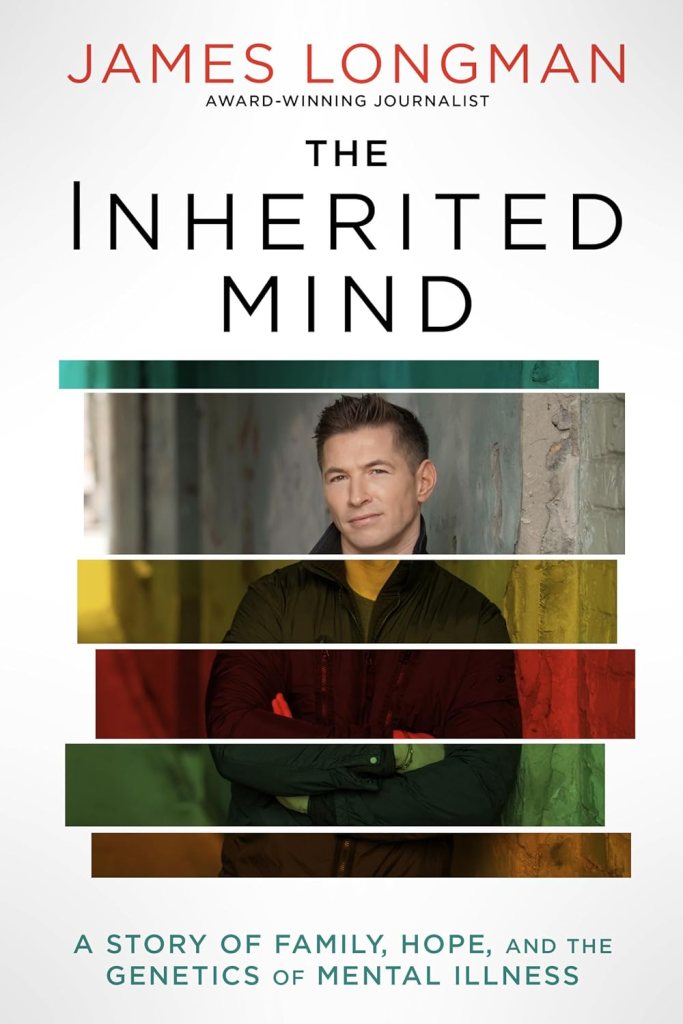
The Inherited Mind: A Story Of Family, Hope And the Genetics Of Mental Illness by Award-Winning Journalist James Longman (featuring our story!)

(image: James Longman/ Hyperion Avenue)

A couple of years ago, an intriguing email landed in my inbox. It was from the award- winning journalist James Longman (of ABC News). He told me he was writing a book investigating his own father’s illness and how much of mental illness is inherited. His father died by suicide when he was just a child and had a diagnosis of schizophrenia and depression, but James did not know a huge amount about this mental health history at the time.

James wanted to delve deeper into the family and genetic side of mental illness. As he got older, James’s own bouts of depression spurred him to examine how his father’s mental health might have affected his own. He engaged with experts to uncover the science behind what is inherited, how much environmental factors can impact genetic traits, and how one can overcome a familial history of mental illness and trauma.

James had seen my own story of family illness with bipolar disorder, as my Dad and other relatives also have the same condition and so he reached out to interview me. With permission from my Dad, I had a wonderful chat over Zoom with James, talking about the links with certain types of mental illness in families and how these types of illness can cause suicidal thoughts and sadly in James’s fathers case, suicide. We also discussed the hopeful journey that can occur if you have access to the right support networks, medications and therapy. Medication in particular has helped to keep us well over the years as bipolar has a definite biological link too.

In The Inherited Mind, James invites readers to reflect on their own stories as he shares his quest to better understand himself and his family. Through speaking to mental health experts, to those who have had similar familial experiences, and about his own life stories, James shows us, with heart and humour, how much our bodies can empower and inform us about our own personal mental health histories.

We are honoured to have our story featured in James’s informative and essential book. Thanks again to him for featuring us as a case study. It will be out in January and you can pre order your copy here

How Does Social Media Impact Our Mental Health? by Columbus Care Center.

(image: Nathan: Unsplash)

Social media plays a highly indispensable part in our daily lives. It helps to shape the manner in which we connect, communicate, and interact with the world. Although there are innumerable benefits that social media has to offer, it has a lot of impact on mental health. Individuals often wonder about the long-term psychological effects of spending hours scrolling through every feed, posting updates, or engaging in online discussions. These are the rising concerns that prove essential for addressing mental health issues that are digitally on the uprise.

The Role of Social Media in Shaping Our Emotions

Although social media verticals offer the ability to connect to individuals globally, they impact emotions in different ways. The pressure imposed to present the polished, ideal life online eventually leads to greater anxiety, stress, and depression.

Comparison Of Culture And Self-Esteem

One of the highly notable ways in which social media influences mental health is a comparative culture. The users often scroll through the feed that they note as the highlights of the reels to the other’s lives, leading to unhealthier comparisons. The constant exposure gets filtered and curated through content, leading to feelings of low self-worth or inadequacies. Individuals get pressurised, matching their achievements, physical aesthetics, or lifestyles, raising anxiety and self-doubt.

This issue is particularly concerning for younger adults and teenagers. Adolescence is the ideal moment focused on self-discovery and the formation of identity, adding to the social media layer and intensifying such hurdles.

Cyberbullying And Online Harassment

The social networking sites that are accessed through the internet should be accessed healthily since they reveal the worst in people, and their ill behaviours affect people’s mental health. It has gotten to the level of people using computers to insult other people, to threaten or follow them maliciously. Cyberbullying makes individuals develop anxiety, depression, and even withdrawal from social relations. What online abusers forget is that the emotional side of any individual remains tender, and the words engraved on the social site will fester long after the bad comments are made.

Furthermore, one may also refrain from expressing one’s opinion on social media because of being criticised by other users. It makes people feel silenced from being able even to express themselves, and that on its own exacerbates their mental health issues.

Social Media Addiction

Aside from emotions, social media addiction is another factor to waste mental health. For many people, they are constantly using it to browse or mindlessly open to see notifications, or even feel the need to see what is going on online. This type of usage might result in anxiety and stress because a person becoming addicted to the application constantly worries that they may be logged out.

It also impacts sleep because users spend hours at night browsing through their phones, or maybe they forget the time. Lack of sufficient sleep, in turn, is a cause of poor mental health and worsening disorders such as depression and anxiety.

(image: Chris Yang: Unsplash)

The Positive Side Of Social Media For Mental Health

In like manner, there are positive aspects that can be socially beneficial when properly used social media networks to promote the health of a person’s mind. It offers an opportunity to tell a story, voice concerns, or find others among like minded people.

Support Communities And Mental Health Awareness

Mental health awareness has been taken to new heights by the use of social media. Most of the contestants narrate their ordeals, which helps eliminate the perception of socially embarrassing states such as mental illnesses. Examples include Twitter, Instagram, and Facebook, and such account types have turned into help groups, support, and recommendations to search for professional aid types.

Such support communities are most helpful for those who lack social contacts in their real life. For those struggling with disorders such as anxiety or depression or post traumatic stress disorder (PTSD), social media can give people information on how to manage their disorders, where to find a supportive audience, or where to get professional medical advice.

Virtual Therapy And Mental Health Apps

A new wave of social media mental health is using social media for providing online therapy and mental health apps. But with the advancement in technology, specifically through teletherapy, it is now possible to see a therapist online. There are quite a few applications and websites providing services, from anxiety-provoking exercises to cognitive-behavioural therapy, allowing people to improve their psychological state without visiting a professional therapist in the comfort of their homes using electronics.

This virtual accessibility makes it easier for people who may not otherwise come for help due to social stigma, geographical distance, or a number of menial charges. Moreover, other social media influencers and health professionals post significant guidance and strategies for staying mentally well, as well as exercises and positive affirmations.

Striking A Healthy Balance

Although social networks are beneficial and damaging for the human psyche in one way or another, the fundamental task is to achieve the proper distribution of time in using them. The overall increased use of social media can lead to mental health problems, addiction, and the deterioration of interpersonal relationships. Still, by following certain guidelines, using social media sensibly without losing one’s self-control, eliminating negative content, and taking necessary precautions, all the harmful factors mentioned above can be minimized.

Despite social media’s many positive aspects, there are ways to reduce its harm: taking many breaks, taking care of oneself, and being aware of what one is consuming online. Practical measures such as reduced screen time and spending time with friends, family, or other loved ones can also greatly reduce anxiety and enhance mental health.

Conclusion

Undoubtedly, social media has a huge impact on mental health that reshapes the manner in which we perceive ourselves while interacting with others. Although there are different scopes to support, raise awareness, and connect while bringing different challenges like cyberbullying, addiction, and comparison cultures, a better balance remains important to maintaining mental health.

This article was written by Columbus Care Center.