In December 2004, I was 16 years old. That year had been very painful and difficult with my mental health but I had pushed myself and secured good grades in my GCSES. However, my inherited mental illness, bipolar 1 disorder, was not yet diagnosed. I had experienced depression and mania. Then In December 04, the depression turned into psychosis where I had delusions (false beliefs about the world), high anxiety and agitation.
That Christmas, the only place I wanted to be was in hospital. I didn’t feel safe at home and by miracle the NHS found me a voluntary admission to the Priory North London CAMHS unit. I was an inpatient for 4 months and was diagnosed with bipolar disorder. My dad was diagnosed a few years before.
Years ending in 4 have been a worry for me. 10 years after this- 2014, I had another significant even worse hospitalisation that traumatised me. But it led to me finding the right medicine for me that has kept me stable- no mania or psychosis.
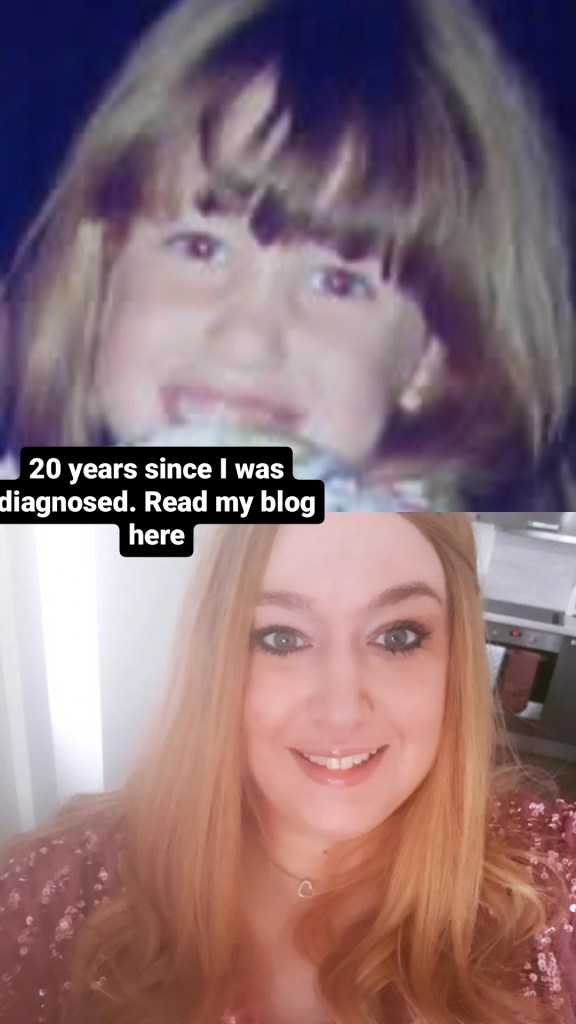
Now in 2024, at Christmas I am celebrating 10 years of remission. And 20 since that 16 year old girl was diagnosed. I was so scared for my future. Yes bipolar has taken a lot from my life healthwise but it has also given me untold blessings too – teaching me life is short and to be determined and resilient when I can be.
Twenty years on I have mixed emotions. I wouldn’t want to wish being diagnosed with a life long severe mental illness as a teen on anyone. But somehow miraculously, despite the depression, despite past suicidal ideation, I am here. I have survived. I know younger Ellie would be proud of the things I have achieved.
May you all have a wonderful Christmas holiday and heres to 2025. Thank you to all of you my readers too,
I have been really lucky that this festive season, SIMBA beds have gifted me their Custom Comfort Hybrid Pillow to use to help support my head and neck and get a wonderful night’s sleep.
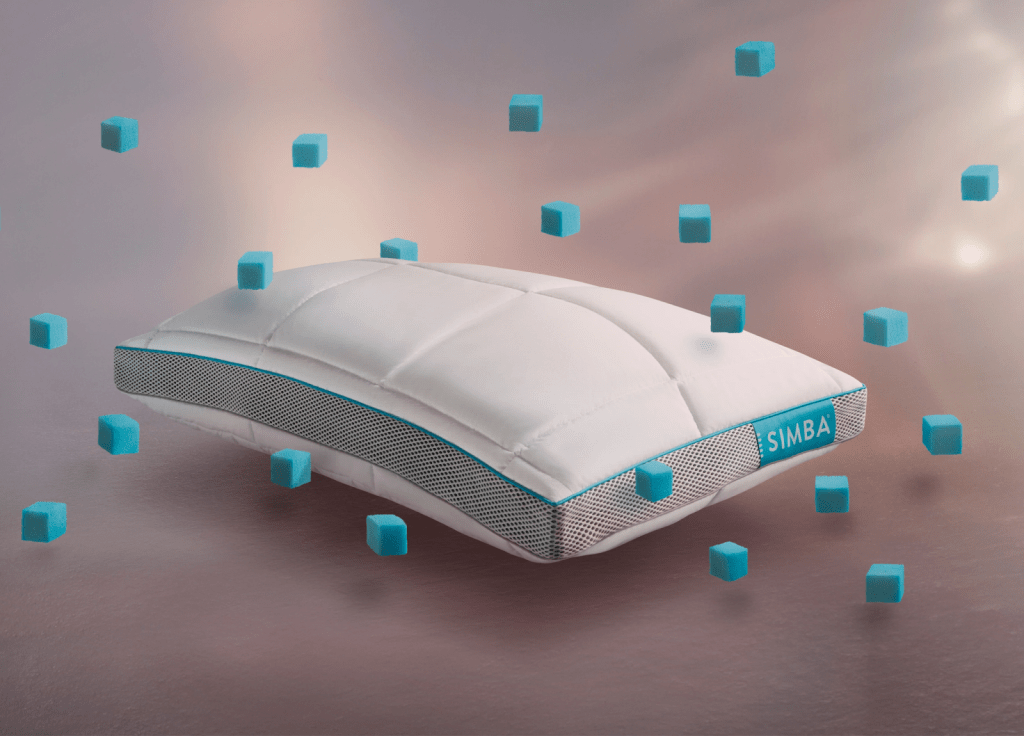
This pillow is designed for revolutionary, personalised comfort. A unique fusion of superb, down-like cushioning with innovative tech. The pillow contains a cotton cover with cool touch tech to support better sleep. It has adjustable height and firmness with a supportive core and a mesh border for maximum air flow, once opened! Plus, it has a washable cover (always a bonus!). SIMBA have truly thought of everything to give you excellent comfort.
I received the pillow in the post, it is large (about A3 size) and SIMBA have said that it has special foam Nanocubes® technology! The turquoise cubes mean its not too soft, not too high, not too firm… always ‘just right’. I find it so comfortable!
SIMBA describe this as, ‘Thanks to the knitted, inner pillow of tiny, squishy, foam Nanocubes® you’ll find at the heart of every Hybrid® pillow; not only does this clever system encourage greater airflow, but you can also remove/add cubes to achieve the height and firmness you prefer in your pillow.’
(image: Unsplash)
I often find also that I get hot at night or it is just too warm from the central heating to sleep in winter. So what could be more helpful than the cooling aspect of this pillow? . It dissipates excess heat and provides instant coolness! This is due to its Stratos® cool-touch tech similar to the innovation that keeps astronauts cool in space! This pillow is also Menopause friendly, so great for any hot flushes at night time.
The pillow feels firm yet comfortable with a definite softness that makes me want to sink right in to it. I love the fact it is adjustable and helps me feel cool at night too. SIMBA say that ‘A soft, cloud-like fill is key to the superb comfort and quality of our pillows and duvets. It consists of springy polyester fibres gently combed and folded into airy, cushioning layers.’
For good sleep hygiene and having a cool, calm bedroom with good support for your head, I really recommend the SIMBA Hybrid Pillow. After one night, I am already loving it and I cannot wait to use it for many more nights for a gentle and comfort filled sleep. Good sleep is so integral to good mental health- thanks SIMBA for letting me have and review this pillow!
I was gifted a SIMBA Hybrid Pillow, in return for an honest review. This article contains non-sponsored links.
Christmas can be a stressful time for many, but for those living with bipolar disorder, it is a time of year when symptoms may be exacerbated, and overspending can become an issue.
According to national charity, Bipolar UK, the increased pressure to attend social occasions alongside material pressures around Christmas/Chanukah can trigger manic or depressive episodes in some living with the condition, resulting in an increased risk of overspending.
Dr Thomas Richardson, clinical psychologist at Southampton University, who has lived experience of bipolar and has researched the topic of bipolar and overspending, “impulsive or compulsive spending means spending more money than you planned and regretting it.”
He added: “There’s definitely something about that sense of urgency that I must buy it right away – the feeling like you can’t stop yourself and it’s a little bit out of your own control.
“There is a lot of guilt and feelings of being a burden associated with bipolar, and we know that people living with the condition can sometimes feel that excessive generosity is a way to pay back loved ones for their support. Overspending can also feel like a comfort at the time.
“Christmas is a time where we’re surrounded by adverts encouraging us to buy things and there’s the additional pressure of feeling the need to socialise. All of this can potentially be very triggering for some people living with bipolar.”
April Kelley, an award-winning actress and producer living with bipolar, has a history of overspending. She said: “My biggest achilles heel is spending money on others, and I think that’s a combination of buying love and the rush that buying things for others gives me.
“Last Christmas I bought flights from my home in LA back to the UK at the last minute to surprise my parents, but I’ve also been known to buy an entire bar’s worth of Jager bombs for everyone.
“I now use digital banking as a way to help me budget by splitting money into pots and my parents are really supportive and help me to keep control of my finances.”
Dr Richardson says there are several ways you can protect yourself from overspending at Christmas and beyond. He says that digital banking is good to helo you budget, move money into different pots and set spending limits. He advises making a list of what you really need to buy, versus what you’d like to buy, unsubscribe from marketing emails if it helps you, be mindful of who you follow on social media, make gifts instead of buying and return unnecessary things you have bought.
(image: Bipolar UK)
Simon Kitchen, CEO of Bipolar UK, said: “Advance Choice Documents (also known as ACDs) are a great way to ensure your voice is heard during a period of relapse.
“The idea is to write an ACD with your loved one or doctor when you’re well to put into action if you recognise you’re experiencing the early signs of an episode. You can include a line to protect yourself from overspending – planning to have limited access to a credit card or only using a basic mobile phone without internet, for example.
“This is why it is so important to monitor your mood so you can be aware of the warning signs if you are heading towards a relapse when you might be more prone to overspending. Many people in our community say using our free Mood Tracker app is a simple way to notice early symptoms.
“Finally – please don’t feel that you’re alone. We provide 1-1 peer support, support groups, a 24/7 eCommunity that is open 24/7, 365 days a year, even on Christmas Day, and invaluable resources on managing common seasonal triggers of bipolar.”
With the nights drawing in, The Works have teamed up with the mental health charity, Mind, to raise awareness of the mental health benefits of crafting.
The winter can be especially difficult for many, with darker, colder days and prolonged periods of rain affecting energy, mood, anxiety and stress levels. Some people may experience Seasonal Affective Disorder, which is a type of depression experienced during different seasons or times of year.
Stephen Buckley, Head of Information at Mind said,
“We know that crafting can be a powerful way to support mental health and wellbeing. Creative activities like card-making or knitting require focus, which may help us disconnect from daily pressures and find a welcome distraction. Learning a new skill can also bring a sense of accomplishment, which can be especially rewarding as the nights draw in. The repetitive motions of these crafts can feel meditative and calming, making them a helpful tool for managing stress, depression, and anxiety. Different things will work for different people and the main thing is finding a craft you enjoy and which fits into your life.”
Mind and The Works have produced a blog post with some ideas for easing stress and anxiety, boosting concentration, focus and memory.
Lynne Tooms, Chief Commercial Officer at The Works said, “Channelling your emotions into creativity can have a huge impact on us as adults, with various craft types having a big impact on our mood and sense of achievement, as well as providing us with skills and hobbies that can turn into passions to enjoy all year round.”
Note: Arabella is written for 4-8 year olds. Every child is different and some children younger than 4 have enjoyed this book, but it is largely a Key Stage One book.
When I was a little girl, I had a lot of anxieties. As a self confessed empath and worrier, I could feel when something was wrong and sometimes this led to child anxiety. This included separation anxiety with symptoms such as nausea at school. Children who have anxiety need to feel safe, settled and above all, heard by parents/carers and the adults in their life at school.
I wrote Arabella and the Worry Cloud based on me as a young 7 year old girl who worried a lot. In the book, Arabella worries about her socks not fitting on her feet, losing her shoes in a muddy puddle, the rain soaking her and cold freezing her toes, the rainbow in the sky losing its colour, her cat Pickles getting lost and the plants in the garden dying, losing her homework, failing a test and being blown away by the wind. These worries are partly represented by a Worry Cloud who comes down to see her from the sky and threatens to rain on her with all her worries.
Eventually, Arabella realises that if she thinks jolly, happy, sunny thoughts in place of the worries, she can push the Worry Cloud away with the joyous light beams of positive thinking. Arabella unlocks happy memories with her family, visualising wonderful times with them and it gives her confidence to face the Worry Cloud head on, so he can go away and leave her in peace.
So many children will have their own version of the Worry Cloud. Here’s 5 reasons why you should read Arabella and the Worry Cloud with them:
It is a hopeful story– Arabella never loses sight of hope even when the Cloud tells her life is scary, saying ‘If I can see the sun and smell the passing rain, everything will be alright. The storm will not last forever’. This is the key message of our story- all thoughts will pass, you are safe and fear will not stay forever. This is particularly helpful for children who feel stuck with anxiety.
2. It can help children to process their emotions about worries safely, with help of parent or carer- The Worry Cloud represents Arabella’s thoughts and the book shows how Arabella sends him away with help of positive thinking and visualising happy memories. Some children may need further intervention from a team of professionals, but the book introduces worry/anxiety in such a way that it can be read to assist children when they worry (and distract them from negative thought patterns).
3. It is a positive, age appropriate book about child anxiety and worries with an uplifting message, filled with rhyming prose and beautiful, vibrant illustrations by renowned artist Shelley The Artist. Shelley combines old fashioned art with work on her ipad and the result is a beautiful array of illustrations your child will love.
4. It is a book about mental health in a child appropriate metaphor – As an author with a background in mental health writing and lived experience, I understand the needs of having books which discuss mental health issues in a safe and supportive way. As this book is aimed at 4-8 year olds, it slowly introduces worries some children may face at this age.
5. It has had some lovely reviews from children, parents and readers:
“I really enjoyed the book and really liked Arabella and I found the cat funny. I learnt to not worry about things and that we should only think happy things.” Matilda, aged 8
“A stunningly beautiful book with such important mental health and wellbeing messages. Suitable for primary school age children: I recommend adults read it too as it’s incredibly special and meaningful! Thank you for writing this and inspiring us all.” Mrs Davies, parent
“Arabella and the Worry Cloud conveys a wonderful message, is written with lovely imagery and is beautifully illustrated. The cloud is a really good way to portray anxiety – children will be able to relate to this and feel encouraged to overcome their worries with positive thinking like Arabella does.” Dr DF
“This book is perfect if you have a young child who is a bit anxious or worries easily as it’s relatable and puts anxiety in simple terms that a young child can easily understand.” Diary of Lydia
“Beautifully written and illustrated, this book will appeal to children and parents/guardians alike. More importantly, it’s going to help kids overcome their anxiety from an early age and understand that they are not alone. Highly recommended.” Britt Pfluger
“This is my favourite book ever ever ever. The words of my 4-year-old son who is a bit of a worrier himself! He had lots of questions and was very engaged throughout. Have already read it three times with him. Well done on a lovely debut kids’ book!” Joanna Gutkin, parent
To get your copy of Arabella and the Worry Cloud, go to Amazon here. I can’t wait for you to read it with your child/niece/nephew/grandchild and to share it with them and their friends too!
Seasonal Affective Disorder (SAD) is a type of depression during particular seasons of the year (most commonly winter and summer). For me personally, I know the cold, dark early nights do not help as I will just want to hibernate! I find that during winter I am much more prone to depression/anxiety and I know others are too.
Mind says that, ‘ if your feelings are interfering with your everyday life, it could be a sign that you have depression. And if they keep coming back at the same time of year, doctors might call this seasonal affective disorder (SAD) or ‘seasonal depression’.
SAD symptoms can include lack of energy, feeling sad and tearful, withdrawing from friends and family, feeling anxious or agitated, sleeping too much or too little and suicidal thoughts.
Luckily there are ways to improve your mental health with SAD:
Talk to someone or a helpline about how you are feeling
These helplines can listen to you and provide a kind, one to one, listening ear if you are stuggling with depression, low self esteem, feelings of unworthiness or suicidal ideation.
2. Track your symptoms
It might be good to see what times of the month you are feeling worse too and how the weather is. A daily diary can be really helpful to show to your Dr or therapist.
3. Manage Stress
Speak to your therapist or find some mental health support locally if you can. Speak to a trusted loved one and make sure you don’t become too stressed or overwhelmed.
Look at mental health relaxation techniques such as mindfulness and make sure you are not over working and taking time to rest.
4.Walk and exercise
Exercise can help to boost your mood when you have SAD. Maybe a brisk walk or even some dancing around your room to a youtube video, any exercise can boost those endorphins and set you up for a good day.
5. Self Care
Watching a good TV show, having a bubble bath and planning other relaxing activities can really help. Especially on dark, cold and miserable nights. Look after yourself.
6. Speak to your GP
If your depression is worsening and you need medical help, please reach out to your GP or psychiatrist as they may be able to help with further treatment eg anti depressant medication if suitable.
SAD can be really challenging but making sure to take time for yourself, practise self care, talk about it and reach for help can go a big way in easing the depression’s effects this winter.




 beurownlight.com