Unemployment Has Doubled In The Last Ten Years For People With Bipolar by Bipolar UK

(image: Bipolar UK)

Data from NHS England Digital’s latest Adult Psychiatric Morbidity Survey (APMS) has been analysed by national mental health charity Bipolar UK, revealing that the current system is failing to meet the needs of people living with bipolar.

The findings show that people who tested positive for probable bipolar have experienced a disproportionate rise in unemployment over the past decade, increasing from 3.9% in 2014 to 9% in 2024.

The APMS is a national survey that measures the prevalence of mental health conditions, tracks trends over time and assesses access to treatment. As part of the survey, the Mood Disorder Questionnaire (MDQ) was used to screen for probable cases of bipolar.

It is estimated that over a million people in the UK live with bipolar, and many manage the condition well. However, employment rates among people with bipolar remain significantly lower than the average employment rate of 75%* in the general population.

(Image: Annie Spratt: Unsplash)

Bipolar UK believes that widespread underdiagnosis and inadequate access to specialist treatment may be contributing to rising unemployment and widening inequalities for those who tested positive for probable bipolar.

The data shows that only 17.8% of people who tested positive have received a professional diagnosis. This points to significant underdiagnosis. Among those who do have a diagnosis, the use of bipolar specific medication has also fallen, decreasing from 14.5% to 5.1%.

Speaking about the APMS findings, CEO of Bipolar UK, Simon Kitchen, said: “This is the first time this survey has been conducted since 2014, and while the rise in unemployment among people living with bipolar is deeply concerning, it points to a much bigger failure in the system.

Fewer than one in five people who tested positive for probable bipolar have received a professional diagnosis. Without this, people are far less likely to access the specialist treatment and support that helps them stay well. This can have serious consequences for every part of their lives, including their ability to work.

We regularly hear from people who are struggling at work or falling out of employment altogether, not because they can’t or don’t want to work, but because the right care isn’t in place. Delays to diagnosis leave people managing severe symptoms alone, often for years.

For those who do have a diagnosis, a lack of understanding about bipolar in the workplace can add further barriers. Despite protections under the Equality Act, many people tell us they fear stigma or negative consequences if they talk about their condition, and that reasonable adjustments are not always offered or understood.

This data challenges the misconception that people with bipolar are unable to work. The real issue is a system that diagnoses too late and fails to provide consistent, specialist support. That failure is potentially pushing people out of work who could otherwise live well and fulfil their potential.”

There are several reasonable adjustments that can help people with bipolar better able to manage in the workplace. Many of these are neither expensive nor difficult to implement, such as flexible working arrangements, time off for medical appointments, and support plans following episodes of illness.

Simon Kitchen added: “The benefits of empowering people with bipolar are enormous, for individuals, their families, employers, the NHS and the wider economy. The charity has worked with, and continues to support, thousands of people with bipolar who are working successfully across a wide range of sectors.

Improving diagnosis rates and building bipolar friendly workplaces benefits everyone.”

Bipolar UK’s current campaign, Maybe it’s bipolar?, aims to raise awareness of some of the common symptoms of bipolar and encourage people who recognise them to explore this further. The campaign directs individuals to take the MDQ and, where they receive a positive result, provides clear, trusted information to help them seek appropriate support.

Ultimately, the campaign aims to reduce the average 9.5 year delay to diagnosis and ensure people affected by bipolar are identified earlier and can access the specialist care and support they need to live and work well.

Bipolar UK also runs workplace training courses for organisations looking to improve their understanding of bipolar and how to support colleagues living with the condition.

Key stats about bipolar:

  • Over 1 million people in the UK live with bipolar, making it the most common severe mental illness
  • People wait 9.5 years on average for a diagnosis
  • Life expectancy is up to 20 years shorter
  • 50% of people with bipolar will attempt suicide at least once, 1 in 5 die by suicide
  • Despite global suicide rates falling, those related to bipolar have not declined

About Bipolar UK – the only national charity dedicated to supporting people affected by bipolar. 

Bipolar UK provides a range of services, including information and advice, a network of support groups, an online Community, workplace training and telephone and email peer support. Bipolar UK also works in partnership with research organisations, and campaigns for change to build a better world for everyone affected by bipolar. For more information, visit bipolaruk.org.
Living With Severe Functional Neurological Disorder (FND), My Mental Health And Determination To Thrive by Liam Virgo

(image: Liam Virgo)

Trigger warning: discussions of FND, illness and mental health.

Hi! My name is Liam Virgo and I’m pleased to share my story with Be Your Own Light blog.

In 2016, at age 13 and after months in hospital, I was diagnosed with severe Functional Neurological Disorder (FND). I was suddenly paralysed and unable to speak. I had all my abilities taken away from me and was left severely disabled. For six months my mind switched off and I didn’t know who or what anything was. I don’t remember the early days of my illness and life before it is a blur. My FND resulted in me being bedridden, unable to walk or talk. I felt trapped inside my own body.

Being a prisoner in my own body felt like my body had completely betrayed me. The psychological impact of being locked inside my own body is still felt to this day. It’s been a long hard battle with FND- painful and very isolating. The doctors aren’t sure what caused my FND. All we know is that it happened and I was severely affected by the condition but without any real explanation as to why this was the case. 

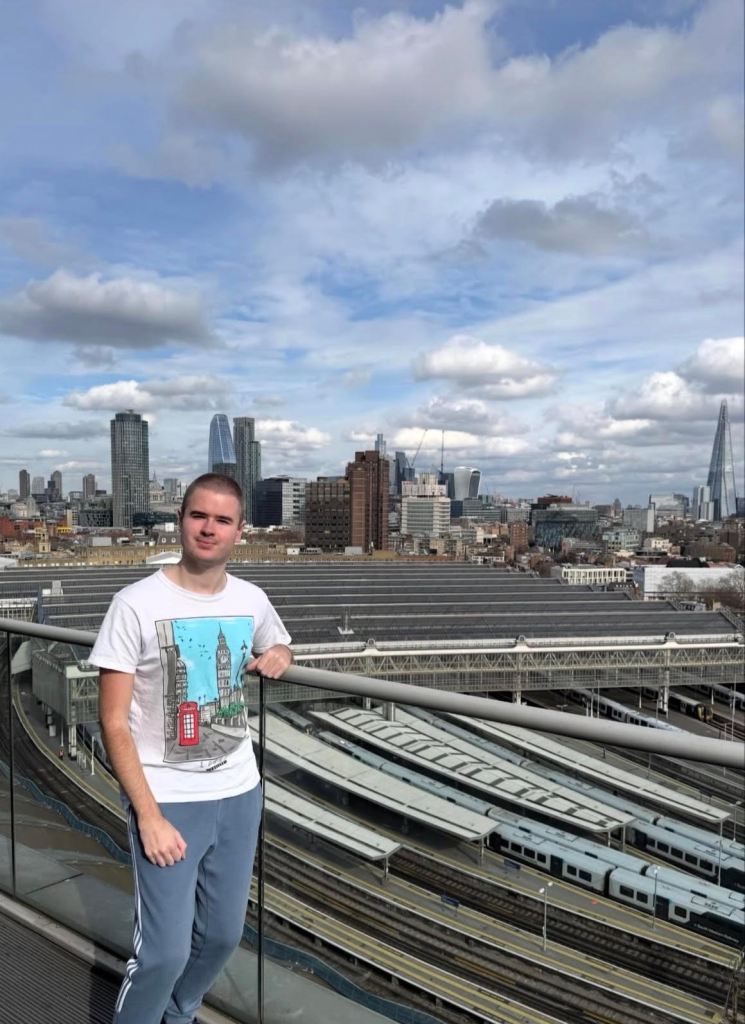
However, while I was bed bound I found comfort in a few things and one of them was London. It was my dream to visit the city but because of my FND I wasn’t well enough to go. I was supported by CAMHS (UK NHS child mental health services) for four years and they created London themed progress charts to help motivate me to achieve my wish. 

FND hasn’t only affected my physical health but my mental health too. The impact of severe FND left me with difficult feelings and emotional difficulties. The emotional scars of FND are still felt to this day. Over the years I’ve been supported by Psychiatrists and Psychologists. Some of the overwhelming feelings I experienced and still do are anxiety, I felt misunderstood and isolated. I sometimes became tearful and emotional. I was put on different medications over the years but nothing really helped. I also had many other assessments and strategies used to help understand my mental health including a cognitive test and I also had a mood diary. 

Because of FND I’ve missed years of schooling as I wasn’t well enough to return to education.

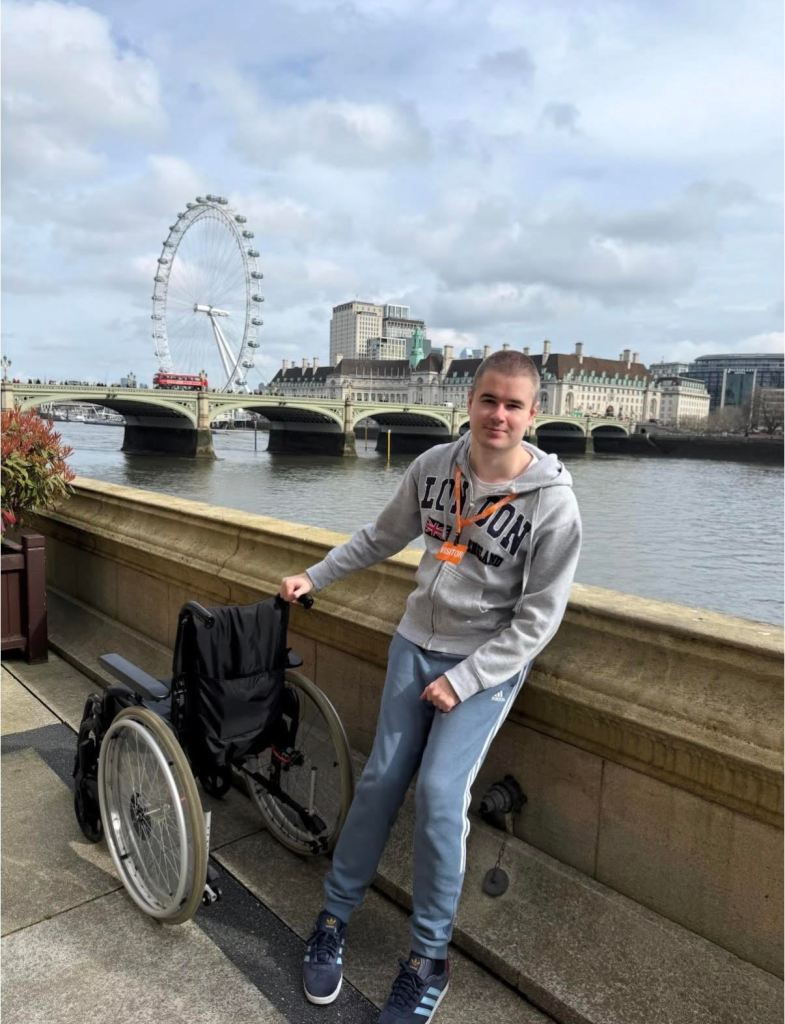
Eventually after three years my physical health started to improve and when I was well enough I made it to London and have been back many times since to my favourite place. I went to London with my parents and I loved visiting Central London. I went to all main sights such as London Eye, Big Ben, Tower of London, Buckingham Palace and lots more. 

10 years on, I’m now slowly recovering and learning to walk again. I’m using my voice, the voice that FND stole from me to raise awareness about the condition. I still have very difficult days with FND but I’m learning to live with my new normal and adjusting to life post severe FND. I’ve had a very long journey with FND but I know if I can get through all of that I can get through anything.

At 13, I lost all my abilities to FND but one thing FND could never take from me is my determination.

(image: Liam Virgo)

The medical professionals are unsure if I’ll ever make a full recovery because of the impact of severe FND but I’m now at a stage in my life where I’m able to live with the condition. I’m able to talk and I can move my arms again. I’m no longer bedridden and can walk with support. I still battle with FND daily but I’m determined to never give up hope. I still use a wheelchair but just sitting in a wheelchair is a big achievement for me as I couldn’t tolerate sitting in anything before. 

You can follow Liam on his adventures here on Instagram. Thank you Liam for your bravery in using your voice and sharing your story.

Celebrating A Decade Of Be Ur Own Light Blog- 10 Years!

On 1st March 2016, I wrote my very first blog about my mental health struggles with bipolar disorder and anxiety. For me, it was an outlet to share with friends and family what I was experiencing after one of the worst bipolar episodes I had faced and after hospitalisation in 2014. I didn’t realise that this traumatic time in my life, would also cause my mental health to dip and struggle further as I developed PTSD symptoms (panic attacks) and sat on a 2 year waiting list for NHS therapy. Professional support was not coming easily during this time, and so this blog became not only a therapeutic outlet but a place to connect with others going through similar things. And to explain to those who had never experienced mental illness, exactly what it can do but just how you can support those experiencing it.

Part of me can’t fully believe that I have been blogging consistently for 10 years. There have been times where I have wanted to give up but this little blog has been my saviour and in truth, helped me to launch a writing career that I did not expect and am so grateful for. It has also helped others to share their mental health stories and products, been a platform for mental health campaigns and charities and I am super proud of the impact we have had. One of our biggest accolades is being a Top 10 UK mental health blog by Vuelio every year since 2018- which means we are having a positive impact and reach!

The blog has published over 800 posts, with hundreds of thousands of views! It is read on every continent with a particularly large readership in the USA (as well as UK and other countries). We have covered so many topics- bipolar disorder, PTSD, anxiety disorders, depression, pre and post natal depression, OCD, BPD, eating disorders, psychosis, mania, schizophrenia, schizoaffective disorder, trichotillomania, addictions (drug, alcohol, gambling), body dysmorphia and mental health topics like child mental health, work stress, emotional burnout, relationships, domestic and sexual abuse, homelessness. We have shared about wellness products and worked with inspiring health and lifestyle brands.

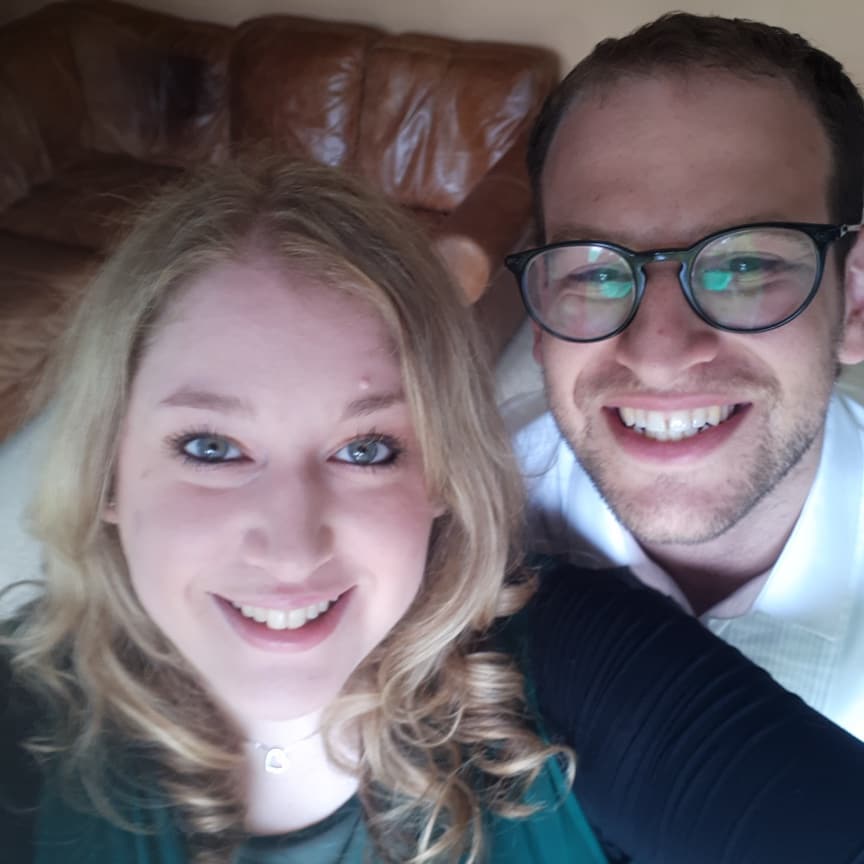
The blog inspired me to share my own story far and wide – writing for mental health charities Mind, Rethink, Time to Change, Bipolar UK, No Panic, SANE and Metro.co.uk, The Telegraph, Happiful, Glamour, Jewish News, Huff Post. Featured in Cosmopolitan, Elle, Yahoo News and other publications. Thank you particularly to the editors at the publications for sharing my story and believing in my mission! This also led to me writing my book ‘Bring me to Light’ which was published in 2019 by Trigger and remains one of my proudest achievements. I then released my children’s book ‘Arabella and the Worry Cloud’ and had some writing featured in ‘The Book of Hope’ by my friends Jonny Benjamin MBE and Britt Pfluger (an amazing experience!). In 2017-18, I was also involved with setting up the Jami mental health shabbat in my community and spoke in several synagogues and at a community festival Limmud with my Dad, about our journey with bipolar. The same year that I started this blog (2016), I also met my now husband, who supports me through all of my writing and mental health work.

As I look back over the past 10 years, to where we were in 2016 with mental health stigma, I am proud to have played a small part in changing the landscape and narrative online around mental illness, particularly bipolar disorder and psychosis. We have many followers on social media platforms and continue to share about mental health and well being and be a resource for all those who need it, so they never feel alone.

(image: Ineffable Living)

Thank you to every single contributor (and every reader) to Be Ur Own Light Blog 2016-2026. Your words and belief in our mission to end the stigma around mental illness have meant the world to me. I hope going forward I can continue to share more real stories, more important information on care and treatment and campaign for better care.

There is still a way to go. NHS waiting lists are too long and care is under funded, leading to not enough beds. Mental health stigma online (and sometimes offline) sadly still remains high. As a society, although we have improved, we still need to fully understand mental health conditions and separate them from the person themselves. I am optimistic that things can and will change.

To everyone reading this going through a period of mental ill health or living with a chronic mental illness, I see you and you are never alone. As a blog community, we can come together to empower each other, so no one ever feels invisible and I hope that I can continue to write too.

Thank you, from my heart, for the past 10 years! Here’s to many more years,

Love and gratitude always,

Eleanor

x