Happy Chanukah to everyone celebrating around the world. Thinking of all those who died in the terror attack at Bondi and in the USA. Praying for the injured and for healing. My heart is broken but we will not let them succeed!
As the Jewish granddaughter of a Holocaust refugee and great grandaughter of Eastern European Jews who fled persecution from the Russian pogroms and Nazi Germany, I am all too aware of hatred and antisemitism in the UK and worldwide.
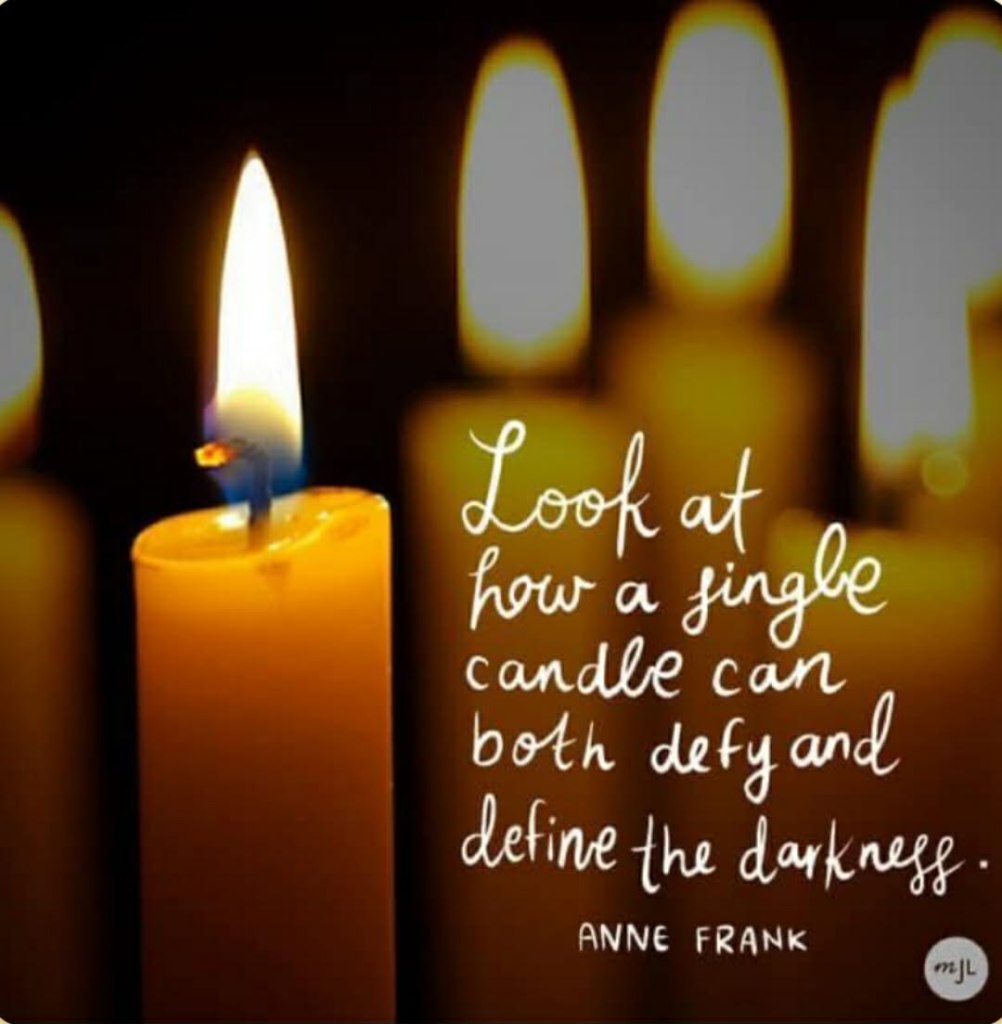
May we all stand together proud as a Jewish community, supported by good people in the world and not the evil perpetuated against us. May this Chanukah bring light against darkness and evil, humanity over antisemitism. Our community is resilient but we shouldn’t have to feel fear during our festival of lights.
Love to our friends and readers globally, especially in Sydney, Australia and the USA. I am proud to be Jewish and our light is greater than their darkness.
Thinking especially of the victims and their families- men, women and children who did not come home that day. As their names start to be reported, may we always remember them and for the injured.
Women’s wellness extends beyond the absence of illness — it is about achieving equilibrium across physical energy, hormonal harmony, and emotional wellbeing. From adolescence through menopause, women experience intricate biological changes that influence mental health, vitality, mood and desire. These fluctuations are often shaped by stress, nutrition, and environmental factors, making holistic self-care essential.
In recent years, many women have sought out natural and herbal approaches to maintain this balance, supporting their physical and mental health. Herbal wellness offers a time-tested, holistic alternative that works in harmony with the body’s natural cycles rather than overriding them. Rooted in ancient traditions like Ayurveda and Traditional Chinese Medicine, this approach uses plants and botanicals to regulate hormones, calm the mind, and renew energy.
Among these botanicals, Horny Goat weed for women has become particularly popular for its potential to revitalise energy, support hormonal balance, and enhance intimate wellbeing. Used traditionally to strengthen vitality and circulation, it is now gaining modern recognition as part of women’s natural wellness routines.
By exploring the synergy between herbs, hormones, and vitality, this article highlights how nature’s remedies can restore equilibrium, empowering women to sustain energy, regulate mood and mental health, and nurture desire naturally.
Energising from Within
Energy isn’t just about caffeine or sleep—it’s also about how your body maintains vitality through its hormonal and metabolic systems. For women, fluctuations in oestrogen, progesterone, thyroid hormones, and stress hormones like cortisol can significantly affect how lively or fatigued you feel. These also affect our mental health and wellness- balancing hormones is essential to keep balanced moods too and release stress.
The role of adaptogenic & tonic herbs
Adaptogenic herbs help your system respond to stress and restore equilibrium rather than merely stimulating energy. For example, botanicals such as Withania somnifera (ashwagandha) are shown to help regulate cortisol and support energy—particularly in women experiencing perimenopausal shifts. Meanwhile, classic tonic herbs can enhance overall vitality by supporting circulation, metabolism, and mind-body resilience.
Supporting daily vitality
Including herbal support doesn’t replace foundational habits—adequate sleep, balanced blood sugar, moderate exercise good nutrition (and even the occassional massage) remain the core. But once you’ve done the basics, certain herbs can offer an extra layer of support: boosting mood, supporting adrenal reserve, and helping sustain physical and mental energy during hormonal transitions.
Hormone Balance: The Underpinning of Wellness
Hormones guide everything from mood and cycles to skin, sleep and sexual function. If they’re out of balance, the ripple effects can affect energy levels, libido, and overall well-being.
Herbs that support hormonal harmony
The research shows a growing list of botanicals that can help women:
Herbs such as Vitex agnus‑castus (chasteberry) and Cimicifuga racemosa (black cohosh) have been used for menstrual problems, perimenopause and menopausal symptoms.
Adaptogens like ashwagandha may help regulate adrenal output and thus indirectly influence hormones like progesterone and oestrogen.
Broad-based herb lists emphasise the role of phytoestrogens and adaptogens in natural hormone modulation and stress resilience.
A specific botanical to highlight- but limited evidence
One herb worth special mention in women’s wellness for hormonal and energy support is Epimedium grandiflorum, more commonly known as Horny Goat Weed. While often marketed for men’s use, its active compound (icariin) has been studied for effects on hormone signalling, circulation, and energy.
Used in a women-centred herbal blend, it may contribute to hormone-supportive outcomes, though it’s important to emphasise the evidence is still limited and human data is scarce.
How this works in practice
When hormones are out of alignment, for example, in perimenopause or following a stressful period, typical symptoms may include low energy, irregular cycles, mood shifts or lowered sexual desire. By choosing herbs that support adrenal resilience, modulate mild hormonal shifts and promote circulation/tonicity, you give your system extra resources during transition periods.
Desire & Wellness, Naturally
Desire isn’t just a matter of emotion—it is influenced by hormone levels (especially oestrogen, testosterone, progesterone), mood, fatigue, circulation and self-image. Herbal support offers a gentle, subtle way to enhance this layered network.
The link between energy, hormones and libido
When a woman is tired, stressed and hormonally imbalanced, it’s no surprise that desire may take a back seat. Conversely, improving energy, reducing daily stress and supporting hormonal balance can create an internal environment more conducive to intimacy.
(image: Unsplash)
Practical Recommendations for Women
Here are suggestions on how to incorporate a herbal-wellness strategy, mindful of safety and synergy:
Foundations first – Prioritise sleep, movement, a nutrient-rich diet (plenty of leafy veg, healthy fats, quality protein), hydration, and stress management.
Choose adaptogens & tonics—for example, ashwagandha to regulate stress hormone output, or herbs such as chasteberry or black cohosh if you’re experiencing menstrual or menopausal challenges.
Circulation & desire-support – A herbal blend containing Horny Goat Weed (for women) can be one component of a holistic intimate-wellness support plan, provided there are no contraindications.
Cycle & life-stage awareness – Tailor your regimen to your particular stage (e.g., pre-menopause, post-menopause, post-partum). Your hormone profile and needs will differ.
Check interactions & contraindications – Herbs are powerful; for example, Horny Goat Weed may interact with certain heart medications or hormone-sensitive conditions. Always consult a healthcare practitioner, especially if pregnant, breastfeeding or on medications.
Expect gradual, subtle shifts – Herbal support is not abrupt therapy; you might notice steadier energy, fewer mood dips, mild improvements in desire—not dramatic overnight changes.
Track your metrics—keep a wellness journal: energy levels, mood, cycle regularity, libido. Over 6–8 weeks, you can judge what’s working and what might need adjustment.
Evidence, Safety and Realistic Expectations
It’s important to approach herbal wellness with grounded expectation and awareness about the evidence base.
While many herbs show promising effects in cell or animal studies, human clinical trials are often limited. For example, with Horny Goat Weed, evidence for its impact on female intimate function is still very preliminary.
Herb-drug interactions and contraindications must be taken seriously. For instance, Horny Goat Weed can affect blood-pressure regulation, heart rhythm and hormone-sensitive cancer situations.
Quality matters: herbs vary in strength and purity. Look for credible sourcing, third-party testing and clear labelling.
Natural support is part of a broader wellness framework—not a substitute for medical evaluation if you have severe conditions (e.g., thyroid disorders, significant hormonal imbalances, sexual dysfunction caused by other medical issues).
Final Thoughts
For women, aiming for wellness means harmonising energy, hormones and desire, not just treating symptoms. A well-chosen herbal strategy adds an extra layer of support: adaptogens to stabilise stress, tonics to bolster circulation, hormone modulators to ease transitions, and formulae that incorporate botanicals like Horny Goat Weed for women to nurture desire and vitality gently.
When aligned with good lifestyle practices, this approach offers a natural, empowering path towards feeling balanced, energised and responsive. Remember: always tailor to your individual life stage, check with a health professional, and allow time for your system to respond.
Please know that Horny Goat Weed on its own is not a substitute for mental health or other medication. Please see your GP before taking new supplements.
Every year, the incredible charity Christmas For CAMHS brightens up the lives of children and teens on NHS CAMHS mental health wards. These are for children who are too ill with their mental health (often distressed and traumatised) to be at home with their families, friends and loved ones. In 2004, when I was just 16 and going through a bipolar episode, at Christmas, I was in a mental health ward away from home (I am Jewish and don’t celebrate Christmas religiously but there is something about being given a gift, a card, activities when you are far from home that warms the soul). I know how scary it can be to live in hospital with other ill children and teenagers. So, I absolutely love the work of this important charity.
Christmas For CAMHS was founded by Dr Ro Bevan. While working as a doctor on a children’s ward in 2015, she saw first hand that, during the festive season, hospitals supporting children with physical illnesses were showered with huge amounts of gifts, festive treats and celebrations – as they should be! They even had enough to cover ward birthdays the following year! The following year she was working on a child and adolescent mental health ward. She was shocked by the contrast. So she posted about the inequality on Facebook – “We had no presents donated. Our patients had one present each using money scrimped and saved from the NHS budget.” Her plea went unexpectedly viral, inspiring an intrepid bunch of volunteers to come together with her to create our charity Christmas For CAMHS. We had to make sure that no child or young person on a UK mental health ward was ever forgotten at Christmas again.
Since then the charity has gone from strength to strength, providing some essential Christmas hope for almost 9875 children and young people. Last year, in 2024, the charity sent over 1100 individual gifts (with an additional fidget toy too) to these children and young people – that’s gifts to every young person in every CAMHS unit in the UK!
They also sent 52 special additional gifts for young people on the ward particularly in need, such as those with no parental support and young people in foster care – this included items such as oodies, comic books and specialist art equipment. But that wasn’t everything! As well as individual gifts and goodies, they sent wellbeing advent calendars, festive decorations and activity kits – great for distracting and boredom-busting – paper chains, homemade cards and ward gifts such as jigsaws, art kits, books and board games. Festive season in a box!
(Image: Christmas for CAMHS)
The charity say, ‘It’s never really about the gift itself. For these young people struggling with conditions such as anorexia, psychosis, bipolar disorder and depression, it’s about a glimmer of hope — the knowledge that someone out there cares for them, is thinking of them, and wants them to feel less alone at a very hard time of year to be poorly in hospital. This is why what we do is so important. These fragments of hope and glimmers of joy can, and do, change the course of lives.’
A recipient of the charity’s kindness who was in hospital years before, told them the following and reached out to the charity.
She said: “I was in a CAMHS inpatient unit over the Christmas period when I was 17. While friends were studying for A Levels and passing their driving tests, I was really struggling to keep myself safe and needed to focus on basics like brushing my teeth and eating regularly. Staying in an inpatient unit is a really tough experience for anyone, but Christmas is particularly hard when the pressure to be with family and enjoy the festive period is much higher.”
I wasn’t safe enough to go home overnight yet, so woke up in hospital on Christmas Day. I remember feeling really low that morning, but the unit had received a care package filled with presents which were given to all of us who were there over the Christmas period. I don’t remember what l picked out, or what the other presents were, but I remember feeling like the universe wasn’t such a bad place after all.”
It felt really special that even when I couldn’t care for myself, there were people who did care for me.I hold that memory close to this day and I’m so grateful to Christmas For CAMHS for helping me through a really difficult time.”
I can relate to this person, I was lucky enough that in 2004, we did receive a small gift and I did get some cards from people in hospital with me (I was struggling with bipolar and psychosis at this time but I still remember that lovely feeling of being thought about by the ward staff).
(image: Christmas For CAMHS)
Christmas For CAMHS is a charity extremely close to my heart. This year, they hope to reach their 10,000th child this Christmas. Times are really tough for charities and they need your help to be Father Christmas and his Elves in all of the CAMHS wards in the UK again this year. You can support Christmas for CAMHS by donating online or choosing a gift from their wish list:
For many people, Christmas time/festive season is a time for happiness, family and bringing people together; however,one in seven UK couples face a hidden grief : infertility..
Research reveals that nearly three in four people battling infertility are burdened with feelings of failure, adding to the hidden grief many already feel during the holidays. In response, mental health platform JAAQ wants to spread awareness around why infertility can be harder during the holidays and what we can do to approach the topic sensitively.
Male fertility coach explains why infertility feels heavier during the festive season
Male fertility coach, Shaun Greenway, who was diagnosed with azoospermia, explains on JAAQ why the holiday season is so difficult: “We got a pregnancy announcement at Christmas, and it took me right back to that place. That hurt. That weird feeling of happiness mixed in with jealousy and anger and pain.” Even after he had twins via donor sperm, the emotions didn’t disappear “It will always be part of me. It’s always there.”
Shaun’s experience highlights a truth many people face – that infertility doesn’t end with treatment or conception; it changes shape, often resurfacing during emotionally charged times like Christmas, a time filled with pregnancy announcements and marketing imagery filled with children and togetherness.
Founder and CEO of Fertility Help Hub, Eloise Edington, knows that pain well. Supporting her devastated husband while navigating her own grief, she recalls when speaking on JAAQ: “Supporting my devastated husband while also equally grieving myself and knowing that we would never have a biological child together meant we were both drowning in separate pain.”
She’s open about the reality of those moments: “Lots of crying, lots of eating chocolate, wine, being together. Not pretty. Not Pinterest-worthy. Just real.” For many couples facing infertility, this is the reality of Christmas – raw, difficult and far from the idealised celebrations we often imagine.
(image: Priscilla Prisceez, Unsplash)
4 dos and don’ts for talking about infertility this holiday season
To make the festive season a little easier, mental health platform JAAQ has revealed four essential dos and don’ts for talking about infertility this Christmas – whether you’re facing it yourself, or want to approach the topic sensitively with others.
Dos:
1. Think before you ask sensitive questions about pregnancy or starting a family and wait for them to bring it up themselves naturally in conversation.
2. Share with someone you trust – If you are struggling, consider speaking openly with someone, whether in person or by message, which can help you to process your emotions. For Shaun, he shared: “Once I did start opening up, that’s when everything got a bit lighter.” Elouise suggests, “Find community, find support, speak to other people who are going through similar struggles. How are they dealing with it? What are they doing to keep the romance alive or to get through this tricky time and enjoy life?”
3. Encourage without imposing your opinion. If someone shares something personal, listen fully before responding. Let them know you are there for them and ask how you can support them, rather than assuming what they need.
4. Create a Christmas/ festive routine that works for you. If traditional celebrations feel overwhelming, permit yourself to do things differently. You might skip the big dinner, start a new ritual like a quiet morning walk with coffee, or find other ways to mark the day that feel manageable.
Dont’s:
Don’t ask personal questions about pregnancy or family plans, especially in social settings
Don’t offer unsolicited advice like ‘just relax’ or ‘it’ll happen when it’s meant to’
Don’t probe with follow-up questions if someone opens up; listen supportively rather than asking questions that might cause unintentional distress
Don’t pressure someone to participate in every activity or ‘get into the spirit.’ Sometimes the kindest thing is simply allowing them to step away
(image: Pereanu Sebastian: Unsplash)
About JAAQ
JAAQ – which stands for Just Ask A Question is a pioneering mental health platform designed to make credible, compassionate support accessible to everyone – especially in the workplace. The platform provides engaging, clinically backed content by connecting users with experts and individuals with lived experience, who answer mental health questions anonymously. This unique, interactive approach empowers people to explore their mental wellbeing in a safe, stigma-free environment.
Sometimes life feels like a constant effort to keep up. We try to do things the “right” way, to make choices that look successful, to follow what others say will make us happy. Yet inside, many of us still feel anxious, confused, or tired. We wonder why it seems easier for others to find peace or purpose.
Human Design offers a different way to understand yourself. It is not about fixing or changing who you are. It is about learning how you naturally work: your energy, emotions, and ways of making decisions. When you understand this, life can start to feel lighter and more peaceful.
You can get a free Human Design Chart online using your birth details. The chart may look unusual at first, but it gives insight into how you are wired, how you connect with others, what drains you, and what supports your wellbeing.
So much of our mental stress comes from trying to be someone we are not. Human Design can help you see that your way of being is not wrong, it is simply different.
For example, some people are made to act quickly and follow their gut. Others are meant to take time and wait until things feel clear. If you are naturally the second type, trying to rush decisions can create anxiety or pressure. Learning your own rhythm helps you slow down and trust yourself. That simple understanding can calm the mind and reduce self-doubt.
Human Design reminds us that there is no single right way to live. Everyone has a different type of energy and purpose. When we stop comparing ourselves to others, something inside us relaxes.
You may begin to notice when your energy feels low and choose rest instead of pushing through. You might stop blaming yourself for needing quiet time or for feeling different. This acceptance helps reduce guilt and stress, which are heavy weights on mental health.
Another quiet gift of Human Design is how it can improve relationships. We often expect others to think, feel, or react the way we do. But when you understand that people have different emotional patterns and decision styles, it becomes easier to give space and kindness.
You may find more patience with your partner or family. You may notice that certain people energize you while others drain you, and you can make choices that protect your peace. Healthier connections grow from understanding, not control.
Human Design is not a quick fix. It is more like a mirror that helps you see yourself clearly. You can explore at your own pace, and you do not have to believe in anything spiritual to find meaning in it. It is simply a way to understand your patterns and give yourself permission to live more gently.
If you want to explore further, you can look into Human Design Software to study your chart more deeply and learn how your energy works day to day. But even just reading your basic chart can spark a lot of reflection and relief.
Good mental health often begins with acceptance. Human Design invites you to stop forcing yourself to fit an idea of how life “should” be and to start listening to what feels right for you.
When you live closer to your true design, life often feels softer. You react less, you rest more, and you start to trust that your own way is enough. There is no competition in that, just a quiet kind of peace.
In the end, Human Design is simply one more way to understand yourself with kindness. And that kindness, over time, becomes the foundation for healing.
This blog post contains sponsored links.Check out more at bodygraph.com
When I had my son in 2022, I was overwhelmed in the best way possible.
He was blonde, blue-eyed perfection, and I fell completely in love with him. As he grew, I realised how much I enjoyed being his mum, so much that I knew I wanted to expand our family. That longing feeling stuck around until I asked my husband, “Shall we have another one? I know it’s early but I’m ready,” which he obviously was happy to!
In July 2023, I fell pregnant again with my daughter. The timing overlapped with a busy summer, including marrying my husband, Oskar, in August. With everything going on, those early weeks of pregnancy passed quickly, and my mind was completely preoccupied with wedding plans and family life.
But once things calmed down and the routine returned, something shifted.
When Everyday Anxiety Turned Into Something Bigger
By early autumn, I began to feel a growing sense of anxiety that didn’t feel like my usual ups and downs. By October, it reached a point where I struggled to leave the house.
Even thinking about stepping outside would trigger panic, and it could take hours to build up the confidence to even think about stepping foot out of the door. I was consumed by fear, anxiety and the panic attacks were frequent.
I’m naturally quite open about how I feel, so I told my husband directly that something wasn’t right and that the anxiety was starting to affect my mood, and I could feel myself slipping into depression.
The guilt that followed made everything heavier.
I felt like I was letting my son down because our daily walks stopped. I worried he wasn’t getting the best version of me anymore. And the more I thought about it, the more overwhelming it all became.
My husband, being the steady and practical person he is, simply said, “Alright then Georgie, let’s get it sorted.”
Speaking Up at My Midwife Appointment
When my next midwife appointment came around, he came with me. I have a habit of downplaying things, and he wanted to make sure I didn’t brush it off.
When she asked how I was feeling, he gently stepped in and explained what had been happening.
What happened next was something I’ll always be grateful for.
Our midwife, by complete luck, was a former mental health consultant. She listened without judgement, spoke to me with genuine kindness, and immediately discussed practical steps to help me manage the anxiety.
Before I left the appointment, she’d already referred me to perinatal mental health services.
Every single time anyone asks about midwives in our area, I always rave about her because of this. She was the best person for the job, for me.
(image: Georgia Anne)
Getting Support: Talking Therapies & Medication
Within a month, I had started talking therapies, and I was given a low dosage of anti depressant, sertraline. It was a huge relief to finally feel like something was moving in the right direction.
I continued with therapy throughout the pregnancy, and in March, my daughter, Freya, was born. Giving my children a small but beautiful 17 month age gap.
After the birth, a mental health consultant at the hospital sat with me to talk through how I was feeling. We discussed baby blues, hormonal crashes, and how to manage my medication over the next few weeks.
And honestly, the main emotion I felt that day was relief. She was here. Safe. Healthy. And I’d made it through.
Where I Am Now
Freya is now a lively toddler: walking, talking, exploring everything.
I’m still on my treatment plan, and I’m okay with that. The difference in how I feel is huge. I can leave the house without fear. I no longer carry the weight of guilt or the worry that I’m letting my children down. I feel lighter, calmer, and more grounded. I’ve learned so much during my time in therapy, the coping mechanisms to help on bad days, the affirmations to remind myself of how far I’ve come and most importantly: how to open up and be completely vulnerable.
I often think back on that period in my life and feel a sense of pride that I was honest with my husband, and that he spoke up for me and didn’t let me sugarcoat.
What I Learned And What I Want Others to Know
Mental health care is not a luxury. It’s essential, especially during pregnancy because it’s a time when so many physical and emotional changes are happening at once.
Reaching out to my midwife and being honest about how I was feeling was the most important step I took. It led to support that genuinely changed my experience of pregnancy and early motherhood.
If you’re feeling overwhelmed, anxious, low, or unlike yourself during pregnancy, please know this:
You’re not alone, and you deserve support just as much as anyone else.
There is help available through midwives, GPs, perinatal mental health teams, talking therapies, charities, and NHS services.
Reaching out doesn’t make you weak. It’s the first step toward feeling like yourself again.
Georgia Anne is a UK lifestyle blogger who writes about motherhood, identity, and alternative living. After experiencing pregnancy-related anxiety, she became passionate about speaking openly about maternal mental health and helping others feel less alone. She lives in England with her husband and two children, and shares her honest reflections at georgiaanne.co.uk.
I was delighted to collaborate with JTeen mental health support helpline and service for Jewish teens and young adults aged 11-24, on a podcast talking about my journey with bipolar disorder and social anxiety. I did this to help others and encourage people to seek help, and show its OK to talk about mental illness.
You can watch the podcast here, please watch with care: Trigger warning: discusses suicidal ideation, psychosis, mania, being sectioned under the mental health act and depression. Suitable for 18+
I decided to do this podcast to fight stigma in the Jewish community in London and worldwide and educate people about bipolar, especially parents as it started for me at the age of 15.
Thank you to Yaakov, Tehilla and Michal for making this such a relaxed but important conversation.
When people begin looking for psychological support, Cognitive Behavioural Therapy, or CBT for short, is one of the most well-known and accessible forms of psychotherapy. Recently, more and more therapists are offering Eye Movement Desensitisation and Reprocessing (EMDR), particularly for trauma.Both are well established, evidence-based treatments that can help people move forward from distressing experiences — but they do so in quite different ways.
If you’ve been wondering what sets them apart, or which might be the best fit for you, this post aims to break down the differences in a clear and down-to-earth way.
Understanding CBT
Cognitive Behavioural Therapy (CBT) is arguably the most widely accessed and researched psychological approaches, particularly in the UK. It’s based on the understanding that our thoughts, emotions, physical sensations, and behaviours are all connected. When one of these areas becomes unhelpful — for example, when our thoughts become overly negative or worrisome — it creates a negative cycle that keeps us stuck and in turn maintains that distress.
CBT helps a person to notice these patterns and challenge them with practical, realistic alternatives. The aim is not to “think positively” but to think more accurately. For instance, if you often find yourself thinking “I always mess things up,” CBT would explore the evidence for and against that thought, helping you see the situation in a more balanced light.
Sessions are focused on the present and typically structured towards achieving mutually agreed goals. There is less emphasis on the past and childhood, although this can be useful to consider in relation to the development of a person’s belief system or how they see the world today. This, in turn, influences a person’s responses to distress. CBT continues outside of sessions as clients engage in task such as trying alternative response to distress, or journalling at challenging times.
CBT for trauma focuses on making changes to the way a person thinks about a traumatic event, and themselves within that event. Re-living is a key element of CBT for trauma and enables the person to safely revisits the traumatic memory in a structured, supportive way with their therapist. This allows the brain to process the event as a memory, rather than something that is still happening now, which in turn reduces distress around the event and any associated flashbacks or nightmares. The overall aim is to reduce distress, restore a sense of safety and control, and help the person make sense of what happened so the trauma feels like something from the past — not something still happening in the present.
CBT is highly effective for anxiety, low mood/depression, panic attacks, phobias, obsessive-compulsive disorder (OCD), PTSD/trauma, poor sleep/insomnia and many other mental health difficulties.
Understanding EMDR
Eye Movement Desensitisation and Reprocessing (EMDR) might sound unusual at first — after all, what do eye movements have to do with mental health? Yet EMDR is a powerful, evidence-based therapy originally developed to help people recover from trauma.
The theory behind EMDR is that when something distressing happens, our brains sometimes struggle to process it properly. The memory can get “stuck,” remaining vivid and the person continues to experience the fear as if the event is happening again. EMDR helps the brain work through these memories so they can be stored more adaptively — as something that happened in the past, rather than something that continues to feel threatening now.
During EMDR sessions, the therapist will guide you through sets of bilateral stimulation — this could involve following their fingers with your eyes, hearing alternating tones through headphones, or feeling gentle taps on your hands. This process is thought to mimic the way the brain naturally processes memories during REM sleep.
One benefit of EMDR is that it’s not necessary to go into detail about the event if you don’t want to. The focus is on how it feels in your body and what comes up in the moment. Over time, people often report that distressing memories lose their emotional intensity, and the beliefs tied to those experiences begin to shift to something most positive and empowering, rather than fearful or critical.
Can CBT and EMDR Be Combined?
Absolutely. Many therapists are trained in both and will tailor the approach depending on your needs. For example, someone with trauma may start with CBT techniques to manage anxiety and develop coping skills, then move into EMDR once they feel more grounded and ready to process deeper memories. In some cases, EMDR can help resolve traumatic roots of long-standing patterns, while CBT provides the tools and strategies to maintain progress in day-to-day life.
It isn’t about one being “better” than the other — it’s about finding what works for you, at the right time and pace.
Which One Should You Choose?
If you’re feeling stuck in unhelpful thoughts or patterns — for example, overthinking, avoidance, or self-criticism — CBT can be a great place to start. It’s structured, practical, and gives you tools you can continue using long after therapy ends. If you’ve experienced trauma, flashbacks, or distressing memories that feel “frozen in time,” EMDR might be more suitable. It’s gentle yet powerful, and often helps people move on from experiences they’ve been carrying for years.
Ultimately, the best way to decide is to talk with a qualified therapist who can help assess your situation and guide you towards the most appropriate treatment.
Final Thoughts
Both CBT and EMDR offer genuine hope for change. Whether you’re learning to manage anxiety, heal from trauma, or simply understand yourself better, the right therapeutic relationship can make all the difference.
At its heart, therapy isn’t just about techniques — it’s about feeling safe, understood, and supported while you make sense of your experiences. Whether through CBT, EMDR, or a combination of both, the goal is the same: helping you feel more in control of your thoughts, emotions, and your life again.
This blog was written by UK therapist Andrew Kemp at www.clearmindcbt.comand contains sponsored links.
Many of you know that I love Esther Marshall’s bestselling Sophie Says book series for childrens wellbeing. I have blogged before about the books in the series which include ‘I Can I Will’, ‘Its Okay Not To Be Okay’ and ‘Be Proud Of Who You Are’ and now introducing her brand new book ‘It’s Okay To Make Mistakes’. Esther is on a mission to encourage confidence, resilience and emotional wellbeing in the children of today. She tragically lost her sister to mental illness and as part of her sister’s legacy she goes into schools and other organisations to read her books and embed wellbeing, promoting wellness from the early years and more.
The blurb says, ‘Mistakes aren’t something to fear — they’re how we learn, grow, and discover what we’re capable of.
In Sophie Says: It’s Okay to Make Mistakes, Sophie and her friends face challenges big and small, from getting an answer wrong in class to trying something new for the very first time. With kindness, courage, and encouragement, they learn that every mistake is a chance to try again.
This heartwarming children’s book teaches little ones that:
It’s okay to try, fail, and try again.
Mistakes help us build resilience and confidence.
Everyone — even grown-ups — makes mistakes.
The most important thing is to keep going and never give up.
Beautifully illustrated and filled with empowering messages, this story helps children aged 3–8 embrace failure as part of their journey, boosting their self-esteem and emotional wellbeing.’
Esther says that this book is for parents, teachers, and anyone who wants to raise confident, resilient kids and it contains beautiful illustrations from Buzz Berry. Esther has also thrown in a mistake of her own in the book so that she is also showing children it’s okay to make mistakes. Can you also find bunny hiding on each page?
This book follows Sophie and her friends as they make a big mess in the kitchen and learn that mistakes can lead to laughter, learning and even better cookies! Throughout the book, the character of Bunny reinforces that its ok to make mistakes.
(image: Sophie Says/Esther Marshall/BuzzBurry)
I will end this blog with a lovely quote from the book,
‘Remember if you stumble or fall,
Mistakes are a part of it all.
They teach us to be better, to learn and to play,
And help us grow stronger in every way!’.
I really love the Sophie Says books and they are perfect for that little person in your life aged 3-8, who needs a wellbeing boost. As well as the books, there are affirmation cards, colouring books and more resources. For more/ to order a copy please see www.sophiesaysofficial.com
Autumn (or if you’re in the USA, Fall) is one of my favourite seasons. Beautiful autumn leaves, the weather getting gently cooler, cosy hot chocolates and pumpkin spice, the autumn harvest of pumpkins, snuggling in blankets with a good book or TV show and for some- walks in nature with the orange and yellow trees and landscapes. However, did you know that the clocks going back and the change in light and dark, with nights drawing in, can affect your mental health? Studies have shown that when its darker, people are more prone to depression and anxiety and some (like myself at times) struggle with Seasonal Affective Disorder.
There are many ways to take care of yourself if you feel your mood dipping or you are becoming more anxious. If you feel it is affecting your daily functioning, please reach out for support from your doctor (and if you have one, a therapist or psychologist). Here I talk about a few tips to help support your mental health this Autumn.
Make sure you rest as well as play and work
Work can become all consuming, but if you prioritise rest this season too, your body will thank you. Autumn is all about slowing down, recovering, resting (and for animals (and some humans) hibernating). Yes you can work and play hard if you prefer, but make sure you find that balance to support your wellbeing. In our busy lives and for those who are parents or just struggling with their mental health, self care can slip. Practising good self care- eating well, resting, gentle exercise, can really help our minds.
2. Release Control- Give Stress Over
Gabby Bernstein, my favourite spiritual teacher, often says ‘Release control to find peace, surrender it to the Universe’. Surrendering means not obsessing about what we can’t control, but giving it over to a higher power or the universe. This can really help when we feel overwhelmed and stressed, to pray and meditate or simply write down how you are feeling and then ask the universe to take it from you. Journalling thoughts and feelings can help too.
3. Nature walks
Despite the cold, this Autumn, walking in nature can help get the blood pumping and our minds to reset. Sometimes going with a friend, spouse or family member can cheer you up- there is something about the colours of nature, the soft greens that is truly calming.
(image: Erika Mendes, Unsplash)
4. Make your home cosy
Whether its getting some new cushions or blankets, fairy lights or lamps, investing in cosy and light interiors for the darker seasons is a must! I like to use lamps when the nights draw in.
5. Get enough sleep (but not too much!)
During the Autumn/ Winter period, most of us naturally want to hibernate in the evenings. Sometimes this period can make depression and anxiety worse. I know with my bipolar that sometimes I feel lower or more anxious. Getting enough daylight and if you struggle with seasonal affective disorder, use an SAD lamp, which can help you to wake up gently in the mornings. Similarly, make sure you get enough sleep for you to keep your mental and physical health at its best. Depression can cause us to sleep longer hours and hide away- I find daytime distractions can help me not to sleep too much.
6. Take your medication as prescribed
If you struggle with mental health in winter and are prescribed antidepressants or other meds, do not suddenly stop them as this can cause a relapse in your mental health. Make sure you speak to your doctor first!
7. Treat yourself
Treat yourself to a hot chocolate (or pumpkin space drink) and a good book or TV show, wrapped in a cosy hoodie or blanket. You deserve it!
Wishing you all a wonderful and well Autumn/Fall season.


















 beurownlight.com