Fighting The Stigma of Addiction by Addressing 5 Common Misconceptions by Aaron Smith.

(image: Pixabay)

Addiction is so intricate and multifaceted that in the face of extensive scientific research, there are still myths and misconceptions about it that often get in the way of treatment. They cause stigma that keeps people from getting help for fear of being labelled as ‘bad’ or ‘weak’. But, to win the fight against addiction, we have to confront some common misconceptions to create an environment that empowers people and encourages them to get treatment for successful recovery. Here are some of the top misconceptions about addiction: 

5 Common Misconceptions About Addiction

(image: Pixabay)

Myth 1. Addiction is by choice: If a person is addicted to something, it’s because they chose to be, and it’s their fault. 

The truth is that no one chooses to become addicted—addiction is a brain disorder. The American Society of Addiction Medicine describes it as a treatable chronic disease that is a result of the interactions between the brain circuits, upbringing, trauma, environment, and genetics. Heavy and prolonged substance use interferes with the brain networks and increases the likelihood of becoming addicted. 

Nevertheless, a choice can influence the recovery journey. The person may choose to seek help dealing with addiction through addiction therapy, exercises, symptoms treatment, and other lifestyle decisions. 

Myth 2. It just takes willpower to stop: Addiction results from a lack of willpower, if the person wanted to stop using badly enough, they would. 

Sadly, a person cannot ‘will away’ their addiction, and it does not result from a lack of willpower or self-discipline. Drugs, alcohol, and other substances produce profound brain changes that alter the natural reward system. 

Typically, mental rewards come only after exerting effort, and this takes a while. But, the addictive behavior shortcuts this process and gives the brain pleasure early on. When the brain is used to early results, the person’s self-control and capacity to make good decisions is eroded and replaced with the impulse to engage in rewarding behavior. 

The substance-induced impulses are not like the usual urges to eat or drink. They are overwhelming and compulsive impulses whose resolution is only engaging the addiction. It’s the reason why addiction appears irrational in that a person will keep using it even when things are falling apart around them. 

Myth 3. Tough love compels people with addiction to stop: If you are harsh with the individual, they will understand the seriousness of the issue and feel the need to change. 

With addiction, ‘tough love’ is not the answer. Being harsh, insensitive, or indifferent may cause the person to feel unworthy, demoralised, and rejected. It typically produces the opposite results of what was intended. 

The better way to address addiction is to take a kind and compassionate approach. The reality is that the majority of people with an addiction are usually contending with other struggles and use addiction to compensate. For example, many people with an addiction struggle with feelings of rejection, and pushing them away with ‘tough love’ only aggravates the underlying problem. However, love, kindness, and support can pull the person closer, address the underlying problem, and start them off on the addiction recovery journey. 

Myth 4. Addiction does not really go away: An addict will never be truly free. Once an addict, always an addict. 

Addiction is a complex condition, and recovering from it takes time. It can indeed be a chronic condition, but even then, the individual can still recover. Addiction is not a life sentence, and there is always hope to get back on a healthy path and live a fulfilling life. 

Regardless, it’s normal to have some recovery setbacks. Although it doesn’t happen with everybody, relapsing and returning to substance use after abstaining for some time is normal. But this is not a sign of failure. Instead, it’s an opportunity to discover what is not working in addiction therapy and to restrategize the treatment. Every person is unique, and the relapse provides a chance to understand the unique factors that drove the individual to relapse and helps with formulating strategies to prevent another relapse in the future. 

Anyone can break free from the cycle of addiction permanently. It just takes a combination of recovery therapy, support from family and friends, and personal growth to give them a renewed purpose to live. 

(image: Markus Spiske, Unsplash)

Myth 5. You must abstain to recover: The only way to recover is to keep off the substance completely.

The truth is that recovery means different things to different people. Abstinence is only one form of recovery and not the final destination for all people. Moderating use so that substance reliance no longer interferes with a person’s productivity or relationships is also recovery. Some people are only looking to reduce substance use, while others are only looking to use a less harmful substance. From there, these people watch their consumption or wean themselves off, even without treatment. 

So, instead of insisting on abstinence or giving a timeline for a complete cessation of use, understand that recovery from addiction is a journey that some reach pretty quickly while others take small steps and a long time to get to the same destination. 

Addiction Recovery Can Be Made Easier 

Addiction is difficult to resolve, and it doesn’t help that there are many myths and misconceptions surrounding it that further complicate the recovery. But, through education and awareness on addiction and recovery, and showing love, support, and empathy towards the individuals, society can make the recovery journey easier. 

Addiction therapy is a particularly useful recovery tool because it sets the individual in an environment where the people and the programs support recovery. Sign up for therapy and start your path to recovery today!

Aaron Smith is a freelance writer.

Tap Your Worries Away – How EFT Therapy (Emotional Freedom Technique) Changed My Life by Dominika Kalinowska

(image: Jared Rice, Unsplash)

I’m Dominika Kalinowska, and I’ve been battling anxiety for a good chunk of my life, especially during my university days in the UK. Little did I know, anxiety would become my constant companion.

It started with those occasional anxious moments in my younger years, but once university hit, it ramped up. I was juggling studies, part-time work, and adapting to a new country. Stress became my middle name, and it took a toll on both my mind and body.

I tried all the usual stuff—meditation, yoga, positive affirmations—but nothing seemed to stick. My body rebelled with heart palpitations, vertigo, and all sorts of nasty symptoms. I withdrew from social life, fearing the physical fallout of pushing myself too hard.

But here’s the thing: once I stopped fighting my anxiety and accepted it for what it was, things started to change. I stumbled upon something called EFT therapy, or tapping therapy. It’s this great practice where you tap on specific points of your body while talking about how you feel.

I know, it sounds a bit out there, but trust me, it works. With each tap, I felt a little lighter, a little freer. It was like I was finally giving myself permission to feel my emotions without judgment. And that made all the difference.

So, what exactly is EFT therapy? Well, it’s a blend of ancient Chinese acupressure and modern psychology. Sounds fancy, right? But it’s actually pretty simple. With EFT, you tap on specific meridian points on your body while focusing on the issue you want to address.

Here’s how it typically goes down: you identify a problem—whether it’s anxiety, stress, pain, or anything else that’s bothering you—and then you start tapping. As you tap, you also say out loud how you’re feeling and what you’d like to feel instead.

It’s like giving yourself permission to acknowledge your emotions and then letting them go. And let me tell you, it’s incredibly freeing. I first heard about EFT therapy during my search for healing anxiety. Traditional methods weren’t cutting it for me, so I figured, why not give tapping a try? And boy, am I glad I did. With each tap, I felt a little lighter, a little more in control of my emotions.

But here’s the thing: EFT therapy isn’t just about tapping away your troubles. It’s also about reprogramming your brain. By combining tapping with positive affirmations, you’re essentially rewiring your brain to think more positively.

And the best part? You can do it anytime, anywhere. No fancy equipment or expensive therapy sessions required. All you need is your hands and a willingness to give it a shot.

I’m not saying EFT therapy is a magic cure-all. It’s just one tool in the toolbox for managing your emotions. But for many—including myself—it’s been a lifesaver.

Now, as a psychologist and hypnotherapist, I’m all about spreading the word on EFT therapy. And if it worked for me, it can work for you too.

So, if anxieties got you in its grip, don’t be afraid to reach out for help. Whether it’s therapy, meditation, or a good old-fashioned chat with a friend, there’s support out there. You’re not alone in this journey, and there’s no shame in asking for a helping hand.

With love,

Dominika  

Dominika Kalinowska is a psychologist, psychotherapist and hypnotherapist who has benefited personally from EFT therapy.

What Eye Tests Can Reveal About Your Mental Health  by Addy Reeds.

(image: Unsplash)

Eye health goes beyond just vision acuity; it can also offer a window into one’s mental and overall health. Recent studies have shown that comprehensive eye exams can uncover early signs of mental health conditions. In this post, we’ll discuss how certain eye tests can be indicative of broader health issues, shedding light on the intricate connection between eye and mental health.  

Visual Field Test and Anxiety Disorders 

A visual field test measures the entire scope of vision, including peripheral vision. Individuals with anxiety disorders may exhibit an unusually narrow visual field. This constriction is often linked to heightened alertness to threats, a common characteristic of anxiety disorders. By identifying these patterns, eye care professionals can recommend further psychological evaluation. 

Retinal Screening and Depression 

Retinal screening involves the examination of the back of the eye, including blood vessels. Changes in retinal blood flow and the thickness of retinal layers might correlate with depression. The retina is an extension of the brain, and its health could reflect the state of brain health. These findings at optometry clinics can prompt referrals for mental health assessments. 

Pupil Response Tests and Schizophrenia 

Pupil response tests evaluate how pupils adjust to light and darkness. Abnormalities in pupil reactions can be indicative of schizophrenia. Specifically, individuals with this condition may show an exaggerated pupil dilation when focusing on certain tasks. These variances in pupil response offer critical clues for early detection and management of schizophrenia. 

Eye Movement Tests and ADHD 

Tests that assess the rapidity and accuracy of eye movements can offer insights into Attention Deficit Hyperactivity Disorder (ADHD). People with ADHD tend to have difficulty maintaining steady visual focus, leading to rapid eye movements. This characteristic can help differentiate ADHD from other attention disorders, guiding appropriate treatment and support. 

Color Vision Tests and Cognitive Health 

Color vision tests do not just assess the ability to distinguish colors; they can also reveal cognitive health aspects. Certain neurological conditions, including dementia and Alzheimer’s disease, can impair color vision. Early detection of these changes in color perception can lead to timely cognitive assessments and interventions. 

Contrast Sensitivity Test and Anxiety Levels 

Interesting research has revealed a correlation between reduced contrast sensitivity and higher levels of anxiety. This might be due to the way anxiety can affect neural pathways related to vision processing. Identifying a decrease in contrast sensitivity could, therefore, suggest the need for a mental health check-up, underlining the complex interplay between visual function and mental well-being. 

Optical Coherence Tomography (OCT) and Bipolar Disorder 

Optical Coherence Tomography (OCT) is a non-invasive imaging test that provides detailed images of the retina’s various layers. Recent studies suggest that individuals with bipolar disorder may have certain retinal nerve fiber layer abnormalities detectable through OCT. These abnormalities in the eye’s structure could reflect alterations in neural pathways associated with bipolar disorder.  

Eye tests provide valuable insights not only into one’s vision but also into overall mental health. The connection between the two underscores the importance of regular psychological assessments as well as consultations from optometry clinics like Calvert Ophthalmology Center. Surprisingly, eye exams can reveal early signs of mental health conditions, which can offer an opportunity for early intervention and support.  

How To Think About Crafting A Personal Development Plan for Self-Improvement.

(image: Karolina Grabowska, Pexels)

So, you’ve decided to take the reins and guide yourself toward personal growth? That’s great news! Crafting a personal development plan isn’t just about lofty goals; it’s about mapping out your journey to becoming the best version of yourself. Think of it as creating a personalised roadmap that highlights both the routes and the scenic stops along the way.


Understand Your Current Situation

First things first: where are you at right now? Take a good, hard look at what you’ve accomplished and where you might be spinning your wheels. It’s all about self-awareness. Do you feel like you’re killing it in some areas but maybe lagging a bit in others? This step is your foundation—it’s all about knowing your strengths and poking at your weak points a bit. Remember, honest self-evaluation is the first step to genuine growth.

Define Clear, Relevant Goals

Now, let’s talk about your goals. And not just any goals—SMART ones. Specific, Measurable, Attainable, Relevant, Time-bound. That’s the secret sauce. Whether it’s climbing up the career ladder, enhancing your health, or just learning how to whip up a good meal, knowing exactly what you want to achieve gives you a clear target to hit. Setting these goals will also infuse your daily routine with purpose and direction.

Identify The Skills You Need

Got your goals? Great! Next up: figuring out what skills you’ll need to bag these goals. If you’re aiming for a promotion, maybe you need some extra leadership flair or tech skills. If it’s about health, understanding nutrition or workout plans might be your focus. List what you need to learn, then plan how you’re going to learn it. This planning should also include identifying any potential barriers to your learning and thinking about ways to overcome them.

Allocate Resources And Time

Resources—time, money, tools—it’s what you’ll need to get where you want to go. Planning is key here. Maybe carve out a few hours each week for studying, or set aside some cash for courses or books. Knowing what you have and what you need to get is crucial. Also, consider the less tangible resources like emotional support or professional networks.

Action Plan

Time to break those big dreams down into smaller, bite-sized tasks. Add some deadlines to keep you motivated. If you’re learning a new language, maybe you’re practising daily, chatting with a native speaker weekly, and subscribing to a language app. Each small step should align with your larger goals, creating a path forward. Consider using tools like digital planners or apps that can help you manage these tasks and keep you on track. R

Remember, the key here is consistency; by chipping away at your goals day by day, you’ll build momentum and see tangible progress. Plus, scheduling regular check-ins with yourself to assess the week’s successes and setbacks can keep you honest and adaptable.

Monitor Your Progress

Keeping an eye on how you’re doing is essential. It’s like giving yourself a mini-report card. Are you smashing those targets? Great! Falling a bit short? Time to tweak your plan. This step keeps you motivated and on track. Regular reviews can also help you understand if your goals still resonate with your aspirations or need adjustment.

Be Flexible And Adjust

Here’s the thing: life happens. Your goals and methods might need a quick shuffle as you face new challenges or opportunities. Stay flexible and keep your plan fresh. Flexibility can also help reduce the stress of unexpected changes and keep you resilient against discouragement.

Seek Feedback

Don’t shy away from feedback. Whether it’s from friends, family, or a mentor, a fresh pair of eyes can offer new insights and help you stay the course. Use that constructive criticism—it’s gold! Plus, engaging regularly with your feedback sources can build stronger relationships and open up more support networks.

Incorporate Wellness And Recovery

Taking care of your overall well-being is non-negotiable. If life’s stressors are piling up, it’s vital to incorporate strategies to manage them. Organisations like AUK can be a tremendous help if you’re struggling with addictions or related stress. Remember, a healthy you is a more productive you. Incorporating mindfulness practices into your daily routine can also play a significant role in maintaining your mental health.

Reflect And Celebrate

Take a moment to pat yourself on the back. Celebrate every win, no matter how small. It’s not just about cheering yourself on; it’s about reinforcing the habits that got you there. Celebrating your progress not only boosts morale but also helps anchor your achievements in your mind, reinforcing the behaviours that got you there. Create a ritual around your celebrations—maybe it’s a monthly ’victory dinner’, or writing down accomplishments in a journal. This can help turn reflection into a habit, which not only boosts your self-esteem but also enhances your motivation to continue striving towards your goals. Such moments of reflection allow you to see how far you’ve come, which is essential when the road ahead seems daunting.

Harness The Power Of Visualisation

Imagine yourself succeeding. Really, picture it! This isn’t just feel-good fluff; it’s a powerhouse technique to keep your eyes on the prize. And why not throw together a vision board? It’s a fun, visual reminder of where you’re headed. Using visualisation regularly can effectively bridge the gap between your current state and your goals, making them feel more attainable.

Establish A Support System

It’s easier to climb mountains with a little help. Build a network of cheerleaders who believe in your journey. They can offer a shoulder to lean on, an ear for your plans, or even a nudge when you need it. This support network can become your go-to resource during challenging times or when you need a bit of inspiration.

Stay Curious And Keep Learning

And finally, never stop learning. As you grow, so will your interests and goals. There’s a whole world out there filled with books, courses, and people to learn from. Keep that curiosity alive, and you’ll never stop growing. Staying engaged with new ideas and continuous learning can also prevent stagnation and keep your mind sharp.

A personal development plan isn’t just a checklist; it’s a living, breathing blueprint for your growth. With the right planning, a bit of flexibility, and a whole lot of gumption, you’re well on your way to becoming your best self. Keep pushing, keep learning, and most importantly, keep enjoying the journey!

This article was written by a freelance writer

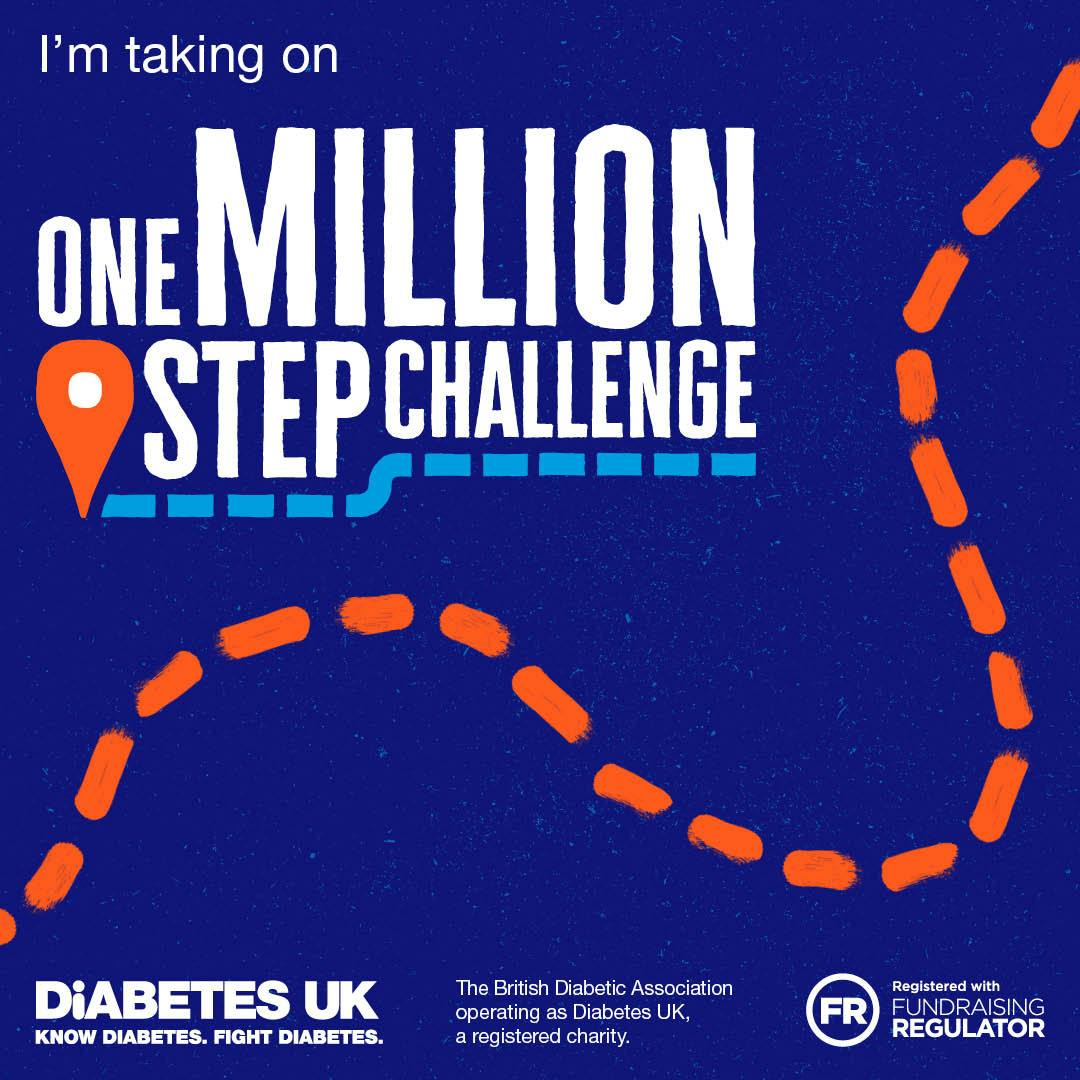
I am doing the One Million Step Challenge (500,000 steps) for Diabetes UK!

This is scary but here goes! This summer, I’m stepping up for Diabetes UK in their Step Challenge (I will be aiming to do 500,000 steps between my birthday 1st July and September).🤣🥰

I am doing this challenge to not only support the 5 million people in the UK who live with diabetes (including my dad Mike) but also to get fit, healthy and lose weight after being diagnosed with polycystic ovarian syndrome (pcos) last year. With pcos there is a future risk for diabetes as well as fertility challenges- I’m not diabetic currently and want to get healthier.

Those who know me well know this is a big deal for me as I am not a gym goer! I will be aiming to do 5000 steps a day starting on my 36th birthday 1st July- through to 30th September to total 500,000 steps which is one of the challenges.

Please sponsor me if you can afford to fund life saving treatments/research into diabetes and get me off the couch so I am healthier too!

Click sponsor me in previous sentence to donate or learn more!

Thank you; Eleanor xx

🦋🌻

The Digital Descent: Understanding the Connection Between Doomscrolling, Anxiety and Panic Attacks by Charles Watson

(image: Brian McGowan, Unsplash)

In 2024, there is a growing awareness of the effects associated with constantly consuming negative news, a behaviour commonly known as “doomscrolling.” Media and constant news updates often fuel this habit of seeking out distressing information. Sadly, this can have serious implications for both physical and mental health.

Recent conversations among health experts have shed light on the link between doomscrolling and the increase in Substance-Induced Anxiety Disorder (SIAD) as well as panic attacks. As someone who writes on mental health, I wanted to delve into this correlation, providing insights and practical tips to protect your health in a world that appears to be in a perpetual state of crisis.

What is the Meaning of Doomscrolling?

Doomscrolling involves the consumption of news. Consumers caught up in this cycle feel compelled always to follow disasters, political unrest, environmental crises, and other distressing events, resulting in prolonged exposure to negative media. Additionally, some may even engage in extended sessions of watching vertical, short-form videos without awareness of the passage of time.

We can admit staying informed is important. However, constant focus on distressing media can affect one’s well-being.

Psychological Effects of Doomscrolling

The brain is naturally inclined to react to threats with a fight-or-flight response—a survival instinct ingrained in our biology throughout history.

However, when the mind is activated by immediate non-physical threats, like distressing news, it can result in prolonged stress. This prolonged state of vigilance can heighten anxiety levels over time potentially leading to anxiety disorders and panic episodes.

However, why is it so addictive to watch distressing news? Well, engaging in doomscrolling triggers the activation of dopamine receptors, which provides short relief from anxiety, despite the eventual worsening of mood. 

What is more concerning is individuals often revert to doomscrolling in an attempt to alleviate their distress, perpetuating the cycle of negative emotions.

Link to Substance-Induced Anxiety Disorder

Substance-induced Anxiety Disorder (SIAD) begins to show its ugly face when symptoms of anxiety or panic stem directly from substance consumption, withdrawal, or exposure to substances. Common culprits include caffeine, alcohol, nicotine, and certain prescription drugs. 

People who engage in doomscrolling may resort to substances like alcohol or prescription drugs as a coping mechanism for the anxiety and stress triggered by the news they consume. This could establish a cycle where substance use provides relief from anxiety symptoms but later worsens them, possibly resulting in SIAD.

Real World Implications – Panic Attacks

Panic attacks are episodes of fear that may manifest as heart palpitations, sweating, trembling, etc.  Sometimes there is even an overwhelming sense of dread and fear of losing control. 

For those who are exposed to negative news, unfortunately their threshold for panic attacks may be lower. Substances used to manage this stress can further decrease this threshold, making panic attacks more frequent and intense.

(image: Mark Adriane, Unsplash)

Tips for Breaking This Habit

Breaking free from the cycle of doomscrolling requires effort and specific strategies. Here are some “practical?” steps you can follow;

1. Establish Strict Time Boundaries

Hold yourself to designated times during the day for checking the news and make a commitment to stick to these schedules. Utilizing apps restricting your access to websites or social media platforms can help you maintain this routine.

2. Customise Your Social Media Content

Take a role in curating your social media feeds by including uplifting content. Follow accounts that share stories or even your city media feeds to create a balanced experience alongside the inevitable negative news we all have to see.

3. Try Healthy Coping Mechanisms

It may be time to hit the gym. Or engage in activities such as yoga or jogging. Better yet, incorporate mindfulness techniques like meditation or diaphragmatic breathing. Finally, find a way to express yourself through creative endeavors like writing or painting.

4. Consider Professional Support

If needed, and if feelings of anxiety or panic become overwhelming, seek assistance. A health professional can always be beneficial. Therapists can offer personalized coping strategies tailored to meet your needs, as we are all different in what triggers our anxiety.

5. The Inevitable – Keeping in Touch

Even as a mental health writer, I can be better at this one. Having ties with friends and family can ease stress and worry. Interacting regularly can shift our focus away from the constant stream of negative news.

In the end, while staying informed is important, it’s also vital to strike a balance in how we consume news. Recognizing the signs of scrolling through distressing content and taking proactive measures to lessen its impact can help prevent the development of more severe anxiety issues and panic attacks. The world has changed, and mental health is important, so by being mindful and adopting coping strategies, we can safeguard our well-being during these challenging times (no matter where we are located.)

By being aware of how our media intake affects our health, we can navigate the age without falling prey to its negative aspects. Remember, it’s completely fine to unplug for the sake of your well-being.

Charles Watson is a freelance blogger.

Your Environment Matters: Setting the Stage for Drug Detox Success this Mental Health Awareness Week by Maya

(image: Unsplash: Ron Smith)

When you’re struggilng with substance abuse and considering detox, chances are you have a clouded view of what this looks like. Images of withdrawal symptoms, sterile hospital beds, and indifferent staff often cause people to fear going into a rehab center. But drug detox doesn’t have to be this way.

Facilities across the USA (and in the UK) like Utah drug detox centers, can provide a safe, supportive, and structured environment to help you navigate this challenging phase. These centres offer the resources and expertise necessary to manage detox. They can help set you up for long-term success.

What are the key aspects of a positive detox environment, and how do they contribute to a successful recovery journey? We’ll discuss those answers here.

Building a Foundation

Research shows that up to 90% of people who relapse after drug detox do so within the first year. Don’t let this number discourage you, though! It can feel daunting, but it also highlights the importance of setting yourself up for success from the very beginning.

Creating a positive environment during detox will improve your chances of long-term recovery. You need a calming, supportive space. Whether you choose your own home, a friend or family member’s place, or a detox program, make sure it’s comfortable and includes healthy, appealing meals that nourish your body. As you heal and cope with withdrawal symptoms, you’ll need proper nutrition.

Surround yourself with a supportive network of people as well. Those who understand your journey and believe in your recovery will be a crucial source of strength.

Address Detox Concerns

Detoxification is often seen as a difficult, uncomfortable experience, and with good reason. Many people entering detox worry about withdrawal symptoms. These effects can range from anxiety and fatigue to nausea, pain, and muscle aches.

But withdrawal symptoms aren’t the only concern. People might also worry about privacy, safety, and the cost of detox. Quality detox programs focus on patient privacy and confidentiality with trained medical professionals to provide a safe, supportive environment.

These types of detox programs can come with a hefty price tag, but many facilities have flexible payment options or work with insurance. Treatment is still within reach for those struggling financially.

Environment

Imagine stepping into a detox program, not with a sense of dread, but with a feeling of comfort. Instead of glaring lights and cold metal, you’re greeted by a warm, home-like environment. Attentive and professional staff are there to support you, easing the anxieties often associated with detox. This welcoming atmosphere can foster a crucial element of recovery: trust.

Trust in your caregivers is essential. When a detox program feels clinical and impersonal, it can create a sense of detachment. You might feel like just another patient to be processed. But a comfortable and inviting space can make a big difference.

This environment allows you to feel safe, valued, and more receptive to the personalised care and guidance offered by your treatment team. The sense of trust empowers you to fully engage in the detox and recovery process, setting you up for a stronger foundation on your journey to a healthier life.

Take the First Step

Detox is a crucial first step on the path to recovery. By prioritizing a safe, supportive, and comfortable environment, you can significantly increase your chances of long-term success.

Remember, you don’t have to face this alone. Reach out to a qualified professional or treatment center today to begin your journey to a healthier and happier life. Many resources are available to support you, and there is no shame in seeking help. Take that first step today — your future self will thank you for it.

We’re a Top 10 UK Mental Health Blog by Vuelio for Mental Health Awareness Week 2024!

(image: Vuelio).

I am absolutely delighted to share that Vuelio has listed Be Ur Own Light as a Top 10 UK Mental health blog! For the 6th year running! I am so grateful as we work hard year-round on the blog. Thank you to all our amazing collaborators too. These lists recognise influential blogs in their sectors.

You can see Vuelio’s Top 10 Mental health blog list here this Mental health awareness week: https://www.vuelio.com/uk/social-media-index/mental-health-blogs-uk-top-10/

We are number 7! (last year number 5, but getting on this list is a huge achievement and for 6 years in a row… can’t believe it.)

Thanks Christina and all at Vuelio!

Looking forward to sharing more mental health blogs and battling stigma daily.

Eleanor x

Returning To Work After A Long Time Away And Work Mental Health

(image: Josh Duke: Unsplash)

While we might think that everyone is a buttoned-down professional, everyone has their own relationship to their work. But what about returning to work after a long time away? Maybe you’ve been on maternity leave, have suffered an illness, been struggling with mental health, or have been off work for a variety of reasons.

However, it’s true that settling back into the regular working cycle is often a form of mental health and self-care in itself. This is because work is hard, as is balancing a job around personal priorities. As such, it’s important to get out there, to make the right preparations and to believe you can do it. The secret is that you really can, even if you had to fight against your previous employer thanks to their lack of labor law compliance tracking.

With that in mind, let’s discuss how to brace yourself for a return to work, even after a long time away.

Plan Ahead For Your Transition

Your employer likely knows that you have a period of unemployment in the past, and may have asked you about it. If you were candid about it and still gained the job, your employer will likely understand. For the first couple of weeks, you might ask to do staggered days or part-time shifts, then slowly move into full-time. It can’t hurt to ask.

Alternatively, you might integrate a full month of regular 9-5 work to onboard, and then consider remote working from that point on. Planning ahead for your transition, making these requests, or asking for any appropriate support measures can be key. For example, perhaps you need to visit your physiotherapist once a week for mobility assistance. Laying this all out on the table is healthy, because you have nothing to be ashamed of, and reasonable provisions must be made for you (as they legally ought to be for anyone who experiences a personal condition or disability).

Refresh Your Skills & Knowledge

Even the most capable professional can feel rusty in their skills after a period away, as work isn’t like riding a bicycle, it takes a little adjustment period to feel your best. As such, you might ask to review certain work materials before you start, such as the company structure, role boundaries and parameters, and specific preparations to make.

In some cases, you may have the tools to play around with before you start. If you’re working in the content production section of a marketing department, you might focus on Premiere Pro revision or editing software understanding once more, checking out the new updates to see what has changed. This way, you arrive at the new place a little sharper and more practiced.

Get Into The Daily Schedule Beforehand

You may have a couple of weeks before you start work again, which is a great practice period for getting used to your new schedule. You might begin waking up early in the morning and going to bed early, to help your body clock adjust to the new normal. You could even take the commute a few times to make sure you relax into it, and don’t have to worry about being late for your first day. If taking the train during rush hour or figuring out the best route to drive, that can give you great peace of mind. If you are struggling with your mental health, definitely reach out for support.

Moreover, you might prepare your lunch the night before just to get into the habit, or purchase your train tickets set to be valid by a certain date. Getting into the swing of things allows you to avoid feeling tired out or a little shocked when you settle back into work. You don’t want to wake up for your first day tired, irritable, and hungry, but energised and ready to get started. If you have work anxiety, its OK speak to a trusted friend, family member or therapist and seek support.

Don’t Try & Reinvent The Wheel

Most people like to give a good impression as they turn up to a new job for the first time, but that doesn’t mean you have to become the employee of the year in the first week. Just take it easy, and follow the onboarding plan. That’s all you have to do to begin with. Sure, you might be involved in new meetings, but you don’t have to lay out a large vision or plan just yet. Sure, you might be an integral part of the team, but you don’t need to take everyone’s work on immediately. 

It takes time to adapt to a new workplace, and any manager worth their salt understands that. This is also a period to ask as many questions as possible, even if they seem silly on the surface. After all, if you don’t ask now, when will you? Moreover, if you’re a little rusty, don’t be afraid to admit that and slowly sharpen your skills. You don’t have to put every insecurity out there of course, but don’t feel like you have to be perfect, because that’s the quickest way to make a mistake.

Manage Stress & Anxiety Responsibly

It’s natural for people to feel a little stressed at work, and if you have anxious feelings, a new job is fertile ground for them to surface. But you can manage your anxiety with care. You might use supplements to help you (consult a doctor first), and this could include valerian root which is know to deal with mild stress, or ashwagandha, a herbal blend known to relax. Use what works for you and is approved by your doctor, and if advised against taking it or if they clash with any medications you take, make sure to stay well clear. Seeing a therapist can also be helpful.

Moreover, breathing exercises, good sleep schedules and hygiene, and the willingness to take each day at a time can help you feel more relaxed in no time. The first few weeks can be worrying, but sooner rather than later you may begin to feel at home.

With this advice, you’ll be certain to brace yourself even after a long absence preceding your return to work. 

This article was written by a freelance writer.

Celebrating Small Victories: The Importance of Milestones In Outpatient Rehab by Rianne Hunter

(image: Pexels:)

In the journey of outpatient rehab, recognising and celebrating each small victory plays a pivotal role in both motivation and recovery. These milestones, no matter how small they may seem, serve as important markers of progress, offering encouragement and a sense of achievement to those on the path to recovery. Each step forward, regardless of its size, can significantly impact the overall success of rehabilitation. This philosophy not only fosters a positive environment but also strengthens the resolve of individuals to continue striving for their ultimate goal of full recovery.

The Power of Acknowledgment

Acknowledging and celebrating small victories may seem insignificant in the grand scheme of things, but it can have a powerful impact on one’s outlook and determination. In outpatient rehab, where the recovery journey can be long and challenging, even the smallest progress should be praised and recognized. This acknowledgment serves as a reminder that each step taken is a valuable and meaningful effort towards healing. It also helps individuals to focus on the present moment, rather than dwelling on past struggles or future worries.

Boosting Motivation

In outpatient rehab, motivation is a key factor in achieving successful outcomes. By celebrating small victories, individuals can maintain their motivation and drive throughout the rehabilitation process. Each accomplishment reinforces their determination and propels them forward towards their ultimate goal. When individuals feel recognized and supported, they are more likely to remain committed to the rehabilitation process and push through any difficult moments.

Building Confidence

As individuals progress through their outpatient rehab program, each milestone reached builds confidence in their abilities and strength. These small victories serve as evidence that they are capable of overcoming challenges and making positive changes in their lives. With each success, individuals are encouraged to set higher goals and push themselves further. This confidence boost can have a lasting impact on their recovery journey and beyond.

Celebrating Together

The power of celebrating small victories is not just limited to the individual in outpatient rehab but also extends to their support system. Family members, friends, and healthcare professionals all play an essential role in providing encouragement and recognition for achievements. By coming together to celebrate each milestone, a sense of community and support is fostered, creating a positive and uplifting environment for the individual in rehab.

Celebrating small victories may seem like a simple act, but its impact on outpatient rehab cannot be underestimated. Each milestone reached serves as a stepping stone towards full recovery and should be recognised and celebrated. By acknowledging these small victories, we can create a more positive and empowering experience for individuals in rehabilitation and help them to achieve their goals with confidence and motivation.

Rianne Hunter is a wife, mother of three, and an independent blogger who writes for a broad range of topics and publishers.