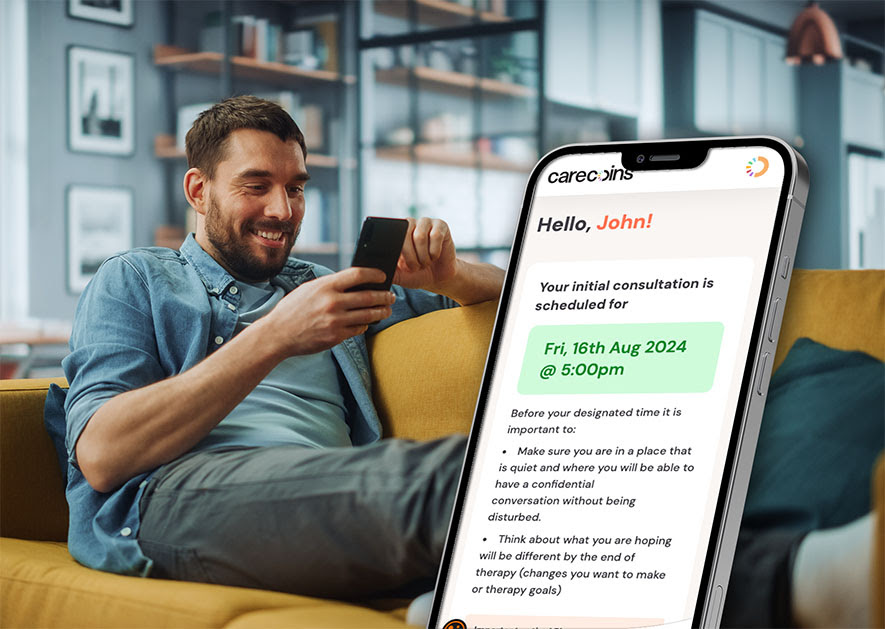
How to Get the Most Out of Therapy by Elizabeth Howard

(image: Kateryna Hliznitsova: Unsplash)

As the world gets more concerned and more appreciative of mental health and its impact on life, therapy has become more of a viable option for many. Whether you’re trying to cope with trauma or just work on some aspects of your personality and lifestyle, therapy is a great tool, but before you’re ready to jump in, you’ll need to know how to get the most out of your therapy. 

Be open 

The first and most important thing to keep in mind about therapy is that before you even sit in the office, you should have an open and comfortable attitude about the entire process. Much therapy gets stagnant as clients wait for breakthroughs just because they’re not ready for uncomfortable conversations or for sharing intimate details about your life. Withholding crucial information like that of your family members or crucial events in your life will only slow down the progress you’re able to get out of therapy. Instead, trusting the professional you’ve partnered with and really internalising their advice will allow you to get acclimated to the process much faster, and you’ll get more out of it as a result.  

Get ready for uncomfortable conversations  

As previously mentioned, another thing you’ll need to ensure is that you’re mentally prepared for the uncomfortable conversations you may have in the therapist’s office. This is because a lot of the trauma people carry throughout their lives is tied to a few incidents earlier in life, and talking about those incidents is the first step to truly healing. That means you’ll have to eventually vocalize your deepest fears and insecurities and the issues you’ve been going through, both to allow your therapist to better understand your psyche and to help yourself make important breakthroughs throughout your journey. 

Find the right therapist 

Another part of getting the most out of your therapy is finding the right therapist to guide you on your journey because the person you’re working with will eventually be entrusted with the deepest parts of your personality and subconscious. This means finding someone you’re fully comfortable with and one that is easy to visit; in your own country. Chicago residents (USA), for example, should look for an experienced therapist in Chicago. Finding a professional that you’re comfortable with and someone who’s nearby will only make it easier to regularly make your appointments and make time for therapy, pushing yourself towards more progress. 

Be consistent 

Consistency is the most important part of any major life goal you’re trying to achieve, and that includes therapy because of how unique the experience of therapy is for most people. If you’re not making it to your therapist’s office week after week for your regularly scheduled appointments, you won’t be able to make those important breakthroughs because each appointment will mostly be concerned with you and your therapist getting used to each other again. If you feel that your therapy isn’t working in its earliest stages, you shouldn’t let that discourage you since different people make progress over different periods.  

Do the homework 

Most therapists out there know the importance of daily self-improvement habits for their clients, and that includes things like journalling or keeping a dream diary. This can be tiring at first, but this homework is crucial to the entire process since your therapist will get a better idea of your underlying fears and the thoughts that take control of your unconscious mind most often. This will help your own progress, so you get the most out of therapy you possibly can. You can communicate all of your fears if you’re writing them down regularly for therapy.  

Like most aspects of self-improvement, therapy has the capacity to change your life and can even cause you to have a major shift in perspective about key moments in your life. However, before you’re ready to embark on the phase of your life that will inevitably have a giant impact on you, it’s important to prepare yourself for what’s next so that you can get the most out of the therapy you’re participating in. 

Elizabeth Howard is a freelance writer. (this article contains sponsored links)

How Counselling Can Help You Manage Your Anxiety by Buick Hamblin, Therapist.

(image: Unsplash)

Anxiety affects millions of people worldwide, impacting their daily lives and overall well-being. Counselling offers a supportive and effective way to manage your anxiety, helping you regain control and improve your mental health.

Understanding Anxiety 

Anxiety is a common mental health condition that manifests in various forms, including social anxiety disorder, generalised anxiety disorder (GAD), and panic disorder. Symptoms often include excessive worry, panic attacks, and constantly feeling anxious. These symptoms can interfere with daily activities, making it crucial to seek appropriate help.

How Counselling Helps with Anxiety 

Counselling for Anxiety

Counselling provides a safe space to explore and understand your anxiety. A therapeutic counsellor works with you to identify the root causes of your anxiety and develop strategies to manage it effectively.

Therapy for Anxiety 

Different types of therapy can be used in counselling to address anxiety. Cognitive Behavioural Therapy (CBT) helps reframe negative thoughts, while exposure therapy gradually reduces fear responses. Both are proven methods in managing anxiety and improving mental health.

Types of Counselling for Anxiety 

Cognitive Behavioural Therapy (CBT) 

CBT is a widely used approach that helps you understand and change negative thought patterns contributing to anxiety. It focuses on developing practical skills to manage anxiety symptoms and anxious thoughts. 

For example, if you often experience negative thoughts like “I can’t handle this situation,” CBT can help you reframe this thought to something more constructive, like “I can take small steps to manage this situation.”

Exposure Therapy

Exposure therapy is particularly effective for phobias and social anxiety. It involves gradual exposure to anxiety-provoking situations, helping you build tolerance and reduce avoidance behaviours. For instance, if you have a fear of public speaking, exposure therapy might start with speaking in front of a small group and gradually working up to larger audiences.

Talking Therapies

Alongside private talking therapy practices, NHS talking therapies service provides a space to express your feelings and gain insights into your anxiety. Whether through face-to-face sessions, group therapy, or online counselling options, talking therapies offer valuable support. These sessions can help you feel heard and understood, which is a crucial step in managing anxiety.

How Therapy Sessions Work 

Therapy sessions are tailored to your specific needs. During these sessions, you and your counsellor will create a treatment plan focused on your goals. Regular sessions build a therapeutic relationship, essential for effective treatment. 

The consistency of therapy sessions helps reinforce strategies to manage anxiety. For example, your counsellor might help you track your anxiety levels and identify what can trigger anxiety, which can be discussed and addressed in each session.

Benefits of Counselling for Different Types of Anxiety 

Generalised Anxiety Disorder (GAD)

Counselling helps manage chronic worry and stress, providing tools to cope with daily life. Techniques such as mindfulness and relaxation exercises can be incorporated into your daily routine to reduce overall anxiety levels.

Panic Disorder

Techniques like CBT are used to cope with panic attacks, reducing their frequency and intensity. Learning breathing exercises and grounding techniques can help you regain control during a panic attack, and if CBT doesn’t work for you there are other options of therapy available.

Obsessive-Compulsive Disorder (OCD)

Counselling aids in managing obsessive thoughts and compulsions, promoting healthier coping mechanisms. For example, a counsellor might use exposure and response prevention (ERP) therapy, a type of CBT specifically designed for OCD, to help you resist the urge to perform compulsive behaviours. This approach is effective in treating anxiety associated with OCD.

Post-Traumatic Stress Disorder (PTSD)

Counselling addresses trauma, helping reduce PTSD symptoms through therapeutic approaches like CBT and Eye Movement Desensitization and Reprocessing (EMDR). These therapies can help you process traumatic memories and reduce their impact on your daily life.

Social Anxiety Disorder

Strategies in counselling help overcome social fears, improving social interactions and confidence. Role-playing and social skills training can be part of your therapy to help you feel more comfortable in social situations. By learning to manage your anxiety, you can gradually overcome social anxiety disorder and improve your quality of life.

Addressing Specific Concerns 

Health Anxiety

Counselling helps those who constantly worry about their health by addressing underlying fears and developing coping strategies. Techniques like CBT can help you challenge and reframe catastrophic thinking related to health concerns.

Stress and Anxiety

Techniques to manage stress are integrated with anxiety treatment, offering comprehensive support. Learning time management and relaxation techniques can help reduce the overall impact of stress on your anxiety levels.

Seeking Additional Support

While counselling is a crucial component in managing anxiety, there are other resources available to complement your treatment. Organisations like Anxiety UK offer additional support, information, and resources for individuals struggling with anxiety disorders. 

These organisations can provide helplines, support groups, and educational materials to further assist you in your journey towards better mental health.

Accessing Mental Health Services If you’re struggling with Anxiety

It’s important to know that help is available (although there can be waiting lists for therapy). The mental health service in your area can provide access to counselling and other forms of support. Your general practitioner (GP) can refer you to appropriate services, or you may be able to self-refer to local mental health teams. 

Remember, seeking help is a sign of strength, not weakness, and taking this step can be the beginning of your journey to managing your anxiety effectively.

Embracing a Healthier Future 

Counselling offers effective strategies to manage your anxiety, tailored to your specific needs. By working with a counsellor, you can gain control over your anxiety and improve your mental health. 

Whether it’s through CBT, exposure therapy, or talking therapies, counselling provides the tools and support needed to navigate your anxiety and lead a more fulfilling life. Understanding the types of anxiety disorders and how they can be managed through therapy is crucial in overcoming anxiety.

If you’re struggling with anxiety, consider exploring counselling services. Taking the first step towards seeking help can make a significant difference in managing your anxiety and enhancing your quality of life.

Buick Hamblin is an experienced counsellor and psychotherapist with over 20 years in the field. Specialising in person-centred therapy and cognitive behavioural therapy (CBT), she offers compassionate, non-judgmental support to clients dealing with a range of issues, including depression and relationship problems. Accredited by the BACP since 2007, Buick provides flexible counselling options both in Grantham, UK and online.

Gila’s Way: A Charity Set Up To Help Prevent Teen Suicide And Educate On Mental Health. Interview with Rabbi Hammer.

Sometimes, I get emails about stories and they really stand out to me. This was one of them. A friend of mine knew about this suicide prevention charity in Israel, called Gila’s Way. The Hammer family in the Jewish community sadly lost their daughter Gila z’l to suicide when she was just 18. Gila had mental health issues and the family want to save lives in her name and make sure it doesn’t happen to another family. Rabbi Shalom Hammer, Gila’s father and a world renowned lecturer, started sharing his insights from Gila’s tragic story in order to raise awareness, teach empathy, and promote dialogue regarding suicide in order to ensure its prevention.

Gila’s Way is a non-profit organisation which implements, educates and presents programs regarding mental health awareness and suicide prevention in order to save lives.

I asked Rabbi Shalom Hammer a few questions about his life saving mission:

  1. Your charity Gila’s Way has such an important mission. Please can you tell me more about Gila as a person, her mental health struggles and how you as a family coped in the aftermath of her tragic death/ how the charity got set up?

Gila was an unbelievable girl, vibrant, vivacious, social, hilarious and extremely sensitive. She was a leader of her peers socially and she loved to have fun. She also saw the world in a very innocent wholesome way, she was not capable of harming anyone nor did she believe that people would harm her. Tragically she experienced a sexual episode which was obviously extremely traumatising for her. She also did not wish to or know how to openly communicate the degradation she felt and the pain she was experiencing. Consequently, a swell of anxiety and depression built up inside of her and she eventually began to lose hope which ultimately lead to her passing away.

After Gila died, we decided to take the inexplicable pain and the unfathomable loss to as much of a positive place as possible. My wife and I feel that Gila should be alive and the reason she is not is largely because of the lack of knowledge with mental health and certainly suicidal ideation that we had and that so many others have as well. Gila’s Way is an organisation therefore, who’s primary concern is education via seminars, lectures, interactive workshops and presentations, understanding that the more we educate and inform the greater chance we have of lowering the numbers and preventing suicide.

(image of Gila z’l: Gila’s Way and Hammer Family)

2. What would you like people to know about teen suicide and suicide prevention in Israel and globally?

The most important vital point that I cannot emphasise enough, is that the vast majority of people who die from suicide, do NOT want to die. Particularly when we are speaking about adolescents who are experiencing so much pressures and may impulsively make a decision within a few seconds and not realising that it is finite. When people understand that most people who die from suicide, did not want to die, they also understand that this means we are capable of saving that person.

3. What is your message to other parents coping with children with mental health issues or who have also experienced bereavement?

There are a number of very crucial messages for parents. Firstly, don’t be afraid or ashamed to talk and converse, secondly don’t converse with just everyone. Dealing with mental health and a child who is challenged, is very procedural and therefore exhausting. Make sure to speak to the right people and save your energies for those people. Don’t speak to just anyone because you will grow more confused and more exhausted; make sure to find those/that people/person who can be helpful and focus on speaking to them.

In addition, pay attention to what your child is “saying”. A child (or anyone for that matter) who is dealing with mental health challenges or experiencing a crisis, will not necessarily explicitly say “I need help”, but they will often send “cries for help” and share those signs because they really want help. Some of those “warning signs” can be familial/social isolation , spending long hours in their bedrooms and refusing to join the family for activities which they normally enjoyed. In addition, they may be exhibiting exhaustion, or become physically unkempt, and they also might desist from performing normal expectations (like going to school, doing their homework, participating in events etc.)

Finally, and this is something that I consistently emphasise, trust your parental instincts. We were blessed with instincts and often a Dr or professional might suggest something and our instinct is saying “this just does not sit well with me”…trust that instinct and pay attention to it, because it is there for a reason.

(image: Gila’s Way)

4. What do you at Gila’s Way want to achieve through your charity and how are you doing this through programmes/events?

Our primary focus is on education. We don’t want any parent or any significant other, to be in situations where they “don’t know” or “didn’t know enough” because knowledge is power and empowers us with the capacity to be aware, respond and even save a life. We do so through the many programs, presentations, seminars and interactive workshops and exhibitions that we offer for diverse groups (parents, educators, adolescents, leaders, professionals, here in Israel in the army and pre-military academies). Engaging audiences in the conversations breaks stigmas and allows for knowledge and consideration.

Finally, Gila’s Way offers a consultation service (NOT a hotline). Navigating the mental health system, especially in Israel, isn’t simple. If one knows someone struggling with their mental health, they can schedule a consultation with us to help guide them through initial steps towards healing and recovery.

Whoever saves a single life is considered to have saved an entire world’ (the Talmud)

For more about Gila’s Way, please go to their website here.

Creating a Safe Space: Helping Your Adopted Child Heal From Trauma by Brooke Chaplan

(image: Adobe Stock)

As mom/mums, we want nothing more than to provide a safe and nurturing environment for our children. But when it comes to adopted children who have experienced trauma, the task can feel overwhelming. It’s important to understand that healing from trauma is a process that takes time and patience. In this blog post, we will discuss some strategies for creating a safe space for your adopted child to heal and thrive.

Build Trust

Building trust is vital when helping your adopted child heal from past trauma. Trust serves as the foundation for a relationship where your child feels safe and understood. To build trust, start by being a consistent presence in their life, maintain routines and be predictably positive in your interactions. Listen to them with empathy and without judgment, making sure they feel heard and valued. Honoring your promises, no matter how small, also reinforces their sense of security. Offer choices to empower them, showing that their feelings and opinions matter. Through these actions, you create a supportive environment where your child can begin to heal and flourish.

Create Routine

Maintaining a routine can be incredibly beneficial for adopted children who have been through trauma, as it provides a sense of stability and predictability in their lives. A structured daily routine might include waking up at the same time each morning, having breakfast together, and engaging in activities like schoolwork, outdoor play, or reading time. Following a set bedtime ritual, such as taking a warm bath, reading a story, or listening to calming music, can help signal the end of the day and promote restful sleep. These consistent activities provide security and help the child know what to expect, reducing anxiety and allowing them to focus on their growth and healing.

Offer Support

Offering support to your adopted child as they work through past trauma requires patience and understanding. Recognize that healing is a journey, and each child progresses at their own pace. Show your support by being consistently available and approachable, allowing your child to share their feelings when they feel ready. Validate their emotions by acknowledging their pain and expressing empathy, reinforcing that their feelings are normal and understandable. Engage in calming activities together, such as drawing, walking, or simply sitting in silence, which can provide comfort and a sense of connection. Additionally, educate yourself on trauma and its impacts so you can better understand and respond to your child’s needs. Through unwavering patience and a compassionate approach, you create a secure space for your child to navigate their healing journey.

Educate Yourself

When supporting your adopted child through past trauma, it’s crucial to educate yourself on various aspects of trauma, including its emotional, psychological, and physical effects. Learn about attachment theory to understand how early experiences shape a child’s ability to form secure relationships. Explore trauma-informed care practices to provide the best possible support. Resources such as books on child psychology, trauma, and adoption can be invaluable. Online courses, webinars, and support groups for adoptive parents can offer practical skills and community support. Don’t hesitate to seek professional help from therapists who specialize in trauma and adoption, like those at Relevant Connections PLLC. By expanding your knowledge, you can create a nurturing environment that fosters your child’s healing and growth.

Foster Connection

Helping your adopted child foster positive connections while working through past traumas involves creating opportunities for safe and meaningful social interactions. Encourage participation in group activities that align with their interests, such as sports teams, art classes, or music lessons, where they can build friendships in a structured and supportive environment. Facilitate playdates with compassionate and understanding peers to help your child practice social skills and develop trust in others. Encourage involvement in community events or volunteering, which can provide a sense of purpose and belonging. Additionally, reinforcing family bonds through regular family activities and open communication can help your child feel secure and connected. By nurturing these connections, you create a network of support that can bolster your child’s emotional resilience and aid in their healing process.

Creating a safe space for your adopted child to heal from trauma requires patience, understanding, and love. By building trust, establishing routine, offering support, educating yourself, and fostering connections, you can help your child feel secure and supported as they navigate their healing journey. Remember that healing takes time, so be gentle with yourself and your child as you both navigate this process together.

Brooke Chaplan is a freelance writer.

‘Arabella And The Worry Cloud’ Book Cover Reveal!

(image: Arabella and the Worry Cloud by Shelley the Artist and Eleanor Segall)

Shelley the Artist and I are proud to reveal the cover to our first children’s book written by me, ‘Arabella and the Worry Cloud’.

Arabella is a little girl with lots of worries, represented by the Worry Cloud who comes to see her, taunts her and threatens to rain on her.

Can Arabella with the help of happy thoughts of her family and trusted cat Pickles push the Worry Cloud away? Or will he stay and rain on her forever as her worries grow?

As a little girl myself, I had lots of worries which led to anxiety and panic. Through our book, we aim to help children aged 5-7ish to process their emotions around worry, to talk about anxiety and to try and replace them with positive thoughts.

The book has beautiful illustrations by Shelley the Artist and we can’t wait to share the link to buy it as soon as its live! We will have an ebook and paperback version.

Thank you for all the support,

Eleanor x

The Digital Descent: Understanding the Connection Between Doomscrolling, Anxiety and Panic Attacks by Charles Watson

(image: Brian McGowan, Unsplash)

In 2024, there is a growing awareness of the effects associated with constantly consuming negative news, a behaviour commonly known as “doomscrolling.” Media and constant news updates often fuel this habit of seeking out distressing information. Sadly, this can have serious implications for both physical and mental health.

Recent conversations among health experts have shed light on the link between doomscrolling and the increase in Substance-Induced Anxiety Disorder (SIAD) as well as panic attacks. As someone who writes on mental health, I wanted to delve into this correlation, providing insights and practical tips to protect your health in a world that appears to be in a perpetual state of crisis.

What is the Meaning of Doomscrolling?

Doomscrolling involves the consumption of news. Consumers caught up in this cycle feel compelled always to follow disasters, political unrest, environmental crises, and other distressing events, resulting in prolonged exposure to negative media. Additionally, some may even engage in extended sessions of watching vertical, short-form videos without awareness of the passage of time.

We can admit staying informed is important. However, constant focus on distressing media can affect one’s well-being.

Psychological Effects of Doomscrolling

The brain is naturally inclined to react to threats with a fight-or-flight response—a survival instinct ingrained in our biology throughout history.

However, when the mind is activated by immediate non-physical threats, like distressing news, it can result in prolonged stress. This prolonged state of vigilance can heighten anxiety levels over time potentially leading to anxiety disorders and panic episodes.

However, why is it so addictive to watch distressing news? Well, engaging in doomscrolling triggers the activation of dopamine receptors, which provides short relief from anxiety, despite the eventual worsening of mood. 

What is more concerning is individuals often revert to doomscrolling in an attempt to alleviate their distress, perpetuating the cycle of negative emotions.

Link to Substance-Induced Anxiety Disorder

Substance-induced Anxiety Disorder (SIAD) begins to show its ugly face when symptoms of anxiety or panic stem directly from substance consumption, withdrawal, or exposure to substances. Common culprits include caffeine, alcohol, nicotine, and certain prescription drugs. 

People who engage in doomscrolling may resort to substances like alcohol or prescription drugs as a coping mechanism for the anxiety and stress triggered by the news they consume. This could establish a cycle where substance use provides relief from anxiety symptoms but later worsens them, possibly resulting in SIAD.

Real World Implications – Panic Attacks

Panic attacks are episodes of fear that may manifest as heart palpitations, sweating, trembling, etc.  Sometimes there is even an overwhelming sense of dread and fear of losing control. 

For those who are exposed to negative news, unfortunately their threshold for panic attacks may be lower. Substances used to manage this stress can further decrease this threshold, making panic attacks more frequent and intense.

(image: Mark Adriane, Unsplash)

Tips for Breaking This Habit

Breaking free from the cycle of doomscrolling requires effort and specific strategies. Here are some “practical?” steps you can follow;

1. Establish Strict Time Boundaries

Hold yourself to designated times during the day for checking the news and make a commitment to stick to these schedules. Utilizing apps restricting your access to websites or social media platforms can help you maintain this routine.

2. Customise Your Social Media Content

Take a role in curating your social media feeds by including uplifting content. Follow accounts that share stories or even your city media feeds to create a balanced experience alongside the inevitable negative news we all have to see.

3. Try Healthy Coping Mechanisms

It may be time to hit the gym. Or engage in activities such as yoga or jogging. Better yet, incorporate mindfulness techniques like meditation or diaphragmatic breathing. Finally, find a way to express yourself through creative endeavors like writing or painting.

4. Consider Professional Support

If needed, and if feelings of anxiety or panic become overwhelming, seek assistance. A health professional can always be beneficial. Therapists can offer personalized coping strategies tailored to meet your needs, as we are all different in what triggers our anxiety.

5. The Inevitable – Keeping in Touch

Even as a mental health writer, I can be better at this one. Having ties with friends and family can ease stress and worry. Interacting regularly can shift our focus away from the constant stream of negative news.

In the end, while staying informed is important, it’s also vital to strike a balance in how we consume news. Recognizing the signs of scrolling through distressing content and taking proactive measures to lessen its impact can help prevent the development of more severe anxiety issues and panic attacks. The world has changed, and mental health is important, so by being mindful and adopting coping strategies, we can safeguard our well-being during these challenging times (no matter where we are located.)

By being aware of how our media intake affects our health, we can navigate the age without falling prey to its negative aspects. Remember, it’s completely fine to unplug for the sake of your well-being.

Charles Watson is a freelance blogger.

We’re a Top 10 UK Mental Health Blog by Vuelio for Mental Health Awareness Week 2024!

(image: Vuelio).

I am absolutely delighted to share that Vuelio has listed Be Ur Own Light as a Top 10 UK Mental health blog! For the 6th year running! I am so grateful as we work hard year-round on the blog. Thank you to all our amazing collaborators too. These lists recognise influential blogs in their sectors.

You can see Vuelio’s Top 10 Mental health blog list here this Mental health awareness week: https://www.vuelio.com/uk/social-media-index/mental-health-blogs-uk-top-10/

We are number 7! (last year number 5, but getting on this list is a huge achievement and for 6 years in a row… can’t believe it.)

Thanks Christina and all at Vuelio!

Looking forward to sharing more mental health blogs and battling stigma daily.

Eleanor x

Returning To Work After A Long Time Away And Work Mental Health

(image: Josh Duke: Unsplash)

While we might think that everyone is a buttoned-down professional, everyone has their own relationship to their work. But what about returning to work after a long time away? Maybe you’ve been on maternity leave, have suffered an illness, been struggling with mental health, or have been off work for a variety of reasons.

However, it’s true that settling back into the regular working cycle is often a form of mental health and self-care in itself. This is because work is hard, as is balancing a job around personal priorities. As such, it’s important to get out there, to make the right preparations and to believe you can do it. The secret is that you really can, even if you had to fight against your previous employer thanks to their lack of labor law compliance tracking.

With that in mind, let’s discuss how to brace yourself for a return to work, even after a long time away.

Plan Ahead For Your Transition

Your employer likely knows that you have a period of unemployment in the past, and may have asked you about it. If you were candid about it and still gained the job, your employer will likely understand. For the first couple of weeks, you might ask to do staggered days or part-time shifts, then slowly move into full-time. It can’t hurt to ask.

Alternatively, you might integrate a full month of regular 9-5 work to onboard, and then consider remote working from that point on. Planning ahead for your transition, making these requests, or asking for any appropriate support measures can be key. For example, perhaps you need to visit your physiotherapist once a week for mobility assistance. Laying this all out on the table is healthy, because you have nothing to be ashamed of, and reasonable provisions must be made for you (as they legally ought to be for anyone who experiences a personal condition or disability).

Refresh Your Skills & Knowledge

Even the most capable professional can feel rusty in their skills after a period away, as work isn’t like riding a bicycle, it takes a little adjustment period to feel your best. As such, you might ask to review certain work materials before you start, such as the company structure, role boundaries and parameters, and specific preparations to make.

In some cases, you may have the tools to play around with before you start. If you’re working in the content production section of a marketing department, you might focus on Premiere Pro revision or editing software understanding once more, checking out the new updates to see what has changed. This way, you arrive at the new place a little sharper and more practiced.

Get Into The Daily Schedule Beforehand

You may have a couple of weeks before you start work again, which is a great practice period for getting used to your new schedule. You might begin waking up early in the morning and going to bed early, to help your body clock adjust to the new normal. You could even take the commute a few times to make sure you relax into it, and don’t have to worry about being late for your first day. If taking the train during rush hour or figuring out the best route to drive, that can give you great peace of mind. If you are struggling with your mental health, definitely reach out for support.

Moreover, you might prepare your lunch the night before just to get into the habit, or purchase your train tickets set to be valid by a certain date. Getting into the swing of things allows you to avoid feeling tired out or a little shocked when you settle back into work. You don’t want to wake up for your first day tired, irritable, and hungry, but energised and ready to get started. If you have work anxiety, its OK speak to a trusted friend, family member or therapist and seek support.

Don’t Try & Reinvent The Wheel

Most people like to give a good impression as they turn up to a new job for the first time, but that doesn’t mean you have to become the employee of the year in the first week. Just take it easy, and follow the onboarding plan. That’s all you have to do to begin with. Sure, you might be involved in new meetings, but you don’t have to lay out a large vision or plan just yet. Sure, you might be an integral part of the team, but you don’t need to take everyone’s work on immediately. 

It takes time to adapt to a new workplace, and any manager worth their salt understands that. This is also a period to ask as many questions as possible, even if they seem silly on the surface. After all, if you don’t ask now, when will you? Moreover, if you’re a little rusty, don’t be afraid to admit that and slowly sharpen your skills. You don’t have to put every insecurity out there of course, but don’t feel like you have to be perfect, because that’s the quickest way to make a mistake.

Manage Stress & Anxiety Responsibly

It’s natural for people to feel a little stressed at work, and if you have anxious feelings, a new job is fertile ground for them to surface. But you can manage your anxiety with care. You might use supplements to help you (consult a doctor first), and this could include valerian root which is know to deal with mild stress, or ashwagandha, a herbal blend known to relax. Use what works for you and is approved by your doctor, and if advised against taking it or if they clash with any medications you take, make sure to stay well clear. Seeing a therapist can also be helpful.

Moreover, breathing exercises, good sleep schedules and hygiene, and the willingness to take each day at a time can help you feel more relaxed in no time. The first few weeks can be worrying, but sooner rather than later you may begin to feel at home.

With this advice, you’ll be certain to brace yourself even after a long absence preceding your return to work. 

This article was written by a freelance writer.

How Long Does It Take To Recruit a New Employee in 2024?

(image: Unsplash)

Unlock the secrets of modern recruitment: Discover tips for hiring new talent in 2024 and stay ahead in the competitive market.

In the dynamic landscape of recruitment, timing is crucial, employers constantly strive to minimise the time it takes to fill vacant positions while ensuring they find the best talent for their teams, and with the evolution of recruitment strategies and the integration of technology, the recruitment process has undergone significant changes in 2024. Similarly, it is really important to boost wellbeing at work and have strategies in place to support employees when you recruit and HR can assist with this.

Let’s explore how long it takes to recruit a new employee in the current landscape.

Streamlining the Recruitment Process

Traditional recruitment methods often involved time-consuming processes, including manual resume (CV) screening, multiple rounds of interviews, and lengthy decision-making cycles. However, in 2024, organisations are leveraging advanced technologies such as Applicant Tracking Systems (ATS), Artificial Intelligence (AI), and automation tools to streamline the recruitment process.

These technologies enable recruiters to sift through large volumes of resumes efficiently, identify top candidates, and schedule interviews with ease, significantly reducing the time it takes to fill vacancies.

It’s also worth checking out places that offer temporary workers, for example, those in the medical or mental health field will be able to take advantage of services like physician recruiter companies who can give you talented and passionate staff on a short term basis.

Enhanced Candidate Sourcing

In today’s competitive job market, attracting the right people requires innovative candidate sourcing strategies; Employers are leveraging social media platforms, professional networking sites, and job boards to reach a wider pool of candidates and in doing so you can uncover some hidden gem candidates. You also want to make sure that you support your candidates, especially when you come to hire.

Additionally, employee referral programs and talent acquisition partnerships with educational institutions and industry organisations have become popular avenues for sourcing qualified candidates. By proactively engaging with passive candidates and building talent pipelines, organisations can expedite the recruitment process and reduce time-to-hire.

Virtual Recruitment and Remote Onboarding

The widespread adoption of remote work has transformed the recruitment landscape, paving the way for virtual recruitment processes and remote onboarding practices- in fact, in 2022, it is estimated that around 27% of the US workforce was working remotely and this is an upward trend that has been seen in the UK too.

Video interviews, virtual career fairs, and online assessments have become integral components of the modern recruitment process, allowing employers to conduct interviews and assess candidates from anywhere in the world. This can also be helpful to people with disabilities and mental health issues, to be able to interview from within their own home.

Agile Recruitment Strategies

In response to rapidly changing market dynamics and evolving needs, organisations are adopting agile recruitment strategies to adapt quickly to shifting priorities and talent requirements. Agile recruitment involves breaking down the recruitment process into smaller, manageable tasks, enabling recruiters to respond promptly to hiring demands and make data-driven decisions. By adopting an agile approach, organisations can reduce recruitment cycle times, improve candidate experiences, and maintain a competitive edge when recruiting new talent.

2024 is the Best Time to be Recruiting!

In 2024, the recruitment landscape continues to evolve, driven by technological advancements, changing workforce dynamics, and the need for agility and efficiency.

While the time it takes to recruit a new employee may vary depending on factors such as industry, role complexity, and candidate availability, organisations are using innovative recruitment strategies and technologies to speed up the process and secure top talent in a competitive market filled with approximately 12 million Americans every month and millions in the UK.

It is also important to support the mental health and wellbeing of new employees through the recruitment stage to onboarding and beyond, to ensure they feel settled and can thrive in your business. HR can assist with this, as well as developing wellness plans when employees begin

By embracing virtual recruitment, agile methodologies, and metrics-driven approaches, organisations can reduce time-to-hire, improve candidate experiences, and achieve better recruitment outcomes in the dynamic and fast-paced world of talent acquisition (whilst embracing employee wellbeing).

This article was written by a freelance writer

Book Review: Emily Katy – ‘Girl Unmasked: How Uncovering Autism Saved My Life’.

(image: Emily Katy)

Trigger warning: discussion of self harm/suicide attempts.

I was so excited when I saw my online friend Emily Katy’s brand new book coming out! Emily was one of the first reviewers of my book Bring Me to Light and had taken photos of her reading it with her dog and some horses :). I followed her on social media and saw that she was writing her own memoir on what it was like to live as a teenager with undiagnosed autism and mental ill health. This review is not gifted or sponsored- I just wanted to read Emily’s story.

I want to congratulate Emily and her team as this week it has become a Sunday Times Bestseller which is an incredible feat for any author, especially for their first book!

Emily says,

“Far too many autistic people – women and girls especially – fly under the radar, unseen and unsupported. Many of us reach crisis point and only then (if we are lucky) do we find out that we are autistic. I hope this book can add to the collection of autistic voices demanding change in how autism is understood and recognised”.

I bought this book because I wanted to understand what it was like to live as someone with autism undiagnosed and how that affected Emily’s overall mental health, leading her to be sectioned on a psychiatric unit as her health deteriorated. Although autism is not a mental illness and many see the positives living with a neurodiverse brain, it does impact on mental health, especially when it is undiagnosed by a system not set up to understand it in women.

To the outside world, Emily , who is from the UK like me, looks like a typical girl, with a normal family, living an ordinary life. But inside, Emily does not feel typical, and the older she gets, the more she realises that she is different. As she finally discovers when she is 16, Emily is autistic.

Girl Unmasked is the extraordinary story of how she got there – and how she very nearly didn’t. Still only 21, Emily, writes with startling candour about the years leading up to her diagnosis. How books and imagination became her refuge as she sought to escape the increasing anxiety and unbearable stresses of school life; how her OCD almost destroyed her; how a system which did not understand autism let her down; and how she came so close to the edge that she and her family thought she would never survive. We see how family and friends became her lifeline and how, post-diagnosis, Emily came to understand her authentic self and begin to turn her life around, eventually becoming a mental health nurse with a desire to help others where she herself had once been failed.

(image: Emily Katy)

Emily bravely navigates how being undiagnosed with her autism led to her struggling with OCD, anxiety, self harm and depression -which led to suicide attempts. Thankfully, once Emily was able to get a proper diagnosis of all her symptoms that felt right for her (autism and OCD), she found herself able to recover from her depression. In the book, Emily also discusses ways to help you if you are self harming or feeling suicidal. She talks about how being on a psychiatric unit was extremely distressing and as someone with autism, she found that things like loud noises, unpredictability, lack of normal routine or a schedule and new people coming, were just some of the things she struggled with. While at the unit, Emily was also misdiagnosed as having a personality disorder, as well as an anxiety disorder.

It is clear from reading this important book, that Emily feels one of the reasons she was misdiagnosed was because she was a girl. Autistic females tend to fly under the radar for longer due to assessment methods being developed for males, masking to try to fit in with others socially and their special interests being more socially accepted. As someone with bipolar, I have often been called ’emotional’ or ‘drama queen’ and Emily mentions these labels were given to her and other women with autism too. I found reading the lists of autism myths and facts really helpful to further my understanding.

What stands out to me in Girl Unmasked is Emily Katy’s courage. Not just in telling her own story of the perils of living with undiagnosed autism and how it impacted her mental health, but the fact that after surviving multiple self harm and suicide attempts and being sectioned on a psychiatric unit, she has now become a mental health nurse at just 21 (and now bestselling author) to help others. Emily has managed to move forward with her life and achieve huge things, despite living with the trauma she has faced and she has amazing friends and family too, who are there to support her.

I loved this book and read it in 2 days. Girl Unmasked is not an easy read – it is a meaningful, powerful real story of someone’s life. Please do read with care as it discusses mental health themes alongside autism. On the front of Emily’s book is a rainbow and to me that symbolises the hope with which she lives her life and is now bringing to others.

Girl Unmasked: How Uncovering My Autism Saved My Life is out now, published with Monoray.

Emily Katy, 21, lived as an undiagnosed autistic girl for nearly seventeen years. After completing her degree in 2022, she qualified as a mental health nurse. She has a large, highly engaged following on social media: @ItsEmilyKaty X (formerly Twitter) 68.4k followers, 21k Instagram followers and a blog www.authenticallyemily.uk, where she talks about autism and mental health. Emily is a Trustee of the charity ‘The Autistic Girls Network’