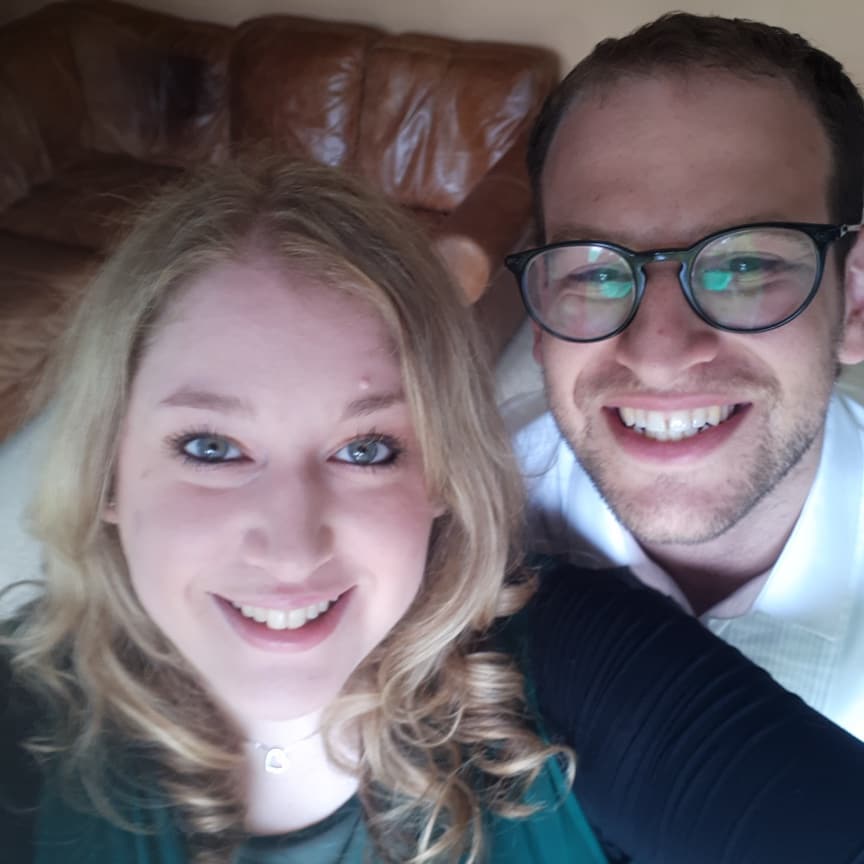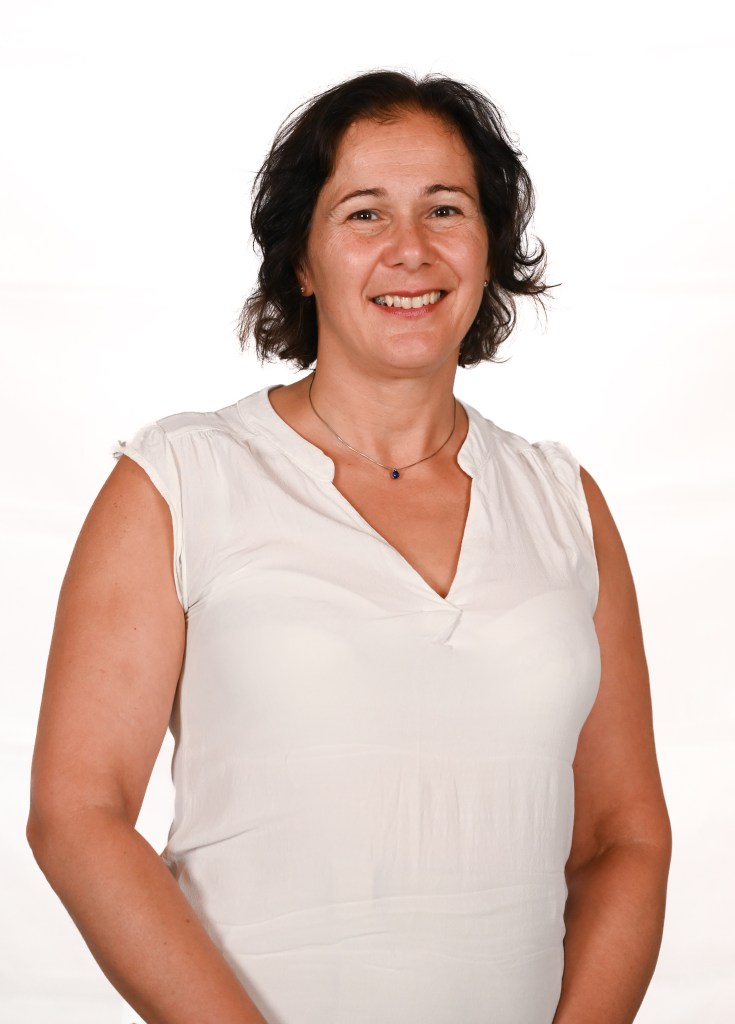
My Podcast On Bipolar With JTeen Mental Health Support Service – Therapists Yaakov Barr And Tehilla Birnbaum.

I was delighted to collaborate with JTeen mental health support helpline and service for Jewish teens and young adults aged 11-24, on a podcast talking about my journey with bipolar disorder and social anxiety. I did this to help others and encourage people to seek help, and show its OK to talk about mental illness.

You can watch the podcast here, please watch with care: Trigger warning: discusses suicidal ideation, psychosis, mania, being sectioned under the mental health act and depression. Suitable for 18+

I decided to do this podcast to fight stigma in the Jewish community in London and worldwide and educate people about bipolar, especially parents as it started for me at the age of 15.

Thank you to Yaakov, Tehilla and Michal for making this such a relaxed but important conversation.

Love,

Eleanor

x

World Suicide Prevention Day Webinar with Bipolar UK

Today is World Suicide Prevention Day.

A year or two ago, I recorded this webinar with Bipolar UK talking about our family story (mine and my Dads) with bipolar disorder, suicidal ideation, depression and both of us finding recovery.

Suicide is a terrible but common outcome of bipolar and acute mental health episodes. I also know what it is like to lose a loved one to suicide and mental illness and the pain that brings.

I share this webinar today to raise awareness, but also to encourage people to go to their GP/psychiatrist/ family/ spouse and talk, if safe, about what is going on for you.

Watch here, with care, trigger warning : discusses bipolar episodes, suicidal ideation

In this webinar, Bipolar UK CEO Simon Kitchen shares the findings of the Bipolar Commission on the critical link between bipolar and suicide. He is joined by Ashley Brice, an experienced crisis negotiator with the British police specialising in suicide prevention, and Eleanor Mandelstam, author and freelance writer who lives with bipolar. Together, they explore the risk factors, warning signs, and practical strategies to prevent suicide, offering crucial insight for anyone living with bipolar, supporting someone with bipolar, or wanting to better understand how bipolar impacts mental health and suicide risk.

Eleanor x

Expert Advice On Bipolar And Staying Well During The Summer With Bipolar UK

(image: Angelo Pantazis, Unsplash)

More than one million people (including myself) are living with bipolar in the UK and, despite the summer meaning excitement and positivity for most, for many living with bipolar this is not always the case.

Common challenges in summer can impact people living with the condition- including high temperatures which can interfere with certain medications (including Lithium and anti psychotics or anti depressants), the longer daylight hours which can disrupt mood stability, and travelling which can sometimes trigger symptoms.

There are ways to manage seasonal challenges, and Bipolar UK is now sharing its top tips to help people navigate the summer months!

Top tips for navigating the next few summer months if you have bipolar from Bipolar UK:

  1. Sleep

Maintaining a regular sleep routine is an important way to support mood stability. Lighter nights can make it more difficult to switch off and wind down; and early sunrises can cause disruptions to sleep. Blackout curtains or an eye mask might help.

  1. Heat

Hot weather can affect both physical and mental wellbeing. Certain medications used to treat bipolar can make it harder for the body to regulate its own temperature, leading to overheating. Staying cool, drinking plenty of water and staying out of the sun during the hottest parts of the day can help reduce the risk of overheating and becoming dehydrated. Rest is important so communicate with friends and family about how you’re feeling and if you need to rearrange plans.

  1. Travel

Be mindful when travelling to different time zones. Jetlag can have an impact on bipolar symptoms. Try to make time to sleep and rest whilst on the plane and when you arrive so you can acclimatise. Set a reminder on your phone of when you need to take your medication so you can stick to your schedule. 

  1. Sensitivity

Some bipolar medications can increase sensitivity to sunlight so protecting your skin with a high factor suncream when outside is important, as well as seeking shade when possible. Continue to take your medication as prescribed but do speak to your medical professional if you have any concerns.

  1. Socialising

There are often more social activities during the summer, with people wanting to make the most of the better weather. If it all feels too much, learn to say “no” and preserve your energy. Pick and choose which activities you’d like to do, but don’t feel obliged to do them all.

  1. Routine

Longer days can lead to changes in routine which can trigger shifts in mood. Some people with bipolar feel their mood can shift more easily into hypomania and mania during the summer months, whereas others notice their mood dips into depression. Noticing the signs early and speaking to your mental health team, family or other support network can ensure you get help when you need it and potentially avoid a relapse.

(image: Link Hoang, Unsplash)

Bipolar UK offers support to anyone affected by bipolar with their free UK-wide services – peer support line, peer support groups and eCommunity – and resources, including their Could it be bipolar?  campaign and Mood Tracker app.

Heston Blumenthal OBE: My Life With Bipolar BBC Documentary Review by Eleanor

(image: Melanie Blumenthal)

Last week, acclaimed chef, restauranteur and mental health advocate, Heston Blumenthal OBE starred in the BBC documentary ‘Heston: My Life with Bipolar’ which explored his fairly recent bipolar disorder diagnosis. Heston subsequently became an ambassador for national charity Bipolar UK, and has been actively supporting the charity’s mission to help reduce the average 9.5 year delay to diagnosis and end the stigma surrounding the condition.

In 2023, Heston began experiencing both depressive and manic episodes, hearing voices and seeing hallucinations, as well as depression with suicidal thoughts. Mania can also cause you to have intense creativity, speak faster and not listen to others as well as causing delusions and psychosis. Heston’s wife Melanie could see that his health was deteriorating rapidly and that he was a danger to himself. Despite the trauma of sectioning and hospitalisation, this set Heston on the path of not only a bipolar diagnosis, but medicine, therapy and ongoing treatment to help him live a healthy and happy life again.

Heston said to Bipolar UK, “I was living with undiagnosed bipolar for many years, so it’s been an extraordinary journey to get where I am today, and I’m delighted to have had the opportunity to talk to others living with the condition and find out more about their experiences.

“There is still a lot of stigma regarding bipolar, and mental health support is still lacking, but it is vital to be able to talk openly about the condition. I know this isn’t always easy, but I hope by sharing my experience, people will gain a greater understanding of bipolar and an insight into how I’m managing it.”

The documentary was extremely powerful to watch and sad in places, but inspiring. As someone who faced a similar situation to Heston in terms of a manic episode with psychosis/delusions that led to being sedated, sectioned by psychiatrists and hospitalised, my heart went out to him as I know how traumatising this can be. I found the needle being shown as a reenactment for sedation quite challenging to watch! However, the documentary was more than just showing what happened to Heston, who didn’t know he had bipolar til 2023, when he was in his 50s.

I found the discussion that Heston had with his son Jack, about how he was during a manic episode to be really enlightening. A lot of children of parents with bipolar find it challenging when their parents personality is almost hijacked by the episodes. Mania can lead to quickened speech, manic and grandiose ideas, lack of sleep and risky behaviour. You could see how much love Heston and Jack had for each other and how special is family is to support him through this and appear on camera. This includes his wife Melanie, who has been Heston’s rock!

The documentary ended with Heston visiting the mother of Rebecca McLellan, a young woman with bipolar who died by suicide due to neglect from mental health services. Rebecca had raised the alarm with the crisis team at her local hospital various times but was not treated with respect and dignity. The pressure of her illness and lack of support led her to take her own life.

Heston wants to highlight the suicide risk that bipolar brings and how much more mental health support is needed from the government. He is now working as an ambassador with Bipolar UK to raise awareness. Bipolar UK is on a mission to ensure people with bipolar get a quicker diagnosis so they can access effective treatment, support, and self-management, enabling them to live well and fulfil their potential.

Simon Kitchen, Bipolar UK CEO, added: “Heston is such an incredible ambassador for everyone in the UK living with, or affected by, bipolar. We could not be prouder to be working with him. His willingness to be so vulnerable on camera and to share such personal details about his experiences has resonated with many people in our community – and will help people who don’t know much about bipolar to begin to understand this complex and much-misunderstood condition. Heston is living proof that despite the sometimes severe and fluctuating nature of the condition, living with bipolar should not be a barrier to following your ambitions”

As one of the million people in the UK living with bipolar, I know how much more funding is needed in the NHS and a new bipolar pathway with more mental health support needs to be set up. Early prevention and support is key to stop bipolar escalating into suicide or mania.

Although it was a very personal watch for me, due to having been diagnosed with bipolar since aged 16 and my Dad having bipolar too, I thought that Heston’s documentary was so inspiring. He has only been living with the condition for two years and is using his platform for the good. Heston is now on Lithium medication to stabilise his moods as well as an anti psychotic medication.

Bipolar UK say that according to the stats, someone with bipolar takes their own life every day. Hopefully Heston’s documentary will act as a reminder and catalyst to our government to begin change. Thank you Heston and Melanie for being vulnerable and sharing your important story.

(image: Bipolar UK)

Heston: Life with Bipolar is out now on BBC Iplayer.

National UK Inquiry Reveals 19% Increase In Suicide for People Living With Bipolar- With Bipolar UK

(image: Michelle Henderson: Unsplash)

Trigger warning: discusses suicide

The National Confidential Inquiry into Suicide and Safety in Mental Health (NCISH) released its Annual Report for 2025 last week, revealing that over the past decade, nearly 20% more individuals with bipolar disorder are dying by suicide due to shortcomings in the UK’s mental health system.

According to national charity Bipolar UK, the report provides stark evidence that specialist care is lacking, Lithium (an important mood stabiliser medication) is under-prescribed and suicide prevention measures are falling short.

The report highlights that from 2012 to 2022, there were 1,491 suicides by patients with bipolar, with an alarming 19% increase from 2019 to 2022. Despite Lithium being a clinically proven suicide prevention treatment for people with bipolar, only 39% of those who died were prescribed it and just 12% were receiving psychological therapy​.

This data echoes the findings and lived experience of Professor Tania Gergel, Head of Research at Bipolar UK, in her recent article in The Lancet Psychiatry where she said: “Globally, 15-20% of people with bipolar disorder die by suicide, with 30-60% making at least one attempt. These rates are not decreasing despite an overall decline in global suicide rates.”

According to the Nuffield Trust, there is set to be a £4.8 billion unfunded shortfall in the NHS England revenue budget for 2024/25, raising the prospect that without further funding, service cuts may be inevitable.

With bipolar increasing an individual’s risk of suicide by 20 times that of the general population, Bipolar UK is urging the government to commit to addressing health waiting lists and to invest money in creating a dedicated care pathway for bipolar to reduce suicide rates.

Simon Kitchen, CEO of Bipolar UK, said: “This report is devastating but not surprising. We’ve been shouting from the rooftops that people with bipolar aren’t getting the care they need and now the data lays it bare.

Bipolar carries one of the highest suicide risks of any mental illness, yet specialist services are practically non-existent, and Lithium – the gold-standard treatment for suicide prevention – is underused. The time for excuses is over. We need real action, and we need it now.”

The charity has heard from its community of people living with the condition, who are concerned that they are unable to access psychiatrists, have little to no continuity of care and are not being monitored adequately when at high risk. There is also a lack of bipolar specialists in the UK, leading to people not receiving a correct diagnosis or waiting too long to receive one – all of which add to the risk of suicide.

Professor Gergel said: “Neither bipolar disorder nor suicide in people with bipolar disorder are research priorities, resulting in major knowledge gaps in both. This can and must change. The shocking statistics might well underestimate the prevalence of suicide in people with bipolar disorder, given the probability of death by suicide before treatment or accurate diagnosis.”

Adding to that, Simon Kitchen said: “Suicide prevention in bipolar requires a shift in both research priorities and clinical practice. We know lithium saves lives, but it is still under-prescribed. We know specialist care works, but most services are generic and fail to meet the specific needs of people with bipolar. Bipolar suicide is not inevitable, but without urgent action, people will continue to die.”

(image of Prof Gergel, Bipolar UK)

The NCISH report also revealed broader systemic failures contributing to preventable deaths. Alarmingly, patients with bipolar were more likely to:

  • Die within three months of being discharged from inpatient care, highlighting dangerous gaps in post-discharge support​.
  • Miss vital clinical appointments, often due to social isolation or side effects from medication, with 15% identified as non-adherent before their deaths​.
  • Experience extreme distress without access to psychological therapies, with only 12% receiving talking therapies​.

With more than a million people living with bipolar in the UK, the figures from this latest inquiry represent lives lost and has led Bipolar UK to call for urgent action, including implementing:

  1. Specialist bipolar services in every NHS region to ensure timely diagnosis, access to evidence-based treatments and care tailored to the complexities of the condition.
  2. Increased lithium prescribing, in line with NICE guidelines, ensuring every person with bipolar who could benefit from it is given the opportunity.
  3. Enhanced suicide prevention measures, including better follow-up after hospital discharge and targeted support for those who miss appointments or struggle with medication adherence.

Simon Kitchen concluded: “We need all UK health authorities and departments of health across the nation to act now because lives depend on it. The evidence is undeniable, the solutions are clear, and the cost of inaction is catastrophic. Specialist care, Lithium, and targeted suicide prevention measures can and will save lives.

Bipolar suicide is a national emergency, and the upcoming 10-Year Plan is the critical opportunity to turn the tide. Bipolar-specific services are not optional; they are a lifeline.

“The government and NHS must act now, before more lives are lost to preventable tragedy. It is time to get it right.”

(image: Simon Kitchen, CEO, Bipolar UK)

For more information about suicidal thinking and bipolar, visit: Bipolar and suicide prevention

About Bipolar UK   

Bipolar UK is the only national charity dedicated to supporting people affected by bipolar. Bipolar UK provides a range of services, including information and advice, a network of support groups, an eCommunity, workplace training and telephone and email peer support. Bipolar UK also works in partnership with research organisations and campaigns for change to tackle critical issues. For more information, visit www.bipolaruk.org 

Bipolar And Seasonal Self Care: Overspending This Festive Season by Bipolar UK

(image: Jeshoots.com: Unsplash)

Christmas can be a stressful time for many, but for those living with bipolar disorder, it is a time of year when symptoms may be exacerbated, and overspending can become an issue.

According to national charity, Bipolar UK, the increased pressure to attend social occasions alongside material pressures around Christmas/Chanukah can trigger manic or depressive episodes in some living with the condition, resulting in an increased risk of overspending.

Dr Thomas Richardson, clinical psychologist at Southampton University, who has lived experience of bipolar and has researched the topic of bipolar and overspending, “impulsive or compulsive spending means spending more money than you planned and regretting it.”

He added: “There’s definitely something about that sense of urgency that I must buy it right away – the feeling like you can’t stop yourself and it’s a little bit out of your own control.

There is a lot of guilt and feelings of being a burden associated with bipolar, and we know that people living with the condition can sometimes feel that excessive generosity is a way to pay back loved ones for their support. Overspending can also feel like a comfort at the time.

Christmas is a time where we’re surrounded by adverts encouraging us to buy things and there’s the additional pressure of feeling the need to socialise. All of this can potentially be very triggering for some people living with bipolar.

April Kelley, an award-winning actress and producer living with bipolar, has a history of overspending. She said: “My biggest achilles heel is spending money on others, and I think that’s a combination of buying love and the rush that buying things for others gives me.

Last Christmas I bought flights from my home in LA back to the UK at the last minute to surprise my parents, but I’ve also been known to buy an entire bar’s worth of Jager bombs for everyone.

“I now use digital banking as a way to help me budget by splitting money into pots and my parents are really supportive and help me to keep control of my finances.”

Dr Richardson says there are several ways you can protect yourself from overspending at Christmas and beyond. He says that digital banking is good to helo you budget, move money into different pots and set spending limits. He advises making a list of what you really need to buy, versus what you’d like to buy, unsubscribe from marketing emails if it helps you, be mindful of who you follow on social media, make gifts instead of buying and return unnecessary things you have bought.

(image: Bipolar UK)

Simon Kitchen, CEO of Bipolar UK, said: “Advance Choice Documents (also known as ACDs) are a great way to ensure your voice is heard during a period of relapse.

“The idea is to write an ACD with your loved one or doctor when you’re well to put into action if you recognise you’re experiencing the early signs of an episode. You can include a line to protect yourself from overspending – planning to have limited access to a credit card or only using a basic mobile phone without internet, for example.

“This is why it is so important to monitor your mood so you can be aware of the warning signs if you are heading towards a relapse when you might be more prone to overspending. Many people in our community say using our free Mood Tracker app is a simple way to notice early symptoms.

“Finally – please don’t feel that you’re alone. We provide 1-1 peer support, support groups, a 24/7 eCommunity that is open 24/7, 365 days a year, even on Christmas Day, and invaluable resources on managing common seasonal triggers of bipolar.”

(Image of Simon Kitchen: Bipolar UK)

Click to access Bipolar UK’s Mood Tracker apppeer support groups and eCommunity.

Watch Bipolar UK’s webinar about ‘bipolar and overspending’ here

With thanks to Bipolar UK for these excellent tips this festive season.

World Bipolar Day 2024

Today is World Bipolar Day and its a day where we raise awareness globally about living with bipolar disorder and battling social stigma

When I had my first depressive and manic episodes in 2004; I was a teenager and had no idea what was happening to me. I was helped not only by family support (my dad was diagnosed 4 years before me) but also by some amazing psychiatry health professionals (shout out to Dr Mark Berelowitz at the Royal Free and the team at the Priory North London).

Bipolar changed my life as a young person in both good and difficult ways. It made me stronger; more resilient and more empathetic. But it also made me depressed, manic; anxious and fearful. There were times where I was scared of my own brain and didn’t know where bipolar started and Eleanor ended.

20 years later, I take daily medicines and engage in therapy and I go long periods between episodes due to finding the right medications. This is my own experience and some people with bipolar rapid cycle or have more regular episodes.

Remember it’s ok not to be ok but reach for support and never give up. There is a future and a way forward. I will keep talking about bipolar to help others and raise vital awareness and funds for our condition. Please also support charities like Bipolar UK and have a read of my book Bring me to Light.

4th Book Anniversary: Bring me to Light, My Memoir On Living With Bipolar And Anxiety.

(image: Trigger Publishing)

Four years ago today, my book ‘Bring me to Light: Embracing my Bipolar and Social Anxiety’ was released to the world, in partnership with Trigger Publishing.

I wrote it to explain how I turned the darkness that bipolar episodes can bring, into light. And so people reading feel less alone, so stigma can fall. So important to talk about our illnesses once we are better, so that it isn’t so hard to understand.

Living with severe mental illness like bipolar psychosis. mania or suicidal depressions can be very challenging. However, they do not have to be your entire life. For me, medication and therapy over time have helped me. Its different for everyone.

If you would like to read my story or gift it to a friend to help them, please see Amazon or other well known bookshops.

And remember- we are never truly alone although being ill can feel unbearable- hold on to hope if you can:

https://www.amazon.co.uk/Bring-Me-Light…/dp/1789560365

To happiness and good health,

Eleanor

World Mental Health Day 2023: Bipolar Disorder has the Highest Rate Of Suicide- Bipolar UK.

(image: Study Starter)

This World Mental Health Day, clinical experts in bipolar have today announced that successive failings in government policy could have led to a significant reduction in quality of care for those living with bipolar in the UK.

Despite vast improvements in key areas of mental health, the average age for people to get a diagnosis of bipolar is 34 if someone was diagnosed within the past five years, compared to 26 if someone was diagnosed 30 or more years ago.

It is shocking that today people are living with undiagnosed bipolar for longer than they were when the charity was formed 40 years ago. The current average delay to diagnosis is 9.5 years. That’s nearly a lost decade where people are struggling with confusing symptoms without getting the vital bipolar-specific treatment and support they need,” said Simon Kitchen, CEO of leading charity Bipolar UK.

This delay is having catastrophic consequences, with the Bipolar Commission finding that more than a third of the 2,458 people surveyed had attempted suicide because of this delay. This is backed up by research which shows that ‘time to treatment’ is significantly associated with hospitalisations and lifetime suicide attempts.

Tragically, global research estimates that up to 1 in 5 people will take their own life and 60% of people with bipolar will attempt suicide at least once during their lifetime.

It is well established that bipolar has the highest risk of suicide of any mental health condition, yet it is only mentioned once in the Government’s recently published national suicide prevention strategy.

CEO of Bipolar UK CEO, Simon Kitchen, said, “Since Bipolar UK was founded as a charity 40 years ago, we have never stopped campaigning on behalf of those living with bipolar and their families.

“To help prevent the high rate of suicide in those with bipolar and to reduce this unacceptable waiting time for a diagnosis, we are currently campaigning for the Government to commit to prioritising bipolar in the implementation of their national suicide prevention strategy and to commit to reducing the average delay to diagnosis to five year within five years.”

The Bipolar Commission’s Bipolar Minds Matter report launched in parliament in November 2022 includes several recommendations that experts in bipolar and clinicians believe will reduce diagnosis time, improve the quality of life and reduce the high risk of suicide for those living with bipolar.

Kitchen added; “The current care system for bipolar is broken, resulting in an ineffective and inaccurate pathway to diagnosis.

“It is shocking that diagnosis delays are worse now than when Bipolar UK was founded 40 years ago.

“Although we are providing as much support as we can, we desperately need the government to sit up and take action before we lose even more people to suicide.”

To find out more about Bipolar UK’s peer support services please visit: www.bipolaruk.org/get-support 

Bipolar UK- Suicide Prevention Webinar Video.

Please watch with care.

It was an honour to record this alongside Bipolar UK CEO Simon Kitchen and expert police officer Ashley Brice, who helps people who are suicidal.

On average, 1 person a day every day with bipolar dies by suicide.

If you watch this, I hope you find it informative and helpful.

Eleanor x