
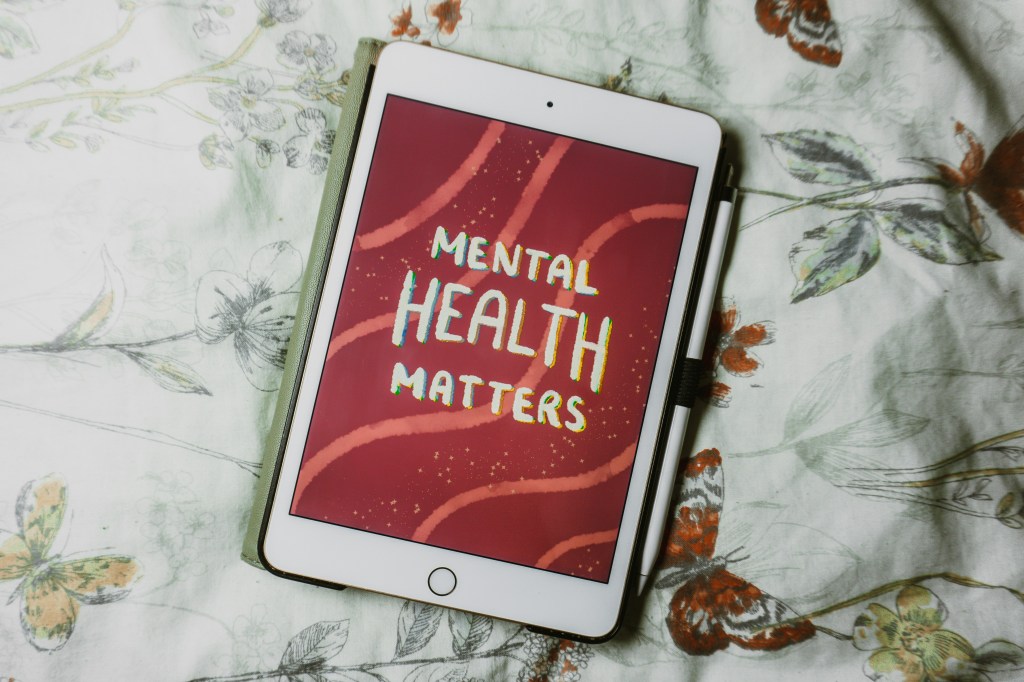
Doctor’s Insights: Navigating Life With Bipolar Disorder By Dr Antti Rintanen MD Of The Internet Doctor

(image: Emily Underworld: Unsplash)

Living with bipolar disorder can often feel like your emotions are swinging between two extremes. The highs (mania) can be energising but risky, and the lows (depression) can be draining and isolating. As a doctor, I’ve worked with many patients who face this condition—and I’ve seen firsthand how the right tools, treatments, and habits can lead to a more stable and fulfilling life.

What Is Bipolar Disorder?

Bipolar disorder is a mental health condition marked by episodes of depression and mania or hypomania. These mood shifts can affect how a person thinks, feels, and acts. It’s more than just having a bad day or being in a good mood—it can seriously impact relationships, work, and daily functioning.

According to the World Health Organisation, bipolar disorder is one of the top causes of disability for people between 15 and 44 years old.

Medications: The Backbone of Treatment

Most people with bipolar disorder need medication to help manage their symptoms. Lithium, for example, has been used for decades and is one of the most reliable treatments to prevent manic episodes and reduce the risk of suicide. Other options include other mood stabilisers and certain antipsychotic medications.

It’s really important to stick with your medication plan. Stopping suddenly—even if you feel better—can cause serious setbacks. Never adjust or stop medications without medical supervision—even if you’re feeling better, as this significantly increases the risk of relapse, especially into mania. If you have side effects, don’t stop on your own—talk to your doctor about switching or adjusting your dose.

How Therapy Helps

Therapy can help you understand your thoughts, manage emotions, and build better habits. One helpful option is Cognitive Behavioural Therapy (CBT). It teaches people to recognise unhelpful thought patterns and replace them with healthier ones. CBT is especially useful for managing depression and maintaining stability between episodes, though it is less effective during manic phases.

Another type of therapy, called Interpersonal and Social Rhythm Therapy (IPSRT), focuses on keeping your daily schedule steady—especially your sleep and social routines. Why does this matter? Because disruptions to your daily rhythm can trigger mood episodes.

Family-focused therapy also makes a big difference. When your loved ones understand your condition and know how to respond, you’re more likely to stay on track. If you face trauma around your condition, then EMDR therapy can also help with any PTSD or anxiety symptoms.

These therapies don’t replace medication, but they add valuable tools for coping, improving communication, and building resilience.

Everyday Habits That Make a Difference

Beyond medication and therapy, lifestyle habits have a huge effect on mood. Here are a few evidence-based strategies:

  • Stick to a regular sleep schedule. Going to bed and waking up at the same time helps stabilize your mood.

  • Get moving. Exercise—even walking—has been shown to lift mood and reduce stress.

  • Eat well. Omega-3 fats (like those found in fish or flaxseed) may support brain health. While the evidence is mixed, some studies suggest they could help support mood as part of a healthy diet.

  • Manage stress. Mindfulness, breathing exercises, or journaling can help you stay grounded.

  • Avoid alcohol and drugs. These can interfere with treatment and trigger episodes.

It’s worth remembering that lifestyle changes work best alongside—not in place of—medication and therapy. These small, daily actions help support long-term stability and overall well-being.

Pay Attention to Early Warning Signs

Everyone’s symptoms are different, but common early signs of mania include less need for sleep, racing thoughts, and impulsive decisions. Signs of depression may include feeling hopeless, withdrawing from others, or sleeping too much.

Keeping a mood diary or using an app can help track how you’re doing. You might also ask a trusted friend or family member to gently point out changes you might not notice.

Build a Strong Support System

Having a support system—whether friends, family, or a support group—makes a real difference. Research shows that people with strong social support tend to manage bipolar disorder better and have fewer hospitalisations.

It also helps when your loved ones are informed and involved. When people understand what you’re going through, it’s easier for them to support you in ways that actually help.

Final Thoughts

Living with bipolar disorder isn’t easy, but it’s manageable. With the right treatment, daily routines, emotional awareness, and a good support network, it’s absolutely possible to live a meaningful and empowered life.

You are more than your diagnosis. And there are tools—backed by science—that can help you thrive.

About the Author

Dr. Antti Rintanen is a licensed physician from Finland and founder of The Internet Doctor, where he shares reliable, accessible health advice. He writes about both physical and mental well-being with a focus on evidence-based care.

Accessing Therapy And Our Groundbreaking Mission: by 24hr Therapy

(image: 24 hr therapy)

At 24hr Therapy, we are driven by a simple yet profound belief: accessing therapy should be as natural and straightforward as getting a coffee. Our mission is to remove the stigma that surrounds mental health issues and foster a culture where mental well-being is openly discussed and prioritised. For too long, mental health has been shrouded in misunderstanding and fear, preventing many from seeking the help they need. We aim to change this by making mental health care more approachable, accessible, and integrated into daily life.

Imagine a world where scheduling a therapy session is as routine as meeting a friend for coffee. This is the future we envision—a society where mental health care is seamlessly woven into the fabric of daily life. Leveraging technology and innovative approaches, we provide 24-hour access to professional support, making it easier for people to get the help they need, whenever they need it.

Unlike traditional therapy, which often requires waiting days or even weeks for an appointment, our platform offers immediate support with a pay-per-minute model, giving users complete control over their spending and making high-quality mental health care both accessible and affordable.

Our platform is the first of its kind, offering therapy to users the very same day they sign up. Available anytime, anywhere, 24 hours a day, we connect users with a qualified therapist within minutes.

This immediate access is crucial, especially considering that nearly two-thirds of people surveyed in the UK (64%) put on a brave face to avoid talking about their mental health. We understand firsthand the importance of immediate support, and our mission is to ensure that everyone has access to the care they need, exactly when they need it.

We are dedicated to improving well-being with personalised, immediate assistance. Our diverse network of certified counsellors and therapists is equipped to assist with a range of mental health concerns, whether managing a diagnosed condition or navigating everyday stressors. By empowering individuals to prioritise their mental well-being, we are reshaping the narrative around mental health and fostering a culture of understanding, compassion, and accessibility.

We have an innovative approach to mental health care and are UK based. Together, we can redefine how we think about mental health and ensure that everyone has the opportunity to thrive.

Take a look at https://www.24hrtherapy.co.uk/

Non sponsored post.

7 Skills You Will Learn In Couples Therapy by Maya

(image: Kristina Litvjak, Unsplash)

Relationships are just as challenging as they are rewarding—and couples often encounter obstacles that put their bonds to the test. Relationship counselling or couples therapy offers a supportive space where couples can enhance and explore their connections. Beyond resolving pressing issues, couples therapy gives partners the skills to build lasting relationships. Read on to learn about the skills you’ll gain in relationship therapy.

Communication Between Partners

It’s one of the cornerstones of healthy relationships, yet many couples struggle with it. In couples therapy, patients focus on improving communication through emotional expression, active listening, and learning non-verbal cues. When you seek treatment with your significant other, you’ll learn to communicate while seeing things from the other person’s perspective.

Conflict Resolution

Disagreements are an inevitable part of relationships, but the importance is in how they are handled. Couples therapy gives significant others the skills to handle disputes without harming their relationships. Through various skill-building techniques, couples empower themselves to resolve conflicts more effectively.

Strengthening Empathy

Empathy, or a person’s ability to understand others’ feelings, is crucial to a strong emotional connection. In couples therapy, partners learn to sympathize with each other’s emotions and experiences. Developing these skills builds emotional intimacy and creates a more understanding environment.

Creating and Maintaining Healthy Personal Boundaries

Respecting and establishing boundaries is important when building and maintaining healthy relationships. Therapy helps couples communicate and define individual boundaries while ensuring that both people feel heard and respected. Building and maintaining healthy boundaries helps spouses preserve their autonomy and builds mutual respect.

Problem-Solving Together

Life is full of challenges, and spouses must work together to resolve them. Couples therapy gives partners better problem-solving skills, teaching them to cooperate when tackling problems. These skills are invaluable in handling life’s ups and downs while maintaining a healthy relationship.

Effective Emotional Regulation

Managing and understanding emotions is one of the keys to a solid relationship. Therapy helps couples regulate their emotions by identifying and expressing them in healthy ways. Learning to deal with emotions fosters intimacy and creates safe spaces in which vulnerabilities can be expressed.

Regaining Intimacy

Intimacy is more than a sense of physical closeness; it’s a spiritual, intellectual, and emotional connection. Couples therapy helps significant others find and rebuild every facet of intimacy. Whether it’s rekindling the flames of romance, finding common interests, or connecting in new ways, therapy helps couples regain their feelings of connection and closeness.

Why Go to Counseling When You Already Have a Healthy Relationship?

While age-old stereotypes maintain that couples therapy is only for those on the verge of relationship failure, every couple can enjoy the benefits. Participating in therapy isn’t an admission of weakness or failure—it’s a step toward a more resilient, healthy relationship. These skills, built under a therapist’s guidance, give couples the ability to communicate effectively, handle life’s challenges, and form more meaningful connections with one another. If you need help with a committed relationship, find a couples therapist in your area.

Couples Therapy: Building Skills for a Better Life

Whether you’re just starting out or trying to rebuild a faltering relationship, couples therapy may be helpful. In therapy, spouses will gain the skills and coping strategies needed to build stronger bonds while preserving their individuality. With the right kind of therapy, any couple can make their relationship stronger, longer lasting, and more resilient.

This article was written by freelance writer Maya.