Can Animals and Pet Therapy help our Mental Health? Guest post by Dawn Prime

pettherapy2
(image: http://www.usatherapydogs.org/)

Can animals help our mental health? Approximately one in four people in England will experience a mental health issue each year (YouGOV). Every mental health issue is individual, and every situation is different; this can be shown in many forms including stress, anxiety and depression. Living with a mental health condition can affect many aspects of our daily life, with many describing it to be a lonely and isolating experience, whilst others withdraw from social interaction.

So, can animals help with mental health? In my experience they certainly can, and the therapeutic power of pets has been well documented. I believe that this is done in a number of ways, from improving mood, to calming down and giving a sense of purpose.

Whether it’s dogs, cats, rabbits or fish – each animal has a way to help and offer great companionship to those experiencing and overcoming mental health.

Mental health benefits associated with pets include:

* Decreased anxiety

* Reduced loneliness

* A known sense of comfort and safety

* A greater improvement of self-esteem and confidence

* Help in depression

At the best of times a pet can be a great source of comfort, companionship and motivation, and in many ways they can help us all to live mentally healthier lives.

Caring for a pet gives our day a purpose and reward, similar to that sense of achievement in say, looking after a child. For example, owning a pet – especially a dog – means you will need to go for walks, which can often lead to conversations with other dog owners along the way, so simply put, it’s helping someone with mental health stay connected and less withdrawn in a social circle. Social anxiety can be a major hurdle to overcome but by having a dog, you have a ready-made conversation, as dog owners like to talk to other owners about their dogs!

Pets can also give owner’s incentive to remain calm – most pets are generally cute or cuddly and have the ‘awww’ factor, however our pets’ mood, at times, can very much reflect our own, so if we feel sad, our pet could be too.

Commanding and teaching our pet brings confidence and reassurance, and in time this will naturally train our own brains to let go of any negative stress. Unlike people, pets won’t judge your illness, so many people find it therapeutic to talk to animals as they listen – remember they are non-judgmental, and who knows they might just understand!

We can take stroking our pet as something we sub-consciously do whilst we watch the TV or read a newspaper, but did you know that stroking a pet can, at the same time, stop our minds drifting into negative thoughts.

Our mind releases feel good endorphins, so can make us feel better and calmer. The simple act of stroking a pet is also well known to lower blood pressure, as well as reducing physical and emotional stress.

Therapy animals also have a valuable role to play; often in a professional setting they provide comfort, support and can help to engage people. Therapy animals are trained to help people with mental health conditions such as depression and provide a calming atmosphere – with a typical therapy session involving the therapist, the animal and their handler.

Therapy pets can include “dogs, cats, rabbits, birds, guinea pigs, rats, miniature pigs, llamas, alpacas, horses, donkeys and mini-horses,” as long as they’re at least a year old and have lived with their owner for six months (Pet Partners).

Personally, I have known people whose anxiety has improved since having a pet. They find it very comforting in having some company which isn’t human, and someone they know who will love them unconditionally. It is re-assuring to know that they have a responsibility for looking after someone else that takes their mind off their own problems, whilst having a positive impact on their own well-being – helping them cope with everyday life.

Finally, it’s important to remember that every pet is different and it’s vital to be aware of the commitments they bring, for example a dog will need good walks at least twice a day and a horse will need to be ridden out. If you are not sure about taking on a pet but want the benefits that are associated with being around animals, then there are many local animal sanctuaries which would value a volunteer.

Animals can be wonderful creatures and really therapeutic for our mental health.

This article was written by animal nursing assistant, health advisor and writer Dawn Prime. 

Mental health stigma and drug addiction Guest post by Bill Weiss

stopstigma1
(image: https://understandinginternationalmentalhealth.wordpress.com)

The stigma that some people see looming over drug addiction and drug abuse disorder will prevent thousands of people from getting the help they so desperately need and deserve. Viewing drug abuse as a disfigurement of one’s will and self-worth is very harmful and can leave people in active addiction.

The fear of admitting that they are struggling and the judgment that will face afterward can be catastrophic. It has been scientifically proven that drug abuse disorder and addiction is a disease of the mind and body. There should not be any negative views toward someone when they decide it is time to get help for this issue.

During active addiction, many users will take part in actions that the clean/sober them would never think about doing. From the outside looking in, these decisions and behaviors can seem unusual, most of the time they are.

Watching someone absolutely self-destruct is very difficult. You may just want to shake the person struggling and scream “WHY CAN’T YOU STOP?!”. If only it was that easy.

Drug abuse and addiction is a surface issue, it’s the problem the whole world can see, but over 80% of drug addicts struggle with underlying mental health issues.


Mental Health Issues and Drug Addiction  

Far too many of those currently in active addiction have never received proper care to help them with their mental health issues. Anxiety, depression, PTSD and bipolar are the most common underlying mental health issues that can easily influence drug abuse. When one does not receive proper therapy and/or medications to help them with these problems they may turn to drugs for relief. Self-medicating the problem provides temporary relief, but nothing is actually being done to resolve and work on the issues.

The longer someone uses the worse their mental health issues will become. Depressive episodes can turn into suicidal thoughts and ideations. Anxiety can turn into panic disorder. Drugs do not solve the problem, but for someone struggling with mental health issues will find a level of mental peace from the drugs. Even as their life spirals out of control, they may accept it and continue to get high.

This isn’t their fault. Long-term abuse of any narcotic substance will alter the way one’s brain reacts to and handles certain situations. The chemical balance has been thrown out of whack, the drugs now have near complete control.

Breaking free from the powerful grip of these drugs is not easy, especially if the person struggling believes they will be harshly judged as the stigma around addiction follows them.


Breaking the Drug Stigma

Accidental drug overdoses are now the number one cause of accidental death in the USA. We are facing a drug epidemic like never before, more US citizens passed away due to a drug overdose in 2017 than in the entire Vietnam War.

As a country we must help remove this stigma, it is literally a matter of life and death. Millions of people are currently struggling with drug addiction, tens of millions of families will be affected. How can you do your part of getting rid of the addiction stigma?

Educating yourself and others about drug addiction statistics and facts will help one truly understand the impact that drugs have had and will continue to have in this country. Drug addicts are not how they are commonly depicted in movies.

Addiction can affect anyone, any sex, religion and financial background can fall victim to substances and mental health issues. It is not just something that destroys the lives of the homeless and the poor. These are mothers & fathers, brothers & sisters, friends, aunts and uncles who are being destroyed by these terrible substances.

If someone you care about is currently struggling with drug abuse/addiction the best thing you can do for them is to let them know that you are there for them whenever they are ready to get help. While you may not 100% understand what they are going through, you know that they need help and that’s all that matters.

It is strongly suggested by most medical professional that anyone struggling with drug abuse or addiction issues gets professional help from a drug treatment center.


Love and Remission by Annie Belasco: Book review

loveandremission

(image: Trigger Publishing and Annie Belasco)

I only tend to review books that make an impact on me and that really touch my heart.

I ordered Annie’s book ‘Love and Remission’ , about her life recovering from breast cancer in her twenties and finding the love of her life. Annie and I have been connected on Twitter and she is signed to the same publisher as me so I was super excited to read her inspirational story.

When reading, I found a person of immense strength and an amazing sense of humour. Annie was diagnosed with stage 3 breast cancer aged just 25 years old. Her entire life was falling apart but she found a way through treatment, through the chemotherapy and radiotherapy-to put it back together. She describes what it was like for her to lose her hair and buy wigs, and to go through a masectomy and trying to feel womanly again- which she succeeded in doing. She was scared that the treatment wouldn’t work but she is now incredibly,  in remission.

Annie also had mental health issues due to the trauma but talks about how she slowly overcame her anxiety to live again.

The ‘love’ part in the title refers to her now husband, who she met while undergoing treatment and who stood by her against all the odds.

I don’t want to reveal any more than that- but this book was so inspiring, so moving, so well written that I read it in just two days!

I really recommend this book to anyone who wants to learn more about cancer and mental health whilst being a young woman. Annies story truly blew me away- with her strength, courage and unique take on life- she is so fun loving- and really loves her friends and family.

I was so touched by this book and her story. Thank you for writing it.


(You can buy the book now by Trigger on Amazon and in bookstores).

On feeling ‘meh’: Mental health journey

whisper

(image: Whisper)

I am writing this because in the past few days, I havn’t been feeling that brilliant. Our mental health rarely stays the same and often goes through peaks and troughs. For me, it is likely that I am hormonal due to withdrawing from one of my medications (which controls female hormones).

I do feel very tired and a bit low some of the time. However, I am able to distract my mind and combat it through being busy at work and seeing friends or my fiance when able.

Even work I normally love doing feels exhausting this week- but I am trying to do the best I can.

Its important to have space and time for me. My family have been really helpful too.

There has been a lot of really exciting things happen and I am trying to keep afloat and make sure I practise lots of self care.

Things feel a little bit ‘meh’ right now. It could be that having returned from holiday and the isolating nature of my job means that I may be feeling less happy than normal. It largely does feel hormonal as my hormones are currently changing level.. so I am going to give it time too.

What I do know is I am very excited about my book project and other writing projects and I am just going to pace myself and take it day by day.

How are you feeling? Do you ever feel like this? I really try thinking positively but sometimes you just feel like you need a break.

Love,

Eleanor x 


The secret is out: I’m writing a book and am going to be an Author!

triggerlogo

I can’t fully believe that I am typing this as its a dream I have had for my entire life. I had been asking God for this to happen when I was ready and for me to be able to write to share and help others.

At my lowest ebb, I dreamt that if I survived the depression and mania that I would like to help others in similar places. Writing has become my therapy and I hope it helps others too.

So… the secret is out…

I am going to be an author and my life story with bipolar disorder and anxiety and how I have overcome adversity will be told in a book written by me for Trigger Publishing.

Trigger ‘the voice of mental health’ are an independent publisher whose work I have followed for some time now,. They are the publishing arm of mental health charity The Shaw Mind Foundation.

In 2016, The Shaw Mind Foundation set up Trigger, a global trade publishing house devoted to opening conversations about mental health. They say ‘We tell the stories of people who have suffered from mental illnesses and recovered, so that others may learn from them.’

In order to get my book published, I had to write three chapters and work with an editorial team. I had admired many of their books, especially those by Hope Virgo, Karen Manton and Terri Cox about their lives with mental illnesses and how they overcame them. I knew Trigger was the right place to share my story of recovery.

My book may not be out til late 2019/ early 2020 but I will keep you all updated. The title will also be revealed at a later stage.

With thanks to the incredible people at Trigger: Stephanie, Katie and James for believing in me and for Hannah for all your help!

Now I just have to get writing! I will write further blogs (or share vlogs) to update on how writing is going.

Love,
Eleanor x

Dealing with my mental health on holiday abroad: Trip to Israel

recharge
(image: GoThinkBig)

On Monday, I returned from a wonderful holiday to Israel with my fiance Rob, seeing friends and family. I hadn’t been to Israel in 9 years for various reasons and he hadn’t been for 13 years (!) so we were determined to make the most of our trip. We definitely don’t want to leave it so long next time.

We travelled around the country staying with family and in hotels too. If anything, we almost packed in too much trying to see everyone- and I still didn’t get to see everyone I wanted to as we were only there for a week. I was also very conscious of the fact that it was very hot and it became apparent that I couldn’t cope with walking  in 36 degree heat for too long!

I made sure that I had lots of water on me as my medication, Lithium,  dehydrates my body quickly so I have to intake more water than most. I found that through heat and dehydration, I would get tired quite quickly so if we had spent a morning travelling, I would need to spend a few hours either resting in air conditioning or sleeping.

In general, my anxiety is better when I am abroad, though there were a few days where morning anxiety did overwhelm  and I chose to rest and sleep and then go out later in the day. My fiance was very understanding of this and went for a wander some mornings. However, once I was rested and had eaten breakfast/ drunk lots of water, I was able to enjoy and do lots of fun things.

On our trip we went to visit my best friend/ cousin and her family in a place called Tel Mond, near Netanya and we went for a day trip to Netanya- which is a beach side resort. They also made a barbeque for us when we arrived which was lovely and we saw other friends who live there. We met their newest arrival – gorgeous baby girl- and I had lots of cuddles with my new cousin!

We then went to Jerusalem for a few days- to the Western Wall to pray, walking in the Old City, seeing my other cousins and catching up over ice cream and meeting friends for dinner in the evening. We spent time in the Jerusalem First station near our hotel, which has restaurants and stalls as well as live music- a bit like Covent Garden! Rob and I went shopping and bought things for our future home as well as for family in England.

After this, we travelled to spend Jewish sabbath- shabbat with my other cousins who moved to Israel last year- and spent time walking around where they live and meeting their friends. It was restful and lovely to catch up with them, eat delicious food and rest.

Our final day was spent in Tel Aviv, going in the swimming pool,  walking around the streets by the beach, drinking iced coffee and going out for dinner with another cousin who happened to be travelling there with her friends. Rob and I also had time to ourselves which was important and we didn’t want to leave!

I am lucky that my medication very much helps my bipolar and so I was able to do all of the above.

For me when abroad, my main concerns are taking my medication on time and each day, getting enough sleep, eat well, staying out the sun at hot times and making sure I rest and drink enough. If I follow that, I can largely function.

Sometimes my anxiety  about being in a new place can kick in upon waking- so I was thankful my fiance understood it took me a bit longer to adjust to the day, but once I was rested, I was able to really enjoy the holiday.

Its important to note that everyone is different on holiday. However, it is vital to cut yourself slack, take rest days (or rest half days) and also take medication on time. I don’t drink alcohol on my meds- but keeping hydrated if you are is so important too.

Also make sure you declare your condition on travel insurance so you are covered if you become unwell abroad! This will make it more expensive but worth it. You don’t want to get sick abroad and have no cover.

I am pleased too that I stayed well- despite being very tired on my return. I made sure I caught up on sleep and didn’t go straight in to work – although I am now back at work.

I am missing my trip already and so thankful to my fiance, friends and family for making it so special.

On Turning Thirty. My Bucket List and dreams

picturequote

(image: picturequotes.com)

As many of you know. I entered my fourth decade (!) on 1st July. I am now 30! This is weird because I don’t feel it at all. I remember turning 20 on holiday with my friends in India in 2008 and feeling like I didn’t feel ready to be in my twenties. I even felt old back then. (What was I thinking?)

Turning thirty has been bittersweet. Its been amazing and I am grateful to have made it here, older, wiser and still with hope intact. I have an incredible fiance, family and wonderful friends. But truthfully this has been one of the hardest months of my life- with my Grandma passing away and illness in the family. I have had to focus on some very sad and challenging situations in the past few weeks and spent the morning of my birthday visiting a family member in hospital- which was hard but important.

I did get spoiled with presents and cards and spent the majority of the day with my fiance, so that was lovely and he got me a chocolate cheesecake yum.

I am going to celebrate with friends at a later date too. Hoping to escape on holiday to Israel also with my fiance and just see family and friends, go to the beach and pool, see the Old City and have a much needed break in the Holy land! My best friend has just had a baby so will be good to see her too and meet the baby.

When  I turned 20, I could never have foreseen that I would achieve so much personally – my degrees, travelling, new jobs, making new friends, dating and meeting my one, fundraising and volunteering- but also that there would be many years of heartache due to ill health.

The past decade, my mental health and heart were ripped in two and I had to piece myself back together after being in hospital and suffering from the worst depression (and mania) that I had ever faced. It is frightening because you never know when you will get ill as bipolar is chronic, but being on good medication to hold moods as well as extensive therapy really helps.

I have been learning to seize the day and embrace a positive mindset. As I am typing this, James Arthur is singing on youtube and the lyrics ‘The sun will rise, thank the lucky stars that you’re alive.. beautiful life ‘ just played.
The sun rises after darkness and will continue to again. I know as long as I have my support network and team around me, I will be OK.

This decade I want to achieve- my bucket list:

  1. Be a published author and have a successful book which helps me become a speaker and advocate on mental health
  2. Travel to the USA, Maldives, Thailand and Vietnam, more countries in Europe- islands, Croatia and go back to Madeira! Also go on safari in Southern Africa and see Zimbabwe
  3. I would love to become a mother, with my husband
  4. Get on the property ladder if possible
  5. Write for the BBC, Cosmopolitan and other newspapers and continue my freelance writing career
  6. Meet the Duke and Duchess of Cambridge re mental health work
  7.  Be happy, live well and live fearlessly. Seize and love each day
  8. Study more Jewishly and deepen spirituality
  9.  Finally pass my driving test!!

(image:  favim.com)

sayyes

Heres to a new decade, with dreams manifesting and love abounding. I hope G-d blesses me and some or all of the dreams come true! We make plans and He laughs… but I think its important to clarify vision.

Thank you to all who raised money for Gigdev Ghana for my birthday and raised £520. It will help women there so much.

How am I 30?!  I still feel 18 in my heart :),

 Eleanor x

Why you can overcome mental health challenges and anxiety to succeed in life: Guest post by James Kenneth

kennethblog
(image: OMG Quotes)

Hi, I’m James. I’m 25. I’m a regular person just like you.

I suffer from clinical anxiety. I’ve had anxiety for as long as I can remember.

I’ll take you on a journey through my life experience and perhaps this, in turn, will help you on your life path.

As a child, I was rather timid – not the most sociable. I spent a lot of my time reading (which I still do). And, I was rather anxious too.

Every week, several times a week, I would wet my underwear at school because I was scared to tell the teacher that I needed the toilet. Every week without fail, several times a week, I would wet the bed at night because I was afraid to go to the toilet by myself in the night-time. All this wetting myself only stopped when I reached the age of 11, and boy was that a relief. Not just for me, but for my Mum as well – the laundry pile reduced massively.

By the time I went to secondary school, it was clear that something really wasn’t right. I wasn’t making friends, and I just felt downright awful.

My Mum, to whom I am eternally grateful, decided to put me in talking therapy. And it helped. I actually ended up being in therapy, on and off, for ten years. I’ll talk more about my experience with therapy a bit later.

At aged 14, I had a major positive breakthrough. I was on a school trip with 30 other teens. We were outside the country, in a totally different environment, away from home.

At first, I was how I’d always been – shy, worried, quiet. But then something big happened. I opened my mouth. Not only that, but people liked what I had to say. People found me fun and humorous, and  liked me. That gave me a major confidence boost. It was one of the biggest turning points in my life.

It’s all because I was determined to change, to grow. I, of my own volition, opened my mouth, took a leap, and overcame a big emotional obstacle.It wasn’t easy but it was needed.

When I was 19, I moved to a different country. Was I ready to? I was still an emotional wreck to be honest. Much more mentally healthy than I had been at age 11, but an emotional wreck nonetheless. But, thank G-d, really big positive transformation began from this point on.

The main reason – because I am, and always have been, 100% determined to totally manage and overcome my anxiety and I know I will. I was ready to make big changes.

With G-d’s grace, I searched for and acquired some fabulous mentors to help me. They aided me to deepen my self-awareness and hence overcome more emotional obstacles. It is known that awareness is often the first step towards change.

At age 21, I decided it would be a good idea to see a doctor. I was prescibed with Venlafaxine. It took 6 weeks to kick in and then wow – life changed dramatically. I was still James Kenneth, but I was calmer, more content, and level-headed. I’m not saying the medicine totally removed the anxiety, but it helped – big time.

While on the Venlafaxine, since I had a calmer mind, I was able to work even more on overcoming my emotional obstacles. And I did. I was on that medicine for a total of three years and it worked me wonders. And then I came off it when I no longer needed it.

Let’s talk more about my therapy. As the many years of therapy went by, I spoke out what was on my mind and I became increasingly self-aware. With the new self-awareness I had and the support, I was able to gradually change my way of thinking to a healthier one.

It’s funny, the reason I actually stopped therapy after 10 years of it, was because I now understood myself and what I had to work on, far better than the therapist did. It definitely gave me more insight.

Another thing that’s help me in more recent years is reading self-help books. Some of these books have really helped me on my journey of growth. I very much recommend. “The Road Less Travelled” by Dr. Scott Peck, “The Wisdom of the Enneagram” co-written by Richard Don Riso and Russ Hudson, and “The Power of Now” by Eckhart Tolle.  I recommend having a browse online and finding out more. I think they’re great!

To end, I’d like to tell you how things are now, in my current life situation. Not only am I no longer an emotional wreck – I’m a happy, self-aware individual who lives a great life. I’ve been happily married now for a year and a half. I’m not saying I no longer have any anxiety. I do. But I’m not the same person I was at age 11.

Heck, I’m not the same person I was even one year ago.

Every year I’m making leaps and bounds in managing my mental illness because I am determined to overcome it and live my best life. I believe that you can get better to, just reach out for help from others- be it medical teams, mentors, doctors or counsellors . With this help, we can recover and it is ESSENTIAL to reach for help and practise self care, kindness and compassion.

James Kenneth is a writer who has had  clinical anxiety and writes on self help. 

A Guide to Mood Disorders: Guest blog By Ellie Willis

Mood disorders encompass many disorders of how you feel from day-to-day, whether that is abnormally elevated (mania) or depressed and in low mood. They can include depressive illness such as major depressive disorder, dysthymia, postnatal depression and the bipolar spectrum disorders. They also feature anxiety and panic disorders. These are often down to brain chemistry and sometimes environment.

mooddis1

(image: Pinterest/ Healthyplace.com)


Major Depressive Disorder

Major depression is defined as a depressive illness where you experience a significantly lowered mood and a loss of interest in activities that you would normally enjoy. While it is normal to feel sadness and grief when your life significantly changes, such as when a loved one passes away, when it doesn’t go away or gets worse, it may evolve into major depression. Some of the symptoms of depression are:

• Feelings of helplessness or hopelessness • Feeling guilty over insignificant things • Withdrawing from family and friends • Drinking alcohol or taking drugs as a coping mechanism • Having problems with concentration • Being unproductive • Having a lack of confidence • Feeling irritated or frustrated • Having a lack of interest in sex.

While sometimes a depressive episode seems to come out of the blue, there are often things that can trigger them. These may include: Genetic risk factors • Alcohol or other substance abuse • Medical problems such as thyroid issues or chronic pain • Certain medications such as steroids • Sleeping problems • Stressful life events 

Studies have shown that there appears to be a genetic component to depression. That is, if one of your parents has a depressive illness, you may end up suffering from depression yourself.

Dysthymia is a chronic form of depression that occurs when you suffer from a mild to moderate depression for at least two years. Although dysthymia causes problems in everyday life, dysthymia is often not severe enough to warrant hospitalisation. The chronic nature of the disorder means that you may believe that you have always felt like this.

The good news is that there are a wide range of medications to treat major depressive disorder, such as antidepressants. There are many kinds of medications around, and you may have to try a few until you and your psychiatrist find the perfect one with little to no side effects.

As of the time of writing, the antidepressants most commonly used are SSRIs and SNRIs (selective serotonin reuptake inhibitors and serotonin-norepinephrine reuptake inhibitors). These refer to the types of neurotransmitters (chemicals in the brain that affect mood, among other things) that they affect.

With antidepressants, it is extremely important not to stop medication all at once, unless there are serious side effects and even then, only under medical advice. This is because of discontinuation syndrome. Simply put, this means that your body gets used to the medication being in your system (different to addiction where you crave the drug) and you experience symptoms such as nausea, dizziness and insomnia, to name a few.

Another important way to treat depression is psychotherapy in one form or another. This can help you by learning coping skills to deal with depressive thoughts and negative thinking, as well as having someone to speak to with complete privacy. There are a few other ways for you to combat depression in adjunct to medications or therapy.

These are: • Maintaining good sleeping habits • Exercising more • Seeking out activities that bring you pleasure • Being around caring and supportive people

Postnatal Depression

Postnatal depression is a depressive illness where a new mother experiences depression in the first few months after giving birth to a child.

Some of the symptoms of postnatal depression include:

• Feeling sad or empty • Lowered self-esteem • Changing appetite (usually a decrease) • A loss of enjoyment in everyday activities • Changes in sleep patterns such as insomnia • Not being able to concentrate • Feeling cut off from the baby • A loss of interest in sex • Feeling ashamed, guilty or inadequate • Withdrawing from family and friends • Mood swings • Thoughts of harming yourself or the baby

There are a number of factors that make postnatal depression more likely. Some of these may include: • A history of depression, especially postnatal depression in the past • If the baby is sick or colicky • If you are in an abusive relationship • If you are suffering from stress • If you have little support from family and friends •

Treatment for postnatal depression is essentially similar to that for major depression, such as antidepressants and therapy and in some cases intervention from a psychiatrist or hospital team is required.


Bipolar Disorder Spectrum

Bipolar disorder is a mental illness characterised by periods of extreme mood states known as mania and depression. It is one of the most serious mental illnesses and is the sixth most disabling condition in the world at the time of writing. It is chronic and potentially life threatening. However, those with it can go on to recovery and live happy and fulfilled lives between episodes. 

According to some studies, one in fifty people may suffer from a form of bipolar disorder. In many cases, there is a family history.

Mania is one pole of bipolar disorder – an extremely elevated or depressed mood, sometimes accompanied by psychosis. You may have racing thoughts or speak so quickly it is difficult for others to understand. You may also have trouble getting to sleep at night or suffer from insomnia. There is a danger of reckless behaviour such as overspending, unsafe sexual activity or aggression. You may feel a sense of grandiosity, making unrealistic plans. Despite mania feeling great at the time, the consequences of mania can be destructive.

Some of the signs of depression include a lowered mood, self-esteem or interest in enjoyable activities, pessimism, reduced energy and changes in appetite. Suicidal thoughts are also possible and must be monitored closely. As bipolar disorder is a recurrent illness and there isn’t any known cure, you may need to take medications to maintain your mood at a normal level.

Hypomania is the hallmark of bipolar II where the patient might feel euphoria or agitation. Hypomanic episodes are similar to manic episodes except they are less severe and sometimes pleasurable to you. There is never psychosis in a hypomanic episode. Despite hypomania increasing productivity, or making you feel increased self-esteem, the consequences can be major, especially as your mood goes down to depression.

A mixed state is a combination of manic and depressed symptoms. In a mixed state you may feel very sad or hopeless while feeling extremely energised. These can be dangerous, because of the suicide risk from being depressed as well as impulsive. If you feel you are heading into a mixed state, you should contact your psychiatrist as soon as possible.

Bipolar disorder type I is characterised by at least one episode of full-blown mania as well as depressive episodes. There is also a chance of psychosis (delusions/ hallucinations)  accompanying a manic episode. Bipolar type II features only hypomania and never mania or psychosis. While these manias are less destructive, the depression tends to be worse, and there is often a high suicide risk.

Cyclothymia is a bipolar spectrum disorder where you may have long periods of minor depression lasting at least two years alternating with hypomania. These depressive periods tend to be irritable and agitated rather than melancholic and lacking in energy.

Bipolar NOS (not otherwise specified) simply refers to bipolar disorders that do not strictly meet the criteria of any of the previously mentioned types of bipolar disorder.

The treatment of bipolar disorder involves medications such as Lithium carbonate, lamotrigine, sodium valporate, and quetiapine, as well as psychotherapy to help overcome negative thoughts that exacerbate depression or after effects of mania. 

As bipolar disorder is a recurrent illness and there isn’t any known cure, you may need to take medications for life to maintain your mood at a normal level. Despite this, many patients continue to do well as long as they stay compliant with treatment and keep aware of their changing mood states.
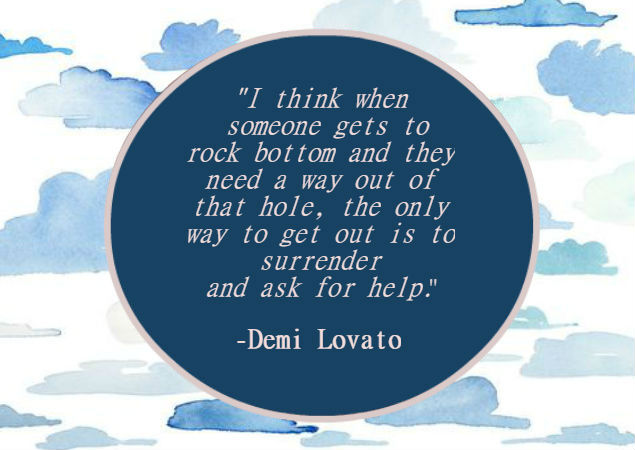
demilovato1

(image: MTVFORA: http://fora.mtv.ca/words-of-wisdom-celebrity-quotes-on-mental-wellness/)


Anxiety Disorders

The term anxiety disorder covers a wide range of illnesses from panic disorder to post-traumatic stress disorder (PTSD). Despite the wide range of diseases, many share similar treatment options. There is a stigma affecting some anxiety disorders due to stereotypes in the media.


Generalised Anxiety Disorder

It is normal for people to feel some anxiety over normal life events such as exams, work problems or family issues. However, when it causes problems in your everyday life or is particularly severe you may have an anxiety disorder. Generalised anxiety disorder involves having irrational fears, such as being afraid harm will come to you or your loved ones, financial issues, health, relationships and work.

Physical symptoms when experiencing anxiety may include: • Light-headedness • Becoming tired easily, or being unable to sleep properly • Feeling tense or restless, or losing your temper easily • Nausea • Shortness of breath • Headaches • Trembling • Muscle tension Treatment generally involves medications or therapy.

Psychological treatments may involve: • Learning relaxation techniques such as muscle relaxing exercises or meditation • Therapy to teach you how to solve problems that cause anxiety with anxiety disorders, psychological treatments are generally more effective than medication, however it can still be useful.

The most common treatments are antidepressants or benzodiazepines such as alprazolam or diazepam. Generally, benzodiazepines shouldn’t be taken long-term, as there is a risk of becoming dependent on them.

Anxiety disorders are relatively common in the population, with statistics that approximately 25% of the people suffer some kind of anxiety disorder that may warrant treatment in their lifetime. Anxiety is treatable, and therapy or medication may minimise the effects on your life and relationships.

Panic Disorder

Panic disorder is a mental health condition where you experience a feeling known as a panic attack recurrently.

Some of the symptoms of a panic attack include: • Shortness of breath • Dizziness or light-headedness • Tightness or pain in the chest • Trembling or shaking • Dry mouth • Muscle tension • Difficulty gathering thoughts or speaking • Tingling fingers or feet • A choking or smothering feeling • Hot or cold flushes • Nausea or butterflies • Blurred vision • Fear of dying, losing control or going mad

When you have panic disorder, you may also worry about the implications of a panic attack such as humiliation or feeling of going crazy.

You may try and flee from the situation hoping the panic attack will stop. Panic disorder is generally treated via therapeutic methods rather than medications. This may involve your doctor teaching you about panic disorder, for example, that a panic attack is distinguishable from other mental illnesses such as other anxiety disorders or psychosis – this is known as psycho education.

A therapist may instruct you not to avoid any situations where a panic attack may occur. This may be unpleasant at first, but slowly you will not feel anxious in the situation. This will help prevent agoraphobia and the disability it causes.

A common treatment for anxiety disorders is CBT – but there are many types too including exposure therapy and talking therapies. They can be incredibly helpful for you to overcome feelings of anxiety.

This guest blog was written by Ellie Willis, an expert in mental health.


On Selfie Day: Is social media bad for our health? Guest post by AXA PPP Healthcare

socialmedia1
(image: https://www.designweek.co.uk)

Today’s world is dominated by social media and it seems to be playing an ever increasing role in our lives.

Dr Mark Winwood, Director of Psychological Services at AXA PPP healthcare acknowledges that social media can give young adults a certain perception of life, that isn’t always reality.

 “Social media is a window where people choose what they want to present to the world – whether this real or altered – and in many ways it can be a ‘false reality’.

 It’s natural for an onlooker to make assumptions about others based on what they see online, but often those who are vulnerable cannot make this distinction, which can have a negative affect both on their mental health and their body image.” comments Dr Winwood.

For some, being online is their main source of social interaction and, over time, this can turn out to be an isolating and lonely experience. And, whilst the ‘rewards’ of communicating online are instantaneous, this isn’t necessarily a good thing” he says.

Social media website Instagram has been rated as having the worst effects on teenagers’ sleep, body image and fear of missing out.

 Ultimately with four of the five most popular forms of social media found to be harming young people’s mental health, it is important for young adults to realise that there is a world outside of the screen.

In 2016, seven young people who switched off from social media told the Guardian about the positive results they experienced. One said “I can live my life instead of trying to shape it into one that looks good online. I also have a lot more time now, and it’s easy enough to keep in touch with my friends in other ways.

If you decide to have a social media holiday, here are Dr Winwood’s observations:

 Suspend your accounts – suspending them for a week means you can take a break without the temptation to check for any new notifications.

Make an effort to meet up with friends face to face – you may find that cutting down on your social media time leaves a temporary void, so arrange to see friends and family personally and you’ll feel in touch when you’re off-line.

Enjoy the gift of renewed focus – think of all the occasions when your attention was split between checking social media and having a conversation or watching TV or walking along and just tune in to the moment of what you’re doing without the distraction.

Get an alarm clock – using your phone as an alarm can make it tempting to automatically check the online scene the minute you’re getting up. Having a separate alarm clock removes that temptation from arm’s reach.

If you find you crave social media try checking out apps designed to block certain sites at certain times of the day. This approach helps avoid that mindless checking and re-checking we all fall victim too.

This guest post was written by AXA PPP Healthcare.  If you think you might be addicted to social media, find more tips and advice at AXA PPP healthcare’s Mental Health Centre or speak to one of its help at hand nurses online.