Expert Advice On Bipolar And Staying Well During The Summer With Bipolar UK

(image: Angelo Pantazis, Unsplash)

More than one million people (including myself) are living with bipolar in the UK and, despite the summer meaning excitement and positivity for most, for many living with bipolar this is not always the case.

Common challenges in summer can impact people living with the condition- including high temperatures which can interfere with certain medications (including Lithium and anti psychotics or anti depressants), the longer daylight hours which can disrupt mood stability, and travelling which can sometimes trigger symptoms.

There are ways to manage seasonal challenges, and Bipolar UK is now sharing its top tips to help people navigate the summer months!

Top tips for navigating the next few summer months if you have bipolar from Bipolar UK:

  1. Sleep

Maintaining a regular sleep routine is an important way to support mood stability. Lighter nights can make it more difficult to switch off and wind down; and early sunrises can cause disruptions to sleep. Blackout curtains or an eye mask might help.

  1. Heat

Hot weather can affect both physical and mental wellbeing. Certain medications used to treat bipolar can make it harder for the body to regulate its own temperature, leading to overheating. Staying cool, drinking plenty of water and staying out of the sun during the hottest parts of the day can help reduce the risk of overheating and becoming dehydrated. Rest is important so communicate with friends and family about how you’re feeling and if you need to rearrange plans.

  1. Travel

Be mindful when travelling to different time zones. Jetlag can have an impact on bipolar symptoms. Try to make time to sleep and rest whilst on the plane and when you arrive so you can acclimatise. Set a reminder on your phone of when you need to take your medication so you can stick to your schedule. 

  1. Sensitivity

Some bipolar medications can increase sensitivity to sunlight so protecting your skin with a high factor suncream when outside is important, as well as seeking shade when possible. Continue to take your medication as prescribed but do speak to your medical professional if you have any concerns.

  1. Socialising

There are often more social activities during the summer, with people wanting to make the most of the better weather. If it all feels too much, learn to say “no” and preserve your energy. Pick and choose which activities you’d like to do, but don’t feel obliged to do them all.

  1. Routine

Longer days can lead to changes in routine which can trigger shifts in mood. Some people with bipolar feel their mood can shift more easily into hypomania and mania during the summer months, whereas others notice their mood dips into depression. Noticing the signs early and speaking to your mental health team, family or other support network can ensure you get help when you need it and potentially avoid a relapse.

(image: Link Hoang, Unsplash)

Bipolar UK offers support to anyone affected by bipolar with their free UK-wide services – peer support line, peer support groups and eCommunity – and resources, including their Could it be bipolar?  campaign and Mood Tracker app.

Heston Blumenthal OBE: My Life With Bipolar BBC Documentary Review by Eleanor

(image: Melanie Blumenthal)

Last week, acclaimed chef, restauranteur and mental health advocate, Heston Blumenthal OBE starred in the BBC documentary ‘Heston: My Life with Bipolar’ which explored his fairly recent bipolar disorder diagnosis. Heston subsequently became an ambassador for national charity Bipolar UK, and has been actively supporting the charity’s mission to help reduce the average 9.5 year delay to diagnosis and end the stigma surrounding the condition.

In 2023, Heston began experiencing both depressive and manic episodes, hearing voices and seeing hallucinations, as well as depression with suicidal thoughts. Mania can also cause you to have intense creativity, speak faster and not listen to others as well as causing delusions and psychosis. Heston’s wife Melanie could see that his health was deteriorating rapidly and that he was a danger to himself. Despite the trauma of sectioning and hospitalisation, this set Heston on the path of not only a bipolar diagnosis, but medicine, therapy and ongoing treatment to help him live a healthy and happy life again.

Heston said to Bipolar UK, “I was living with undiagnosed bipolar for many years, so it’s been an extraordinary journey to get where I am today, and I’m delighted to have had the opportunity to talk to others living with the condition and find out more about their experiences.

“There is still a lot of stigma regarding bipolar, and mental health support is still lacking, but it is vital to be able to talk openly about the condition. I know this isn’t always easy, but I hope by sharing my experience, people will gain a greater understanding of bipolar and an insight into how I’m managing it.”

The documentary was extremely powerful to watch and sad in places, but inspiring. As someone who faced a similar situation to Heston in terms of a manic episode with psychosis/delusions that led to being sedated, sectioned by psychiatrists and hospitalised, my heart went out to him as I know how traumatising this can be. I found the needle being shown as a reenactment for sedation quite challenging to watch! However, the documentary was more than just showing what happened to Heston, who didn’t know he had bipolar til 2023, when he was in his 50s.

I found the discussion that Heston had with his son Jack, about how he was during a manic episode to be really enlightening. A lot of children of parents with bipolar find it challenging when their parents personality is almost hijacked by the episodes. Mania can lead to quickened speech, manic and grandiose ideas, lack of sleep and risky behaviour. You could see how much love Heston and Jack had for each other and how special is family is to support him through this and appear on camera. This includes his wife Melanie, who has been Heston’s rock!

The documentary ended with Heston visiting the mother of Rebecca McLellan, a young woman with bipolar who died by suicide due to neglect from mental health services. Rebecca had raised the alarm with the crisis team at her local hospital various times but was not treated with respect and dignity. The pressure of her illness and lack of support led her to take her own life.

Heston wants to highlight the suicide risk that bipolar brings and how much more mental health support is needed from the government. He is now working as an ambassador with Bipolar UK to raise awareness. Bipolar UK is on a mission to ensure people with bipolar get a quicker diagnosis so they can access effective treatment, support, and self-management, enabling them to live well and fulfil their potential.

Simon Kitchen, Bipolar UK CEO, added: “Heston is such an incredible ambassador for everyone in the UK living with, or affected by, bipolar. We could not be prouder to be working with him. His willingness to be so vulnerable on camera and to share such personal details about his experiences has resonated with many people in our community – and will help people who don’t know much about bipolar to begin to understand this complex and much-misunderstood condition. Heston is living proof that despite the sometimes severe and fluctuating nature of the condition, living with bipolar should not be a barrier to following your ambitions”

As one of the million people in the UK living with bipolar, I know how much more funding is needed in the NHS and a new bipolar pathway with more mental health support needs to be set up. Early prevention and support is key to stop bipolar escalating into suicide or mania.

Although it was a very personal watch for me, due to having been diagnosed with bipolar since aged 16 and my Dad having bipolar too, I thought that Heston’s documentary was so inspiring. He has only been living with the condition for two years and is using his platform for the good. Heston is now on Lithium medication to stabilise his moods as well as an anti psychotic medication.

Bipolar UK say that according to the stats, someone with bipolar takes their own life every day. Hopefully Heston’s documentary will act as a reminder and catalyst to our government to begin change. Thank you Heston and Melanie for being vulnerable and sharing your important story.

(image: Bipolar UK)

Heston: Life with Bipolar is out now on BBC Iplayer.

Doctor’s Insights: Navigating Life With Bipolar Disorder By Dr Antti Rintanen MD Of The Internet Doctor

(image: Emily Underworld: Unsplash)

Living with bipolar disorder can often feel like your emotions are swinging between two extremes. The highs (mania) can be energising but risky, and the lows (depression) can be draining and isolating. As a doctor, I’ve worked with many patients who face this condition—and I’ve seen firsthand how the right tools, treatments, and habits can lead to a more stable and fulfilling life.

What Is Bipolar Disorder?

Bipolar disorder is a mental health condition marked by episodes of depression and mania or hypomania. These mood shifts can affect how a person thinks, feels, and acts. It’s more than just having a bad day or being in a good mood—it can seriously impact relationships, work, and daily functioning.

According to the World Health Organisation, bipolar disorder is one of the top causes of disability for people between 15 and 44 years old.

Medications: The Backbone of Treatment

Most people with bipolar disorder need medication to help manage their symptoms. Lithium, for example, has been used for decades and is one of the most reliable treatments to prevent manic episodes and reduce the risk of suicide. Other options include other mood stabilisers and certain antipsychotic medications.

It’s really important to stick with your medication plan. Stopping suddenly—even if you feel better—can cause serious setbacks. Never adjust or stop medications without medical supervision—even if you’re feeling better, as this significantly increases the risk of relapse, especially into mania. If you have side effects, don’t stop on your own—talk to your doctor about switching or adjusting your dose.

How Therapy Helps

Therapy can help you understand your thoughts, manage emotions, and build better habits. One helpful option is Cognitive Behavioural Therapy (CBT). It teaches people to recognise unhelpful thought patterns and replace them with healthier ones. CBT is especially useful for managing depression and maintaining stability between episodes, though it is less effective during manic phases.

Another type of therapy, called Interpersonal and Social Rhythm Therapy (IPSRT), focuses on keeping your daily schedule steady—especially your sleep and social routines. Why does this matter? Because disruptions to your daily rhythm can trigger mood episodes.

Family-focused therapy also makes a big difference. When your loved ones understand your condition and know how to respond, you’re more likely to stay on track. If you face trauma around your condition, then EMDR therapy can also help with any PTSD or anxiety symptoms.

These therapies don’t replace medication, but they add valuable tools for coping, improving communication, and building resilience.

Everyday Habits That Make a Difference

Beyond medication and therapy, lifestyle habits have a huge effect on mood. Here are a few evidence-based strategies:

  • Stick to a regular sleep schedule. Going to bed and waking up at the same time helps stabilize your mood.

  • Get moving. Exercise—even walking—has been shown to lift mood and reduce stress.

  • Eat well. Omega-3 fats (like those found in fish or flaxseed) may support brain health. While the evidence is mixed, some studies suggest they could help support mood as part of a healthy diet.

  • Manage stress. Mindfulness, breathing exercises, or journaling can help you stay grounded.

  • Avoid alcohol and drugs. These can interfere with treatment and trigger episodes.

It’s worth remembering that lifestyle changes work best alongside—not in place of—medication and therapy. These small, daily actions help support long-term stability and overall well-being.

Pay Attention to Early Warning Signs

Everyone’s symptoms are different, but common early signs of mania include less need for sleep, racing thoughts, and impulsive decisions. Signs of depression may include feeling hopeless, withdrawing from others, or sleeping too much.

Keeping a mood diary or using an app can help track how you’re doing. You might also ask a trusted friend or family member to gently point out changes you might not notice.

Build a Strong Support System

Having a support system—whether friends, family, or a support group—makes a real difference. Research shows that people with strong social support tend to manage bipolar disorder better and have fewer hospitalisations.

It also helps when your loved ones are informed and involved. When people understand what you’re going through, it’s easier for them to support you in ways that actually help.

Final Thoughts

Living with bipolar disorder isn’t easy, but it’s manageable. With the right treatment, daily routines, emotional awareness, and a good support network, it’s absolutely possible to live a meaningful and empowered life.

You are more than your diagnosis. And there are tools—backed by science—that can help you thrive.

About the Author

Dr. Antti Rintanen is a licensed physician from Finland and founder of The Internet Doctor, where he shares reliable, accessible health advice. He writes about both physical and mental well-being with a focus on evidence-based care.

National UK Inquiry Reveals 19% Increase In Suicide for People Living With Bipolar- With Bipolar UK

(image: Michelle Henderson: Unsplash)

Trigger warning: discusses suicide

The National Confidential Inquiry into Suicide and Safety in Mental Health (NCISH) released its Annual Report for 2025 last week, revealing that over the past decade, nearly 20% more individuals with bipolar disorder are dying by suicide due to shortcomings in the UK’s mental health system.

According to national charity Bipolar UK, the report provides stark evidence that specialist care is lacking, Lithium (an important mood stabiliser medication) is under-prescribed and suicide prevention measures are falling short.

The report highlights that from 2012 to 2022, there were 1,491 suicides by patients with bipolar, with an alarming 19% increase from 2019 to 2022. Despite Lithium being a clinically proven suicide prevention treatment for people with bipolar, only 39% of those who died were prescribed it and just 12% were receiving psychological therapy​.

This data echoes the findings and lived experience of Professor Tania Gergel, Head of Research at Bipolar UK, in her recent article in The Lancet Psychiatry where she said: “Globally, 15-20% of people with bipolar disorder die by suicide, with 30-60% making at least one attempt. These rates are not decreasing despite an overall decline in global suicide rates.”

According to the Nuffield Trust, there is set to be a £4.8 billion unfunded shortfall in the NHS England revenue budget for 2024/25, raising the prospect that without further funding, service cuts may be inevitable.

With bipolar increasing an individual’s risk of suicide by 20 times that of the general population, Bipolar UK is urging the government to commit to addressing health waiting lists and to invest money in creating a dedicated care pathway for bipolar to reduce suicide rates.

Simon Kitchen, CEO of Bipolar UK, said: “This report is devastating but not surprising. We’ve been shouting from the rooftops that people with bipolar aren’t getting the care they need and now the data lays it bare.

Bipolar carries one of the highest suicide risks of any mental illness, yet specialist services are practically non-existent, and Lithium – the gold-standard treatment for suicide prevention – is underused. The time for excuses is over. We need real action, and we need it now.”

The charity has heard from its community of people living with the condition, who are concerned that they are unable to access psychiatrists, have little to no continuity of care and are not being monitored adequately when at high risk. There is also a lack of bipolar specialists in the UK, leading to people not receiving a correct diagnosis or waiting too long to receive one – all of which add to the risk of suicide.

Professor Gergel said: “Neither bipolar disorder nor suicide in people with bipolar disorder are research priorities, resulting in major knowledge gaps in both. This can and must change. The shocking statistics might well underestimate the prevalence of suicide in people with bipolar disorder, given the probability of death by suicide before treatment or accurate diagnosis.”

Adding to that, Simon Kitchen said: “Suicide prevention in bipolar requires a shift in both research priorities and clinical practice. We know lithium saves lives, but it is still under-prescribed. We know specialist care works, but most services are generic and fail to meet the specific needs of people with bipolar. Bipolar suicide is not inevitable, but without urgent action, people will continue to die.”

(image of Prof Gergel, Bipolar UK)

The NCISH report also revealed broader systemic failures contributing to preventable deaths. Alarmingly, patients with bipolar were more likely to:

  • Die within three months of being discharged from inpatient care, highlighting dangerous gaps in post-discharge support​.
  • Miss vital clinical appointments, often due to social isolation or side effects from medication, with 15% identified as non-adherent before their deaths​.
  • Experience extreme distress without access to psychological therapies, with only 12% receiving talking therapies​.

With more than a million people living with bipolar in the UK, the figures from this latest inquiry represent lives lost and has led Bipolar UK to call for urgent action, including implementing:

  1. Specialist bipolar services in every NHS region to ensure timely diagnosis, access to evidence-based treatments and care tailored to the complexities of the condition.
  2. Increased lithium prescribing, in line with NICE guidelines, ensuring every person with bipolar who could benefit from it is given the opportunity.
  3. Enhanced suicide prevention measures, including better follow-up after hospital discharge and targeted support for those who miss appointments or struggle with medication adherence.

Simon Kitchen concluded: “We need all UK health authorities and departments of health across the nation to act now because lives depend on it. The evidence is undeniable, the solutions are clear, and the cost of inaction is catastrophic. Specialist care, Lithium, and targeted suicide prevention measures can and will save lives.

Bipolar suicide is a national emergency, and the upcoming 10-Year Plan is the critical opportunity to turn the tide. Bipolar-specific services are not optional; they are a lifeline.

“The government and NHS must act now, before more lives are lost to preventable tragedy. It is time to get it right.”

(image: Simon Kitchen, CEO, Bipolar UK)

For more information about suicidal thinking and bipolar, visit: Bipolar and suicide prevention

About Bipolar UK   

Bipolar UK is the only national charity dedicated to supporting people affected by bipolar. Bipolar UK provides a range of services, including information and advice, a network of support groups, an eCommunity, workplace training and telephone and email peer support. Bipolar UK also works in partnership with research organisations and campaigns for change to tackle critical issues. For more information, visit www.bipolaruk.org 

Mental Health Medication And Dangerous Side Effects In The Heatwave by Eleanor

(image: Roman Odintsov)

In the words of Motown singers Martha Reeves and the Vandellas,

‘Just like a heatwave
Burning in my heart
Can’t keep from cryin’
It’s tearing me apart’

Temperatures yesterday here in the UK reached 40 degrees celsius, the hottest day here on record ever! Some people love the heat- ‘Oh it reminds me of being on the beach on holiday’, ‘It’s not that hot- just put a cold flannel on your face’ and ‘Why are people moaning, we go abroad to get this weather?’ are things i have heard this week. However, for people like myself who take strong mental health medication, in a country not used to these temperatures, this weather is quite literally no picnic.

Firstly, my parents and sister are redheads with pale skin. I am the same and am not built for the heat or humidity. Then, we can add in the fact that I have bipolar disorder and take daily medication- which if not managed correctly can send my blood and body toxic. This has never happened as I stay indoors, don’t do strenuous exercise and drink constantly (and eat enough) in the heat. Yesterday though was a big risk as it became SO hot.

(image: Karolina Grabowska: Pexels)

The risks of Lithium, a mood stabilising medicine, in the heat are fairly well known. It is a natural salt, dehydrating the body so if you don’t drink enough water or eat enough salt, the level of Lithium in the blood saturates and becomes too high- toxic.

Signs of lithium toxicity include: nausea and vomiting, abdominal pain and diarrhea, confusion, drowsiness, slurred speech, increased thirst and lack of coordination of muscles. Severe toxicity signs are: blurred vision, severe muscle spasms, seizures and coma. It is no joke. So trying to cope with Lithium in 40 degree weather and in most places, lack of air con, meant I was confined to my home as I didn’t want to feel like I was melting or run out of water. Thankfully, I didn’t go toxic!

Additionally, I take the anti psychotic Quetaipine which stops me developing mania and psychosis. This and another such medications can impair the body’s ability to regulate it’s own temperature. I am therefore at risk of developing hyperthermia- excessive body temperature- which can be fatal. (scary right??)

So you can imagine that when I hear we are having a heatwave, I instantly think ‘stay indoors, cool showers, ice lollies, sit by air con unit, drink lots and lots’ . I worry about commuting or travelling in the heat. I still can be out in some heat- but 40 degrees was too much!

Something that has troubled me as i wrote this blog is this. My employers have been amazing and let me work from home yesterday. I am able to hydrate myself and eat and keep myself cool. But for those who are ill and unable to, I imagine many were rushed to A and E with the above symptoms yesterday. As a vulnerable adult, my GP didn’t even call to check on me or highlight the side effects of my meds… I only know all this from Dr Google!

There is still a long way to go with proper care for those of us living with (as termed by my doctor) ‘severe mental illness’ whether we live in remission/recovery or whether we have a support network…..I may be 34, not 94- but I could be at risk and they wouldn’t know.

I hope by writing this blog and highlighting these side effects that more people will be aware of this too- which affects people with bipolar, schizophrenia/ schizoaffective disorder, psychosis, depression and other illnesses where anti psychotic meds are used.

One positive- when the heat broke last night and the summer rain fell as Rob and I watched on our balcony.. it reminded me of being in India during monsoon season and in Ghana having a shower in the rain so I suppose not all bad! I admitted I cheered when I saw the rain.

Lastly, I can’t finish this blog without highlighting we had a family bereavement yesterday- a cousin (but more like an uncle) passed away after illness. I will miss him terribly but learnt so much from him- kindness, humility and faith.

Stay safe in this heat! Do your meds affect you?

Love,

Eleanor

xx

Taking Lithium for Bipolar Disorder: Side Effects by Eleanor

Pre Lithium in 2010 (skinny minny)

Post Lithium (on my wedding day in 2019)

I first heard about Lithium carbonate, a natural salt and the ‘gold standard’ medicine for bipolar disorder, when I was in my teen years. My dad was taking it to help his bipolar episodes- Lithium is known to stabilise mood and stop mania and depression from occurring or lessening their impact. I knew then that it was quite a strong drug, that you would need blood tests and that it caused weight gain. But it really helped my dad with his illness.

Fast forward to 2004, I was just 16 and had been diagnosed with bipolar in hospital. My brain was still growing and both I and my psychiatrist were reluctant to try Lithium at that stage, so I was started on Carbamazepine, another mood stabiliser. It was only when this medicine stopped working about 10 years later in 2014, when I was struggling with suicidal depression and anxiety (which then turned into a manic episode that I was hospitalised for), that I seriously considered taking Lithium to help me, like it helped my dad.

Lithium was first found to have benefits for patients with bipolar disorder in the 1950s, with a discovery by psychiatrist John Cade. Even today, we still don’t know what causes the disorder, but it is believed that Lithium stabilises mood – particularly mania. The psychiatrist.com notes this,

The real breakthrough in lithium therapy came in 1952, when Erik Stömgren, a Danish psychiatrist and head of the Aarhus University psychiatric clinic in Risskov who had read Cade’s article, suggested to a staff psychiatrist at the hospital, Mogens Schou, that he undertake a randomly controlled study of lithium for mania. Random controls were just being introduced to psychiatric drug trials at that time, and Schou randomly assigned patients to lithium or placebo by the flip of a coin. His results were published in a British journal with the article concluding, “The lithium therapy appears to offer a useful alternative to [electr[electroconvulsive therapy] since many patients can be kept in a normal state by administration of a maintenance dose.”

For me personally, Lithium treatment has changed my life in a number of ways- both good and not so good. Lets start with the good, I havn’t had an episode of mania and psychosis or suicidal severe depression in 8 years, which is largely down to medication helping my bipolar brain chemistry. It has worked for me- which is amazing- and I never thought I would find an effective treatment to help me. I have bipolar 1, the most severe type and although Dad has the same and was helped, I never thought it would lead me to remission. In fact, in 2014 when I was under the home treatment team after hospital, one of the nurses asked me to consider whether Lithium might not work for me and I might have to live with episodes… needless to say I cried as was very fragile and asked her to leave! She was wrong, thankfully.

On to the bad things: Lithium in combination with an antipsychotic Quetaipine has caused me to put on a lot of weight, as it slows metabolism. I also have to have 3 monthly blood tests to check my lithium level is within the correct range as too much is toxic to the body. Thankfully, I drink enough water and eat enough salt so I have never had a toxic reading but its a very careful balance..I have to always look after myself. Another bad side effect is skin sensitivity and acne- Lithium causes spots- so I have had to adapt my skincare regime and diet accordingly. Sometimes certain foods plus Lithium can trigger this too. Again, I have to pay more attention to my physical health as a result of taking Lithium and Quetaipine

The weight gain in particular has been a worry for me and is something I am working on., especially as diabetes runs in my family. Then there is the Lithium thirst…

Lithium as mentioned is a salt, and as it metabolises in the body, makes you incredibly thirsty. You have to be careful not to get dehydrated. Hence my love affair with Robinsons squash and the occasional ice cold fruit juice. No matter how much I drink, I can never fully quench my thirst, even if well hydrated. Lithium thirst is not the easiest… but Robinsons is my friend as its lower in calories and more delicious than plain water! And now I am thirsty again… haha

So I have a love-hate affair with Lithium. Brilliant for my mental health, not so great for my physical health at times. There is also a concern because over time Lithium can cause kidney and thyroid issues, which is why I have blood tests too. So its not perfect, but it really helps me to live my life and have stable mental health. Over time, its important i am monitored. I have been on it 8 years, but it could start causing problems at some point.

Additionally, when I please G-d get pregnant one day, my lithium levels will need to be monitored (but thats a blog for another time).

I don’t have nausea or trembling on Lithium which is good, but the other side effects (particularly weight) have not been so pleasant. I am so grateful though to have a medicine that keeps me well and out of hospital, able to live a life that some others take for granted.

Thanks to all who voted for this blog. If theres anything else you’d like to know, just ask a question and I will respond.

Eleanor x

What It’s Like To Go Through Severe Depression as a Bipolar Episode: Looking Back by Eleanor

(image of Eleanors book Bring me to Light: Eleanor Segall/ Trigger and Welbeck publishing)

TRIGGER WARNING- DISCUSSES SUICIDAL IDEATION, SELF HARM AND BIPOLAR DISORDER. PLEASE READ WITH CARE

This weekend, I went home to my mums to celebrate the Jewish festival of Pesach (Passover) and have some quiet, family time. It was wonderful and because our religious laws mean we don’t use the internet, our phone on our festivals, it meant I had time for digital detoxing and switching off. But with that silence, came space. To think and reflect.

Something you may not know about me is that as well as being a writer, throughout the years I have been a prolific diary (journal) writer. The act of putting pen to paper and type to keyboard has always been therapeutic for me in my darkest moments. I found a diary I had written in 2013, when I was living with depression, suicidal ideation and self harm thoughts and actions.

The journal was covered in butterflies- always my symbol of hope. I don’t want to trigger anyone so I will say this carefully- essentially, I was so unwell that for me, my symptoms were: sleeping until the afternoon with a slight break for a meal or tablets, not socialising, finding it hard to wash due to increased anxiety and lethargy, feeling like I didn’t want to wake up the next day and wanting to harm myself in various ways- but being so frightened by these thoughts (because i knew they weren’t really Eleanor) that i had to vocalise them to my family and psychiatrist to keep myself safe. Thats what I did and its why I am still here today, in recovery.

I lived with this depression for about 6 months- my psychiatrist was encouraging me to try Lithium to stablise the bipolar but I wasn’t ready and wanted to see if Quetaipine could halt that. As we know, I became hospitalised for mania soon after in 2014 which led me to recovery and writing my book Bring me to Light.

When you live with an illness like bipolar disorder, you can sometimes forget the nuances of all the details of how you were when you were unwell. For me, I always felt that I handled the depressive episodes ‘better’ than the mania- just because I was able to keep myself as safe as possible by telling my family and doctor and changing medication. My psychiatrist had to come out to see me at home with a nurse as I was so unwell and I wrote out how I felt for him to know.

So many people live with terrible episodes of depression so this blog is just looking back and giving you some knowledge of how it manifested for me. Essentially, depression is a slowing down of the mind towards inactivity, darkness, misery, anxiety, agitation and it is often triggered due to changes in hormones and brain chemistry (if you have a family history its more likely to happen). Depression is not just low mood. Its paralysing. Its not wanting to be in the world and being in so much emotional pain. You may think of ways to harm yourself and you may dream of not being in the world. Or you may be ‘high functioning’. I somehow managed to go to friends weddings during this time despite spending the other days in bed til 5pm- I have no idea how- anti depressants and support helped greatly. However, my depression was dark and invasive.


Now, I had forgotten a lot of these finer details. For me, I never truly wanted to die- I wanted the uncontrollable bipolar to go! The suicidal ideation was my bipolar brain chemistry but also an expression of not coping with life and the bipolar moods I had been given- I was 24 and I couldn’t enjoy life- i was wracked with anxiety too. My mental health was fragile and unstable and it is no way to live- but what saved me, was being hospitalised and finding medication and therapy that has helped me to live in remission (thank God) for 7 years now.

I can say now that my brain chemistry is balanced and even if i ever get sad or frustrated, I don’t have those awful thoughts and if they ever come up, I can deal with them. I have such a supportive partner and family- my family and psychiatrist saved me as well as me trying to save myself- I frightened myself with my thoughts and I had some semblance of being able to keep myself going, which is not possible for everyone. It helped that my Dad has bipolar and could really understand what was going on for me too- he understood exactly how I was feeling but he knew it was the illness and not Ellie. I feel so lucky for that because not everyone has this. My mum, step dad and sister and wider family also were so supportive and never blamed me for being unwell. That helped too. My faith also has helped me dearly,

(Me at 25 when I was going through depression. This photo was a selfie taken when I was dressed up to go to a friends wedding and my sister had done my make up. There were no photos with messy hair or red eyes and tears. I never looked this good when I was in bed til 5pm most days in my PJs).

If youve got this far thank you for reading. My mission is to help others with these conditions feel less alone, through sharing my own experiences. I have been careful not to reveal what certain thoughts were here so I don’t trigger anyone.

If you live with depression and a host of other issues, you can recover again. Hold on. You will not feel like this forever and you can find a level of happiness and stability again. Reach for help, someone you trust, a help line, a psychiatrist and don’t give up.

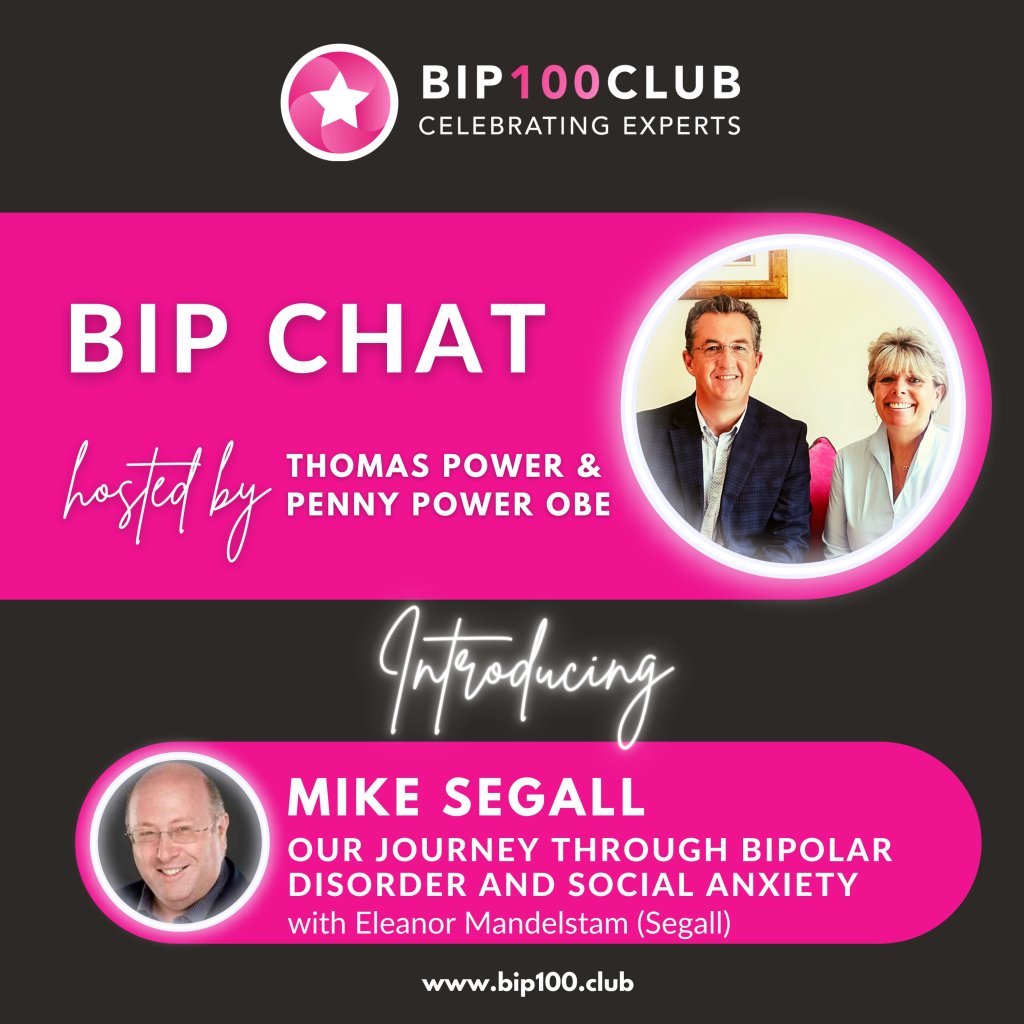
Mental Health Chat With Penny Power OBE and Thomas Power of Business Is Personal with Myself and my Dad Mike Segall. Our Journey With Bipolar Disorder and Anxiety.


Yesterday, 9th Feb, my dad Mike and I were honoured to be interviewed by his friends of many years, Penny Power OBE and Thomas Power of Business is Personal- live on Linkedin, Youtube and Facebook.

They asked us to come on their weekly show to talk about our hereditary journey with bipolar disorder and anxiety and shed light on all things mental health.

It was a real pleasure to talk all about our lives and how my Dad was diagnosed with bipolar just 4 years before me.

Trigger warning: discusses suicidal ideation and psychosis.


Thanks Penny and Thomas! We hope it battles stigma around this much misunderstood illness. Watch here:

https://www.youtube.com/watch?v=Fghp8RNTvX0