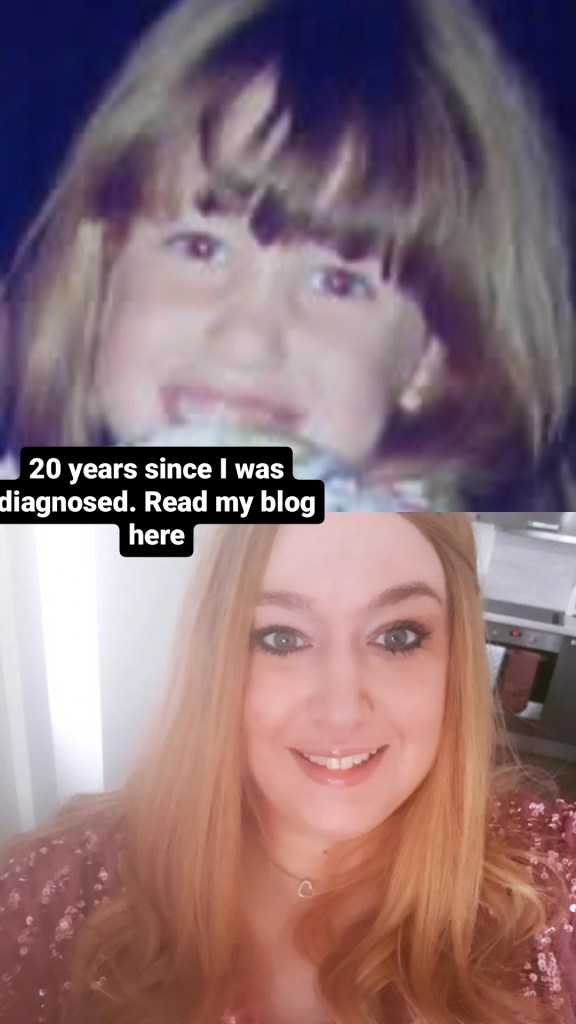
In December 2004, I was 16 years old. That year had been very painful and difficult with my mental health but I had pushed myself and secured good grades in my GCSES. However, my inherited mental illness, bipolar 1 disorder, was not yet diagnosed. I had experienced depression and mania. Then In December 04, the depression turned into psychosis where I had delusions (false beliefs about the world), high anxiety and agitation.
That Christmas, the only place I wanted to be was in hospital. I didn’t feel safe at home and by miracle the NHS found me a voluntary admission to the Priory North London CAMHS unit. I was an inpatient for 4 months and was diagnosed with bipolar disorder. My dad was diagnosed a few years before.
Years ending in 4 have been a worry for me. 10 years after this- 2014, I had another significant even worse hospitalisation that traumatised me. But it led to me finding the right medicine for me that has kept me stable- no mania or psychosis.
Now in 2024, at Christmas I am celebrating 10 years of remission. And 20 since that 16 year old girl was diagnosed. I was so scared for my future. Yes bipolar has taken a lot from my life healthwise but it has also given me untold blessings too – teaching me life is short and to be determined and resilient when I can be.
Twenty years on I have mixed emotions. I wouldn’t want to wish being diagnosed with a life long severe mental illness as a teen on anyone. But somehow miraculously, despite the depression, despite past suicidal ideation, I am here. I have survived. I know younger Ellie would be proud of the things I have achieved.
May you all have a wonderful Christmas holiday and heres to 2025. Thank you to all of you my readers too,
I have been really lucky that this festive season, SIMBA beds have gifted me their Custom Comfort Hybrid Pillow to use to help support my head and neck and get a wonderful night’s sleep.
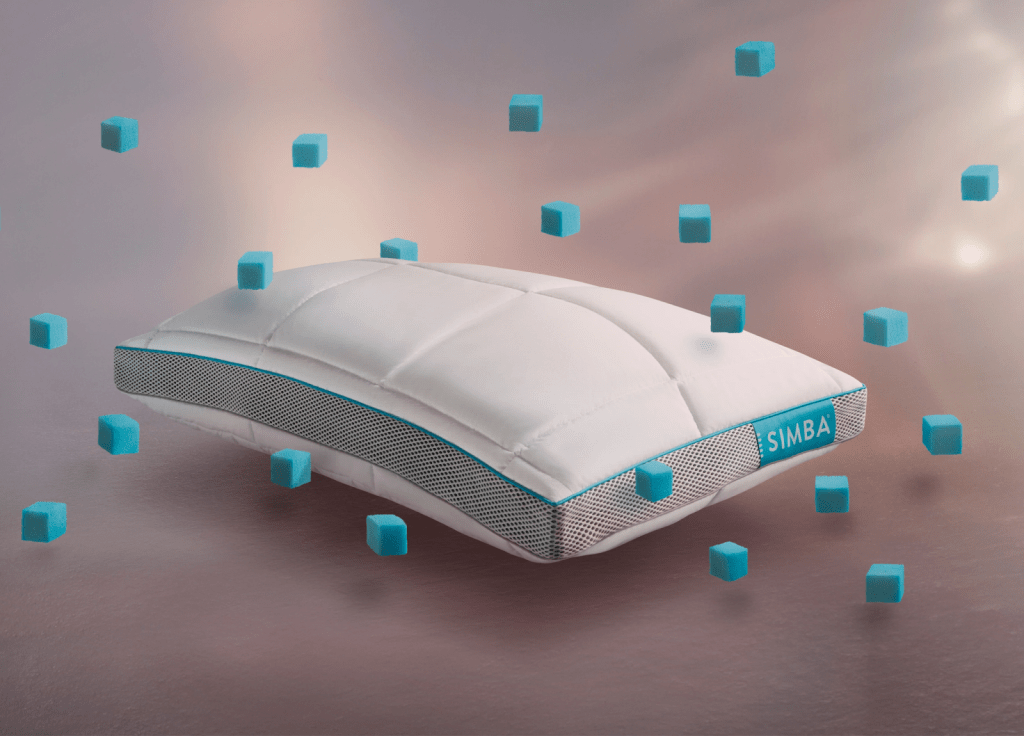
This pillow is designed for revolutionary, personalised comfort. A unique fusion of superb, down-like cushioning with innovative tech. The pillow contains a cotton cover with cool touch tech to support better sleep. It has adjustable height and firmness with a supportive core and a mesh border for maximum air flow, once opened! Plus, it has a washable cover (always a bonus!). SIMBA have truly thought of everything to give you excellent comfort.
I received the pillow in the post, it is large (about A3 size) and SIMBA have said that it has special foam Nanocubes® technology! The turquoise cubes mean its not too soft, not too high, not too firm… always ‘just right’. I find it so comfortable!
SIMBA describe this as, ‘Thanks to the knitted, inner pillow of tiny, squishy, foam Nanocubes® you’ll find at the heart of every Hybrid® pillow; not only does this clever system encourage greater airflow, but you can also remove/add cubes to achieve the height and firmness you prefer in your pillow.’
(image: Unsplash)
I often find also that I get hot at night or it is just too warm from the central heating to sleep in winter. So what could be more helpful than the cooling aspect of this pillow? . It dissipates excess heat and provides instant coolness! This is due to its Stratos® cool-touch tech similar to the innovation that keeps astronauts cool in space! This pillow is also Menopause friendly, so great for any hot flushes at night time.
The pillow feels firm yet comfortable with a definite softness that makes me want to sink right in to it. I love the fact it is adjustable and helps me feel cool at night too. SIMBA say that ‘A soft, cloud-like fill is key to the superb comfort and quality of our pillows and duvets. It consists of springy polyester fibres gently combed and folded into airy, cushioning layers.’
For good sleep hygiene and having a cool, calm bedroom with good support for your head, I really recommend the SIMBA Hybrid Pillow. After one night, I am already loving it and I cannot wait to use it for many more nights for a gentle and comfort filled sleep. Good sleep is so integral to good mental health- thanks SIMBA for letting me have and review this pillow!
I was gifted a SIMBA Hybrid Pillow, in return for an honest review. This article contains non-sponsored links.
With the nights drawing in, The Works have teamed up with the mental health charity, Mind, to raise awareness of the mental health benefits of crafting.
The winter can be especially difficult for many, with darker, colder days and prolonged periods of rain affecting energy, mood, anxiety and stress levels. Some people may experience Seasonal Affective Disorder, which is a type of depression experienced during different seasons or times of year.
Stephen Buckley, Head of Information at Mind said,
“We know that crafting can be a powerful way to support mental health and wellbeing. Creative activities like card-making or knitting require focus, which may help us disconnect from daily pressures and find a welcome distraction. Learning a new skill can also bring a sense of accomplishment, which can be especially rewarding as the nights draw in. The repetitive motions of these crafts can feel meditative and calming, making them a helpful tool for managing stress, depression, and anxiety. Different things will work for different people and the main thing is finding a craft you enjoy and which fits into your life.”
Mind and The Works have produced a blog post with some ideas for easing stress and anxiety, boosting concentration, focus and memory.
Lynne Tooms, Chief Commercial Officer at The Works said, “Channelling your emotions into creativity can have a huge impact on us as adults, with various craft types having a big impact on our mood and sense of achievement, as well as providing us with skills and hobbies that can turn into passions to enjoy all year round.”
Sitting in a dental chair can make many people feel nervous. Studies reveal that around 36% of adults have some level of anxiety about visiting the dentist, while 12% experience extreme fear or dental phobia.
The anticipation of discomfort, unfamiliar equipment, or the sound of drills can all contribute to this stress. Certainly some treatments such as root canal treatment can require you to spend 45 minutes in a chair and this can send the brain into meltdown.
However, there are effective ways to stay calm and make the experience more manageable, ensuring that dental care remains a positive part of maintaining overall health.
Try Breathing and Relaxation Techniques
Focusing on your breathing can help calm your mind and body. Deep breathing exercises, where you inhale slowly through your nose for a count of four, hold for four seconds, and exhale for another count of four, can reduce feelings of anxiety.
These techniques slow your heart rate and create a sense of control, even when you feel tense. Some people find mindfulness helpful, where you focus on the present moment and let go of worries about the procedure.
Relaxing your muscles can also make a big difference. Dentists often encourage patients to release tension in their shoulders, hands, and jaw. A relaxed body sends signals to the brain that you are safe, helping to ease your overall anxiety.
Speaking with Your Dentist
One of the best ways to stay calm is to talk openly with your dentist about your feelings. Dentists are trained to handle nervous patients and can adapt their approach to make you more comfortable. Some offer “stop signals,” such as raising your hand if you need a break during treatment. This creates a sense of control, which is particularly important for managing fear.
Asking your dentist to explain each step of the procedure can also help. Knowing what to expect removes the element of surprise, which often triggers anxiety. Many dentists use simple, clear language to describe what they’re doing, which can help you feel more informed and reassured.
Using Distractions to Stay Relaxed
Distraction techniques can make a big difference while in the chair. Some dental practices offer entertainment options, such as headphones with music or TV screens, to help take your mind off the treatment.
Alternatively, you can bring your own music or podcasts to listen to during the appointment. Focusing on something familiar and enjoyable can shift your attention away from the procedure.
Imagining yourself in a calm and happy place, such as a beach or a quiet park, can also help. Visualising a relaxing setting encourages your brain to associate the experience with something positive, reducing fear and discomfort.
Helping Children Visit The Dentist
For children’s dental treatment, this can be a daunting first experience. Understanding what is involved, using the right distractions and offering positive feedback can be good to create confidence for future visits. Some dentists are good at using bright objects such as dental glasses, toothbrushes and posters on the ceiling to distract kids.
But anything that can make the dentist fun is something that can help ease kids. From the fish task, to all the lights and sounds, it can be presented in an interesting way to keep things calm.
How To Build Confidence Over Time
The more positive experiences you have at the dentist, the easier it will be to stay calm in the future. Regular visits can help desensitise you to the environment and procedures, making them feel routine instead of intimidating.
Overcoming fear of the dental chair not only improves your oral health but also boosts your confidence in handling challenging situations.
By using these strategies, dental visits can become less stressful and more manageable, ensuring that you take good care of your smile without unnecessary worry.
Let’s face it, going to the dentist is nerve-wracking at the best of times. The bright light in the face, the invading of your personal mouth space and interrogation of questions is not easy for anyone, let alone those who suffer from anxiety.
Dental anxiety is a widespread issue, with research showing that around 36% of people experience mild fear of dental visits, while approximately 12% suffer from an intense phobia. This fear can arise from negative past experiences, fear of pain, or even the sounds and smells of a dental surgery.
For some, the anticipation of discomfort creates overwhelming stress, leading them to avoid regular check-ups and treatment. Dentists are trained to recognise and address this anxiety, ensuring patients feel safe and supported.
Creating a Calm and Relaxing Environment
A welcoming environment is one of the first steps in easing anxiety. For some practices like Aromaden in Surrey, creating a calm environment through the use of furniture, staff attitudes, lighting and culture are a big part of soothing patients.
Dentists often design their clinics with comfort in mind, using calming colours, natural light, and soothing background music. Friendly and approachable staff can also help patients feel at ease upon arrival. Open communication is essential; dentists take time to explain treatments step-by-step, using simple language to demystify the process and build trust. Patients are encouraged to ask questions, ensuring they feel informed and in control of their care.
Modern Techniques to Reduce Fear
Advancements in dental technology have transformed the patient experience, making procedures faster, less invasive, and virtually painless.
Many dentists use local anaesthetic techniques that minimise discomfort or offer sedation options such as nitrous oxide (commonly called “laughing gas”) or oral sedatives to help patients relax during treatment. In cases of severe anxiety, general anaesthesia may be an option, allowing the patient to remain unconscious throughout the procedure. The availability of these methods reassures patients and helps alleviate their fear.
For decades, patients have been used to metal fixed braces and all the wires and screws that come with it. But today, using Invisalign treatment is as simple as popping in a mouthguard for just a few months to receive the same desired outcome. Whilst Invisalign is not available for children, it is something that adults have used to get straight teeth later on in life.
(image: The Humble co- Unsplash)
Psychological Support and Trust Building
Dentists often incorporate psychological techniques to address anxiety. Strategies such as cognitive behavioural therapy for dentistry (CBT) can help patients challenge irrational fears and develop healthier attitudes toward dental care. Some practices introduce patients to gradual exposure, where they begin with simple visits like check-ups and slowly progress to more involved procedures as their comfort level increases. Deep breathing exercises and relaxation techniques are also recommended to help patients stay calm during appointments.
Building a strong relationship between the patient and dentist is critical. Trust is developed through active listening, empathy, and empowering patients to communicate their needs. For instance, many dentists allow patients to signal for a break during procedures, giving them a sense of control and reassurance.
Benefits of Overcoming Dental Anxiety
Managing dental anxiety not only improves oral health but also enhances overall well-being. Regular visits prevent serious problems like tooth decay and gum disease, which can require more invasive treatments if neglected. Additionally, addressing dental issues boosts confidence, as patients feel better about their smiles. For many, overcoming fear also builds resilience and makes it easier to tackle other aspects of healthcare.
By creating a calming atmosphere, utilising modern tools, and fostering trust, dentists can help anxious patients feel more comfortable. This approach ensures that even those with deep-seated fears can access the care they need for a healthy, confident smile.
A few years ago, I was delighted to discover this incredible charity- Christmas for CAMHS through a post by its founder Ro Bevan. This charity means a lot to me because 20 years ago this festive season, I was a very unwell 16 year old on a NHS child and adolescent (CAMHS) in patient psychiatric ward in the Priory North London, struggling with a bipolar mixed episode. I had psychosis and hadn’t yet been diagnosed with bipolar. Although I am Jewish and don’t celebrate Christmas, I remember that the ward gave us small presents and that other children/adolescents wrote me lovely messages of kindness and hope wrapped up in seasons greetings. Being away from home and especially during the festive season is filled with loneliness and sadness, especially if you are in hospital. In 2004, Christmas for CAMHS did not exist but their work now is vital.
So who are this amazing charity?
Christmas for CAMHS is a small charity who gives gifts and goodies to children and young people in hospital for their mental health over the festive season. This is our 9th year of giving gifts to young people in CAMHS (children and adolescent mental health services) inpatient units across the UK and this year we’re giving over 1300 gifts!
Christmas For CAMHS was originally set up because Dr Ro Bevan saw a huge disparity in the way CAMHS units were treated over the festive period compared to other NHS services for children and young people.
In 2015 Ro was working in a children’s hospital for those with a physical illness. That Christmas the children’s hospital had tons of presents donated, mostly from corporate donors – so many presents that there was enough leftover for patients’ birthdays until June of the following year! A year later, she was working in child and adolescent mental health and, in stark contrast, they had no presents donated at all. The patients had one present each, chosen by the therapy team and paid for by the ward – scrimped and saved from the NHS budget that is meant to cover therapeutic activities and other expenses.
Ro posted about the inequality on Facebook and before she knew it, her post had gone viral with 1,032 shares and so many supportive comments. It inspired her to start Christmas For CAMHS the following year to support these children and young people who would otherwise be forgotten by the generous public.
When the charity first began in 2016, they set up a simple fundraiser online which raised £1000 and managed to send around 300 gifts to young people in units that year. Since then, they have grown to be able to reach every CAMHS unit in the UK, but still work in a pretty similar way! There is the online fundraising page running each year where people donate either as individuals or on behalf of fundraisers they have run in their local community or with work colleagues. Additionally, there are corporate donations and people setting up their own fundraising pages to do amazing challenges to raise money (a couple of years ago one fundraiser ran a marathon around a Christmas tree!).
There is also a wish list where people can donate specific chosen gifts for children who may be feeling very alone.
(image: Christmas For CAMHS)
The charity reaches out to every CAMHS unit in the UK to ask the staff that work there how many young people they might have over Christmas. They also ask them what they think their young people might like, picking from a list of tried and tested categories, and the age range of their young people. The elves then work night and day to ensure that gifts are bought that align with what each CAMHS unit has requested and that are safe for young people in hospital for their mental health to be given.
Once the gifts have arrived there is a major ‘packing weekend, in Bath. During this, volunteers come and help pack up massive boxes with all the assigned gifts, some Christmas decorations, some activities (such as colour in paper chains or blank cards), a Wellbeing Advent Calendar, some fidget toys and an extra ‘ward gift’ for each ward to enjoy together. We don’t wrap the gifts, so the wards can check them, but we do provide wrapping paper and sticky gift tags. We also provide a bigger gift, when requested, for young people on the wards who may not receive a gift from anyone else this Christmas, such as young people who have no family support. The gifts then get delivered to each CAMHS ward ahead of Christmas day.
This year, the charity is also sending wards some paper chain ‘strips’ with cheesy cracker jokes written on them, made by members of the public and assembled by young people on the wards, providing a tangible reminder that we are all still connected despite what the young people are going through. Young people loved these last year.
It is always so nice to receive messages from young people about the gifts that they’ve given. A young person recently told the charity:
“The gift made me smile so much. I’d had such a bad day and it was an utterly terrifying time in my life – I was about to turn 18 and had never felt more alone. It was so weird but lovely to think that people who didn’t know me cared enough to make me and my friends feel special and connected. You really do such an amazing job. You’re so kind, thank you.”
The whole team and all donors are thinking of every child and young person who will be spending the Christmas period in hospital due to their mental health, which is exactly why Christmas at CAMHS does what it does – we want them to know that we’re thinking of them and that lots and lots of people are holding them in their hearts.
Social media plays a highly indispensable part in our daily lives. It helps to shape the manner in which we connect, communicate, and interact with the world. Although there are innumerable benefits that social media has to offer, it has a lot of impact on mental health. Individuals often wonder about the long-term psychological effects of spending hours scrolling through every feed, posting updates, or engaging in online discussions. These are the rising concerns that prove essential for addressing mental health issues that are digitally on the uprise.
The Role of Social Media in Shaping Our Emotions
Although social media verticals offer the ability to connect to individuals globally, they impact emotions in different ways. The pressure imposed to present the polished, ideal life online eventually leads to greater anxiety, stress, and depression.
Comparison Of Culture And Self-Esteem
One of the highly notable ways in which social media influences mental health is a comparative culture. The users often scroll through the feed that they note as the highlights of the reels to the other’s lives, leading to unhealthier comparisons. The constant exposure gets filtered and curated through content, leading to feelings of low self-worth or inadequacies. Individuals get pressurised, matching their achievements, physical aesthetics, or lifestyles, raising anxiety and self-doubt.
This issue is particularly concerning for younger adults and teenagers. Adolescence is the ideal moment focused on self-discovery and the formation of identity, adding to the social media layer and intensifying such hurdles.
Cyberbullying And Online Harassment
The social networking sites that are accessed through the internet should be accessed healthily since they reveal the worst in people, and their ill behaviours affect people’s mental health. It has gotten to the level of people using computers to insult other people, to threaten or follow them maliciously. Cyberbullying makes individuals develop anxiety, depression, and even withdrawal from social relations. What online abusers forget is that the emotional side of any individual remains tender, and the words engraved on the social site will fester long after the bad comments are made.
Furthermore, one may also refrain from expressing one’s opinion on social media because of being criticised by other users. It makes people feel silenced from being able even to express themselves, and that on its own exacerbates their mental health issues.
Social Media Addiction
Aside from emotions, social media addiction is another factor to waste mental health. For many people, they are constantly using it to browse or mindlessly open to see notifications, or even feel the need to see what is going on online. This type of usage might result in anxiety and stress because a person becoming addicted to the application constantly worries that they may be logged out.
It also impacts sleep because users spend hours at night browsing through their phones, or maybe they forget the time. Lack of sufficient sleep, in turn, is a cause of poor mental health and worsening disorders such as depression and anxiety.
(image: Chris Yang: Unsplash)
The Positive Side Of Social Media For Mental Health
In like manner, there are positive aspects that can be socially beneficial when properly used social media networks to promote the health of a person’s mind. It offers an opportunity to tell a story, voice concerns, or find others among like minded people.
Support Communities And Mental Health Awareness
Mental health awareness has been taken to new heights by the use of social media. Most of the contestants narrate their ordeals, which helps eliminate the perception of socially embarrassing states such as mental illnesses. Examples include Twitter, Instagram, and Facebook, and such account types have turned into help groups, support, and recommendations to search for professional aid types.
Such support communities are most helpful for those who lack social contacts in their real life. For those struggling with disorders such as anxiety or depression or post traumatic stress disorder (PTSD), social media can give people information on how to manage their disorders, where to find a supportive audience, or where to get professional medical advice.
Virtual Therapy And Mental Health Apps
A new wave of social media mental health is using social media for providing online therapy and mental health apps. But with the advancement in technology, specifically through teletherapy, it is now possible to see a therapist online. There are quite a few applications and websites providing services, from anxiety-provoking exercises to cognitive-behavioural therapy, allowing people to improve their psychological state without visiting a professional therapist in the comfort of their homes using electronics.
This virtual accessibility makes it easier for people who may not otherwise come for help due to social stigma, geographical distance, or a number of menial charges. Moreover, other social media influencers and health professionals post significant guidance and strategies for staying mentally well, as well as exercises and positive affirmations.
Striking A Healthy Balance
Although social networks are beneficial and damaging for the human psyche in one way or another, the fundamental task is to achieve the proper distribution of time in using them. The overall increased use of social media can lead to mental health problems, addiction, and the deterioration of interpersonal relationships. Still, by following certain guidelines, using social media sensibly without losing one’s self-control, eliminating negative content, and taking necessary precautions, all the harmful factors mentioned above can be minimized.
Despite social media’s many positive aspects, there are ways to reduce its harm: taking many breaks, taking care of oneself, and being aware of what one is consuming online. Practical measures such as reduced screen time and spending time with friends, family, or other loved ones can also greatly reduce anxiety and enhance mental health.
Conclusion
Undoubtedly, social media has a huge impact on mental health that reshapes the manner in which we perceive ourselves while interacting with others. Although there are different scopes to support, raise awareness, and connect while bringing different challenges like cyberbullying, addiction, and comparison cultures, a better balance remains important to maintaining mental health.
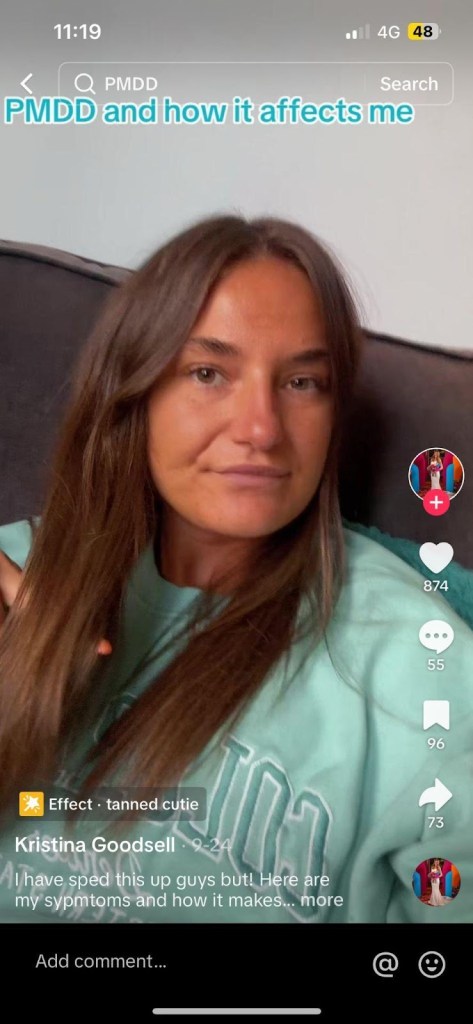
Do you have a diagnosis of PMDD (Premenstrual Dysphoric Disorder) or worry that your PMS symptoms before your period might indicate this? This article talks about how to be effectively diagnosed and looks at misinterpreted symptoms. I have been watching this series of Married At First Sight UK with great interest- its an experimental dating show where they get married without ever speaking or seeing each other and follows how their relationships either blossom or fail. One such couple is Kieran and Kristina, who are completely adorable. Kristina has been very open about her own mental health condition, PMDD and how it has impacted past relationships for her.
After Married at First Sight UK star Kristina Goodsell shared her diagnosis of PMDD (Premenstrual Dysphoric Disorder) with her partner Kieran, searches for ‘What is PMDD UK’ spiked +250% in the past week, and searches for ‘PMDD remedies’ are up +2,431% in the past year, showing that people want to learn more about this specific women’s health condition.
In a further episode, Kieran explained he doesn’t know if he can sustain a relationship due to Kristina’s PMDD. This TikTok video clip of the episode, which has gained 245.6k likes, has led to more people discussing their own PMDD journeys, with one user commenting ‘I have PMDD and it is so hard to live with’ and others asking ‘What is PMDD?’.
Dr Pallavi Bradshaw, Deputy Chief Medical Officer at AXA Health has shared information about PMDD including the misinterpreted symptoms, tips for getting the correct diagnosis and the different treatments.
What is PMDD?
AXA Health explains that premenstrual dysphoric disorder (PMDD) is a hormone-related disorder that affects not only your body but also how you feel.
As a more severe form of PMS (premenstrual syndrome), PMDD can particularly impact day-to-day life. Symptoms can also get worse during the luteal phase of a woman’s menstrual cycle, which can last around two weeks between ovulation and the start of a period.
PMDD was listed in the ICD-11 in 2019, validating the medical diagnosis of this serious women’s health condition, yet as symptoms are similar to other health issues, this means that PMDD is still underdiagnosed.
Five Misinterpreted Symptoms of PMDD
Around 1.6% of women and girls experience symptoms of PMDD worldwide, and Dr Bradshaw highlights that “There are a range of typical emotional and physical symptoms to look out for such as anxiety, headaches, breast tenderness/swelling and appetite changes. However, there are also five symptoms of PMDD to look out for that can help with distinguishing the condition from other health problems and getting a more accurate diagnosis”.
Feeling overwhelmed
Whilst it’s normal to feel overwhelmed occasionally as a result of life stressors, it can negatively impact your health and is a sign of PMDD that shouldn’t be ignored.
This may include having irrational thoughts about a situation, experiencing a freeze response where you avoid or postpone tasks, withdrawing from a situation and friends/family, or overreacting to situations that wouldn’t usually affect you.
Increased irritability
Being irritable around your time of the month is due to fluctuations in serotonin levels and can be a symptom of PMS. However, irritability on a more severe scale can be a sign of PMDD.
Increased irritability may cause conflict in relationships and negatively impact everyday life, so it’s important to recognise this symptom, especially as this may be more noticeable around your period.
Muscle aches
This is a harder symptom to recognise if you regularly exercise and experience achy muscles from workouts. However, pay close attention to when the muscle aches happen, as if it aligns with your luteal phase and affects areas of the body you haven’t worked out as much, this could be a sign of PMDD that would instead go under the radar.
Bloating
A symptom many females will experience around their period is bloating, due to hormonal changes and water and salt retention. Yet, this is also a key sign of PMDD, especially if the bloating is severe, so it’s important to pay attention to this symptom.
Changes in sleep patterns
Struggling to sleep, sleeping more than usual or insomnia are also signs of PMDD which may go under the radar, as if you’re stressed and busy, you may put it down to these factors instead.
This symptom can be a result of other PMDD symptoms impacting your quality of sleep, such as anxiety. Hormonal shifts can also impact sleep patterns, which could be due to PMDD.
HOW TO BE EFFECTIVELY DIAGNOSED
MAFS star Kristina experienced a misdiagnosis of PMDD and was prescribed medication for depression. It wasn’t until after the initial treatment didn’t work, researching her symptoms in more depth and visiting a gynaecologist, that she received an official diagnosis.
With limited research on PMDD, the average time it takes to get a diagnosis in the UK is around 12 years, especially as it may take a long time to realise your symptoms follow patterns in line with your menstrual cycle.
As Dr Bradshaw explains, “Many symptoms of PMDD overlap with health issues including depression, anxiety and thyroid conditions. It’s vital to ensure you can provide as much detail as possible about your symptoms when visiting a medical professional, so the diagnosis can be as accurate as possible. Noting down any correlations to your period will also help to distinguish if it is PMDD too. A symptom diary can be invaluable”
Here are Dr Bradshaw’s top tips for supporting your PMDD diagnosis:
Ask questions – Prepare for your appointment by writing down any questions you have or anything you’re unsure about so you don’t leave the appointment with unanswered queries
Speak up – If you think you meet the criteria for most of the PMDD symptoms, voice this in your appointment by saying ‘I think I have PMDD’ during the conversation
Monitor symptoms– Keep a diary of your symptoms to find if they worsen during your luteal phase, which will help a doctor understand if it is linked to PMDD or not
Be open and honest – Being honest with your doctor and yourself about your lifestyle is important, as small changes could impact your symptoms as a treatment
Provide feedback – If a specific treatment is recommended that you’re hesitant about or have already tried, make sure to let the medical professional know
Seekfurther support – Asking to speak to a GP with a special interest in women’s health or for a referral to a gynaecologist if you aren’t responding to initial treatment and you feel you need more support or in-depth advice
This article was written by AXA Health featuring Dr Pallavi Bradshaw.
Parenting is a journey filled with countless moments of joy, laughter, and pride. However, it also comes with its fair share of challenges, especially when you encounter behavioural issues in your child. Seeing a child struggle can be a source of stress and worry for any parent. It’s essential to remember that you are not alone; many parents face similar obstacles and there are resources available to help both you and your child navigate these challenging times. In today’s blog post, we’ll explore practical steps you can take to support your child through behavioural issues effectively.
Understanding the Situation
The first step in addressing behavioural issues is understanding that they are often a part of normal development. Children go through various stages as they grow, each accompanied by different behaviours. It’s crucial to recognise the difference between typical developmental behaviour and behaviour that might signal an underlying issue. Observing patterns over time—such as frequency, intensity, or duration—can provide valuable insights into whether a child’s behaviour is part of their growth or indicative of something more complex.
Patience
Once you’ve identified that your child may need additional support beyond typical parenting strategies, it’s essential to approach the situation with empathy and patience. Open lines of communication can make all the difference in understanding what might be causing certain behaviours. Encourage your child to express their feelings and thoughts without fear of judgment or punishment. This open dialogue not only helps build trust but also provides you with clues about any underlying issues such as anxiety, bullying at school, or difficulties with academics.
Professional Help
After establishing communication, it’s beneficial to seek professional guidance, like that offered by Infinite Healing & Wellness, if needed. Consulting with paediatricians or mental health professionals who specialise in children can offer clarity on whether there are specific needs requiring attention. These professionals can conduct assessments to determine if there are psychological or neurological factors contributing to the behaviour changes in question. They may suggest therapy sessions tailored specifically for children which could include play therapy, cognitive-behavioural therapy (CBT), or family therapy sessions.
Effective Techniques
In addition to seeking professional help for your child, consider equipping yourself with effective parenting techniques specifically designed for managing challenging behaviours. Parenting classes or workshops often provide valuable strategies for positive reinforcement and setting consistent boundaries while maintaining a nurturing environment at home. Learning how best to respond during difficult situations helps minimise stress for both parent and child alike while fostering an atmosphere where constructive change is encouraged.
Self-Care
Lastly but vitally important is self-care for parents during this process; supporting a child through behavioural challenges requires emotional resilience from caregivers themselves! It’s easy sometimes amid caring duties to neglect one’s own needs. However, taking time out regularly ensures you’re not just physically present but mentally equipped to handle whatever comes along the next day together stronger than before!
Supporting a child through behavioural issues is no small feat but rest assured knowing every step taken towards understanding them better brings hope closer within reach! Remember being proactive makes all the difference; stay informed, communicate openly, lean upon experts, adopt new strategies whenever necessary, and don’t forget to look after yourselves along the way too.
A happy, healthy, balanced family dynamic benefits everyone involved in a long-term success story worth striving toward together!
This article was written by Brooke Chaplan, freelance writer.
I have followed Esther Marshall’s journey for a while as a children’s author, speaker and mental health advocate for the next generation. On World Mental Health Day, Esther released a surprise and wonderful new product- Feelings and Affirmation cards to help children to communicate their feelings and emotions (and understand them).
420,000 children and young people in England are treated for mental health problems every month. Mum of three and author of the Sophie Says children’s book series is on a mission to make a positive impact on the world specifically for the next generation. The empowering children’s book series ensure critically important lessons in self-belief, mental health and gender equality are shown in an authentic and fun way.
Sophie Says Feelings and Affirmations Cards have been made specifically to help a parent or carer and child talk about their feelings together in a fun way through the much-loved Sophie Says characters. Affirmations and feelings cards are a proven tool for developing positive thinking, The Sophie Says affirmations cards have been designed to make exploring feelings a fun and interactive experience for children, parents, and carers, to empower self-belief and to help children believe they can achieve their dreams.
(image: Sophie Says)
Esther began her writing career with her debut book Sophie Says “I Can, I Will”, she wrote this during night feeds with her firstborn son as she wanted to teach him that girls were just as strong and powerful as boys, that people from different backgrounds to him could teach him things and he should listen and be kind to everyone.
The second book Sophie Says It’s Okay Not To Be Okay was written in memory of Esther’s younger sister Rebecca, who tragically took her life after her battle with mental illness at the all too young age of 28. The passion and driving force behind Sophie Says is to keep Rebecca’s legacy alive, teach young children about the importance of mental health, and talk about their feelings from a young age. The Sophie Says series now includes three books ‘I Can, I Will’, ‘It’s Okay Not To Be Okay’, and ‘Be Proud Of Who You Are’.
Esther Marshall says: “My mission is to help create a world where all children grow up feeling equipped and empowered to face their futures. Our new Sophie Says affirmations cards will help parents and carers communicate with their children and encourage them to express their feelings from an early age to help children, avoid harmful stereotypes before they set in.”
I love these cards and can’t wait to use them too!