Accepting help for mental health issues is an undeniably courageous step in the healing process. Individual counseling can provide you with many helpful tools for coping with your issues, but so can group counselling. Here are a few reasons why group therapy might be the next step in your healing journey.
Groups Are a Sounding Board
One of the most beneficial aspects of group counselling is that the group can act as a sounding board. Whatever dilemmas you are facing, whatever you’re struggling with in your mind, you can voice it to your group and get helpful feedback. Your group mates will likely come from diverse backgrounds and have had their own unique experiences. Their outside perspectives can give you insight into how to handle difficult situations and emotions. Whether it is, a group can give you guidance based on their own experiences, which can help yours.
Group Therapy Can Be More Cost-Effective Than Individual Therapy
Group therapy can be more budget-friendly than individual therapy. And, just because group therapy tends to cost less, that does not mean it lacks any of the quality you would get from individual counselling. Group counselling can be empowering and helpful in the same way individual therapy is, and it is a great option for those who will have to pay out-of-pocket costs.
Groups Help You Learn About Yourself
Each of your group’s members will figuratively hold up a mirror so that you can take a deeper look at yourself. You can only learn so much about yourself on your own; having those outside perspectives can make your self-introspection all the more intensive and meaningful. There are things about yourself you might not be able to see that others can help you uncover.
Groups Can Help You Develop Social Skills
Social skills are something many of us adults haven’t fully developed, especially as we struggle with our own psychological issues. In a group, you might feel less isolated, plus you will have the opportunity to engage with other people. Here you can learn how to better get along with others and express yourself in a group setting. Studies have found that adventure-based group therapy can particularly help people develop their social skills.
Whether you choose to do group therapy due to finances or because you want to build your social skills, it is an option that works well for most people. You get a new support network of people who are going through similar things and are also looking for reciprocal support. Allow them to hold up the mirror so you can look in and see who is really there.
This article was written by freelance writer Lizzie Weakley
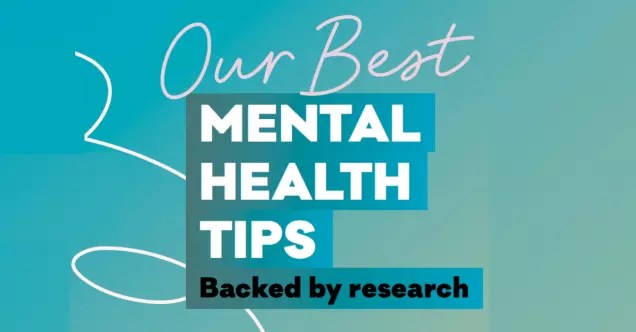
The 11 most effective ways for people to protect their mental health are revealed in a guide launched today by the Mental Health Foundation.
The free guide, Our Best Mental Health Tipsis based on the Foundation’s own ground-breaking study on what protects people from common problems such as anxiety and depression.
Dr Antonis Kousoulis, who led the research and is a Director of the Foundation, said: ‘Our new guide encourages us to take care of the fundamentals of life – our relationships, our experiences, our bodies and our finances.
‘The evidence shows that this is far more likely to keep us mentally healthy than the gimmicks and miracle cures promoted by some in the ‘wellness’ industry, who prey on our vulnerability.
‘The truth is, there are no quick fixes for good mental or physical health. What works is developing healthy habits in our daily lives, that help us to feel OK and able to cope with everything.
‘For example, in our new guide we talk about getting more from our sleep, learning to understand and manage our feelings, planning things to look forward to and getting help with money problems.’
The full list of mental health-promoting actions suggested by the new guide is as follows:
Get closer to nature
Learn to understand and manage your feelings
Talk to someone you trust for support
Be aware of using drugs and/or alcohol to cope with difficult feelings
Try to make the most of your money and get help with problem debts
Get more from your sleep
Be kind and help create a better world
Keep moving
Eat healthy food
Be curious and open-minded to new experiences
Plan things to look forward to
Most members of the public involved in the study had experienced their own, or family members’ problems with mental health, so had the benefit of hindsight when assessing what helps most with prevention.
The new guide (and the research on which it is based) acknowledges that people may be unable to follow some of its suggestions, for instance because the place they live makes it impossible to sleep well or spend time close to nature.
Dr Kousoulis added: ‘Enjoying good mental health should be an equally accessible goal for all of us, yet it is often out of reach for many. Government action is needed to create the circumstances that solve problems that are beyond individuals’ reach, and help prevent people having problems with mental health in the first place.’
You can download the new guide free of charge from the Mental Health Foundation website.You can also order hard copies by post, with a small charge.
About the Mental Health Foundation
Our vision is of good mental health for all. The Mental Health Foundation works to prevent mental health problems. We drive change towards a mentally healthy society for all, and support communities, families and individuals to lead mentally healthy lives with a particular focus on those at greatest risk. The Foundation is the home of Mental Health Awareness Week www.mentalhealth.org.uk
This is a non sponsored article written by the Mental Health Foundation.
Whether it is addiction to alcohol or drugs, deciding to seek treatment for substance abuse is never an easy decision. If it is a family member or yourself who has a problem with substance abuse, there are certain signs that will indicate it’s time to seek treatment at a qualified facility. Though it may be hard to admit, here is how you will know the time has come to admit professional help is needed.
Changes in Personality
If you have major personality changes eg you were once very outgoing but now are withdrawing from those closest to you, this can indicate you may need treatment for a substance abuse problem- you could also be struggling with depression . Another indication is if you lie about your addiction to those you love and try and keep it secret.
Financial Problems
If you are addicted to drugs, it won’t take long for this problem to result in you having severe financial problems. Whereas in the past you always had money to pay your bills, you now find yourself having to ask others to help you out financially. Eventually, you may lose your car and even your home. Seek help for your finances when you are able to- perhaps a friend of family member could help you.
Incidents with Law Enforcement
As you live with addiction, you may find that you commit crime or do things you wouldn’t normally do. This may include getting arrested for drunk driving, possession of drugs, or even more serious crimes such as theft or assault and battery. Once this cycle begins, it will worsen very quickly, which is why you should seek out substance abuse treatment as soon as possible. Drugs and alcohol can change your behaviour.
Physical Problems
When you are drinking or doing drugs regularly, this will ultimately take quite a toll on your physical health. While the most common signs may be relatively minor such as nosebleeds or eyes that are constantly red, you may also start to notice other signs. Look for signs of liver damage, increased blood pressure, or trouble breathing. Once these signs become evident, you need to get medical treatment as well as substance abuse treatment for your mental health. Look after your body as it can take a battering when you are addicted to substances.
Losing Your Job and Marriage
When substance abuse problems get very bad, your job and marriage may be at risk of being lost to you forever. You may find yourself suddenly being faced with the prospect of being unemployed and possibly divorced due to your ongoing battle with drugs or alcohol. Addiction can sadly strain relationships and make you unreliable at work too, because you are unwell and can’t get better. At that point, if you hit rock bottom, you may admit you need help for your addiction.
Taking that initial step in seeking treatment will be tough. However, doing so will enable you to get your life back on track and overcome your addiction to drugs or alcohol.
There are many places that offer specialised drug and alcohol treatment in the UK and globally. Check out Alcoholics Anonymous, Mind and Action on Addiction.
This article was written by freelance writer Rachelle Wilber.
I first heard about Lithium carbonate, a natural salt and the ‘gold standard’ medicine for bipolar disorder, when I was in my teen years. My dad was taking it to help his bipolar episodes- Lithium is known to stabilise mood and stop mania and depression from occurring or lessening their impact. I knew then that it was quite a strong drug, that you would need blood tests and that it caused weight gain. But it really helped my dad with his illness.
Fast forward to 2004, I was just 16 and had been diagnosed with bipolar in hospital. My brain was still growing and both I and my psychiatrist were reluctant to try Lithium at that stage, so I was started on Carbamazepine, another mood stabiliser. It was only when this medicine stopped working about 10 years later in 2014, when I was struggling with suicidal depression and anxiety (which then turned into a manic episode that I was hospitalised for), that I seriously considered taking Lithium to help me, like it helped my dad.
Lithium was first found to have benefits for patients with bipolar disorder in the 1950s, with a discovery by psychiatrist John Cade. Even today, we still don’t know what causes the disorder, but it is believed that Lithium stabilises mood – particularly mania. The psychiatrist.com notes this,
‘The real breakthrough in lithium therapy came in 1952, when Erik Stömgren, a Danish psychiatrist and head of the Aarhus University psychiatric clinic in Risskov who had read Cade’s article, suggested to a staff psychiatrist at the hospital, Mogens Schou, that he undertake a randomly controlled study of lithium for mania. Random controls were just being introduced to psychiatric drug trials at that time, and Schou randomly assigned patients to lithium or placebo by the flip of a coin. His results were published in a British journal with the article concluding, “The lithium therapy appears to offer a useful alternative to [electr[electroconvulsive therapy] since many patients can be kept in a normal state by administration of a maintenance dose.”
For me personally, Lithium treatment has changed my life in a number of ways- both good and not so good. Lets start with the good, I havn’t had an episode of mania and psychosis or suicidal severe depression in 8 years, which is largely down to medication helping my bipolar brain chemistry. It has worked for me- which is amazing- and I never thought I would find an effective treatment to help me. I have bipolar 1, the most severe type and although Dad has the same and was helped, I never thought it would lead me to remission. In fact, in 2014 when I was under the home treatment team after hospital, one of the nurses asked me to consider whether Lithium might not work for me and I might have to live with episodes… needless to say I cried as was very fragile and asked her to leave! She was wrong, thankfully.
On to the bad things: Lithium in combination with an antipsychotic Quetaipine has caused me to put on a lot of weight, as it slows metabolism. I also have to have 3 monthly blood tests to check my lithium level is within the correct range as too much is toxic to the body. Thankfully, I drink enough water and eat enough salt so I have never had a toxic reading but its a very careful balance..I have to always look after myself. Another bad side effect is skin sensitivity and acne- Lithium causes spots- so I have had to adapt my skincare regime and diet accordingly. Sometimes certain foods plus Lithium can trigger this too. Again, I have to pay more attention to my physical health as a result of taking Lithium and Quetaipine
The weight gain in particular has been a worry for me and is something I am working on., especially as diabetes runs in my family. Then there is the Lithium thirst…
Lithium as mentioned is a salt, and as it metabolises in the body, makes you incredibly thirsty. You have to be careful not to get dehydrated. Hence my love affair with Robinsons squash and the occasional ice cold fruit juice. No matter how much I drink, I can never fully quench my thirst, even if well hydrated. Lithium thirst is not the easiest… but Robinsons is my friend as its lower in calories and more delicious than plain water! And now I am thirsty again… haha
So I have a love-hate affair with Lithium. Brilliant for my mental health, not so great for my physical health at times. There is also a concern because over time Lithium can cause kidney and thyroid issues, which is why I have blood tests too. So its not perfect, but it really helps me to live my life and have stable mental health. Over time, its important i am monitored. I have been on it 8 years, but it could start causing problems at some point.
Additionally, when I please G-d get pregnant one day, my lithium levels will need to be monitored (but thats a blog for another time).
I don’t have nausea or trembling on Lithium which is good, but the other side effects (particularly weight) have not been so pleasant. I am so grateful though to have a medicine that keeps me well and out of hospital, able to live a life that some others take for granted.
Thanks to all who voted for this blog. If theres anything else you’d like to know, just ask a question and I will respond.
When you suffer from low confidence levels, almost every task can seem unachievable. This can have a severe impact on your quality of life, causing you to feel down and miserable at the best of times, so it’s something that you should certainly aim to change in order to enjoy each day to the fullest! Fortunately, this guide contains everything that you need to know to boost your confidence levels like never before, and it couldn’t be simpler to get started today! So, if you’re interested in finding out more, then read on to discover some of the best tips and tricks that you can utilize today to transform the way that you feel about yourself in no time at all.
Source Some New Clothes
Is there any better feeling than throwing on a brand new outfit that shows off all of your favourite features? Sourcing some new clothes can be a brilliant way to boost your confidence levels, as wearing a different outfit from your usual comfort zone clothing can help you to feel head and shoulders above your previous self. Stepping outside your comfort zone is where the magic really happens, so spend a day at your favourite shopping mall or online shop and try on/view a variety of different outfits that you love but wouldn’t usually wear. It can be hard to love your body shape and yourself, so take time with this.
You’re bound to find numerous different outfits that you feel more than confident in, especially if you grab those pieces that you wouldn’t usually consider or that you know flatter you! There are so many different places to buy clothing so don’t fret if you don’t have a shopping mall nearby – simply check online and you’ll be able to source countless different shopping platforms filled to the brim with beautiful clothing that you can order for delivery straight to your door!
Transform Your Smile
It’s fair to say that your smile is probably one of your most notable features, as it’s a way of greeting someone new, someone you respect or someone you love. Your smile is the first thing that a person is likely to notice about you too, so if you don’t feel confident about your smile, you may choose not to put on a happy expression in any situation.
This can discourage people from wanting to approach you, which will no doubt send your confidence levels even further down, so improving your smile is a sure fire way to feel better about yourself! Invisible braces are one of the easiest and most effective ways to realign your teeth, whereas professional whitening can get rid of discolouration and staining.
No matter what kind of dental treatment that you seek out, make sure you find the best cosmetic dentist to carry out your procedure. You don’t want to risk ruining your smile, so read reviews and check for certifications beforehand.
Practise self love and compassion
Its important to boost your confidence by giving yourself some love too! Work on your mindset, say positive affirmations, learn to love yourself and write a list of your best attributes. Ask friends what nice things they would say about you and keep it in a notebook for those low confidence days! If you find it hard to love yourself or be kind to yourself, reach out to a therapist or coach who can help you to work through confidence and self esteem issues.
When a loved one suffers from addiction, it can have just as much of an influence on your life as it does on the addicts. This is especially true if the loved one is a parent or a close relative. Children of addicts within a family are undoubtedly the most affected by addiction. This is particularly true if the addict’s children are still growing up. Unless you’re young or elderly, it’s difficult to cope as the child of an addict. Addiction has the potential to destroy a family. A parent is a glue that ties a family together; if they are addicts, the children must mature and become the house’s adults. This can have a significant negative impact on children’s mental health.
What are the Feelings of an Addict’s Children?
Children look up to their parents as role models. Parents who become addicted to drugs or alcohol, on the other hand, are only concerned with their addiction. Understanding that addiction is an illness is crucial for children of addicts. This is because long-term substance misuse changes the chemistry of an addict’s brain. As a result of this, an addict’s brain is rewired over time as a result of their substance misuse. As a result of their addiction, addicted parents can exhibit poor judgment and decision-making, a lack of self-control, and deviant behaviour choices.
What Can Children Do to Assist Parents Who are Battling Addiction?
Drug and alcohol addiction can have both short- and long-term impacts. Substance misuse can disrupt even the calmest and most loving relationships. When family members quarrel, it becomes commonplace. The level of trust begins to erode. If a relative who consumes illegal substances acts angrily or hides their condition in secrecy, relatives may grow concerned.
Marriages may disintegrate as a result of addiction-related changes. Communication gets more difficult as displeasure is highlighted. In addition, children often take a step back from their parents to separate themselves from them. Family members may observe their loved ones endure the negative effects of drugs or erupt into rages while inebriated. Others may notice that their relatives have lost weight and are no longer recognizable.
How Can I Help an Alcoholic Parent?
Parents are blessings, so if they are addicts you can try to help them recover- but ultimately they must accept help. Here are some of the things you can do to help them.
Be Supportive
A person suffering from drug or alcohol addiction needs the support and love of family members. They need someone who will understand what they are going through. As a child, one should make sure that you are fully aware of the supportive needs of your parent- but equally you can’t fix everything.
Talk to them
Talking helps a lot. An addict thinks that everyone is trying to distance themselves from them and if your parent feels like someone is trying to talk to them- they may appreciate it. Children of addicts should make sure to spend some time with their parents, where possible and if able. It can be very difficult to see your parent struggling with addiction and can be harmful also, so you will need to weigh this up.
Encourage Addiction Treatment
Addiction treatment is the only way to treat drug and alcohol addiction. Children of addicts should be aware that to help their parents they should suggest an addiction treatment program near them. Here are some addiction treatments that you can recommend to your parents:
Dual-diagnosis treatment for co-occurring disorders
Medicated-assisted treatment (MAT)
Inpatient
Outpatient or Intensive Outpatient addiction treatment
Telehealth addiction treatment is a new form of treatment where a patient can receive treatment while being in their own homes. So if your parent avoids or doesn’t want to leave home for addiction treatment, suggest they get Telehealth addiction treatment.
Avoid Fighting with them
There is no need to fight with your parents. They are already going through a very tough time. Try to avoid any sort of confrontation with them.
Make them Feel Wanted
Addicts need their children to make them feel wanted. Spend some time with them. Take them out and have a nice dinner every once in a while.
In The End…
An addict’s brain is rewired, and quitting addictive substances is more difficult than it appears. When a person becomes addicted to drugs or alcohol, his or her brain becomes fully reliant on them to function. As a result, when addicts cut back or stop taking opioids, they may experience uncomfortable withdrawal symptoms. Because they are terrified of experiencing withdrawal symptoms, addicts are sometimes discouraged from attempting sobriety.
As much as you may despise your parent for acting the way they do and refusing to seek treatment, you must respect their decision. Simply take a deep breath and recognise that your parent is afflicted with an ailment over which they have no control.
This article was written by Chaye McIntosh. You can see more about treatment here
An estimated 45 million people in the United States (and many millions globally) go on a diet each year to try and shed extra pounds. While exercising and eating healthfully is important, obsessing over losing weight can turn into an eating disorder.
Eating disorders present in a variety of different forms such as bulimia, anorexia, and/or binge eating. Staying aware of the symptoms of an eating disorder and what you should do should you develop one can help you stay healthy.
Different Types of Eating Disorders
Though problems with food can manifest in different ways, there are three main types of eating disorders.
Bulimia: Those with bulimia typically eat large amounts of food and then purge the food afterward by vomiting or using laxatives
Anorexia: Those with anorexia avoid eating or eat extremely small amounts of food
Binge eating: Those with binge eating may eat large amounts of food in a short amount of time
Look for Common Symptoms of Eating Disorders
One of the best ways to determine if you have an eating disorder is by watching for symptoms in your own habits and behavior. These symptoms may also be noticed by your friends, family, or other loved ones. Some of these symptoms may include:
Having a fear of gaining weight or growing fat
Withdrawing from activities with family and friends
Becoming secretive and lying about it
Experiencing anxiety and depression
Feeling an intense fear of certain foods, such as foods that are sweet or have high levels of fat
Obsessing over the number of calories and food eaten
Avoiding situations that involve food
Attempting to lose weight by purging, using laxatives or over-exercising
Weighing yourself daily or multiple times per day
If you suspect you have an eating disorder, know that you aren’t alone and that help is available. Be proud that you are taking the first step and seeking help. It may be helpful to identify ways that you are not feeling in control in your life and the way you feel around food.
Keeping a journal of these feelings is a great way to learn more about your habits and identify the feelings that triggered your eating disorder. Next, talk with your insurance company (if in the US) or NHS/ privately if in UK and seek out a reputable doctor for eating disorder treatment. There are many specialists, counsellors, and rehabilitation centers available who are highly experienced in helping people recover from their disorder. Please note that the NHS may have waiting lists but seeking help is so important to find recovery.
Having an eating disorder often means you feel a lot of shame about yourself and your eating habits. Talking with a doctor and/or therapist can help you let go of this shame so you can love yourself and take the first steps on your road to healing.
This article was written by freelance writer Rachelle Wilber.
Trigger warning: discusses sexual violence and mental illness.
I have known about the incredible speaker, author and advocate Madeleine Black for a while, through my Dad Mike. She is an outstanding and powerful advocate of courage after adversity, of hope after despair and of resilience despite intense pain. For me personally, coming from the same community, I feel that Madeleine is a shining light to so many- as sexual violence has historically not been talked about openly.
Please note the rest of the article will discuss Madeleine’s journey with sexual violence and how she was able to move forward.
Used, Beaten but Never Broken.
”I remember wishing they would kill me to make it all end.”- Madeleine Black
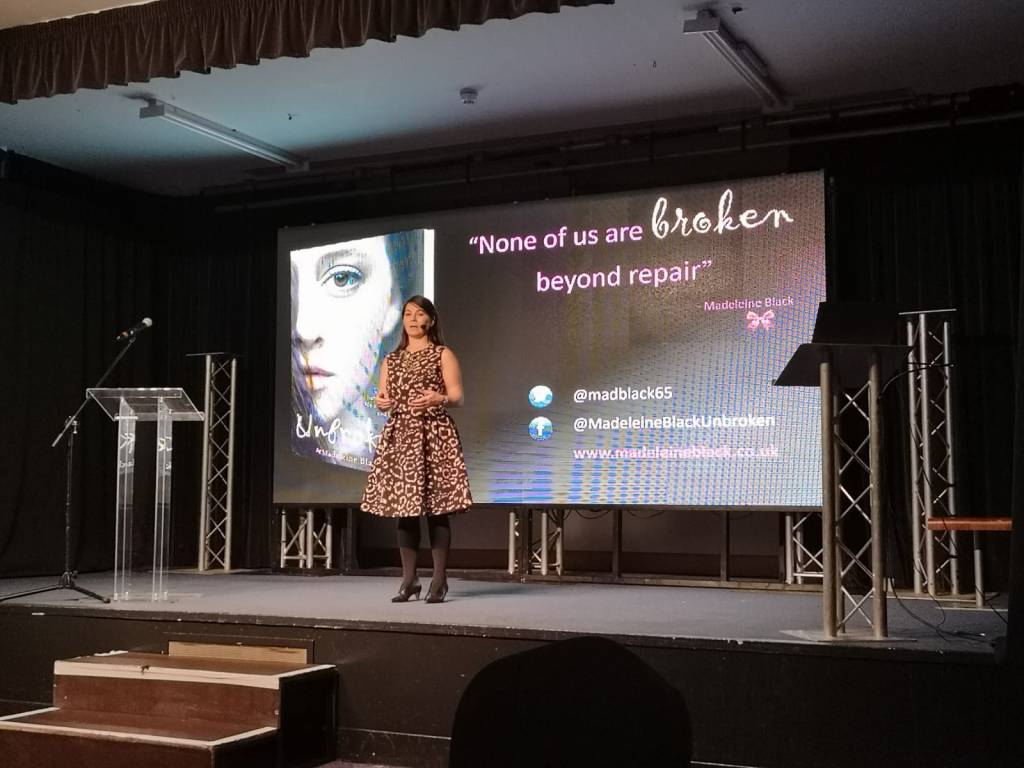
It takes courage to speak the unspeakable. But for many years, Madeleine Black felt too afraid and too ashamed to utter a word of what happened to her. Violently attacked at the age of thirteen, her story is one of pain – but also of healing, resilience and forgiveness. Madeleine uses her personal and moving story to show us that it’s not the events in our life that define us, but by how we choose to reclaim our lives after them. How we become unbroken.
Madeleine grew up in Glasgow, Scotland and London into a loving Jewish family. At the age of 13, she went out with a friend in a group to a cafe in London, drank alcohol for the first time (like a normal teenager) and met two male international students that night, acquaintances of her friend. They took advantage of her age and vulnerability. Instead of dropping her home safely as she was drunk and could not consent, they carried her to a nearby flat and violently gang raped her, leaving her with terrible injuries. Her friend was sleeping in the next room. Madeleine talks of seeing herself floating above her body as if she wasn’t really there – dissociation as a trauma response. She was told by one of the men that if she told anyone about the gang rape, they would come and kill her.
Madeleine has said, ‘For many years after that night, my memories of what happened after he held the blade to my throat and threatened my life were fragmented… difficult to piece together. It was too extreme, too violent for me to understand.’
Madeleine struggled with her mental health following this trauma at such a young age. Living in a state of shock and self-loathing, it took her years of struggle to confront the buried memories of that first attack and begin to undo the damage it wrought, as men continued to take advantage of her fragility in the worst possible way. Madeleine was raped three more times before the age of eighteen, experiencing more trauma in her life than most ever will. Due to the aftermath of the trauma she faced, Madeleine used drugs and alcohol to numb the pain and developed phobias and an eating disorder. While she couldn’t remember lots of details of that night, it left her feeling ‘worthless, dirty and contaminated’. She had a suicide attempt by overdose, hoping to end her life and had her stomach pumped. She was then admitted to a childrens psychiatric unit struggling with suicidal depression and self harm.
After a few years, she eventually found the courage to tell her parents what really happened to her. After growing up with burdens no teenager should ever have to shoulder, she found the heart to carry out the best revenge plan of all: leading a fulfilling and happy life. She met her husband, a loving and kind man, who helped her to heal from the traumas she faced with men and they are happily married and have children together, three daughters. Madeleine learnt through this that she is loveable and she is loved.
(image: Forgiveness Project/Madeleine black)
However, piecing her life back together was long and painful. Forgiveness was the key for her to move forward- not to forgive the act of rape- but to understand what led the rapist to do so. It takes a real desire to understand those who have done us so much harm. It is the ultimate act of courage.
Madeleine has said,
‘I want to end the shame, stigma and silence surrounding sexual violence enabling others to find their voice, whatever their story is. I want people to know that it’s not what happens to us that is important but what we do with it. I will show how changing my mindset tapped into my resilience and transformed my life, making people question their own thinking and encouraging them to see that there are always choices to make, and if we choose to, we can get past anything that happens to us in life both professionally and in our personal life. I wants to encourage others to live their life courageously too; but ultimately, I want to inspire hope and show people that we are all so much stronger than we think we are.’
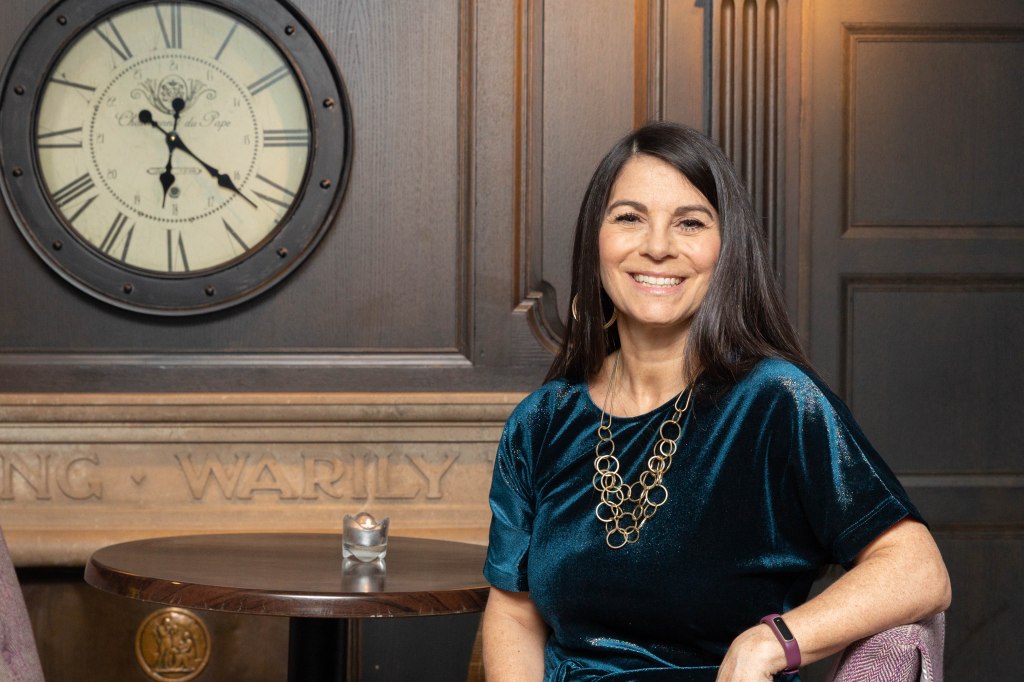
(image: Madeleine Black)
Madeleine found that since the attack, she had been burying memories and started to experience flashbacks when her daughter turned 13, the same age as when she was raped. This can be a part of PTSD- post traumatic stress disorder. She learnt that she must let go of her anger and make peace with her past, as her personal journey.
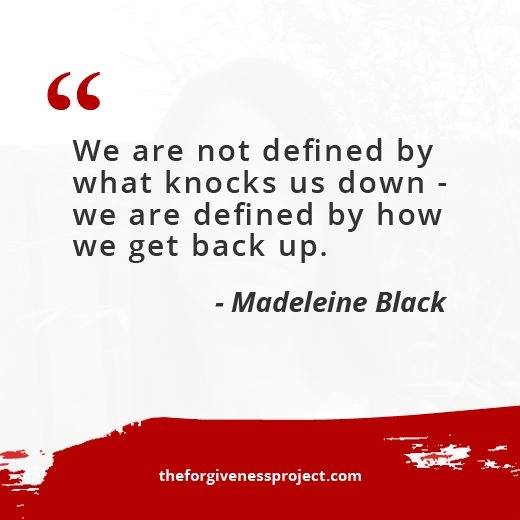
In her debut book Unbroken, Madeleine tells her deeply moving and empowering story, as she discovers that life is about how a person chooses to recover from adversity. We are not defined by what knocks us down – we are defined by how we get back up. She also hosts the Unbroken podcast where she has guests sharing their own stories of hope and courage.
Madeleine is also a TEDX Speaker sharing her journey to end the shame around sexual violence , works with the Global Resilience project and is the Patron for Say Women which helps rape and abuse survivors. She currently also works as a psychotherapist.
(image: Madeleine Black)
I will leave you with Madeleine’s words:
‘I am not my body or the things that were done to me. I am so much more than the sum of one night’
Thank you to Madeleine for giving me a copy of her book Unbroken to read and for all you do. You can get your copy here
Yesterday was the first NHS meeting with the Perinatal (pre conception/birth) Psychiatrist. I didn’t know what to expect from it, though a few weeks ago I had the non NHS meeting with a very good consultant psychiatrist. They were both lovely women who are very good at their jobs- I had had to initially try for a private referral due to NHS waiting lists, but then managed to get an NHS appointment.
I was a bit nervous to see how the NHS would handle it, as they will be who I have care with going forward, so I was pleasantly surprised to be treated with respect and insight and kindness. I know that sounds weird, but those of you who know what my hospital admission in 2014 was like, will know that it wasn’t all plain sailing. Due to lack of insight, decisions happened about me and not always with me and so to feel empowered for me and my husband is very important.
Essentially these meetings now I have been well for a long time, are to plan ahead and discuss psychiatric history, what medications are needed, how it can be managed and what this would mean for a foetus and baby too. Birth carries a strong risk of relapse with the bipolar disorder, including the risk of psychosis and depression and so medication particularly for me needs to be planned carefully. I will need to be monitored once pregnant.
I am on 3 different types of psychiatric medication and also a contraceptive pill. Before we start trying to have children, I will need to have a time of withdrawal from the pill, which could send my hormones all over the place (i used to have PMDD symptoms where I felt very depressed and suicidal on periods so this is a slight concern). Then I may need to taper down one of my medicines (possibly sertraline) with the assistance of the mental health team, to reduce the effect on a baby. As baby will have a time of withdrawal from medications after birth while in hospital- which scares me too that they will be affected temporarily so want to make sure any baby is safe, as do the team I will work with.
The Dr also mentioned I would need to be in hospital for 5 days after birth so my Lithium level can be monitored (too high it can be toxic to humans) and I will need regular blood tests also- which are a source of anxiety, I hate hospitals due to past trauma. There was also a mention of needing to stop Lithium pre Labour and my Lithium levels as a result being quite high from birth too. So this information is good, knowledge is power but its also a bit terrifying to factor this all in.
I am scared but its also…. exciting in a weird way. Despite not yet trying to fall pregnant for a number of reasons so far- (which include possible bipolar relapse and changing meds/ time frames and starting a new job role), I have wanted to be a mother my whole life and I have more challenges than most due to the psychiatric and hormonal changes and how the baby would be. I question whether I am doing the right thing too by trying for a natural pregnancy in future and thats really hard. But egg harvesting and surrogacy is not easy either.. and its like going between a rock and a hard place at times with the best thing to do.
The doctors also mentioned I should visit a mother and baby hospital unit during my pregnancy to see what its like and what support is given- as my worries about it being like a severe psychiatric ward are high. Apparently, its a much calmer, supportive and therapeutic environment. I don’t want to be in hospital but these are the types of things one has to factor in with the bipolar being biological with mood changes.
Rob is endlessly supportive – we are embarking on a somewhat unknown journey – but are now armed with way more information from both psychiatrists and are very thankful to live in the UK.
So, this will be the last update from me on this for a while but knowledge truly is power and I know that with the help of our healthcare system- mental health teams and perinatal psychiatry/ obstetrics, my family, medication, self care etc I should be safeguarded and cared for well.
When the time is right, we pray our miracle will manifest.
Thanks for reading,
Eleanor x
PS shout out to my parents, Rob and family for their constant support.
Please note: this article relates to facilities and costs in Canada only.
For anyone struggling with alcohol addiction, many different types of addiction services can help. There are inpatient and outpatient programs and 12-step programs, and support groups.
Here are the four main types of alcohol addiction services and what they offer:
Inpatient alcohol addiction services
Inpatient services are typically offered in a hospital or rehabilitation center. Patients live at the facility and receive 24-hour care. This type of service is ideal for severe addictions or those struggling with other mental health issues.
Inpatient services offer a variety of therapies, including individual and group counseling, educational classes, and 12-step programs. Patients also have access to medical care and support 24 hours a day.
The average stay in an inpatient facility is 28 days, but some programs offer longer stays.
Cost: Ranging from $500 to $1500 per day. Many insurance companies will cover some or all of the cost of treatment.
Outpatient alcohol addiction services
The services are offered in hospitals and rehabilitation centers, but patients do not live at the facility. They visit for treatment day or evening, like a Male Alcohol Addiction Treatment Program. This service is ideal for those with mild to moderate addiction or who do not need 24-hour care.
Outpatient services offer a variety of therapies, including individual and group counseling, educational classes, and 12-step programs.
The average length of treatment is three months, but it can vary depending on the patient’s needs.
Cost: Outpatient alcohol addiction services typically cost between $50 and $200 per week.
12-step programs
12-step programs are self-help groups that offer support and guidance to those struggling with addiction. There are many different 12-step programs, but they all follow the same basic steps.
Admitting you have a problem and you need help is the first step.
The second step is finding a sponsor or someone who has been sober for a long time and can help guide you through the program.
The third step is making amends to those you have hurt due to your addiction.
The fourth step is maintaining your sobriety day by day.
12-step programs are free and open to anyone who wants to join them.
Cost: There is no cost associated with 12-step programs.
Support groups
Support groups are similar to 12-step programs, but they do not follow the same structure or steps. They are simply a place where people can come together to share their experiences and offer support to one another.
Support groups have no charges and are open to anyone who wants to join them.
There are many different alcohol addiction services available to those who need help. Inpatient and outpatient programs offer a variety of therapies, while 12-step programs and support groups provide support and guidance. Choose the service you or your loved one can benefit from and get started on the road to recovery today.
This article was written by freelance writer Rachelle Wilber and contains affiliate links.









 beurownlight.com