7 Ways To Care For Yourself And Your Mental Health This Autumn/ Fall.

(image: Ella Ivanescu, Unsplash)

Autumn (or if you’re in the USA, Fall) is one of my favourite seasons. Beautiful autumn leaves, the weather getting gently cooler, cosy hot chocolates and pumpkin spice, the autumn harvest of pumpkins, snuggling in blankets with a good book or TV show and for some- walks in nature with the orange and yellow trees and landscapes. However, did you know that the clocks going back and the change in light and dark, with nights drawing in, can affect your mental health? Studies have shown that when its darker, people are more prone to depression and anxiety and some (like myself at times) struggle with Seasonal Affective Disorder.

There are many ways to take care of yourself if you feel your mood dipping or you are becoming more anxious. If you feel it is affecting your daily functioning, please reach out for support from your doctor (and if you have one, a therapist or psychologist). Here I talk about a few tips to help support your mental health this Autumn.

  1. Make sure you rest as well as play and work

Work can become all consuming, but if you prioritise rest this season too, your body will thank you. Autumn is all about slowing down, recovering, resting (and for animals (and some humans) hibernating). Yes you can work and play hard if you prefer, but make sure you find that balance to support your wellbeing. In our busy lives and for those who are parents or just struggling with their mental health, self care can slip. Practising good self care- eating well, resting, gentle exercise, can really help our minds.

2. Release Control- Give Stress Over

Gabby Bernstein, my favourite spiritual teacher, often says ‘Release control to find peace, surrender it to the Universe’. Surrendering means not obsessing about what we can’t control, but giving it over to a higher power or the universe. This can really help when we feel overwhelmed and stressed, to pray and meditate or simply write down how you are feeling and then ask the universe to take it from you. Journalling thoughts and feelings can help too.

3. Nature walks

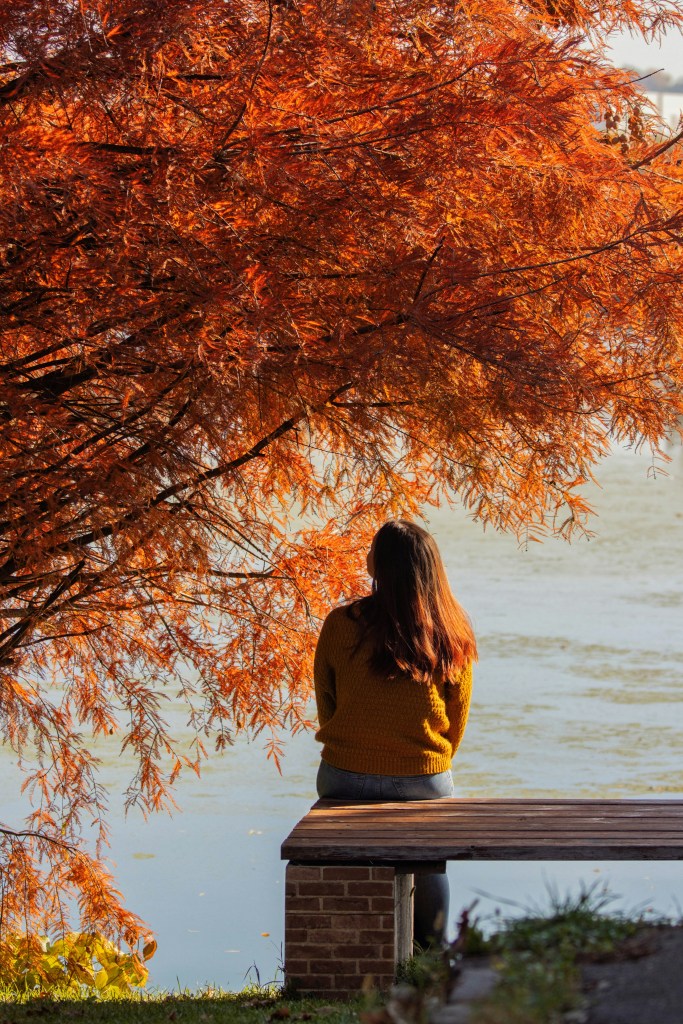
Despite the cold, this Autumn, walking in nature can help get the blood pumping and our minds to reset. Sometimes going with a friend, spouse or family member can cheer you up- there is something about the colours of nature, the soft greens that is truly calming.

(image: Erika Mendes, Unsplash)

4. Make your home cosy

Whether its getting some new cushions or blankets, fairy lights or lamps, investing in cosy and light interiors for the darker seasons is a must! I like to use lamps when the nights draw in.

5. Get enough sleep (but not too much!)

During the Autumn/ Winter period, most of us naturally want to hibernate in the evenings. Sometimes this period can make depression and anxiety worse. I know with my bipolar that sometimes I feel lower or more anxious. Getting enough daylight and if you struggle with seasonal affective disorder, use an SAD lamp, which can help you to wake up gently in the mornings. Similarly, make sure you get enough sleep for you to keep your mental and physical health at its best. Depression can cause us to sleep longer hours and hide away- I find daytime distractions can help me not to sleep too much.

6. Take your medication as prescribed

If you struggle with mental health in winter and are prescribed antidepressants or other meds, do not suddenly stop them as this can cause a relapse in your mental health. Make sure you speak to your doctor first!

7. Treat yourself

Treat yourself to a hot chocolate (or pumpkin space drink) and a good book or TV show, wrapped in a cosy hoodie or blanket. You deserve it!

Wishing you all a wonderful and well Autumn/Fall season.

Eleanor
On Mindfulness And Waking up And Smelling The Roses (Literally!) by Eleanor

(image: Nkni, Unsplash)

Sometimes the world and life gets so busy, hectic and at times, very dark. We are bombarded with negative stories and awful news, social media means we have access to this constantly and everyone is always going through something difficult in life. Whether its struggling with your mental health or whether life events come and derail your mood, life can be challenging.

What I learnt this week was that sometimes I can stay too much in my head and own space, worrying, overthinking, overplanning- because I care too much. It can be hard when you’re an emotional person to stay always rational and content. Gratitude is hugely important for this, being thankful and giving it over to the universe or higher power. However, I wanted to share with you how nature got me out of a worried, controlling (of my own universe) place…

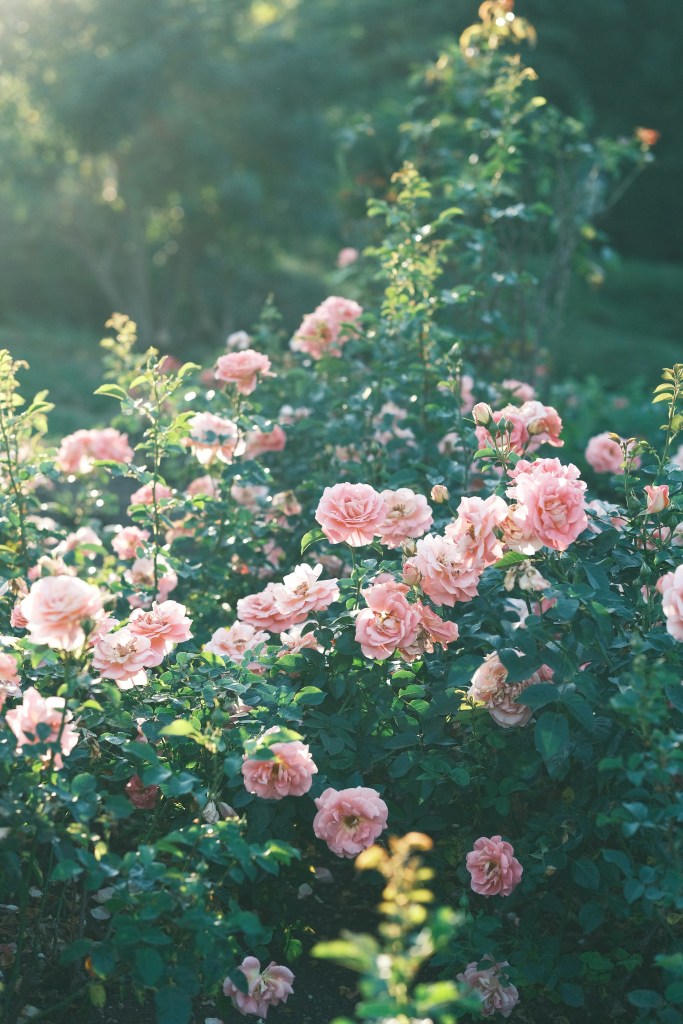
I had spent all day working at home, hadn’t been out and decided to go out to visit my Dad with Rob. It sounds so small but I was instantly taken with the array of beautiful roses and flowers in people’s gardens. The zesty orange roses, their pale pink delicate friends, shocking pink bright roses and white ones poking their heads amongst the other colours. And as we arrived in my Dad’s road, each house had so many stunning roses.

It made me so much more mindful and content, to be in nature and just really appreciating our world. So thats my message for you today- step outside and smell the roses, because we can often miss them when we’re on our devices or not mindful and present in the world. Have a small walk if you can, take in fresh air, go and visit the flowers and the trees and breathe.

Have a lovely weekend,

Eleanor

From Farm To Face: The Rise Of Herbal Skincare For Wellness by Amy Jones

(image: Pexels)

Skin care is more than just a simple product in 2025., it’s become a non-negotiable for those hoping to achieve youthful, blemish free skin that looks plump and clear at all times. The makeup gurus have come clean. The key to great looking makeup is great skin. Not only that, chemical free, ‘kind’ skin care is the key to great skin. This level of untoxic, less processed and natural skin care can be best found through the means of herbal skin care.

This type of skin care is great for general self-care and improving wellness in body and mind. If you understand the benefits of herbal teas for your gut health and overall bodily functions, just consider how great herbal skin care might be for your face? 

Let’s get into the ins and outs of what herbal skin care is, and how it’s been the answer to clear skin for perhaps the last few centuries, yet we’ve been marketed to think otherwise!

Is Herbal Skincare Considered ‘New’?

Not at all. In fact, herbal skincare is one of the oldest beauty secrets in existence. Ancient civilisations, from Egyptian royalty to Chinese dynasties, relied on herbs, flowers, and plant oils to maintain their youthful glow. Cleopatra was known for her rose and honey-infused skincare rituals, while Ayurvedic practices have long used turmeric and neem to treat skin concerns.

The real question is why did we ever stop? The rise of mass-produced, synthetic skincare created a shift away from traditional herbal remedies, replacing them with chemicals and preservatives that promised instant results. But fast-forward to today, and we’re circling back. People are finally recognising that natural, plant-based skincare is not just effective but also safer for both our skin and the environment.

How Does Herbal Skincare Differ from Conventional?

The difference is simple: herbal skin care relies on nature, while conventional skin care relies on labs.

Conventional skincare products often contain synthetic ingredients, parabens, sulfates, and artificial fragrances, many of which can be harsh, irritating, or even harmful to long-term skin health. Herbal skincare, on the other hand, harnesses the power of botanical extracts, essential oils, and natural minerals to nourish and heal the skin from within.

It’s not just about what’s in the product but also about what’s not in it. Herbal skincare skips the fillers and preservatives, focusing instead on nutrient-rich ingredients that your skin can actually recognise and absorb. The result? A healthier, more balanced complexion without the risk of toxins.

The Most Common Herbal Ingredients & What They Do

Nature has given us an abundance of skin-loving ingredients. Here are some of the best herbal powerhouses and what they bring to your skincare routine:

  • Aloe Vera – Deeply hydrates, soothes irritation, and speeds up skin healing.
  • Chamomile – Calms redness and inflammation, perfect for sensitive skin.
  • Rosehip Oil – Packed with vitamins A and C, promoting collagen production and skin renewal.
  • Green Tea – A powerful antioxidant that protects against environmental damage and premature aging.
  • Calendula – Known for its antibacterial properties, great for acne-prone and sensitive skin.
  • Turmeric – Brightens skin tone and fights breakouts with its natural anti-inflammatory properties.

These ingredients have been used for centuries, proving that skincare straight from the earth is more than just a trend—it’s a lifestyle. It’s also brilliant if you want to care for yourself and your skin.

The Sustainable Benefits of Herbal Skincare

Beyond its skin-enhancing benefits, herbal skincare is a game-changer for sustainability. Unlike mass-produced products that contribute to pollution and waste, farm-to-face skincare focuses on ethical sourcing, eco-friendly packaging, and minimal processing.

  • Biodegradable ingredients – No microplastics or synthetic chemicals washing into the ocean.
  • Support for small farmers – Many herbal skincare brands work directly with local growers, ensuring fair wages and ethical harvesting practices.
  • Reduced carbon footprint – No heavy industrial processing means fewer emissions and a cleaner planet.

Choosing herbal skincare isn’t just about looking good—it’s about doing good, too.

How to Add Herbal Skincare into Your Routine

Switching to herbal skincare doesn’t have to be complicated. Here’s how to make the transition effortless:

  1. Start with a gentle cleanser – Try a honey-based or aloe-infused cleanser for a refreshing, non-stripping cleanse.
  2. Use herbal toners – Rose water or witch hazel can balance your skin’s pH and tighten pores naturally.
  3. Hydrate with botanical oils – Jojoba, rosehip, and argan oil deeply nourish without clogging pores.
  4. Incorporate herbal masks – Try DIY masks with turmeric, yogurt, and honey for an all-natural glow.
  5. Check your labels – If a product claims to be “natural,” make sure it actually contains plant-based ingredients (and not just clever marketing).

Bottom Line

Herbal skincare isn’t a fad,  it’s a return to what our skin was always meant to thrive on. Boost your self care and mental health today with wonderful, natural ingredients. With cleaner, safer ingredients, sustainability benefits, and centuries of proof behind it, farm-to-face beauty is here to stay, and we’re excited to embrace it!

Amy Jones is a freelance writer.

5 Ways To Make Your Home A Peaceful Environment by Lizzie Weakley

(image: free image)

Creating a peaceful home environment is essential for your mental and emotional well-being. Your home should be your sanctuary, a place where you can relax, unwind, and recharge. If you’re looking to transform your living space into a peaceful oasis, look no further. This blog post will explore five simple yet effective ways to make your home a more tranquil and harmonious place.

Declutter and Organise

One of the first steps in creating a peaceful home environment is decluttering and organising your space. Clutter can lead to feelings of overwhelm and stress, so take the time to go through each room and get rid of any unnecessary items. Invest in storage solutions such as bins, baskets, and shelves to keep things organised. By decluttering and organising your space, you’ll create a sense of calm and serenity in your home.

Bring Nature Indoors

Bringing elements of nature into your home can have a calming effect on the mind and body. Consider adding houseplants to your living space, such as peace lilies, snake plants, or succulents. Not only do plants improve air quality, but they also add a touch of greenery that can help reduce stress levels. You can also incorporate natural materials such as wood, stone, or bamboo into your decor to create a soothing atmosphere.

Create Cozy Spaces

Another way to make your home a peaceful environment is by creating cozy spaces where you can relax and unwind. Invest in comfortable furniture such as plush sofas or armchairs, soft throw blankets, and fluffy pillows. Create reading nooks or meditation corners where you can escape from the hustle and bustle of daily life. By designing cozy spaces in your home, you’ll encourage relaxation and tranquility.

Take Care of Any Necessary Repairs

It’s hard to feel at peace in a home that has broken appliances or leaky faucets. Take care of any necessary repairs around your house to maintain a harmonious environment. Fixing squeaky doors, repairing cracked tiles, drain cleaning, or replacing faulty lighting fixtures can make a big difference in how you feel about your living space. By addressing these issues promptly, you’ll create a sense of order and serenity in your home.

Establish Daily Rituals

Finally, establish daily rituals that promote peace and relaxation in your home. Whether it’s enjoying a cup of tea in the morning, practicing yoga before bed, or taking evening walks around the neighborhood with your family, incorporating rituals into your daily routine can help create harmony in your living space. Set aside time each day for self-care activities that nourish the soul and bring joy into your life.

Creating a peaceful home environment is essential for your overall well-being. By decluttering and organising your space, bringing nature indoors, creating cozy spaces for relaxation, taking care of necessary repairs around the house, and establishing daily rituals that promote peace and tranquility—you can transform your living spaces into sanctuaries where you can truly thrive. Remember that small changes can make a big impact when it comes to creating a peaceful atmosphere at home—so start implementing these tips today!

Lizzie Weakley is a freelance writer.

The Subtle Joys Of Escaping City Life And Returning To Nature.

(Image: Simon Godfrey, Unsplash)

Getting out of the city and returning to nature is one of the best ways to improve your mental health – at least, for some people. However, it is also one of the least-discussed options on blogs and by the medical community. There’s an assumption that where you live has little effect on how you feel, but that couldn’t be further from the truth. 

Theories about why cities are so damaging to mental health vary. However, some researchers believe that it stems from a so-called evolutionary mismatch. We evolved in nature, yet cities present us with a radically different environment that changes how we feel by exposing us to excessive light, busyness, and people. 

Here are some of the subtle joys of escaping city life and returning to nature: 

Simplicity

Returning to nature or living a simpler life in a smaller community can give you a sense of simplicity and quietness. It gives you time apart from the endless hustle and bustle of urban life, providing your mind with a break from all the stimulation.

Nature doesn’t rush to do anything, yet harmony and perfection are achieved. As a part of that process, getting away from the city can remind you that you too are a vessel of perfection. 

Belonging

Phoning your conveyancing solicitors and getting them to help you move to a more natural setting can enhance your sense of belonging. Living in a city sometimes makes you feel like you’re an alien visiting from another world, whereas living in nature gives you a sense that you’re going along with everything else, making you feel more connected. 

New Perspectives

Getting out of the city also gives you new perspectives. The bright lights and fast pace disappear, replaced by bucolic scenes and people quietly going about their traditional lives. 

This shift can have a profound effect on your sense of joy immediately. Many people instantly feel happier the moment they move, getting out of the city, and having more space to enjoy their lives and pursue outdoor activities. 

(image: David Stratton, Unsplash)

Personal Growth And Reflection

Getting out of the city also gives you the space you need to grow and reflect on your life. You have the physical and mental space to do more inner work, concentrating on what makes you tick instead of constantly striving to fulfil others’ needs. 

This “quiet time” is something that can also give you new perspectives and help you feel more fulfilled. It gives you the impetus to try fresh and new things in your life, enabling you to experiment and find purpose and meaning where perhaps it might be lacking with a conventional city-based life. 

The Improved Environment

Finally, getting out of the city introduces you to a better environment. While the built-up world can be architecturally stunning, it isn’t always what our bodies and minds need. You can avoid breathing in exhaust fumes linked to brain inflammation and instead, enjoy the clear air every morning. You can also escape the constant din of police sirens and honking horns for a more natural noise environment.

Remember that being in nature, as part of other forms of help, can improve mental health and relaxation. Reach out to your GP or therapist for support too.

This article was written by a freelance writer.

6 Ways Living By The Waterfront Can Improve Your Mental And Physical Health By Rachelle Wilber

If you want a change in life, moving to a waterfront community may offer you a great new perspective. Buying a home that’s next to the ocean can have many advantages and improve your physical and mental health in different ways. 

Stress Reduction 

Waterfront living can reduce your stress and help you feel better physically and mentally more of the time. When you’re feeling stressed, the calming maritime scenery and the sounds of ocean waves crashing onto the shore can put you into a better mood almost instantly. The reduction in stress can also be good for your blood pressure and heart health and soothe your body and soul. 

Possibly Less Air Pollution 

You might be exposed to less air pollution if you live next to the ocean. Studies show that air pollution is often higher in valleys because of topography and temperature factors. With less air pollution, you’ll be able to breathe easier and inhale more of the clean oxygen that your mind needs to function at its best. 

Less Crowding Than in Big Cities 

Waterfront communities are often less crowded than big cities. Living in an overcrowded community can expose you more to communicable illnesses that are passed from other people. You may also feel more stressed and combative if you have to contend with large numbers of people in your daily life, and you may avoid these problems by buying a waterfront home instead. 

Chance to Connect More with Nature 

Being around nature offers you one of the best ways to minimise your problems and view life from a broader perspective. When you look out onto the ocean each day from your home, you’ll have the chance to connect with nature more and think about what’s most important in life. As you search for your new home, you can choose from many waterfront homes for sale that can put you in better touch with nature. 

Encourages More Physical Activity 

You may be inspired to get out and exercise more if you live by the ocean, which can help improve your physical fitness and keep your stress levels in check. People often like to jog and ride their bikes next to the sea, and seeing these passersby near your home can encourage you to join in on the activities. You may also be inspired to take up boating if you see boats on the water frequently. 

Cooler in the Summer 

Even though you’ll still likely get plenty of sunshine and warm temperatures if you live by the ocean, you probably won’t have to deal with the heat spikes that you would if you lived farther inland. Excessive heat can cause breathing problems and lead to other serious health conditions. The hotter temperatures can also make you feel more irritable, and living next to the ocean can help you keep your cool with the sea breeze. . With all the different waterfront homes that are on the market, you should have no trouble finding the house that’s the most suitable for you. 

Remember to think of what is best for your mental and physical health, as well as needing to be near your support networks.

Rachelle Wilber is a freelance writer based in San Diego, California.

11 Most Effective Ways for People to Protect Their Mental Health- A Guide by The Mental Health Foundation.

(image: Mental Health Foundation)

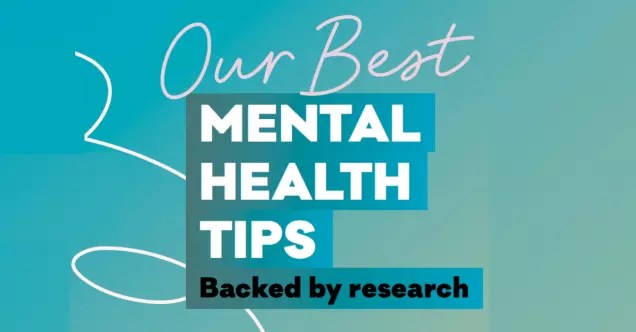
The 11 most effective ways for people to protect their mental health are revealed in a guide launched today by the Mental Health Foundation. 

The free guide, Our Best Mental Health Tips is based on the Foundation’s own ground-breaking study on what protects people from common problems such as anxiety and depression.  

The innovative study on which the new guide is based combined existing evidence about how we can protect our mental health with experts’ views, alongside the opinions of members of the public. 

Dr Antonis Kousoulis, who led the research and is a Director of the Foundation, said: ‘Our new guide encourages us to take care of the fundamentals of life – our relationships, our experiences, our bodies and our finances.  

The evidence shows that this is far more likely to keep us mentally healthy than the gimmicks and miracle cures promoted by some in the ‘wellness’ industry, who prey on our vulnerability. 

The truth is, there are no quick fixes for good mental or physical health. What works is developing healthy habits in our daily lives, that help us to feel OK and able to cope with everything. 

For example, in our new guide we talk about getting more from our sleep, learning to understand and manage our feelings, planning things to look forward to and getting help with money problems.’ 

The full list of mental health-promoting actions suggested by the new guide is as follows: 

  • Get closer to nature 
  • Learn to understand and manage your feelings 
  • Talk to someone you trust for support 
  • Be aware of using drugs and/or alcohol to cope with difficult feelings 
  • Try to make the most of your money and get help with problem debts 
  • Get more from your sleep 
  • Be kind and help create a better world 
  • Keep moving 
  • Eat healthy food
  • Be curious and open-minded to new experiences 
  • Plan things to look forward to 

Most members of the public involved in the study had experienced their own, or family members’ problems with mental health, so had the benefit of hindsight when assessing what helps most with prevention.  

The study was published in the peer-reviewed American Journal of Health Promotion

The new guide (and the research on which it is based) acknowledges that people may be unable to follow some of its suggestions, for instance because the place they live makes it impossible to sleep well or spend time close to nature. 

Dr Kousoulis added: ‘Enjoying good mental health should be an equally accessible goal for all of us, yet it is often out of reach for many. Government action is needed to create the circumstances that solve problems that are beyond individuals’ reach, and help prevent people having problems with mental health in the first place.’ 

You can download the new guide free of charge from the Mental Health Foundation website. You can also order hard copies by post, with a small charge.

About the Mental Health Foundation   

Our vision is of good mental health for all. The Mental Health Foundation works to prevent mental health problems. We drive change towards a mentally healthy society for all, and support communities, families and individuals to lead mentally healthy lives with a particular focus on those at greatest risk. The Foundation is the home of Mental Health Awareness Week www.mentalhealth.org.uk  

This is a non sponsored article written by the Mental Health Foundation.

How Escaping to the Outdoors is Beneficial for Mental Health: by Amy Sloane

outdoors1

(image: https://drive.google.com/file/d/15tymBGUxaR6XX6ThQU5dDzwgGuLBQvey/view)


There are so many people who suffer from debilitating mental disorders. Sometimes, people don’t recognise it. Often, people know something is off, but the mind is so powerful, it can convince a person that they’re totally fine. 

In many cases, it takes a person hitting rock-bottom before they recognise that they need real help. Thankfully there are ways to keep yourself as well as possible.

Consider some of the ways of escaping the outdoors can be extremely beneficial for your mental health.


1. Unplugging from Regular Life

The hustle and bustle of regular life can be very taxing on the mind. Between taking care of the children, making sure your spouse is okay, and holding down a well-paying job, you can lose yourself. Then, when you add exercise, adequate rest, and healthy eating to the equation, it can all become so overwhelming. Don’t even mention friendships. So many adults suffer from a lack of true friendships.

Thankfully, you can enjoy great food, wonderful friendships, and memories when you intentionally escape to the outdoors. Call a few friends to see if they’d be interested in going on a camping trip with you. When you all can get away to reset your minds, reconnect with one another and enjoy the fresh air, you can kill a few birds with one stone. 

Plus, vacations are necessary for mental health. When you take time for a quick sabbatical, studies show that you’ll increase your chances of showing up in a healthier way when it’s time to get back to regular life.


2. Solitude in Nature

There are countless benefits to being outside in nature. This is why camping in Utah in USA is an excellent idea. You’ll get to fall asleep under the stars, and you’ll experience true solitude. Nature is proven to help improve your overall mood. It helps you decrease any anxious feelings. 

Think about a time when you were really angry and needed to go for a walk to cool down, you’re probably not walking on a treadmill to calm down. An outdoor walk is helpful mainly because of the fresh air and the calming feeling of being in the open.

As you escape into solitude, you’ll become more attracted to activities that allow you to be outside. Whether this means that you schedule a camping trip once a quarter or you shoot hoops at the local basketball court, the feeling of being outside is unmatched. Plus, when you’re able to get outside and get active, you’ll release endorphins. 

Endorphins are really instrumental in boosting a person’s mood. They’re also helpful in boosting a person’s overall feelings of self-esteem and confidence.


3. Overstimulation

There are so many factors that come into play when you’re overstimulated. However, it’s a good idea to focus on the main culprit: smartphones. While smartphones can be amazing pieces of technology, they’re also the outlets that allow you to constantly check your email messages, respond to text messages, and scroll through social media. Even when you don’t need an update on what the President’s latest moves are, you’re getting alerts from the major news outlets.

While smartphones provide a tremendous amount of access, they can also provide a ton of overstimulation. When you’re visiting a campground, you’ll still get a signal from your mobile carrier. 

However, don’t be surprised if the signal isn’t as strong as it would be if you were at home. Knowing this, you have an excuse to pull away from all of the messages and instant responses people expect from you. Escaping to nature gives you an opportunity to put away your tech-savvy devices, put a ‘do not disturb’ message on your systems, and unplug.

As you find ways to intentionally take care of your mental health, remember that it’s not in vain. As you prioritize self-care, you’ll feel better and stronger. When nothing is wrong, it’s easy to assume that you’re completely invincible. Unfortunately, you’re not. Life chips away at you when you don’t check in with yourself. 

Even if you’re not always able to get to a campground, a simple walk around the neighborhood can help you clear your mind and get some fresh air. By escaping to the outdoors and prioritizing self-care, you can play a major role in keeping yourself sane.


This guest blog was written by writer Amy Sloane.


Best Ways to Redecorate your Bedroom to improve Mental Health: Guest blog by Rosette.

rosette2

(image: Pinterest)

In recent years, mental health has been in the spotlight because society has been starting to learn about how important it is. This is welcomed progress, as more people are now educating themselves and looking for ways to help themselves achieve good mental health. Amidst your search, you will find that small things can help, such as redecorating your room.

Creating your own space is a good opportunity to check on your well-being. Your environment has an effect on your mood and emotions. Arranging and fixing what surrounds the place where you spend most of your time at home is a simple way of focusing on yourself especially in times when you need to do so.

In times where you need to take a break and rest your mind, your room is the nearest place you can go to. If you’ve been feeling down, mentally exhausted, or feeling some unrest, how about you tweak your own space a little?

Here are the best ways to redecorate your room to improve mental health:


Declutter

If your room is messy, it’s highly likely that you haven’t done some organising in a while. I know some people like the way their room is arranged, but let’s face it, it’s a good feeling when clutter is taken away from your own space. A simple step to take to reorganise your thoughts is to reorganise your room. At times when you feel confused, try decluttering. Get rid of the stuff that you don’t need and save your brain from the distraction that a mess creates.


Let the light in

The amount of light inside your room also affects your mood. Research suggests that sunlight is thought to reduce stress and to relax the body. Keeping your space in tune with the natural rhythms of the day aids the body in maintaining the circadian clock, our internal 24-hour clock that keeps our sleep and wake cycles running regularly and smoothly. 

So move your curtains aside and open your windows to allow some natural light in your room. In addition, make sure that your curtain set lets you see the sun and if not, you can search for a DIY hardware store around your area where you can purchase the parts that you need.

Display a centerpiece that will lighten up your mood

There is something about seeing something as a centerpiece of a room that affects how you feel. A focal point inside your own space gives off the vibe that you would want to feel once you enter it. According to author Stephanie Roberts, creating a focal point that makes you happy will help you feel relaxed from the get-go. Display something that does that in your bedroom where you tend to always tend to look so you can always see it.


Get plants

Houseplants have been linked to many psychological benefits including reduced anxiety and lower blood pressure. In addition to that, plants also remind you of self-care and can give you an appreciation of the little things. Watering plants is like a reminder to take good care of yourself, while watching it grow makes you feel a sense of accomplishment and that the simple stuff that you do matters.


Make a useful layout

You should not feel lost in your room. It should be easy to navigate and see where everything is. Moreover, designate space for the stuff that you do. Declutter to find space for a desk where you can use your electronic devices at. Using your phone or laptop on your bed can interrupt your sleep cycle. Design everything to optimise your hours of rest separated from the other activities that you do inside your room and place items where it needs to be.

Wrapping up

Redecorating your room benefits your mental health and helps you feel calmer, while you are decorating and with the finished result. It’s a great way to build positive thought patterns and reduce stress. It also proves that we should not overlook the simple and normal tasks for they can serve as a form of  small therapy for when we need it the most.


rosette1

Author’s Bio:

Rosette has a knack for anything DIY. She spent her younger years learning about the different hardware tools and equipment in the hopes of establishing a hardware business in the future. Her career options may have changed, but today, she continues to write so passionately about her first love.

Life under Lockdown: Keeping yourself busy at home: Guest blog by Chloe Walker

cottage1

(image: https://www.cottagesforcouples.com/)

As Covid-19 continues to spread and the world scrambles to stay a step ahead, many of us are finding ourselves isolating at home in unprecedented circumstances. All around the world governments are increasingly ramping up safety measures to protect both their medical staff and their most vulnerable citizens.

As we all adapt to a new and still rapidly changing world, there are challenges to our wellbeing, financial security and even mental health.

On the other hand, many people are now realising that life in lockdown offers many unique advantages. Just because you’re self-isolating or social distancing, it doesn’t mean that life has to be put on hold completely. In fact, now could well be the time to capitalise on the extra time spent at home to do things that otherwise would have taken the back seat.

Here are a few ideas for ways to make sure your time under quarantine is spent wisely.
Get your garden ready for spring

In the UK, the first glorious days of spring have appeared, reminding us all that there’s plenty to be grateful for. Warmer and brighter days lure us outside again after a long winter. If your garden needs some love, put on your wellies and know that a little outdoor work could do wonders for stress levels.

Gardeners know that work in the yard is never really finished. Still, avoid mowing your lawn too short for now. According to mowing specialists Mowers Online, “As the growing season starts selecting the blade height to 50mm will give optimum grass blade thickness which is crucial for growth. This height may seem rugged at first but remembering that grass blades are solar panels for the lawn and the more energy created, the more luscious the lawn.”

Finding time to garden during the Spring will keep you occupied, physically active and out there getting essential vitamin D.

Try some spring cleaning

In the same spirit, why not use the longer, brighter days to inspire you to clean up a little? If you’re now working from home, you may find yourself with extra time on your hands – and the opportunity to get around to all those deep cleaning jobs that have accumulated over the year.

This is also a great time to catch up on any maintenance jobs that you haven’t had time for. For instance, when was the last time you cleared out the gutters? Or checked everything was ok in the loft? These are both areas that can deteriorate quickly when not maintained and can result in pests making their way into the home. If this has already happened, then you’ll need to call some exterminators as soon as possible here is a great example of the sort of company to contact https://www.pestcontrolexperts.com/exterminator/louisiana/. The lockdown will end eventually, and you’ll really appreciate a bright and shiny home to see you through the challenges that will come with getting back to work again.

Bring a little of the outdoors indoors

It’s now well understood that nature has an incredible ability to relax us and boost mental wellbeing. As most of us try to manage the inevitable stresses the coronavirus has brought with it, we can turn to nature to recalibrate, de-stress and remind ourselves of what’s important.

Even if it’s gloomy outside, bring a little nature indoors to get the benefits. Stonehouse Furniture suggest ‘‘A window box on the outside is a great way to add a splash of colour to your day as you do mundane kitchen chores. Spring bulbs, miniature daffodils, polyanthus and summer bedding plants are a very cheap way to add nature and colour to your kitchen outlook.’’
Enjoy cooking
Now’s the time to get in touch with your domesticity! There’s more time now than ever to really relish the joys of preparing fresh, healthy, home-cooked meals for your family. With grocery shop orders being a little unpredictable, you likely have a stock of ingredients on hand anyway. Why not get creative and try some new recipes you were always too busy to attempt before, or concoct your own meals? Rope in the family for some quality time cooking together, and experiment with different daily routines.

Can’t find your usual ingredients in the store anymore? Accept the challenge and eat something a little more exciting and out of your culinary comfort zone. Have too much fresh food on your hands? Try batch cooking and then freeze the extra food for emergencies.

It may at first seem limiting to have to stay at home, but use your imagination and reframe staying at home as a great opportunity instead. Get stuck into that hobby you’ve always put off, or flex your creativity with painting, poetry, crafts or knitting. Stay fit indoors by doing yoga or YouTube workouts, enjoy your pets, or have your own mini party in the living room with your favourite music. Films, books and musical instruments are your friends right now.  Keep in touch with your literal friends online, or get out some board games to play with the family.

The coronavirus has challenged us all to prioritize what’s truly essential: our mental and physical wellbeing. Take this opportunity to reconnect with yourself, with nature, and with those you love, and you’ll soon wonder why you don’t spend more time at home!

This blog was written by freelance writer Chloe Walker, who is based in the UK.