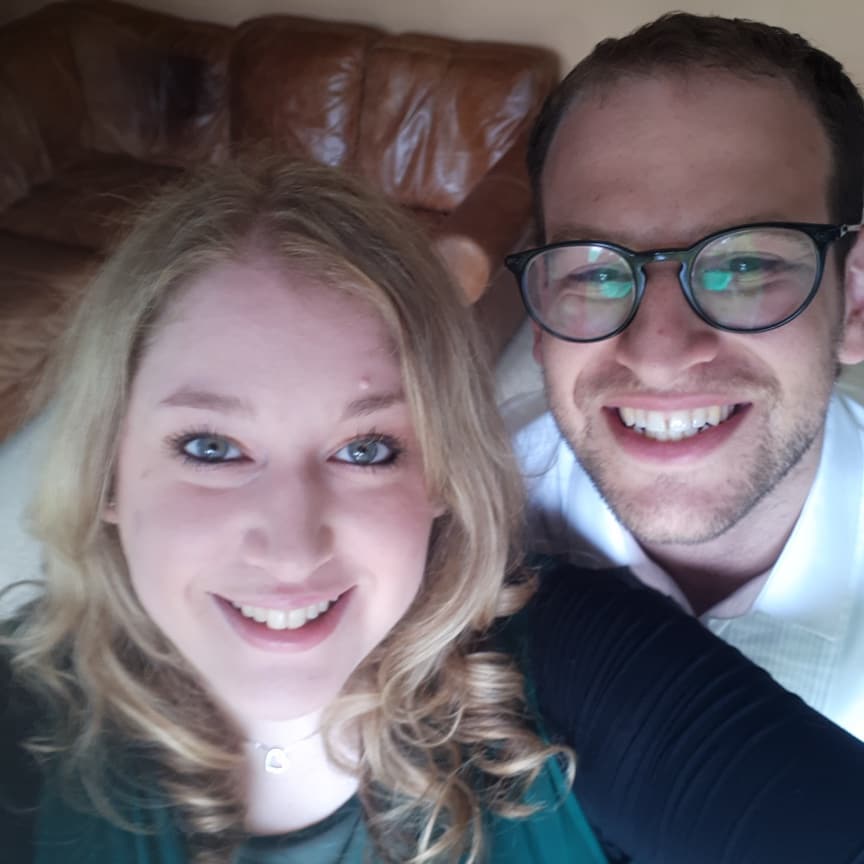
My Podcast On Bipolar With JTeen Mental Health Support Service – Therapists Yaakov Barr And Tehilla Birnbaum.

I was delighted to collaborate with JTeen mental health support helpline and service for Jewish teens and young adults aged 11-24, on a podcast talking about my journey with bipolar disorder and social anxiety. I did this to help others and encourage people to seek help, and show its OK to talk about mental illness.

You can watch the podcast here, please watch with care: Trigger warning: discusses suicidal ideation, psychosis, mania, being sectioned under the mental health act and depression. Suitable for 18+

I decided to do this podcast to fight stigma in the Jewish community in London and worldwide and educate people about bipolar, especially parents as it started for me at the age of 15.

Thank you to Yaakov, Tehilla and Michal for making this such a relaxed but important conversation.

Love,

Eleanor

x

5 Daily Habits for Mental Clarity and Emotional Balance by Miranda Spears.

(image: Roxana Zerni, Unsplash)

You need daily habits in your life for mental clarity; these daily habits are often vital for wellbeing. Sometimes your mental health might take a dip, you might feel drained, depressed or feeling like you are left behind and cannot keep up. Here are some daily habits that can help to boost your mental health:

Practice Morning Mindfulness

Mindfulness can include simple tasks such as starting off the day on a positive note and setting good intentions by writing or speaking affirmations or engaging in prayer. Every day after you get up, you should make your bed as this is a small exercise that will only take two minutes of your day and prepare for a good day. As soon as you get up, do some simple, mindful stretches like swinging your arms in circles or doing the cobra pose to prepare your body for a focused day quickly. 

Move Your Body

You should move your body and avoid sitting in one place, as moving around ensures that blood flows to your brain better and faster, providing it with oxygen, and activities like taking a stroll, especially early morning strolls when the weather is nice and there is calm in the air, are also good for you. You can breathe in fresh air and it makes you look at things from a new perspective. So, take morning or lunchtime walks so you may be prepared for the day. You can also do activities like yoga which boosts mindfulness and helps you get mental clarity. It can also calm your mood, and you can also do cardio workouts like cycling and running to give your brain the pump of blood it needs and help you think more clearly and better. 

Fuel Your Brain 

If you want your brain to think clearly, you must provide it with the right type of nutrients, too. You should make a list of foods that are good for your mental health and incorporate them into your daily routine. You can have fruits and vegetables, healthy carbs and proteins as your brain cells need nourishment to think better, too! You should also drink water and get yourself hydrated, as water makes your blood move around the body faster, wakes up your brain, and increases brain function. Also, you can take supplements like chlorella, a high protein plant. Some chlorella benefits include detoxification and improved focus, which are good for mental clarity.

Journalling for Emotional Release

There are some activities, like journalling, that you can do at the end of the day to let go of any stress that your body has. You can write about the things that went wrong in the day and what went well. Take your time to reflect on things so you do not end up overthinking things and overstimulating your brain. You should have a journal by your bed so if you feel like some unprocessed thoughts are coming to you, you can vent them out in your journal, which should help your mental health. 

Sleep Better

Establish a bedtime routine for yourself that is unique to you so that you can look forward to it every night, and it helps you sleep better. You can read a book, lower the brightness of the lights in your room, and have decaffeinated tea or water. You should also avoid screens before going to bed, the LED light is not good for your eyes and does not let you sleep well. The use of screens has proven to have a strong link with less sleep time and delayed sleep. 

Daily activities for your mental health require you to be consistent and true to yourself if you really want to see the results.. So, start with something small like making your bed and practicing mindfulness and then keep on adding some activities to your routine so by the end of a few days, you meet with a better, improved version of yourself, one with a clear mind and better health.

This blog was written by Miranda Spears.

Crave: Harnessing The Hidden Biology of Addiction and Cancer by Dr Raphael E. Cuomo, PHD.

(image: Todd Trapani, Unsplash)

Modern life surrounds us with easy dopamine triggers: sweetened coffee on every corner, endless scrolls of video, nicotine vapes disguised as fashion accessories. My research career has shown me that these cues are not merely temptations; they are biological signals that reshape metabolism, immunity, and even cancer risk. In my book, Crave: The Hidden Biology of Addiction and Cancer, I set out to explain why.

Why cravings feel hard wired

Craving evolved as a survival mechanism. In the brain, the mesolimbic pathway flags calorie dense fruit, social bonding, or safety as worth seeking. That same circuitry now lights up for ultraprocessed snacks and late night streaming. Functional MRI studies reveal identical patterns of dopaminergic surge whether volunteers anticipate nicotine or a sugary drink, and chronic exposure dulls the reward system’s sensitivity. Over time, people need stronger stimuli for the same lift, a neuroadaptation called tolerance. My laboratory group has observed that tolerance often precedes measurable changes in inflammatory biomarkers that predict cancer progression.

From appetite to oncology

The epidemiology is startling. Meta analyses link daily sugary beverage intake with elevated colorectal cancer incidence, independent of body mass. Tobacco remains the most potent modifiable carcinogen worldwide, yet nicotine pouches marketed as “clean alternatives” still activate . Adults who replace smoking with high sugar snacks trade one risk for another; insulin spikes feed oncogenic pathways. Craving is the bridge that explains these patterns.

Listening instead of suppressing

A central message of the book is that craving is not a moral failing. It is feedback. By tuning into the signal, by asking why a craving appears rather than fighting it, we can leverage biology rather than battle it. For example, a brief walk that raises heart rate for ten minutes stimulates endocannabinoids that naturally quell appetite and elevate mood. Clinical trials suggest that this micro intervention yields sharper cognitive performance than an afternoon energy drink.

Sugar Cravings and Mental Health

Craving for sugar sits at the crossroads of addiction science and mental health because sucrose triggers the same dopamine opioid cascade in the brain that reinforces nicotine and alcohol, yet the rapid glucose spikes that follow can crash into irritability and low mood, creating a loop that feels compulsive rather than indulgent.

Evidence based tools break this loop: cognitive behavioural therapy teaches people to notice the stress cue that precedes a sugar hunt, mindfulness based relapse prevention strengthens the ability to ride out urges, nutrition counselling pairs slow digesting carbohydrates with protein to steady blood glucose, and peer groups such as SMART Recovery provide social accountability when willpower fades.

Small pivots, measurable gains

Patients who swap sugary breakfasts for fiber rich protein report fewer mid morning crashes within three weeks. Continuous glucose monitoring confirms smoother glycemic curves, and inflammatory markers such as CRP trend downward after eight weeks. Similar improvements follow digital media fasts that compress social scrolling into defined windows, freeing cognitive bandwidth and reducing late night cortisol spikes that impair immune surveillance.

Practical first steps

There exist a number of science grounded experiments readers can try: hydrate before caffeine to blunt adrenal overstimulation, pair resistance exercise with a protein rich meal to modulate leptin, schedule technology free evenings to restore natural melatonin rhythms. Track how your body responds, adjust, repeat. The data you gather on yourself becomes a personalised research study with real health dividends.

Final thought

Our ancestors survived by responding to biological urges; we thrive today by understanding them. Crave offers a map from reflexive consumption to intentional living, informed by years of bench science, clinical trials, and population studies. My hope is that readers finish the book feeling empowered to decode their own signals, rewrite their relationship with desire, and protect long term health in the process.

If that resonates, I invite you to explore the full story within the pages of Crave and share your experiences. Let curiosity, not discipline alone, guide your next step. To get your copy of Crave, please see the following link: https://www.amazon.com/dp/B0F8YVNB2S

(image: Raphael E Cuomo PHD)

Suicide Prevention Lessons In UK Secondary Schools- Congratulations 3 Dads Walking!

(image: Robinson/Tim Owen/Mike Palmer/Andy Airey)

With everything going on in the world today, some stories can get missed in the flurry of competing news. However, when I saw a post by the Oli Leigh Trust, a charity in my community dedicated to suicide prevention, that suicide prevention lessons are going to be made compulsory in secondary schools, I was so happy. Department for Education (DfE) announced on Tuesday that lessons discussing suicide prevention would be compulsory in secondary schools from September 2026.

Growing up, when I had my own issues with depression and suicidal ideation as part of my bipolar disorder, mental health was not spoken about openly in schools. We know that sadly, the suicide rate in the UK and worldwide has been rising. A group of Dads, Andy Airey, Mike Palmer and Tim Owen, 3 Dads Walking, who lost their daughters Sophie, Beth and Emily to suicide came together to campaign to Sir Keir Starmer and the UK government. Heres what they told the BBC,

Lives will be saved. Our Voices have finally been heard. ‘ He said the trio began campaigning shortly after their first walk to raise awareness in 2021 and admitted it had at times felt “like we were swimming through treacle uphill”, but now their “voices have been heard”.

We have covered a lot of ground, literally and figuratively, over the last few years, but to come to a point where a significant change is going to happen still feels quite unreal. I’m stunned.”

We are really proud of what we have achieved.”

Suicide is the biggest killer of under 35’s in the UK. In their first walk, they raised nearly 1 million pounds for Papyrus charity. In their second, they walked to all 4 UK parliaments to ensure every child was taught the skills to cope with suicidal thoughts. They then met with MPs to discuss how suicide prevention could be embedded in the curriculum.

“If this is the biggest killer of our young people, why aren’t we talking about it?”

So today I say thank you and congratulations to Andy Airey, Mike Palmer and Tim Owen- three courageous men spreading light and goodness in memory of their beloved daughters. Suicide prevention is so sadly needed.

For more on 3 Dads Walking please visit their website here: https://www.3dadswalking.uk/

Please note: This is not a sponsored post, I have been inspired by the heroism of these 3 Dads.

Why Magnesium Baths Are The New Self-Care Ritual by Miranda Spears.

(image: Pexels: Gabby K)

Self care is so important, so why not try a Magnesium Bath? Magnesium baths rely upon magnesium salts (typically magnesium sulfate or magnesium chloride) dissolved in warm water to create a solution with beneficial qualities. Magnesium ions are absorbed through the skin during your soak through a physical process called transdermal absorption, which relaxes muscles by balancing nerve impulses to muscles, and it also reduces inflammation. Magnesium is also beneficial in the production of cell energy as it helps in the production of ATP and enhances the quality of sleep, due to the control of melatonin release. Here we present five evidence-based ways magnesium baths support physical recovery, skin health, mental clarity,

Deep Absorption of Minerals in Warm Baths to Revitalise Muscles

By soaking in warm water with magnesium bath flakes, you’ll be getting a concentrated dose of this vital mineral that will be absorbed directly into the skin. Magnesium ions penetrate the skin through the flakes, entering the muscles when they disrupt pain transmission and minimise the markers of inflammation. This is selective absorption and initiates recovery of active stress, therefore, heals stiffness as well as increases flexibility. The sources of tensions dissolve, and your previously tensed muscles turn into elastic cords capable of moving in any direction. Habitual soaks enhance soothing properties, so, you can live an active life, without muscle soreness.

Enhancing Mental Clarity with Sensory-Rich Immersion

Warm water helps lighten the burden of daily challenges, and magnesium gratefully taps into neurotransmitters like GABA and tones the impartiality of moods. With every deep breath of subtly scented extra essential oils or plant infusions, every breath is gets a little stronger, until you can relax deeply. You become able to go back into your environment, and you can go and do things in a purposeful manner. Recharging of the mind roots you throughout the day in a state of productivity.

Lifting the Home Spa Atmosphere

More than minerals and water are required to turn a typical bathroom into a sanctuary. You can use soft towels, controllable lights, and adornments that create an atmosphere that welcomes relaxation. Include small-scale candles on the periphery of the tub with flames that provide soft illumination. The slightest bit of greenery helps bring nature inside for relaxation.

Gentle Agents to Boost Skin Health with Nourishment

In addition to relaxing the muscles, a magnesium bath helps to give the skin a glow. The mineral helps to hydrate and repair the cells due to its ability to attract moisture to the epidermal layer. During soaking, scrub a bit with a side brush or natural sponge to scrub off dull cells, and in turn, boost circulation. Pat dry and trap moisture by using a light natural oil or serum, and the skin will absorb the nutrients. As time progresses, you will feel that your skin has become smooth already and has a healthy glow that is a result of constant renewal with the help of minerals, so your skin will feel refreshed too.

Retraining to Have Restful Sleeping Routines

Magnesium soaks in the evenings, prepare you to take a lovely, restorative sleep with the help of balancing various hormones that control your circadian rhythm. The temperature reduction when exiting the bath into cool air is an indication to your body that you should take a rest and relax. You will sleep more comfortably, more deeply, with less anxiety and you should end up waking up in a good mood.

Magnesium baths are refreshing and also spiritually enhancing. Muscles relax, minds can be more focused, skin becomes radiant, and sleep comes as easily as breathing. This habit goes beyond relaxation and becomes a specific gesture of care taken towards yourself, one that re-echoes in all the levels of your life. By doing that, every bath will become the ritual of rejuvenation, a special moment created especially in your favour where the stress of the day is washed away and health prevails.

This article was written by Miranda Spears and contains some sponsored links.

Top 10 UK Mental Health Blog 2025 By Vuelio This Mental Health Awareness Week!

(image: Vuelio)

Thank you so much to Christina and all at Vuelio for listing Be Ur Own Light as a Top 10 UK Mental Health blog for the 8th year running! This is an important accolade to us and this year we have moved up a place to Number 6!

It is an honour to be listed amongst so many fantastic bloggers and organisations who work so hard to bring important mental health content, you can see the full list here . Well done to everyone.

As we approach our 10th blogging year next year, this continues to be so important for us-to educate and battle stigma about all things mental health. Thank you again Vuelio!

Love,

Eleanor x

Understanding The Connection Between Hair Loss And Mental Health.

(image: Tamara Bellis)

For many of us, our hair is a part of our identity, a form of self-expression, and a source of confidence. So, when hair loss strikes, it can feel like a punch to the gut, leaving us feeling vulnerable, insecure, and even depressed.

But while hair loss presents real challenges, there are ways to face this struggle while protecting your mental well-being. Reframing your mindset, finding new ways to express yourself, and seeking support can help you regain control.

The Emotional Toll of Hair Loss

Hair loss can hit hard because it’s tied to how we see ourselves. Here are some reasons it can be emotionally challenging:

Loss of Confidence

Losing your hair can make you feel like you’re losing part of your identity or attractiveness. You might find yourself avoiding mirrors, skipping social events, or feeling uneasy at work.

The good news? You can take steps to rebuild your confidence. Start by seeing a doctor or dermatologist to figure out what’s causing your hair loss — whether it’s genetics, hormones, or another health condition. They can guide you toward hair loss treatments like minoxidil or hair restoration options.

Loss of Control

Hair loss can feel like an unpredictable journey, especially when it stems from factors like genetics, health conditions, or medications. This lack of control over the situation can leave you feeling frustrated and powerless. However, arming yourself with knowledge and seeking professional guidance can help restore a sense of agency.

Fear of Social Stigma

Society often equates a full head of hair with youth and attractiveness, making hair loss feel like a big deal. You might worry about judgment or feel isolated. Remember: hair loss is incredibly common, and embracing it on your own terms can help you regain confidence.

How Hair Loss Affects Mental Health

(image: towfiqu, Unsplash)

Hair loss isn’t just a cosmetic issue; it can have a significant emotional impact. Here’s how it might affect you:

  • Anxiety and stress: Constantly worrying about your hair can create a cycle of stress. Unfortunately, stress can worsen hair loss (a condition called telogen effluvium). Breaking this cycle means addressing both the physical and emotional sides of the issue.
  • Depression: For some people, hair loss can lead to feelings of sadness, hopelessness, or even depression. It’s not just about appearance — it’s about feeling disconnected from yourself and others. If these feelings persist, talking to a therapist can help.
  • Social withdrawal: When you feel self-conscious about your hair, it’s easy to retreat from social interactions. You might avoid events, gatherings, or even everyday conversations because you feel like everyone is noticing your hair. Over time, this isolation can make you feel lonelier and less confident.

Supporting Mental Health During Hair Loss

Dealing with hair loss can be an emotional rollercoaster, but there are practical steps you can take to protect your mental health and rebuild your confidence.

Seek Professional Guidance

Therapists can help you work through the emotions tied to hair loss. Techniques like cognitive-behavioral therapy (CBT) can help shift negative thought patterns and build resilience. Joining a support group — online or in-person—can also be a great way to connect with others who understand what you’re going through.

Explore Your Treatment Options

Today’s hair loss treatments offer more choices than ever. Depending on the cause, options might include medications, topical treatments like minoxidil, or even surgical procedures like hair transplants. Consulting a dermatologist can help you create a personalized plan.

Experiment with Alternatives

While waiting for long-term treatments to work, consider wigs, toppers or hairpieces. These options have come a long way in terms of comfort, quality, and appearance. They can provide a confidence boost and allow you to experiment with different looks without committing to permanent changes.

Prioritize Your Overall Health

Your overall health plays a big role in how you feel — and even in the health of your hair. A balanced diet with nutrients like iron, zinc, and biotin can support hair growth. Regular exercise helps manage stress and boosts your mood, which can also help with certain types of hair loss.

Lean on Your Support System

Talking to friends or family members you trust can make a huge difference. Sharing your feelings with someone who listens and offers encouragement can help you feel less alone and more supported.

Hair loss is a personal journey, and it’s normal to feel a mix of emotions as you go through it. The most important thing is to focus on what makes you feel empowered. Whether it’s exploring treatment options, connecting with supportive communities, or finding new ways to express yourself, you have the tools to take charge of your well-being.

No matter where you are in your journey, help is available. With the right support and resources, you can move forward with confidence.

This blog was written by a freelance writer and contains paid links.

How To Think About Crafting A Personal Development Plan for Self-Improvement.

(image: Karolina Grabowska, Pexels)

So, you’ve decided to take the reins and guide yourself toward personal growth? That’s great news! Crafting a personal development plan isn’t just about lofty goals; it’s about mapping out your journey to becoming the best version of yourself. Think of it as creating a personalised roadmap that highlights both the routes and the scenic stops along the way.


Understand Your Current Situation

First things first: where are you at right now? Take a good, hard look at what you’ve accomplished and where you might be spinning your wheels. It’s all about self-awareness. Do you feel like you’re killing it in some areas but maybe lagging a bit in others? This step is your foundation—it’s all about knowing your strengths and poking at your weak points a bit. Remember, honest self-evaluation is the first step to genuine growth.

Define Clear, Relevant Goals

Now, let’s talk about your goals. And not just any goals—SMART ones. Specific, Measurable, Attainable, Relevant, Time-bound. That’s the secret sauce. Whether it’s climbing up the career ladder, enhancing your health, or just learning how to whip up a good meal, knowing exactly what you want to achieve gives you a clear target to hit. Setting these goals will also infuse your daily routine with purpose and direction.

Identify The Skills You Need

Got your goals? Great! Next up: figuring out what skills you’ll need to bag these goals. If you’re aiming for a promotion, maybe you need some extra leadership flair or tech skills. If it’s about health, understanding nutrition or workout plans might be your focus. List what you need to learn, then plan how you’re going to learn it. This planning should also include identifying any potential barriers to your learning and thinking about ways to overcome them.

Allocate Resources And Time

Resources—time, money, tools—it’s what you’ll need to get where you want to go. Planning is key here. Maybe carve out a few hours each week for studying, or set aside some cash for courses or books. Knowing what you have and what you need to get is crucial. Also, consider the less tangible resources like emotional support or professional networks.

Action Plan

Time to break those big dreams down into smaller, bite-sized tasks. Add some deadlines to keep you motivated. If you’re learning a new language, maybe you’re practising daily, chatting with a native speaker weekly, and subscribing to a language app. Each small step should align with your larger goals, creating a path forward. Consider using tools like digital planners or apps that can help you manage these tasks and keep you on track. R

Remember, the key here is consistency; by chipping away at your goals day by day, you’ll build momentum and see tangible progress. Plus, scheduling regular check-ins with yourself to assess the week’s successes and setbacks can keep you honest and adaptable.

Monitor Your Progress

Keeping an eye on how you’re doing is essential. It’s like giving yourself a mini-report card. Are you smashing those targets? Great! Falling a bit short? Time to tweak your plan. This step keeps you motivated and on track. Regular reviews can also help you understand if your goals still resonate with your aspirations or need adjustment.

Be Flexible And Adjust

Here’s the thing: life happens. Your goals and methods might need a quick shuffle as you face new challenges or opportunities. Stay flexible and keep your plan fresh. Flexibility can also help reduce the stress of unexpected changes and keep you resilient against discouragement.

Seek Feedback

Don’t shy away from feedback. Whether it’s from friends, family, or a mentor, a fresh pair of eyes can offer new insights and help you stay the course. Use that constructive criticism—it’s gold! Plus, engaging regularly with your feedback sources can build stronger relationships and open up more support networks.

Incorporate Wellness And Recovery

Taking care of your overall well-being is non-negotiable. If life’s stressors are piling up, it’s vital to incorporate strategies to manage them. Organisations like AUK can be a tremendous help if you’re struggling with addictions or related stress. Remember, a healthy you is a more productive you. Incorporating mindfulness practices into your daily routine can also play a significant role in maintaining your mental health.

Reflect And Celebrate

Take a moment to pat yourself on the back. Celebrate every win, no matter how small. It’s not just about cheering yourself on; it’s about reinforcing the habits that got you there. Celebrating your progress not only boosts morale but also helps anchor your achievements in your mind, reinforcing the behaviours that got you there. Create a ritual around your celebrations—maybe it’s a monthly ’victory dinner’, or writing down accomplishments in a journal. This can help turn reflection into a habit, which not only boosts your self-esteem but also enhances your motivation to continue striving towards your goals. Such moments of reflection allow you to see how far you’ve come, which is essential when the road ahead seems daunting.

Harness The Power Of Visualisation

Imagine yourself succeeding. Really, picture it! This isn’t just feel-good fluff; it’s a powerhouse technique to keep your eyes on the prize. And why not throw together a vision board? It’s a fun, visual reminder of where you’re headed. Using visualisation regularly can effectively bridge the gap between your current state and your goals, making them feel more attainable.

Establish A Support System

It’s easier to climb mountains with a little help. Build a network of cheerleaders who believe in your journey. They can offer a shoulder to lean on, an ear for your plans, or even a nudge when you need it. This support network can become your go-to resource during challenging times or when you need a bit of inspiration.

Stay Curious And Keep Learning

And finally, never stop learning. As you grow, so will your interests and goals. There’s a whole world out there filled with books, courses, and people to learn from. Keep that curiosity alive, and you’ll never stop growing. Staying engaged with new ideas and continuous learning can also prevent stagnation and keep your mind sharp.

A personal development plan isn’t just a checklist; it’s a living, breathing blueprint for your growth. With the right planning, a bit of flexibility, and a whole lot of gumption, you’re well on your way to becoming your best self. Keep pushing, keep learning, and most importantly, keep enjoying the journey!

This article was written by a freelance writer

I am doing the One Million Step Challenge (500,000 steps) for Diabetes UK!

This is scary but here goes! This summer, I’m stepping up for Diabetes UK in their Step Challenge (I will be aiming to do 500,000 steps between my birthday 1st July and September).🤣🥰

I am doing this challenge to not only support the 5 million people in the UK who live with diabetes (including my dad Mike) but also to get fit, healthy and lose weight after being diagnosed with polycystic ovarian syndrome (pcos) last year. With pcos there is a future risk for diabetes as well as fertility challenges- I’m not diabetic currently and want to get healthier.

Those who know me well know this is a big deal for me as I am not a gym goer! I will be aiming to do 5000 steps a day starting on my 36th birthday 1st July- through to 30th September to total 500,000 steps which is one of the challenges.

Please sponsor me if you can afford to fund life saving treatments/research into diabetes and get me off the couch so I am healthier too!

Click sponsor me in previous sentence to donate or learn more!

Thank you; Eleanor xx

🦋🌻

A Journey From Stress To Rest: Tips To Get A Restful Night’s Sleep

(image: Kinga Howard, Unsplash)

Are you seeking restful sleep at night? If so, then you are not alone in this; the majority of people face the issue of restlessness at night. In fact, in the United States, about 50 to 70 million people suffer from insomnia, as reported by the National Heart, Lung, and Blood Institute and SleepHealth.org. Millions more around the world, including in the UK, also struggle with the affects of poor sleep.

When your mind is entangled with the day’s worries, whether it’s work stress, family commitments, or occasional illnesses, achieving a truly restful night’s sleep can feel like a distant dream.

But fear not; this guide is here for you to unlock effective tips for a peaceful night’s sleep.

1.    Understanding Hormonal Balance

Hormones play a vital role in regulating sleep; they are natural chemicals in your body. For instance, low testosterone levels can significantly impact sleep quality, especially in men. However, TRT can be a viable option if your t-levels are really low and you want to improve sleep patterns. This helps you to regain lost energy and vitality.

There are different types of TRT (testosterone replacement therapy) options available. It includes injectables, creams, gels, or capsules. The best way to determine which option is right for you is to consult your doctor. They will carefully assess your situation and recommend the most suitable course of action tailored to your needs. This ensures that any treatment you receive is safe and appropriate for your overall well-being.

2.  Establish a Relaxing Bedtime Routine

A relaxing bedtime routine is crucial in signalling your body that it’s time to relax and get ready for a nap. Start by setting a specific time to go to bed and wake up, even on weekends. This regular schedule helps your body get used to a routine. Next, include soothing activities in your routines, like reading a book, taking a warm bath, or practicing meditation.

These activities promote relaxation and give your mind peaceful thoughts, which leads to restful sleep. In fact, in this way, when you wake up the next morning, you will feel refreshed and ready for a new day.

(image`: Rock n Wool: Unsplash)

3.   Create a Sleep-Inducing Environment

Your bedroom environment significantly impacts your ability to get rest. Ensure your bedroom is quiet, dark, and cool. A peaceful space helps you avoid disturbances that can wake you up during the night.

Consider using blackout curtains for darkness because it signals to your brain that it’s time to take a rest. Invest in a comfortable mattress and pillows to support your body adequately. If noise is a problem, use earplugs or a white noise machine to block out disruptive sounds.

Keeping the room cool, usually between 60-67°F (15-19°C), helps your body temperature drop, which is necessary for sleep. When you have the right conditions in your bedroom, you’re more likely to enjoy uninterrupted and high-quality sleep, leaving you energised in the morning.

4.  Manage Stress and Anxiety

Stress and anxiety are significant barriers. That’s why it’s recommended to learn stress management techniques that help calm your mind and body. One effective technique is deep breathing exercises. This involves taking slow, deep breaths to relax your nervous system and reduce stress. You can also explore practices like yoga or progressive muscle relaxation, which help alleviate tension and promote relaxation.

Another helpful strategy is journalling. Before bedtime, jot down your worries and thoughts in a journal. This can be a therapeutic way to clear your mind and ease the burden of stress and anxiety, making it easier to fall asleep peacefully.

After all, managing stress is not just about the night; it’s about finding balance throughout your day. In this way, you can create a more harmonious and restful experience for yourself.

5.  Mindful Eating and Exercise

What you eat and how you move throughout the day can influence the quality of your sleep. To promote it, taking care of these and being mindful of what you consume is essential. When it comes to eating, avoid heavy meals, caffeine, and alcohol before going to bed, as they can lead to restlessness and insomnia . Instead, opt for light, sleep-promoting snacks like almonds.

In terms of physical activity, regular exercise is beneficial, especially when done in the morning. However, it’s advisable to steer clear of vigorous exercise too close to bedtime, as it may leave you feeling too energised to take a rest. These lifestyle choices can contribute to a more peaceful and refreshed night.

Final Thoughts

Achieving a restful nap is a journey that requires a holistic approach. By establishing daily habits, you can make the way for a better power nap. Remember, each small step you take can significantly improve your sleep quality and impact your overall health and well-being.

This article was written by a freelance writer.

Sponsored post with links