The 365 Challenge: Raising Awareness of PTSD By David Baum with Mind (Guest Post)

davidbaum1

What is The 365 Challenge?  www.the365challenge.org.uk

The 365 Challenge was created by David Baum, a 58 year old business man from Bushey, Hertfordshire. It evolved out of the 22 x 22 x 22 challenge, which started in the US about a year ago, to recognise that 22 ex-service men and women commit suicide every day due to Post Traumatic Stress Disorder.

David worked out that this equated to 8030 ex-service personnel, this however did not take into consideration the thousands of men, women and children who are diagnosed every year with PTSD. So he decided to extend the Challenge from 22 days to 365 days.

What makes The Challenge so important?

Many of the thousands of men, women and children diagnosed with PTSD go untreated. So much so that in addition to the 22 ex-service personnel who commit suicide every day, in the UK a further 473 service personnel are discharged every year through PTSD. However, this doesn’t include life events such as cancer, murder, bullying or other attacks that can bring on PTSD. Unfortunately, the list goes on.

David’s own story is typical of a large number of sufferers own story:
When I was at school I was bullied mercilessly, it could have been because I was Jewish or not very tall or slightly chubby or wore glasses or that I wasn’t brilliant at football. Unfortunately, bullies never tell you why they are physically attacking you, other than they think it is funny or even a bit of banter. When I left school, I thought I would move on, but whenever I saw one of the bullies, I would come out in a cold sweat and want to walk the other way. I then had a number of car smashes, a couple which were my fault, the others I just happened to be in the wrong place at the wrong time. I tried to get on with my life, however, every time I heard the sound of a car smash or saw a fight I would break out into a cold sweat.

It was only after my wife Mel was diagnosed with Breast Cancer 20 years ago – fortunately she is in remission – I realised that I had to tackle the demons that were haunting me. Through counselling I came to realise that the bullying wasn’t my fault and accidents happens. Through a number of sessions, I was able to shake myself free of the traumas of my younger self. However, many are not so lucky. This is the reason why I created the 365 Challenge, and that I ask that people to like and share my efforts, to draw attention to the fact that you don’t have to be a member of the armed forces, a member of the Police or emergency services to develop PTSD, ANYONE CAN.”

Once David decided to create The 365 Challenge he approached MIND and The Gym Group who readily agreed to back the 365 Challenge.

davidbaum2

So how does The 365 Challenge work?
The Challenge is very simple and split in to 4 parts:

– Part 1 is from day 1 to 99 when the participant has to perform 22 reps of an exercise every day, preferably a different one as this adds to the challenge.
– Day 100 to 199 the number of reps increases to 30.
– Day 200 to 299 it’s 40 reps a day.
– For the final 65 days it’s 50 reps.

Unlike other charity challenges or dares, nobody is asked to make any donations or nominate anyone else. The person undertaking the Challenge is asked to commit to spending 1 to 2 minutes a day for 365 days film the session and post films on social media asking their connections to ‘like’ and ‘share’ – the most effective way to increase awareness of PTSD.

Since David launched The 365 Challenge, it has been taken up by people in the UK and the US, each has their own reasons for taking part and each is finding that spending 1 to 2 minutes a day very therapeutic. However you don’t have to go in to a gym or perform a physical exercise to take part a number of people are just walking 22 paces. To date the uploaded videos are being viewed around 10,000 times a month!

Now we are looking for more people to take up The 365 Challenge. Are you up for a Challenge?

Once you have made the decision to take up the Challenge, it is very simple to take part. The first thing to know is you can take part anywhere, in the gym, at home, at work or in the park. There are only two rules, the first is the Challenge in four parts:

– Part 1 is from day 1 to 99 the participant performs 22 reps of an exercise every day, preferably a different one as this adds to the challenge.
– Day 100 to 199 the number of reps increases to 30.
– Day 200 to 299 it’s 40 reps a day.
– For the final 65 days it’s 50 reps.

The second part is to upload the film you have taken on to social media. You should say in the film “Today is (whatever number day) of The 365 Challenge in association with MIND & The Gym Group, raising awareness of the effects of PTSD. Now that I’ve completed my 22 reps (or 30 or 40 or 50) can I please ask that you like and share my video.” When you upload the film you should also write the same.

If you are unable to upload the film on to social media then please email it to me & I will upload to Facebook & Twitter, as well as to the 365 Challenge website.

For more information contact:
David Baum Tel: 07985 991773 Email: busheybaums@ntlworld.com
www.the365challenge.org.uk

The 365 Challenge can be followed on: Facebook: http://www.facebook.com/The365Challenge/PTSD or Twitter: @Bogfather & @Bimbom
Psychiatric Medication and Weight Gain- a Journey to taking back control.

This post is intensely personal for me as it encompasses 3 years of recovery from  a severe bipolar manic episode that left me hospitalised. Weight gain is a side effect from more than one of my medications and in this article I will explain my journey and why now I want to take control back.

I have (up until the past few years) always been tall, slim and curvy and never had to worry about my weight. It simply didnt register to me that I couldn’t eat carbs or ice cream or pizza (or my favourite food in the world- pasta)- my height, at 5 foot 10, meant I could carry my weight more than the average short person.

The first time I put on significant amounts of weight due to psychiatric medication was after going on the anti psychotic Olanzepine, aged 16 after an acute episode of depression. I ballooned in weight (due to cravings) and put on maybe 2 stone (not sure what that is in kilos)- but at the time as I was a teenager with a fast metabolism, I was able to lose the weight once I came off the Olanzepine and go back to being a size 12 . My first mood stabiliser- Carbamazepine, that I was on for 10 years didn’t cause the weight gain I have now seen and I went back to being slim.

Over the years as I was put on different anti depressants and experienced suicidal depressions and social anxiety, I comfort ate- pasta, chocolate, cheese to take away the pain of the depression. Still, in 2013, I was maybe only a UK size 14-16 (having been an average 12-14). As mentioned, my tall frame meant I didn’t look big.

Then, in 2014, I was hospitalised due to mania and psychosis and given many medications for psychosis and anxiety- Haloperidol, Benzodiazepines, Upped dosage of Quetaipine in addition to my mood stabiliser and anti depressants . Also during the mania, my mind was so busy that I constantly craved food and snacks and couldn’t regulate my appetite. So weight gain was inevitable.

I put on a lot of weight over my time in hospital, day hospital and at home when recovering afterwards- I wasn’t working, was very anxious and low and the comfort eating began. Add to the lack of exercise- I became overweight and unfit fast. I also found that my new stabiliser Lithium, plus the Quetaipine and anti deps, meant I had bad sugar cravings and became addicted to sugar. I still am, but I am trying to regulate it. This meant I was drinking a lot of juice and eating chocolate.

This week I went to the Doctor and was weighed. I have put on 5 stone in 3 years since Ive been unwell. This was a huge wake up call. The Doctor told me that reducing the Quetaipine would help my weight loss as it causes increase in appetite.

I have bought the Slimming world cook book and Exercise DVDS and really need to find the willpower to just start my diet and exercise regime. Being the size I am- I need to lose weight for health reasons and this is what is spurring me on to begin.

Guest post by Karen: Being a Mental Health Professional with Anxiety, my Recovery

strengthblog

Working in an outpatients’ mental health service in the NHS I was well-placed to recognise the signs and symptoms of a mental health problem. I have seen most ends of the spectrum from working in a secure men’s forensic unit, treating people experiencing psychosis in a clinic and in their homes, to treating outpatients with mild to moderate depression and anxiety. Yet none of this prepared me for my own mental health crisis that crept up on me suddenly and unexpectedly last year.

I have experienced anxiety in my life on many occasions before. I developed a fear of panicking and losing control going on the tube and was starting to avoid taking tubes and trains and places I felt I could not escape from easily. Later on I realised this was panic and agoraphobia and since I was considering dropping out of my Masters degree because it involved travelling long routes by tube, I knew I had to get some help. I had a course of CBT privately using graded exposure therapy which I had to get on board with and be committed to, and was incredibly effective for me. My CBT therapist was a real lifeline for me and we had an effective rapport which really helped.

I have since moved out of London and abroad. In September last year I started a number of new part-time teaching roles (not in mental health) in my relatively new European city. I was really worried about my ability to speak the language and to be able to communicate if there was a problem. In fact, I had pretty much spent my entire summer holiday dreading, worrying and catastrophising about all the things that could go wrong, and didn’t really tell anyone exactly how I was feeling.

I started in one of my jobs and it seemed to be going just fine the first week. I did experience a lot of worry after each class and before the next one. I was really concerned about how other people would perceive and judge me, particularly as I was not yet fluent in the language and could not understand 100%. I continued to be anxious about how other people thought I was doing my job for the next few days and had consistently negative thoughts that would not go away which were concerning as they seemed to upset me more and more. I remember that on the last day of that first week, I had been introduced to my new colleague, a really lovely lady who seemed really helpful. She was really experienced and obviously had a lot of knowledge and I started to feel inadequate in that moment. That was the moment everything spiralled out of control.

I went home and over the weekend I experienced constant racing thoughts of things going wrong and worst case scenarios. My husband and I were watching TV in the evening and I just could not focus on anything as my mind was racing so much. What surprised me the most was how physically I felt the anxiety this time and how different it was to any anxiety I had before this. I felt hot and cold every few minutes, had the sweats and could not sleep for days. I could not seem to regulate my emotions and rationalise them. I retreated to bed to warm up and calm down and called my mum for moral support. I lost my appetite and could physically not put anything in my mouth apart from forcing some sugar down me.

This pattern continued the closer it came to Monday. I found it really hard to get out of bed – I was heavy, anxious and tired due to lack of sleep. It was hard to sit up straight and I forced myself to have breakfast. I have never felt before the way I felt that day. I was inconsolably crying, paralysed with terror, and curled up on the sofa. I called in sick to work and spent the best part of the entire day on the phone to my parents who flew out the next day to be with me. All of this was entirely alien to my husband. He knew I worked in mental health but I guess I never realised that he totally didn’t understand what I did and what mental health looks like. He had no idea what was going on with me and had to learn how to support me.

I am really lucky to have found a supportive and really competent GP when it comes to managing mental health. I wanted to be put on a course of medication as I know that medication is a key part of the treatment equation and the SSRIs I am on have helped tremendously. My GP also gave me a temporary course of benzodiazepine very closely monitored by her to help me with the initial stage of going to work, coping with the anxiety and helping me sleep initially.

All in all, this was a really acute depressive/anxious episode and I did go back to work the following week with a LOT of positive self-talk, support from husband and family, and a chill pill. My recovery was gradual and I guess I realised that we are all vulnerable at one time or another. My parents have both experienced anxiety and depression over their lives and I know that having a depressive episode makes it more likely that we will experience further episodes.

Recovery means making your mind your priority and this is what I’ve tried to do. I have regular follow-ups with the GP every few weeks as I’m still taking medication. I am concerned about how coming off the medication might affect me but I have a good relationship with my doctor and trust that she will manage that process with me in the next few months. When I’m feeling anxious and restless I know I need to up my exercise to channel my adrenaline elsewhere. I try to facetime friends and family more often and say what I’m feeling more. My friends have been so supportive and didn’t judge or change their behaviour towards me when I told them- I found it really hard to tell them though. Having a good night’s sleep helps too- going to bed and waking up at regular times. I have also found Acceptance and Commitment Therapy (ACT) self- help reading to be extremely helpful too and highly recommend “The Happiness Trap” by Russ Harris- a refreshingly easy way of managing difficult emotions and learning to live with them.

The biggest piece of advice I can give anyone who is struggling with negative thoughts, depression, anxiety, stress, is to tell the people closest to you what helps you. Sometimes it’s the fact that our family’s, partners, friends don’t know what helps or what to say which causes more stress or potential conflict. Tell them what you would like them to do or say to you when you are feeling a certain way. I told my husband that every time I start to feel anxious, inadequate and catastrophising about my work, to remind me of how much enjoyment I have had at work and the positive things I say when I get home from work.

I don’t believe that a cardiologist should have experienced a heart attack to make them more capable of treating a patient effectively, but as a Mental Health Professional, I do have that bit more compassion and understanding of the vulnerability that we all have, no matter which chair you are sitting in.


On Pacing Myself

pace1I am very much enjoying my work at the moment- however one thing has come to the forefront and that is balancing my work and social life. I have learnt how important it is to pace myself and take things at a slower pace in order to achieve what I would like. Also, my anxiety becomes triggered if I do too much and all at once and so its really important for me to have down time to balance out the other parts of my life.
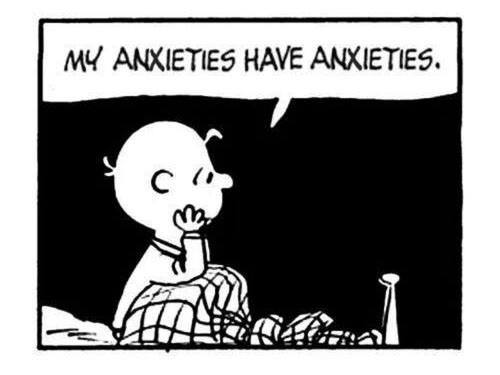

My anxiety can strike randomly and I have to cancel arrangements, which I hate doing, but is sometimes essential. I try and do too much- so this is a reminder for me to be kind to myself and take things at the right pace for me.

I think this should be applied as a general rule. I can’t be everything to everyone. I must take time to breathe and slow down and appreciate. For only then can I be truly and optimally happy.

Guest Post: The Efficacy of Online Cognitive Behavioural Therapy- CBT by Dr Stacey Leibowitz- Levy

We are delighted to have Dr Stacey Leibowitz-Levy, psychologist writing about Cognitive Behavioural Therapy for us. As with any therapeutic practice, it is very much individual as to whether it will work for you and CBT will not work for everyone- but has been proven to work for many. Here Dr Leibowitz-Levy explains how it can work online.                        

CBT1

Online counselling is a growing field with more and more people turning to the internet to seek out counselling help. Counselling services offered online incorporate the range of therapeutic approaches that have been developed within the field of psychology. Approaches to understanding mental ill health and treatment include therapeutic approaches such as logo therapy, psychodynamic therapy, systemic therapy, psychodynamic therapy and Cognitive Behavioral Therapy (CBT). How do these therapeutic modalities translate to the online environment? This article will address the compatibility of CBT in particular as an online counselling approach.

CBT is a widely-utilised mode of therapy that focuses on an awareness of the relationship between thoughts, feelings and behaviour. The aim of CBT is to address difficulties through modifying distorted thoughts, unhelpful behaviour and unpleasant emotions. In order to achieve this end, the client works collaboratively with the therapist in building awareness and understanding of his/her condition, and an accompanying skill set for evaluating and changing distorted beliefs (as well as modifying dysfunctional behavior). The therapist develops clear objectives and a treatment plan that requires active participation from the client during sessions, and follows through on homework assignments between sessions.

This form of therapy is characterized by a structured, time limited and outcome focused approach to managing mental health challenges. Often CBT is focused on a specific issue such as anxiety or managing depressive thoughts and, as such, many CBT interventions are available in a protocol format. CBT offers a delineated and clearly defined intervention that is largely directed by a clearly defined process and structure. This is in contrast to many other therapeutic approaches that have less defined parameters and take their cue on a session to session basis from the client.

The format and approach of CBT lends itself to an online format in that the structure and process are not only defined and constrained by the relationship between therapist and client but are also defined by a clearly delineated therapeutic procedure. This procedure offers a framework within which to deliver support which can easily be translated to an online process. CBT follows a set format. It is driven by the imperative of building an understanding of the issues the client is experiencing and imparting a certain skill set to assist the client in managing his/her mental health issues. CBT is thus based on specific content and has a strong psychoeducational aspect, which means that delivery online can be located in tangible and clear cut content and outcomes for the client.

This also allows for versatility in the delivery of CBT online. While face to face time with a therapist may be desirable for some clients, the option of online delivery of psychoeducational as well as skills based elements in other formats also works well. For instance, the psychoeducational aspect could be communicated very effectively through a video delivery. CBT lends itself to the format of online courses where clients are guided through a process of identifying and understanding their particular issues and developing the skills to manage them. Interspersing this with face to face time or the opportunity to clarify or ask questions in a chat or e-mail format makes for a very effective online intervention.

While many of the issues addressed in CBT are personal to the client, the possibility of locating these issues within a more general format is very much part of the CBT approach. There is a set way of getting information from, and accessing and understanding the client’s experience, with the client having to act on this information between sessions. This more “scientific” process also makes for an approach that lends itself to an online format.

The efficacy of CBT as an online intervention is borne out by the number of sites specifically offering online CBT in a variety of formats (for some examples, see here and here). The online availability of this well researched and well-verified approach to managing mental health problems offers increased affordability, accessibility and greater choice for mental health consumers.

Dr. Stacey Leibowitz-Levy is a highly-experienced psychologist with a Master’s Degree in Clinical Psychology and a PhD in the area of stress and its relation to goals and emotion. Dr. Stacey has wide ranging skills and expertise in the areas of trauma, complex trauma, anxiety, stress and adjustment issues. Stacey enjoys spending time with her husband and children, being outdoors and doing yoga.

The Anxiety Wave: On waking up with anxiety

anxiety123

In previous posts about my mental health journey, I have mentioned having an anxiety disorder. Anxiety disorders are triggered in the brain and can be very hard to keep under control. Thankfully, most of the time, I can function at optimum health. Yet, sometimes stressors come along and throw me a little off course.

The main anxiety issue I have is usually morning anxiety. This is when you wake up and almost freeze from fear- you feel like you can’t do anything or enjoy the day, panic floods the body. Sometimes, after a few hours this form of terror dissipates. You can distract yourself and it goes – but sometimes it takes a little longer for it to go and it causes exhaustion. This is due to the hormones adrenaline and cortisol which are triggered pre or during a panic attack.

I am still learning to ride the anxiety wave- it can make you feel very tired and far less productive. For me, it often happens after I have had time away from work or a disruption to my routine, the anxious thoughts and feelings will flood back, making life that little bit harder again.

It is not easy nor straightforward dealing with this. I have to be kind to myself and know it will pass. Breathe, and distract my mind. Try and use meditation techniques to keep it under control.

Changes: Hopes and New beginnings

sun12

Sometimes in life, changes occur rapidly and you have to just go with them and the flow. These past few weeks I have been having a lot of positive changes in terms of employment and meeting new people. Its this that can provoke positive mindset but also fears and worries too. Change can be the most wonderful motivator or you can sink under pressures.

I am lucky that in my work, I have a good support network. Additionally, as Spring is here and the sun shines more, with lighter evenings, it is a very hopeful time.

I was reminded this week that Hope truly is the most important factor. Without hope, we are nothing. I have also found that getting adequate rest and relaxation time is key in keeping me feeling well and able to cope with lifes challenges.

Looking forward to a peaceful, sunny  weekend.

Guest post by Lucy Boyle: What you need to know about Burnout Syndrome

burnout

Stress and pressure are a part of everyday life. Our jobs often bring a fast pace; we may have to meet deadlines, complete projects in a certain timeframe, or put up with stressful environments. No matter who you are or what you do, there’s a certain amount of stress that just “comes with the job”.

However, there are times when the pressure gets to be too much. You may have been dealing with days, weeks, months, or even years of too much work and not enough downtime. The stresses of the job may be piling up with the stresses at home. Eventually, you run the risk of what is known as “burnout syndrome”.

Burnout syndrome, also known as occupational or job burnout, is defined as “a state of emotional, mental, and physical exhaustion caused by excessive and prolonged stress.” The symptoms of burnout include:

  • Exhaustion and fatigue
  • Frustration and negative emotions
  • Lack of motivation
  • Attention and concentration difficulties
  • Reduced performance on the job
  • Lack of personal care, unhealthy coping mechanisms (eating, smoking, drinking, etc.)
  • Interpersonal difficulties, both on the job and at home
  • Preoccupation with work, even when you’re not working
  • Chronic health problems
  • Illness (the result of chronic stress)
  • Headaches
  • Decreased satisfaction with the quality of your life

If you’re noticing these symptoms in your life, you may be suffering from or getting close to burnout.

But what causes burnout syndrome? How does it get from “I’m having a bad day at work” to the feeling of being overwhelmed, overburdened, and emotionally drained? There are a lot of things that can contribute to the feelings of burnout.

  • Interpersonal relationship problems at work, with coworkers, employees, or employers.
  • A lack of control in your life, feeling like you have no say in anything that goes on at work or home.
  • A lack of clarity in your job description or burden of responsibilities.
  • Monotony or chaos in your job—both can require a lot of energy to remain focused.
  • Company ethics, values, or methods of handling feedback, grievances, or complaints that are not aligned with yours.
  • A job that doesn’t fit with your skills or interest.
  • Isolation at work or home; you may feel like your social support is lacking.
  • An imbalance in your work-life routine, usually too much time spent at work and not enough at home.

All of these factors can add to your feelings of stress and anxiety. Over time, they simply INCREASE until you feel like the burden of your job is too much to bear.

The truth is that occupational burnout is incredibly common, especially among human service professions. ER physicians, nurses, social workers, teachers, engineers, lawyers, police officers, and customer service reps are all at a very high risk of burnout. The high-pressure environment and occupation add to the emotional demands of the job. Eventually, everything becomes too much to bear and you suffer from burnout.

So what can you do if you’re feeling burned out? How can you cope with the mounting stress and pressure that may eventually become too much to bear?

Engage socially. Social interaction and connection is one of the most effective antidotes to depression, anxiety, and stress. Spending time with family, friends, and coworkers can help you to feel better. Making friends at work can change the environment positively, making work seem less stressful because of you have a social support framework in place. Open up to people and share your feelings. It can release some of the pressure building inside you and encourage better connection with others.

Reframe your perspective. Instead of seeing work as a bore, a chore, or a stressor, try to find value in what you do. Your job benefits someone, so look at what you do as providing an invaluable service.

Evaluate your priorities. What’s more important to you: work or home life? If your career is important, find ways to focus on it without adding to your stress. Work on a better work-life balance. Take more time off work, even if it means someone else gets the promotion you wanted. Set boundaries on your time and availability. Set aside time to relax and unwind, both in the middle of and at the end of the day. Stop rushing around so much—from home to work and back home again. Focus on what matters: your health and happiness!

Change your lifestyle. Get more sleep. Eat better. Exercise more. Drink less coffee and alcohol. Read more books. Walk in the park more. Take a nap in the middle of the day. Move around more. Quit smoking. Improve your lifestyle, and you’ll find your body and mind better able to cope with the feelings of stress that could lead to burnout.

In the end, YOU are the one in control of your life. Make the decisions that will reduce stress, not add to it. Take care of your body, mind, and emotions, and you’ll avoid those feelings of burnout!

Lucy Boyle (@BoyleLucy2), is a full-time mother, blogger and freelance business consultant, interested in finance, business, home gardening and mental health.

Peer Support Work: A New Adventure

adventure1

I very much felt inspired to write today because its Friday and on Monday I begin my new job role as a Peer Support Worker for a mental health charity here in the UK.

Peer support takes people like me who have lived experience of mental health issues and are in recovery, and able to promote or assist wellness and recovery in others. This can be done through therapeutic groups, talking to service users and working in a collaborative team of occupational therapists, social workers and mental health coordinators. A lot of the work I will be doing is confidential so I won’t be able to disclose it here.

Its such an amazing- yet strange turn of events to be on the ‘other side’ (i.e. not a service user myself). I am embarking on a very new and exciting journey and very thankful to be able to help others.

I also just wanted to say a big thank you to everyone who reads, likes, follows my blog. I will continue to blog and share mine and others stories.

Guest Post by Diamond EhealthInformer: Can some Mental Health Problems be treated with Technology?

As we move into 2017 going full steam ahead, we can see how far technology has come in recent years. I wanted to set myself the task of finding out how far this tech had come in terms of treating mental illnesses, as there is some speculation and fogginess to the science and results that people are supposedly getting.

It turns out that there are multiple useful and FDA approved technologies that do indeed help treat mental health problems. In this article, I aim to uncover some actionable, useful data and solutions that will aid sufferers of various mental health issues.

Crisis Centres

This solution may surprise you, but it utilizes technology and has proven to be very effective in serious circumstances. When people feel pushed to the end of their tether with anxiety and depression, they need to be talked to, supported and experience a sense of connection to alleviate the feeling of alienation. Sometimes your best friends and family members aren’t available or you don’t feel like talking to them. You want something completely confidential, which is why text and call centres are so effective.

They’re always open and running, plus the staff are fully trained for both mild and severe cases of anxiety and depression and other mental illnesses. You can always rely on someone picking up at the other end that will know how to talk to you and do their best to bring you back to a state of calm through grounding techniques.

Having the option to text message or call is also beneficial for those who prefer to communicate in different manners. Some sufferers may not feel like talking, but texting will work for them and their mood at that given time. On the contrary, hearing a soothing and reassuring voice on the other end of the line may be more effective for certain sufferers. Both options are there to use, whenever and wherever a person may need them.

Using Apps for Improved Mental Wellness

pacifica


There are thousands of mental health apps available for both iOS and Android phones. That being said, it’s important that before you download anything, that you do your research. Given the fact that there are so many apps to choose from, you can take an educated guess and see that a lot of them won’t be very effective.

Also, be sure to check the privacy settings for the apps you’d like to download, as you’ll most likely be entering personal information and data into them. You can always protect your information using privacy tools, removing some of the worry and stress from using specific apps.

Apps such as Pacifica help to monitor and alleviate stress levels so that individuals can work out and reduce anxiety symptoms through cognitive behavioral therapy and relaxation techniques. By using an app such as Pacifica, you can prevent your symptoms from worsening and control your stress levels to produce a healthy state of mind.

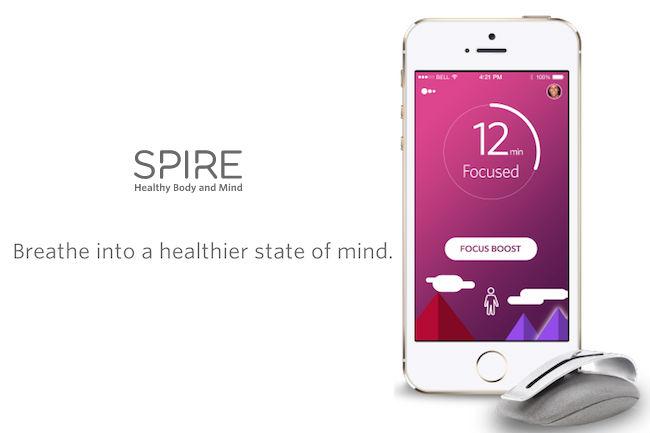
Spire


spire

Spire works through wearing a clip-on device that measures your emotions, sending signals through to your smartphone which will alert you as to what your body is currently experiencing. I know this may sound a little “out there,” but Spire has been proven to reduce stress levels by up to 50 percent in certain scenarios. When emotions are detected, the device will send signals to your phone, which then pop up on your screen telling you how you can improve your mood and emotional well-being.

The nifty device is easily clipped to a belt or bra for completely anonymous use. Repetitive high-stress levels can lead to physical health issues affecting the digestive and reproductive system (as well as other areas of the body). Stress can leave you feeling drained and lethargic, so having a device that alerts you to your emotional wellbeing and gives you advice and tips on how to reduce those stress levels is very useful.


Conclusion

I set out to discover whether technology really could help to treat mental health problems and to see what some of the most effective and accessible treatments available are. I think it’s fair to say that there are many ways in which technology can aid sufferers of various mental illnesses. Using apps, crisis centres, and body measuring devices we can stay on top of our stress levels, and use signals to prevent our conditions and symptoms from worsening.

I feel that using these technological solutions will work best in collaboration with any existing treatment a sufferer is undergoing- with a supportive medical team. Through using medication and counseling, these modern alternatives can provide additional beneficial results that could  boost the recovery of a patient.