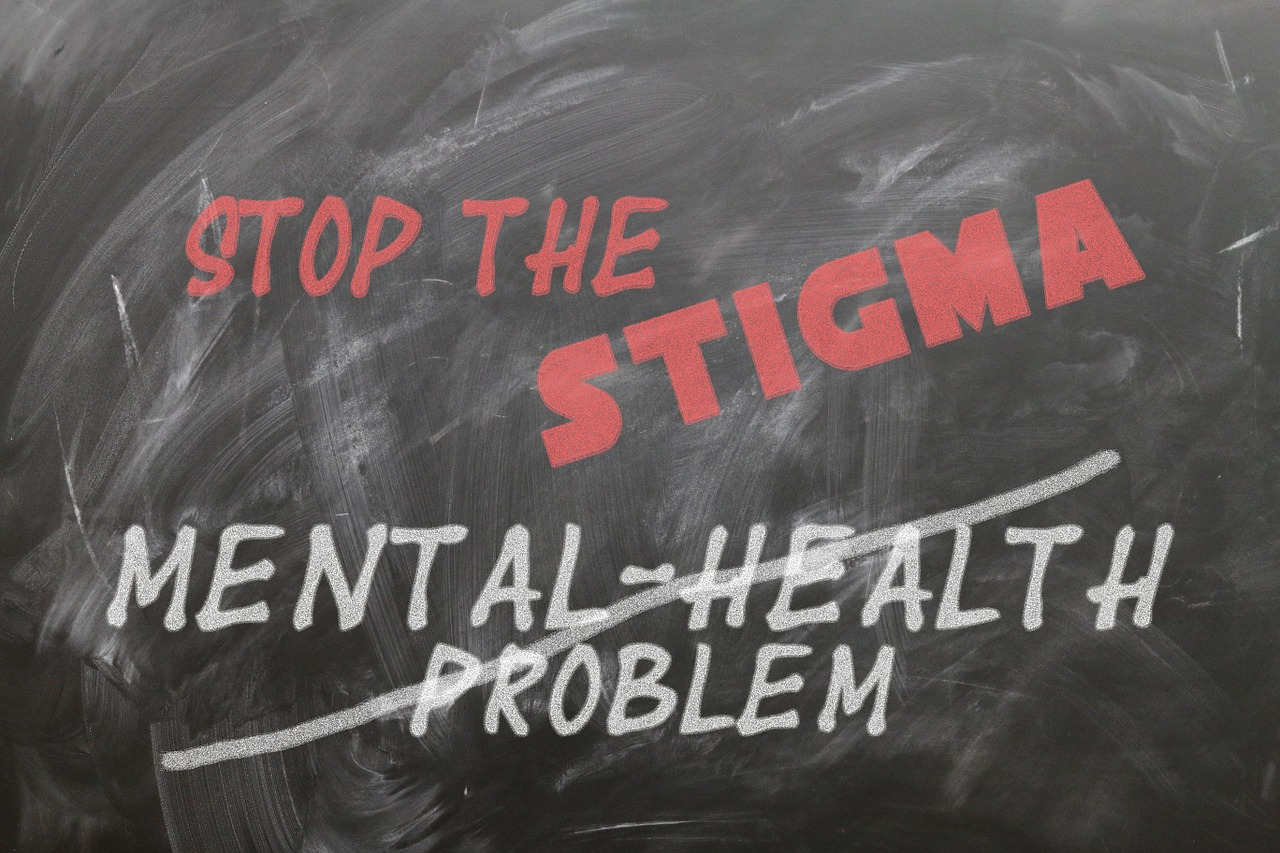
Time to Talk Day is today and it is ‘the nation’s biggest mental health conversation’. This year’s theme is Brave the Big Talk, have conversations about mental health experiences that might feel a bit unspoken, with an aim to destigmatise mental health issues.
Today I would like to talk about living in remission with Bipolar 1 Disorder (I was diagnosed aged 16 in 2004 and am now 37!). I am lucky that although the illness I have when unmedicated is severe- I have had episodes of psychosis and mania and suicidal depression, and been hospitalised twice, I live in remission these days.
What does remission mean to me?
It means my medication (Lithium and Quetaipine- a mood stabiliser and anti psychotic) stops the very high (manic) and very low (depressive) moods and I can cope better. I am still a work in progress but its way less severe!
It means that although I have ongoing therapy to deal with past trauma, I don’t need to see a psychiatrist at present and am managed by my GP.
It also means that I don’t have to worry too much about bipolar episodes, which is not the same for everyone with our illness! I do however still struggle with anxiety, which I have spoken about before and some days can be harder than others.
Time to Talk Day say, ‘ Talking openly and honestly can be the first step towards better mental health for everyone. It can even save lives. Talking can reduce stigma and help people feel comfortable enough to seek help when they need it.‘
Mental health is an essential part of overall well-being, yet it is often overlooked until symptoms become overwhelming. Millions of people around the world live with mental health conditions that can affect their mood, thoughts, and behavior. These challenges can interfere with relationships, work, and daily routines, but the good news is that treatment options are more accessible and effective today than ever before.
When individuals understand their condition and seek the right support, they can build healthier coping strategies and regain control of their lives. Two common struggles people face are bipolar disorder and anxiety—both of which can be complicated further when substance use is involved. Exploring recovery options designed specifically for these conditions can open the door to long-term healing.
The Importance of Addressing Mental Health Early
Early recognition of mental health symptoms is critical. Too often, individuals dismiss mood swings, prolonged sadness, excessive worry, or fatigue as “just stress” or “a bad week.” However, these patterns can signal a deeper issue that requires professional support. Addressing mental health concerns at the onset not only improves outcomes but can also prevent the development of secondary challenges such as addiction, chronic stress, or physical health problems.
By taking proactive steps, individuals are more likely to develop resilience and maintain stability over time. Family members, friends, and colleagues also play an important role by offering encouragement and understanding instead of judgment or stigma.
Understanding Bipolar Disorder
Bipolar disorder is one of the most misunderstood mental health conditions. Characterized by extreme shifts in mood, energy, and activity levels, it goes far beyond the typical ups and downs that people experience in daily life. Those with bipolar disorder may experience manic or hypomanic episodes—periods of high energy, impulsivity, and elevated mood—followed by depressive episodes that bring sadness, hopelessness, or loss of interest in activities.
Because bipolar disorder exists on a spectrum, its symptoms vary greatly from person to person. This makes individualized care essential. Professional intervention, therapy, and medical management can significantly reduce the intensity and frequency of mood episodes, allowing individuals to lead fulfilling and balanced lives.
For those seeking guidance, comprehensiveBipolar Disorder Treatment programs provide structured support that combines psychotherapy, medication management, and lifestyle strategies to stabilize mood patterns. These programs focus on helping individuals better understand their triggers, strengthen coping mechanisms, and create long-term wellness plans.
The Overlap Between Mental Health and Substance Use
Mental health conditions often coexist with substance use disorders. This dual challenge, known as co-occurring disorders, can complicate both diagnosis and treatment. For example, individuals with bipolar disorder may use drugs or alcohol during manic episodes to maintain their energy or during depressive episodes to numb emotional pain. Similarly, those with anxiety might turn to substances as a form of temporary relief, leading to dependency over time.
The presence of co-occurring disorders makes it critical to find treatment centers that specialize in dual diagnosis. Traditional approaches that treat mental health and substance use separately may fail to address the underlying causes of each condition, resulting in relapse or incomplete recovery. Integrated treatment programs, on the other hand, provide a holistic approach that tackles both issues simultaneously, improving long-term outcomes.
Anxiety and Its Connection to Addiction
Anxiety disorders are among the most common mental health conditions worldwide. They can manifest as generalized anxiety, panic attacks, social anxiety, or phobias. For many, constant worry and fear interfere with work performance, social interactions, and even physical health.
When anxiety is left untreated, individuals often look for ways to escape their symptoms. Unfortunately, this can lead to reliance on alcohol, prescription medications, or illicit substances. While these may provide short-term relief, they create long-term consequences and increase the risk of developing addiction.
To break this cycle, specializedanxiety and addiction treatment programs are designed to address both issues together. These programs typically combine evidence-based therapies such as cognitive-behavioural therapy (CBT), mindfulness practices, and medical support to help individuals identify the root causes of their anxiety while also treating their substance use.
(image: Sydney Rae: Unsplash)
Building a Strong Support System
Professional treatment is only one piece of the recovery puzzle. Having a strong support network can make a tremendous difference in maintaining long-term wellness. Family therapy, peer support groups, and community-based programs help individuals stay accountable while fostering connections that reduce isolation.
Loved ones can also benefit from education and counseling, as understanding mental health conditions makes it easier to provide the right kind of support. Encouraging open conversations about mental health challenges helps break down stigma and creates an environment where healing is possible.
Healthy Lifestyle and Daily Habits
Lifestyle changes play a critical role in managing conditions like bipolar disorder and anxiety. Regular exercise, balanced nutrition, adequate sleep, and mindfulness practices can all reduce symptom severity. For example, yoga and meditation help regulate stress, while consistent sleep patterns can stabilize mood swings.
Journaling, creative activities, and spending time in nature are additional strategies that promote mental clarity and emotional balance. While these habits may not replace professional care, they work in tandem with treatment to strengthen resilience.
Long-Term Recovery and Hope
Recovery is not a one-time event—it’s an ongoing process that requires commitment, patience, and self-compassion. Relapses or setbacks may occur, but they don’t mean failure. Instead, they can serve as opportunities to re-evaluate strategies and adjust treatment plans.
The growing availability of specialized programs for conditions like bipolar disorder and anxiety shows that no one has to face these challenges alone. With proper care, individuals can achieve stability, rebuild relationships, and pursue meaningful goals.
Final Thoughts
Mental health conditions such as bipolar disorder and anxiety can feel overwhelming, especially when compounded by substance use. However, effective treatment and recovery programs provide hope and healing. By seeking out resources tailored to specific needs, individuals can find balance and create a foundation for lasting well-being. It is important to be lead by a psychiatrist about medication and treatment when someone also has substance abuse.
No matter how challenging the journey may seem, recovery is always possible. Support, understanding, and professional guidance are the keys to moving forward and embracing a healthier, more fulfilling future.
Recovery from addiction is a deeply personal and often challenging journey. Each individual faces unique struggles, yet a common thread binds everyone together—the need for healing that nurtures both the body and the mind. Traditional treatments like medical detox and counselling are essential, but recovery extends beyond them. To truly sustain sobriety, many people benefit from incorporating supportive practices that promote physical wellness, emotional balance, and meaningful social connections.
Holistic recovery approaches focus on treating the whole person rather than just the symptoms of substance use disorder. This means addressing the emotional, mental, physical, and even spiritual aspects of health. Within this framework, two practices stand out for their effectiveness and accessibility: yoga as a healing tool and group therapy as a platform for connection and accountability. Together, these methods create a powerful balance, helping individuals not only manage cravings and triggers but also build resilience and long-term stability.
Understanding the Need for Holistic Healing
Addiction impacts far more than just the body. While substances can cause direct harm to organs and brain function, the cycle of dependency often disrupts emotional health and weakens relationships. Recovery programs that focus exclusively on physical detoxification may overlook the importance of mental clarity, emotional regulation, and social support—elements that are equally important in building a healthy life.
Supportive recovery practices go hand in hand with evidence-based therapies to address these needs. By combining structured treatments with holistic methods, people in recovery gain tools to manage stress, regulate emotions, and connect with others who understand their struggles. This integration often leads to improved outcomes and a reduced risk of relapse.
Yoga as a Pathway to Recovery
One of the most effective practices in holistic recovery isyoga for addiction recovery. Yoga provides more than just physical exercise; it is a discipline that strengthens the body, calms the mind, and fosters inner awareness. For people in recovery, yoga offers a constructive way to process emotions, cope with stress, and rebuild confidence.The benefits of yoga extend into multiple dimensions of healing:
Physical strength and resilience: Addiction often leaves the body weakened. Yoga helps restore energy, balance, and flexibility, giving individuals a sense of vitality.
Mental clarity: Breathwork and meditation in yoga reduce anxiety and improve focus, making it easier to navigate triggers and cravings.
Emotional regulation: Yoga encourages mindfulness, helping individuals respond to stress rather than react impulsively.
Spiritual connection: For many, yoga fosters a sense of purpose and inner peace, providing a meaningful counterbalance to past struggles.
Practicing yoga in recovery also creates structure and routine, both of which are essential for maintaining sobriety. Whether practiced individually or in a group setting, yoga can become a safe space to reconnect with oneself and rediscover a healthier way of living.
(image: Unsplash: Helena Lopes)
The Role of Community in Recovery
While practices like yoga are powerful for personal healing, recovery is not meant to be a solitary process. Addiction thrives in isolation, and overcoming it requires connection, support, and accountability. This is where community-based approaches such as group therapy play a vital role.
Human beings are social by nature, and support networks are key to emotional resilience. In group settings, individuals can share their stories, listen to others, and gain reassurance that they are not alone in their struggles. This shared experience often reduces shame and fosters empathy, which are critical for long-term healing.
Group Therapy as a Cornerstone of Support
Group therapy for substance abuse provides a safe and structured environment where individuals can open up about their experiences. Guided by a trained therapist, group sessions encourage honesty, accountability, and peer support. Unlike individual therapy, which focuses on one person’s journey, group therapy highlights the power of collective healing. Key benefits of group therapy include:
Shared understanding: Listening to others with similar struggles helps normalize feelings and experiences.
Accountability: Members often motivate each other to stay on track and celebrate progress.
Skill-building: Sessions may teach coping strategies, communication skills, and relapse prevention tools.
Hope and inspiration: Seeing others succeed in recovery can inspire confidence and determination.
Group therapy also helps individuals rebuild social skills that may have eroded during addiction. By practicing healthy communication and learning to trust again, participants strengthen the foundations of meaningful relationships outside the therapy room.
Balancing Individual and Collective Healing
The combination of yoga and group therapy illustrates how both individual and collective healing practices can work hand in hand. Yoga allows individuals to reconnect with themselves, build strength, and find calm in the face of challenges. Group therapy provides the encouragement and accountability that comes from shared experiences. Together, these practices address both the internal and external dimensions of recovery.
For many, the integration of body-focused and community-based approaches creates a balanced recovery journey. It ensures that healing is not only about overcoming physical dependence but also about cultivating emotional stability and social connection.
The Long-Term Impact of Supportive Practices
Recovery is not a short-term process—it is a lifelong commitment. Supportive practices like yoga and group therapy provide tools that individuals can carry with them long after formal treatment has ended. These practices foster resilience, helping individuals manage stress, cope with setbacks, and continue growing on their path to wellness.
Some people incorporate yoga as part of their daily routine, using it as a grounding practice. Others rely on ongoing group sessions or peer support communities to maintain accountability. The beauty of supportive recovery practices is their adaptability—they can evolve with a person’s needs and provide consistent strength throughout life.
Creating a Sustainable Recovery Lifestyle
The journey to sobriety is about much more than simply avoiding substances. It is about creating a lifestyle that supports health, purpose, and connection. A sustainable recovery lifestyle often includes:
Regular physical activity, such as yoga or other mindful exercises.
Engagement in meaningful work, hobbies, or service.
Building strong, supportive relationships.
When individuals embrace both holistic and therapeutic practices, they are better equipped to live fulfilling lives beyond addiction.
Final Thoughts
Healing from addiction requires more than detoxification or medication—it requires a comprehensive approach that nurtures the mind, body, and spirit. Practices like yoga provide personal healing and inner balance, while group therapy fosters community, accountability, and shared growth. Together, they create a powerful foundation for lasting recovery.
By embracing supportive recovery practices, individuals not only overcome addiction but also rediscover the strength, resilience, and joy needed to build a healthier and more purposeful life.
Rehab treatment is one of the most important things you can get if you’ve been struggling with dependencies and substance abuse issues. This is because the human body and mind can become reliant on certain substances, making it almost impossible to quit a substance without the help of the kind of professionals who work in rehab facilities. However, it’s never easy to make a major life decision without knowing the full story, which is why you should know what to expect as you’re entering rehab.
Admission
If you want to go to a drug rehab in Austin, USA, some of which are considered among the best in the world, you’ll have to understand what the process of admission is going to be like. Rehab facilities get a lot of patients each year, and all of these people have different needs and considerations because they may have different side effects from the same drug or may have been using wildly different substances. When you first enter rehab, professionals at the facility you’re considering going to will be able to assess your case by getting a medical history and figuring out the effects substance abuse has had on your body, which can then be used to create a treatment plan for you.
Detoxification
Detoxification is the next step of any good treatment plan and is often the toughest part of the early stages of sobriety and recovery. Withdrawal symptoms arise when people have not had access to drugs for a number of hours, upsetting their bodies, which have grown to develop a reliance on those substances. Symptomatic treatment for withdrawals by using medication to control cravings and side effects helps a lot in ensuring people are able to comfortably transition to recovery by lowering the worst sensations they’ll be feeling during this time, and, once the body has gotten rid of all of the toxins lurking within, the rest of your treatment will begin.
Getting a treatment plan
As previously mentioned, getting a proper treatment plan is a major part of getting better and weaning yourself off of the substance you’ve been abusing, including any side effects you’ll have to get accustomed to. For instance, using needles that are not clean could result in diseases like hepatitis, which means experts at the clinic would need to create a custom plan to help relieve this issue, too. Whatever the case may be, healthcare professionals will be able to create the best treatment for your case, balancing the side effects of that medication with the massive benefits you’ll get by taking them.
Education
A major part of treatment at rehab facilities is the education they provide to people who are struggling with dependencies. Many people are unaware that addiction can fundamentally change how the brain works, rewiring it to depend on drugs and further enabling abuse, and that triggers present in everyday life can make it even tougher to make a clean break. Getting educated about these issues will make it more likely for you to avoid triggers and ensure you’re not falling into the same traps as before once you’re done with rehab.
Progress monitoring
Monitoring progress is another part of ensuring success during the process of rehab because, though you may be able to get sober for a short time, you’ll have to work hard to maintain that sobriety. There are many ways that facilities are able to monitor progress, including while you’re within the premises by noting down the changes they’ve seen and scheduling regular checkups by a doctor, and when you’re outside the premises, by connecting you to a sponsor that will check on you on a weekly basis for years to come.
Rehab is an integral part of treating substance abuse and drug addiction all over the world, as the professionals who work inside each facility can have permanent impacts on the lives of millions of people each year, helping them work through their issues. If you make yourself aware of what you should be expecting when you begin treatment, it’ll only make things easier to deal with in the short term, allowing you to be more comfortable once you start rehab.
This article was written by writer Miranda Spears.
Addiction is so intricate and multifaceted that in the face of extensive scientific research, there are still myths and misconceptions about it that often get in the way of treatment. They cause stigma that keeps people from getting help for fear of being labelled as ‘bad’ or ‘weak’. But, to win the fight against addiction, we have to confront some common misconceptions to create an environment that empowers people and encourages them to get treatment for successful recovery. Here are some of the top misconceptions about addiction:
5 Common Misconceptions About Addiction
(image: Pixabay)
Myth1. Addiction is by choice: If a person is addicted to something, it’s because they chose to be, and it’s their fault.
The truth is that no one chooses to become addicted—addiction is a brain disorder. The American Society of Addiction Medicine describes it as a treatable chronic disease that is a result of the interactions between the brain circuits, upbringing, trauma, environment, and genetics. Heavy and prolonged substance use interferes with the brain networks and increases the likelihood of becoming addicted.
Nevertheless, a choice can influence the recovery journey. The person may choose to seek help dealing with addiction through addiction therapy, exercises, symptoms treatment, and other lifestyle decisions.
Myth2. It just takes willpower to stop: Addiction results from a lack of willpower, if the person wanted to stop using badly enough, they would.
Sadly, a person cannot ‘will away’ their addiction, and it does not result from a lack of willpower or self-discipline. Drugs, alcohol, and other substances produce profound brain changes that alter the natural reward system.
Typically, mental rewards come only after exerting effort, and this takes a while. But, the addictive behavior shortcuts this process and gives the brain pleasure early on. When the brain is used to early results, the person’s self-control and capacity to make good decisions is eroded and replaced with the impulse to engage in rewarding behavior.
The substance-induced impulses are not like the usual urges to eat or drink. They are overwhelming and compulsive impulses whose resolution is only engaging the addiction. It’s the reason why addiction appears irrational in that a person will keep using it even when things are falling apart around them.
Myth3. Tough love compels people with addiction to stop: If you are harsh with the individual, they will understand the seriousness of the issue and feel the need to change.
With addiction, ‘tough love’ is not the answer. Being harsh, insensitive, or indifferent may cause the person to feel unworthy, demoralised, and rejected. It typically produces the opposite results of what was intended.
The better way to address addiction is to take a kind and compassionate approach. The reality is that the majority of people with an addiction are usually contending with other struggles and use addiction to compensate. For example, many people with an addiction struggle with feelings of rejection, and pushing them away with ‘tough love’ only aggravates the underlying problem. However, love, kindness, and support can pull the person closer, address the underlying problem, and start them off on the addiction recovery journey.
Myth4. Addiction does not really go away: An addict will never be truly free. Once an addict, always an addict.
Addiction is a complex condition, and recovering from it takes time. It can indeed be a chronic condition, but even then, the individual can still recover. Addiction is not a life sentence, and there is always hope to get back on a healthy path and live a fulfilling life.
Regardless, it’s normal to have some recovery setbacks. Although it doesn’t happen with everybody, relapsing and returning to substance use after abstaining for some time is normal. But this is not a sign of failure. Instead, it’s an opportunity to discover what is not working in addiction therapy and to restrategize the treatment. Every person is unique, and the relapse provides a chance to understand the unique factors that drove the individual to relapse and helps with formulating strategies to prevent another relapse in the future.
Myth5. You must abstain to recover: The only way to recover is to keep off the substance completely.
The truth is that recovery means different things to different people. Abstinence is only one form of recovery and not the final destination for all people. Moderating use so that substance reliance no longer interferes with a person’s productivity or relationships is also recovery. Some people are only looking to reduce substance use, while others are only looking to use a less harmful substance. From there, these people watch their consumption or wean themselves off, even without treatment.
So, instead of insisting on abstinence or giving a timeline for a complete cessation of use, understand that recovery from addiction is a journey that some reach pretty quickly while others take small steps and a long time to get to the same destination.
Addiction Recovery Can Be Made Easier
Addiction is difficult to resolve, and it doesn’t help that there are many myths and misconceptions surrounding it that further complicate the recovery. But, through education and awareness on addiction and recovery, and showing love, support, and empathy towards the individuals, society can make the recovery journey easier.
Addiction therapy is a particularly useful recovery tool because it sets the individual in an environment where the people and the programs support recovery. Sign up for therapy and start your path to recovery today!
The decision to seek help for alcohol use disorder is an important one. It takes courage to admit that you need assistance, and taking the first step toward recovery can feel like a daunting task. One of the early steps of recovery is an alcohol assessment centre, which can assess your condition, provide treatment recommendations, and connect you to ongoing support. However, navigating an assessment centre can be overwhelming, especially if you are feeling vulnerable or uncertain. In this post, we will discuss some tips for maintaining your mental well-being while navigating an alcohol assessment centre.
Educate Yourself
Before entering an assessment centre, take some time to educate yourself about the process and what to expect. This can help to ease anxiety and provide a sense of control in an unfamiliar environment. You can research online, check out the centre’s website, or speak with someone who has been through the process before.
Prepare Mentally and Emotionally
Entering an assessment centre can be a nerve-wracking experience, but it’s essential to prepare yourself mentally and emotionally. You might consider bringing along a trusted friend or family member who can offer support and help you stay grounded. You can also practice mindfulness or deep breathing exercises to help you stay centred.
Speak Openly and Honestly
It’s important to be honest about your alcohol use, even if you feel embarrassed or ashamed. The professionals at the assessment centre require accurate information to provide the best treatment options for your specific needs. Honesty also helps to build trust and openness in the therapeutic relationship between you and your counsellor.
Focus on Your Goals
Entering an assessment centre can be overwhelming, but it’s essential to focus on your goals for recovery. Discuss your goals with your counsellor, and work with them to develop a plan for achieving them. Remembering why you’re seeking help and what you want to achieve can help motivate you and make the process easier.
Take Care of Yourself
Finally, remember to take care of yourself while going through an assessment centre. It’s essential to prioritise your mental and physical well-being, which can include eating well, drinking plenty of water, and getting enough rest. Self-care also means taking breaks when necessary, practicing healthy coping mechanisms, and setting boundaries with those around you. Navigating an alcohol assessment centre can be overwhelming, but it’s an essential step towards recovery from alcohol use disorder.
By educating yourself about the process, preparing yourself mentally and emotionally, speaking honestly with your counsellor, focusing on your goals, and taking care of yourself, you can maintain your mental well-being while going through the process. It is highly recommended to reach out to facilities where you are, like A Better Choice Counselling/ Alcohol, Drug & Assessment Center, for more information or to answer any questions you may have.
Remember, seeking help for alcohol use disorder is a brave decision, and with the right support and resources, recovery is possible
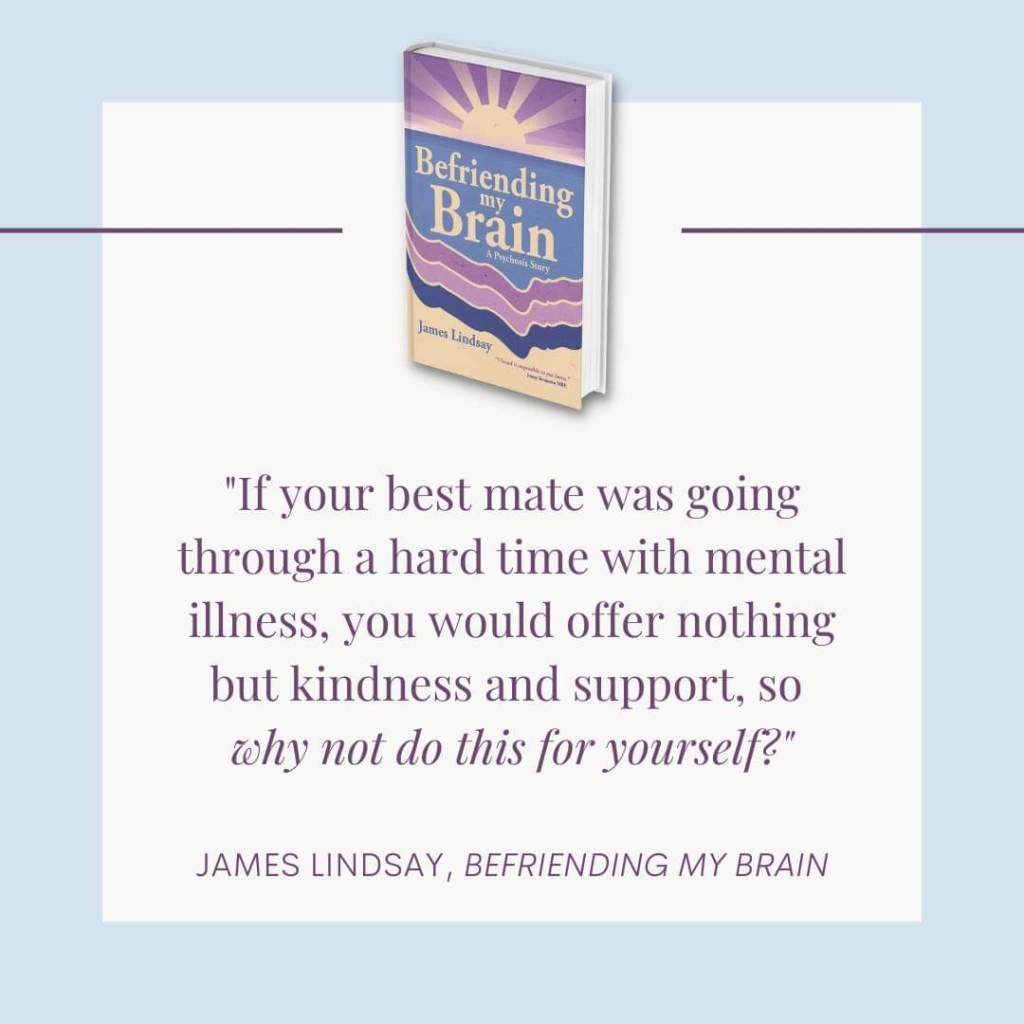
I first ‘met’ my Twitter friend James Lindsay online when he was first starting to talk about his schizoaffective disorder and psychosis. James also works for Mind doing important work in the mental health sphere and we both live locally to one another. I am really proud of James’s determination, not only in his own life, but to help others through his writing and his new book ‘Befriending My Brain’ with Cherish Editions (Trigger Publishing).
An eye-opening memoir about a young man’s descent into schizoaffective disorder– and the steps he took to regain control of his life.
It’s no secret that, in recent years, mental health has become a major topic of conversation. But just because many people feel comfortable discussing their depression, anxiety or other mental health conditions, doesn’t mean that we have removed all stigma from such diagnoses. This is especially true when it comes to psychotic disorders, which affect less than 1 in 100 people in the UK each year (Mind), thus leaving these disorders shrouded in mystery. It doesn’t help that what the media portrays as schizophrenia or psychosis is not always what the sufferer experiences in real life.
As such, it’s vital that we start to bring psychotic disorders, including psychosis, to the forefront. According to a 2016 report from Public Health England, “psychosis is one of the most life-impacting conditions in healthcare.” But with the proper treatment and understanding, it doesn’t have to be life-altering. The same report states that the sooner someone is treated for their psychosis, the better the chances that they will recover and return to their normal lives.
James Lindsay has experienced the ups and downs of schizoaffective disorder first-hand, and his book does the vital work of removing some of the mystery surrounding such a diagnosis. It includes the red flags he recognises in hindsight after psychosis landed him in hospital for the better part of a month, but it also retells the inspiring journey he took to recovery in all aspects of his life.
In his case, psychosis and his path to better mental health gave him a new passion in life: helping others through their own diagnoses and getting their lives back, just as he did. No matter where readers are on their journeys, James’ memoir will resonate and remind them, as he puts it, that “recovery is always possible, and hope is never far away.”
You can buy a copy of Befriending My Brain: A Psychosis Story by James Lindsay at Amazon, Trigger, Waterstones, WH Smith and all good bookshops.
MORE ABOUT THE AUTHOR Hailing from Watford, Hertfordshire, James Lindsay works for Hertfordshire Mind Network and uses his free time to advocate for mental health care by blogging and appearing on podcasts and TV. James enjoys playing football, going to the cinema, spending time with friends and family, and exploring new places, with his partner, Holly. Befriending My Brain is his first book.
If you have a loved one who is struggling with addiction, you may be wondering how you can help them stay sober. It can be a challenging process, but there are many things that you can do to support your loved one. Here are some tips that you can use to help a loved one stay sober.
1. Be Understanding And Supportive
One of the most important things you can do is be understanding and supportive. Addiction can be a very isolating experience, and your loved one may feel disconnected from family and friends. Show them that you care and are there for them, even if they don’t always show it in return. Offer words of encouragement when needed and provide a listening ear and understanding.
2. Help Establish Healthy Routines
Creating healthy routines and habits can help keep an individual on track with their sobriety. Make sure that your loved one is getting enough sleep, eating healthy meals, and engaging in activities that will help them stay sober. This could include going for walks or hikes, joining a gym or sports team, or finding other activities to occupy their time, such as volunteering or taking classes.
3. Set Boundaries And Respect Your Loved One’s Choices
It’s important to remember that the choice to stay sober ultimately lies with your loved one. Though you can provide support and guidance, it shouldn’t be done in a way that makes them feel pressured into making decisions they don’t agree with. Respect their autonomy and wishes while still providing advice if asked.
4. Create An Action Plan Together
Sobriety is often a process; it can take time for someone to achieve their goals. Have an honest conversation with your loved one about their progress, any issues, and how you can help. Then, you can create an action plan together where both of you set realistic goals and provide support when needed.
5. Consider A Sober Living Program
If your loved one is struggling with relapse, consider enrolling them in a sober living program from rdsoberliving.com (if in USA, for UK see other programs). These programs provide structure and accountability to help someone stay on track with their recovery goals. They also provide support from peers and mentors who have been through similar experiences.
6. Reach Out To A Professional
Don’t be afraid to reach out for help if you need it. Consider talking to a professional who is experienced in addiction recovery, or get your loved one connected with a therapist. They can provide additional guidance and support that may be helpful in maintaining sobriety.
7. Take Care Of Yourself
It’s also important to remember to take care of yourself as well. It can be challenging to help someone who is struggling with addiction, and it can take a toll both physically and emotionally. So make sure that you are getting enough rest, engaging in activities that bring you joy, and reaching out for support when needed.
Helping a loved one stay sober can be difficult. However, there are many ways that you can provide support and guidance to help them succeed. Be understanding and supportive, set boundaries, create an action plan together and consider professional help or a sober living program if needed. Also, remember to take care of yourself throughout the process.
The global coronavirus pandemic brought mental health and personal wellbeing to the forefront of our working life. As more companies return to the office, employers need to think about whether or not they are doing enough to make mental health in the workplace a priority. We speak to consumer finance startup, CapitalBean.com, to get some insight.
Workplace Mental Health Post-Covid
“The coronavirus pandemic highlighted serious concerns regarding mental health and personal wellbeing,” explains Richard Allan of Capital Bean.
“With ongoing uncertainty and a heightened sense of risk, it could be argued that we were experiencing an unprecedented global mental health crisis, often with no end in sight.”
“From a workplace perspective especially, many workers were facing uncertainty regarding their job stability, redundancies and, for some, navigating an entirely new way of working and interacting with colleagues.”
“In response, many companies started to take employee mental health more seriously and implement frameworks and best practices; however, now that we are returning to normal and trying to leave Covid-19 in the past, what is the extent to which companies are keeping up with their commitment to employee mental health?”
The Return to the Office
During the Covid 19 pandemic, the majority of workers were learning how to do their jobs remotely. This presented a range of new challenges to navigate and loneliness was widely reported. Not only were people missing the daily social interactions with their colleagues, but they were also finding the blurred lines between home life and work life difficult to navigate – with people’s homes doubling up as their offices, many workers were finding it difficult to switch off and reported working more hours.
Now that people are starting to return to the office, after adjusting to nearly three years of remote working, they are being faced with new challenges. People are finding the return to work difficult and reporting a great deal of anxiety regarding social interaction. In addition, after working from home, they are now having to juggle their home commitments alongside going to the office. Whether it is squeezing in laundry, balancing childcare, or even factoring in an extra hour for the commute, the return to the office is proving more difficult than expected for many and is causing stress and anxiety for some. Others prefer working from home, so there is a balance.
The Employer’s Role
Millions of workers are returning to the office or workplace with changed attitudes and new expectations. In order to attract and retain talent, it is important for employers to acknowledge this and respond empathetically. Many companies have included mental health in their promises to employees on return to the office but now it is their time to demonstrate that this is not merely lip service.
Employers need to proactively introduce programmes that are promoting workplace mental wellbeing and help employees with the challenges that they are facing. It is important for workplaces to create a psychologically safe space for workers and welcome conversations surrounding mental health and support.
(image: Luis Villasmil at Unsplash)
The Great ResignationAnd Mental Health at Work
After the pandemic, more people than ever before started evaluating their working life and what their main priorities were. With new focus on mental wellbeing and work-life balance, workers started to question what their expectations were and what they required from their place of work. The great resignation, the mass exodus of millions of workers in 2021, left employers having to think about what they needed to offer workers to not only attract talent initially, but retain it.
Workers who were asked about the great resignation pinpointed lack of workplace communication, sense of belonging, employee-manager relationship and toxic environments all as reasons to leave their jobs.
In a post-Covid era (and what should have been before this), it will fall to the employer to make sure their staff feel looked after, not just financially but also emotionally.
Employers need to make their employees feel like they are taken care of, respected and acknowledged, and that their personal wellbeing and mental health is a top priority. Going forward, this will be more important for jobseekers than free office lunches or staff drinks.
We all have mental health and it is vital this is acknowledged and cared for, and not ignored in the workplace.
This article contains links to partner organisations.
Borderline personality disorder (BPD) affects people’s thoughts about themselves and others. People with borderline personality disorder experience extreme emotions. A person with this disorder is likely to have intense relationships with many ups and downs. Other signs of borderline personality disorder include impulsivity and changes in one’s self-image. Anger management issues and mood swings can both be symptoms of BPD. They could also fear being left behind or abandoned.
Sometimes, people with borderline personality disorder are also affected by obsessive-compulsive disorder or OCD. The person and their loved ones may find it challenging to cope with a borderline personality disorder. But borderline personality disorder is something that can be learned to manage. You can learn to manage borderline personality disorder with the proper professional care, self-help techniques, and coping skills and have a happy and successful life.
Coping mechanisms for borderline personality disorder
A borderline personality disorder is a condition that affects each person differently. Find out what works for you by taking your time. Everyone’s situation may be different, but by taking the actions listed below, you can cope with borderline personality disorder :
1. Engage in physical activities
Exercise may help you stabilize and regain emotional control if you have problems coping with BPD. Exercises like yoga, boxing, running, and cycling may be beneficial.
2. Take some time off for yourself
Although social isolation has adverse effects, occasionally removing yourself from other people might be a healthy coping mechanism for BPD. Spend some time alone, and rejuvenate yourself without the influence of others. Reflecting alone might assist you in readjusting if you are experiencing intense anger or feeling emotionally out of control.
3. Write emails or letters to people but don’t send them
This is a great way to express feelings and decompress. The effects are similar to keeping a journal, making it possible to express yourself without having your words negatively affect your relationships. By delaying sending the message, you can go back and read what you said after the initial emotions have subsided.
4. Take breaks
Feelings of rage and anger might be reduced temporarily by leaving a stressful setting and looking after yourself.
5. Keep yourself occupied as much as you can
Keep yourself occupied to divert your attention from your current feelings. Holding a fidget toy such as a slinky, helps keep your hands engaged and allows your mind to concentrate on the recent activity.
(image: Unsplash)
Is obsessive-compulsive disorder related to borderline personality disorder?
BPD is thought to be fundamentally linked to obsessive-compulsive symptoms. These symptoms are intense, and BPD patients who experience them often exhibit poor insight, resistance, and sometimes obsessive control in interpersonal interactions.
A 5% prevalence of borderline personality disorder (also known as BPD) has been seen in OCD patients. Additionally, these patients with BPD and OCD had greater rates of anxiety, mood, and eating problems. These examples of co-occurring BPD and OCD have been linked to motor impulsivity, mental compulsions, and compulsions involving interpersonal domains.
How is OCD treated?
Treatment for obsessive-compulsive disorder may not provide a cure, but it can help keep symptoms under control so they don’t interfere with your everyday life. Some patients may require long-term, continuous, or more extensive treatment depending on how severe their OCD is. Psychotherapy and medicines are the two essential OCD treatments, and treatment is frequently most successful when these are used in conjunction.
How can you cope with OCD?
Below you’ll find mechanisms that will help you cope with obsessive-compulsive disorder:
1. Acknowledge your OCD’s existence
Like the monster you used to think lived beneath your bed as a child, OCD can seem like an uncontrollable power waiting to strike. Give your OCD a name and a shape rather than letting it be a faceless villain. It might benefit kids and adults to view OCD as a distinct condition. Remember, OCD is not your fault, and there is no need to feel ashamed.
2. Maintain an OCD journal
An OCD journal serves the same purpose as the food journals that some people use to record their daily dietary intake when on a diet. You can keep note of your triggers in an OCD journal, discover new ones, and evaluate the general state of your OCD. Keep an OCD journal with you at all times, and write down what happens when you perform a compulsion. After reading through your diary entries at the end of the day, ask yourself the following questions.
● Why did these circumstances make me OCD-prone?
● What would have occurred if my resolutions hadn’t been carried out?
● What proof is there that what I feared would occur?
3. Use Exposure and Response Prevention (ERP) techniques
ERP is a popular method for addressing and maybe easing OCD. When adopting ERP, a person exposes themselves to a circumstance that causes an obsession and then refrains from acting on their compulsion. Try creating an OCD ladder by ranking your triggers and associated anxieties on a ten-rung ladder from 1 to 10 in terms of their seriousness. You should start with a low-level trigger when you initially start ERP, and after you’ve faced it, wait 10 seconds before acting on your urge. Increase the amount of time you go without gradually employing your compulsion until you can handle the task or scenario without it. As you master your triggers, climb the OCD ladder.
4. Redirect your focus
If you have OCD compulsions or obsessions or feel one coming on, try diverting your attention from the problem. You can either mentally or physically refocus your attention. Try repeating the program if, after the period of refocusing, you still feel the need to finish your obsession.
5. Keep your stress levels down
OCD is difficult to live with, and stress can make these tasks even more difficult. Keeping your stress level low is essential because it has been demonstrated that stress dramatically increases OCD in people. Make sure to arrange some time each day to relax. Finding an hour each day to decompress, watching some TV, reading a book, or going for a run, can be pretty helpful.
Final thoughts
You can learn coping methods and healthy lifestyle choices without allowing the illnesses and symptoms to define you. Finding strategies that work for you is critical. You should also be open and honest with close family members about your needs. For example, you should tell family members how to help you if you feel angry or emotional. You are not defined by your illness and you can learn to cope- reach for support.
About the Author: Dr. Joann Mundin is a board-certified psychiatrist who has been in practice since 2003. She is a Diplomate with the American Board of Psychiatry and Neurology and a Fellow with the Royal College of Physicians and Surgeons of Canada. Currently associated with Mindful Values, she provides assessments and treatment for patients with severe mental illness.














 beurownlight.com