

(image: Ella Ivanescu, Unsplash)
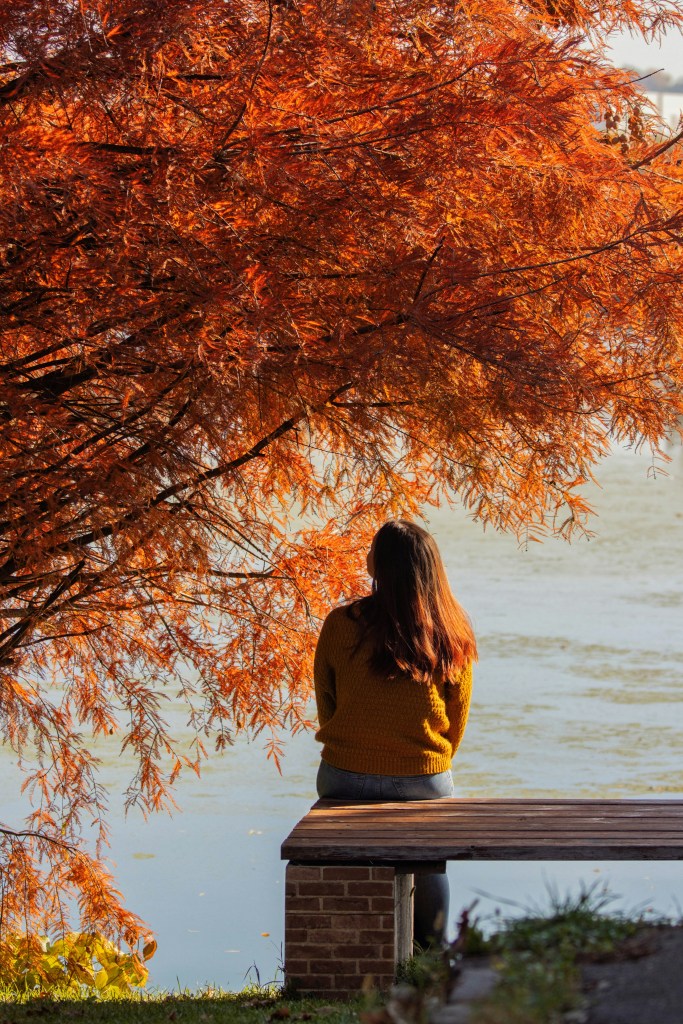
Autumn (or if you’re in the USA, Fall) is one of my favourite seasons. Beautiful autumn leaves, the weather getting gently cooler, cosy hot chocolates and pumpkin spice, the autumn harvest of pumpkins, snuggling in blankets with a good book or TV show and for some- walks in nature with the orange and yellow trees and landscapes. However, did you know that the clocks going back and the change in light and dark, with nights drawing in, can affect your mental health? Studies have shown that when its darker, people are more prone to depression and anxiety and some (like myself at times) struggle with Seasonal Affective Disorder.
There are many ways to take care of yourself if you feel your mood dipping or you are becoming more anxious. If you feel it is affecting your daily functioning, please reach out for support from your doctor (and if you have one, a therapist or psychologist). Here I talk about a few tips to help support your mental health this Autumn.
- Make sure you rest as well as play and work
Work can become all consuming, but if you prioritise rest this season too, your body will thank you. Autumn is all about slowing down, recovering, resting (and for animals (and some humans) hibernating). Yes you can work and play hard if you prefer, but make sure you find that balance to support your wellbeing. In our busy lives and for those who are parents or just struggling with their mental health, self care can slip. Practising good self care- eating well, resting, gentle exercise, can really help our minds.
2. Release Control- Give Stress Over
Gabby Bernstein, my favourite spiritual teacher, often says ‘Release control to find peace, surrender it to the Universe’. Surrendering means not obsessing about what we can’t control, but giving it over to a higher power or the universe. This can really help when we feel overwhelmed and stressed, to pray and meditate or simply write down how you are feeling and then ask the universe to take it from you. Journalling thoughts and feelings can help too.
3. Nature walks
Despite the cold, this Autumn, walking in nature can help get the blood pumping and our minds to reset. Sometimes going with a friend, spouse or family member can cheer you up- there is something about the colours of nature, the soft greens that is truly calming.

(image: Erika Mendes, Unsplash)
4. Make your home cosy
Whether its getting some new cushions or blankets, fairy lights or lamps, investing in cosy and light interiors for the darker seasons is a must! I like to use lamps when the nights draw in.
5. Get enough sleep (but not too much!)
During the Autumn/ Winter period, most of us naturally want to hibernate in the evenings. Sometimes this period can make depression and anxiety worse. I know with my bipolar that sometimes I feel lower or more anxious. Getting enough daylight and if you struggle with seasonal affective disorder, use an SAD lamp, which can help you to wake up gently in the mornings. Similarly, make sure you get enough sleep for you to keep your mental and physical health at its best. Depression can cause us to sleep longer hours and hide away- I find daytime distractions can help me not to sleep too much.
6. Take your medication as prescribed
If you struggle with mental health in winter and are prescribed antidepressants or other meds, do not suddenly stop them as this can cause a relapse in your mental health. Make sure you speak to your doctor first!
7. Treat yourself
Treat yourself to a hot chocolate (or pumpkin space drink) and a good book or TV show, wrapped in a cosy hoodie or blanket. You deserve it!
Wishing you all a wonderful and well Autumn/Fall season.
Eleanor
 beurownlight.com