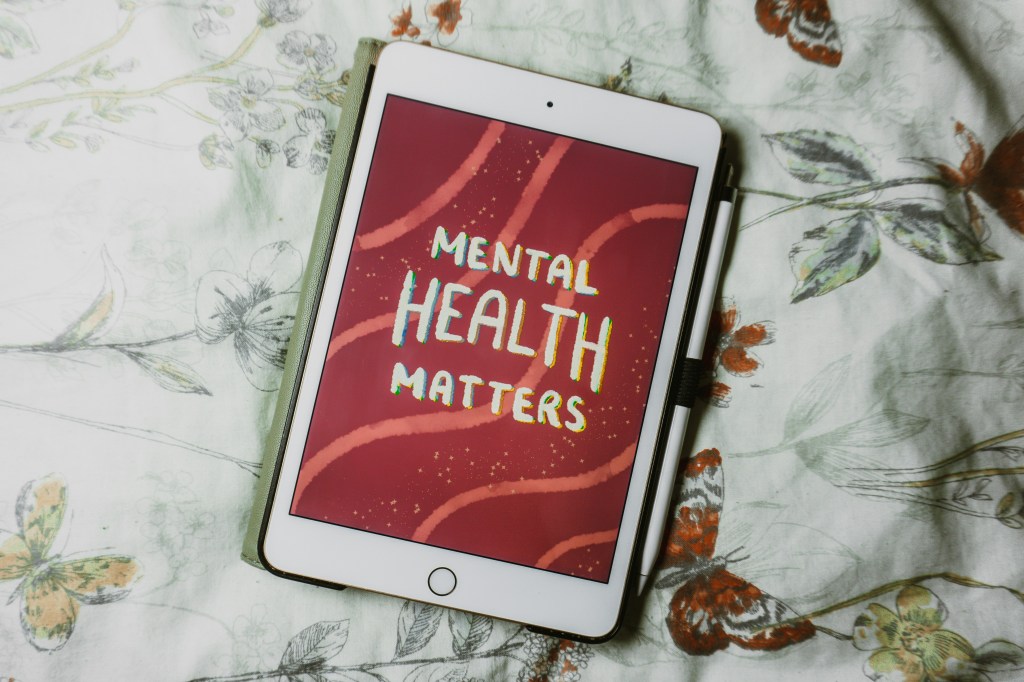
Herbal Wellness For Women: Balancing Energy, Hormones And Mental Wellbeing.

(image: Antonino Visalli)

Women’s wellness extends beyond the absence of illness — it is about achieving equilibrium across physical energy, hormonal harmony, and emotional wellbeing. From adolescence through menopause, women experience intricate biological changes that influence mental health, vitality, mood and desire. These fluctuations are often shaped by stress, nutrition, and environmental factors, making holistic self-care essential.

In recent years, many women have sought out natural and herbal approaches to maintain this balance, supporting their physical and mental health. Herbal wellness offers a time-tested, holistic alternative that works in harmony with the body’s natural cycles rather than overriding them. Rooted in ancient traditions like Ayurveda and Traditional Chinese Medicine, this approach uses plants and botanicals to regulate hormones, calm the mind, and renew energy.

Among these botanicals, Horny Goat weed for women has become particularly popular for its potential to revitalise energy, support hormonal balance, and enhance intimate wellbeing. Used traditionally to strengthen vitality and circulation, it is now gaining modern recognition as part of women’s natural wellness routines.

By exploring the synergy between herbs, hormones, and vitality, this article highlights how nature’s remedies can restore equilibrium, empowering women to sustain energy, regulate mood and mental health, and nurture desire naturally.

Energising from Within

Energy isn’t just about caffeine or sleep—it’s also about how your body maintains vitality through its hormonal and metabolic systems. For women, fluctuations in oestrogen, progesterone, thyroid hormones, and stress hormones like cortisol can significantly affect how lively or fatigued you feel. These also affect our mental health and wellness- balancing hormones is essential to keep balanced moods too and release stress.

The role of adaptogenic & tonic herbs

Adaptogenic herbs help your system respond to stress and restore equilibrium rather than merely stimulating energy. For example, botanicals such as Withania somnifera (ashwagandha) are shown to help regulate cortisol and support energy—particularly in women experiencing perimenopausal shifts. Meanwhile, classic tonic herbs can enhance overall vitality by supporting circulation, metabolism, and mind-body resilience.

Supporting daily vitality

Including herbal support doesn’t replace foundational habits—adequate sleep, balanced blood sugar, moderate exercise and good nutrition remain the core. But once you’ve done the basics, certain herbs can offer an extra layer of support: boosting mood, supporting adrenal reserve, and helping sustain physical and mental energy during hormonal transitions.

Hormone Balance: The Underpinning of Wellness

Hormones guide everything from mood and cycles to skin, sleep and sexual function. If they’re out of balance, the ripple effects can affect energy levels, libido, and overall well-being.

Herbs that support hormonal harmony

The research shows a growing list of botanicals that can help women:

  • Herbs such as Vitex agnus‑castus (chasteberry) and Cimicifuga racemosa (black cohosh) have been used for menstrual problems, perimenopause and menopausal symptoms.
  • Adaptogens like ashwagandha may help regulate adrenal output and thus indirectly influence hormones like progesterone and oestrogen.
  • Broad-based herb lists emphasise the role of phytoestrogens and adaptogens in natural hormone modulation and stress resilience. 

A specific botanical to highlight- but limited evidence

One herb worth special mention in women’s wellness for hormonal and energy support is Epimedium grandiflorum, more commonly known as Horny Goat Weed. While often marketed for men’s use, its active compound (icariin) has been studied for effects on hormone signalling, circulation, and energy. 

 Used in a women-centred herbal blend, it may contribute to hormone-supportive outcomes, though it’s important to emphasise the evidence is still limited and human data is scarce.

How this works in practice

When hormones are out of alignment, for example, in perimenopause or following a stressful period, typical symptoms may include low energy, irregular cycles, mood shifts or lowered sexual desire. By choosing herbs that support adrenal resilience, modulate mild hormonal shifts and promote circulation/tonicity, you give your system extra resources during transition periods.

Desire & Wellness, Naturally

Desire isn’t just a matter of emotion—it is influenced by hormone levels (especially oestrogen, testosterone, progesterone), mood, fatigue, circulation and self-image. Herbal support offers a gentle, subtle way to enhance this layered network.

The link between energy, hormones and libido

When a woman is tired, stressed and hormonally imbalanced, it’s no surprise that desire may take a back seat. Conversely, improving energy, reducing daily stress and supporting hormonal balance can create an internal environment more conducive to intimacy.

(image: Unsplash)

Practical Recommendations for Women

Here are suggestions on how to incorporate a herbal-wellness strategy, mindful of safety and synergy:

  1. Foundations first – Prioritise sleep, movement, a nutrient-rich diet (plenty of leafy veg, healthy fats, quality protein), hydration, and stress management.
  2. Choose adaptogens & tonics—for example, ashwagandha to regulate stress hormone output, or herbs such as chasteberry or black cohosh if you’re experiencing menstrual or menopausal challenges.
  3. Circulation & desire-support – A herbal blend containing Horny Goat Weed (for women) can be one component of a holistic intimate-wellness support plan, provided there are no contraindications.
  4. Cycle & life-stage awareness – Tailor your regimen to your particular stage (e.g., pre-menopause, post-menopause, post-partum). Your hormone profile and needs will differ.
  5. Check interactions & contraindications – Herbs are powerful; for example, Horny Goat Weed may interact with certain heart medications or hormone-sensitive conditions. Always consult a healthcare practitioner, especially if pregnant, breastfeeding or on medications.
  6. Expect gradual, subtle shifts – Herbal support is not abrupt therapy; you might notice steadier energy, fewer mood dips, mild improvements in desire—not dramatic overnight changes.
  7. Track your metrics—keep a wellness journal: energy levels, mood, cycle regularity, libido. Over 6–8 weeks, you can judge what’s working and what might need adjustment.

Evidence, Safety and Realistic Expectations

It’s important to approach herbal wellness with grounded expectation and awareness about the evidence base.

  • While many herbs show promising effects in cell or animal studies, human clinical trials are often limited. For example, with Horny Goat Weed, evidence for its impact on female intimate function is still very preliminary.
  • Herb-drug interactions and contraindications must be taken seriously. For instance, Horny Goat Weed can affect blood-pressure regulation, heart rhythm and hormone-sensitive cancer situations.
  • Quality matters: herbs vary in strength and purity. Look for credible sourcing, third-party testing and clear labelling.
  • Natural support is part of a broader wellness framework—not a substitute for medical evaluation if you have severe conditions (e.g., thyroid disorders, significant hormonal imbalances, sexual dysfunction caused by other medical issues).

Final Thoughts

For women, aiming for wellness means harmonising energy, hormones and desire, not just treating symptoms. A well-chosen herbal strategy adds an extra layer of support: adaptogens to stabilise stress, tonics to bolster circulation, hormone modulators to ease transitions, and formulae that incorporate botanicals like Horny Goat Weed for women to nurture desire and vitality gently.

When aligned with good lifestyle practices, this approach offers a natural, empowering path towards feeling balanced, energised and responsive. Remember: always tailor to your individual life stage, check with a health professional, and allow time for your system to respond.

Please know that Horny Goat Weed on its own is not a substitute for mental health or other medication. Please see your GP before taking new supplements.

This post contains a sponsored link.

5 Steps to Finding Deeper Inner Peace by Miranda Spears

(image: Amy Treasure: Unsplash)

In a world of continuous alerts, daily stresses, and the need to be effective, inner peace can be a distant, even impossible idea, but there are still moments- tiny, little corners that speak of peace. The difficulty is to get back to that silence when life is noisy.

These are five easy and considerate steps that can be used to guide the path towards inner peace. All of them need perfection, but most importantly, they need willingness.

1.   Make Room to Pause

The sound of daily life usually overshadows what is important. It does not mean that one has to retreat or change drastically to slow down. Other times, it is just a choice of sitting down and taking a few minutes before rushing out the door or taking a walk without music or any other distractions.

Space is the process of letting the mind breathe. It is in silence that thoughts can settle. The ever-rotating motion starts to decelerate. This is where the foundation of peace is made by creating space in your busy lives.

2.   Listen to the Body

In many cases, the body narrates before the mind can comprehend. The tight shoulders, shallow breathing, and clenched jaws are indications that something is wrong inside. Peace is not only about having the right thoughts, but it is also about feeling safe and being in the body.

That is why physical awareness is important. Observing posture, breath, or tension may be a way to come back to the present. In case you live in the region/USA, somatic healing Orange County specialists can lead this type of body-based consciousness in a more comprehensive, supported manner. They are concerned with making people realise that emotions and experiences are stored in the body, and this can be the gateway to healing and permanent peace.

3.   Make Things as Simple as Possible

It is not possible to have peace in a filthy environment. Whether it is a cluttered room or a cluttered calendar, what fills your space and what fills your time is what defines your feelings on the inside. Simple does not imply giving up everything.

It is a matter of making decisions that can really promote well-being.  It can be as easy as removing two or three items that you do not need, like saying no without feeling guilty, or emptying the small drawer that has been cluttered up long ago.

All small streamlining gestures say something that life does not need to be hectic, and in most cases, there is peace beyond the clutter.           

Each small act of streamlining says something: Life does not need to be busy, and in many cases, there is peace on the other side of the clutter.

4.   Gentle Self-Honesty

Peace does not imply evading harsh realities. Actually, one of the most obvious ways to become whole is honesty, which is said in a kind way to oneself. This type of honesty is not judgmental. It is about the soft question of what you really need, or if this is how you want to live.

Truthful contemplation can raise painful feelings. It also brings clarity. And in that clarity, peace may start to grow.

5.   Find Time for Others

Life has its moments of greater meaning, the sunrise, laughing with a loved one, or doing something nice to a stranger without any reward. These are the times that make you remember that you are more than the to-do list.

Inner peace can be found by looking at meaningful moments, not urgent moments. It is the act of paying attention to what is joyful, awing, or connecting. These experiences satisfy something within that nothing in terms of productivity or distraction ever can.

The more meaningful moments are embraced, the more they increase, and in them, there comes a feeling of peace that does not rise and fall with the day.

Conclusion

Inner peace is not a place to visit. It is a soft manner of getting around in the world, of being with yourself in a kind and openhearted way.

The small moments are the beginning of peace. It is fed by being there, fed by telling the truth, and cultivated by being in touch with the body, with others, and with what is most important.

This blog was written by Miranda Spears

Doctor’s Insights: Navigating Life With Bipolar Disorder By Dr Antti Rintanen MD Of The Internet Doctor

(image: Emily Underworld: Unsplash)

Living with bipolar disorder can often feel like your emotions are swinging between two extremes. The highs (mania) can be energising but risky, and the lows (depression) can be draining and isolating. As a doctor, I’ve worked with many patients who face this condition—and I’ve seen firsthand how the right tools, treatments, and habits can lead to a more stable and fulfilling life.

What Is Bipolar Disorder?

Bipolar disorder is a mental health condition marked by episodes of depression and mania or hypomania. These mood shifts can affect how a person thinks, feels, and acts. It’s more than just having a bad day or being in a good mood—it can seriously impact relationships, work, and daily functioning.

According to the World Health Organisation, bipolar disorder is one of the top causes of disability for people between 15 and 44 years old.

Medications: The Backbone of Treatment

Most people with bipolar disorder need medication to help manage their symptoms. Lithium, for example, has been used for decades and is one of the most reliable treatments to prevent manic episodes and reduce the risk of suicide. Other options include other mood stabilisers and certain antipsychotic medications.

It’s really important to stick with your medication plan. Stopping suddenly—even if you feel better—can cause serious setbacks. Never adjust or stop medications without medical supervision—even if you’re feeling better, as this significantly increases the risk of relapse, especially into mania. If you have side effects, don’t stop on your own—talk to your doctor about switching or adjusting your dose.

How Therapy Helps

Therapy can help you understand your thoughts, manage emotions, and build better habits. One helpful option is Cognitive Behavioural Therapy (CBT). It teaches people to recognise unhelpful thought patterns and replace them with healthier ones. CBT is especially useful for managing depression and maintaining stability between episodes, though it is less effective during manic phases.

Another type of therapy, called Interpersonal and Social Rhythm Therapy (IPSRT), focuses on keeping your daily schedule steady—especially your sleep and social routines. Why does this matter? Because disruptions to your daily rhythm can trigger mood episodes.

Family-focused therapy also makes a big difference. When your loved ones understand your condition and know how to respond, you’re more likely to stay on track. If you face trauma around your condition, then EMDR therapy can also help with any PTSD or anxiety symptoms.

These therapies don’t replace medication, but they add valuable tools for coping, improving communication, and building resilience.

Everyday Habits That Make a Difference

Beyond medication and therapy, lifestyle habits have a huge effect on mood. Here are a few evidence-based strategies:

  • Stick to a regular sleep schedule. Going to bed and waking up at the same time helps stabilize your mood.

  • Get moving. Exercise—even walking—has been shown to lift mood and reduce stress.

  • Eat well. Omega-3 fats (like those found in fish or flaxseed) may support brain health. While the evidence is mixed, some studies suggest they could help support mood as part of a healthy diet.

  • Manage stress. Mindfulness, breathing exercises, or journaling can help you stay grounded.

  • Avoid alcohol and drugs. These can interfere with treatment and trigger episodes.

It’s worth remembering that lifestyle changes work best alongside—not in place of—medication and therapy. These small, daily actions help support long-term stability and overall well-being.

Pay Attention to Early Warning Signs

Everyone’s symptoms are different, but common early signs of mania include less need for sleep, racing thoughts, and impulsive decisions. Signs of depression may include feeling hopeless, withdrawing from others, or sleeping too much.

Keeping a mood diary or using an app can help track how you’re doing. You might also ask a trusted friend or family member to gently point out changes you might not notice.

Build a Strong Support System

Having a support system—whether friends, family, or a support group—makes a real difference. Research shows that people with strong social support tend to manage bipolar disorder better and have fewer hospitalisations.

It also helps when your loved ones are informed and involved. When people understand what you’re going through, it’s easier for them to support you in ways that actually help.

Final Thoughts

Living with bipolar disorder isn’t easy, but it’s manageable. With the right treatment, daily routines, emotional awareness, and a good support network, it’s absolutely possible to live a meaningful and empowered life.

You are more than your diagnosis. And there are tools—backed by science—that can help you thrive.

About the Author

Dr. Antti Rintanen is a licensed physician from Finland and founder of The Internet Doctor, where he shares reliable, accessible health advice. He writes about both physical and mental well-being with a focus on evidence-based care.

5 Ways How Working Remotely Can Benefit Your Mental Health by Breanna Howell

(image: Kornel Mahl, Unsplash)

People are embracing working remotely; even tech companies are allowing their employees to decide whether they want to work from home indefinitely. There are several advantages of working remotely compared to working in offices, in person, but most importantly, remote work is valuable to your mental health. Here are five ways that working remotely can benefit your mental health.

1.   Flexibility and Work-Life Balance

When focusing on work, other aspects of life often end up neglected unless you have a healthy work-life balance. To be content and excited about work, employees also need leisure time to connect with their loved ones and pursue other talents and interests. Based on the time constraints, this becomes challenging with in-person work. Luckily, it is easier to find a balance when working from home; there is more time with family, and with proper management, more leisure time to pursue other interests.

If working conditions are more flexible, staff can find a healthy and effective work-life balance. Being able to work while still having a personal and social life makes them happier and improves their mental health. That is why more and more companies opt for time and attendance solutions to help their employees have a better work-life balance.

2.   Reduced Commute Stress

The daily commute is the least favourite part of a job for employees. Whether private or public transport, a lot of time is spent on the roads and you have to deal with traffic and overcrowding as everyone is in a hurry to get to their workplace. Thanks to remote work, you don’t have to worry about waking up early to beat traffic; simply prepare and start your day. You even have more time to establish an effective morning routine.

Commuting daily can take a toll on you, making you anxious and increasing your stress. You have to wake up early every day and deal with other people rushing to get to work on time. Working from home gives you a reprieve, allowing you to rest, have a good night’s sleep, and avoid traffic and congestion, which is a win for your mental health.

3.   Customisable Work Environment

With the traditional work setup, you get a designated space at the office, work with the same people, and have the same routine daily. You can also get interrupted by colleagues or have managers looking over your shoulders. The monotony and lack of freedom can negatively affect your outlook on life, sometimes even making you indifferent towards your job. Imagine working in your living room, your favourite cafe, or on the seafront. Being able to customise your space makes remote work exciting because it is not predictable; you can finally look forward to the day.

The power to control where and when you work makes you more productive because you are more relaxed and excited about your day. You can customise your workspace however you want, and that makes you happy and fulfilled, which is recommended for your mental health.

4.   Increased Autonomy

One of the advantages of working from home is that the staff gets the freedom to structure their day. Everyone knows what works best for them and can easily decide when and where they are more productive. Instead of a strict and stressful routine, you get the flexibility to choose, which has a massive positive impact on your work and overall well-being.

Autonomy allows you to prioritise the important while scheduling other activities that matter to you. Having control gives you peace of mind, calms you down, and makes you more productive, positively impacting your mental health.

5.   Opportunities For Healthier Habits

Between the daily commutes and extended office hours, there is little or no time for exercising, cooking, and eating healthy meals. Establishing a morning exercise routine becomes challenging, and many rely on calorie-rich snacks to help get them through the day. Fortunately, working from home gives you enough time to work out, cook proper meals, and develop healthier habits.

Eating healthy and exercising have a positive and lasting impact on your mental health. Being healthier can (along with other medical treatments) help issues like depression, ADHD, anxiety, memory loss, insomnia, and other illnesses that affect your productivity.

Conclusion

High stress levels are common in the workplace. There is quite a lot to deal with, from hectic daily commutes to strict schedules and a lack of time to pursue other interests and connect with loved ones. Before all these take a toll on your mental health, it is crucial to consider working from home. This way, you don’t have to worry about commuting, and you can customise your work environment and lead a healthy, happy life.

Breanna Howell is the public relations specialist at Claremont Diamonds living her dream of promoting positive public awareness of the company. As a freelance blogger and mom of two millennials, she’s also passionate about providing inspiration and support to everyone on their journey to a fantastic marriage.

This article contains a non sponsored link.

10 Bad Habits That Can Affect Your Mental Health by Caryl Ann Mason

(image: Caryl Ann Mason)

Today, I want to talk about something that is near and dear to my heart – mental health. I believe that taking care of our mental well-being is just as important, if not more important, than taking care of our physical health. And one thing I’ve learned in my wellness journey is that it’s easier to work on your mind if your life isn’t ruled by bad habits that affect your mental health.

You see, bad habits can really take a toll on our mental well-being. Whether it’s staying up too late, eating unhealthy foods, or procrastinating on important tasks, these habits can create a negative cycle that affects our mental state. And if we don’t address these bad habits, they can become deeply ingrained in our daily routines, making it even harder to break free from them.

Let’s talk about the habit of procrastination. We’ve all been there – putting off important tasks until the last minute, only to feel overwhelmed and stressed out when the deadline approaches. This kind of behaviour can lead to increased anxiety, decreased self-esteem, and even feelings of guilt or shame. It’s a vicious cycle that can really take a toll on our mental health.

Another bad habit that can affect our mental well-being is the habit of negative self-talk. It’s so easy to fall into the pattern of criticizing ourselves or doubting our abilities. But this kind of negative self-talk can really impact our self-esteem and confidence, making it harder to believe in ourselves and our potential.

We can’t forget about the impact of unhealthy lifestyle habits on our mental health. Poor nutrition, lack of exercise, and not getting enough sleep can all contribute to feelings of fatigue, irritability, and overall lower mood. It’s amazing how much of a difference taking care of your physical health can make on your mental health.

So, what can we do to break free from these bad habits and improve our mental well-being? It’s not always easy, but it’s definitely possible. 

I’m going to share 10 bad habits that can affect your mental health, and offer tips and insights on how to break free from these habits in order to improve your overall wellbeing.

(image: Zane Lee: Unsplash)

1. Procrastination: The Thief of Mental Peace

Procrastination is a common habit that can greatly affect our mental health. 

Putting off important tasks can lead to increased anxiety, stress, and feelings of guilt. 

Overcoming procrastination involves breaking tasks into smaller, manageable steps, setting clear deadlines, and creating a conducive work environment.

2. Negative Self-Talk: The Mind’s Worst Enemy

Negative self-talk can be detrimental to our mental well-being. 

It chips away at our self-esteem and confidence, leading to self-doubt and decreased motivation. 

Practicing self-compassion, affirmations, and surrounding yourself with positive influences can help combat negative self-talk.

3. Unhealthy Eating Habits: Fuelling Your Body and Mind

Poor nutrition can directly impact our mental health. 

Consuming excessive sugar, processed foods, and unhealthy fats can lead to mood swings, fatigue, and decreased cognitive function. Prioritising a balanced diet rich in fruits, vegetables, whole grains, and lean proteins can improve mood and overall well-being.

4. Lack of Physical Activity: Move to Improve

An inactive lifestyle can contribute to feelings of lethargy, low energy, and heightened stress levels. 

Incorporating regular physical activity, even in small increments, can release endorphins, reduce stress, and boost self-esteem. 

Engaging in activities you enjoy can make fitness enjoyable and beneficial for mental health.

5. Sleep Deprivation: The Silent Saboteur

Inadequate sleep negatively impacts mental health, leading to irritability, reduced focus, and increased anxiety. 

Establishing a consistent sleep schedule, creating a relaxing bedtime routine, and ensuring a comfortable sleep environment are essential for improving sleep quality and mental well-being.

6. Excessive Screen Time: Digital Detox for the Mind

Overindulging in screen time, especially before bedtime, can disrupt sleep patterns and contribute to feelings of restlessness. 

Setting boundaries for screen time, engaging in offline activities, and practicing mindfulness can help reduce the negative impact of excessive screen exposure on mental health.

7. Isolating Yourself: Connection for Mental Resilience

Isolation can intensify feelings of loneliness, anxiety, and depression. 

Cultivating meaningful relationships, seeking social support, and participating in group activities or communities can provide a sense of belonging and support for mental well-being.

8. Overcommitting: The Stress Accumulator

Taking on too many responsibilities can lead to chronic stress, overwhelm, and burnout. 

Learning to set boundaries, prioritise tasks, and practice self-care can prevent the detrimental impact of overcommitment on mental health.

9. Avoiding Mental Health Care: Ignoring the Inner Voice

Neglecting mental health needs can exacerbate underlying issues and prevent access to potential support and treatment. 

Seeking professional help, engaging in self-care practices, and prioritising mental health check-ins can promote emotional well-being and resilience.

10. Ruminating on the Past: Breaking Free from Mental Anchors

Constantly revisiting past mistakes or unfavourable events can perpetuate feelings of regret, shame, and negative emotions. 

Embracing mindfulness practices, focusing on the present moment, and reframing negative thought patterns can help break free from the cycle of rumination and improve mental resilience.

Our daily habits play a significant role in shaping our mental well-being. By addressing and modifying these habits, we can embark on a journey towards improved mental health and overall happiness. 

Remember, small changes in habits can lead to profound positive effects on our mental state. I hope this post serves as a reminder to nurture healthy habits that support your mental well-being. 

So, let’s work on breaking free from those bad habits that are holding us back and focus on creating a healthier, happier, and more positive mindset. Our mental health is worth the effort!

Caryl Ann is a blogger at https://theboredhousewife.co.uk

Effective Ways To Safeguard Your Mental Health When Facing Internet Blackmail by Brooke Chaplan.

(image: Domenico Loia, Unsplash)

With the rise of technology, we have access to countless benefits, including easy communication and access to vast information. Despite these benefits, there are also many risks, such as increasing cases of internet blackmail. The impact of internet blackmail cannot be underestimated. It is often accompanied by anxiety, fear, and depression, which can lead to serious mental health conditions. As such, it is important to learn effective ways to safeguard your mental health when facing internet blackmail.

Seek Professional Help

One of the most effective ways to safeguard your mental health when facing internet blackmail is to seek professional help. Internet blackmail can lead to severe mental health conditions, and seeking professional help can help mitigate and manage these conditions, hence speeding up the healing process. An internet blackmail exposure consulting licensed therapist or counsellor can help you work through your fears and anxiety while providing much-needed guidance and support that is essential for recovery.

Limit the Duration of Internet Activity

Limiting the duration of internet activity is another way to safeguard your mental health. When facing blackmail, it is important to reduce the amount of time spent on the internet to avoid continuous exposure to threats and messages. As much as possible, avoid reading messages or emails that contain blackmail, as they can trigger anxiety, fear, and other emotions that can lead to serious mental and emotional turmoil.

Prioritise Self-Care

It is easy to overlook self-care when dealing with the stress of internet blackmail. However, this is the time when you need to prioritise taking care of yourself. Engage in activities that promote relaxation, such as meditation, yoga, or exercise. Also, prioritise a healthy diet and get plenty of rest. These activities and self-care measures can help reduce the impact of anxiety and depression, ultimately safeguarding your mental health. If you need to see your GP due to the stress or need medication to help you prescribed by a doctor, that is important too. Don’t suffer in silence.

Talk to a Trusted Friend or Family Member

It can be challenging to deal with internet blackmail alone. That’s why it’s important to talk to someone who can offer their support and advice. Share your situation with someone that you trust, such as a friend or a family member. They can offer an unbiased perspective, as well as much-needed emotional support. Talking to someone you trust can help reduce feelings of isolation and loneliness that can often accompany this. If what is happening to you is illegal, you may want to speak to the Police or a helpline too.

Practice Mindfulness

Mindfulness is an effective way to safeguard your mental health when facing internet blackmail. This involves paying attention to your thoughts and feelings as they arise in the moment without judgment. Mindfulness can help reduce the impact of negative emotions that can lead to anxiety and depression. By being present in the moment, you can gain a greater sense of control, which can help reduce the negative thoughts and feelings that accompany this.

In conclusion, dealing with internet blackmail is, without a doubt, stressful and overwhelming. However, you can take effective steps to safeguard your mental health by seeking professional help, limiting internet activity, practicing self-care, talking with a trusted friend, and practicing mindfulness. Remember, prioritising your mental health is essential during these trying times, and by following these steps, you can mitigate the impact of threats and ensure that you can heal and move forward.

This article was written by Brooke Chaplan, freelance writer.

7 Skills You Will Learn In Couples Therapy by Maya

(image: Kristina Litvjak, Unsplash)

Relationships are just as challenging as they are rewarding—and couples often encounter obstacles that put their bonds to the test. Relationship counselling or couples therapy offers a supportive space where couples can enhance and explore their connections. Beyond resolving pressing issues, couples therapy gives partners the skills to build lasting relationships. Read on to learn about the skills you’ll gain in relationship therapy.

Communication Between Partners

It’s one of the cornerstones of healthy relationships, yet many couples struggle with it. In couples therapy, patients focus on improving communication through emotional expression, active listening, and learning non-verbal cues. When you seek treatment with your significant other, you’ll learn to communicate while seeing things from the other person’s perspective.

Conflict Resolution

Disagreements are an inevitable part of relationships, but the importance is in how they are handled. Couples therapy gives significant others the skills to handle disputes without harming their relationships. Through various skill-building techniques, couples empower themselves to resolve conflicts more effectively.

Strengthening Empathy

Empathy, or a person’s ability to understand others’ feelings, is crucial to a strong emotional connection. In couples therapy, partners learn to sympathize with each other’s emotions and experiences. Developing these skills builds emotional intimacy and creates a more understanding environment.

Creating and Maintaining Healthy Personal Boundaries

Respecting and establishing boundaries is important when building and maintaining healthy relationships. Therapy helps couples communicate and define individual boundaries while ensuring that both people feel heard and respected. Building and maintaining healthy boundaries helps spouses preserve their autonomy and builds mutual respect.

Problem-Solving Together

Life is full of challenges, and spouses must work together to resolve them. Couples therapy gives partners better problem-solving skills, teaching them to cooperate when tackling problems. These skills are invaluable in handling life’s ups and downs while maintaining a healthy relationship.

Effective Emotional Regulation

Managing and understanding emotions is one of the keys to a solid relationship. Therapy helps couples regulate their emotions by identifying and expressing them in healthy ways. Learning to deal with emotions fosters intimacy and creates safe spaces in which vulnerabilities can be expressed.

Regaining Intimacy

Intimacy is more than a sense of physical closeness; it’s a spiritual, intellectual, and emotional connection. Couples therapy helps significant others find and rebuild every facet of intimacy. Whether it’s rekindling the flames of romance, finding common interests, or connecting in new ways, therapy helps couples regain their feelings of connection and closeness.

Why Go to Counseling When You Already Have a Healthy Relationship?

While age-old stereotypes maintain that couples therapy is only for those on the verge of relationship failure, every couple can enjoy the benefits. Participating in therapy isn’t an admission of weakness or failure—it’s a step toward a more resilient, healthy relationship. These skills, built under a therapist’s guidance, give couples the ability to communicate effectively, handle life’s challenges, and form more meaningful connections with one another. If you need help with a committed relationship, find a couples therapist in your area.

Couples Therapy: Building Skills for a Better Life

Whether you’re just starting out or trying to rebuild a faltering relationship, couples therapy may be helpful. In therapy, spouses will gain the skills and coping strategies needed to build stronger bonds while preserving their individuality. With the right kind of therapy, any couple can make their relationship stronger, longer lasting, and more resilient.

This article was written by freelance writer Maya.

How You Can Achieve A Healthier Lifestyle This New Year.

(image: Brooke Lark: Unsplash)

It’s about the time of year when everyone decides that they’re going to live a healthier lifestyle. If you’re not sure how you can achieve this goal, don’t worry. There are plenty of changes, some of which are easier to manage than others, that will help you improve your health. You can also do this all year round, not just on New Year’s Eve or for a few weeks in January.

  1. Eat Better

Have you ever heard the saying “you are what you eat”? People often think about it in the vein of weight loss, but that’s the first misconception people have about eating healthily. 

Eating better doesn’t just mean trying to lose weight. Sometimes, weight loss is a part of your lifestyle goals, but not necessarily. In fact, changing your diet just to lose weight can lead to an unhealthy and unsustainable lifestyle. You might lose the weight quickly, but your health could suffer and you’re less likely to maintain the results. 

Instead, focus on a well balanced and nutritious diet. Eat the calories you need and make wise food choices. You don’t need to be too restricted, just controlled. 

  1. Drink Plenty 

No, this isn’t a suggestion to drink more alcohol. While alcohol in moderation isn’t a problem, too much alcohol can be terrible for your health. 

Rather, you should think about how much water you drink. The recommended amount is between 6 and 8 glasses of liquid. It doesn’t have to be water. Tea, coffee, and soft drinks do count. 

However, it’s better to drink mainly water and non-sugar drinks. Soft drinks with a lot of sugar contain loads of calories and have very little nutrition, which isn’t a great combo. 

  1. Cut Out Bad Habits

Speaking of cutting things down, you should definitely think about cutting out bad habits like smoking or substance abuse. 

Smoking causes a huge amount of damage to your body and wallet. While you can go cold turkey and completely cut smoking out, some people find this difficult. NRTs, or nicotine replacement therapies, are a good way to wean yourself off.

If you’re trying to stop a very heavy smoking habit, this is especially helpful. Find treatments that work for you, whether that’s extra strong pouches or another kind of medication. 

  1. Exercise

It’s no secret that good fitness is good for your physical and mental health. 

The key to getting fit is to build yourself up. Don’t try to run a marathon right away. Set small, achievable goals and stick to them. The key is exercising regularly, not becoming an instant athlete. 

  1. Mental Health 

A big part of a healthy lifestyle is your mental health. This will keep you happy and healthy. 

This is easier said than done, especially when you’re balancing your mental health with physical health problems. We have enough to deal with in our lives without adding chronic pain or fatigue into the mix. 

Keep an eye on your mental state and well-being. If you do feel overwhelmed, talk to someone. Whether it’s a friend or a medical professional, talking things out can help you process problems and manage them better. 

Heres to a healthy and happy 2024!

This article was written by a freelance writer.

Clear Examples of How Eating Affects Your Mental Health by Anita Ginsburg.

(image: Jacopo Maia: Unsplash)

When it comes to mental health, many people tend to focus on the usual suspects: stress, anxiety, depression, and medications. However, did you know that your food choices also play a significant role in your mental well-being? Over the years, studies have revealed the powerful connection between what we eat and how we feel emotionally. It’s not just about getting the right nutrients for physical health, but also for mental health. This blog post will explore some of the clear examples of how eating affects your mental health.

Mood Swings

What we eat affects the chemistry of our brain, which can lead to mood swings. Consuming foods high in sugar and simple carbohydrates, such as cakes and candy bars, may give you a quick energy boost, but it can also cause blood sugar spikes and crashes, leading to irritability, anxiety, and depression. Eating a balanced diet with protein, complex carbs, and healthy fats will help stabilise your mood and keep your energy levels consistent; buying from health food stores with less processed foods and organic produce like Southtown Health Foods can help with this goal.

Stress and Anxiety

Eating nutrient-dense foods can play a big role in reducing stress and anxiety. Foods like salmon, walnuts, and chia seeds contain omega-3 fatty acids, which are linked to lower levels of stress hormones. Other foods, such as leafy greens, are rich in magnesium, which can help decrease anxiety. On the other hand, consuming caffeine and sugar can increase feelings of anxiety.

Brain Fog

The foods we eat can also impact our cognitive function. Processed foods and fast food meals that are high in trans fats and sugar can cause inflammation, which affects the brain’s ability to think clearly and process information. It’s important to fuel your brain with nutrient-dense foods, such as whole grains, lean protein, and healthy fats like avocado and nuts.

Depression and Mental Health Disorders

Studies have shown that people who consume a diet high in fruits, vegetables, whole grains, and lean protein have a lower risk of depression and other mental health disorders. These foods are rich in vitamins and minerals that are crucial for proper brain function and emotional well-being. On the other hand, a diet high in processed and fast food can increase the risk of depression and other mental health issues.

Gut Health

The gut-brain connection is a well-known phenomenon, and the gut microbiome plays a vital role in our mental health. Consuming a diet high in fibre, fermented foods like yogurt and kimchi, and prebiotics like garlic and onions can help foster a healthy gut microbiome and improve mental health. On the other hand, consuming a diet high in sugar and processed foods can lead to an imbalance in gut bacteria and inflammation that can negatively impact mental health.

In conclusion, what you put into your body matters for both your physical and mental health. Meal planning and making mindful food choices can go a long way in nourishing your brain and keeping your mood stabilised.

It’s important to note that there is no one-size-fits-all diet that will work for everyone, but incorporating more whole foods into your diet is a good start. Take control of your mental health by paying attention to your diet and making changes as necessary. Your body and mind will thank you for it!

Please note that a healthy diet without any other support is not a ‘cure’- make sure to reach out to professionals if you are in crisis.

This article was written by Anita Ginsburg.

4 Health Benefits Of Getting a Massage by Hannah Whittenly.

(image: Unsplash: Conscious Design)

Massage, the manipulation of muscles and soft tissue, has been used as a therapeutic practice for centuries. From traditional therapies in ancient civilisations to modern practices, massage has continued to prove its efficacy in promoting physical and emotional relaxation, pain relief, and stress reduction. Let us explore the many health benefits that come with getting a massage.

Reducing Stress and Anxiety

Research has shown that massage has a positive impact on both physical and mental wellbeing. One of the primary benefits of massage is its ability to reduce stress and anxiety levels. Massage helps to lower the levels of stress hormones such as cortisol and adrenaline while increasing the levels of feel-good hormones like dopamine and serotonin. As a result, getting a massage allows us to feel more relaxed and at ease, improving our overall emotional and mental health.

Promote Better Sleep

Getting a good night’s sleep is essential for optimal physical and mental health. Regular massage therapy can help bring about restorative sleep by relaxing the muscles, increasing circulation, and reducing tension. Studies have shown that massage therapy can help reduce the symptoms of insomnia and other sleep disorders, thereby promoting better sleep.

Relieves Pain

Many of us deal with chronic pain on a daily basis. Massage therapy can be used to relieve pain and discomfort caused by various factors such as muscle tension, injury, or poor posture. Massage improves circulation, reduces inflammation, helps muscles to relax, and stimulates the release of endorphins, the body’s natural painkillers. Regular massage therapy can provide long-term pain relief and improve flexibility and range of motion.

Boosts Immunity

Another health benefit of massage therapy is its ability to boost the immune system. Studies show that regular massage sessions increase the production and activity of white blood cells, which play a vital role in fighting off infections and illness. Increased circulation and improved lymphatic flow help the body flush out toxins and improve its overall immunity.

In conclusion, massage therapy is an ancient practice that offers numerous health benefits for both physical and mental wellbeing. From reducing stress and anxiety to improving sleep, relieving pain, and boosting the immune system, regular massage sessions are a great way to promote a healthy lifestyle. If you’re dealing with any of the issues mentioned above or simply wanting to relax and unwind, schedule a massage appointment today. Your body and mind will thank you!

This article is by freelance writer Hannah Whittenly.