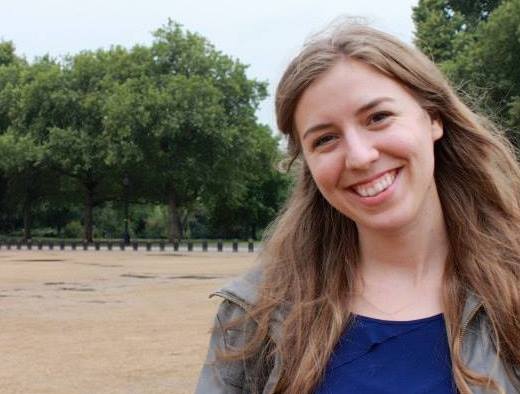
The Social Anxiety Diaries by Eleanor

biglife

This blog started as a way for me to express my innermost thoughts and feelings, the state of my mental health and write it all out on the page. I would like to continue this and so asked people on my Facebook group what they would like to hear about.

This blog on my social anxiety was voted for and here it is.

I must start by saying that I am quite a social person and love my friends. A lot of us with social anxiety are. I have lived with this form of anxiety since I was about 18 years old. It essentially is an anxiety disorder that is hard to control- and where you begin to fear being around people, crowds, small talk and socialising for fear of being exposed or judged negatively. This has impacted how I work too and sometimes how often I leave the house.

My anxiety disorder started in my teen years because my unmedicated bipolar disorder led me to act in ways I didn’t recognise. I became hyper, everything was heightened and I wasn’t my usual self. And so the fear of acting like this again or being judged for it, was what triggered my social anxiety.

11 years later, a lot has changed for me for the better. I am finally on the right medication. I have a loving partner, family and friends. However, yes I do still have social anxiety. It does cause panic attacks, especially in the mornings and it can stop me from attending work or social events. .

It is frustrating to admit this. As I have been in a lot of very helpful therapy and I have learnt what coping mechanisms can help me- but they are often hard to implement mid panic. However, I do think I will always have a certain level of panic which will restrict certain parts of my life. This is why I work freelance and from home. Writing has helped me heal.

What I do know is on the good days, I make sure to keep busy and see people/ go out as the more I do this, the fear lessens. If I am feeling low, the anxiety rears its head too. When I am depressed, I can become slightly agoraphobic and won’t want to leave the house. Its something I have to monitor and work on. Set myself achievable goals eg walk down the road, see a friend, call someone etc.

Some of my friends have been so kind and understanding about living with this and having to cancel certain arrangements. There are times I  have to force myself into doing things although it takes so much energy and can also make me have more panic attacks so its a fine line. I have to do whats best for me and my mind. If it is spiralling into panic, the rational self finds it hard to drown it out.

In general, I am doing OK but I have to do what is best for me in order to manage my anxiety disorder. If that means a night in or less time seeing people then sometimes this is what is needed.

However, I will continue to be an anxiety warrior and do all I can to expose myself to any feared situations when possible. It takes lots of energy!

What have I tried to manage this?

– Group sessions on managing anxiety, meditation and journalling
– Talking therapy for 6 months (which worked) and CBT three times (which didn’t stop the panic attacks)
– Exposure therapies with those I love helping me

Do you have this and how do you cope?

Love, Eleanor x 

What’s Family therapy really like? Guest post by Christine H

Family therapy 1
(image: Christine H)

Therapy is growing more and more accepted as a mainstream practice, rather than a scary, stigmatised ordeal. After all, it’s important to take care of mental health, and sometimes, we could all use a little extra help.

However, when it comes to any kind of therapy, it can still be scary. We don’t know what to expect, and we worry that we’ll be forced into something that makes us too uncomfortable. This can especially true in the case of family therapy. Often, family therapy is utilised when one or more family member confronts a serious mental health challenge (such as, for example, bipolar disorder, addiction, or major behavioural issues) that affects the rest of the family.

So, in order to dispel some of the misunderstandings surrounding family therapy, and to perhaps help people become more comfortable with it, here are some important things to know:


There May Be a Mix of Alone and Together Time

Contrary to popular belief, family therapy isn’t just going to be your family talking in a circle with a therapist the whole session. Well, maybe sometimes it will be. But other times, “family therapy” refers to a lot of different compilations of relationships within your family. Parents may talk with the counsellor separately, and then a child who has been the primary subject of therapy will talk with the therapist, and then perhaps the counselor will enable a conversation between the child and parents in order to share information that needs to be shared.

Additionally, family therapy is most effective when all family members are utilising therapeutic tools to get what they can out of the experience. For example, often in the case of addiction, support groups are available for both the person struggling with addiction, and for the family members who are affected by it. In these separate group therapies (which you can learn more about here) family members can gain new perspectives which will empower them to return to family therapy with the information they need to make it a productive venture.


Information that You Want Confidential Can Be Confidential

During all the mix-match of family therapy modules, many individuals are wary about sharing information with the counselor if they don’t want it to be shared with the whole group. And although this might sound kind of shady, it’s not just about keeping major secrets. Often, it’s about protecting family members’ feelings, or being embarrassed or worried about our own feelings.

Since family systems therapy is ultimately about repairing relationships and empowering healthy communication and cooperation, a counsellor can help individuals identify what information is important to share, and how to go about it in the best way. However, there are some challenges that are best talked out one on one with the therapist, and not in the group as a whole. It’s important for all parties involved to understand that they can still control the information that’s shared, and the way they choose to do it… or not.


It’s Not All Talk Therapy

Although sometimes all that’s needed in order to strengthen a family’s power to communicate and cooperate is an outsider guiding the conversation, other times talk therapy can be frustrating for families, as they’ll find themselves going around in the same old circles and arguments that they would on their own. That’s why most counsellors will utilise other techniques and approaches to achieve family goals.

For example, sometimes it’s useful to utilize experiential therapy, which could include anything from a cooperative ropes course, to role playing exercises. You can learn more about those options here.


Practicing Outside of Therapy Sessions Is Vital

One common assumption of family therapy is that the work will get done in therapy sessions, and it doesn’t have to change the way things are outside of therapy. Family therapy can only be successful when it creates changes to habits and systems within the family dynamic that aren’t serving individuals as well as they should.

Most of the time, a therapist will give family members assignments and goals that they can do–both by themselves, and as they interact with the rest of the family–in order to improve family relationships. Often, these are small habits in the way that we talk and the way we share duties in and out of the house.


This article was written by expert on family therapy Christine H:

christine

Christine is a professional writer and an avid reader who’s passionate about storytelling in any form. At any given moment, she’s in the middle of at least three books on anything from psychology to ninjas. Although she’s a marathon swimmer and enjoys camping in the mountains, she believes there’s nothing better than a carton of ice cream and a Dawson’s Creek marathon. She blogs about marketing here. Follow more of her writing on Twitter @readwritechill.


Gay Conversion Therapy in America and its toll on Mental Health by Nick Rudow

gaypride1
(image: VectorStock)


In May of this year, Maryland became the 11th state in the USA to ban gay conversion therapy, a tactic often used by religious organizations to try to alter an individual’s sexual orientation or gender identity. While this news is comforting to many LGBTQ youth, gay conversion therapy is still legal and practiced in many states across the nation. Two new film releases this year, “The Miseducation of Cameron Post” and “Boy Erased,” are tackling this subject in authentic ways and bringing to light a practice that’s sadly as relevant as ever.

Its Toll on Mental Health

Often referred to as “reparative therapy,” gay conversion therapy has shown to exert a tremendous toll on a person’s mental health and lead them to depression and suicide. Conversion therapy is typically brought on by the parents of the individual, and they’re forced into it as a form of “punishment” for their sexuality. Research conducted at San Francisco State University found that LGBTQ youth who were rejected by their parents because of their sexual orientation were more than 8 times as likely to have attempted suicide.

Without the acceptance of their parents, LGBTQ youth have shown to develop self-hatred and remorse toward themselves, and gay conversion therapy perpetuates these feelings. Using methods such as inducing nausea, inflicting shame and even giving electric shocks to the individual, therapists attempt to “cure” them of their same-sex attraction and “correct” their behavior.

When LGBTQ teens are told they’re “sick” and need to be “saved” because of their sexuality, their mental health is significantly impacted. Counseling experts from Rutgers found “when language that is biased against LGBT individuals is used on a routine basis, it can have a cumulative effect that is damaging.”


Where We’re Seeing It Today

The history of gay conversion therapy spans centuries, with some psychiatrists using hypnosis to try to treat their LGBTQ paitents’ sexuality during the 18th century. But with the popularization of behavioral therapies in the 1960s and ‘70s, psychologists began coming up with new and frightening methods to try and “cure” someone’s homosexuality.

During the early 1970s, a psychologist named George Rekers published an article touting his treatments of homosexual patients as successful and revolutionary and used a 5-year-old patient of his as an example. The child, Kirk Murphy, showed stereotypically feminine traits, and his parents sent him to Rekers to “prevent” him from being a homosexual. Even though Rekers said it was a success, Murphy developed severe psychological distress and, as a gay adult, died by suicide at the age of 38.

With so many health and psychology organizations refuting gay conversion therapy practices, why is it still legal in a majority of states around the country and still practiced by religious groups every day?

The answer may lie in the negative way some religious communities view homosexuality and the amount of LGBTQ youth coming from anti-gay households. There are still several churches prohibiting same-sex marriage in the U.S. and many LGBT teens are left homeless after being kicked out of the house by their parents. Discrimination and violence against the LGBTQ community occurs daily in America, with the LGBTQ murder rate having increased by 90 percent last year. Eighty-eight LGBTQ homicides were reported between 2012 and 2015, according to research from Bradley University.

Even with gay conversion therapy organizations being banned in several states, many are still being operated around the USA. 


How We Can Do Better

According to researchers from the Williams Institute at the UCLA School of Law, an estimated 20,000 teens ages 13 to 17 will undergo conversion therapy in an attempt to change their sexual orientation. It’s vital that parents offer support and love to their children and never subject them to harmful gay conversion therapy treatments. There are several mental health resources available to LGBT youth such as The Trevor Project and services for those struggling with unsupportive families such as the GLBT National Hotline.

To all those suffering out there with feelings of worthlessness and self-hate, know that you’re not alone and there are people out there who can help you restore a positive outlook on life. No LGBTQ person should live in shame because of their sexuality or gender identity, and we need to recognize that and ban gay conversion therapy nationwide.

 
This article is by writer and activist Nick Rudow.

The Saviour Complex: Guest blog by Charlotte Underwood

saviour1
(image: picturequotes.com)


For so many years, I was told that I have this so-called saviour complex. I never knew the actual definition of this, because, like most things, it’s all down to perspective. To me, the saviour complex is the desire and compulsion to help others at little regard for the cost that it comes with.

This, in my case, means I am attracted, like a cosmic magnet almost, towards people that need helping or that I feel I can ‘fix’ – though this is never my intention, as no one needs to be fixed.

The cost has always been at my own expense, it’s been my own mental health and wellbeing but for a decade, I didn’t mind. I would always rather suffer so another can succeed.

I believe it falls back to my overwhelming urge to constantly help people, being the textbook people pleaser I am. I just want to do good and make everyone else happy, and never myself.

I used to laugh when people would tell me that I had this saviour complex, it just sounded silly to me. I would think that I liked who I liked and I just didn’t care what ‘ailment’ they had. Chemistry is not about biology, they are two very separate things, understand?

I saw my ability to look past the cover as a strength. I could look past anything that may be an ‘issue’ because honestly it never bothered me as long as they were a good person. For this, I still believe it is a strength, though empathy is not the problem here.

It wasn’t until I was around 19 and I had left a particularly hard relationship, I was reminiscing over the last four years or so of my life. I thought about the people I had dated and of whom were my closest friends.

Like a lightbulb, I could see the pattern, each person needed someone to talk to, to listen to them and that may have been a huge part to my attraction towards them.

It is possible that my compulsion to help people had warped into a sense of a ‘turn on’, though not in a sexual way. It could be that I felt like I could relate to those who were hurting, like wounded animals helping each other survive, there is romance in that I think.

However, I believe that maybe everyone needs saving a little, isn’t that what love is?

It’s not about fixing each other or changing who you are. It’s about having a person who you can talk to about anything, who will lift you up and help you past that finish line, even if you fall flat on the ground.

Maybe the ‘saviour complex’ isn’t about wanting to become a saint, it could just be that you have an understanding of a person’s needs and you are willing to help them through their trials, I don’t think that is a bad thing at all.

So yes, maybe I do have this ‘saviour complex’ and an extensive history of relationships and friendships with people who needed help in a variety of ways. I like to support people and make them smile, to feel loved and wanted because everyone needs that. I would like to think that I cannot fix people but for the brief time that I spent with said persons, they healed a little bit.

There is nothing wrong with wanting to save people or to give them freedom but what we need to remember is not to forget ourselves.

I feel that natural empaths are the ones known to have the ‘saviour complex’ and empaths, like myself, are often guilty of not giving ourselves respect, love and care.

So by all means, do good in this world, it really needs it but be sure to remember to look after number one, that’s you.

Charlotte Underwood is a writer, author and mental health blogger. Check out her work here: https://charlotteunderwoodauthor.com/

A Guide to Mood Disorders: Guest blog By Ellie Willis

Mood disorders encompass many disorders of how you feel from day-to-day, whether that is abnormally elevated (mania) or depressed and in low mood. They can include depressive illness such as major depressive disorder, dysthymia, postnatal depression and the bipolar spectrum disorders. They also feature anxiety and panic disorders. These are often down to brain chemistry and sometimes environment.

mooddis1

(image: Pinterest/ Healthyplace.com)


Major Depressive Disorder

Major depression is defined as a depressive illness where you experience a significantly lowered mood and a loss of interest in activities that you would normally enjoy. While it is normal to feel sadness and grief when your life significantly changes, such as when a loved one passes away, when it doesn’t go away or gets worse, it may evolve into major depression. Some of the symptoms of depression are:

• Feelings of helplessness or hopelessness • Feeling guilty over insignificant things • Withdrawing from family and friends • Drinking alcohol or taking drugs as a coping mechanism • Having problems with concentration • Being unproductive • Having a lack of confidence • Feeling irritated or frustrated • Having a lack of interest in sex.

While sometimes a depressive episode seems to come out of the blue, there are often things that can trigger them. These may include: Genetic risk factors • Alcohol or other substance abuse • Medical problems such as thyroid issues or chronic pain • Certain medications such as steroids • Sleeping problems • Stressful life events 

Studies have shown that there appears to be a genetic component to depression. That is, if one of your parents has a depressive illness, you may end up suffering from depression yourself.

Dysthymia is a chronic form of depression that occurs when you suffer from a mild to moderate depression for at least two years. Although dysthymia causes problems in everyday life, dysthymia is often not severe enough to warrant hospitalisation. The chronic nature of the disorder means that you may believe that you have always felt like this.

The good news is that there are a wide range of medications to treat major depressive disorder, such as antidepressants. There are many kinds of medications around, and you may have to try a few until you and your psychiatrist find the perfect one with little to no side effects.

As of the time of writing, the antidepressants most commonly used are SSRIs and SNRIs (selective serotonin reuptake inhibitors and serotonin-norepinephrine reuptake inhibitors). These refer to the types of neurotransmitters (chemicals in the brain that affect mood, among other things) that they affect.

With antidepressants, it is extremely important not to stop medication all at once, unless there are serious side effects and even then, only under medical advice. This is because of discontinuation syndrome. Simply put, this means that your body gets used to the medication being in your system (different to addiction where you crave the drug) and you experience symptoms such as nausea, dizziness and insomnia, to name a few.

Another important way to treat depression is psychotherapy in one form or another. This can help you by learning coping skills to deal with depressive thoughts and negative thinking, as well as having someone to speak to with complete privacy. There are a few other ways for you to combat depression in adjunct to medications or therapy.

These are: • Maintaining good sleeping habits • Exercising more • Seeking out activities that bring you pleasure • Being around caring and supportive people

Postnatal Depression

Postnatal depression is a depressive illness where a new mother experiences depression in the first few months after giving birth to a child.

Some of the symptoms of postnatal depression include:

• Feeling sad or empty • Lowered self-esteem • Changing appetite (usually a decrease) • A loss of enjoyment in everyday activities • Changes in sleep patterns such as insomnia • Not being able to concentrate • Feeling cut off from the baby • A loss of interest in sex • Feeling ashamed, guilty or inadequate • Withdrawing from family and friends • Mood swings • Thoughts of harming yourself or the baby

There are a number of factors that make postnatal depression more likely. Some of these may include: • A history of depression, especially postnatal depression in the past • If the baby is sick or colicky • If you are in an abusive relationship • If you are suffering from stress • If you have little support from family and friends •

Treatment for postnatal depression is essentially similar to that for major depression, such as antidepressants and therapy and in some cases intervention from a psychiatrist or hospital team is required.


Bipolar Disorder Spectrum

Bipolar disorder is a mental illness characterised by periods of extreme mood states known as mania and depression. It is one of the most serious mental illnesses and is the sixth most disabling condition in the world at the time of writing. It is chronic and potentially life threatening. However, those with it can go on to recovery and live happy and fulfilled lives between episodes. 

According to some studies, one in fifty people may suffer from a form of bipolar disorder. In many cases, there is a family history.

Mania is one pole of bipolar disorder – an extremely elevated or depressed mood, sometimes accompanied by psychosis. You may have racing thoughts or speak so quickly it is difficult for others to understand. You may also have trouble getting to sleep at night or suffer from insomnia. There is a danger of reckless behaviour such as overspending, unsafe sexual activity or aggression. You may feel a sense of grandiosity, making unrealistic plans. Despite mania feeling great at the time, the consequences of mania can be destructive.

Some of the signs of depression include a lowered mood, self-esteem or interest in enjoyable activities, pessimism, reduced energy and changes in appetite. Suicidal thoughts are also possible and must be monitored closely. As bipolar disorder is a recurrent illness and there isn’t any known cure, you may need to take medications to maintain your mood at a normal level.

Hypomania is the hallmark of bipolar II where the patient might feel euphoria or agitation. Hypomanic episodes are similar to manic episodes except they are less severe and sometimes pleasurable to you. There is never psychosis in a hypomanic episode. Despite hypomania increasing productivity, or making you feel increased self-esteem, the consequences can be major, especially as your mood goes down to depression.

A mixed state is a combination of manic and depressed symptoms. In a mixed state you may feel very sad or hopeless while feeling extremely energised. These can be dangerous, because of the suicide risk from being depressed as well as impulsive. If you feel you are heading into a mixed state, you should contact your psychiatrist as soon as possible.

Bipolar disorder type I is characterised by at least one episode of full-blown mania as well as depressive episodes. There is also a chance of psychosis (delusions/ hallucinations)  accompanying a manic episode. Bipolar type II features only hypomania and never mania or psychosis. While these manias are less destructive, the depression tends to be worse, and there is often a high suicide risk.

Cyclothymia is a bipolar spectrum disorder where you may have long periods of minor depression lasting at least two years alternating with hypomania. These depressive periods tend to be irritable and agitated rather than melancholic and lacking in energy.

Bipolar NOS (not otherwise specified) simply refers to bipolar disorders that do not strictly meet the criteria of any of the previously mentioned types of bipolar disorder.

The treatment of bipolar disorder involves medications such as Lithium carbonate, lamotrigine, sodium valporate, and quetiapine, as well as psychotherapy to help overcome negative thoughts that exacerbate depression or after effects of mania. 

As bipolar disorder is a recurrent illness and there isn’t any known cure, you may need to take medications for life to maintain your mood at a normal level. Despite this, many patients continue to do well as long as they stay compliant with treatment and keep aware of their changing mood states.

demilovato1

(image: MTVFORA: http://fora.mtv.ca/words-of-wisdom-celebrity-quotes-on-mental-wellness/)


Anxiety Disorders

The term anxiety disorder covers a wide range of illnesses from panic disorder to post-traumatic stress disorder (PTSD). Despite the wide range of diseases, many share similar treatment options. There is a stigma affecting some anxiety disorders due to stereotypes in the media.


Generalised Anxiety Disorder

It is normal for people to feel some anxiety over normal life events such as exams, work problems or family issues. However, when it causes problems in your everyday life or is particularly severe you may have an anxiety disorder. Generalised anxiety disorder involves having irrational fears, such as being afraid harm will come to you or your loved ones, financial issues, health, relationships and work.

Physical symptoms when experiencing anxiety may include: • Light-headedness • Becoming tired easily, or being unable to sleep properly • Feeling tense or restless, or losing your temper easily • Nausea • Shortness of breath • Headaches • Trembling • Muscle tension Treatment generally involves medications or therapy.

Psychological treatments may involve: • Learning relaxation techniques such as muscle relaxing exercises or meditation • Therapy to teach you how to solve problems that cause anxiety with anxiety disorders, psychological treatments are generally more effective than medication, however it can still be useful.

The most common treatments are antidepressants or benzodiazepines such as alprazolam or diazepam. Generally, benzodiazepines shouldn’t be taken long-term, as there is a risk of becoming dependent on them.

Anxiety disorders are relatively common in the population, with statistics that approximately 25% of the people suffer some kind of anxiety disorder that may warrant treatment in their lifetime. Anxiety is treatable, and therapy or medication may minimise the effects on your life and relationships.

Panic Disorder

Panic disorder is a mental health condition where you experience a feeling known as a panic attack recurrently.

Some of the symptoms of a panic attack include: • Shortness of breath • Dizziness or light-headedness • Tightness or pain in the chest • Trembling or shaking • Dry mouth • Muscle tension • Difficulty gathering thoughts or speaking • Tingling fingers or feet • A choking or smothering feeling • Hot or cold flushes • Nausea or butterflies • Blurred vision • Fear of dying, losing control or going mad

When you have panic disorder, you may also worry about the implications of a panic attack such as humiliation or feeling of going crazy.

You may try and flee from the situation hoping the panic attack will stop. Panic disorder is generally treated via therapeutic methods rather than medications. This may involve your doctor teaching you about panic disorder, for example, that a panic attack is distinguishable from other mental illnesses such as other anxiety disorders or psychosis – this is known as psycho education.

A therapist may instruct you not to avoid any situations where a panic attack may occur. This may be unpleasant at first, but slowly you will not feel anxious in the situation. This will help prevent agoraphobia and the disability it causes.

A common treatment for anxiety disorders is CBT – but there are many types too including exposure therapy and talking therapies. They can be incredibly helpful for you to overcome feelings of anxiety.

This guest blog was written by Ellie Willis, an expert in mental health.


Metro article extract by Eleanor: ‘My Dad and I have helped each other through our Bipolar disorder’

Our founder Eleanor and her Dad shared their story with Metro.co.uk for Fathers Day and Dads Mental Health Day. Here is an extract:

I am the child of a father with bipolar disorder. I was diagnosed with the same condition aged 16 in 2004 – this was only four years after my dad was diagnosed at the age of 44. Our story is a special and unique one, and dad and I have a strong bond as a result.

However, it has not always been easy for me and my family.  Growing up with my mum, dad and younger sister in Hertfordshire, I didn’t fully know that my dad had serious mental health issues until my teenage years. I was largely sheltered from it by my mum and my loving grandparents as a child. My grandparents would look after us when dad was ill with depression and mum had to work.

I am the eldest, and being the child of someone with a mental illness did bring its own challenges. I have always felt a sense of duty and responsibility to look after my sister and both my parents, despite receiving a lot of love and care. This sentiment has meant that I have always felt a need to look after those around me, and make sure my dad is stable with his health.

Many children of those with serious mental health issues are exposed to a lot more than I was. My childhood was largely happy. My dad was never sectioned or hospitalised and never experienced the psychosis that I have experienced with my own bipolar. There were no alcohol or drug issues in my home but dad did experience mood fluctuations with both mania and depression.

He also experienced panic attacks that stopped him from working. Dad remembers having these when I was just four-years-old. In 1996, he had his first bout of severe depression and anxiety. His panic attacks meant that he had to stop working at his job in finance after collapsing there.

Mum became the breadwinner, with two children under seven. My sister was only five-years-old. I know this wasn’t easy for anyone though I don’t fully remember it. I have been told that dad was often not around during the day due to his depression. He would retreat into his bed and sleep, but would come and see us in the evenings, once we came home from school.

I do remember visiting him in hospital one time after his severe panic made him collapse in the street. He was having his heart monitored to rule out a heart attack and was eventually discharged home.

Dad was never referred to a psychiatrist and he believes this is why his bipolar was undiagnosed for so long. He gradually recovered with antidepressant medication and support from the GP and my mum.

He slowly coaxed himself out of bed and out the house to walk down the road to buy a paper. This would take several hours. His depression lifted and he eventually went back to work. Life was easier for our family for a while, although financially, things were tight and there was always a risk my dad might not be able to work.


Read the rest of the article : https://metro.co.uk/2018/06/17/my-dad-and-i-have-helped-each-other-through-bipolar-disorder-heres-our-story-7627817/?ito=cbshare

Twitter: https://twitter.com/MetroUK | Facebook: https://www.facebook.com/MetroUK/

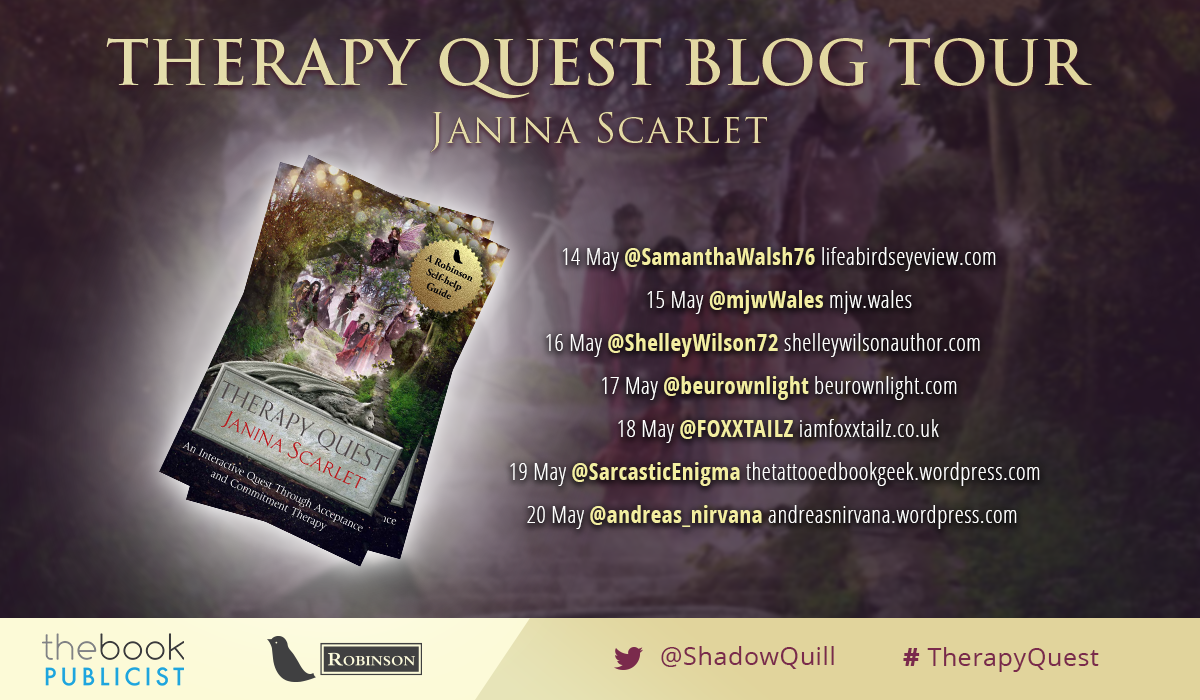
Guest Post: Interview with Dr Janina Scarlet, author of new book ‘Therapy Quest’

I have got to know Dr Janina Scarlet, psychologist as I have written more across the media. Janina writes about therapy and mental health in an approachable and meaningful way. She also loves superheroes and fantasy and incorporates them into her work!

This week for Mental Health Awareness Week, I spoke to her as she launches her  new book ‘Therapy Quest’.

bloggertour.png
(image: The Book Publicist/ Dr Janina Scarlet)


What is your new book Therapy Quest about?

Therapy Quest is an interactive fantasy book in which YOU (the reader) are the main character. You are transported to a magical world of Here and are the Chosen One to stop an evil sorceress, Mallena, from destroying the world. Only you don’t feel like a hero. Not at all. Your anxieties and insecurities nearly lead you to abandon your quest altogether. However, if you decide to partner up with some new friends, such as a vampire with an eating disorder, and an Ogre who struggles with obsessive-compulsive disorder, you just might be able to become a hero after all.

The book is written in a game-like format, which allows you to make choices along the way. Each choice you make will change the rest of your journey and can either allow you to earn or lose points. Some choices can kill your friends or your character, so you have to be careful.

Each time you make a choice, you will also learn a mental health skill, and you will need all the skills you can learn along the way to help you in your final battle.

What was your inspiration for writing it?

I knew I wanted to write a fantasy book with self-help elements in it, in which the reader could learn these skills through the characters they were reading about. My editor, Andrew McAleer, had the brilliant idea of having a similar format to “Choose Your Own Adventure” fighting fantasy books. This sounded like a very interesting challenge to me, and I am extremely honoured to have been able to work on it.

Could you explain a bit about what Superhero Therapy is and how it works in the book?

Superhero Therapy refers to incorporating elements of popular culture, such as fantasy and science fiction books, movies, TV shows, as well as video games, comic books (Superhero or otherwise) into evidence-based (research-supported) therapy to help clients to become their own version of a superhero in real life (IRL).

In Therapy Quest, the reader is the Chosen One, the Hero of their own journey even if they question their ability to do so. Through learning skills such as mindfulness, self-compassion, acceptance, and following their own core values, the readers are invited to take their own superhero journey and develop their own superhero skills, which can be utilized in their every day life as well.

Who could you recommend the book to?

I would recommend this book to anyone age 12 and up who might enjoy fantasy books and would like to learn skills to manage depression, anxiety, trauma, or other mental health struggles.

drjanina

Dr Janina Scarlet is a clinical psychologist and the author of Therapy Quest, a revolutionary self-help book which combines therapy with an interactive fantasy quest.

What UK Charities are doing for Mental Health Awareness Week and helping to break stigma by Eleanor for Metro.co.uk (Extract)

Today my article for Mental Health Awareness Week (by the mental health foundation) went live on the Metro.co.uk website. I worked with the Foundation, Samaritans, Young Minds and Time to Change to discuss their initiatives to help break stigma against mental illness and do something active in our communities.

Here is an extract of the article link to the full piece: http://metro.co.uk/2018/05/15/its-mental-health-awareness-week-how-are-charities-fighting-the-stigma-surrounding-the-subject-7533330/

mentalhealthaweek
(image: Eleanor Segall)

This week is Mental Health Awareness Week,  The event run by the Mental Health Foundation, has been running for 18 years. ‘Admitting it was shameful and embarrassing’ – what it’s really like to have kleptomania This year’s theme for Mental Health Week is: ‘Stress: Are We Coping?’.

Tackling stress, The Mental Health Foundation says, can go a long way to prevent anxiety, depression, self-harm and suicide, and it has commissioned the biggest ever survey into stress-related issues in the UK.

The survey, of 6,000 people across the UK, found some startling findings: in the last year almost three-quarters of people have at some point felt so stressed they felt overwhelmed or unable to cope.

It revealed that 74% of UK adults have felt so stressed at some point over the last year they felt overwhelmed or unable to cope, and that 83% of 18- to 24 year-olds said this, compared to 65% of people aged 55 and over.

Mental Health Foundation director Isabella Goldie says: ‘Millions of us around the UK are experiencing high levels of stress and it is damaging our health. ‘Stress is one of the great public health challenges of our time, but it still isn’t being taken as seriously as physical health concerns.’

Talking and breaking the stigma that surrounds mental illness is also hugely important So how are charities working to break down this stigma? We spoke to a number of them to find out.

The Mental Health Foundation

It is hoped that Mental Health Awareness Week will educate on stress and mental health, and start to open the conversation on coping methods and support, such as therapies, support networks and medication. The foundation is running the Green Ribbon scheme, a charity pin that can be bought.  Worn during Mental Health Awareness Week, It allows people to show support for good mental health for all, with all proceeds going to support the work of the foundation. Actor David Harewood posted a photo on Instagram about the campaign as he is an ambassador.

He says: ‘This year I am supporting MHAW. I am putting my face to the campaign and making a BBC documentary on the subject because 30 years ago I had a breakdown myself.

‘I am not sure why it has taken so long for me to go public with it, but, to be honest, I’ve been so busy over the past seven to eight years I haven’t really had the time. ‘Ever since I did last year, I have been astonished by the number of people who have come to me with their own experiences of mental health, encouraged by my frank admission.’

The Foundation wants the green ribbon to be the international symbol for mental health awareness. It is encouraging family and friends or colleagues to get together and have a chat about mental health over a curry. There are quiz ideas and  competitions to keep your guests engaged and to raise money for the Foundations work in mental health. To learn more, visit mentalhealth.org.uk.

To read more about the other charities and see the full article click the link below.

Read more: http://metro.co.uk/2018/05/15/its-mental-health-awareness-week-how-are-charities-fighting-the-stigma-surrounding-the-subject-7533330/?ito=cbshare

Twitter: https://twitter.com/MetroUK | Facebook: https://www.facebook.com/MetroUK/

Guest Post: On Sexual Abuse by Anonymous Woman

childab.jpg

(image: JPMS Medical blogs)


The writer of this article is an anonymous woman who wanted to speak out to share her story of being sexually abused as a child and teen. She also has mental health issues as a result.

Trigger warning: please read with care 


I have been abused twice, both times were at the hands of people I knew and respected, once when I was 8 and once at around age 17/18.

A lot of the memories were lost due to the extent of the trauma, but having EMDR has opened up the box, broken the chain that was firmly fixed around it and let all the memories out.

It has been horrendous, reliving the abuse, the detail of my memory, almost physically feeling I am back, as a child in that bed, remembering the details .  The family friend was a women, who was so trusted by all of us, growing up I adored her, admired her, almost wanted to be her, and now, all of those feelings have vanished replaced by to many emotions to specify one.

When I was a teenager I was abused by a well known Rabbi, thankfully the abuse this man carried out has come out in to the community.

I have written this letter in the hope that more people in the community may feel more able to step forward to talk about this.

If someone would like my e mail address please ask the blog owner for it.  

Dear my abuser (s) 

This letter will never get sent , but I want you to know what impact you had on my life, how those actions which may have only lasted 15 -30 minutes , actions which you probably have forgotten about, shaped the person I have become. 

In a strange way I am grateful for the memories of what you did, as not having the memory, yet knowing that something happened was worse. When the memories savaged my brain, invading my mind with your face, your hands and your body I believed that the shock and horror would never pass, everything I had ever thought of you, all my memories of you changed from seeing you as a positive, supportive influence to a monster who had harmed me in the worst way possible.

Your actions, made me aware from such a young age of my body .For years I knew, that from the age of around 9 my body was an immensely complicated thing in my mind, at such a young age being so aware of my body affected my confidence, self esteem and self love . 

At age 8 you took away the most precious thing, you helped yourself to my innocence, you took away from the person I could have become and began my journey to becoming the person I have been.

That knowledge made me in to a pretty messed up person.

My child is around that age . I look at my child  and see a happy future, a future filled with love and self confidence. The thought of something similar happening to my child  is to painful to contemplate.

By the time I was in my teens, my journey of self destruction was well on its way. I had learned by that time how to hide things, how to keep secrets, how to come across as confident and well adjusted and to this day my public persona and the person I am inside are two very different people. My life, for so many years was about seeking physical pleasure in order to reassure myself that I was a loveable, attractive person, that having sex was the self affirmation I needed to survive, lowering myself, giving my body freely, whilst hating myself for doing it, gave me the tools to breath, to live. Even today, if I do not feel my husband desires me it destroys me for days.

There were so many questions, mostly WHY, and HOW, how could I have let this happen to me twice, and why did it happen twice ( I know now that is was BECAUSE it happened once it happened again ) , how could I have stood as an older teen -when I let the pictures overtake my mind I am screaming silently why, why, why.

It is like being at a movie, a never ending movie, you can not leave the screening, you are on the screen, you try to yell, you try to reach out to the girl in the movie, but she can not hear you, you see her at 8, you see her at 17 you see her life unravelling, and you can not do anything to stop it, you want to beg her to tell, you want to beg her to be strong.

You see the girl grow, you see the way she lived her life, and you understand how the girls journey began, it makes sense to you that the girl ends up with severe mental health issues , you see how mental health issues are worsened by no self esteem, how other tragic events  could tip her over the edge and compel her to seek comfort in the arms of any man who would take her, and you understand her.  

 I understand now that cause and effect would dictate that the reason I ended up in your office, was a direct result of what she did to me at age 8, that she was the one who started the chain of events.

You taught me, you guided me to the mind-set that “the way to get love and care is to do what a man wants”.

My whole self worth was wrapped up in a package labelled, please sleep with me.

I feel so much sadness, sadness for the girl you both violated, sadness that the girl whose body you choose to fulfil your sick desires was mine, sadness that I am constantly questioning everything, why was I there, how could I have let you, why didn’t I tell anyone, when will I be able to go a day, an hour, 10 minutes without one of you pushing your way in to my thoughts.

There is nothing I can do to turn back time, there is no way I can ask you why, or sit with you and show you the movie of my life, the one which you started, I pray that there will come a time I can accept what you both did, I hope with all my heart a day will come when you will not mean anything to me.

All I can do is wait, sit with these constant overwhelming thoughts, trying to untangle them like a necklace with those annoying knots in the chain that are impossible to open, yet I will persevere.

I will continue to pick at the chain until all those knots have gone and you both become dust that is blown away from my mind


If you need support with sexual abuse and you live in the UK please contact:

The Survivors Trust

https://migdalemunah.org.uk/

Safe Line

Guest Post: Learn How to cope with Postpartum Depression by Kayla Clough at ourstart.com

After having a baby, there are many women who find themselves suffering from postpartum depression. Postpartum depression can cause feelings of sadness, lethargy, anxiety, and hopelessness. It’s important to do everything that you can to treat the symptoms of postpartum depression as much as you can so that you can build an amazing bond with your baby and rest assured that you are being the best mother that you can possibly be. The following guide walks you through a few ways you can handle postpartum depression effectively.

kayla2.jpg

(image: Kayla Clough)

Talk About the Way That You Are Feeling

There are many women who feel ashamed of the way that they are feeling and try to hide it from their friends and family. This is not a good idea because it can lead to isolation and cause the sadness and feelings of hopelessness to become exasperated. It’s best to be upfront and honest with your friends and family about the way that you are feeling so that they can help you battle the feelings as much as possible.


Take a Break from Time to Time

Being a new mother can be overwhelming. There is so much to do, and it often feels as though everything you do is not good enough. Take a break from time to time to unwind and allow your emotions to reset. Taking a long bath or simply enjoying a cup of tea alone on the porch while reading a great book can help you to be able to feel less anxious and allow your body and mind time to relax so that you can go back to caring for your baby with less stress.


Get Plenty of Sleep

When you are not getting enough sleep, it can be hard to regulate your emotions. It’s best to get as much sleep as you can when you have a little one. Take naps when they take naps and realize that the house, laundry, and the dishes can all be taken care of during the day. You can lay your baby down next to while you fold clothes or carry them against your chest in a carrier while you wash dishes or clean the house.


Get Up and Move

After having a baby many women feel lethargic and do not realize that they need to get up and move around to make themselves feel better. Getting regular exercise has been shown to lift moods and can help you to lose some of the weight that you may have put on during your pregnancy. It’s important to realize that the better you feel about yourself, the better mother you can be with your little one.


Don’t Be Afraid to Get Professional Help

There are times when overcoming postpartum depression on your own is too difficult to do. You can seek professional help from a psychiatrist to get advice and medication to help treat the symptoms that you are experiencing. Being able to be less stressed, anxious, and sad can help you to be able to live a more fulfilling life.

Postpartum depression does usually go away over time. If you have suffered from postpartum depression before, there is a good chance that you will suffer from it with future pregnancies. Be sure to properly prepare for the situation so that you can treat it from the start so that you do not have to suffer from the feelings associated with postpartum depression for any longer than you have to.


kayla

Kayla Clough is the email specialist at OurStart. Kayla is a recent graduate of Eastern University in PA, USA where she majored in Marketing and Human Resources. Kayla loves all things fashion, her golden retriever Max, and coffee. When she is not working, you can find her binge watching Sex in the City and baking her latest find on Pinterest.

Facebook: https://www.facebook.com/OurStart

Blog: https://ourstart.com/