Christmas For CAMHS 2025- Making Christmas And The Festive Season Special For Young People In NHS Mental Health Units.

(images: Christmas For CAMHS)

Every year, the incredible charity Christmas For CAMHS brightens up the lives of children and teens on NHS CAMHS mental health wards. These are for children who are too ill with their mental health (often distressed and traumatised) to be at home with their families, friends and loved ones. In 2004, when I was just 16 and going through a bipolar episode, at Christmas, I was in a mental health ward away from home (I am Jewish and don’t celebrate Christmas religiously but there is something about being given a gift, a card, activities when you are far from home that warms the soul). I know how scary it can be to live in hospital with other ill children and teenagers. So, I absolutely love the work of this important charity.

Christmas For CAMHS was founded by Dr Ro Bevan. While working as a doctor on a children’s ward in 2015, she saw first hand that, during the festive season, hospitals supporting children with physical illnesses were showered with huge amounts of gifts, festive treats and celebrations – as they should be! They even had enough to cover ward birthdays the following year! The following year she was working on a child and adolescent mental health ward. She was shocked by the contrast. So she posted about the inequality on Facebook “We had no presents donated. Our patients had one present each using money scrimped and saved from the NHS budget.” Her plea went unexpectedly viral, inspiring an intrepid bunch of volunteers to come together with her to create our charity Christmas For CAMHS. We had to make sure that no child or young person on a UK mental health ward was ever forgotten at Christmas again. 

Since then the charity has gone from strength to strength, providing some essential Christmas hope for almost 9875 children and young people. Last year, in 2024, the charity sent over 1100 individual gifts (with an additional fidget toy too) to these children and young people – that’s gifts to every young person in every CAMHS unit in the UK! 

They also sent 52 special additional gifts for young people on the ward particularly in need, such as those with no parental support and young people in foster care – this included items such as oodies, comic books and specialist art equipment. But that wasn’t everything! As well as individual gifts and goodies, they sent wellbeing advent calendars, festive decorations and activity kits – great for distracting and boredom-busting – paper chains, homemade cards and ward gifts such as jigsaws, art kits, books and board games. Festive season in a box!

(Image: Christmas for CAMHS)

The charity say, ‘It’s never really about the gift itself. For these young people struggling with conditions such as anorexia, psychosis, bipolar disorder and depression, it’s about a glimmer of hope — the knowledge that someone out there cares for them, is thinking of them, and wants them to feel less alone at a very hard time of year to be poorly in hospital. This is why what we do is so important. These fragments of hope and glimmers of joy can, and do, change the course of lives.’

A recipient of the charity’s kindness who was in hospital years before, told them the following and reached out to the charity.

She said: “I was in a CAMHS inpatient unit over the Christmas period when I was 17. While friends were studying for A Levels and passing their driving tests, I was really struggling to keep myself safe and needed to focus on basics like brushing my teeth and eating regularly. Staying in an inpatient unit is a really tough experience for anyone, but Christmas is particularly hard when the pressure to be with family and enjoy the festive period is much higher.”

I wasn’t safe enough to go home overnight yet, so woke up in hospital on Christmas Day. I remember feeling really low that morning, but the unit had received a care package filled with presents which were given to all of us who were there over the Christmas period. I don’t remember what l picked out, or what the other presents were, but I remember feeling like the universe wasn’t such a bad place after all.”

It felt really special that even when I couldn’t care for myself, there were people who did care for me.I hold that memory close to this day and I’m so grateful to Christmas For CAMHS for helping me through a really difficult time.”

I can relate to this person, I was lucky enough that in 2004, we did receive a small gift and I did get some cards from people in hospital with me (I was struggling with bipolar and psychosis at this time but I still remember that lovely feeling of being thought about by the ward staff).

(image: Christmas For CAMHS)

Christmas For CAMHS is a charity extremely close to my heart. This year, they hope to reach their 10,000th child this Christmas. Times are really tough for charities and they need your help to be Father Christmas and his Elves in all of the CAMHS wards in the UK again this year. You can support Christmas for CAMHS by donating online or choosing a gift from their wish list:

https://www.justgiving.com/campaign/christmas-camhs 

Thank you Christmas for CAMHS and all its staff and volunteers for bringing light and hope to poorly young people going through a challenging time.

For more: please see https://www.christmasforcamhs.org.uk/

My Podcast On Bipolar With JTeen Mental Health Support Service – Therapists Yaakov Barr And Tehilla Birnbaum.

I was delighted to collaborate with JTeen mental health support helpline and service for Jewish teens and young adults aged 11-24, on a podcast talking about my journey with bipolar disorder and social anxiety. I did this to help others and encourage people to seek help, and show its OK to talk about mental illness.

You can watch the podcast here, please watch with care: Trigger warning: discusses suicidal ideation, psychosis, mania, being sectioned under the mental health act and depression. Suitable for 18+

I decided to do this podcast to fight stigma in the Jewish community in London and worldwide and educate people about bipolar, especially parents as it started for me at the age of 15.

Thank you to Yaakov, Tehilla and Michal for making this such a relaxed but important conversation.

Love,

Eleanor

x

Christmas For CAMHS 2024- Supporting Children and Adolescents On UK Mental Health Wards Every Festive Season.

(image: Christmas For CAMHS)

A few years ago, I was delighted to discover this incredible charity- Christmas for CAMHS through a post by its founder Ro Bevan. This charity means a lot to me because 20 years ago this festive season, I was a very unwell 16 year old on a NHS child and adolescent (CAMHS) in patient psychiatric ward in the Priory North London, struggling with a bipolar mixed episode. I had psychosis and hadn’t yet been diagnosed with bipolar. Although I am Jewish and don’t celebrate Christmas, I remember that the ward gave us small presents and that other children/adolescents wrote me lovely messages of kindness and hope wrapped up in seasons greetings. Being away from home and especially during the festive season is filled with loneliness and sadness, especially if you are in hospital. In 2004, Christmas for CAMHS did not exist but their work now is vital.

So who are this amazing charity?

Christmas for CAMHS is a small charity who gives gifts and goodies to children and young people in  hospital for their mental health over the festive season. This is our 9th year of giving gifts to young people in CAMHS (children and adolescent mental health services) inpatient units across the UK and this year we’re giving over 1300 gifts!

Christmas For CAMHS was originally set up because Dr Ro Bevan saw a huge disparity in the way CAMHS units were treated over the festive period compared to other NHS services for children and young people.

In 2015 Ro was working in a children’s hospital for those with a physical illness. That Christmas the children’s hospital had tons of presents donated, mostly from corporate donors – so many presents that there was enough leftover for patients’ birthdays until June of the following year! A year later, she was working in child and adolescent mental health and, in stark contrast, they had no presents donated at all. The patients had one present each, chosen by the therapy team and paid for by the ward – scrimped and saved from the NHS budget that is meant to cover therapeutic activities and other expenses. 

Ro posted about the inequality on Facebook and before she knew it, her post had gone viral with 1,032 shares and so many supportive comments. It inspired her to start Christmas For CAMHS the following year to support these children and young people who would otherwise be forgotten by the generous public.

When the charity first began in 2016, they set up a simple fundraiser online which raised £1000 and managed to send around 300 gifts to young people in units that year. Since then, they have grown to be able to reach every CAMHS unit in the UK, but still work in a pretty similar way! There is the online fundraising page running each year where people donate either as individuals or on behalf of fundraisers they have run in their local community or with work colleagues. Additionally, there are corporate donations and people setting up their own fundraising pages to do amazing challenges to raise money (a couple of years ago one fundraiser ran a marathon around a Christmas tree!).

There is also a wish list where people can donate specific chosen gifts for children who may be feeling very alone.

(image: Christmas For CAMHS)

The charity reaches out to every CAMHS unit in the UK to ask the staff that work there how many young people they might have over Christmas. They also ask them what they think their young people might like, picking from a list of tried and tested categories, and the age range of their young people. The elves then work night and day to ensure that gifts are bought that align with what each CAMHS unit has requested and that are safe for young people in hospital for their mental health to be given. 

Once the gifts have arrived there is a major ‘packing weekend, in Bath. During this, volunteers come and help pack up massive boxes with all the assigned gifts, some Christmas decorations, some activities (such as colour in paper chains or blank cards), a Wellbeing Advent Calendar, some fidget toys and an extra ‘ward gift’ for each ward to enjoy together. We don’t wrap the gifts, so the wards can check them, but we do provide wrapping paper and sticky gift tags. We also provide a bigger gift, when requested, for young people on the wards who may not receive a gift from anyone else this Christmas, such as young people who have no family support. The gifts then get delivered to each CAMHS ward ahead of Christmas day.

This year, the charity is also sending wards some paper chain ‘strips’ with cheesy cracker jokes written on them, made by members of the public and assembled by young people on the wards, providing a tangible reminder that we are all still connected despite what the young people are going through. Young people loved these last year. 

It is always so nice to receive messages from young people about the gifts that they’ve given. A young person recently told the charity:

“The gift made me smile so much. I’d had such a bad day and it was an utterly terrifying time in my life – I was about to turn 18 and had never felt more alone. It was so weird but lovely to think that people who didn’t know me cared enough to make me and my friends feel special and connected. You really do such an amazing job. You’re so kind, thank you.”

The whole team and all donors are thinking of every child and young person who will be spending the Christmas period in hospital due to their mental health, which is exactly why Christmas at CAMHS does what it does – we want them to know that we’re thinking of them and that lots and lots of people are holding them in their hearts. 

To donate to Christmas for CAMHS:

Making Christmas Magic for Young People in CAMHS Units (2024)

or text CAMHSGIFT followed by your donation amount to 70470 to give that amount (e.g. CAMHSGIFT10).

For the rest of Christmas for CAMHS links:

Christmas For CAMHS | Twitter, Facebook | Linktree

Reaching Out For Help: How To Support Your Child’s Behavioural Issues by Brooke Chaplan.

(Image: Adobe)

Parenting is a journey filled with countless moments of joy, laughter, and pride. However, it also comes with its fair share of challenges, especially when you encounter behavioural issues in your child. Seeing a child struggle can be a source of stress and worry for any parent. It’s essential to remember that you are not alone; many parents face similar obstacles and there are resources available to help both you and your child navigate these challenging times. In today’s blog post, we’ll explore practical steps you can take to support your child through behavioural issues effectively.

Understanding the Situation

The first step in addressing behavioural issues is understanding that they are often a part of normal development. Children go through various stages as they grow, each accompanied by different behaviours. It’s crucial to recognise the difference between typical developmental behaviour and behaviour that might signal an underlying issue. Observing patterns over time—such as frequency, intensity, or duration—can provide valuable insights into whether a child’s behaviour is part of their growth or indicative of something more complex.

Patience

Once you’ve identified that your child may need additional support beyond typical parenting strategies, it’s essential to approach the situation with empathy and patience. Open lines of communication can make all the difference in understanding what might be causing certain behaviours. Encourage your child to express their feelings and thoughts without fear of judgment or punishment. This open dialogue not only helps build trust but also provides you with clues about any underlying issues such as anxiety, bullying at school, or difficulties with academics.

Professional Help

After establishing communication, it’s beneficial to seek professional guidance, like that offered by Infinite Healing & Wellness, if needed. Consulting with paediatricians or mental health professionals who specialise in children can offer clarity on whether there are specific needs requiring attention. These professionals can conduct assessments to determine if there are psychological or neurological factors contributing to the behaviour changes in question. They may suggest therapy sessions tailored specifically for children which could include play therapy, cognitive-behavioural therapy (CBT), or family therapy sessions.

Effective Techniques

In addition to seeking professional help for your child, consider equipping yourself with effective parenting techniques specifically designed for managing challenging behaviours. Parenting classes or workshops often provide valuable strategies for positive reinforcement and setting consistent boundaries while maintaining a nurturing environment at home. Learning how best to respond during difficult situations helps minimise stress for both parent and child alike while fostering an atmosphere where constructive change is encouraged.

Self-Care

Lastly but vitally important is self-care for parents during this process; supporting a child through behavioural challenges requires emotional resilience from caregivers themselves! It’s easy sometimes amid caring duties to neglect one’s own needs. However, taking time out regularly ensures you’re not just physically present but mentally equipped to handle whatever comes along the next day together stronger than before!

Supporting a child through behavioural issues is no small feat but rest assured knowing every step taken towards understanding them better brings hope closer within reach! Remember being proactive makes all the difference; stay informed, communicate openly, lean upon experts, adopt new strategies whenever necessary, and don’t forget to look after yourselves along the way too.

A happy, healthy, balanced family dynamic benefits everyone involved in a long-term success story worth striving toward together!

This article was written by Brooke Chaplan, freelance writer.

Children’s Charity ‘Nip in the Bud’ Exposes The Dark Side of Social Media And Mental Illness With Its Film Stolen Childhood.

(image: Unsplash: Lesli Whitecotton)

A new film by the charity Nip in the Bud exposes the hidden dangers of social media and smartphone use among children. A Stolen Childhood provides startling insights from children, headteachers and doctors, shedding light on the everyday harm caused by digital platforms.

Launching today, the film highlights several alarming statistics. A shocking 90% of girls and 50% of boys report receiving explicit pictures or videos they did not want to see. Additionally, 1 in 5 children have experienced online bullying, with 24% of those bullied resorting to self-harm and 22% altering their appearance as a result.

Furthermore, boys as young as 13 have been targeted for sextortion scams, and 80% of teenage girls feel pressured to provide sexual images of themselves.

Emma Robertson, co-founder of Digital Awareness UK, emphasises the hidden nature of these issues: “The thousands of children we talk to in schools tell us that their parents often don’t know how much time they’re spending on their devices overnight, or what they are doing online. This is a new and hidden world which adults can find hard to penetrate.”

MRI scans show screen time reduces brain areas responsible for visual processing, empathy, attention, memory and early reading skills.

In response to these findings, many psychologists, headteachers and GPs are advocating for stricter guidelines:

  • No smartphones until age 14
  • No social media until age 16

These recommendations aim to protect children from various online risks, including increased loneliness, exposure to harmful content, access to strangers, behavioural addiction and cyberbullying.

Watch the film here: https://nipinthebud.org/films-for-parents-carers/smartphones-a-stolen-childhood/

About Nip in the Bud

At Nip in the Bud we produce free, evidence-based films and other resources aimed at parents, carers and teachers of primary-aged who may be struggling with mental illness or unmet neurodiverse needs.

Our mission is to empower families and communities around our children to recognise and respond to early signs of mental illness or challenges in a neurotypical world, with resources made in conjunction with mental health experts, educationalists and families going through similar experiences – facilitating early intervention, so that problems can be “nipped in the bud”, allowing our children to blossom.

Find out more about Nip in the Bud at: www.nipinthebud.org

Mental Health Care In Schools Resources- with Twinkl

(image: Kenny Eliason, Unsplash)

I am delighted to be collaborating with Twinkl on their mental health resources for children in schools.

Twinkl say , ‘We must recognise the need to improve understanding of children’s mental health. A person’s mental health is determined by a complex cocktail of different factors interacting. Some of these factors come from a person’s biology, while others come from external factors. Further complicating things, young children don’t always have a full understanding of why they feel they way they do. They can also be reluctant to talk about it, which only adds to the challenge if you’re a teacher trying to support good mental health care at your school. Ultimately, though, if you have concerns that one of your students is struggling with something related to mental health, you should report your concerns to the appropriate authority.’

Twinkl creates resources for teachers and their students, to provide excellent mental health education. This includes resources such as a morning physical and mental health check in, mental health discussion cards, mindfulness colouring pages, and the emotions iceberg to help children understand their feelings.

(image: Twinkl)

Sometimes children come to school unable to express their emotions or what is going on at home. That’s why its so important for teachers to use these tools to help children at school.

Click here to look at the amazing resources and read this blog by Twinkl.

This is an unpaid collaboration with Twinkl.

Teaching Resilience to Teen Girls in a Challenging World by Dr Hannah Yang.

(image: Yin Ge: Unsplash)

Today’s teen girls are growing up in a time that’s very different from when their parents and grandparents were young. They’re surrounded by new technology and social media that consistently exposes them to unrealistic beauty standards, cyberbullying and constant comparison to others.

This is why it’s so important for educators and parents to teach teen girls resilience – the ability to cope with challenges, bounce back from failures, and develop a strong sense of self-worth. This will then boost their mental health.

Challenges Encountered by Teenage Girls During Adolescence

The path to adulthood for adolescent girls is often lined with various challenges that significantly influence their development. While each girl’s experience is unique, there are some common struggles they frequently encounter:

Regular Use of Social Media

Building connections with family and friends is crucial for individuals of all ages. Social media has revolutionised the way we maintain these relationships, particularly over great distances. However, this constant online presence has a downside.

Many teenagers find themselves grappling with the pressure to maintain a certain persona on these platforms. Influenced by the glorified lives of young celebrities and popular influencers, as well as the need to keep pace with peers, this pressure can take a toll on their self-esteem and lead to a skewed perception of themselves.

Expectations From Friends and Family

The role of education in developing an individual’s skillset is undeniable. However, the stress of excelling academically, often influenced by lofty expectations within the family, can create significant strain on teenagers’ mental health. Comparing themselves to their peers, parents, or siblings sets high standards that can be challenging to meet.

If academic pressures aren’t managed well, they can harm a teenager’s self-esteem, particularly when they don’t meet their own expectations. It’s important for teenage girls to realise that their worth and intellect aren’t just measured by their grades or school performance.

Unhealthy Desires to Fit In

Despite the current portrayal of young online influencers as champions of self-expression, the struggle to conform to their ideals can be a significant issue for many teenage girls. Being part of a social circle can offer comfort and a feeling of belonging, which is often an essential aspect of their growth.

However, this pursuit of fitting in can lead girls to sacrifice their own beliefs and values. This may take various forms, such as changing their appearance significantly or adopting harmful eating habits, all in an effort to gain acceptance within a particular social group of peers.

The Importance of Resilience in Overcoming Challenges

Adolescent girls often draw strength from their relationships with friends and family. However, they frequently confront some of their toughest challenges when by themselves. This underscores the importance of resilience, giving them the ability to respond or recover from difficult situations.

Resilience goes beyond simply picking yourself up after setbacks. It encourages learning from these experiences and using them to build character, ultimately coming out stronger from going through various challenges in life.

Overcoming Personal Setbacks

In their formative years, young women often encounter various personal hurdles, including dealing with rejection, managing failures, or going through traumatic life events. If they don’t have strong coping mechanisms, these challenges can have lasting effects, shaping their self-confidence and future relationships.

Developing resilience equips these young women with the necessary skills to confront and overcome these challenging moments, growing stronger and more self-assured.

Learning From Success and Failure

Learning from life’s challenges doesn’t need to be a solo journey. Engaging with a mentor or participating in a support group can offer young girls new insights and different perspectives they might not have considered alone.

In situations that are more complicated, consulting with professionals in settings such as anxiety therapy or trauma therapy can provide a secure space for teens to work through their experiences effectively. These forms of support can also help young women build self-awareness of how their experiences may be having a lasting impact on their mental health while also discovering helpful coping mechanisms.

Improving Decision Making

Young individuals often possess a feeling of invulnerability and belief that they have all the answers. This combination of perceived invincibility and limited experience can result in hasty, impromptu choices, some with lasting impacts.

Teen girls who focus on building their resilience are more inclined to consider the long-term implications of their actions. They become experienced at evaluating the advantages and disadvantages beforehand, leading to wiser choices and avoiding potential mistakes.

Begin Cultivating Resilience Today

Developing resilience isn’t a one-off task – it’s an ongoing journey that demands persistence and dedication. By actively engaging in resilience-building activities and learning from both their successes and setbacks, young girls can cultivate effective coping mechanisms that will benefit them throughout their lives and help their mental health.

This article was written by Dr. Hannah Yang.

Visionary and healthcare entrepreneur by passion, Licensed Psychologist by training, Dr. Hannah Yang loves creating new possibilities in the world of mental health and wellness. Dr. Yang established Balanced Awakening in 2015 as a niche psychotherapy practice for women. As Balanced Awakening flourishes in Chicago, and soon Miami, she also loves to tap into her passion for design and Feng Shui to create fabulous environments for herself, her team, and clients.

Unbroken- The Inspirational Madeleine Black, The Courage Cultivator. How She Learnt To Heal After Sexual Violence.

(image: Madeleine Black)

Trigger warning: discusses sexual violence and mental illness.

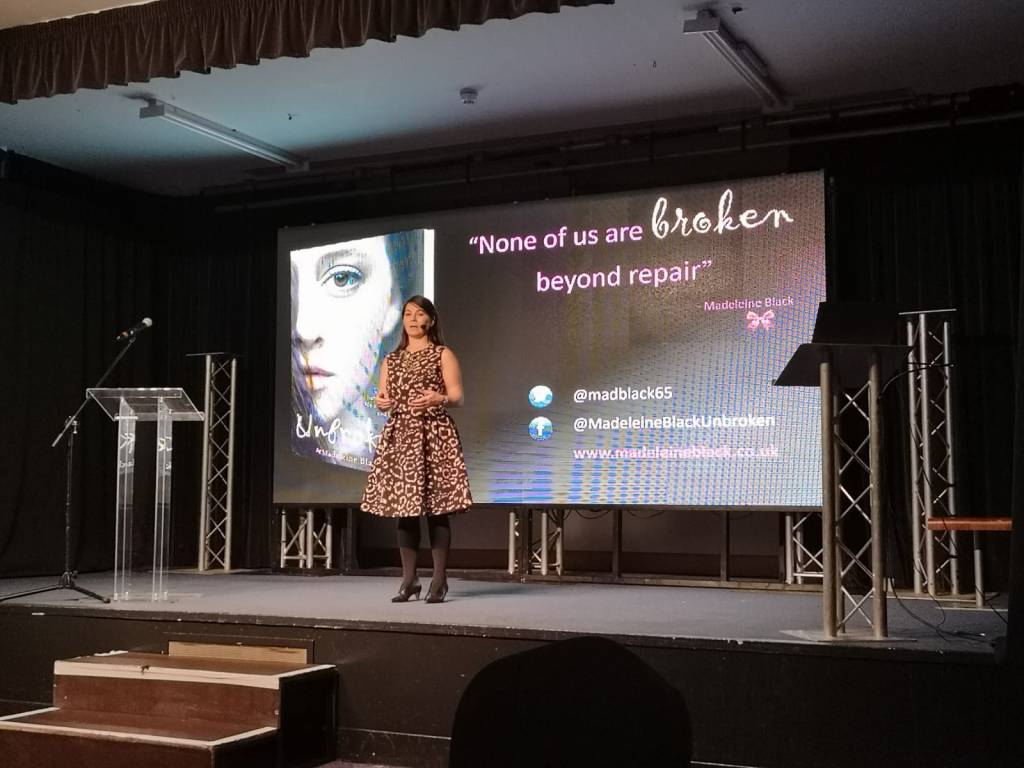
I have known about the incredible speaker, author and advocate Madeleine Black for a while, through my Dad Mike. She is an outstanding and powerful advocate of courage after adversity, of hope after despair and of resilience despite intense pain. For me personally, coming from the same community, I feel that Madeleine is a shining light to so many- as sexual violence has historically not been talked about openly.

Please note the rest of the article will discuss Madeleine’s journey with sexual violence and how she was able to move forward.

Used, Beaten but Never Broken.

I remember wishing they would kill me to make it all end.”- Madeleine Black 

It takes courage to speak the unspeakable. But for many years, Madeleine Black felt too afraid and too ashamed to utter a word of what happened to her. Violently attacked at the age of thirteen, her story is one of pain – but also of healing, resilience and forgiveness. Madeleine uses her personal and moving story to show us that it’s not the events in our life that define us, but by how we choose to reclaim our lives after them. How we become unbroken.

Madeleine grew up in Glasgow, Scotland and London into a loving Jewish family. At the age of 13, she went out with a friend in a group to a cafe in London, drank alcohol for the first time (like a normal teenager) and met two male international students that night, acquaintances of her friend. They took advantage of her age and vulnerability. Instead of dropping her home safely as she was drunk and could not consent, they carried her to a nearby flat and violently gang raped her, leaving her with terrible injuries. Her friend was sleeping in the next room. Madeleine talks of seeing herself floating above her body as if she wasn’t really there – dissociation as a trauma response. She was told by one of the men that if she told anyone about the gang rape, they would come and kill her.

Madeleine has said, ‘For many years after that night, my memories of what happened after he held the blade to my throat and threatened my life were fragmented… difficult to piece together. It was too extreme, too violent for me to understand.’

Madeleine struggled with her mental health following this trauma at such a young age. Living in a state of shock and self-loathing, it took her years of struggle to confront the buried memories of that first attack and begin to undo the damage it wrought, as men continued to take advantage of her fragility in the worst possible way. Madeleine was raped three more times before the age of eighteen, experiencing more trauma in her life than most ever will. Due to the aftermath of the trauma she faced, Madeleine used drugs and alcohol to numb the pain and developed phobias and an eating disorder. While she couldn’t remember lots of details of that night, it left her feeling ‘worthless, dirty and contaminated’. She had a suicide attempt by overdose, hoping to end her life and had her stomach pumped. She was then admitted to a childrens psychiatric unit struggling with suicidal depression and self harm.

After a few years, she eventually found the courage to tell her parents what really happened to her. After growing up with burdens no teenager should ever have to shoulder, she found the heart to carry out the best revenge plan of all: leading a fulfilling and happy life. She met her husband, a loving and kind man, who helped her to heal from the traumas she faced with men and they are happily married and have children together, three daughters. Madeleine learnt through this that she is loveable and she is loved.

(image: Forgiveness Project/Madeleine black)

However, piecing her life back together was long and painful. Forgiveness was the key for her to move forward- not to forgive the act of rape- but to understand what led the rapist to do so. It takes a real desire to understand those who have done us so much harm. It is the ultimate act of courage.

Madeleine has said,

‘I want to end the shame, stigma and silence surrounding sexual violence enabling others to find their voice, whatever their story is.  I want people to know that it’s not what happens to us that is important but what we do with it.  I will show how changing my mindset tapped into my resilience and transformed my life, making people question their own thinking and encouraging them to see that there are always choices to make, and if we choose to, we can get past anything that happens to us in life both professionally and in our personal life. I wants to encourage others to live their life courageously too; but ultimately, I want to inspire hope and show people that we are all so much stronger than we think we are.’

(image: Madeleine Black)

Madeleine found that since the attack, she had been burying memories and started to experience flashbacks when her daughter turned 13, the same age as when she was raped. This can be a part of PTSD- post traumatic stress disorder. She learnt that she must let go of her anger and make peace with her past, as her personal journey.

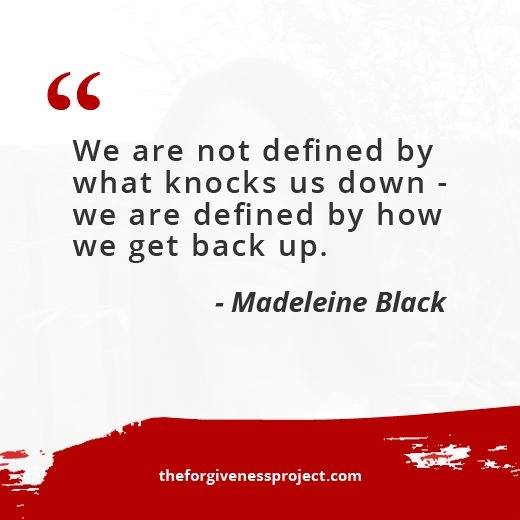
In her debut book Unbroken, Madeleine tells her deeply moving and empowering story, as she discovers that life is about how a person chooses to recover from adversity. We are not defined by what knocks us down – we are defined by how we get back up. She also hosts the Unbroken podcast where she has guests sharing their own stories of hope and courage.

Madeleine is also a TEDX Speaker sharing her journey to end the shame around sexual violence , works with the Global Resilience project and is the Patron for Say Women which helps rape and abuse survivors. She currently also works as a psychotherapist.

(image: Madeleine Black)

I will leave you with Madeleine’s words:

‘I am not my body or the things that were done to me. I am so much more than the sum of one night’

Thank you to Madeleine for giving me a copy of her book Unbroken to read and for all you do. You can get your copy here

The Inquisitive- a new film about mental health and suicide by Kelvin Richards

A daughter, struggling with mental health, is trying to cope with the death of her mother.

A father, recently released from prison, struggles to raise his teenage daughter as a single parent.

The Inquisitive is an independent British film that focuses on the extremely serious subject matter of teenage suicide and mental illness. The film is now working with multiple charities and organisations to bring more awareness to these issues and help make people understand why teenagers are suffering with such despair.

As with any film, we are in need of funding to help get it made. In 30-days, The Inquisitive is trying to raise £100,000 in order to give us the budget we need to make the film. We have budgeted accordingly and know there is a way we can make this a reality, however if we surpass this target, then we can make the film even bigger, better and draw in more famous faces to give the film the outreach it deserves so we can help raise even more awareness of these issues.

My name is Kelvin Richards, I am the writer/director of The Inquisitive and passionately believe that this film needs to be made. I appreciate there have been, and am sure will be, films about teenage mental health and suicide – but not like this. From the first day of deciding we were going to make this our next feature film, the team agreed the film couldn’t be ‘just another film about teenage suicide’, it had to be more than that, in both the way we make it and in the way we use it to help others. I want the film to have a lasting legacy that positively impacts the issues we focus on, and so we are teaming up with as many supporters as we can to help raise awareness of these issues and in-turn raise awareness for these organisations who’s aims are to help people struggling with mental health, or prevent those who sadly want to take their own lives. Two charities that have been a great asset to our cause have been The OLLIE Foundation (https://theolliefoundation.org/) and The Grace Dear Trust (https://thegracedeartrust.co.uk/) who have been of great help and I hope anyone in need can benefit from the services they offer for suicide prevention and mental health.

Before we begin, if this already sounds like a project you want to support then please feel free to find out more information and donate here – https://www.kickstarter.com/projects/kelvinrichards/the-inquisitive – we truly appreciate any donation you can afford to help us make this film.

The aim of The Inquisitive isn’t to cure teenage mental health issues, or suddenly stop the vast amount of teenage suicides the UK experiences every year. The aim is to raise awareness of these issues and try to help people who were unaware, appreciate and understand why certain teenagers feel the way they do, or choose to end their lives – and most importantly, get family and friends openly talking about these issues.

The film focuses on the story of Selena, a 15 year old girl who has lost her mother to cancer and is now being raised by her father who has been in prison for her entire life. But we don’t see Selena’s story right away, instead, we watch the story unfold through the eyes of Selena’s father, Paul. A man in his early thirties who is struggling to find a job and raise his teenage daughter. He tries his hardest to be a father and he does eventually find a job so we begin to get sidetracked by his story, and just as his story reaches its resolution, he comes home one night to find a suicide note from his daughter and later finds her body, having successfully carried out the horrific act. He, nor us as the audience can believe what is happening. Through experiencing the story alongside Paul, we ourselves have experienced how easy it is to miss the signs. “Every time we saw her, she was fine! She even cracks jokes! So why would she take her own life?”

Only now do we reveal Selena’s story. Only now do we get to experience her suffering. Only now, it’s too late.

I want the audience to experience the sheer helplessness family members experience in these tragic circumstances, and how the audience themselves even missed the signs whilst watching a film. So we now helplessly watch the same events unfold, but through the eyes of a teenage girl.

I feel this is the most powerful way of telling the story and what sets The Inquisitive apart. By using cinematic techniques we will make the film as immersive as possible to help audiences truly appreciate, understand and experience these issues. Selena’s character will break down social misconceptions and stereotypes. Although they are young, teenagers are not stupid. They know full-well the emotions they are feeling and we, as a society, need to come away from this mentality of “oh it’s just their hormones”, “It’s puppy love” or “It’s just teen drama” because that in its own right, is part of the problem. Selena doesn’t take her own life because of petty issues like ‘puppy love’ or because she’s ‘just sad today’, she thinks nihilistic thoughts. Suicidal ideologies on the pointlessness of life. For a teenager, or anyone for that matter, to take their own life, it’s not simply because they have a mental illness, it’s not simply just an impulse decision, it’s not simply because they are depressed, it’s because they have decided life is not worth living anymore. It is the peak of existential thought, and yet teenagers who have taken, or have tried to take their own life, are just seen as ‘stupid’. Far from it. The issue is, they aren’t talking about these thoughts, they are keeping them bottled up and so it spreads like a virus, poisoning their minds to the point where they can see no alternative but to end everything. Or if they are talking about it, they are struggling to get the help they need because families aren’t informed enough on what to do in these situations – and from there is a very vicious cycle that unfortunately sees almost 300 teenagers per year killing themselves.

So if we can make The Inquisitive, raise awareness of, and get people talking about these issues, then we as filmmakers will have achieved our vision of the film.

If you too believe in what we are trying to achieve then we would be truly grateful for any donation you can afford, all donations can be submitted on our funding campaign page here – https://www.kickstarter.com/projects/kelvinrichards/the-inquisitive – we have until the 10th November to raise £100,000 so every donation counts. From myself and all of the team, a huge thank you for taking the time to read this article.

How to help Teens with Mental Illness succeed at School: Guest blog by Brooke Chaplan

teenmentalillness

(image via B Chaplan)

It can often feel like the educational system is not set up to deal with anyone who falls outside of a fairly narrow set of parameters. If you know a teen who is dealing with a mental illness, you have most likely seen ways that the system fails to help him or her. If you want to help that teen succeed, though, you can take a few of the steps below.


Seek Out Treatment

The first, and perhaps most important, step is always ensuring that the teen in question is actually receiving treatment for his or her illness. While you might think that the teen’s coping skills are up to the task of school, the truth is that professional help is still the best way to stay on track. Whether this means therapy, medication, or a combination of the two, seeking out treatment is always a wise first step, from a doctor (GP) or psychiatrist if needed.


Find the Right School

The next step requires taking a look at the school environment. Some students do well in a typical school, while others might need a more therapeutic environment. Even choosing a smaller college prep high school may be the best way to help out a teen who has to deal with significant emotional problems. The setting in which education occurs matters, so make sure that your teen has the support he or she needs.


Create a Support Network

Make sure that the teen in question doesn’t have to do it all on their own. Setting up a support network that involves friends, therapists, and even teachers is a great way to give your teen a bit of extra help when it comes to dealing with the tough days. While you should be careful with how you talk about your teen’s illness, it’s also a good idea to make sure that others are aware of what he or she is going through.


Involve the Teen

Finally, give the teen a stake in his or her success. Let him or her be part of the decisions about schooling, therapy, and finding the right support. Developing a sense of agency is a must for any person who deals with a mental illness, so start the process sooner rather than later.

Don’t be afraid to seek out help when your teen is struggling. Find a good therapist, build support networks, and make sure that you’re making the right educational sources.

With the right kind of help, your teen can be quite academically and emotionally successful.


Brooke Chaplan is a freelance writer and blogger. She lives and works out of her home in Los Lunas, New Mexico. She loves the outdoors and spends most of her time hiking, biking, and gardening. For more information, contact Brooke via Facebook at facebook.com/brooke.chaplan or Twitter @BrookeCha