


(image: Unsplash: Tim Mossholder)
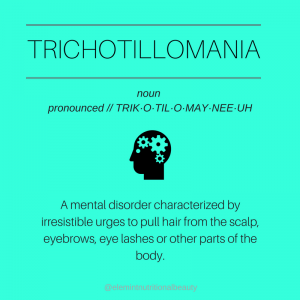
Trichotillomania is a condition where you have an uncontrollable urge to pull out your own hair. This is usually hair from your scalp but may also involve other areas of your body such as your eyelashes, eyebrows, genital area, legs, armpits, or face. Pulling out your hair may help to relieve feelings of stress or anxiety. It is also known as “trich” or TTM.
What are the symptoms of trichotillomania?
Symptoms of trichotillomania vary from person to person. They may be automatic, meaning you pull out your hair without being aware that you are doing it; for example when you are studying, reading, or watching TV, or focused which involves hair-pulling on purpose to relieve anxiety or stress.
Hair-pulling is usually done in private, and many people with trichotillomania feel ashamed or embarrassed about their condition and try to hide it from others. It is commonly accompanied by other behaviours such as biting your nails, picking your skin, or chewing your lips or cheeks.
Symptoms of trichotillomania may include:
- Frequent, repeated episodes of pulling out hair from your scalp or other parts of your body
- Increased tension before pulling out your hair, followed by a feeling of pleasure or relief afterwards
- Visible hair loss, thinning or bald areas on your scalp or other parts of your body
- Irritated or sore skin around the area
- Damage to your hair follicles
- Rituals such as pulling out specific types of hair, following the same steps or pulling out your hair in certain patterns
- Playing with pulled-out hair, such as rubbing it across your lips or face, biting, chewing, or eating pulled-out hair
- Repeated failed attempts to stop hair-pulling
- Avoiding situations where people might find out about your hair-pulling such as sleepovers, visiting hair salons, swimming, or sexual relationships
- Problems or conflict with family and friends as a result of your hair-pulling
- Pulling fibres from blankets and clothing or hair from pets or dolls
What causes trichotillomania?
The cause of trichotillomania isn’t fully understood. It may be a way of dealing with stress, strong emotions anxiety, a habit, or a hormonal or chemical imbalance. Trichotillomania may also be genetic and often runs in families.
What should I do if I have symptoms of trichotillomania?
If you have symptoms of trichotillomania, remember that you are not alone, and help is available. Make an appointment to see your GP.
How is trichotillomania treated?
The main treatment for trichotillomania is a type of cognitive behavioural therapy (CBT) called habit reversal training. Habit reversal training aims to replace a bad habit with something that isn’t harmful, and may involve:
- Keeping a journal of your hair-pulling to identify triggers and learning how to avoid them
- Learning to replace hair-pulling with another action that isn’t harmful, like squeezing a stress ball
- Getting support from loved ones and support groups
Some self-help tips for trichotillomania that may help include:
- Relieve stress by squeezing a stress ball or using a fidget toy
- Wear something over your hair such as a bandana or a tight-fitting hat
- Cut your hair short
- Exercise
- Practice relaxation techniques, such as deep breathing or meditation or take a soothing bath to ease stress or anxiety
- Exercise
- Put plasters on your fingertips
Other possible treatments for trichotillomania may include:
- Acceptance and commitment therapy — can help you learn to accept your hair-pulling urges without acting on them
- Cognitive therapy — works by changing negative thoughts and beliefs, and learning healthy ways to manage your condition
- Medication — trichotillomania isn’t usually treated with medication, but you may be prescribed medication such as antidepressants to treat an underlying condition like depression or anxiety.
Further help and support
Many people with trichotillomania feel isolated and try to hide their condition from others. Talking to people you trust as well as your GP and joining support groups can help you feel less alone and often helps to reduce your anxiety and hair-pulling.
For further information, advice, and support on living with trichotillomania, contact:
- Trichotillomania Support
- OCD UK
- Anxiety UK
- Alopecia UK
This article was written by HealthPrem. Features sponsored links.


 beurownlight.com