
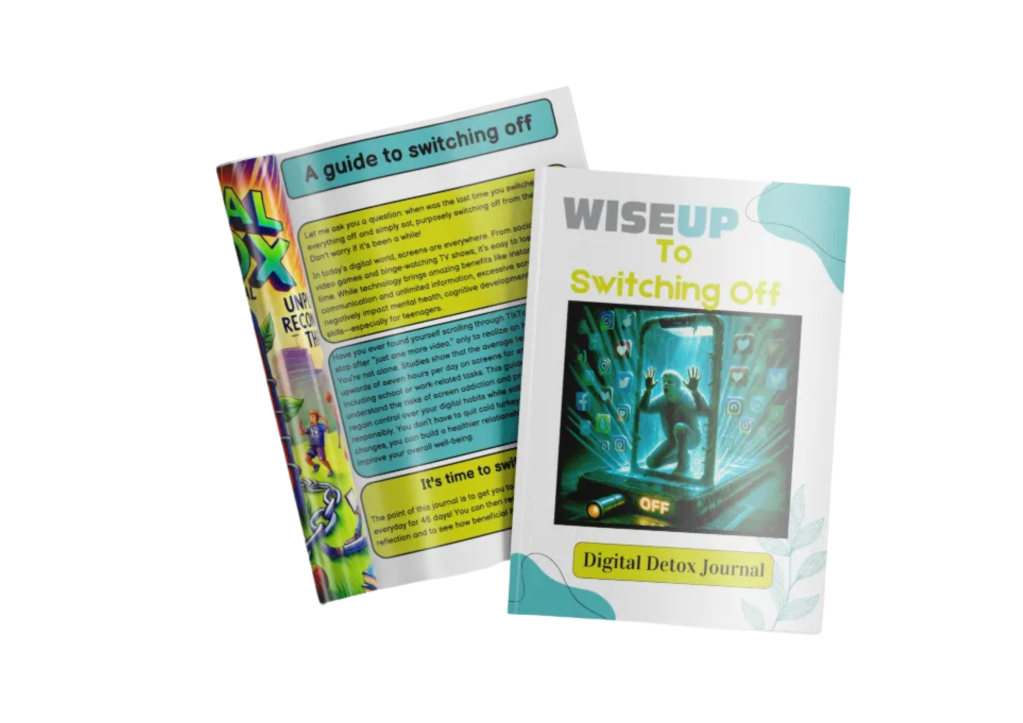
WiseUp Launches Groundbreaking Digital Detox Journal For Young People As UK Debates Social Media Safety Policy.

(image: WiseUp)

WiseUp Team Building, the multi award winning, UK Youth wellbeing and resilience organisation, has launched WiseUp to Switching Off – a guided programme designed to help young people and families build healthier relationships with screens and technology.

This launch comes at a time when children’s digital wellbeing is at the centre of national discussion, with the UK government recently consulting on measures inspired by Australia’s ban on social media for under-16s as part of wider online safety reforms.

With evidence mounting globally – recent World Health Organization data shows that rates of problematic social media behaviour among adolescents increased from 7% to 11% between 2018 and 2022 and that more than one in ten teenagers may struggle to control their use and experience negative consequences such as disrupted sleep and lower wellbeing – WiseUp’s journal is positioned as a practical alternative to purely restrictive approaches.

A significant proportion of young people report a negative impact on mental health from digital and social media use; a UK Digital Youth Index indicates that approximately 17% of young people aged 8–25 say their internet and digital device use harms their mental health, with the prevalence rising among older teens equating to around 2.5 million young people across the UK.

Richard Wise, CEO of WiseUp, said: “We created WiseUp to Switching Off, a digital detox guide, because families, teachers and young people are increasingly telling us they want positive and practical tools – not more tech bans – to make sense of their digital lives. Screens are now woven into education friendships and culture but when usage becomes compulsive it can undermine sleep focus and emotional wellbeing. Our journal helps young people become aware of their patterns reflect on their experiences and make incremental sustainable changes.

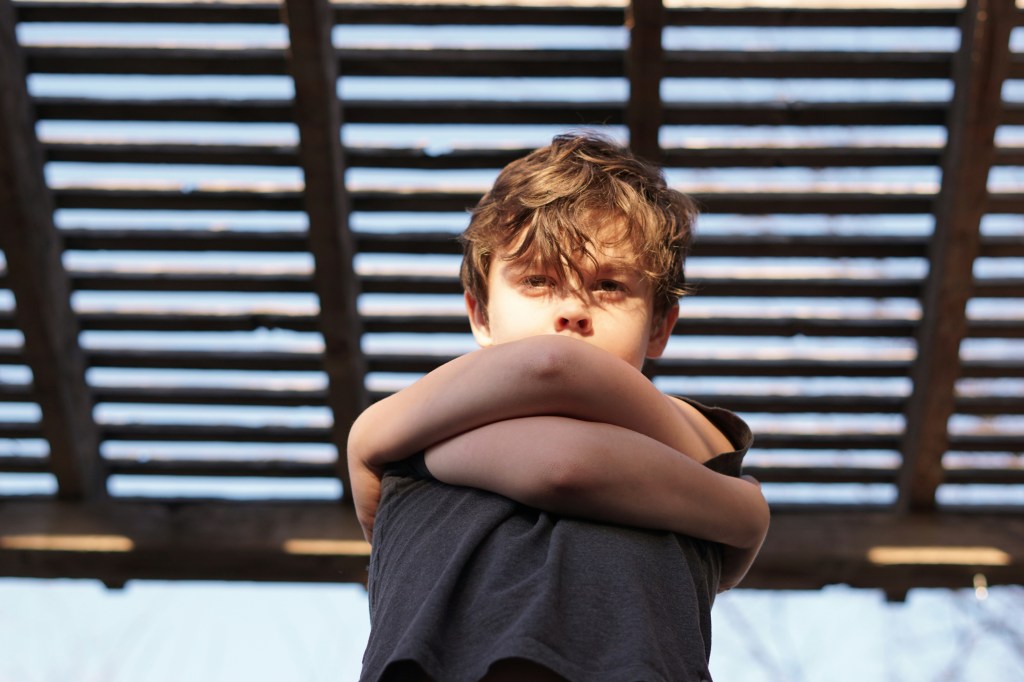
He continued: “Screens themselves aren’t the problem – but the way they pull young people in can be. When scrolling becomes a coping mechanism, when anxiety, loneliness or pressure drive screen use the impact on wellbeing can be profound. WiseUp to Switching Off exists to break that cycle. It gives young people permission to pause, space to breathe and the tools to reconnect with themselves and the world around them — while empowering schools and parents to put wellbeing back at the centre of everyday life.”
(image: Izzy Park: Unsplash)

The WiseUp to Switching Off digital journal combines evidence-based education about technology and the brain, practical habit-building tools, daily reflection prompts and offline challenges designed to improve focus sleep and connection with others. It is intended for use both at home and in educational settings complementing Personal Social Health and Economic (PSHE) learning.

Parents and wellbeing leads in schools have reported that the journal has helped young people reduce conflict over screens. It has also improved sleep routines and helped them rediscover offline interests, reinforcing WiseUp’s belief that self-directed change (rather than coercive restriction) is both sustainable and empowering.

WiseUp encourages parents, teachers, practitioners and policymakers to explore the journal and join the ongoing effort to support a balanced digital future for young people. To download your free copy visit the WiseUp website.

(image: WiseUp)
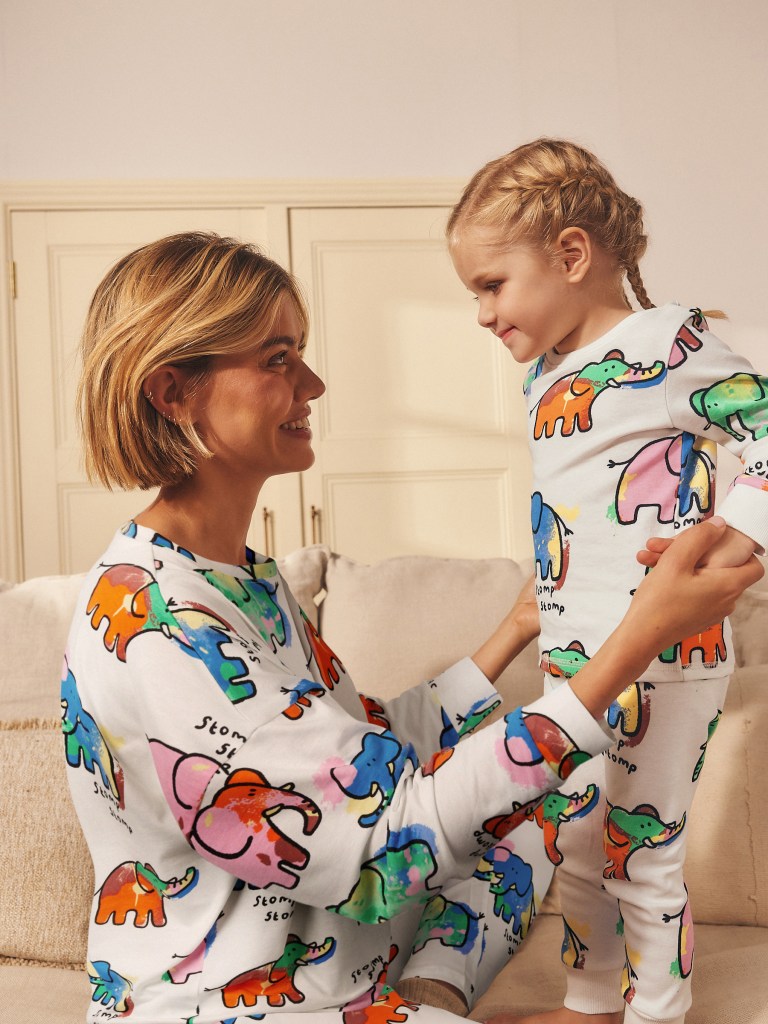
Snuggle Season Has Arrived! Limited Edition ‘Stomp’ BedTime Wear With NEXT For LOROS Hospice. (Non Sponsored Post)

(image: Limited edition Stomp pyjamas by Next, featuring a playful elephant design. 100% of profits support LOROS Hospice’s care for patients and families.)

Now that clocks are going back and its time to get snuggled and cosy, the perfect pyjamas for yourself and little ones have arrived! Teaming up with retail giant NEXT, the LOROS Hospice in Leicester, UK, have come up with some beautiful, stomping elephant pyjamas filled with colourful designs. The designs are inspired by the hand-painted elephant sculptures as part of the famous ‘Stomp Around Leicester’ art trail, which culminated in an art auction.

LOROS Hospice is facing a £2 million shortfall in funding and so NEXT has joined forces with LOROS to encourage the fundraising momentum! 100% profits from the pyjamas go to LOROS., which provides free, high quality compassionate care to terminally ill patients.

Available online now at next.co.uk, with nationwide delivery – every pair sold contributes to LOROS’s vital, compassionate care for over 2,600 patients each year. 

There are matching PJ sets for women and children, for family fun! These cosy pyjamas offer more than just warmth and style – they offer a feel-good factor that comes from helping a community lifeline.

Snuggle up for a cause this autumn: by slipping into Stomp PJs, families can stay stylishly warm while making a real difference to LOROS Hospice when it needs it most.

Please note: This post is non-sponsored (no fee taken) so Be Ur Own Light Blog can get entirely behind this wonderful cause!

image: Limited edition Stomp pyjamas by Next, featuring a playful elephant design)

The women’s Stomp PJs are 100% cotton and available in sizes XS – 2XL in regular length, and S – 2XL in tall. The children’s Stomp PJs are also 100% cotton and available in sizes 9-12 months, through to 7-8 years.

Working From Home In The UK And The Impact On Mental Health: With Choose Leisure

(image: Helena Lopes, Unsplash).

New data has revealed that there has been a rise in interest in mental health advice for those working from home, with searches in England jumping up by 63% in the past year.

With over two-fifths (42%) of remote workers feeling that working from home has had negative impacts on their mental wellbeing, the experts at Choose Leisure wanted to share that there has been a stark interest in mental health support across the UK.

Dr. Hana Patel, NHS GP and GP Medico-Legal Expert Witness commented:

“Working remotely, or from home, can have lots of benefits but it can also be isolating and have a big impact on our mental health. Often, it might be difficult to manage boundaries when being out of the office environment, so here are some tips that can help maintain well-being” :

  1. Highlight of the day – “Each day, try to find one small thing you can take pride in or appreciate. You might find it helpful to create a list at the start of each day, and tick off everything you’ve done at the end.”
  1. Lunch self-care – “Make sure you take at least a 30-minute lunch break and eat in a different room from where you work. If you can, try to get some fresh air and go for a short walk.”
  1. Prep your tech – “Set up a ‘work’ and ‘personal’ login for your laptop, so that you can differentiate between the two – you could even use different screensavers and backgrounds to make the difference clear.”
  1. Meeting environment – “Distinguish between proper meetings and informal chats with your colleagues – if possible, designate different spaces for formal and informal conversations to help set boundaries.
  1. Fresh air, fresh mind – “Go for a walk as soon as you finish – this can act as a fake ‘commute’, and make it feel like you’re coming home after the working day has finished.”
  1. Prioritise breaks – “It’s easy to work longer hours and take fewer breaks when working remotely. Put a reminder in your diary for when you plan to finish working.”

(image: Mikey Harris: Unsplash)

Beyond mental health tips for remote workers, national search trends also reflect the growing concern for work wellbeing.

Choose Leisure utilised search engine analysis to reveal a spike in searches for ‘work from home health’, ‘WFH mental health’, ‘WFH wellbeing’, ‘WFH wellbeing tips’ and 1,446 related keywords.

Nationally, England has been recognised as the country with the largest rise in working from home mental health concerns in the UK, based on online searches.

In 2022, the terms were searched an average of 79,720 times a month, but this rocketed to 129,950 in 2024 – that’s a 63% surge! Scotland came second with a 36% uplift, followed by Wales and Northern Ireland with 35% and 12%.

Searches for WFH Mental Health keywords
Location20222024% Change
England79,720129,95063%
Scotland9,69013,22036%
Wales6,8809,31035%
Northern Ireland6,0906,80012%

Donna Bicker from Choose Leisure, who conducted the research said:

“It’s important for remote workers to understand they are not confined to four walls, their home office or any space you use for daily work.

“Working from home is designed to foster flexibility and improve work-life balance. With mental health concerns on the rise in the UK, finding an ideal workspace—whether at home, in a café, or even travelling in a motorhome—can be essential for improved mental well-being and productivity.”

This non sponsored blog was written by Choose Leisure.