With the nights drawing in, The Works have teamed up with the mental health charity, Mind, to raise awareness of the mental health benefits of crafting.
The winter can be especially difficult for many, with darker, colder days and prolonged periods of rain affecting energy, mood, anxiety and stress levels. Some people may experience Seasonal Affective Disorder, which is a type of depression experienced during different seasons or times of year.
Stephen Buckley, Head of Information at Mind said,
“We know that crafting can be a powerful way to support mental health and wellbeing. Creative activities like card-making or knitting require focus, which may help us disconnect from daily pressures and find a welcome distraction. Learning a new skill can also bring a sense of accomplishment, which can be especially rewarding as the nights draw in. The repetitive motions of these crafts can feel meditative and calming, making them a helpful tool for managing stress, depression, and anxiety. Different things will work for different people and the main thing is finding a craft you enjoy and which fits into your life.”
Mind and The Works have produced a blog post with some ideas for easing stress and anxiety, boosting concentration, focus and memory.
Lynne Tooms, Chief Commercial Officer at The Works said, “Channelling your emotions into creativity can have a huge impact on us as adults, with various craft types having a big impact on our mood and sense of achievement, as well as providing us with skills and hobbies that can turn into passions to enjoy all year round.”
Let’s face it, going to the dentist is nerve-wracking at the best of times. The bright light in the face, the invading of your personal mouth space and interrogation of questions is not easy for anyone, let alone those who suffer from anxiety.
Dental anxiety is a widespread issue, with research showing that around 36% of people experience mild fear of dental visits, while approximately 12% suffer from an intense phobia. This fear can arise from negative past experiences, fear of pain, or even the sounds and smells of a dental surgery.
For some, the anticipation of discomfort creates overwhelming stress, leading them to avoid regular check-ups and treatment. Dentists are trained to recognise and address this anxiety, ensuring patients feel safe and supported.
Creating a Calm and Relaxing Environment
A welcoming environment is one of the first steps in easing anxiety. For some practices like Aromaden in Surrey, creating a calm environment through the use of furniture, staff attitudes, lighting and culture are a big part of soothing patients.
Dentists often design their clinics with comfort in mind, using calming colours, natural light, and soothing background music. Friendly and approachable staff can also help patients feel at ease upon arrival. Open communication is essential; dentists take time to explain treatments step-by-step, using simple language to demystify the process and build trust. Patients are encouraged to ask questions, ensuring they feel informed and in control of their care.
Modern Techniques to Reduce Fear
Advancements in dental technology have transformed the patient experience, making procedures faster, less invasive, and virtually painless.
Many dentists use local anaesthetic techniques that minimise discomfort or offer sedation options such as nitrous oxide (commonly called “laughing gas”) or oral sedatives to help patients relax during treatment. In cases of severe anxiety, general anaesthesia may be an option, allowing the patient to remain unconscious throughout the procedure. The availability of these methods reassures patients and helps alleviate their fear.
For decades, patients have been used to metal fixed braces and all the wires and screws that come with it. But today, using Invisalign treatment is as simple as popping in a mouthguard for just a few months to receive the same desired outcome. Whilst Invisalign is not available for children, it is something that adults have used to get straight teeth later on in life.
(image: The Humble co- Unsplash)
Psychological Support and Trust Building
Dentists often incorporate psychological techniques to address anxiety. Strategies such as cognitive behavioural therapy for dentistry (CBT) can help patients challenge irrational fears and develop healthier attitudes toward dental care. Some practices introduce patients to gradual exposure, where they begin with simple visits like check-ups and slowly progress to more involved procedures as their comfort level increases. Deep breathing exercises and relaxation techniques are also recommended to help patients stay calm during appointments.
Building a strong relationship between the patient and dentist is critical. Trust is developed through active listening, empathy, and empowering patients to communicate their needs. For instance, many dentists allow patients to signal for a break during procedures, giving them a sense of control and reassurance.
Benefits of Overcoming Dental Anxiety
Managing dental anxiety not only improves oral health but also enhances overall well-being. Regular visits prevent serious problems like tooth decay and gum disease, which can require more invasive treatments if neglected. Additionally, addressing dental issues boosts confidence, as patients feel better about their smiles. For many, overcoming fear also builds resilience and makes it easier to tackle other aspects of healthcare.
By creating a calming atmosphere, utilising modern tools, and fostering trust, dentists can help anxious patients feel more comfortable. This approach ensures that even those with deep-seated fears can access the care they need for a healthy, confident smile.
A few years ago, I was delighted to discover this incredible charity- Christmas for CAMHS through a post by its founder Ro Bevan. This charity means a lot to me because 20 years ago this festive season, I was a very unwell 16 year old on a NHS child and adolescent (CAMHS) in patient psychiatric ward in the Priory North London, struggling with a bipolar mixed episode. I had psychosis and hadn’t yet been diagnosed with bipolar. Although I am Jewish and don’t celebrate Christmas, I remember that the ward gave us small presents and that other children/adolescents wrote me lovely messages of kindness and hope wrapped up in seasons greetings. Being away from home and especially during the festive season is filled with loneliness and sadness, especially if you are in hospital. In 2004, Christmas for CAMHS did not exist but their work now is vital.
So who are this amazing charity?
Christmas for CAMHS is a small charity who gives gifts and goodies to children and young people in hospital for their mental health over the festive season. This is our 9th year of giving gifts to young people in CAMHS (children and adolescent mental health services) inpatient units across the UK and this year we’re giving over 1300 gifts!
Christmas For CAMHS was originally set up because Dr Ro Bevan saw a huge disparity in the way CAMHS units were treated over the festive period compared to other NHS services for children and young people.
In 2015 Ro was working in a children’s hospital for those with a physical illness. That Christmas the children’s hospital had tons of presents donated, mostly from corporate donors – so many presents that there was enough leftover for patients’ birthdays until June of the following year! A year later, she was working in child and adolescent mental health and, in stark contrast, they had no presents donated at all. The patients had one present each, chosen by the therapy team and paid for by the ward – scrimped and saved from the NHS budget that is meant to cover therapeutic activities and other expenses.
Ro posted about the inequality on Facebook and before she knew it, her post had gone viral with 1,032 shares and so many supportive comments. It inspired her to start Christmas For CAMHS the following year to support these children and young people who would otherwise be forgotten by the generous public.
When the charity first began in 2016, they set up a simple fundraiser online which raised £1000 and managed to send around 300 gifts to young people in units that year. Since then, they have grown to be able to reach every CAMHS unit in the UK, but still work in a pretty similar way! There is the online fundraising page running each year where people donate either as individuals or on behalf of fundraisers they have run in their local community or with work colleagues. Additionally, there are corporate donations and people setting up their own fundraising pages to do amazing challenges to raise money (a couple of years ago one fundraiser ran a marathon around a Christmas tree!).
There is also a wish list where people can donate specific chosen gifts for children who may be feeling very alone.
(image: Christmas For CAMHS)
The charity reaches out to every CAMHS unit in the UK to ask the staff that work there how many young people they might have over Christmas. They also ask them what they think their young people might like, picking from a list of tried and tested categories, and the age range of their young people. The elves then work night and day to ensure that gifts are bought that align with what each CAMHS unit has requested and that are safe for young people in hospital for their mental health to be given.
Once the gifts have arrived there is a major ‘packing weekend, in Bath. During this, volunteers come and help pack up massive boxes with all the assigned gifts, some Christmas decorations, some activities (such as colour in paper chains or blank cards), a Wellbeing Advent Calendar, some fidget toys and an extra ‘ward gift’ for each ward to enjoy together. We don’t wrap the gifts, so the wards can check them, but we do provide wrapping paper and sticky gift tags. We also provide a bigger gift, when requested, for young people on the wards who may not receive a gift from anyone else this Christmas, such as young people who have no family support. The gifts then get delivered to each CAMHS ward ahead of Christmas day.
This year, the charity is also sending wards some paper chain ‘strips’ with cheesy cracker jokes written on them, made by members of the public and assembled by young people on the wards, providing a tangible reminder that we are all still connected despite what the young people are going through. Young people loved these last year.
It is always so nice to receive messages from young people about the gifts that they’ve given. A young person recently told the charity:
“The gift made me smile so much. I’d had such a bad day and it was an utterly terrifying time in my life – I was about to turn 18 and had never felt more alone. It was so weird but lovely to think that people who didn’t know me cared enough to make me and my friends feel special and connected. You really do such an amazing job. You’re so kind, thank you.”
The whole team and all donors are thinking of every child and young person who will be spending the Christmas period in hospital due to their mental health, which is exactly why Christmas at CAMHS does what it does – we want them to know that we’re thinking of them and that lots and lots of people are holding them in their hearts.
Do you have a diagnosis of PMDD (Premenstrual Dysphoric Disorder) or worry that your PMS symptoms before your period might indicate this? This article talks about how to be effectively diagnosed and looks at misinterpreted symptoms. I have been watching this series of Married At First Sight UK with great interest- its an experimental dating show where they get married without ever speaking or seeing each other and follows how their relationships either blossom or fail. One such couple is Kieran and Kristina, who are completely adorable. Kristina has been very open about her own mental health condition, PMDD and how it has impacted past relationships for her.
After Married at First Sight UK star Kristina Goodsell shared her diagnosis of PMDD (Premenstrual Dysphoric Disorder) with her partner Kieran, searches for ‘What is PMDD UK’ spiked +250% in the past week, and searches for ‘PMDD remedies’ are up +2,431% in the past year, showing that people want to learn more about this specific women’s health condition.
In a further episode, Kieran explained he doesn’t know if he can sustain a relationship due to Kristina’s PMDD. This TikTok video clip of the episode, which has gained 245.6k likes, has led to more people discussing their own PMDD journeys, with one user commenting ‘I have PMDD and it is so hard to live with’ and others asking ‘What is PMDD?’.
Dr Pallavi Bradshaw, Deputy Chief Medical Officer at AXA Health has shared information about PMDD including the misinterpreted symptoms, tips for getting the correct diagnosis and the different treatments.
What is PMDD?
AXA Health explains that premenstrual dysphoric disorder (PMDD) is a hormone-related disorder that affects not only your body but also how you feel.
As a more severe form of PMS (premenstrual syndrome), PMDD can particularly impact day-to-day life. Symptoms can also get worse during the luteal phase of a woman’s menstrual cycle, which can last around two weeks between ovulation and the start of a period.
PMDD was listed in the ICD-11 in 2019, validating the medical diagnosis of this serious women’s health condition, yet as symptoms are similar to other health issues, this means that PMDD is still underdiagnosed.
Five Misinterpreted Symptoms of PMDD
Around 1.6% of women and girls experience symptoms of PMDD worldwide, and Dr Bradshaw highlights that “There are a range of typical emotional and physical symptoms to look out for such as anxiety, headaches, breast tenderness/swelling and appetite changes. However, there are also five symptoms of PMDD to look out for that can help with distinguishing the condition from other health problems and getting a more accurate diagnosis”.
Feeling overwhelmed
Whilst it’s normal to feel overwhelmed occasionally as a result of life stressors, it can negatively impact your health and is a sign of PMDD that shouldn’t be ignored.
This may include having irrational thoughts about a situation, experiencing a freeze response where you avoid or postpone tasks, withdrawing from a situation and friends/family, or overreacting to situations that wouldn’t usually affect you.
Increased irritability
Being irritable around your time of the month is due to fluctuations in serotonin levels and can be a symptom of PMS. However, irritability on a more severe scale can be a sign of PMDD.
Increased irritability may cause conflict in relationships and negatively impact everyday life, so it’s important to recognise this symptom, especially as this may be more noticeable around your period.
Muscle aches
This is a harder symptom to recognise if you regularly exercise and experience achy muscles from workouts. However, pay close attention to when the muscle aches happen, as if it aligns with your luteal phase and affects areas of the body you haven’t worked out as much, this could be a sign of PMDD that would instead go under the radar.
Bloating
A symptom many females will experience around their period is bloating, due to hormonal changes and water and salt retention. Yet, this is also a key sign of PMDD, especially if the bloating is severe, so it’s important to pay attention to this symptom.
Changes in sleep patterns
Struggling to sleep, sleeping more than usual or insomnia are also signs of PMDD which may go under the radar, as if you’re stressed and busy, you may put it down to these factors instead.
This symptom can be a result of other PMDD symptoms impacting your quality of sleep, such as anxiety. Hormonal shifts can also impact sleep patterns, which could be due to PMDD.
HOW TO BE EFFECTIVELY DIAGNOSED
MAFS star Kristina experienced a misdiagnosis of PMDD and was prescribed medication for depression. It wasn’t until after the initial treatment didn’t work, researching her symptoms in more depth and visiting a gynaecologist, that she received an official diagnosis.
With limited research on PMDD, the average time it takes to get a diagnosis in the UK is around 12 years, especially as it may take a long time to realise your symptoms follow patterns in line with your menstrual cycle.
As Dr Bradshaw explains, “Many symptoms of PMDD overlap with health issues including depression, anxiety and thyroid conditions. It’s vital to ensure you can provide as much detail as possible about your symptoms when visiting a medical professional, so the diagnosis can be as accurate as possible. Noting down any correlations to your period will also help to distinguish if it is PMDD too. A symptom diary can be invaluable”
Here are Dr Bradshaw’s top tips for supporting your PMDD diagnosis:
Ask questions – Prepare for your appointment by writing down any questions you have or anything you’re unsure about so you don’t leave the appointment with unanswered queries
Speak up – If you think you meet the criteria for most of the PMDD symptoms, voice this in your appointment by saying ‘I think I have PMDD’ during the conversation
Monitor symptoms– Keep a diary of your symptoms to find if they worsen during your luteal phase, which will help a doctor understand if it is linked to PMDD or not
Be open and honest – Being honest with your doctor and yourself about your lifestyle is important, as small changes could impact your symptoms as a treatment
Provide feedback – If a specific treatment is recommended that you’re hesitant about or have already tried, make sure to let the medical professional know
Seekfurther support – Asking to speak to a GP with a special interest in women’s health or for a referral to a gynaecologist if you aren’t responding to initial treatment and you feel you need more support or in-depth advice
This article was written by AXA Health featuring Dr Pallavi Bradshaw.
Parenting is a journey filled with countless moments of joy, laughter, and pride. However, it also comes with its fair share of challenges, especially when you encounter behavioural issues in your child. Seeing a child struggle can be a source of stress and worry for any parent. It’s essential to remember that you are not alone; many parents face similar obstacles and there are resources available to help both you and your child navigate these challenging times. In today’s blog post, we’ll explore practical steps you can take to support your child through behavioural issues effectively.
Understanding the Situation
The first step in addressing behavioural issues is understanding that they are often a part of normal development. Children go through various stages as they grow, each accompanied by different behaviours. It’s crucial to recognise the difference between typical developmental behaviour and behaviour that might signal an underlying issue. Observing patterns over time—such as frequency, intensity, or duration—can provide valuable insights into whether a child’s behaviour is part of their growth or indicative of something more complex.
Patience
Once you’ve identified that your child may need additional support beyond typical parenting strategies, it’s essential to approach the situation with empathy and patience. Open lines of communication can make all the difference in understanding what might be causing certain behaviours. Encourage your child to express their feelings and thoughts without fear of judgment or punishment. This open dialogue not only helps build trust but also provides you with clues about any underlying issues such as anxiety, bullying at school, or difficulties with academics.
Professional Help
After establishing communication, it’s beneficial to seek professional guidance, like that offered by Infinite Healing & Wellness, if needed. Consulting with paediatricians or mental health professionals who specialise in children can offer clarity on whether there are specific needs requiring attention. These professionals can conduct assessments to determine if there are psychological or neurological factors contributing to the behaviour changes in question. They may suggest therapy sessions tailored specifically for children which could include play therapy, cognitive-behavioural therapy (CBT), or family therapy sessions.
Effective Techniques
In addition to seeking professional help for your child, consider equipping yourself with effective parenting techniques specifically designed for managing challenging behaviours. Parenting classes or workshops often provide valuable strategies for positive reinforcement and setting consistent boundaries while maintaining a nurturing environment at home. Learning how best to respond during difficult situations helps minimise stress for both parent and child alike while fostering an atmosphere where constructive change is encouraged.
Self-Care
Lastly but vitally important is self-care for parents during this process; supporting a child through behavioural challenges requires emotional resilience from caregivers themselves! It’s easy sometimes amid caring duties to neglect one’s own needs. However, taking time out regularly ensures you’re not just physically present but mentally equipped to handle whatever comes along the next day together stronger than before!
Supporting a child through behavioural issues is no small feat but rest assured knowing every step taken towards understanding them better brings hope closer within reach! Remember being proactive makes all the difference; stay informed, communicate openly, lean upon experts, adopt new strategies whenever necessary, and don’t forget to look after yourselves along the way too.
A happy, healthy, balanced family dynamic benefits everyone involved in a long-term success story worth striving toward together!
This article was written by Brooke Chaplan, freelance writer.
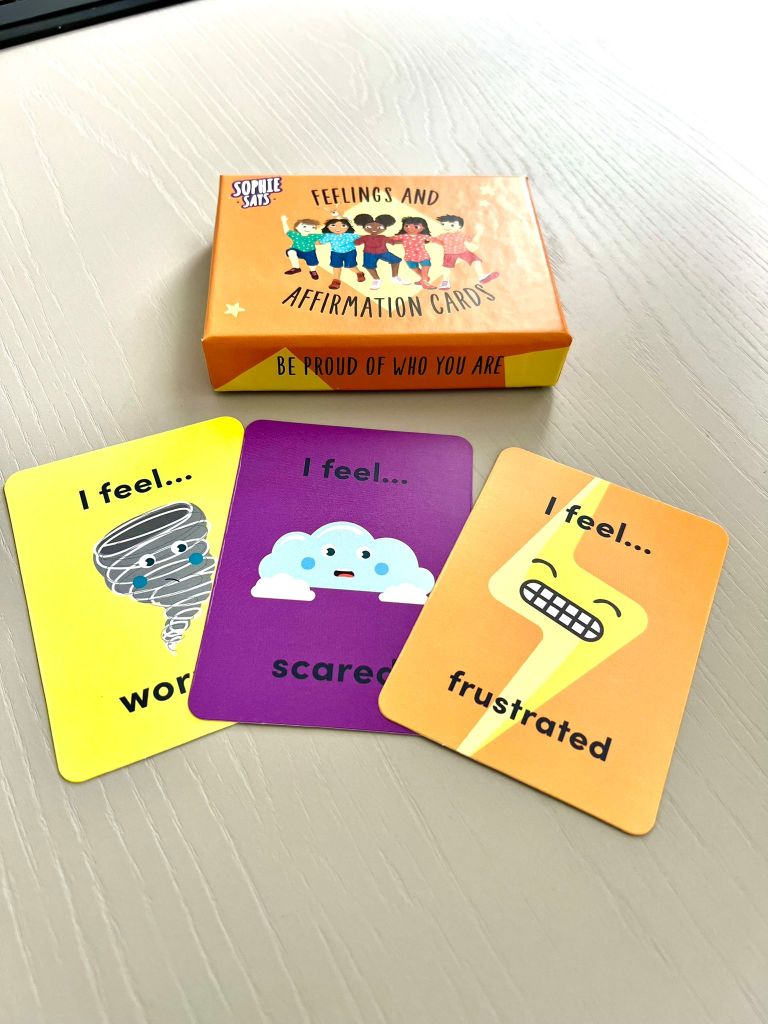
I have followed Esther Marshall’s journey for a while as a children’s author, speaker and mental health advocate for the next generation. On World Mental Health Day, Esther released a surprise and wonderful new product- Feelings and Affirmation cards to help children to communicate their feelings and emotions (and understand them).
420,000 children and young people in England are treated for mental health problems every month. Mum of three and author of the Sophie Says children’s book series is on a mission to make a positive impact on the world specifically for the next generation. The empowering children’s book series ensure critically important lessons in self-belief, mental health and gender equality are shown in an authentic and fun way.
Sophie Says Feelings and Affirmations Cards have been made specifically to help a parent or carer and child talk about their feelings together in a fun way through the much-loved Sophie Says characters. Affirmations and feelings cards are a proven tool for developing positive thinking, The Sophie Says affirmations cards have been designed to make exploring feelings a fun and interactive experience for children, parents, and carers, to empower self-belief and to help children believe they can achieve their dreams.
(image: Sophie Says)
Esther began her writing career with her debut book Sophie Says “I Can, I Will”, she wrote this during night feeds with her firstborn son as she wanted to teach him that girls were just as strong and powerful as boys, that people from different backgrounds to him could teach him things and he should listen and be kind to everyone.
The second book Sophie Says It’s Okay Not To Be Okay was written in memory of Esther’s younger sister Rebecca, who tragically took her life after her battle with mental illness at the all too young age of 28. The passion and driving force behind Sophie Says is to keep Rebecca’s legacy alive, teach young children about the importance of mental health, and talk about their feelings from a young age. The Sophie Says series now includes three books ‘I Can, I Will’, ‘It’s Okay Not To Be Okay’, and ‘Be Proud Of Who You Are’.
Esther Marshall says: “My mission is to help create a world where all children grow up feeling equipped and empowered to face their futures. Our new Sophie Says affirmations cards will help parents and carers communicate with their children and encourage them to express their feelings from an early age to help children, avoid harmful stereotypes before they set in.”
I love these cards and can’t wait to use them too!
This World Mental Health Day 2024, the focus is on our mental health at work. We have known for many years that the UK has a mental health crisis and that many employers fail their staff in this area. A recent survey from Robert Walters found the following:
71% of UK employers currently offer wellbeing benefits to their staff
83% of professionals have at some point experienced poor mental health at work in the last 12 months
58% of professionals state that it feels like a ‘box-ticking exercise’
However, 80% haven’t accessed their employer provided mental health support
Although three-quarters of companies now offer employee wellbeing programmes, 83% of professionals state they’ve experienced mental ill health at work in the past 12 months!
In my own personal experience, I think it is so important that a wellbeing culture is embedded at work from management downwards. Employees should feel safe to express how they feel or if they are going through difficult times- be that bereavement, trauma, depression and anxiety or other forms of mental illness, stress at home and work – and to be well supported if disclosing any confidential information. Similarly, we should be striving to have a workplace where mental health is as recognised as physical health (and prioritised).
As Mind say, “We’re in the middle of a mental health crisis. 2 million people are currently stuck on waiting lists for NHS mental health services. And on top of this, mental health stigma is still a significant issue. Real people, being left behind by a broken mental health system.“
Due to lack of service provision, it is even more important for employers to look after their staffs mental health, on today World Mental Health Day and going forward.
I would love to hear how you find mental health at work too,
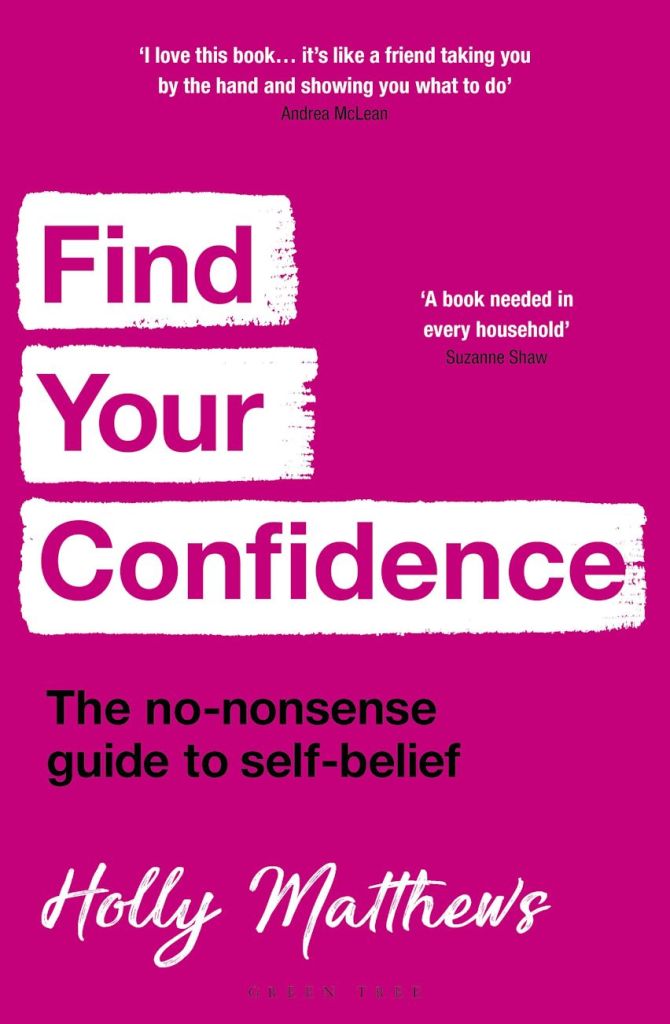
I had the pleasure of reading and reviewing Holly Matthew’s debut book ‘The Happy Me Project’ a few years ago. Holly became a friend when I met her online in 2017 and became one of the first people to sign up to her ‘Happy Me Project’ life reset, which included a workbook and online classes. Holly is one of the most inspirational people I know- not only did she decide to become a life coach and NLP practitioner after the tragic passing of her husband Ross, but she was also an award-winning TV actress and is Mum to two wonderful girls. Holly truly helps people going through difficulties in their lives and so when her new book ‘Find Your Confidence’ came out, I knew I needed to get myself a copy and review it.
The book talks about finding self belief in a wide variety of situations such as in the workplace, at job interviews, at home in every day life. The publisher says,
‘Each chapter is broken down to focus on a different everyday scenario as Holly provides simple and practical advice for tackling confidence head-on. Learn how to: – Thrive in social situations – Develop the tools to be a confident partner and parent – Ace speaking in public and being assertive in the work place.’
(image: Green Tree/ Holly Matthews)
The book’s premise is that ‘Everyone can access confidence – it’s just a case of learning how.‘ Holly says, ‘Confidence is not a skill that we’re born with or without but something that can be taught, practised and developed throughout your life. Focusing on both your inner and outer confidence, will help transform your self-belief from the inside out.’
I absolutely love this guide and tips to strengthen self belief at home and in public. Singer and actress Suzanne Shaw has said, ‘ This book is needed in every household for adults and kids. An absolute guide to help you eradicate self-doubt and give you a huge injection of confidence!
Holly breaks down each chapter into ways to find and build confidence. I truly love the book and know it will be really helpful to me (and others) in specific life situations going forward. Self belief and confidence is something so many people struggle with and having these exercises, links and resources will be invaluable. Working with Holly is very special!
Find Your Confidence: The no nonsense guide to self belief by Holly Matthews is out now in all good book shops (and online).
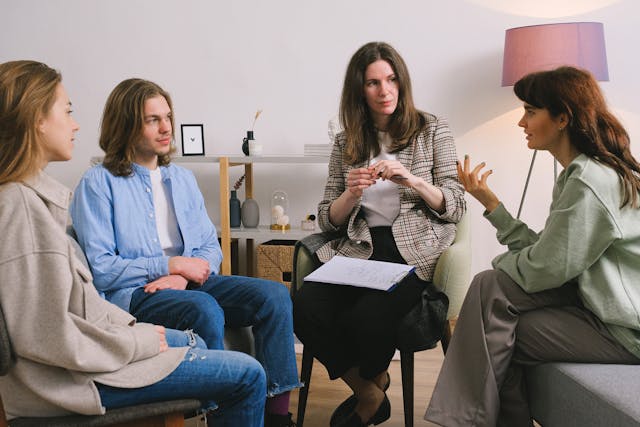
In an environment where life’s hectic pace can strain family relationships, family therapy seems like a ray of hope for preserving relationships and promoting comprehension. Although the phrase “family therapy” can conjure up ideas of resolving disputes, the advantages of this approach go much beyond that, including enhanced relationships, better communication, and emotional healing.
Enhancing Communication Skills for Stronger Connections
Healthy relationships are based on effective communication, and family counseling services are essential for improving this ability. Communication failures are a common cause of miscommunication, conflict, and emotional distancing in families. Families can acquire and hone skills that enhance their capacity for eloquent and sympathetic thinking and emotional expression via counselling. Therapists help family members express their needs and actively listen to one another via various techniques, including role-playing and guided conversations. A family’s ability to communicate better can result in more meaningful and fruitful relationships. For instance, activities aimed at recognising and resolving communication patterns that fuel conflict are often included in counselling sessions. Family members can lessen the number of disagreements and misunderstandings by learning to have talks with more empathy and understanding.
Addressing and Resolving Conflict Effectively
Family life will always include conflict, but if unsolved concerns are not properly handled, they can become serious difficulties. Family therapy offers a neutral, safe environment for discussing and working through issues. Family members can share their opinions and feelings in talks led by therapists without worrying about being judged. Families are better able to resolve disputes in a way that fosters understanding rather than hate in this controlled setting. Families that get treatment concentrate on improving their ability to solve problems and resolve conflicts. Counselors often teach family members conflict-resolution strategies like compromise and negotiation, which help them identify points of agreement and strive toward amicable resolutions.
Strengthening Emotional Bonds and Family Cohesion
Family therapy has a crucial role in strengthening emotional ties and promoting unity within the family. Emotional distance often results from unsolved problems, unfulfilled desires, or traumatic experiences in the past. Family members can examine and resolve these underlying difficulties in therapy, which promotes emotional healing and fortifies bonds between them. Families might better comprehend one another’s experiences and viewpoints by using facilitated conversations and therapeutic activities. Activities intended to improve emotional connection, including telling personal tales or expressing appreciation, are often included in the therapy process. Through deeper connections fostered by these activities, family members can develop empathy and trust.
Improving Family Roles and Dynamics
Redefining and addressing family roles and dynamics is another aspect of family therapy that can have a big influence on relationships and family functioning. Rigid or dysfunctional role structures are a major source of discontent and conflict in many households. For instance, a family member can take on an emotionally taxing caregiver role, or there can be tasks that are not evenly distributed, leading to conflict. The chance to assess and modify these responsibilities to better suit the needs and abilities of each family member is offered by therapy. In order to recognise and treat problematic patterns in roles and dynamics, therapists collaborate with families. Families can investigate and reinterpret roles in a manner that fosters harmony and respect for one another via therapy. As an example, family members might work together to create new rules about who gets what or help each other adapt to new positions within the family.
Fostering Resilience and Coping Strategies
The development of resilience and useful coping mechanisms is yet another important advantage of family therapy. Families often deal with a variety of pressures that might harm their relationships and mental health, such as health problems, financial hardships, or life changes. Families that get therapy are given the skills and techniques to deal with these pressures and keep a good attitude. Therapists assist families in creating coping strategies that improve their capacity to deal with difficulties and adjust to changes. Teaching stress management strategies, developing problem-solving skills, and promoting healthy lifestyle choices are a few examples of therapeutic approaches. Families develop resilience, support one another through trying times, and manage to stay stable in the face of outside challenges.
Finally…
The advantages of family therapy for improving family dynamics and relationships are immeasurable. A family that receives family therapy can become more cohesive, resilient, and supportive—a place where people feel empowered to face life’s obstacles as a unit.
Rehab treatment is one of the most important things you can get if you’ve been struggling with dependencies and substance abuse issues. This is because the human body and mind can become reliant on certain substances, making it almost impossible to quit a substance without the help of the kind of professionals who work in rehab facilities. However, it’s never easy to make a major life decision without knowing the full story, which is why you should know what to expect as you’re entering rehab.
Admission
If you want to go to a drug rehab in Austin, USA, some of which are considered among the best in the world, you’ll have to understand what the process of admission is going to be like. Rehab facilities get a lot of patients each year, and all of these people have different needs and considerations because they may have different side effects from the same drug or may have been using wildly different substances. When you first enter rehab, professionals at the facility you’re considering going to will be able to assess your case by getting a medical history and figuring out the effects substance abuse has had on your body, which can then be used to create a treatment plan for you.
Detoxification
Detoxification is the next step of any good treatment plan and is often the toughest part of the early stages of sobriety and recovery. Withdrawal symptoms arise when people have not had access to drugs for a number of hours, upsetting their bodies, which have grown to develop a reliance on those substances. Symptomatic treatment for withdrawals by using medication to control cravings and side effects helps a lot in ensuring people are able to comfortably transition to recovery by lowering the worst sensations they’ll be feeling during this time, and, once the body has gotten rid of all of the toxins lurking within, the rest of your treatment will begin.
Getting a treatment plan
As previously mentioned, getting a proper treatment plan is a major part of getting better and weaning yourself off of the substance you’ve been abusing, including any side effects you’ll have to get accustomed to. For instance, using needles that are not clean could result in diseases like hepatitis, which means experts at the clinic would need to create a custom plan to help relieve this issue, too. Whatever the case may be, healthcare professionals will be able to create the best treatment for your case, balancing the side effects of that medication with the massive benefits you’ll get by taking them.
Education
A major part of treatment at rehab facilities is the education they provide to people who are struggling with dependencies. Many people are unaware that addiction can fundamentally change how the brain works, rewiring it to depend on drugs and further enabling abuse, and that triggers present in everyday life can make it even tougher to make a clean break. Getting educated about these issues will make it more likely for you to avoid triggers and ensure you’re not falling into the same traps as before once you’re done with rehab.
Progress monitoring
Monitoring progress is another part of ensuring success during the process of rehab because, though you may be able to get sober for a short time, you’ll have to work hard to maintain that sobriety. There are many ways that facilities are able to monitor progress, including while you’re within the premises by noting down the changes they’ve seen and scheduling regular checkups by a doctor, and when you’re outside the premises, by connecting you to a sponsor that will check on you on a weekly basis for years to come.
Rehab is an integral part of treating substance abuse and drug addiction all over the world, as the professionals who work inside each facility can have permanent impacts on the lives of millions of people each year, helping them work through their issues. If you make yourself aware of what you should be expecting when you begin treatment, it’ll only make things easier to deal with in the short term, allowing you to be more comfortable once you start rehab.
This article was written by writer Miranda Spears.













 beurownlight.com