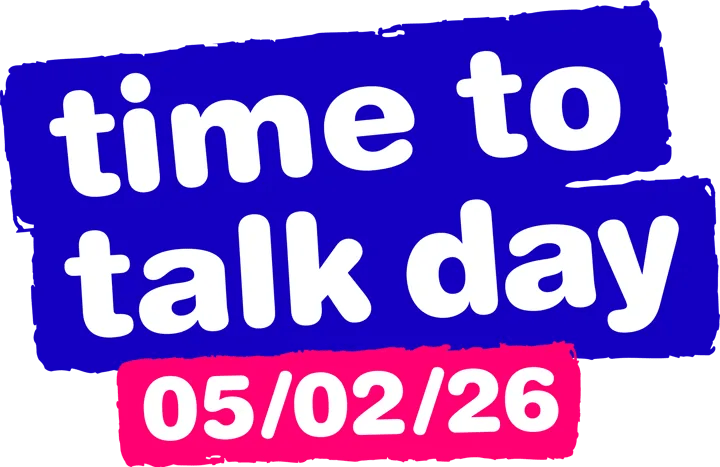
Time to Talk Day is today and it is ‘the nation’s biggest mental health conversation’. This year’s theme is Brave the Big Talk, have conversations about mental health experiences that might feel a bit unspoken, with an aim to destigmatise mental health issues.
Today I would like to talk about living in remission with Bipolar 1 Disorder (I was diagnosed aged 16 in 2004 and am now 37!). I am lucky that although the illness I have when unmedicated is severe- I have had episodes of psychosis and mania and suicidal depression, and been hospitalised twice, I live in remission these days.
What does remission mean to me?
It means my medication (Lithium and Quetaipine- a mood stabiliser and anti psychotic) stops the very high (manic) and very low (depressive) moods and I can cope better. I am still a work in progress but its way less severe!
It means that although I have ongoing therapy to deal with past trauma, I don’t need to see a psychiatrist at present and am managed by my GP.
It also means that I don’t have to worry too much about bipolar episodes, which is not the same for everyone with our illness! I do however still struggle with anxiety, which I have spoken about before and some days can be harder than others.
Time to Talk Day say, ‘ Talking openly and honestly can be the first step towards better mental health for everyone. It can even save lives. Talking can reduce stigma and help people feel comfortable enough to seek help when they need it.‘
What a year it has been, the ninth year of our blog! And now we are nearly at the end of 2025 and approaching Christmas. Thank you to every single person who reads, comments, shares and supports this blog.
This is to wish you and your family a very happy Christmas/ holiday period, filled with light, love and laughter. We celebrate Chanukah and it has been a difficult time this year but we tried to make it joyous and still lit our candles.
Sometimes the festive season brings into focus the things that we don’t want in our lives or difficult relationships. It can impact our mental health. Please don’t suffer alone and protect yourself, if you need to talk to someone please call the Samaritans at 116 123.
Have a wonderful Christmas/ festive season and even better new year! 2026 will be the tenth year of this blog!
I was delighted to collaborate with JTeen mental health support helpline and service for Jewish teens and young adults aged 11-24, on a podcast talking about my journey with bipolar disorder and social anxiety. I did this to help others and encourage people to seek help, and show its OK to talk about mental illness.
You can watch the podcast here, please watch with care: Trigger warning: discusses suicidal ideation, psychosis, mania, being sectioned under the mental health act and depression. Suitable for 18+
I decided to do this podcast to fight stigma in the Jewish community in London and worldwide and educate people about bipolar, especially parents as it started for me at the age of 15.
Thank you to Yaakov, Tehilla and Michal for making this such a relaxed but important conversation.
Autumn (or if you’re in the USA, Fall) is one of my favourite seasons. Beautiful autumn leaves, the weather getting gently cooler, cosy hot chocolates and pumpkin spice, the autumn harvest of pumpkins, snuggling in blankets with a good book or TV show and for some- walks in nature with the orange and yellow trees and landscapes. However, did you know that the clocks going back and the change in light and dark, with nights drawing in, can affect your mental health? Studies have shown that when its darker, people are more prone to depression and anxiety and some (like myself at times) struggle with Seasonal Affective Disorder.
There are many ways to take care of yourself if you feel your mood dipping or you are becoming more anxious. If you feel it is affecting your daily functioning, please reach out for support from your doctor (and if you have one, a therapist or psychologist). Here I talk about a few tips to help support your mental health this Autumn.
Make sure you rest as well as play and work
Work can become all consuming, but if you prioritise rest this season too, your body will thank you. Autumn is all about slowing down, recovering, resting (and for animals (and some humans) hibernating). Yes you can work and play hard if you prefer, but make sure you find that balance to support your wellbeing. In our busy lives and for those who are parents or just struggling with their mental health, self care can slip. Practising good self care- eating well, resting, gentle exercise, can really help our minds.
2. Release Control- Give Stress Over
Gabby Bernstein, my favourite spiritual teacher, often says ‘Release control to find peace, surrender it to the Universe’. Surrendering means not obsessing about what we can’t control, but giving it over to a higher power or the universe. This can really help when we feel overwhelmed and stressed, to pray and meditate or simply write down how you are feeling and then ask the universe to take it from you. Journalling thoughts and feelings can help too.
3. Nature walks
Despite the cold, this Autumn, walking in nature can help get the blood pumping and our minds to reset. Sometimes going with a friend, spouse or family member can cheer you up- there is something about the colours of nature, the soft greens that is truly calming.
(image: Erika Mendes, Unsplash)
4. Make your home cosy
Whether its getting some new cushions or blankets, fairy lights or lamps, investing in cosy and light interiors for the darker seasons is a must! I like to use lamps when the nights draw in.
5. Get enough sleep (but not too much!)
During the Autumn/ Winter period, most of us naturally want to hibernate in the evenings. Sometimes this period can make depression and anxiety worse. I know with my bipolar that sometimes I feel lower or more anxious. Getting enough daylight and if you struggle with seasonal affective disorder, use an SAD lamp, which can help you to wake up gently in the mornings. Similarly, make sure you get enough sleep for you to keep your mental and physical health at its best. Depression can cause us to sleep longer hours and hide away- I find daytime distractions can help me not to sleep too much.
6. Take your medication as prescribed
If you struggle with mental health in winter and are prescribed antidepressants or other meds, do not suddenly stop them as this can cause a relapse in your mental health. Make sure you speak to your doctor first!
7. Treat yourself
Treat yourself to a hot chocolate (or pumpkin space drink) and a good book or TV show, wrapped in a cosy hoodie or blanket. You deserve it!
Wishing you all a wonderful and well Autumn/Fall season.
A year or two ago, I recorded this webinar with Bipolar UK talking about our family story (mine and my Dads) with bipolar disorder, suicidal ideation, depression and both of us finding recovery.
Suicide is a terrible but common outcome of bipolar and acute mental health episodes. I also know what it is like to lose a loved one to suicide and mental illness and the pain that brings.
I share this webinar today to raise awareness, but also to encourage people to go to their GP/psychiatrist/ family/ spouse and talk, if safe, about what is going on for you.
Watch here, with care, trigger warning : discusses bipolar episodes, suicidal ideation
In this webinar, Bipolar UK CEO Simon Kitchen shares the findings of the Bipolar Commission on the critical link between bipolar and suicide. He is joined by Ashley Brice, an experienced crisis negotiator with the British police specialising in suicide prevention, and Eleanor Mandelstam, author and freelance writer who lives with bipolar. Together, they explore the risk factors, warning signs, and practical strategies to prevent suicide, offering crucial insight for anyone living with bipolar, supporting someone with bipolar, or wanting to better understand how bipolar impacts mental health and suicide risk.
A dual diagnosis occurs when an individual simultaneously struggles with a mental health disorder and a substance use disorder. Far more common than many realise, dual diagnoses can involve combinations such as depression and alcohol dependence, anxiety and benzodiazepine misuse, bipolar disorder coupled with stimulant abuse, or PTSD alongside opioid addiction. Attempting to treat one condition in isolation while neglecting the other typically leads to inadequate results and higher relapse rates. Dual-diagnosis care addresses both issues in tandem, recognising the complex interplay between mental health and addiction. Below, we explore five essential components of an effective, integrated treatment approach that fosters sustainable recovery.
Understanding the Link Between Mental Health and Addiction
Self-medication is a common pathway to substance misuse: someone experiencing chronic anxiety may reach for alcohol to calm racing thoughts, while an individual with untreated depression might use opioids to numb emotional pain. Unfortunately, what begins as short-term relief often worsens underlying psychiatric symptoms. Alcohol, for example, disrupts sleep and brain chemistry, intensifying anxiety or depression over time. Conversely, the guilt, shame, and isolation that emerge from addiction can spark or aggravate mood disorders.
Recognising this bidirectional relationship is critical in dual-diagnosis care. Clinicians assess not only which substance came first, but also how each condition fuels the other. By identifying triggers—whether social stressors, traumatic memories, or genetic vulnerabilities—therapists can help patients develop healthier coping strategies. Early psychoeducation enables individuals to see how their mental health and addiction are intertwined, fostering motivation to engage in comprehensive treatment.
Comprehensive Assessments for Accurate Diagnosis
Misdiagnosis is rampant in dual-diagnosis cases: withdrawal symptoms can mask depression, and manic episodes may be mistaken for cocaine highs. To avoid these pitfalls, providers conduct thorough biopsychosocial evaluations that delve into psychiatric history, substance use patterns, family dynamics, medical background, and co-occurring health issues. Standardised screening tools—such as the PHQ-9 for depression, GAD-7 for anxiety, CAGE for alcohol misuse, and the Addiction Severity Index—offer structured insights that guide diagnostic clarity.
Laboratory tests and, when indicated, neuroimaging can reveal medical complications—like liver dysfunction in heavy drinkers or neurochemical imbalances in long-term stimulant users. Ongoing assessments throughout treatment help clinicians monitor progress, adjust medication, and refine therapy goals. An accurate, layered diagnosis ensures that neither the mental health disorder nor the addiction is minimized, laying the groundwork for a cohesive care plan.
The Role of Integrated Treatment Plans
Unlike traditional models that silo psychiatric care and addiction treatment, integrated plans bring multidisciplinary teams together. Psychiatrists, addiction medicine specialists, psychologists, social workers, and certified peer support counsellors collaborate on a unified treatment blueprint. Core elements may include:
Medication management to stabilise mood disorders and reduce cravings (for instance, SSRIs for depression and buprenorphine for opioid dependency)
Evidence-based psychotherapies such as cognitive-behavioral therapy (CBT), dialectical behavior therapy (DBT), and trauma-focused interventions for PTSD
Group therapy sessions that address both substance use behaviours and coping skills for anxiety or mood regulation
Family therapy and psychoeducation to repair relationships and build a supportive home environment
Holistic modalities—mindfulness training, yoga, nutritional counseling—aimed at restoring overall well-being
Coordinated care prevents mixed messages and redundant treatments. When each provider shares a common set of goals and progress metrics, patients receive consistent guidance, and their support network remains informed and engaged.
(image: Alysha Rosly, Unsplash)
Flexible Care Through Programs Like the Intensive Outpatient Program
Not everyone with a dual diagnosis needs round-the-clock residential care. For those with strong support systems, manageable symptom severity, and stable living conditions, outpatient solutions can strike the right balance. A reputable intensive outpatient treatment program offers structured therapy multiple times per week, while allowing individuals to live at home and maintain work or family responsibilities.
These programs typically include group counselling, individual therapy, psychiatric check-ins, and relapse prevention workshops. They serve as a transitional step either before entering less intensive outpatient care or following discharge from an inpatient facility. Flexible scheduling and a mix of virtual and in-person sessions accommodate diverse lifestyles, enabling more people to access high-quality dual-diagnosis treatment without uprooting their lives. In the UK, these were known as ADTU units attached to hospitals, but there are less of these on the NHS.
The Importance of Ongoing Support and Aftercare
Recovery from a dual diagnosis doesn’t end when formal treatment ends. Long-term success hinges on robust aftercare and relapse prevention strategies that recognize recovery as a lifelong process. Essential components of sustained support include:
Peer support groups—such as Dual Recovery Anonymous or integrated 12-step fellowships—that offer lived-experience encouragement
Regular outpatient counselling or case management to address emerging challenges and adjust treatment plans
Medication-assisted maintenance, when appropriate, to stabilise chronic mental health conditions and prevent relapse
Life-skills workshops for stress management, financial planning, and vocational training to strengthen daily functioning
Digital tools and telehealth check-ins that enhance accessibility, especially for those in remote areas
Family involvement remains vital: ongoing family therapy sessions and education empower loved ones to recognize early warning signs and respond effectively. Community resources—like sober living homes and recreational recovery programs—further enrich social support, reducing isolation and reinforcing positive lifestyle choices.
Conclusion
Effective dual-diagnosis care transcends the simplistic view of treating mental illness and addiction separately. By acknowledging their deep interconnection, clinicians can offer comprehensive assessments, integrated treatment plans, flexible program options, and enduring aftercare. Whether delivered through residential facilities or outpatient settings, these five components—link recognition, accurate diagnosis, collaborative treatment, adaptable program structures, and sustained support—equip individuals with the skills and stability needed for lasting recovery. Embracing a holistic, patient-centered approach that addresses the whole person, not just isolated symptoms, paves the way for renewed health, purpose, and hope.
This article was written by Elizabeth (Lizzie) Howard, writer and contains a sponsored link.
Last week, acclaimed chef, restauranteur and mental health advocate, Heston Blumenthal OBE starred in the BBC documentary ‘Heston: My Life with Bipolar’ which explored his fairly recent bipolar disorder diagnosis. Heston subsequently became an ambassador for national charity Bipolar UK, and has been actively supporting the charity’s mission to help reduce the average 9.5 year delay to diagnosis and end the stigma surrounding the condition.
In 2023, Heston began experiencing both depressive and manic episodes, hearing voices and seeing hallucinations, as well as depression with suicidal thoughts. Mania can also cause you to have intense creativity, speak faster and not listen to others as well as causing delusions and psychosis. Heston’s wife Melanie could see that his health was deteriorating rapidly and that he was a danger to himself. Despite the trauma of sectioning and hospitalisation, this set Heston on the path of not only a bipolar diagnosis, but medicine, therapy and ongoing treatment to help him live a healthy and happy life again.
Heston said to Bipolar UK, “I was living with undiagnosed bipolar for many years, so it’s been an extraordinary journey to get where I am today, and I’m delighted to have had the opportunity to talk to others living with the condition and find out more about their experiences.
“There is still a lot of stigma regarding bipolar, and mental health support is still lacking, but it is vital to be able to talk openly about the condition. I know this isn’t always easy, but I hope by sharing my experience, people will gain a greater understanding of bipolar and an insight into how I’m managing it.”
The documentary was extremely powerful to watch and sad in places, but inspiring. As someone who faced a similar situation to Heston in terms of a manic episode with psychosis/delusions that led to being sedated, sectioned by psychiatrists and hospitalised, my heart went out to him as I know how traumatising this can be. I found the needle being shown as a reenactment for sedation quite challenging to watch! However, the documentary was more than just showing what happened to Heston, who didn’t know he had bipolar til 2023, when he was in his 50s.
I found the discussion that Heston had with his son Jack, about how he was during a manic episode to be really enlightening. A lot of children of parents with bipolar find it challenging when their parents personality is almost hijacked by the episodes. Mania can lead to quickened speech, manic and grandiose ideas, lack of sleep and risky behaviour. You could see how much love Heston and Jack had for each other and how special is family is to support him through this and appear on camera. This includes his wife Melanie, who has been Heston’s rock!
The documentary ended with Heston visiting the mother of Rebecca McLellan, a young woman with bipolar who died by suicide due to neglect from mental health services. Rebecca had raised the alarm with the crisis team at her local hospital various times but was not treated with respect and dignity. The pressure of her illness and lack of support led her to take her own life.
Heston wants to highlight the suicide risk that bipolar brings and how much more mental health support is needed from the government. He is now working as an ambassador with Bipolar UK to raise awareness. Bipolar UK is on a mission to ensure people with bipolar get a quicker diagnosis so they can access effective treatment, support, and self-management, enabling them to live well and fulfil their potential.
Simon Kitchen, Bipolar UK CEO, added: “Heston is such an incredible ambassador for everyone in the UK living with, or affected by, bipolar. We could not be prouder to be working with him. His willingness to be so vulnerable on camera and to share such personal details about his experiences has resonated with many people in our community – and will help people who don’t know much about bipolar to begin to understand this complex and much-misunderstood condition. Heston is living proof that despite the sometimes severe and fluctuating nature of the condition, living with bipolar should not be a barrier to following your ambitions”
As one of the million people in the UK living with bipolar, I know how much more funding is needed in the NHS and a new bipolar pathway with more mental health support needs to be set up. Early prevention and support is key to stop bipolar escalating into suicide or mania.
Although it was a very personal watch for me, due to having been diagnosed with bipolar since aged 16 and my Dad having bipolar too, I thought that Heston’s documentary was so inspiring. He has only been living with the condition for two years and is using his platform for the good. Heston is now on Lithium medication to stabilise his moods as well as an anti psychotic medication.
Bipolar UK say that according to the stats, someone with bipolar takes their own life every day. Hopefully Heston’s documentary will act as a reminder and catalyst to our government to begin change. Thank you Heston and Melanie for being vulnerable and sharing your important story.
(image: Bipolar UK)
Heston: Life with Bipolar is out now on BBC Iplayer.
Living with bipolar disorder can often feel like your emotions are swinging between two extremes. The highs (mania) can be energising but risky, and the lows (depression) can be draining and isolating. As a doctor, I’ve worked with many patients who face this condition—and I’ve seen firsthand how the right tools, treatments, and habits can lead to a more stable and fulfilling life.
What Is Bipolar Disorder?
Bipolar disorder is a mental health condition marked by episodes of depression and mania or hypomania. These mood shifts can affect how a person thinks, feels, and acts. It’s more than just having a bad day or being in a good mood—it can seriously impact relationships, work, and daily functioning.
According to the World Health Organisation, bipolar disorder is one of the top causes of disability for people between 15 and 44 years old.
Medications: The Backbone of Treatment
Most people with bipolar disorder need medication to help manage their symptoms. Lithium, for example, has been used for decades and is one of the most reliable treatments to prevent manic episodes and reduce the risk of suicide. Other options include other mood stabilisers and certain antipsychotic medications.
It’s really important to stick with your medication plan. Stopping suddenly—even if you feel better—can cause serious setbacks. Never adjust or stop medications without medical supervision—even if you’re feeling better, as this significantly increases the risk of relapse, especially into mania. If you have side effects, don’t stop on your own—talk to your doctor about switching or adjusting your dose.
How Therapy Helps
Therapy can help you understand your thoughts, manage emotions, and build better habits. One helpful option is Cognitive Behavioural Therapy (CBT). It teaches people to recognise unhelpful thought patterns and replace them with healthier ones. CBT is especially useful for managing depression and maintaining stability between episodes, though it is less effective during manic phases.
Another type of therapy, called Interpersonal and Social Rhythm Therapy (IPSRT), focuses on keeping your daily schedule steady—especially your sleep and social routines. Why does this matter? Because disruptions to your daily rhythm can trigger mood episodes.
Family-focused therapy also makes a big difference. When your loved ones understand your condition and know how to respond, you’re more likely to stay on track. If you face trauma around your condition, then EMDR therapy can also help with any PTSD or anxiety symptoms.
These therapies don’t replace medication, but they add valuable tools for coping, improving communication, and building resilience.
Everyday Habits That Make a Difference
Beyond medication and therapy, lifestyle habits have a huge effect on mood. Here are a few evidence-based strategies:
Stick to a regular sleep schedule. Going to bed and waking up at the same time helps stabilize your mood.
Get moving. Exercise—even walking—has been shown to lift mood and reduce stress.
Eat well. Omega-3 fats (like those found in fish or flaxseed) may support brain health. While the evidence is mixed, some studies suggest they could help support mood as part of a healthy diet.
Manage stress. Mindfulness, breathing exercises, or journaling can help you stay grounded.
Avoid alcohol and drugs. These can interfere with treatment and trigger episodes.
It’s worth remembering that lifestyle changes work best alongside—not in place of—medication and therapy. These small, daily actions help support long-term stability and overall well-being.
Pay Attention to Early Warning Signs
Everyone’s symptoms are different, but common early signs of mania include less need for sleep, racing thoughts, and impulsive decisions. Signs of depression may include feeling hopeless, withdrawing from others, or sleeping too much.
Keeping a mood diary or using an app can help track how you’re doing. You might also ask a trusted friend or family member to gently point out changes you might not notice.
Build a Strong Support System
Having a support system—whether friends, family, or a support group—makes a real difference. Research shows that people with strong social support tend to manage bipolar disorder better and have fewer hospitalisations.
It also helps when your loved ones are informed and involved. When people understand what you’re going through, it’s easier for them to support you in ways that actually help.
Final Thoughts
Living with bipolar disorder isn’t easy, but it’s manageable. With the right treatment, daily routines, emotional awareness, and a good support network, it’s absolutely possible to live a meaningful and empowered life.
You are more than your diagnosis. And there are tools—backed by science—that can help you thrive.
About the Author
Dr. Antti Rintanen is a licensed physician from Finland and founder of The Internet Doctor, where he shares reliable, accessible health advice. He writes about both physical and mental well-being with a focus on evidence-based care.
The National Confidential Inquiry into Suicide and Safety in Mental Health (NCISH) released its Annual Report for 2025 last week, revealing that over the past decade, nearly 20% more individuals with bipolar disorder are dying by suicide due to shortcomings in the UK’s mental health system.
According to national charity Bipolar UK, the report provides stark evidence that specialist care is lacking, Lithium (an important mood stabiliser medication) is under-prescribed and suicide prevention measures are falling short.
The report highlights that from 2012 to 2022, there were 1,491 suicides by patients with bipolar, with an alarming 19% increase from 2019 to 2022. Despite Lithium being a clinically proven suicide prevention treatment for people with bipolar, only 39% of those who died were prescribed it and just 12% were receiving psychological therapy.
This data echoes the findings and lived experience of Professor Tania Gergel, Head of Research at Bipolar UK, in her recent article in The Lancet Psychiatry where she said: “Globally, 15-20% of people with bipolar disorder die by suicide, with 30-60% making at least one attempt. These rates are not decreasing despite an overall decline in global suicide rates.”
According to the Nuffield Trust, there is set to be a £4.8 billion unfunded shortfall in the NHS England revenue budget for 2024/25, raising the prospect that without further funding, service cuts may be inevitable.
With bipolar increasing an individual’s risk of suicide by 20 times that of the general population, Bipolar UK is urging the government to commit to addressing health waiting lists and to invest money in creating a dedicated care pathway for bipolar to reduce suicide rates.
Simon Kitchen, CEO of Bipolar UK, said: “This report is devastating but not surprising. We’ve been shouting from the rooftops that people with bipolar aren’t getting the care they need and now the data lays it bare.
“Bipolar carries one of the highest suicide risks of any mental illness, yet specialist services are practically non-existent, and Lithium – the gold-standard treatment for suicide prevention – is underused. The time for excuses is over. We need real action, and we need it now.”
The charity has heard from its community of people living with the condition, who are concerned that they are unable to access psychiatrists, have little to no continuity of care and are not being monitored adequately when at high risk. There is also a lack of bipolar specialists in the UK, leading to people not receiving a correct diagnosis or waiting too long to receive one – all of which add to the risk of suicide.
Professor Gergel said: “Neither bipolar disorder nor suicide in people with bipolar disorder are research priorities, resulting in major knowledge gaps in both. This can and must change. The shocking statistics might well underestimate the prevalence of suicide in people with bipolar disorder, given the probability of death by suicide before treatment or accurate diagnosis.”
Adding to that, Simon Kitchen said: “Suicide prevention in bipolar requires a shift in both research priorities and clinical practice. We know lithium saves lives, but it is still under-prescribed. We know specialist care works, but most services are generic and fail to meet the specific needs of people with bipolar. Bipolar suicide is not inevitable, but without urgent action, people will continue to die.”
(image of Prof Gergel, Bipolar UK)
The NCISH report also revealed broader systemic failures contributing to preventable deaths. Alarmingly, patients with bipolar were more likely to:
Die within three months of being discharged from inpatient care, highlighting dangerous gaps in post-discharge support.
Miss vital clinical appointments, often due to social isolation or side effects from medication, with 15% identified as non-adherent before their deaths.
Experience extreme distress without access to psychological therapies, with only 12% receiving talking therapies.
With more than a million people living with bipolar in the UK, the figures from this latest inquiry represent lives lost and has led Bipolar UK to call for urgent action, including implementing:
Specialist bipolar services in every NHS region to ensure timely diagnosis, access to evidence-based treatments and care tailored to the complexities of the condition.
Increased lithium prescribing, in line with NICE guidelines, ensuring every person with bipolar who could benefit from it is given the opportunity.
Enhanced suicide prevention measures, including better follow-up after hospital discharge and targeted support for those who miss appointments or struggle with medication adherence.
Simon Kitchen concluded: “We need all UK health authorities and departments of health across the nation to act now because lives depend on it. The evidence is undeniable, the solutions are clear, and the cost of inaction is catastrophic. Specialist care, Lithium, and targeted suicide prevention measures can and will save lives.
“Bipolar suicide is a national emergency, and the upcoming 10-Year Plan is the critical opportunity to turn the tide. Bipolar-specific services are not optional; they are a lifeline.
“The government and NHS must act now, before more lives are lost to preventable tragedy. It is time to get it right.”
Bipolar UK is the only national charity dedicated to supporting people affected by bipolar. Bipolar UK provides a range of services, including information and advice, a network of support groups, an eCommunity, workplace training and telephone and email peer support. Bipolar UK also works in partnership with research organisations and campaigns for change to tackle critical issues. For more information, visit www.bipolaruk.org
“Winter is the time to snuggle up in blankets and sip on hot cocoa.”
It is official, I am totally over Winter! I cannot wait until the days are longer, the cherry blossoms are on the trees, the sunshine is shining, the baby animals are around, the daffodils are nodding. Yes, Spring is much needed.
I find that the Winter season makes me want to hibernate and I definitely feel lower in this season. Some people like me may have seasonal affective disorder.
So despite the cold winter darkness, I know the days will lengthen soon (and then I will be saying its too hot when its summer!),
This is just a short post to remind myself to enjoy the rest of winter (and find a lovely Cotswolds cottage like the photo to go to!)











 beurownlight.com