Understanding The Connection Between Hair Loss And Mental Health.

(image: Tamara Bellis)

For many of us, our hair is a part of our identity, a form of self-expression, and a source of confidence. So, when hair loss strikes, it can feel like a punch to the gut, leaving us feeling vulnerable, insecure, and even depressed.

But while hair loss presents real challenges, there are ways to face this struggle while protecting your mental well-being. Reframing your mindset, finding new ways to express yourself, and seeking support can help you regain control.

The Emotional Toll of Hair Loss

Hair loss can hit hard because it’s tied to how we see ourselves. Here are some reasons it can be emotionally challenging:

Loss of Confidence

Losing your hair can make you feel like you’re losing part of your identity or attractiveness. You might find yourself avoiding mirrors, skipping social events, or feeling uneasy at work.

The good news? You can take steps to rebuild your confidence. Start by seeing a doctor or dermatologist to figure out what’s causing your hair loss — whether it’s genetics, hormones, or another health condition. They can guide you toward hair loss treatments like minoxidil or hair restoration options.

Loss of Control

Hair loss can feel like an unpredictable journey, especially when it stems from factors like genetics, health conditions, or medications. This lack of control over the situation can leave you feeling frustrated and powerless. However, arming yourself with knowledge and seeking professional guidance can help restore a sense of agency.

Fear of Social Stigma

Society often equates a full head of hair with youth and attractiveness, making hair loss feel like a big deal. You might worry about judgment or feel isolated. Remember: hair loss is incredibly common, and embracing it on your own terms can help you regain confidence.

How Hair Loss Affects Mental Health

(image: towfiqu, Unsplash)

Hair loss isn’t just a cosmetic issue; it can have a significant emotional impact. Here’s how it might affect you:

  • Anxiety and stress: Constantly worrying about your hair can create a cycle of stress. Unfortunately, stress can worsen hair loss (a condition called telogen effluvium). Breaking this cycle means addressing both the physical and emotional sides of the issue.
  • Depression: For some people, hair loss can lead to feelings of sadness, hopelessness, or even depression. It’s not just about appearance — it’s about feeling disconnected from yourself and others. If these feelings persist, talking to a therapist can help.
  • Social withdrawal: When you feel self-conscious about your hair, it’s easy to retreat from social interactions. You might avoid events, gatherings, or even everyday conversations because you feel like everyone is noticing your hair. Over time, this isolation can make you feel lonelier and less confident.

Supporting Mental Health During Hair Loss

Dealing with hair loss can be an emotional rollercoaster, but there are practical steps you can take to protect your mental health and rebuild your confidence.

Seek Professional Guidance

Therapists can help you work through the emotions tied to hair loss. Techniques like cognitive-behavioral therapy (CBT) can help shift negative thought patterns and build resilience. Joining a support group — online or in-person—can also be a great way to connect with others who understand what you’re going through.

Explore Your Treatment Options

Today’s hair loss treatments offer more choices than ever. Depending on the cause, options might include medications, topical treatments like minoxidil, or even surgical procedures like hair transplants. Consulting a dermatologist can help you create a personalized plan.

Experiment with Alternatives

While waiting for long-term treatments to work, consider wigs, toppers or hairpieces. These options have come a long way in terms of comfort, quality, and appearance. They can provide a confidence boost and allow you to experiment with different looks without committing to permanent changes.

Prioritize Your Overall Health

Your overall health plays a big role in how you feel — and even in the health of your hair. A balanced diet with nutrients like iron, zinc, and biotin can support hair growth. Regular exercise helps manage stress and boosts your mood, which can also help with certain types of hair loss.

Lean on Your Support System

Talking to friends or family members you trust can make a huge difference. Sharing your feelings with someone who listens and offers encouragement can help you feel less alone and more supported.

Hair loss is a personal journey, and it’s normal to feel a mix of emotions as you go through it. The most important thing is to focus on what makes you feel empowered. Whether it’s exploring treatment options, connecting with supportive communities, or finding new ways to express yourself, you have the tools to take charge of your well-being.

No matter where you are in your journey, help is available. With the right support and resources, you can move forward with confidence.

This blog was written by a freelance writer and contains paid links.

Things You May Not Know Can Impact Your Mental And Physical Wellness.

(image: Patrick Perkins, Unsplash)

So many aspects of life can impact your mental and physical health and overall wellbeing. In this blog, we will be focusing on relationship stress, seasonal changes and our homes and how they can impact our wellness.

Your Relationship

Your relationship is one of the things that can impact your health the most. Of course it has the ability to impact your mental health, though we’re also talking about the physical side of things. This is especially apparent if your relationship is full of stress and causing you to struggle mentally. Stress from relationships can trigger skin conditions such as acne and break outs. It can be a reaction that your body is having, to tell you that it needs to slow down and heal.

Relationship troubles can lead to arguments and isolation and cause emotional difficulties. If you’re worried that your relationship is not good for your health, try talking to your partner calmly and in a safe environment. If this is not possible, reach out to a therapist or support network too.

The Season

Time of the year has a huge effect on our mental health, the season changes everything. In the fall (autumn) and the winter it’s far more common for people to be ill with depression due to the weather, than it is in the summer months. People also become more physically unwell too. This could be for a number of reasons, but it’s partially because people’s immune systems are weaker when it’s colder outside. 

So, if you notice that you are getting poorly, that your joints are hurting, that you’re generally feeling unwell, it could be because of the colder weather and season.

Your Home

Your home doesn’t mean to harm you, but sometimes a build up of dust or toxic material, a leaking roof or something else can really cause you problems you can’t avoid. You can try cleaning, making repairs, and even throwing out old furniture and replacing it with new pieces. Oak dining chairs and tables are in fashion right now, so why not consider it?

At the end of the day, there are so many different things that can impact your health and you have to be ready for all of them. It’s important that you remain vigilant, and if something seems to be causing you any issues with your health, you have to work on it asap and reach out for support from your doctor.

This article was written by a freelance writer.

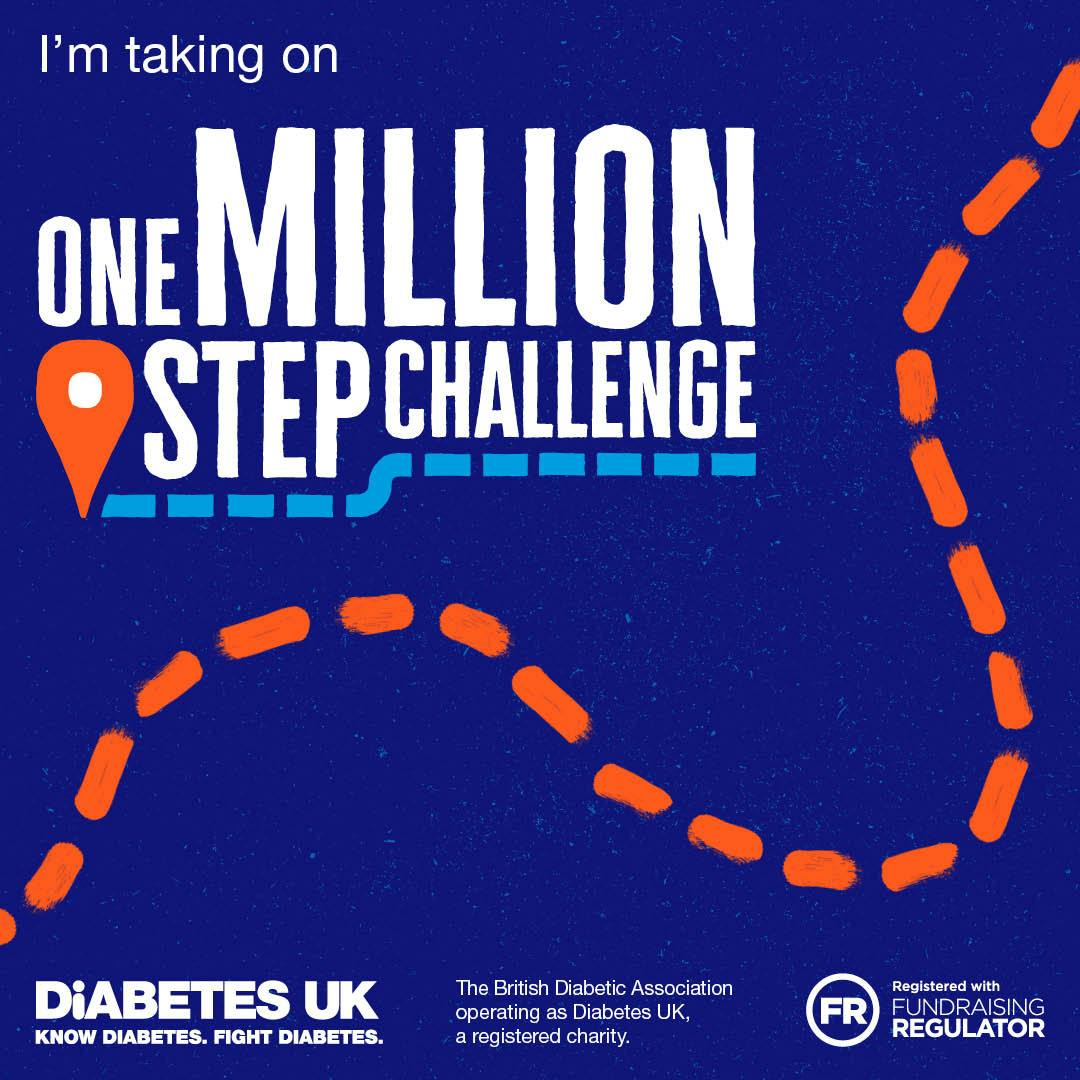
I am doing the One Million Step Challenge (500,000 steps) for Diabetes UK!

This is scary but here goes! This summer, I’m stepping up for Diabetes UK in their Step Challenge (I will be aiming to do 500,000 steps between my birthday 1st July and September).🤣🥰

I am doing this challenge to not only support the 5 million people in the UK who live with diabetes (including my dad Mike) but also to get fit, healthy and lose weight after being diagnosed with polycystic ovarian syndrome (pcos) last year. With pcos there is a future risk for diabetes as well as fertility challenges- I’m not diabetic currently and want to get healthier.

Those who know me well know this is a big deal for me as I am not a gym goer! I will be aiming to do 5000 steps a day starting on my 36th birthday 1st July- through to 30th September to total 500,000 steps which is one of the challenges.

Please sponsor me if you can afford to fund life saving treatments/research into diabetes and get me off the couch so I am healthier too!

Click sponsor me in previous sentence to donate or learn more!

Thank you; Eleanor xx

🦋🌻

How You Can Achieve A Healthier Lifestyle This New Year.

(image: Brooke Lark: Unsplash)

It’s about the time of year when everyone decides that they’re going to live a healthier lifestyle. If you’re not sure how you can achieve this goal, don’t worry. There are plenty of changes, some of which are easier to manage than others, that will help you improve your health. You can also do this all year round, not just on New Year’s Eve or for a few weeks in January.

  1. Eat Better

Have you ever heard the saying “you are what you eat”? People often think about it in the vein of weight loss, but that’s the first misconception people have about eating healthily. 

Eating better doesn’t just mean trying to lose weight. Sometimes, weight loss is a part of your lifestyle goals, but not necessarily. In fact, changing your diet just to lose weight can lead to an unhealthy and unsustainable lifestyle. You might lose the weight quickly, but your health could suffer and you’re less likely to maintain the results. 

Instead, focus on a well balanced and nutritious diet. Eat the calories you need and make wise food choices. You don’t need to be too restricted, just controlled. 

  1. Drink Plenty 

No, this isn’t a suggestion to drink more alcohol. While alcohol in moderation isn’t a problem, too much alcohol can be terrible for your health. 

Rather, you should think about how much water you drink. The recommended amount is between 6 and 8 glasses of liquid. It doesn’t have to be water. Tea, coffee, and soft drinks do count. 

However, it’s better to drink mainly water and non-sugar drinks. Soft drinks with a lot of sugar contain loads of calories and have very little nutrition, which isn’t a great combo. 

  1. Cut Out Bad Habits

Speaking of cutting things down, you should definitely think about cutting out bad habits like smoking or substance abuse. 

Smoking causes a huge amount of damage to your body and wallet. While you can go cold turkey and completely cut smoking out, some people find this difficult. NRTs, or nicotine replacement therapies, are a good way to wean yourself off.

If you’re trying to stop a very heavy smoking habit, this is especially helpful. Find treatments that work for you, whether that’s extra strong pouches or another kind of medication. 

  1. Exercise

It’s no secret that good fitness is good for your physical and mental health. 

The key to getting fit is to build yourself up. Don’t try to run a marathon right away. Set small, achievable goals and stick to them. The key is exercising regularly, not becoming an instant athlete. 

  1. Mental Health 

A big part of a healthy lifestyle is your mental health. This will keep you happy and healthy. 

This is easier said than done, especially when you’re balancing your mental health with physical health problems. We have enough to deal with in our lives without adding chronic pain or fatigue into the mix. 

Keep an eye on your mental state and well-being. If you do feel overwhelmed, talk to someone. Whether it’s a friend or a medical professional, talking things out can help you process problems and manage them better. 

Heres to a healthy and happy 2024!

This article was written by a freelance writer.

Keeping Yourself In Balance, Mentally And Physically: A Guide by Meghan Belnap.

(image: Pexels)

In today’s fast-paced, stress-laden world, it can be a real challenge to keep yourself mentally and physically balanced. It’s easy to overlook the impact of your lifestyle choices on your overall well-being and end up feeling stuck, overwhelmed, and burnt out. However, maintaining a healthy mind and body is crucial for long-term happiness and success. This post intends to explore tips and tricks for prioritising your mental and physical health and keeping them in balance. Whether you’re dealing with anxiety, depression, or just seeking a more balanced lifestyle, there are answers to follow. 

Eat Healthily 

The food you eat keeps your body in shape and can significantly impact your mental health. Research shows that eating a balanced and nutrient-rich diet can reduce symptoms of anxiety and depression. Try incorporating more whole foods, fruits, greens, and lean proteins into your diet, and steer clear of processed foods, refined sugars, and unhealthy fats. If you want to take it a step further, try meal prepping always to have healthy food when you’re in a rush. 

Exercise Regularly 

Exercise is one of the best ways to balance your body and mind. Whether going to the gym, taking a yoga class, or going for a run or walk, exercise releases endorphins that lift your mood and reduce symptoms of anxiety and depression. Make sure to find something you enjoy that you can stick to long-term. Even if it is just 30 minutes of physical activity daily, you’ll notice a huge difference in your overall well-being. 

Rest and Relax 

With life’s stressors always looming, finding time to rest and relax can be challenging. However, taking care of yourself by getting enough rest is crucial to balancing your mental health. Ensure you are getting enough sleep, aiming for around seven to nine hours per night, and take other measures to relax, such as massage, a bubble bath, or indulging in your favourite hobbies. 

Prioritise Your Mental Health 

Mental health is just as important as physical health. If you’re struggling with depression, anxiety, or another mental health problem, it’s essential to prioritise your mental health. Seek professional mental health care if necessary, talk to trusted friends and family about any concerns, and make sure you take time each day to do things you love. Self-care and meditation can also work wonders to quiet your mind, reduce stress, and ease feelings of anxiety. 

Find Balance in Your Relationships 

Achieving balance in your relationships is also crucial for mental health. Sometimes, unhealthy relationships can lead to unhealthy habits that throw you off balance and make you feel worse. Make sure you only surround yourself with people who support you, respect you, and have your best interests at heart. Ensure you set boundaries, say no when necessary, and openly communicate your needs and feelings. 

Keeping yourself in balance mentally and physically is an ongoing process that requires continual effort and investment. However, the rewards of prioritising your mental and physical health can be nothing short of life-changing. By taking care of yourself and making sure you are eating healthily, exercising regularly, getting enough rest, prioritising your mental health, and finding balance in your relationships, you can achieve a balanced and fulfilling life. So, try some of these tips, and watch yourself grow into the best version of yourself yet. 

Meghan Belnap is a freelance blogger, researcher and writer.

Helping A Loved One Feel More At Ease In A Care Home.

Making the decision for a loved one to enter a care home is never an easy one. You probably feel guilty for doing it, but the truth is that it will help them get the best possible care as they get older – more than you might be able to give yourself! There’s a lot of negativity about the subject, but many people find their quality of life improves in a care home, and there are things you can do to make that even better. Ultimately, it comes down to making a decision for their best interests, and even if it doesn’t feel that way at first, it soon will.

So what can you do to help them settle in? You can do your bit by finding ways to help them feel more at ease in their new surroundings. Here are some ideas to help your loved one adjust to life in a care home.

Image Credit: Unsplash under Creative Commons

Make their space feel more like their own

One of the biggest changes people face when going from their own home to a care home is the lack of personalisation and familiarity, and feeling like the space isn’t theirs. But there are things you can do to help fix that, including:

  • Decorate their room with things from their own home, including pictures, furniture, rugs, etc.
  • Choose from care home beds that they are happy with (if the home allows you to do this).
  • Add familiar fragrances.
  • Make sure they can indulge in their hobbies and interests with books, TVs, etc.

Talk to your loved one about what would help them settle in and do what you can to make it happen. 


Be there to make things more enjoyable

With your loved one receiving proper residential care, you can be there to help them have fun and stay active, something that might not have been possible while you were caring for them. Use your energy to take them out for trips, help them exercise, and spend quality time with loved ones. The Body Coach even has his own workout series for older people!

Being in a care home doesn’t mean your usual outings and activities have to stop, so you can help them keep up a routine that they enjoy.

Exercise is very important to help improve mobility and mood. Finding ways to help your loved one’s physical health can also benefit their mental health, improving their mood and helping them feel more at ease.


Get to know the staff 

There are a lot of reasons you should get to know the staff at a care home:

  • It can help you be more involved in your loved one’s life by getting to know the other people who are in it.
  • They’ll know more about you and your loved one, which can help them provide better care.
  • If you experience any issues, it’s good to have someone familiar you can talk to.
  • It creates more of a family atmosphere.

Regular visits and chatting with the staff more will help you make those connections, helping you feel more involved in your loved one’s care. It makes things nicer for them and for you, and is a fantastic way for you all to get to know people better. 

You will have all sorts of feelings about your loved one being in a care home, but it’s important that you focus on them and ensure they feel happy and comfortable where they are. Talk to them about what they want and how you can make it happen, helping them settle in quicker so you can both feel more at ease.

This article was written by a freelance writer.

Yoga And Fitness: A Holistic Approach to Total Body Wellness by Sean Lynam.

(image: Pexels)

Approximately 300 million people worldwide practice yoga every day, and the numbers are only increasing. This is because awareness of the benefits of yoga is growing. The most popular topic on Instagram in the UK during the lockdown was yoga, followed by health (as the second topic of interest). Yoga is gaining traction as a holistic approach to total body wellness and fitness. 

About Yoga

Yoga has its origins in India, with its first mention being in an ancient sacred text Rig Veda. The world embraced this graceful fitness approach with open arms. Of course, it underwent some adaptations as this practice crossed countries. However, its essence remains the same, regardless of where and how it is practiced. Yoga focuses on breathing, balance, and flexibility. It comprises mental, physical, and spiritual practices. The most important components of yoga are the postures and the breathing work. There are approximately 19 different types of yoga and around 66 basic postures.

Yoga for Total Body Wellness

Many scientific studies support the claims about the benefits of yoga, so you can rest assured that it is not just hype. Some of the ways in which yoga can help in conditioning the mind and body are highlighted below:

Physical Benefits of Yoga

Yoga improves blood flow, which leads to increased oxygen supply to the brain and organs. This promotes cell growth and muscle recovery. If you are recovering from any disease or injury, yoga can accelerate the process for you. Yoga is a low-impact form of exercise, so you don’t have to worry about it aggravating any existing issues. Just select the poses that are most suitable for your fitness level and health condition. 

There may be no other approaches as well-rounded and effective as yoga for bodybuilding. Yoga can supplement all other bodybuilding efforts as it substantially improves mobility, increases muscle strength, and enhances balance. Low-intensity or restorative yoga is great as an active recovery workout; it reduces muscle soreness and speeds up recovery. 

Yoga is also effective as an adjunct treatment for chronic conditions like lower back pain, arthritis, and diabetes. Yoga also helps lower cholesterol and and blood pressure, and can therefore work wonders for your heart. Regular yoga practice can improve immune function and help combat diseases. 

Beneficial Effects of Yoga on Psychology

Typically, there are no mirrors in yoga studios. This is to prevent people from getting distracted by the way their body looks during a pose. Yoga encourages a person to look inwards and connect with oneself better. Surveys have found that people who practice yoga have a better body image and are less likely to be overly critical of themselves. Yoga also encourages one to be mindful of their eating habits. Mindful eating and a positive body image can help people with eating disorders. Health professionals are now supportive of yoga as a tool for long-term recovery from eating disorders. Yoga therapy also serves as a treatment for depression. Regular yoga can increase mental clarity, improve focus, relieve stress, relax the mind, and boost general mental health. 

It is only possible to recover and achieve total body wellness when physical fitness is supported and supplemented by mental health. Yoga has beneficial effects on the mind as well as the body and is therefore highly suitable as a holistic approach to total body wellness. Pre-workout supplements could help boost the effects of yoga, such as an increase in blood flow and a rise in endurance levels. 

Time to Get the Yoga Mat 

Yoga is better understood when experienced. Don’t take anyone’s word for it; rather, try it yourself. After your first yoga session, there is a high possibility that you will return for more. You will find yourself making healthier lifestyle choices. With yoga, you can engineer your inner self and your body, to bring out your best version. 

Author Bio:

Sean Lynam

Sean is a fitness enthusiast and personal trainer by profession, and a freelance writer by passion. Sean writes and shares his knowledge for a range of fitness publications and nutrition brands.

Healthy Shouldn’t Be Hard: How To Live A Healthy Life And Love It By Dixie Somers

(image: free image).

Living a healthy life can be a challenge for many of us, and it is quite understandable. With busy schedules, ease-of-access to unhealthy food, and distractions abounding, it is quite easy to slip up on our health goals. 

But the great news is that living a healthy life can be achieved with a little bit of effort and the right mindset. Learning how to live a healthy life!

Start With a Positive Mindset 

Living a healthy life is more than just eating salads and hitting the gym. It starts with your mindset. You need to cultivate a positive outlook on life and embrace a healthy lifestyle. Instead of seeing it as a chore, make it a choice. When you are motivated and excited about living a healthy life, it will be easier to take steps towards it every day. 

A great way to start being more positive is to practice gratitude and mindfulness. Start each day by taking a few minutes for yourself to think about what you are thankful for in life. As you go through your day, focus on the present moment and find joy in small things that make it special.  

Remind yourself of all the good things happening around you, instead of only focusing on the negative. This can help to put you in a more positive frame of mind and make it easier to embrace a healthy lifestyle. 

Nourish Your Life With a Better Diet 

Nutrition is key to living a healthy life. Eating a balanced diet that is rich in whole foods, fruits, and vegetables is essential. Good nutrition will provide you with the energy and nutrients needed to enhance your mental and physical well-being, reduce the risk of chronic diseases, and maintain a healthy weight. 

Choosing the best diet for yourself can be a daunting task, but it doesn’t have to be. Start by researching different diets and find out which one fits your lifestyle and goals. Consider factors such as availability of certain foods, the amount of time you plan to commit to prepping and cooking meals, and any dietary restrictions and preferences you may have. 

Once you have narrowed down your choices, talk to a healthcare professional and get their advice on whether the diet is right for you. Finally, try the new diet out for a few weeks and see how it fits into your lifestyle. Adjust as needed so that it works best for you! 

Exercise For Health

Physical activity is essential for good health. It helps improve your cardiovascular health, strengthen your bones, reduce stress, and boost your immune system. Find an exercise routine or weight loss program that works for you, and make it a habit. You can start with simple activities such as walking, jogging, or cycling for 30 minutes a day and gradually increase to more intense workouts. 

Exercise is important for maintaining our overall health, but it is also important to listen to your body and know when to take a break. It’s okay to take some time off from exercising if you are feeling overly fatigued or unwell. Be sure to give yourself enough rest between workouts so that your body can recover properly. Please note as well that people with eating disorders may want to over-exercise, if you are finding that this is you, please speak to your GP or psychiatrist when you can.

If you don’t feel comfortable with a certain exercise or activity, listen to your body and opt for something else.

Practice Self-Care 

Self-care is critical for living a healthy life. It helps reduce stress, anxiety and promotes mental and emotional well-being. Incorporate practices such as meditation, yoga, or other relaxation techniques into your daily routine. Take time out to do things you enjoy such as reading a book, taking a bath, or getting a massage. 

Manage Your Stress Levels 

Stress is a natural part of life, but chronic stress can have a negative impact on your health. It can lead to high blood pressure, weakened immune system, and depression. Find ways to manage stress, such as meditation, yoga, or deep breathing exercises. Take breaks throughout the day, and prioritize self-care activities that help you relax and recharge. 

Get Enough Sleep 

Sleep is essential for good health and well-being. It helps your body rejuvenate, repair and regenerate. Lack of sleep can lead to fatigue, irritability, and poor concentration. Aim to get at least 7-8 hours of quality sleep every night. Establish a relaxing bedtime routine that will help you wind down, such as avoiding electronics and turning off the TV an hour before bed. 

Creating an optimal sleeping environment is key for getting a good night’s rest. To optimize your bedroom, start by making sure it is cool and dark; this helps promote the release of melatonin, which is essential for sleep. Make sure your mattress and pillows are comfortable and supportive to ensure proper body alignment and support during sleep. Invest in blackout curtains to block out external noise or use a sound machine if necessary. 

Surround Yourself With Supportive People 

Living a healthy life can be difficult if you don’t have people around you who support your goals. This is why it’s important to surround yourself with people who share your desire to be healthy. 

Whether it’s joining a local fitness class, finding a workout buddy, or attending healthy cooking classes, there are plenty of ways to connect with like-minded people. 

Focus on Progress, Not Perfection 

It’s important to remember that living a healthy life is not about being perfect. There will be days when you slip up, and that’s okay. The key is to focus on progress, not perfection. Celebrate the small wins, and keep pushing yourself to improve. 

By having a positive mindset, incorporating good nutrition, exercising regularly, practicing self-care, and getting enough sleep, you will enjoy all the benefits of living a healthy life. These habits may take some time to form, but with patience and perseverance, you will soon find that living a healthy life is one of the best decisions you ever made. 

This article was written by Dixie Somers, freelance writer in the USA.

The Unseen Consequences: How Bad Habits Can Affect Your Health and Wellbeing.

(Image: Maria Orlova for Pexels)

Most of us have bad habits that we’re aware of, whether it’s smoking, excessive drinking, or eating unhealthy foods. We may think that the only consequence of these habits is the occasional guilty feeling or a bit of embarrassment. Still, bad habits have far-reaching and unseen repercussions that can significantly affect our health. In fact, poor habits such as these can lead to various physical and mental health issues, such as depression, insomnia, and heart disease. The good news is that we can make changes to improve our health and overall well-being by understanding the unseen consequences of our bad habits.

Premature Ageing

Premature ageing is one of the most significant and often unseen consequences of bad habits. Smoking, for example, has been linked to premature wrinkles, age spots, and an overall aged appearance. The same applies to excessive drinking and unhealthy eating habits, contributing to poor skin health and general ageing.

Research has shown that bad habits can also contribute to accelerated ageing of the brain. Studies have found that excessive drinking, smoking, and other unhealthy habits can increase the risk of developing dementia and other age-related cognitive issues.

Decreased Mental Health

Bad habits can also have a negative impact on our mental health. Studies have found that smoking, excessive drinking, and unhealthy eating habits can all increase the risk of developing depression and anxiety. Additionally, poor habits can lead to an increased risk of developing insomnia, which can harm our mental health.

Addictions can be hard to break and severely impact your physical and mental health. Moreover, studies have found that bad habits can also increase the risk of developing substance abuse issues. If you feel you are struggling with addictions, there are drug rehab clinics which can help you, with qualified therapists.

Additionally, unhealthy habits can also lead to an increased risk of developing stress and other negative emotions. Studies have found that smokers and excessive drinkers are more likely to experience emotions such as anger and frustration, which can lead to further mental health issues.

Reduced Motivation

Bad habits can also have a negative effect on our motivation levels. People with unhealthy habits often feel lethargic and lack the energy and drive to complete tasks or take on new challenges. This can sometimes be attributed to poor nutrition, as unhealthy foods leave us feeling sluggish and unmotivated. Similarly, those who smoke often feel tired and lack the energy to exercise, which can further decrease motivation levels.

Bad habits can increase the risk of developing chronic conditions like diabetes and heart disease. These conditions can cause fatigue, which can further reduce our motivation levels. Additionally, those who consume excessive amounts of alcohol are more likely to experience difficulty concentrating, which can decrease motivation and mental health.

Lifestyle Changes 

Bad habits can lead to a dependence on these substances which could significantly alter your lifestyle. Just like you can lack motivation, you may also replace things you should do with bad habits, despite knowing it is not good for you. 

If you develop a dependence on alcohol or drugs, you may ignore responsibilities, such as work, spending time with friends, or even parenting, to indulge in your bad habits. While any bad habit can affect your life and be a problem, these instances are where you have arguably hit rock bottom because you care more about the habit than you do anything else. 

In these cases, seeking help through therapy or drug rehab is crucial. It can take time to accept you need help, but taking steps to find this support is the first stage of getting your life back. 

Increased Risk of Health Conditions and Diseases

Finally, bad habits can increase the risk of developing severe health conditions and diseases. Those who smoke are more likely to experience a stroke, lung cancer, heart disease, and an increased risk of developing COPD and other respiratory conditions. Similarly, excessive alcohol consumption can lead to liver cirrhosis, pancreatitis, and an increased risk of certain types of cancer.

Furthermore, those who engage in unhealthy habits are more likely to develop obesity and type 2 diabetes and an increased risk of developing high blood pressure and high cholesterol. These conditions can lead to an increased risk of stroke and heart attack and even reduce our life expectancy.

Conclusion

In conclusion, ‘bad habits’ can have far-reaching and unseen consequences that significantly affect our health and overall wellbeing. However, by understanding the unseen effects of our bad habits, we can make changes to improve our health and wellness for good.

This article was written by a freelance writer. If you need help for addictions or eating disorders, please reach for help from qualified professionals.

5 Lessons Football Has Taught Me About Life And Mental Health by Rose Atkinson-Carter

(image: Unsplash: Konstantin Ekdokimov)

It’s true what they say: the best lessons are taught outside the classroom. We’re all constantly learning and growing in the most unexpected ways and dedicating yourself to any sport or hobby is bound to teach you more than you imagined, if you’re open to it.

I’ve played football for almost 20 years and learned a thing or two about dedication and persistence, which have affected my approach towards my mental health. Sure, there have been times when I’ve felt like the cons have outweighed the pros — training in a blizzard is never fun — but when all is said and done, football has helped me weather my own personal storms.

Along the way, I’ve picked up a few practical life skills and lessons that extend beyond the football pitch, to that big game called Life.

1.   A healthy routine can get you through tough times

The first lesson football taught me is to consistently show up for myself, especially on the days when I don’t feel like it. Growing up, building habits was never something I gave much thought to. Football practice was just second nature.

My football “habit” has been essential in getting me through times of low motivation and stress. Motivation is not a flat line — it’s something that fluctuates. There will be days when motivation alone will not be enough to get us to lace up and buckle down, and taking a mental health day is never something to be ashamed of. However, playing a team sport, or at least having a schedule to follow, is a great way to help yourself along on days when you need an external motivation to keep going.

2.   Prioritising ‘hobbies’ can create balance

When work piles up, it’s easy to stop prioritising your own wellbeing and to lose sight of what’s important in the grand scheme of things. Playing football has forced me to consider my priorities and this has, in turn, helped me create balance.

Sometimes, playing a sport when you’re busy with other things adds pressure. It’s tempting to cut out the ‘non-essentials’ — the hobbies and things that don’t seem to contribute to your career or relationships. However, I’ve found that prioritizing football has had a net positive effect on my life. It feels counterintuitive, but letting your mind take a break allows you to clear your mind, reduce stress, and work and feel better.

3.   You don’t always have to get along to produce great results

You don’t need to get along with everybody to get results. But if there’s one thing I’ve learned, it’s that you don’t all need to be BFFs to win a game.

Teamwork isn’t about creating a group of like-minded individuals who see eye-to-eye on everything. It’s about identifying everyone’s individual strengths and using that aggregated power to pull in the same direction. So while you don’t have to love everyone’s company, the team — the people you surround yourself with — is incredibly important in shaping your experiences.

4.   When you feel like quitting, ask yourself why

Wanting to quit something is quite natural, especially the longer you’ve spent doing something. When the urge to quit strikes, it’s good to explore where that feeling is coming from. For me, playing with strangers at university was incredibly stressful, but I eventually had to acknowledge that the problem wasn’t football, but social anxiety.

One thing that has helped me find answers has been to first recognise the feeling, and then try to drill down and understand where exactly it’s coming from. Asking myself ‘what is it that I think will happen if I don’t quit?’ helps me identify the elements of activities I dread or have negative feelings about (e.g. “I will have to keep seeing stressful person X every day”), which then means I can make conscious decisions without rushing into quitting.

5.   Quitting doesn’t make you a quitter

Then there are the times when you try a few more times, and the feeling of wanting to quit still remains. While football taught me a lot about perseverance, I’ve also had a hard time knowing when quitting might actually be the best thing for me.

A common misconception is that quitting is the easiest option, or that quitting “makes” you a quitter. But think about it this way: leaving something behind involves making an active decision to change. The trouble is, if you don’t know what you’re trading it in for, it’s much easier to just keep going with the status quo.

Quitting something after careful consideration can actually be the best way to continue to show up for yourself. Ultimately, there’s a huge difference between giving up on yourself and giving up something that no longer brings you joy and comfort.

Football, to me, has always been more than just fancy footwork. From showing me how to get up after a few tackles to accepting defeats and working hard towards my goals, it has been one of my most influential teachers. As the final whistle blows, I hope some of the lessons it has taught me can be useful to you as well.

Rose Atkinson-Carter is a writer with Reedsy, a marketplace that connects authors hoping to get published with the world’s best book editors, designers, and marketers. She loves to advise authors on topics like book formatting and literary copyright — and to play football, of course!