Your Guide To Being Debt Free And With Good Mental Health in 2022

(image: Unsplash)

There is a strong correlation between debt and mental health which is often overlooked. According to the Royal College of Psychiatrists, 1 out of 2 adults with debts, also struggle from mental health and therefore it is something that certainly should be discussed more openly.

Not only can people with mental health such as anxiety or depression face difficulty with managing finances, but parallely, those with debt can often suffer anxiety or depression as a consequence. 

Debt can start with basic credit cards or types of personal loans and get out of control due to shopping online, gambling or by being unable to keep up by losing your job or form of income.

With 1 out of 10 Britons suffering with debt problems, circa 6 million people, it is something that we need to be more conscious about and today we offer some useful guidance and support to be debt free and have good mental health for 2022.

Speak To Your Creditors

The stress of having debt starts with the letters demanding payments and it is remarkable how such a small piece of paper can cause so much stress and anxiety. Also just the feeling of having debt in itself is a painful and uncomfortable feeling.

But one of the worst things you can do is avoid any communication with the creditor. In fact, just speaking to the creditor or company that you owe money to, can ease things. There are always options available to you if you are struggling to pay back a credit card or you are behind on a loan.

For instance, credit card companies can offer you a minimum payment, which is 10% of the balance and you can recur this each month until you want to pay in full. The fees for doing so are very, very small and there is just a tiny negative impact to your credit score – but it offers huge breathing space.

For lenders, they are likely going to be able to freeze interest, delay payment for several weeks and months or spread your repayments over a longer period of time, via something called an arrangement to pay. So whilst you will still owe the repayment, it will certainly help by being able to delay repayment until you can get back on your feet.

And just having some repayment schedule in place can stop any calls, texts or letters coming through the door and take some stress off your shoulders. 

(image: Unsplash: Towfiqu Barbhuiya).

Speak To a Professional 

If you are struggling with debt and are unsure where to turn, consider speaking to a debt professional. Not only are there lots of forums online, but there are charities who will answer you and help you for free, such as StepChange and Citizens Advice Bureau. These establishments will be very used to the types of debts and problems that you are having and they will know very quickly the best ways to calm things down and help limit any further fees and charges being applied.

Speak to Your Family and Friends

Whilst many people are too embarrassed to speak to their close circle of friends and family about their debt or their mental health, you will find enormous strength and support from the loved ones around you.

If you have some debts to pay off, you may find that borrowing money from family and friends can be a simple way to elevate this. It is common for parents to help with any debt problems and not request any interest back. You should always be planning on paying your family back though, because this is always healthy for a relationship. But certainly if you have lost your job and just need some breathing space, this can always be a viable option for you.

Don’t Be Shy to Ask For Help

Being strong in times of mental health or financial problems can sometimes add even greater stress, by just having to hold everything in or still be required to attend birthdays, pay for gifts or go to restaurants with people you love.

But being open and honest with the loved ones around you, can be one step closer to helping with your current problems and getting back on your feet.

Just Realise That Everything is Temporary

You might feel like your debt is taking over, but in reality, it may only be temporary. After all, debt is something that can be wiped out once you have repaid or part repaid.

You may want to avoid selling important things in your life, such as your house and your car, but do not be surprised how much junk is lying around the house that people are willing to pay money for. Whether it is books, CDs, DVDs or clothes, there are people on various apps, Facebook Marketplace or even car boot sales who are interested in buying these things and you could quickly gather a few hundred pounds in very little time.

You will be surprised how quickly you can get your debt sorted – and one step closer to financial freedom and better mental health.


This article was written by a freelance writer and contains links.

Six Ways to Practice Self Love This Valentine’s Day (and Every Day) with Kalms #ad

(image: Unsplash)

Valentine’s Day is here and it’s time to show a little extra love to the special people in our lives. But what about the most important person of all? Yourself! Whether you’re single or taken, it’s important to pamper yourself with the same kind of love and kindness that you’d shower on anyone else. Here the expert’s at Kalms, share six simple ways to practice self-love on Valentine’s Day and beyond.

Practicing self-love isn’t always easy. With so much else going on in the world, me-time is usually last on the to-do list. Worse, we can sometimes feel guilty about taking the time required to take care of ourselves. But no matter how indulgent or fancy the term may sound, prioritising self-love has some serious benefits for our mental and physical health.

In addition to boosting self-esteem and lowering your stress levels significantly, self-love has other physical health benefits including increased levels of dopamine, oxytocin, and serotonin aka the ‘happy hormones’, better cardiovascular health and a strengthened immune system.

So do yourself a favour, take a deep breath, give yourself a little hug and follow Kalms, the traditional herbal remedy specialists, top six simple ways to practice self-love this Valentine’s Day (and every day):

Do something you love.
Engaging in activities you enjoy elevates your mood and boosts energy. So, schedule time regularly to do something just for yourself—whether it’s journaling, meditation, painting, listening to music or simply giving yourself an at-home spa treatment.

Pay attention to your thoughts.
It is very important that we remember to be kind to ourselves. Whenever you notice yourself saying something unkind to yourself, simply switch to a gentler tone and try to evaluate things rationally to contain your inner critic. Speak to yourself as you would to a loved one. Self-love is about respecting your own needs and desires and is essential to counteracting stress.

Move your body.
Whether it’s a brisk walk around the block, or a virtual workout, exercise encourages the body to release endorphins which counteract the release of cortisol. Getting outside in the fresh air not only clears the airways, but a daily dose of Vitamin D supports the body’s natural mood regulating system.

Write it down.
Try taking time at the end of each day to write down how you feel. Offloading thoughts in this way can help slow down your thinking and clear your mind. Writing down the things you are grateful for can also relieve stress by focusing your thoughts on what’s positive in your life.

Relax your mind and prioritise sleep.
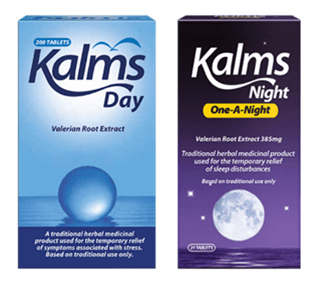
Getting a good night’s sleep is restorative and healing. It also gives you clarity in your thinking and decision-making. Even just one night of poor sleep can decrease your ability to make effective decisions and increase stress levels. Valerian root-based remedies such as Kalms Night One-A-Night can be used to promote a refreshing and restful night’s sleep, whilst Kalms Day help to promote relaxation and relive stress.

Laugh more.
Laughter releases endorphins and other healthy hormones and helps take your mind off of stress. Don’t know where to begin? Take note of who makes you laugh and smile and spend time with them. Read the newspaper and look for goofy headlines. Take a quick break at work to watch a funny video. Record a TV show that makes you laugh. Keep a journal of all these little things, so when you’re feeling blue, you have a pick-me-up guide.

The Kalms Range is available to buy instore and online at Boots, Superdrug, supermarkets, and pharmacies nationwide and online retailers such as Amazon or directly from www.kalmsrange.co.uk.


This article contains an advert for Kalms remedy capsules, but as according to guidelines, I did not receive payment.

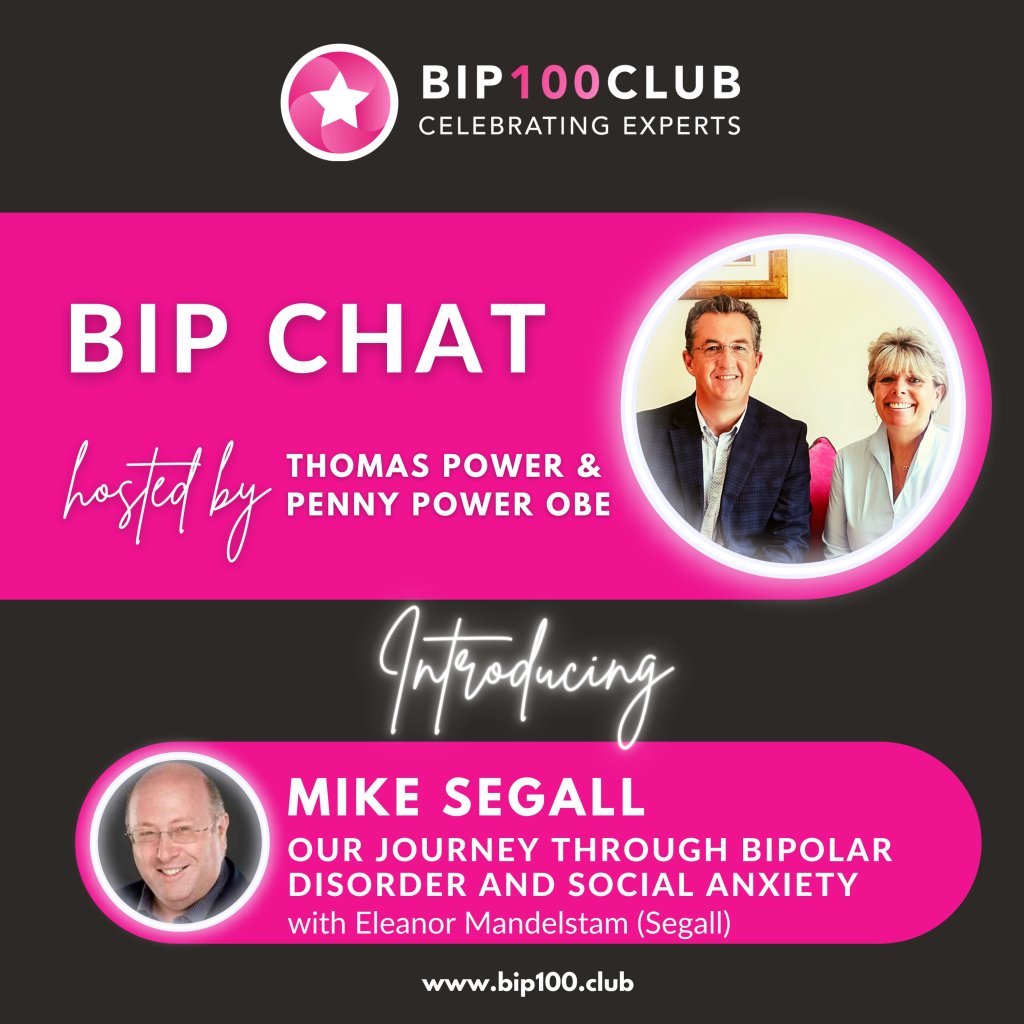
Mental Health Chat With Penny Power OBE and Thomas Power of Business Is Personal with Myself and my Dad Mike Segall. Our Journey With Bipolar Disorder and Anxiety.


Yesterday, 9th Feb, my dad Mike and I were honoured to be interviewed by his friends of many years, Penny Power OBE and Thomas Power of Business is Personal- live on Linkedin, Youtube and Facebook.

They asked us to come on their weekly show to talk about our hereditary journey with bipolar disorder and anxiety and shed light on all things mental health.

It was a real pleasure to talk all about our lives and how my Dad was diagnosed with bipolar just 4 years before me.

Trigger warning: discusses suicidal ideation and psychosis.


Thanks Penny and Thomas! We hope it battles stigma around this much misunderstood illness. Watch here:

https://www.youtube.com/watch?v=Fghp8RNTvX0

Fitness and Mental Health: A Career to Help You Glow

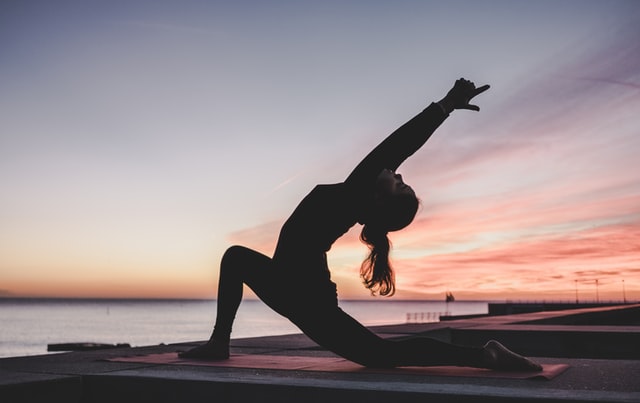
Photo by kike vega on Unsplash

Breaking into the fitness industry might seem like a bit of a challenge, especially if you are switching careers. But if you know that nothing is exciting as lacing up your sports shoes and getting started, then here are a few tips for you to break into fitness as a career. It can help your mental health as well as your physical health!

Education

Even if you are an avid runner, you shouldn’t be giving others running tips beyond anecdotal stuff. This is because the body is a finely tuned machine, and a step out of place while running at full speed, even if it works for you, can cause damage to others.  Equally, things like nutrition should be handled by a professional. 

So one of the most important things that you can do alongside enjoying your fitness is to make sure that you have the education and training to do the best job possible. Thankfully there are plenty of options for online courses, and you can even take a test now to kickstart your career. 

Options

You have hundreds of options within the fitness umbrella. As you invest in education and put that education into improving your own fitness routines, you can explore multiple options. 

You can talk to other fitness professionals about how they got to the point that they are at; most often, they’re so passionate that they’ll be happy to talk to you about it. 

One of the things that are an overriding subject in the professional fitness community is that they want to do the best for their clients.

Passion

If you have only been running, jogging or taking part in yoga for a short time; you might still be riding high on that new hobby energy. Once that new hobby energy starts to wane you might not find it as enjoyable as you did? 

However, if you have been doing it for years, and the passion is still there, then the chances are that you should be going into a fitness career and enjoying a natural feel-good glow.

Within fitness, you’ll find things like writers, fitness instructors, teachers, coaching, sports and fitness photography, gym owners, personal trainers and more. 

You’ll need to decide which one you’re passionate about drives you towards and which one you can picture yourself doing for the long haul.

Experience

Once you have your certification, it’s time to get some experience; you might find it a little bit difficult to get paying clients immediately. 

This is where your friends and family can help you out; ask them if they can be your guinea pigs for a short while and see if you can help them meet their fitness goals.

Once you have some experience, you can use that feedback to improve or add social proof to your website.

And of course, one of the most incredible things about helping people with their fitness journey is that you might become part of their recovery and support.

Looking after their mental health, as well as their physical health is so important and it is proven that fitness has a huge positive effect on mental wellbeing too.

This article was written by a freelance writer.

From Denial, To Acceptance and Recovery: My Mental Health and Eating Disorder Journey by Emily J. Johnson

(image: Jasmin Chew at Pexels)

Trigger warning: discusses eating disorders and OCD

It has taken me almost thirty-five years to acknowledge that I have struggled with mental illness myself. I’ve spent a lifetime in denial. It wasn’t until writing my memoir Pushing Through The Cracks in 2021 that I observed my life objectively. I witnessed the experiences I’d gathered since childhood and how they had shaped me into the woman I am today.   A woman of strength, but also one diagnosed with a mental health disorder – Binge eating disorder. A label I neither wanted nor could accept. Not until now.

This isn’t my first experience with mental illness. In my teens, my life was in turmoil. After my parents’ unexpected divorce, my mother remarried a gambler with a volatile temper within two years. My father moved to Australia, and with the upheaval of my home life and the onslaught of puberty, I felt lost. My body was changing, and I’d become uncomfortable with my new shape. What began as a diet to slim my blossoming body developed into anorexia. In the 1980s, treatment was non-existent, at least for me. Instead, my GP gave me a telling-off and threatened to put me in a hospital and force-feed me via a drip. His threats petrified me, and I gradually increased my food intake again. It took me two years to recover. Ultimately, my anorexia was untreated, so it left me with a legacy of disordered thoughts about my body and food throughout my adult life.

A few years after my father’s death in my mid-thirties, I became fixated on turning electrical items off – the cooker, iron, hair straighteners, television – anything that was plugged in. I would touch the switches whilst talking out loud to myself, repeatedly, trying to confirm they were in the ‘off’ position. I knew they were off, but somehow, I couldn’t accept that they were off. Additional obsessions snuck in gradually. I began checking the fridge door was closed, then every door and window in my home. What started as checking became an arduous set routine every night to ensure the doors and windows were locked multiple times. I was terrified someone was going to break in. Checking the doors eased that terror, temporarily.

It continued for several months, and I couldn’t stop the thoughts no matter how hard I tried. I moved back to the UK in 2010 and it appeared the huge disruption to my life interrupted the intrusive thoughts and checking behaviours, and they stopped. As the mother of a child with severe Obsessive-Compulsive Disorder (OCD), I now recognise what I experienced back in my thirties may well have been OCD.

Fast forward to my late forties, a divorce behind me, and a period of depression to follow, I remarried and began a new life with a blended family. But within a couple of years, both of my sons and my new husband began struggling with their mental health. Mental illness filled our once happy home with depression, anxiety, alcoholism, OCD, and gambling, and it turned my entire world upside down whilst I tried to care for them all. I was under immense stress and turned to something to help me cope – food.

It began with me ‘rewarding’ myself with chocolate bars late at night when everyone else had settled. Over time, the ‘reward’ became a buffet of junk — mostly heavily processed carbs and sugar. All eaten quickly, in secret, and shrouded in shame. Within a few months, I was eating around 5000 calories during a night-time binge. In-between the binges were days of restricted food intake. I gained a large amount of weight, which I hated myself for. The self-loathing was overwhelming.

I realised I had a problem in late 2019 and went to my GP, who referred me to an eating disorder clinic. They diagnosed me with Binge eating disorder (BED), and I began a recovery programme, which I stuck to until the Covid pandemic interrupted my sessions, and I threw in the towel. As a result, I slipped back into bingeing again when life overwhelmed me.

In 2021, I self-referred myself back to the ED clinic. I’m still on a waiting list, however, I’ve taken steps to get support and am in recovery now. I am 24 days binge-free at the time of writing this, which feels like such a huge personal triumph after a long period of relapse.

I think the toughest part for me has been accepting that I had a mental health disorder. I also felt overwhelming guilt that I had perhaps somehow genetically gifted my son’s mental illness to each of them. It’s taken me a long time to accept my diagnosis and our family’s situation. But from that place of acceptance, I have finally found peace….and recovery.


Emily J. Johnson is the author of Pushing Through The Cracks, her memoir of her family’s struggles with mental health. She lives in the UK and this is her first blog on this subject!

Looking After The Home and Wellbeing of a Loved One As They Grow Older.

(Image: Karolina Grabowska: Pexels)

If you have elderly parents, family members, or those that you care about, you want to make sure that they are living in a home that is able to support their needs and to make sure that they are safe, secure, and comfortable. If your loved one is living alone, they may not be as likely or able to keep up with all of the home maintenance tasks necessary and may have some needs that they haven’t fully considered that their home could help them meet. Here, we’re going to look at a few ways you might be able to help with just that and increase their wellbeing.

Securing the household

While neither you nor your loved one should be in a panic about potential threats out there without any reason to be, considering the security of your loved one is worth the time. If they live alone, then they are somewhat more vulnerable than most people, so you may want to look at ways to secure the home, whether it’s investing in strong new doors and windows with tamper-proof locks, or in things like more external lighting to make the area around the home more visible and thus deter those who might think to lurk around the home. This will also improve their mental health- knowing they are secure and cared for will help their general wellbeing.

Inspecting the heating and looking after wellbeing

If there’s one season we should be careful to make sure that we’re equipped for: it’s winter. A particularly cold winter can be a health hazard, and older people can be some of those most affected by them. As such, before winter rolls in, you should make sure that you arrange for a servicing and inspection of the heating appliances in your loved one’s home. If there are any problems found, you might be able to cut some costs such as by sourcing a replacement part here yourself, but you should rely on a professional to make sure they’re taken care of in the safest way possible. Make sure that your loved one doesn’t have any problems with insulation and check for any air leaks so you can keep the home comfortable and toasty in the winter.

Make sure you visit your loved one regularly and check in with them, a chat and a smile will really help them feel settled and improve wellbeing too. Check ins to their overall health are so important, both mentally and physically.

Check the wet areas so they feel safe and comfortable

The “wet areas” such as the bathroom and kitchen are some of the most important areas to inspect on a somewhat regular basis. For one, you should check for any signs of leaks that could be fixed with the help of a plumber. But you should also keep an eye out for things like spreading mould and damp, which could affect your loved one’s health over time. In many cases, mould can simply be cleaned away from the area, but if it has spread too far, you might need a mould remediation team to come out and replace the affected surface areas.

It is important that your loved one doesn’t slip in their home due to water and that you regularly check that their home is safe and comfortable for them so they feel secure.

Making the home more accessible to help any anxieties around safety

A lot of people begin to face mobility issues as they reach old age, and disability becomes much more common. For that reason, you might want to look at some tips for making the home more accessible. You can talk to your loved about any specific issues they might have, such as answering the door, going up and down the stairs, or using the bathroom safely and comfortably. There are many changes that can be made to a home to mitigate the risk of injuries such as slips, trips, and falls, and to help your loved one live independently for longer, feeling comfortable going about all the usual daily tasks in the home.

In many cases, setting up alarm systems in the home can help too. For instance, a pulley that alerts someone if they have trouble accessing the bathroom can be a great idea. This functions similarly to the best nurse call systems, allowing someone with the most authority attend to the issue appropriately.

This will also calm any anxiety they have about these things and give them peace of mind. Their mental health is equally as important.

Considering whether they should remain at home

You can do all of the checks necessary to make sure that your loved one is getting along well in their own home. However, if the home is no longer fit to keep them safe and comfortable, or they are unable to make the adaptations necessary to suit it to their needs, then you may need to think about other options. There are a lot of assisted living facilities that can make sure that their individual needs are seen with the care of attentive professionals. If your loved one is no longer able to live independently and to see to both their own and their home’s needs, then you need to think about ways to have those needs better fulfilled for them.

Talk to your loved one about how they are getting on in their own home. Ask about how cold it gets, any leaks or issues they’ve noticed, or simply any issues they have using the home. Help them live in the comfort and security they deserve to improve their wellbeing and see if they have any mental or physical health issues which are preventing this too.

This article was written by a freelance writer.

5 Outdoor Activities That Will Improve Your Mental Health by Elizabeth Howard

(image: Elizabeth Howard)

Spending more time outdoors will do wonders for your mental health. While research has shown that being outdoors helps alleviate stress and the symptoms of emotional illnesses, you can easily discover these benefits by interacting with nature. You will benefit from being outdoors when you sit on your porch, but you’ll keep your leisure time more interesting when you engage in a variety of different outdoor activities and boost your mental health.

Take a Weekend Camping Trip

You can rough it in a tent or enjoy a glamping excursion by renting a fully equipped cabin for the weekend. As you search for available campgrounds in Mississippi (or the country you live in), look for a location that’s near the water or offers a variety of activities. You should try to plan a camping trip that offers plenty of amenities for you and your companions. Swimming, fishing, snorkelling, hiking, and bird watching are a few of the outdoor activities you can enjoy over the weekend. 

Be sure to bring your phone or a camera. You will probably see plenty of wildlife that you’ll want to capture in pictures or on video. Even if you rent a comfortable cabin or take your RV, you’ll find enough activities to keep you outside and in nature throughout your camping excursion.

Go For a Walk

You can spend more time outdoors without leaving home when you plan to take a walk each day or evening. This is an opportunity for you to get outside and clear your head away from work, family, and other obligations. As you walk, let your mind wander. Many people find this to be an effective way of subconsciously working out stressful problems. By the time the walk is over, you might find that they have a solution to a particular problem. 

You can keep your walks interesting and distracting by taking a different route each night. Find a different park, road or walk to a different convenience store each time. In addition to helping you explore different parts of your community, you will also have the opportunity to interact with different people, if you want to.

Rent a Boat

There’s no reason you should feel bound to land when you look for outdoor activities to enjoy. In fact, renting a boat and spending a few hours on the water can have a soothing effect on the mind. You may feel more tranquil as you’re surrounded by the sights, sounds, scents of the water. This is a great opportunity to get together with friends or bond with your family. 

When you’re on the water, you’ll be removed from distractions and have the chance to enjoy deeper conversations. You’ll also have a chance to see your city from a different perspective. By the time you return to the dock or shore, you’ll feel more peaceful and less stressed.

Start a Garden

There are many hidden health benefits of starting a garden, and it will provide a way for you to improve the landscaping of your own property. Working with your hands as you plant and maintain a garden will help you strengthen your hands and fingers, reducing your risks for joint pain. As you tend to your garden, your mind will wander and you’ll enter into a type of meditative state. This will help you set aside your daily worries and concerns for a brief period. That will be enough to relieve stress and help you enjoy a lighter mood.

Climb a Mountain

If you live near a mountain range, consider taking up climbing as a means of getting more outdoor exercise. The act of climbing will help you strengthen a variety of muscle groups throughout your body. As you climb, you’ll see your community and the surrounding region from a different perspective. The air will be more exhilarating as you reach higher points on the mountain. 

While you should start slowly and work with a guide, you may eventually find that mountain climbing can be a competitive sport that allows you to improve your performance over time. Achieving new climbing goals will cause a release of endorphins in the brain, helping you to enjoy a happier mood.

There are many more ways you can enjoy the outdoors and benefit your mental health. Look for things you like to do outside even if that just involves sitting under a tree and reading a good book. The fresh air will benefit your physical health as well as improve your wellbeing.

Physical and Mental Health: How Improving One Can Help The Other.

Photo by Jonathan Borba from Pexels

Mental health is often viewed as something that exists entirely separate from physical health, but the truth is that they are closely intertwined. In fact, research has shown that improving your physical health can also help improve your mental health. Let’s take a look at some of the ways this happens.

1) Exercise releases endorphins, which have mood-boosting effects.

When you exercise, your body releases endorphins, which have mood-boosting effects. This is one of the reasons why exercise can be so beneficial for people with depression or anxiety disorders. Exercise can help to lift your mood and make you feel happier. In addition, regular physical activity is an effective treatment for mild to moderate depression. It can help to improve symptoms such as fatigue, insomnia, and low energy levels. And it’s a good option for people who don’t want or cannot take medication for their depression.

2) Physical activity can help to improve self-esteem and body image.

When you’re physically active, you start to see results in terms of your body composition and physical abilities. This can boost your self-esteem and make you feel better about yourself. Plus, exercise is a great way to manage stress and anxiety. When you’re stressed out, it’s often hard to find the energy or motivation to do anything. But when you have an outlet for your stress, such as exercise, it can help to ease that tension and make you feel better overall. Read this article for more information on exercising for beginners. 

3) Healthy eating can help to regulate your mood.

 An unhealthy diet can have a negative impact on your mental health. For example, poor nutrition can lead to fluctuations in blood sugar levels, affecting your mood. In addition, people who eat many processed foods tend to be more likely to suffer from depression and anxiety disorders. Conversely, people who consume a healthy diet that includes plenty of fruits and vegetables are less likely to experience these problems.

4) Physical activity can help you to get a good night’s sleep.

 Insomnia and other sleep problems are common among people with mental health disorders. In fact, research has shown that lack of sleep is one of the strongest predictors of depression. However, when you’re physically active, you’re more likely to get a good night’s sleep. In addition, exercise helps promote relaxation and calmness, which can be helpful for people who have trouble sleeping.

5) Physical activity can help to reduce stress levels.

One of the leading causes of mental health problems is prolonged exposure to stress. When you’re constantly stressed out, it can take a toll on your mental health. Exercise is a great way to combat stress because it helps to release tension and promote relaxation. In addition, physical activity can help you to manage your time more effectively and reduce feelings of overload or overwhelm.

When it comes to mental health, there’s no one-size-fits-all solution. But improving your physical health can be an essential part of the overall treatment plan. So if you’re struggling with a mental health disorder, talk to your doctor about ways that you can improve your physical health as well.

6) It can encourage you to take a different approach to your overall health

When you start taking better care of your health, it can prompt you to keep going and look at other areas of your lifestyle that need improving. Exercise and healthy eating can make you feel more energised and positive, completely changing your mindset.

It can also highlight other issues you might be facing that you may not have addressed. Maybe it’s time to go to the doctor or explore a diagnosis with ADHD Centre and get clarity on a problem you’ve been facing for some time. A complete health makeover can help you move forward and make the most of your new energy and lifestyle.

This blog was written by a freelance writer.

How to Overcome the Mental Distress of Recovering from Cancer by Rachelle Wilber

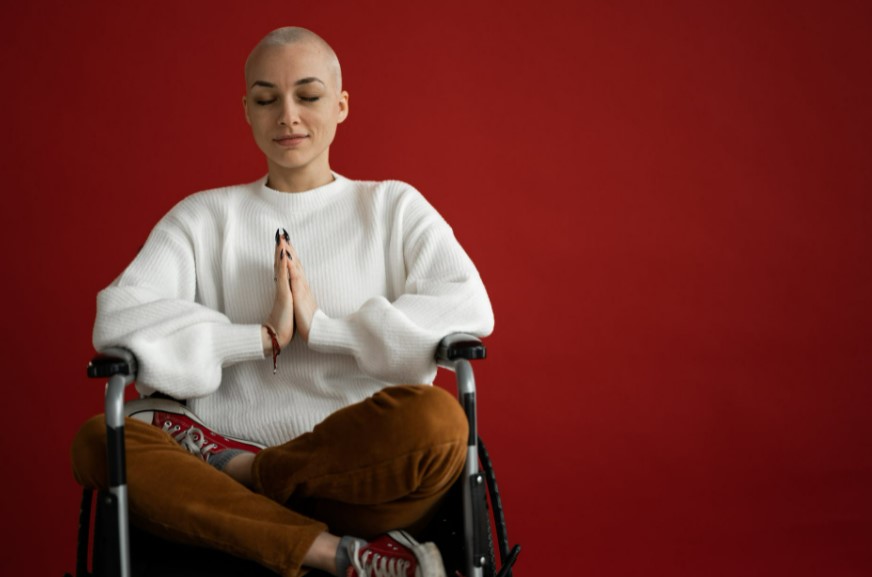
(image: Pexels)

Recovering from cancer is a long, challenging process that takes a lot out of you mentally and physically. Even when you achieve remission and start to regain your energy, the negative effects on your mind can persist. If you’re not sure how to deal with the emotional and psychological aftereffects, it’s easy to become overwhelmed or despondent. However, with the right approach, you can overcome that mental distress and regain a sense of contentment.

Talk to a Professional

If you’re dealing with mental distress during cancer recovery, seeing a therapist or counsellor could be helpful for your mental health. Some professionals specialise in assisting people in coping with major illnesses, and they can often give you beneficial insight. Sometimes, getting a fresh perspective from an outside source can be effective for solving problems that you’re struggling with. You don’t have to commit to monthly or weekly sessions, but it’s worth at least trying out with a session or two, and you can decide at that point if it’s right for you- and what you need.

Find a Wig to Match You

For many patients, chemotherapy is an effective treatment method for achieving remission, but it also comes with several negative side effects. One of the most well-known of these side effects is the thinning or loss of your hair. For some people, this is a difficult change to get used to, and some of the wig options available aren’t particularly appealing. However, there are places where you can purchase custom made lace wigs, which can give you back the look you prefer and help restore that self-confidence.

Find a Creative New Outlet

If you don’t have much to do with your free time during cancer recovery, it leaves a lot of opportunities for your mind to drift toward negative thoughts. This can become a powerful cycle in which the depression can fuel itself and worsen over time. To combat this, try finding a new hobby or creative pursuit that you can develop a passion for, when you have the energy to do so. Having something to do each day that you’re genuinely looking forward to will make a massive difference for your outlook, and it’s also good for the brain in general to keep you occupied. Some days you may just want to lie on the couch and rest- thats OK and listen to your body.

There will always be challenging days when you’re recovering from something as traumatic as cancer, but a positive mindset is still achievable. Try not to let the rough days define you and be kind to yourself. You could try something good for your mental health like meditation, art or reading if you have the concentration.

Remember that it always seems darkest before the dawn, and you will get through it- reach for support from a therapist, partner, friends and family.


Rachelle Wilber is a freelance writer living in the San Diego, California area. She graduated from San Diego State University with her Bachelor’s Degree in Journalism and Media Studies. She tries to find an interest in all topics and themes, which prompts her writing. When she isn’t on her porch writing in the sun, you can find her shopping, at the beach, or at the gym. Follow her on Twitter and Facebook:

@RachelleWilber;

https://www.facebook.com/people/Rachelle-Wilber/100009221637700/

Jami Charity See Mental Health Campaign: 36 Hours to Raise £1 Million

(image: Jami)

My dad Mike and I have been fundraising in the past day for a cause which is close to our heart. Jami mental health charity serves our community, the Jewish community here in the UK and beyond.

We have been asking people to donate to Jami’s match funded campaign to raise £1 million to support existing services and also to pilot a new service for secondary school age children. Referrals during the pandemic have risen and mental health support is much needed for under 18’s too.

We are fundraising because we ourselves have been affected by mental health (bipolar disorder) in our family. I was diagnosed at just 16 and had good NHS care in hospital but at the time, there was little support in the Jewish community available for me as a child. Mike was diagnosed at 44, a few years before me, and was thankfully helped to recovery.

We are both great supporters of Jami’s work (I am a Jami volunteer and we have both spoken at the mental health shabbat) and we believe this service will be vital for caring for secondary school children. Services are stretched and children are put on long waiting lists.. this is where Jami would come in to support a child and their family.

Today,, the campaign hit over its £1 million pound target and it is just incredible to see our community funding (badly needed) mental health support ! Its been wonderful to play a small part in this campaign- we have hit over £2000 of funding on our page!

This is so very close to our hearts due to our experiences and those in our community who are struggling. We want to raise as much as we can to support this service- every pound you donate will be doubled so please give as generously as you can. Thank you so much!

Please donate here, we so appreciate it : https://www.charityextra.com/jami/151