Road to Recovery: 5 Ways To Combat Addiction by Lauren Perry.

(image: free image)

Addiction is a multifaceted problem that can impact individuals from all walks of life, irrespective of their age, gender, or background. Whether it’s substance abuse, alcohol addiction, or behavioural disorders, seeking help is the first step to recovery. In this article, we will explore five ways to combat addiction and pave the way to a healthier, addiction-free life. Whether you’re personally grappling with addiction or you’re supporting someone on their path to recovery, these insights will provide valuable guidance for understanding and combating addiction effectively.

Seek Professional Help

The journey to recovery from addiction frequently commences with the essential step of seeking professional help. Therapists, counsellors, and healthcare providers play pivotal roles in guiding individuals toward a healthier, addiction-free life. For those dealing with co-occurring mental health and substance abuse disorders, specialised treatment centers, known as dual-diagnosis treatment centers, offer a higher level of care and a tailored approach to recovery. These centers are equipped to assess and address the root causes of addiction, including the often complex interplay of underlying mental health issues.

Build a Support System

In the journey of addiction recovery, building a robust support system is an invaluable asset. Building a support system involves connecting with loved ones and friends or engaging in support communities, like Alcoholics Anonymous (AA) or Narcotics Anonymous (NA). The path to recovery is undeniably challenging, and having a network of individuals who understand and care can make a significant difference.

Sharing experiences and challenges with others who have faced similar struggles can provide a unique bond and a sense of belonging, reducing feelings of isolation and alienation that often accompany addiction. This shared journey toward recovery cultivates a sense of hope and resilience, proving to individuals that they are not alone in their pursuit of a healthier, addiction-free life.

Cognitive-behavioral therapy (CBT)

Behavioral therapy (CBT) is a known and highly effective method used in addiction treatment. CBT zeroes in on identifying and transforming negative thought patterns and behaviors intricately linked to addiction. Through collaboration with a therapist, people gain the ability to explore the seated origins of their addiction, which are frequently connected to past events or instances of trauma.

This profound self-reflection is a crucial initial step toward recovery. CBT equips individuals with the tools to challenge and modify self-destructive habits and beliefs, empowering them to break free from the cycle of addiction and pursue a life of lasting sobriety. CBT is not merely a therapeutic intervention; it’s a transformative journey that enables individuals to regain control over their lives, nurturing emotional resilience and self-awareness as they navigate the path to recovery.

Medication-Assisted Treatment (MAT)

Medication-assisted therapy (MAT) contributes to aiding individuals in their quest to conquer addiction. This comprehensive strategy combines counselling and behavioural therapies with specific medications designed to reduce cravings and alleviate withdrawal symptoms. Substances like methadone, buprenorphine, and naltrexone can be prescribed as part of MAT, tailored to an individual’s unique needs. MAT is a significant aid in addressing the physical aspects of addiction, facilitating a more comfortable and effective journey toward recovery. By helping to manage the intense cravings and symptoms of withdrawal, MAT can make the process more manageable and increase the chances of successful, long-term recovery.

Lifestyle Changes and Self-Care

In the pursuit of addiction recovery, the role of lifestyle changes and self-care cannot be overstated. A healthy lifestyle is a cornerstone for maintaining lasting recovery. Incorporating regular physical activity, adopting a balanced diet, and ensuring adequate sleep are fundamental steps in restoring both physical and emotional well-being. These changes not only promote physical health but also contribute to emotional stability, fostering a more robust foundation for recovery. Additionally, self-care practices such as mindfulness meditation, yoga, and stress management techniques play an instrumental role in reducing the risk of relapse.

By nurturing mental and emotional resilience, individuals can better cope with the challenges they may encounter on their journey toward a healthier, addiction-free life. These practices instill the necessary tools to manage stress, anxiety, and other emotional triggers, ultimately enhancing an individual’s ability to make healthy choices and maintain a life free from addiction.

Conclusion

Overcoming addiction is a demanding yet crucial path for individuals battling it and their families. Seeking professional help, building a support system, engaging in therapies like CBT, considering medication-assisted treatment, and adopting a healthy lifestyle can significantly improve the chances of recovery. It’s important to remember that addiction is a treatable condition, and with the right strategies and support, a fulfilling, addiction-free life is achievable.

This article was written by Lauren Perry.
Guest post: 5 Tips to Survive Opiate Withdrawal by Bill Weiss

drugs1

Bill Weiss shares his knowledge about drug and opiate addiction and how to recover, talking us through the withdrawal process in a safe way. It must be done under medical supervision.

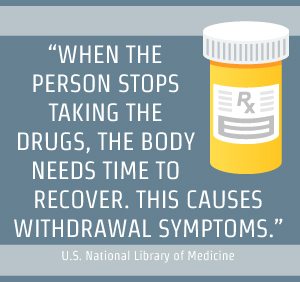
An addiction to heroin or one of the many prescription opiates, such as Vicodin or Percocet, comes with intense withdrawal symptoms. For many, the withdrawal symptoms are what drive them into an early relapse, in hopes of ending the symptoms rather than enduring them.

 The withdrawal process can be unbearable, but there are ways to make it easier. In order to prevent early relapse, let’s break down the opiate withdrawal timeline and how a person can alleviate some of those symptoms.

The Opiate Withdrawal Timeline

One thing that’s important to keep in mind is that each person’s withdrawal process will be a bit different from the other. Withdrawal symptoms fully depend on the individual, his or her habits while using, and the addict’s brain chemistry. Opiate withdrawal symptoms can range from mildly uncomfortable to severe and debilitating.

 The reason opiates cause such intense withdrawal symptoms is because of the effect they have on the user’s brain. Opiates impact the opioid receptors, which are found in the central nervous system. By targeting the opioid receptors, they adjust the brain’s response to pain while the drug is in the user’s system. This causes both physical and emotional effects, numbing the pain both physically and emotionally. Medically, this is why many doctors prescribe opiates as a pain killer.

 Unfortunately, if a person uses opiates long enough, it alters the chemistry of the brain. Eventually, the brain relies on the drug to control any amount of pain, big and small. When a person abruptly stops providing this supply of opiates to the brain, everything suddenly becomes unbearably painful as the body is no longer able to regulate pain. This sudden onset of pain signals flooding the brain is withdrawal.

 The early stage of withdrawal typically lasts for 24 to 48 hours, and it can start anywhere from a few hours to 30 hours after the last use of the drug. This can include muscle soreness, irritability, trouble sleeping, sweating, a rapid heartbeat and a lack of appetite.

 Fortunately, that earliest stages are the toughest. Later withdrawal symptoms can also be difficult, though, as cramping, shaking, nausea and vomiting may continue. The worst of these later withdrawals usually ends within a few days of sobriety, though for some may continue on for several weeks.

 Most people find that the majority of their withdrawal symptoms are gone after about a week. There may be some lingering anxiety and nausea afterwards, which can lead to a lack of appetite. Cravings for opiates, however, often last much longer.

Getting Through the Withdrawal Process

Opiate withdrawal is no picnic, but finding the right strategy to get through it can help. These are five of the best ways to get past those withdrawals for a successful detox and recovery.

1. Try Tapering

A popular method for people to stop using opiates is the taper technique. As the name suggests, it involves the person slowly tapering down the amount of opiates he uses. The benefit of this technique is that it causes less severe withdrawal symptoms than if the person simply decided to quit abruptly. However, it requires the mental discipline to keep reducing the amount of opiates used and eventually stopping use entirely.

 Just like a user will develop a tolerance for opiates and keep needing larger doses to get high, that process also works in reverse. If he can cut those doses down gradually, he’ll need less of the drug and his brain chemistry will start getting back to normal. For many, another option is to supplement the detox with Vivitrol. Vivitrol breaks the cycle of opioid addiction by lessening the symptoms of withdrawal.

2. Join a Support Group

One of the hardest parts of withdrawal is going through it alone. They can break a person down mentally and physically. A great way for the person to get support and stay on the right track is finding an addiction support group in his area.

 There are many ways that a support group can help with opiate withdrawal. Other members of the group can provide suggestions on what helped them get through the withdrawal process. Support groups also offer constructive activities, such as boosting self esteem during addiction recovery. These activities are crucial to surviving the withdrawal process and preventing relapse.

 Most importantly, being part of a group lets the person know that he is not alone in his struggle. If he has felt down on himself, a group of people who understand what he’s going through can help him maintain high self esteem.

3. Try Over-the-Counter Medications

Many of the most common symptoms of opiate withdrawal can be reduced by using popular over-the-counter medications. Tylenol and ibuprofen are two options that can help a person deal with the fevers, muscle aches, chills and sweating that come with withdrawal. Keep these medications on hand so that you can take them as needed.

4. Keep Getting Nutrients

Because of the nausea caused by opiate withdrawal, it’s often hard to eat or drink. This can make withdrawal even more difficult due to the lack of nutrients being consumed.

 Stocking up on foods that are easy to eat is a smart move before detoxing. Bananas are one option that tend to go down easy, or the person can purchase meal-replacement shakes. Multivitamins are a great choice for ensuring the person gets all the nutrients he needs even during withdrawals.

5. Set Up a Schedule in Advance

As the withdrawal process is an intense one, it is best to clear your schedule in advance. There are two key points to clearing your schedule during withdrawal.

 First, clear your schedule of any important responsibilities. Besides the fact that the symptoms will prevent you from doing anything at all, anything that you do during withdrawal will likely be of very low quality. If you are working then take time off of work, if possible. Find a safe, quiet, and secluded place in which you can focus on getting through the detox without any added stress.

 Second, is to set up a different daily routine. Routine is a problem when it comes to drug use because people often get used to their drug habits based on their daily routines. Many grow accustomed to using at a specific time of day, such as before bed or after getting home from work. Adjusting that daily routine can help the person avoid specific triggers that make him crave opiates.

 It may not be possible to avoid withdrawal symptoms entirely, but you can at least make them more bearable. With the right approach, you will be able to get and stay clean of opiates, rebuild your life and develop better coping habits to deal with life.

 Bill Weiss is an advocate of long-term sobriety. As a member of the recovery community, he feels it is important to spread awareness of alcohol and drug misuse in America and beyond. Being personally affected and having family members struggling, it is a personal quest of his to get the facts about substance misuse to light, ultimately enlightening people about this epidemic.

bill1