Understanding Mental Health Challenges And Recovery Options by Violet Smith Evans

(image: Zohr Nemati: Unsplash)

Mental health is an essential part of overall well-being, yet it is often overlooked until symptoms become overwhelming. Millions of people around the world live with mental health conditions that can affect their mood, thoughts, and behavior. These challenges can interfere with relationships, work, and daily routines, but the good news is that treatment options are more accessible and effective today than ever before.

When individuals understand their condition and seek the right support, they can build healthier coping strategies and regain control of their lives. Two common struggles people face are bipolar disorder and anxiety—both of which can be complicated further when substance use is involved. Exploring recovery options designed specifically for these conditions can open the door to long-term healing.

The Importance of Addressing Mental Health Early

Early recognition of mental health symptoms is critical. Too often, individuals dismiss mood swings, prolonged sadness, excessive worry, or fatigue as “just stress” or “a bad week.” However, these patterns can signal a deeper issue that requires professional support. Addressing mental health concerns at the onset not only improves outcomes but can also prevent the development of secondary challenges such as addiction, chronic stress, or physical health problems.

By taking proactive steps, individuals are more likely to develop resilience and maintain stability over time. Family members, friends, and colleagues also play an important role by offering encouragement and understanding instead of judgment or stigma.

Understanding Bipolar Disorder

Bipolar disorder is one of the most misunderstood mental health conditions. Characterized by extreme shifts in mood, energy, and activity levels, it goes far beyond the typical ups and downs that people experience in daily life. Those with bipolar disorder may experience manic or hypomanic episodes—periods of high energy, impulsivity, and elevated mood—followed by depressive episodes that bring sadness, hopelessness, or loss of interest in activities.

Because bipolar disorder exists on a spectrum, its symptoms vary greatly from person to person. This makes individualized care essential. Professional intervention, therapy, and medical management can significantly reduce the intensity and frequency of mood episodes, allowing individuals to lead fulfilling and balanced lives.

For those seeking guidance, comprehensive Bipolar Disorder Treatment programs provide structured support that combines psychotherapy, medication management, and lifestyle strategies to stabilize mood patterns. These programs focus on helping individuals better understand their triggers, strengthen coping mechanisms, and create long-term wellness plans.

The Overlap Between Mental Health and Substance Use

Mental health conditions often coexist with substance use disorders. This dual challenge, known as co-occurring disorders, can complicate both diagnosis and treatment. For example, individuals with bipolar disorder may use drugs or alcohol during manic episodes to maintain their energy or during depressive episodes to numb emotional pain. Similarly, those with anxiety might turn to substances as a form of temporary relief, leading to dependency over time.

The presence of co-occurring disorders makes it critical to find treatment centers that specialize in dual diagnosis. Traditional approaches that treat mental health and substance use separately may fail to address the underlying causes of each condition, resulting in relapse or incomplete recovery. Integrated treatment programs, on the other hand, provide a holistic approach that tackles both issues simultaneously, improving long-term outcomes.

Anxiety and Its Connection to Addiction

Anxiety disorders are among the most common mental health conditions worldwide. They can manifest as generalized anxiety, panic attacks, social anxiety, or phobias. For many, constant worry and fear interfere with work performance, social interactions, and even physical health.

When anxiety is left untreated, individuals often look for ways to escape their symptoms. Unfortunately, this can lead to reliance on alcohol, prescription medications, or illicit substances. While these may provide short-term relief, they create long-term consequences and increase the risk of developing addiction.

To break this cycle, specialized anxiety and addiction treatment programs are designed to address both issues together. These programs typically combine evidence-based therapies such as cognitive-behavioural therapy (CBT), mindfulness practices, and medical support to help individuals identify the root causes of their anxiety while also treating their substance use.

(image: Sydney Rae: Unsplash)

Building a Strong Support System

Professional treatment is only one piece of the recovery puzzle. Having a strong support network can make a tremendous difference in maintaining long-term wellness. Family therapy, peer support groups, and community-based programs help individuals stay accountable while fostering connections that reduce isolation.

Loved ones can also benefit from education and counseling, as understanding mental health conditions makes it easier to provide the right kind of support. Encouraging open conversations about mental health challenges helps break down stigma and creates an environment where healing is possible.

Healthy Lifestyle and Daily Habits

Lifestyle changes play a critical role in managing conditions like bipolar disorder and anxiety. Regular exercise, balanced nutrition, adequate sleep, and mindfulness practices can all reduce symptom severity. For example, yoga and meditation help regulate stress, while consistent sleep patterns can stabilize mood swings.

Journaling, creative activities, and spending time in nature are additional strategies that promote mental clarity and emotional balance. While these habits may not replace professional care, they work in tandem with treatment to strengthen resilience.

Long-Term Recovery and Hope

Recovery is not a one-time event—it’s an ongoing process that requires commitment, patience, and self-compassion. Relapses or setbacks may occur, but they don’t mean failure. Instead, they can serve as opportunities to re-evaluate strategies and adjust treatment plans.

The growing availability of specialized programs for conditions like bipolar disorder and anxiety shows that no one has to face these challenges alone. With proper care, individuals can achieve stability, rebuild relationships, and pursue meaningful goals.

Final Thoughts

Mental health conditions such as bipolar disorder and anxiety can feel overwhelming, especially when compounded by substance use. However, effective treatment and recovery programs provide hope and healing. By seeking out resources tailored to specific needs, individuals can find balance and create a foundation for lasting well-being. It is important to be lead by a psychiatrist about medication and treatment when someone also has substance abuse.

No matter how challenging the journey may seem, recovery is always possible. Support, understanding, and professional guidance are the keys to moving forward and embracing a healthier, more fulfilling future.

This blog contains sponsored links.

Approach Dry January “With Caution” Says Experts.

(image: Charity Beth Long, Roman Kraft)

With Dry January almost coming to an end, the charity initiative which encourages people to abstain from alcohol for the whole month, should be approached with caution, says an expert.

Dry January was started by Alcohol Change UK in 2014 and challenges Britons to give up alcohol for the month of January. The concept has proven popular and has expanded across the globe, including huge adoption in the US.

But according to addiction specialist, Nicholas Conn of Help4Addiction, the giving up of alcohol for an entire month can lead to further problems down the line.

Some of the heavier drinkers may be on the cusp of needing professional help,” he says. “Similarly you may find that some people start to overdrink in February to make up for lost time.”

“It is almost similar to the adverts that discourage smoking on cigarette packets – they can have an opposite effect.”

The average Briton consumes 14 units of alcohol per week (for women, it is around half of this) and for heavier drinks, it can be multiples of this amount.

“In fact,” he continues, “Dry January is more harmful to some individuals who consume alcohol every day or are more reliant on it. The process of alcohol detox or cold turkey can give people withdrawal and they may not have the resources to cope with it. Such side effects include headaches, irritability and changes in their sleep patterns.”

“In a professional setting or under the supervision of trained staff, someone who consumes too much alcohol might be given exercises or medication to help with withdrawal. But trying Dry January without a real plan in place can lead to complications of relapsing and being in a worse position than when they started.”

Advice For People Doing Dry January

“Dry January is a very positive initiative. Alcohol has some very negative impacts to the brain, liver and general health, let alone a huge cost to the NHS and society in general due to misbehaviour fuelled by alcohol.”

Start by setting realistic goals. Perhaps this means limiting the number of days that you drink or the amount that you drink too.”

Understand why you drink. Do you drink for social purposes or is it habitual? If you consume alcohol to function in the day, to help you get out of bed in the morning or you need it to socialise, you might need to seek professional help from the likes of the NHS or AA.”

Try alternatives. There are several alcoholic alternatives today such as beers, mocktails and gins. You can also consider moving away from the activities that make you drink such as going to a pub or watching football and taking up a new hobby in January.”

“Dry January starts with you acknowledging that you want something to change and taking lifestyle actions to make these changes.” Conn adds.

“Abstaining from alcohol for one month could be a quick fix, but making a longer term plan is more likely to help you and maintain a healthy balance and lifestyle.”

Alcohol Abuse: How Does It Affect Women on an Emotional Level? by Maya

(image: Matthew Ball: Unsplash)

Alcohol addiction can affect every area of a person’s emotional health. They may start to feel a sense of shame with their friends and loved ones. It can also affect interpersonal relationships, as alcohol can instigate arguments with loved ones. Here are some important ways that alcohol addiction can affect your emotional health.

How Brain Affects The Brain

If you attend a women’s recovery center, you’ll learn the many ways that alcohol affects the brain. Firstly, alcohol travels to the brain through the bloodstream, where it affects the neurotransmitters (the parts of the brain responsible for sending chemical messages between brain cells). Over time and when alcohol abuse occurs, the balance of these neurotransmitters is affected, which can lead to emotional instability. It can also increase the level of dopamine, causing people to become addicted to these heightened feelings of euphoria. Sometimes, alcohol also numbs emotions as well as heightening them.

How Alcohol Affects Mental Health

When alcohol abuse occurs over a long period of time, then mental health is greatly affected especially if someone has a pre-existing condition. Symptoms can range from mild to severe, including:

● Depression

Mania

● Psychosis

● Anxiety

If these symptoms become severe, then treatment from a mental health professional might be required.

As women are also more prone to depression than men, alcohol can exacerbate the symptoms of depression they might already be experiencing.

Factors That Determine How Alcohol Affects The Brain

Drinking alcohol to excess will negatively impact your mental health. However, other factors include your overall physical and mental health, the amount of alcohol you regularly drink, how often you consume alcohol, how long you’ve been drinking alcohol, the age you started drinking, and certain background factors like if there is a family history of alcohol abuse present.

The Emotional Impact Alcohol Has On The Body

Since alcohol can damage the emotional centers of the brain, it can lead to severe mood swings and erratic behaviour. It has other effects on the brain as well:

● Anger: women who struggle with alcohol abuse tend to struggle more with anger over time. It can be directed at anyone and anything, leading to the destruction of relationships with loved ones.

● Stress: alcohol abuse tends to be the result of relieving stress; this is compounded by the instead of stress during withdrawal symptoms.

● Anxiety: alcohol can be used to ease anxiety, but this only worsens anxiety over the long run. Women who abuse alcohol tend to have more panic attacks and experience generalized anxiety disorder.

● Depression: women who drink heavily tend to be more depressed than others and the risk of suicide increases.

● PTSD: women who have experienced trauma and use alcohol as a coping mechanism are at risk for developing full symptoms of PTSD. Alcohol can make traumatic memories worse and more intense, increasing their feelings of anxiety and fear.

It can be difficult to overcome these negative emotions on your own, but the good news is that you don’t have to. If you fear that you are addicted to alcohol and that it is making your emotional health worse, speak to a mental health professional as soon as possible.

This article was written by Maya.

Does Drinking Weaken Your Immune System? by Maya

(image: Yuri Efremov, Unsplash)

Your immune system is what your body has to help you fight off infectious diseases and other illnesses you might contract. Everyone has an immune system, but if you get older or have certain conditions, that system is weakened. That can be a problem if you contract something harmful.

There are several dangers of alcohol addiction of which you might be aware, but most people don’t think about their immune systems when they realise they have a drinking problem. Let’s talk for a moment about how the two things can be related.

Is It Possible to Weaken Your Immune System Through Alcohol Use?

The answer to whether alcohol use can weaken your immune system is a resounding yes. There is now a great deal of anecdotal and empirical evidence that suggests you can more easily contract many different viruses and diseases if you ingest alcohol often.

It’s also worth mentioning that the more you drink, the more likely it is that your immune system will be damaged. You may be able to avoid this issue for a while. However, if you start drinking steadily as you settle into the rhythms of alcoholism, this is one of the health risks that you begin to take on. 

Can Your Immune System Recover Once You’ve Damaged It?

It’s possible for your immune system to recover to some degree if you’ve damaged it. This is true if you’re a regular drinker, a smoker, a user of other recreational drugs, and in most other cases, as well.

If you have been a long-term addict, then you have probably done damage to your immune system. That doesn’t mean you should give up if you’re in the throes of addiction, though.

What is the Best Way to Prevent This Problem?

The best way to prevent damaging your immune system through excessive alcohol use is to either cut back or stop drinking altogether. If you are not able to cut back then at least you can take steps to minimise or control your drinking.

The other thing you can do is to start monitoring other ways that you’re living. That translates to exercising more, eating a healthy, well-balanced diet, keeping yourself at the optimal weight, and getting a good amount of sleep every night.

It is also important to reach for help and support from rehab clinics, psychiatrists/counsellors and your GP. Support is out there for you. if you are struggling with addiction.

This article was written by Maya.

10 Tips For Supporting A Loved One Struggling with Alcohol Dependence by Elizabeth Howard.

(image: Alvin Mahmudov: Unsplash)

Alcohol dependence is an addiction that has a significant effect on the person who is struggling with it, as well as their loved ones. While it might be difficult, aiding someone through their recovery process is essential to assist them in kicking their alcohol addiction. These are some insightful suggestions for offering a loved one struggling with alcohol dependence genuine support.

Understanding the Nature of Alcoholism

Understanding the nature of alcohol dependence is crucial for providing appropriate support to a loved one who is struggling with the addiction. Physical and psychological dependence are both aspects of the complicated illness. . Knowing the nuances of this lays the groundwork for providing knowledgeable and empathetic support.

Foster Open Communication

Encourage your loved one to communicate honestly and openly. Establish a secure environment where people can freely express their ideas and experiences without worrying about being judged. They can communicate their emotions to you in a non-judgmental setting, which helps to develop trust and reinforce your bond. This candid conversation is essential to comprehending their viewpoint and offering useful assistance.

Educate Yourself About Alcohol Addiction

When it comes to assisting someone who is battling alcohol dependence, knowledge is a powerful tool. Spend some time educating yourself on the various facets, including its causes, effects, and the available treatment options. If you are well-informed, you will be able to provide support that is more meaningful to the individual and will become an invaluable resource for them on their path to recovery.

Encourage Professional Help

Encouraging your loved one to seek professional aid is just as vital as providing emotional support. They will have access to professional help that is designed to meet their unique requirements if you suggest therapy or counselling to them. They can also use free alcohol addiction helplines to connect them with experienced specialists who can offer urgent support and guidance at any time.

Set Boundaries

Being your loved one’s supporter means looking after yourself too. Set up healthy, defined boundaries for your own emotional and physical wellbeing. Maintain your composure while asserting these limits and be sure to explain that you are doing it to maintain a healthy and supportive connection between you and the other person. By establishing boundaries, you foster a more positive dynamic.

Attend Support Groups Together

Investigate the option of joining support groups together as a group. Friends and family members whose lives have been impacted by the addiction of a friend or loved one might find a supportive community in these groups. It can be really encouraging to talk to other people who have gone through similar experiences, and it can provide useful insight into different ways of dealing with difficult situations.

Practice Patience and Empathy

Alcohol dependence recovery is a progressive process that calls for both tolerance and compassion. Recognise that setbacks and relapses are possible and that this is a journey. Adopt a compassionate stance in these instances instead of passing judgement, stressing the significance of carrying out the healing process. Your constant support through thick and thin can play a big part in their eventual success, however not everyone is the same.

Encourage Healthy Lifestyle Changes

Encourage healthy behaviours to help in the healing process. Inspire people to engage in regular physical activity, maintain a healthy diet, and get enough sleep. Not only does engaging in healthy behaviours contribute to one’s physical well-being, but it also helps in the improvement of one’s mood and the reduction of stress.

Celebrate Milestones

Maintaining motivation throughout the process requires acknowledging and celebrating victories at every stage of the healing process, regardless of how minor they can appear. Positive reinforcement can be provided by acknowledging accomplishments along the path to recovery, such as abstaining from alcohol for a short time, finishing a counselling session, or achieving a particular objective. By celebrating together-achieved milestones, you can improve your connection with one another and emphasise the significance of their efforts.

Be a Source of Consistent Support

When helping a loved one through alcohol dependency, consistency is the most important thing you can do. Maintain a persistent commitment to the welfare of the people you care about to establish yourself as a dependable source of assistance. They may report feeling more confident and secure in their ability to heal because of this unwavering support, which helps establish trust and confidence. Keep in mind that the steadfast dedication you show toward helping them can be a big factor in their recovery.

Understanding, empathy, and encouragement are necessary while helping a loved one who is battling alcohol dependency. You can help them heal a great deal by being involved in their path, remaining informed, and encouraging good adjustments. Consider calling a helpline for professional advice and support if you or someone you know needs help right away.

This blog was written by Elizabeth Howard.

Breaking Free: Addiction’s Grip And The Road To Recovery by Miranda Spears.

(image: Markus Spiske, Unsplash)

Addictions are pervasive and challenging conditions, which often dictate thoughts, behaviours, and lifestyles. The journey from the clutches of addiction to the road of recovery is a complex process that requires a combination of medical, psychological, and social interventions. This exploration delves into the intricate dynamics of addiction, examining the factors that contribute to its grip and illuminating the multifaceted road to recovery. By understanding the complexities involved, we can better appreciate the resilience required to break free from addiction’s hold and the comprehensive strategies essential for successful recovery.

1. The Tenacity of Addiction

Addiction’s grip on individuals is marked by its tenacity, rooted in the rewiring of the brain’s reward circuitry. Substance use or compulsive behaviours trigger the release of neurotransmitters, creating a cycle of pleasure and reinforcement that the brain craves. Over time, this leads to neuroadaptation, where the brain becomes increasingly tolerant to the substance or activity, necessitating higher doses or more frequent engagement to achieve the same level of satisfaction. The result is a profound physiological and psychological dependence, creating a formidable barrier to breaking free from addiction, but it can be done.

2. The Impact on Mental Health

The relationship between addiction and mental health is intricate, with each often exacerbating the other. Individuals struggling with addiction can turn to substances or behaviors as a coping mechanism for underlying mental health issues such as anxiety, depression, or trauma. Conversely, the neurochemical imbalances induced by substance use can contribute to the development or worsening of mental health conditions. Untangling this complex interplay is crucial for effective treatment.

Addressing both addiction and co-occurring mental health disorders simultaneously is essential for comprehensive care, offering individuals a holistic approach to breaking free from the entwined challenges they face.

3. Detoxification and the Initial Steps:

Embarking on the journey to recovery from addiction often begins with detoxification, a crucial initial step in the process. Acknowledging the need for professional assistance is pivotal, especially when seeking recovery from substance abuse. If you’re seeking help with alcohol addiction, for instance, a quick online search using keywords such as ‘alcohol rehab in Austin’ or your country and region can lead you to specialised facilities.

In rehab centres, individuals undergo supervised detox, where medical professionals monitor and manage withdrawal symptoms, ensuring a safe and supportive environment. Beyond addressing physical dependence, alcohol rehab can integrate comprehensive treatment plans that encompass counselling, therapy, and holistic approaches to address the psychological and emotional aspects of addiction. Choosing the right rehab centre sets the foundation for a transformative recovery journey, offering personalised care to guide individuals toward a healthier and more fulfilling life.

4. Building a Supportive Network:

The road to recovery is not a solitary journey; building a supportive network is instrumental in breaking the isolation that often accompanies addiction. Support can come from various sources, including family, friends, and fellow individuals in recovery.

Twelve-step programmes, group therapy, and counselling provide avenues for individuals to share their experiences, gain insights, and receive encouragement. The power of community support lies in its ability to offer understanding, empathy, and shared strength. Establishing and maintaining these connections is crucial for navigating the challenges of recovery, fostering a sense of belonging, and reinforcing the commitment to breaking free from addiction.

5. Embracing Long-Term Recovery:

Breaking free from addiction is not a one-time event but a lifelong process that requires ongoing commitment and effort. Embracing long-term recovery involves adopting a holistic approach that addresses the physical, mental, and social aspects of an individual’s life. Continued therapy, participation in support groups, and the cultivation of healthy habits contribute to sustained recovery. Individuals are encouraged to identify and manage triggers, develop coping mechanisms, and make positive lifestyle changes that align with their newfound commitment to well-being. By embracing a comprehensive and evolving approach to recovery, individuals can navigate the complexities of life beyond addiction, gradually diminishing its grip and building a foundation for lasting freedom.

Breaking free from addiction is a challenging yet transformative journey marked by resilience, self-discovery, and continuous effort. The tenacity of addiction, rooted in the brain’s reward system, necessitates comprehensive strategies that address both the physiological and psychological aspects of dependence.

The interplay between addiction and mental health underscores the importance of integrated care. By understanding the complexities of addiction’s grip and the multifaceted road to recovery, individuals can embark on a transformative journey toward breaking free and reclaiming their lives.

This article was written by author Miranda Spears.

Maintaining Mental Wellbeing: Tips for Navigating an Alcohol Assessment Centre by Brooke Chaplan

(Image: free image)

The decision to seek help for alcohol use disorder is an important one. It takes courage to admit that you need assistance, and taking the first step toward recovery can feel like a daunting task. One of the early steps of recovery is an alcohol assessment centre, which can assess your condition, provide treatment recommendations, and connect you to ongoing support. However, navigating an assessment centre can be overwhelming, especially if you are feeling vulnerable or uncertain. In this post, we will discuss some tips for maintaining your mental well-being while navigating an alcohol assessment centre.

Educate Yourself

Before entering an assessment centre, take some time to educate yourself about the process and what to expect. This can help to ease anxiety and provide a sense of control in an unfamiliar environment. You can research online, check out the centre’s website, or speak with someone who has been through the process before.

Prepare Mentally and Emotionally

Entering an assessment centre can be a nerve-wracking experience, but it’s essential to prepare yourself mentally and emotionally. You might consider bringing along a trusted friend or family member who can offer support and help you stay grounded. You can also practice mindfulness or deep breathing exercises to help you stay centred.

Speak Openly and Honestly

It’s important to be honest about your alcohol use, even if you feel embarrassed or ashamed. The professionals at the assessment centre require accurate information to provide the best treatment options for your specific needs. Honesty also helps to build trust and openness in the therapeutic relationship between you and your counsellor.

Focus on Your Goals

Entering an assessment centre can be overwhelming, but it’s essential to focus on your goals for recovery. Discuss your goals with your counsellor, and work with them to develop a plan for achieving them. Remembering why you’re seeking help and what you want to achieve can help motivate you and make the process easier.

Take Care of Yourself

Finally, remember to take care of yourself while going through an assessment centre. It’s essential to prioritise your mental and physical well-being, which can include eating well, drinking plenty of water, and getting enough rest. Self-care also means taking breaks when necessary, practicing healthy coping mechanisms, and setting boundaries with those around you. Navigating an alcohol assessment centre can be overwhelming, but it’s an essential step towards recovery from alcohol use disorder.

By educating yourself about the process, preparing yourself mentally and emotionally, speaking honestly with your counsellor, focusing on your goals, and taking care of yourself, you can maintain your mental well-being while going through the process. It is highly recommended to reach out to facilities where you are, like A Better Choice Counselling/ Alcohol, Drug & Assessment Center, for more information or to answer any questions you may have.

Remember, seeking help for alcohol use disorder is a brave decision, and with the right support and resources, recovery is possible

4 Types of Alcohol Addiction Services You Can Turn To For Help by Rachelle Wilber

(image: free photo website)

Please note: this article relates to facilities and costs in Canada only.

For anyone struggling with alcohol addiction, many different types of addiction services can help. There are inpatient and outpatient programs and 12-step programs, and support groups.

Here are the four main types of alcohol addiction services and what they offer:

Inpatient alcohol addiction services

Inpatient services are typically offered in a hospital or rehabilitation center. Patients live at the facility and receive 24-hour care. This type of service is ideal for severe addictions or those struggling with other mental health issues.

Inpatient services offer a variety of therapies, including individual and group counseling, educational classes, and 12-step programs. Patients also have access to medical care and support 24 hours a day.

The average stay in an inpatient facility is 28 days, but some programs offer longer stays.

Cost: Ranging from $500 to $1500 per day. Many insurance companies will cover some or all of the cost of treatment.

Outpatient alcohol addiction services

The services are offered in hospitals and rehabilitation centers, but patients do not live at the facility. They visit for treatment day or evening, like a Male Alcohol Addiction Treatment Program. This service is ideal for those with mild to moderate addiction or who do not need 24-hour care.

Outpatient services offer a variety of therapies, including individual and group counseling, educational classes, and 12-step programs.

The average length of treatment is three months, but it can vary depending on the patient’s needs.

Cost: Outpatient alcohol addiction services typically cost between $50 and $200 per week.

12-step programs

12-step programs are self-help groups that offer support and guidance to those struggling with addiction. There are many different 12-step programs, but they all follow the same basic steps.

Admitting you have a problem and you need help is the first step.

The second step is finding a sponsor or someone who has been sober for a long time and can help guide you through the program.

The third step is making amends to those you have hurt due to your addiction.

The fourth step is maintaining your sobriety day by day.

12-step programs are free and open to anyone who wants to join them.

Cost: There is no cost associated with 12-step programs.

Support groups

Support groups are similar to 12-step programs, but they do not follow the same structure or steps. They are simply a place where people can come together to share their experiences and offer support to one another.

Support groups have no charges and are open to anyone who wants to join them.

There are many different alcohol addiction services available to those who need help. Inpatient and outpatient programs offer a variety of therapies, while 12-step programs and support groups provide support and guidance. Choose the service you or your loved one can benefit from and get started on the road to recovery today.

This article was written by freelance writer Rachelle Wilber and contains affiliate links.

Options for Improving Your Mental Health and Overcoming Alcohol Addiction by Rachelle Wilber

(image: R Wilber)

Alcohol addiction greatly impacts on your mental health and general wellbeing. Fighting addiction should be your ultimate goal, making it possible to take control of your life. There are numerous options available to help in overcoming addiction and improving your mental health. Here are several options.

Alcohol is extremely addictive and has the potential to ruin mental health and peoples lives. These are just a guide, please consult with professionals.


Connect with Others

A great place to start is it to get out and start meeting other people at support groups. It helps to share positive or similar experiences, which will aid your mental health and self esteem. . You can also consider others and build emotional support if able. Avoid people who want you to relapse back into addiction and who enabled it too! Seek support for you to move forward, even if slowly.

Be Active 

Exercising and getting involved in activities release the endorphin hormone, also known as the happiness hormone. This can also help your general health as you recover slowly. Get involved with community causes and help raise funds for 5k, to 10k walks once you feel able.

Learn New Skills 

Learning new skills helps connect with others and builds a sense of purpose. Try taking a responsible role when volunteering that has an immediate impact, be it at work or in the community like cooking for the homeless- as long as you are in recovery and feel able.

Be Mindful 

Getting into a male alcohol addiction treatment program (or a mixed program/ one for women) can help you in being mindful as it is one of the crucial aspects taught. It helps you consider yourself and the positive changes you have made while recovering from alcohol abuse. Being mindful helps you understand yourself better and take the necessary steps to ensure mental health is protected. 

Be Kind 

Being kind to yourself and placing your feelings first will make it easier to recover from alcohol addiction. Avoid comparing your progress with others and discard people’s opinions of your progress. Allow yourself to make mistakes while finding the right ways to be mentally free. 

Celebrate Your Small Wins 

Celebrate small wins even if you have milestone goals you want to achieve. Start with celebrating finishing the alcohol addiction treatment program. Celebrate your sober days!

Write it Down 

A great way to improve mental health and overcome addiction is by documenting everything. It helps in processing all emotions to gauge triggers to avoid them. It will also allow you to self-reflect on progress, relieve stress, and inspire creativity. 

Reach for Support

Remember to get into local support groups or even stay in touch with members of the alcohol addiction treatment program. Consult a professional (GP or psychiatrist) if the urge is unbearable to avoid relapsing into addiction and keep you on the road to your recovery.  

This article was written by Rachelle Wilber, freelance writer.

How to Battle Co-Occurring Mental Health and Substance Addiction by Holly

(image: overcoming-drug-addiction-and-mental-health-issues-blog)

What are co occurring mental health disorder and substance abuse?

A co-occurring disorder is when a person is battling some kind of mental health issue alongside substance abuse like drugs and alcohol addiction. Both SUDs and mental health issues share a strong link. In fact, it’s estimated that almost half the individuals suffering from one will develop the other at some time or another. 

It’s not uncommon for substance abuse to fuel a co-occurring disorder and vice-versa. The severity of both can also increase over time. 

The most common mental health issues to co-occur alongside SUD are – 

  • Anxiety Disorders –  Social anxiety and general anxiety share a strong link with marijuana abuse. Almost 19% of people in the US have some kind of anxiety disorder. GAD, social anxiety, and panic disorder can also increase the odds of co-occurring issues.
  • Personal Disorders – In terms of the general population, around 10-15% suffer from personality disorders. When we talk about those suffering from addiction and substance abuse, the rate is an astounding 35-70%. The commonest personality disorders in those battling SUD are – borderline, avoidant personality, paranoia, and antisocial behavior. 
  • Attention-Deficit/Hyperactivity Disorder – Studies tell us that ADHD comes with an increased risk of developing addiction-related issues during adulthood (mainly 20s and 30s.) There is a positive correlation in symptoms of ADHD like impulsiveness, hyperactivity, and inattention with substance use in adults. 
  • Mood Disorder – Around 30% of people suffering from SUD are likely to suffer from one of the mood disorders such as depression and bipolar.
  • PTSD – According to a survey, people with Post-traumatic Stress Disorder are 4x more likely to develop substance use disorder than those without.

What Causes Co-occurring and Substance Addiction?

It is estimated that over half the people with one disorder will eventually develop the other during their lifetime. While the exact set of reasons that can fuel these two conditions might be long, researchers have found the 3 most prevalent reasons as to why co-occurring disorders may take place.

Overlapping Risk Factors

Many of the risk factors behind SUD and mental health issues are overlapping. Generally, these include environmental factors like exposure to drugs or alcohol at an early age, early childhood trauma, and genetics. All of these factors can make a person more susceptible to developing mental health issues and requiring addiction treatment for drugs such as Cocaine or others.

Self-Medication

Dealing with a mental illness can be difficult. That’s why many people resort to alcohol and drugs as coping mechanisms. In medical terms, this is called ‘self-medicating’. However, it’s quite misleading as instead of fixing the problems, it only masks them. What’s more, in the long run, it exacerbates the symptoms and worsens the dependency on drugs/alcohol, making it more difficult to detox from alcohol or drugs, often requiring medically supervised detox.

Drug-Induced Brain Changes

Prolonged drug and substance use can change the brains ‘motivation and reward mechanism’. It can give a false sense of wellness causing one to develop a dependence on drugs beyond control. Eventually, it can lead to mental health issues by affecting the brain and neurotransmitters.

Drugs affect the areas of the brain associated with mood, impulse control, anxiety, and schizophrenia.

How to Battle Co-occurring Mental Health and Substance Use

Residential Treatment 

Residential rehab programs begin with an initial assessment to draw an individual treatment plan. This is followed by detox and several other therapies. The patient has to stay in a structured and highly supervised facility. Common inpatient treatment duration for drug addiction is 30 days. Residential programs put the entire focus on recovery as daily triggers and challenges are removed that often lead to relapses.

Outpatient Healing Programs

Under this program, a patient receives all the treatments and therapies as in residential rehab. However, they are not required to live in the facility. This is good for young teenagers, parents, and people with mild addiction who cannot sacrifice work commitments. 

Detox

This is usually the first step in most addiction treatment programs. Drug detoxification entails medical supervision to get the drugs out of the system. With a clean system, experts can begin further treatment. Generally, therapies and medication cannot begin unless detox is successfully over.

Integrated treatment

Integrated treatment often includes behavioral therapy and counseling as interventions. Rehab centers in Connecticut and other parts of the United States use integrated treatment coupled with medication. Integrated treatment encompasses several therapeutic techniques with proven results in treating substance abuse and mental health issues. Common integrated therapies are –

  • Cognitive-behavioural therapy aka CBT aims to understand negative behaviours, thinking patterns, and self-talk that might be causing addiction and other disorders. It then works on changing them.
  • Dialectical behavioural therapy is used for treating borderline personality disorder. It does so by working on negative actions and thoughts like self-harm, suicidal behaviour, and dependence on a substance to cope with daily stressors.
  • Contingency management is often used in upscale addiction treatment centres. It reinforces positive changes by utilising incentives for patients who can exhibit positive behaviours such as staying sober and meeting therapy guidelines.

Medication Treatment

Psychotherapeutic Medications are often integral to treating SUD and co-occurring disorders and are frequently used during alcohol treatment. The commonly prescribed medications include antipsychotics and antidepressants. The latter is used to mostly manage the uncomfortable withdrawal symptoms. Other than that, medications may also be used to lessen the cravings so that relapses don’t happen. 

Buprenorphine, naltrexone, methadone, disulfiram, and acamprosate are the common medications used for treating SUD.

Peer Support Clubs

It’s not uncommon for people with psychiatric issues to become antisocial. The withdrawal from social life exacerbates when you throw drugs and alcohol into the mix. By joining peer support groups/clubs like 12-step, Alcoholics Anonymous, and group counseling – patients can find solace in the presence of other people going through similar battles. 

They can draw inspiration from their stories and also learn some tips to maintain sobriety. Support groups are highly effective in fostering a long-term, sustainable drug-free lifestyle.

Education and Counselling for Families

Sometimes a toxic family environment or dysfunctional relationships may unknowingly be fuelling a person’s addiction. Family counselling educates people how to create a healthy living environment for a family member to support long-term recovery.

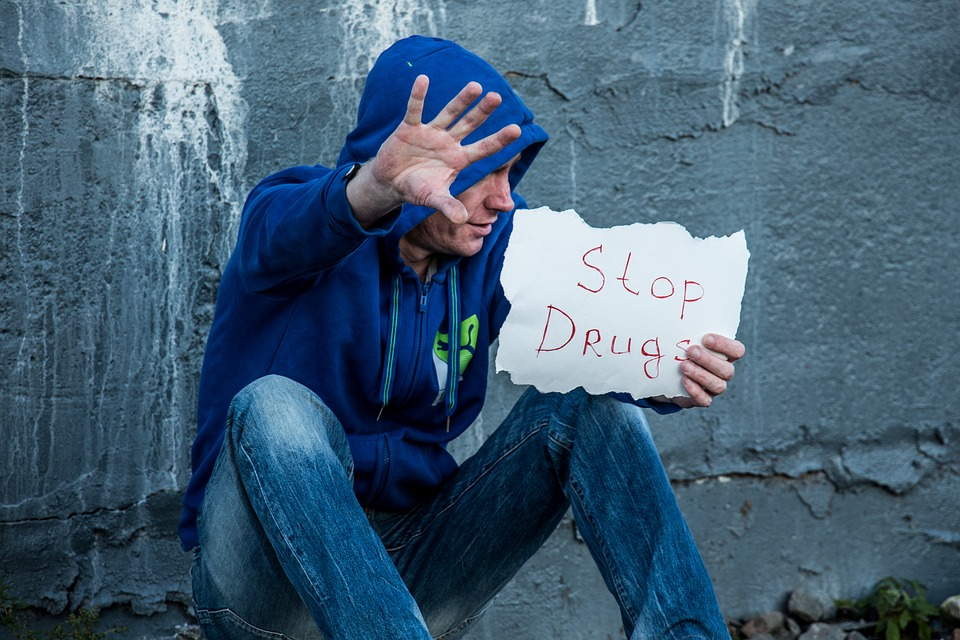
image: erson-holding-stop-drugs-sign-blog

Holistic Remedies

Medical science is embracing the effectiveness and importance of holistic/alternative treatment when it comes to treating drug addiction. Many rehab centres are now adopting a holistic treatment model. Common holistic therapies are – massage therapy, acupuncture, hypnotherapy, yoga, reiki, meditation, and music therapy.

In Conclusion

Co-occurring disorders may be a harsh reality in many people’s lives. But, know that if you or your loved one is going through this issue, help is always available.

Holly is a freelance writer who loves to help people who are struggling with a drug or alcohol addiction. Holly knows first-hand what it’s like to deal with substance addiction, and has now been sober for 5 years. Holly is a frequent contributor to many addiction-related blogs and organizations such as the Addiction Treatment Division and Inpatient-Rehab.org.