5 Years, Anxiety and Keeping Well (by Eleanor)

hopedark1

(image https://mandibelle16.wordpress.com/2016/08/10/poem-free-verse-hope-scarred-amwriting-poetry/:)

Thanks to all who voted for this article on Facebook and who have supported me these past 5 years and beyond. I love you all.

I cannot believe that this year (in March) is 5 years since I was hospitalised as a 25 year old for my bipolar disorder. For those of you who know my story, I became unwell with an episode of severe mania within a number of days, which featured psychosis-losing touch with reality and agitation. Its likely that my old medicines stopped working and I started believing delusions that werent real.

When I was hospitalised, I eventually went to the QE2 hospital in Welwyn, Hertfordshire (which has now been knocked down and now based in Radlett!). The support I had from the psychiatrist, nursing team, OTs, ward manager and all the staff was incredible and they   really believed that I would get well again. I cannot have been easy to deal with, due to the mania and the fact I was pacing around all the time, singing and in my own little world. Their kindness and help really helped me recover properly- as did the visits and love from family and friends.

I spent 4 months as an inpatient at Welwyn and then a further 4 months in outpatient treatment at a Day Hospital unit in Watford. The day hospital was very beneficial to me and helped me to start on my new medication and process all that had happened. I had help from a very special care coordinator and support worker once I had been discharged from day hospital. My care coordinator helped me so much and was so kind and caring.

Recovery is never linear and its something I have to work at every single day. There will always be life stresses that can trigger my anxiety and depression (and potentially a lesser manic episode, although the mania hasn’t happened yet thank g-d). I still struggle with my anxiety disorder and panic attacks in the mornings sometimes. I believe this is as a result of all the trauma that is involved with being sectioned, being an inpatient and having to rebuild my life after. I had social anxiety anyway, as part of the depressive part of the bipolar, but I still believe that even though I have had talking therapy, that my brain is still processing the trauma. Mental health wards are not fun places to live, as you can imagine and despite the staff trying to make it as calm as possible.

I will get triggered with my panic by certain things- like social events or job interviews and I may not always know fully why- it could be subconscious, or I realise it after. I am still rebuilding my self esteem and the love for myself. Anyone who goes through a severe episode of mental illness will tell you that its hard to separate the illness from yourself. Bipolar from Eleanor.

I have incredible friends, my fiance and family who can separate it. Yet, there are times where we all don’t feel good enough. Where  we want to hide even though we are capable of more than we know.

So in these 5 years I have been learning to love me, to think and act on hope, recovery and the future. I have learnt to build self care tools and relaxation into my days if I feel overwhelmed or to stop me from getting too stressed. I have been blessed to have found my life partner and developed my career- although my illness has put my career on hold many times and I have had to reinvent myself. However, I am starting slowly to find the light in the dark.

This is where the phrase ‘Be Ur Own Light’ comes from- to find the inner strength to carry on.

There have been many times when I have wanted to give up. Where I have been hurting and have felt inadequate. When I felt no one would want to date me  or that I wasn’t good enough for a career. Because how could I tell people what had happened to me without them thinking I was a ‘fruitloop’? That was my logic.

Thats why I started to write. I write to heal. I write to explain, educate and battle stigma. I write to make sense of my own mind. I write as a job but also to make a difference in the world and I hope I will do that through my book and blogs/ articles.

In the past 5 years, aside from work and my mental health advocacy, I have been travelling again which always brings me joy. I have been to Rome (Italy) , Prague (Czech Republic), Madeira (with Charlotte), Israel (with Rob), Portugal and Romania. I have stayed at my Dads and explored the Cotswolds and gone on holiday to the beach at Broadstairs with Anna and family. I have seen theatre shows, amazing movies and read some fantastic books. I have found a life partner. I have secured a book deal, volunteered for Jami to launch their mental health shabbat, worked with the Judith Trust and my blog is growing. Being published in Glamour, Metro, Happiful, the Telegraph and the Jewish News were major highlights and finding an incredibly supportive community on Twitter too.

Life is not all hard and sad. Yes, there are times when I have found it a nightmare with my anxiety disorder. I am 100% still a work in progress- recovery isnt easy.

I have had to work on my self esteem in therapy. I have had 6 months of psychodynamic therapy. I read self help books. I should exercise and go out more (working on this).

But:

I am not severely depressed or manic. I can hold down part time work, often from home. These 5 years have taught me that I may always have some degree of anxiety- particularly about past events which effect how I react currently. I need to learn how to heal from this and I hope in time I will.

If you had told me 5 years ago I would be writing a book of my life story and been published in national newspapers I would have laughed at you. I am getting married in July and I can’t wait (and also would have probably laughed at you too).

Anxiety is horrible by the way. Your heart races, you get flooded with adrenaline, you fixate on the fear and want it to go away. You feel sweaty and clammy and you may shake. You need to rush to the toilet. It stops you from sleeping. It stops you from living your best life. So I don’t want to trivialise it here. Its a struggle at times and its disruptive to life.

The pain of anxiety, depression and bipolar is matched by my hope and my belief that I will still achieve despite it. Yes there will be difficulties and bumps along the way, but today I am choosing to look towards the sun. 


How to Manage Bipolar Disorder in the Workplace: Guest blog by Ralph Macey

bipolarwork

(image: bphope.com)

People with bipolar disorder face a major problem in maintaining a good job performance at work due to frequent mood shifts (from high moods to extremely low moods). High moods are characterised by mania and hypomania. On the other hand, low moods are characterised by depression. These mood shifts create several types of challenges in the social, professional, and personal life of the people.

Bipolar disorder can make it very difficult for a person to get or keep a job especially if the symptoms are hampering day-to-day functioning, and if they also have anxiety.

In a recent survey, it has been found that 88% of the individuals with bipolar disorder face problems in maintaining a decent work performance. Around 58% of the people have stopped working altogether.

It’s a fact that bipolar disorder brings many challenges that can hamper work productivity. However, qualified psychiatrists specialising in bipolar disorder say that it’s possible to get and maintain a job while having a bipolar disorder by following a few tips. Let’s talk about them today.


How to get and maintain a job with bipolar disorder

1. Don’t volunteer to disclose your medical information to the employer during the interview. Employers have full right to decide if you can do the job properly. But they can’t ask confidential questions to you.

2. As per the Americans with Disabilities Act, (and other disability legislation around the world like her in the UK), employers can’t force you to give a medical exam or check your medical records. They also can’t ask you questions regarding your medical history. Moreover, this Act forbids any kind of discrimination on the basis of perceived or actual disability. So it’s better you read the rules and regulations of this Act before going for a job interview.

3. Try to avoid talking about your past. Instead, talk about your current capability of doing a job properly.

4. Ask about health insurance after getting a job. Just review the benefits information before accepting the job officially.

5. If your mental illness becomes an issue for the employer once in the job, then bring a letter from your psychiatrist that gives a general outline of the treatment you’re undergoing. Request that the psychiatrist issues a letter where it’s clearly written how much you can cope with at work. You can read the letter before giving it to the employer. 

How to keep a job with bipolar disorder

It’s a myth that you can’t be successful at work with a bipolar disorder. There are several things you can do to control your mood swings and manage your work. Let’s talk about them in detail now.

1. Take medicines as instructed: Even if you’re extremely productive during a manic high, don’t skip your medicines. That is not advisable as you can become unwell too with your mania.  Don’t stop taking medicines even when you feel well for several months. Remember, medicines keep all your symptoms under control. When you stop taking medicines, your symptoms can reappear and aggravate your mental illness.

Bipolar disorder medications have some side effects. Some medications cause drowsiness. This makes it quite difficult to focus on work. Speak to a psychiatrist specialising in bipolar disorder about this issue if you feel too sleepy at work. Ask if you can change the time you take the medication. Learn about the various strategies to combat drowsiness so that you can give your 100% at work.

2. Relax a little bit: Take short breaks between work regularly. Take a short walk during the lunch break. Listen to music that uplifts your mood. Take deep breathing. All these things help you to relax, especially if you are low or have anxiety .

3. Lead a healthy lifestyle: Exercise regularly to keep your mind and body fit. Eat healthy and nutritious food. Have adequate sleep at night. If possible, try to sleep for 8-12 hours at home. Try to avoid eating unhealthy food. A healthy lifestyle can help you manage bipolar disorder both at home and work, by making you feel at your best.

4. Organise your tasks:   Bipolar can at times interfere with work functioning.This means your mind may not cooperate with you on a regular basis. Try to organise your tasks. I

Create a ‘to-do’ list on the Google calendar and check if each task has been completed. Whenever you fail to finish a particular task on a specific date, move it to the next date on the calendar. This way you’ll remember about the unfinished task. Divide big projects into small tasks. It will be easier for you to manage them.

If you are struggling, you can speak to your work HR if they are understanding.


Should you inform your employer? The eternal dilemma

Let’s accept it. There is a social stigma attached to mental health, however many employers are becoming more understanding and the stigma is lessening. Your medical information is something confidential and private. Obviously, you may not want to share it with everyone. You don’t need to talk about your mental health openly at work if you don’t want.

However, if your boss or line manager is cooperative and a good human being, then you can have a conversation with him or her. When you need to take leave for doctor appointments, your boss will understand and give you a day off without issue.


Conclusion

Don’t panic. Don’t feel that you’re less than anyone because of your bipolar. Your mental disorder doesn’t define you. Your work is not the only thing you have in your life. Spend quality time with your friends and family and volunteer to help others.

If you have a good conversation with your employers and/or your doctor/ occupational health, you may be able to manage at work.

2018 Round up: The year that has been: New Year by Eleanor


newyear

When I look back at this year, 2018, I don’t fully know where to start. It has been one of the most meaningful, eventful, and wonderful years of my life so far, but there have also been sad times.

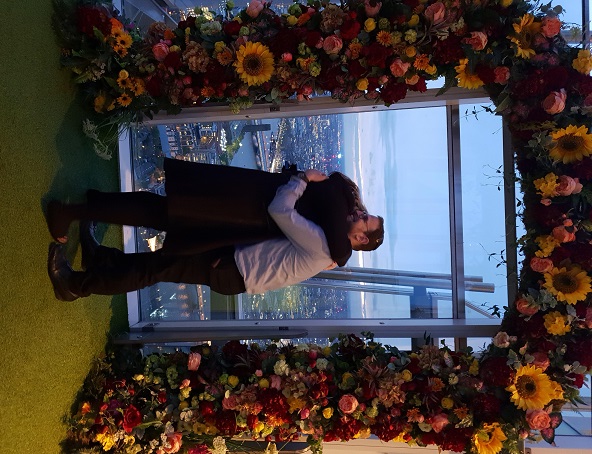
Outside of work, this year was a very special one as back in April, my fiance Robert proposed to me at the Shard, overlooking London. I said yes and 8 months later we are in the middle of wedding planning and planning for our future (and I found my wedding dress!). The proposal was the most amazing thing to happen this year. Also, two of my best friends got engaged and for one we were involved in the proposal and got to see him propose so that was fantastic!  I am looking forward to the weddings 🙂 We also celebrated other friends 30th birthdays, engagements and weddings this year as well as many births of their children which was so wonderful.

Sadly this year, we lost my beloved Grandma in June to Parkinsons disease and I miss her every single day- we were very close.  A month ago, my Grandpa (on the other side of family) passed away after a short battle with cancer, but I was able to fly to Portugal where he lived and see him before he passed and give him a hug, so that was very important. There is also family illness occurring, my father in law to be is very unwell with cancer and mid treatment- and this is very hard for us all but trying to be a positive as possible!

Back in February, My Dad and I went to Romania to the town of Iasi, to explore where our ancestors lived. There was a lot of snow and walking around palaces and churches and finding the synagogues. When we came back, we discovered that my Great grandpas sister and family died in Moldova across the border, at the hands of the Nazis (via the Yad Vashem online database) A very bittersweet trip but we were pleased to see Iasi.

In happier news, after celebrating our engagement with those we love, in July, my fiance Rob and I went on holiday to Israel which was really wonderful. We stayed with close friends and family and also in hotels and had a really special, meaningful, fun and sunshine filled trip! A personal highlight – the swimming pool at the InterContinental hotel in Tel Aviv and of course, walking through the Old City while sipping iced coffee (it was so hot) and visiting the Kotel. When we came back, we spent a weekend in the Cotswolds at my dad with family- a lovely escape. This year too, I also read some great books (like Michelle Obamas autobiography) and watched some fab films/ theatre shows.

In July, I celebrated my 30th birthday with friends and family (thanks Katie for my delicious birthday cake) and then this December, we celebrated Robs 30th birthday at London Zoo light trail.

This year work wise, has been a blessing- I managed (somehow) to secure a book deal which has been a lifelong dream and am working with the fab team at Trigger Publishing and my patient editor Stephanie- thanks to her, Katie and James for their support as I continue to tap away at my keyboard.

Before 2018 began I was in touch with Naomi Greenaway at the Telegraph (Stella Magazine). Thank you Naomi for helping me to tell and share my story in a sensitive way. It was an honour for me to be featured online at the Telegraph and for my story to reach new readers.

Back in January, I met a wonderful editor on Twitter, Yvette Caster, who was looking for new writers for Metro Blogs (as it was then). She looked at this here blog after I sent her a pitch email and commissioned me to write my first ever article for Metro.co.uk on mental health, weight gain and medication. From there, she and her colleagues continued to commission me to write and when she and they left in the summer, I have continued to pitch articles and be published. Thank you to Ellen Scott, Aimee Meade and the current team at Metro too. Being published online by Metro has been an amazing journey and I am proud to write for them on lifestyle topics and mental health, my favourites this year being about the Royal wedding, homelessness and mental health and sharing my Grandpas story.

Thanks also to Bianca London for commissioning my two Glamour articles, this was another amazing bucket list dream ticked. The one on dating and mental illness, bipolar and how I met my fiance (when I wrote the article, he was my boyfriend) was something very close to my heart and it was a genuine honour to be featured in a magazine I had a read as a teenager and one of the biggest womens magazines in the UK. Still can’t believe it.

Thanks to Rebecca Thair, editor of first ever mental health magazine, Happiful magazine for not only being first to publish my story with bipolar back in January (which was so important to me) but also publishing my later articles on social anxiety and a guide to bipolar. I love working with you and the Happiful team and hope to write more for you.  Thanks also to Sonja at UIO Podcast and Sarah Cardwell for interviewing me.

Thanks to Francine Wolficz, Richard Ferrer and Jack Mendel at the Jewish News for all the articles and positive support of my mental health work in and outside of the Jewish community this year.  And to Rabbi Ari Kayser at Aish for including my story in Perspectives Magazine with the Jewish Weekly newspaper.

Thanks to writer Olivia Blair at Cosmopolitan/ Hearst for featuring my thoughts on bipolar in several articles which were also published across Hearst publications like Elle Magazine, Prima Magazine and Netdoctor.co.uk . Thanks also to the team at Refinery 29 for featuring me in an article on Seasonal affective disorder and to the fantastic charity No Panic for publishing my personal story with bipolar disorder.

This year I was also a shortlisted finalist for a UK Blog Award for the Health and Social Care Category  in March (thank you Lauren and team)  and invited to come to the Mind Media Awards as a highly commended journalist in my category. (This was incredibly magical).

Going to the Mind Media Awards in November with my Dad at the Queen Elizabeth Hall and hearing peoples stories of mental health across the UK media was just incredible. It was also a fun night of celebrity spotting- Fearne Cotton, Bryony Gordon, Dame Kelly Holmes, Kim-Joy from Bake Off, Stacey Solomon and Loose Women team, Frankie Bridge and many more. Stephen Fry presented the awards and was just remarkable, humble and funny as always. I was so pleased I managed to attend, it was a privilege to meet people. I met Yvette, Ellen and their producer at Mentally Yours podcast and fellow blogger Katie Conibear. My Dad and I were honoured to attend.

This blog has been a joy at times alongside the hard work. Thank you to all my guest bloggers and all sending submissions- you’ll get a proper individual thank you at our 3rd anniversary in March, but I couldn’t run the blog without your articles and careful attention. Thanks To Vuelio and Feedspot for awards too. Heres to a 2019, our third year of Be Ur Own Light! Thanks also to my Twitter followers who make it so easy for me to share thoughts and ideas with them- and for all the online friendships I have made- you know who you are!

This year has been hard at times but there has been SO much beauty and I feel so grateful and thankful for it all. My mental health has taken a hit at times, but I have found a really good therapist for talking therapy- who has helped me so much and I have also spoken to my GP. Its OK to reach out for support. Thankfully I have a good support network.  I have been a little more anxious and battling mild depression but I am slowly getting better again and starting to see the light :).

I just want to wish you all a happy and healthy new year 2019- this will be the year that I please God get married and my best friend Katie (as well as my fiances cousin too!). May it be a year of better health, wellness and joy for us all. And heres to keep fighting stigma!

May the new year be one of dreams coming to fruition and love and laughter.

Love always and thank you for reading,

Eleanor x 
engagedfb

Have a wonderful Christmas and Festive Season!

christmaslight

(image: dhgate.com)

So today is Christmas Eve. Despite being Jewish and not celebrating the holiday, here in England it is always a lovely, cosy family time, watching movies (like Love Actually) and curling up in blankets. We don’t have a tree or celebrate the religious aspect (we had Chanukah a few weeks back) so for us its just a time to be with family and eat good food/ relax.

However, I know many of my readers do celebrate Christmas and for you this can also be a hard time of year with your mental health.

I wanted to wish you all a Merry Christmas and wonderful festive season/ New Year and please do reach out for help and support if you are struggling.

I am looking forward to playing Harry Potter Cluedo with family and spending time with those I love (and trying not to eat too much chocolate)

So to all celebrating have a very happy Christmas from me Eleanor, founder of this blog x x

If you  need to talk to someone urgently about your problems/ mental health here is the Samaritans (UK) Helpline: 116 123

Winter blues, Depression and Social anxiety by Eleanor

caringcrate1

(image : http://www.caring-crate.com)

In the past few weeks, I have found that all I want to do is stay inside, under a cosy blanket in my little nook on the couch, reading lots of good books or watching something good on TV (by good I mean my favourite reality shows at this time of year!). I have been practising a lot of self care activities as I havn’t been feeling at my strongest or happiest this week. I think I may have seasonal depression but I am not sure if its the winter blues – probably the winter lack of light combined with my bipolar brain chemistry.

Sometimes I  will phone or whatsapp my friends, I will take long bubble baths and sing in the tub (feeling like some kind of surreal movie like Amelie) , I have discovered a new love for the Body Shop seaweed clay facial mask (it leaves my skin so soft and moisturised and helps my spots). I have wrapped myself in my pink, Beauty and the Beast blanket (without make up on) and just enjoyed the freedom of being. Of resting and being in the moment. Of being more mindful.

There have been times when this has become a bad thing. I’ve spent several nights this week on my own and there have been days where my anxiety has increased and I havn’t wanted to go outside. This is because its cold and dark (winter here in England), I don’t want to interact with random people or I just don’t want to be out in this weather when I could be warm and cosy at home.  I am an introvert (who also loves people). My introvert side craves time on my own but this is also part of my social anxiety.

However, every anxiety win.. like going to a gig in Holborn with my Dad and using the Tube (I forgot about the lack of personal space) or hanging out with my fiance or friends without cancelling on them, has been good. In truth though, I have had to cancel a lot of plans this week and luckily have very understanding people in my life. I hate letting people down but sometimes I can’t cope- the adrenaline pumps and things feel too much for me, too overwhelming.

I have felt overwhelmed and mildly depressed this week. However, I am coming to the slow realisation that this is OK. Its alright to struggle and to want human contact but also to find it overwhelming too.

I do need to get more fresh air though, exercise more and be healthier. Part of the lure of being inside is that its relaxing and ‘safer’ but the outside world is not as scary as my head decides it is when its cold and dark in winter.

I think I have mild seasonal depression- so its really important I do all I can to work with that and go outside my comfort zone- when all I really want is to be a doormouse surrounded by those I love and sometimes curled up on my own!

I am going to start talking therapy again soon as theres been a lot of stressful things going on, so hopefully that will help too.

How do you help your seasonal depression?

  Eleanor x

We are a Vuelio Top 10 UK Mental Health Blog! 2018 Award

Today I got an email from the lovely people at Vuelio to say they have listed us as Top 10 UK Mental Health Blog.

We are number 8, alongside some incredible blogs and organisations such as the Mental Elf and Mental Health Foundation as well as blogger friends of mine- check them all out .

Thanks so much Vuelio! This award is important as it is about being influential in our industry so am so happy to recieve it.

vuelioblog1

See the list here: https://www.vuelio.com/uk/social-media-index/mental-health-blogs-uk-top-10/

Coping with the lows and Celebrating the highs by Eleanor

depressionblog
(image: the chic life)

I have been wanting to write about everything for the past week but felt like I have been swept up into a hurricane. There has been a lot going on- some good, but a lot of bad in my life and I have been trying to process it all.

As most of you know, my article on bipolar was published in the Telegraph with thanks to an amazing editor who believed in my story. The Telegraph is a high profile newspaper here in the UK and this was a big platform for my story to be given. So I am grateful. I will put the link to it in the articles tab soon.

I received many positive messages from people with bipolar and psychosis- who could see themselves in my experience and were pleased and appreciative that I shared it. Also those who are carers for people with it got in touch too. I had a lot of support from friends and family, which was important because I started to feel quite vulnerable in revealing so much of what had happened back in 2014 when I was hospitalised. It isn’t easy- even though I want to share it to help people.

As well as the positives, I did receive a few unwanted and negative messages- mainly from ignorant people who don’t know me. I don’t want to give the Trolls any air time here, except to say that the Telegraph were fantastic and stepped in. The comments that were sent weren’t nice but it is a risk when  revealing such a complex mental illness to the world- its an emotive topic and some people can be cruel too. However, the positives outweighed the negatives.

My article was published when I was in Portugal visiting my grandparents with my Dad, Aunt and Uncle so having them  around to process it all was really helpful. Portugal was lovely to have the family time but hard to see my Grandpa unwell, though I was so pleased I got to see him. We also went to a very beautiful beach at Sesimbra, near Lisbon which was good to get some sun in November!

I have two close family members who are unwell at the moment with serious illnesses. As such with all the pressure of it all, I am finding that my mood is dipping and I have to practise a lot of self care- sleeping, reading, pacing myself. It could be that its approaching winter and less light, but I am feeling mildly depressed at times and sleeping more in the mornings, so I am watching my mood and trying to cope as best I can.

If it continues for a long period, I may see the doctor or my counsellor but I think its a reaction to everything happening.

Yesterday I received some really good news– which I will share in a few weeks time. I am so grateful for all the good happening and still planning for my wedding which is something positive to focus on too. Thank you to everyone who has been and continues to be there.

If you are feeling like me right now, a bit low/ depressed, tell people you trust. Don’t keep it in. Remember it can pass. And get support and help if you need it. My fiance, friends and family are helpful to me- confide in someone you can talk too.

I am trying to focus on the positives and celebrate the highs, while dealing with the lows. Thats life I think. Its not always easy but I will get there and so will you if you feel the same.

Eleanor x 


Mindfulness and Unplugging: Digital Detox

sunflower

(image: Gizmodo)

In my life, I have found that what is truly important is having time away from work, fears, worries, busy-ness in general and unplugging. If I am feeling overwhelmed or anxious or like things are too much, I take an hour or two in the week (and sometimes a day at weekends) to really, properly switch off.

I love social media and  I am always checking my email but sometimes its really good not to have to answer emails or mindlessly scroll through feeds. I love Instagram, but it is an excellent distraction from what I probably should be doing too!

Every Saturday in the Jewish world is Shabbat, the sabbath. I have a complete digital detox and find that I am a lot calmer and more present in the world. I go for walks and look at trees and flowers, without the distraction of my phone. I sleep without the radio (normally at night its on). I am not checking each notification, each app for something new.

I feel free for those 25 hours. I often curl up with a book, sleep and just relax. However, any longer and I really would miss the outside digital world- its a fine balance.

For me I want to be more mindful and appreciative and not live life constantly by social media. It is how I promote my work and stay in touch with people. I love that contact but I also like to unplug my mind and rest.

What about you?

Love,

Eleanor x 


Dealing with my mental health on holiday abroad: Trip to Israel

recharge
(image: GoThinkBig)

On Monday, I returned from a wonderful holiday to Israel with my fiance Rob, seeing friends and family. I hadn’t been to Israel in 9 years for various reasons and he hadn’t been for 13 years (!) so we were determined to make the most of our trip. We definitely don’t want to leave it so long next time.

We travelled around the country staying with family and in hotels too. If anything, we almost packed in too much trying to see everyone- and I still didn’t get to see everyone I wanted to as we were only there for a week. I was also very conscious of the fact that it was very hot and it became apparent that I couldn’t cope with walking  in 36 degree heat for too long!

I made sure that I had lots of water on me as my medication, Lithium,  dehydrates my body quickly so I have to intake more water than most. I found that through heat and dehydration, I would get tired quite quickly so if we had spent a morning travelling, I would need to spend a few hours either resting in air conditioning or sleeping.

In general, my anxiety is better when I am abroad, though there were a few days where morning anxiety did overwhelm  and I chose to rest and sleep and then go out later in the day. My fiance was very understanding of this and went for a wander some mornings. However, once I was rested and had eaten breakfast/ drunk lots of water, I was able to enjoy and do lots of fun things.

On our trip we went to visit my best friend/ cousin and her family in a place called Tel Mond, near Netanya and we went for a day trip to Netanya- which is a beach side resort. They also made a barbeque for us when we arrived which was lovely and we saw other friends who live there. We met their newest arrival – gorgeous baby girl- and I had lots of cuddles with my new cousin!

We then went to Jerusalem for a few days- to the Western Wall to pray, walking in the Old City, seeing my other cousins and catching up over ice cream and meeting friends for dinner in the evening. We spent time in the Jerusalem First station near our hotel, which has restaurants and stalls as well as live music- a bit like Covent Garden! Rob and I went shopping and bought things for our future home as well as for family in England.

After this, we travelled to spend Jewish sabbath- shabbat with my other cousins who moved to Israel last year- and spent time walking around where they live and meeting their friends. It was restful and lovely to catch up with them, eat delicious food and rest.

Our final day was spent in Tel Aviv, going in the swimming pool,  walking around the streets by the beach, drinking iced coffee and going out for dinner with another cousin who happened to be travelling there with her friends. Rob and I also had time to ourselves which was important and we didn’t want to leave!

I am lucky that my medication very much helps my bipolar and so I was able to do all of the above.

For me when abroad, my main concerns are taking my medication on time and each day, getting enough sleep, eat well, staying out the sun at hot times and making sure I rest and drink enough. If I follow that, I can largely function.

Sometimes my anxiety  about being in a new place can kick in upon waking- so I was thankful my fiance understood it took me a bit longer to adjust to the day, but once I was rested, I was able to really enjoy the holiday.

Its important to note that everyone is different on holiday. However, it is vital to cut yourself slack, take rest days (or rest half days) and also take medication on time. I don’t drink alcohol on my meds- but keeping hydrated if you are is so important too.

Also make sure you declare your condition on travel insurance so you are covered if you become unwell abroad! This will make it more expensive but worth it. You don’t want to get sick abroad and have no cover.

I am pleased too that I stayed well- despite being very tired on my return. I made sure I caught up on sleep and didn’t go straight in to work – although I am now back at work.

I am missing my trip already and so thankful to my fiance, friends and family for making it so special.

A Guide to Mood Disorders: Guest blog By Ellie Willis

Mood disorders encompass many disorders of how you feel from day-to-day, whether that is abnormally elevated (mania) or depressed and in low mood. They can include depressive illness such as major depressive disorder, dysthymia, postnatal depression and the bipolar spectrum disorders. They also feature anxiety and panic disorders. These are often down to brain chemistry and sometimes environment.

mooddis1

(image: Pinterest/ Healthyplace.com)


Major Depressive Disorder

Major depression is defined as a depressive illness where you experience a significantly lowered mood and a loss of interest in activities that you would normally enjoy. While it is normal to feel sadness and grief when your life significantly changes, such as when a loved one passes away, when it doesn’t go away or gets worse, it may evolve into major depression. Some of the symptoms of depression are:

• Feelings of helplessness or hopelessness • Feeling guilty over insignificant things • Withdrawing from family and friends • Drinking alcohol or taking drugs as a coping mechanism • Having problems with concentration • Being unproductive • Having a lack of confidence • Feeling irritated or frustrated • Having a lack of interest in sex.

While sometimes a depressive episode seems to come out of the blue, there are often things that can trigger them. These may include: Genetic risk factors • Alcohol or other substance abuse • Medical problems such as thyroid issues or chronic pain • Certain medications such as steroids • Sleeping problems • Stressful life events 

Studies have shown that there appears to be a genetic component to depression. That is, if one of your parents has a depressive illness, you may end up suffering from depression yourself.

Dysthymia is a chronic form of depression that occurs when you suffer from a mild to moderate depression for at least two years. Although dysthymia causes problems in everyday life, dysthymia is often not severe enough to warrant hospitalisation. The chronic nature of the disorder means that you may believe that you have always felt like this.

The good news is that there are a wide range of medications to treat major depressive disorder, such as antidepressants. There are many kinds of medications around, and you may have to try a few until you and your psychiatrist find the perfect one with little to no side effects.

As of the time of writing, the antidepressants most commonly used are SSRIs and SNRIs (selective serotonin reuptake inhibitors and serotonin-norepinephrine reuptake inhibitors). These refer to the types of neurotransmitters (chemicals in the brain that affect mood, among other things) that they affect.

With antidepressants, it is extremely important not to stop medication all at once, unless there are serious side effects and even then, only under medical advice. This is because of discontinuation syndrome. Simply put, this means that your body gets used to the medication being in your system (different to addiction where you crave the drug) and you experience symptoms such as nausea, dizziness and insomnia, to name a few.

Another important way to treat depression is psychotherapy in one form or another. This can help you by learning coping skills to deal with depressive thoughts and negative thinking, as well as having someone to speak to with complete privacy. There are a few other ways for you to combat depression in adjunct to medications or therapy.

These are: • Maintaining good sleeping habits • Exercising more • Seeking out activities that bring you pleasure • Being around caring and supportive people

Postnatal Depression

Postnatal depression is a depressive illness where a new mother experiences depression in the first few months after giving birth to a child.

Some of the symptoms of postnatal depression include:

• Feeling sad or empty • Lowered self-esteem • Changing appetite (usually a decrease) • A loss of enjoyment in everyday activities • Changes in sleep patterns such as insomnia • Not being able to concentrate • Feeling cut off from the baby • A loss of interest in sex • Feeling ashamed, guilty or inadequate • Withdrawing from family and friends • Mood swings • Thoughts of harming yourself or the baby

There are a number of factors that make postnatal depression more likely. Some of these may include: • A history of depression, especially postnatal depression in the past • If the baby is sick or colicky • If you are in an abusive relationship • If you are suffering from stress • If you have little support from family and friends •

Treatment for postnatal depression is essentially similar to that for major depression, such as antidepressants and therapy and in some cases intervention from a psychiatrist or hospital team is required.


Bipolar Disorder Spectrum

Bipolar disorder is a mental illness characterised by periods of extreme mood states known as mania and depression. It is one of the most serious mental illnesses and is the sixth most disabling condition in the world at the time of writing. It is chronic and potentially life threatening. However, those with it can go on to recovery and live happy and fulfilled lives between episodes. 

According to some studies, one in fifty people may suffer from a form of bipolar disorder. In many cases, there is a family history.

Mania is one pole of bipolar disorder – an extremely elevated or depressed mood, sometimes accompanied by psychosis. You may have racing thoughts or speak so quickly it is difficult for others to understand. You may also have trouble getting to sleep at night or suffer from insomnia. There is a danger of reckless behaviour such as overspending, unsafe sexual activity or aggression. You may feel a sense of grandiosity, making unrealistic plans. Despite mania feeling great at the time, the consequences of mania can be destructive.

Some of the signs of depression include a lowered mood, self-esteem or interest in enjoyable activities, pessimism, reduced energy and changes in appetite. Suicidal thoughts are also possible and must be monitored closely. As bipolar disorder is a recurrent illness and there isn’t any known cure, you may need to take medications to maintain your mood at a normal level.

Hypomania is the hallmark of bipolar II where the patient might feel euphoria or agitation. Hypomanic episodes are similar to manic episodes except they are less severe and sometimes pleasurable to you. There is never psychosis in a hypomanic episode. Despite hypomania increasing productivity, or making you feel increased self-esteem, the consequences can be major, especially as your mood goes down to depression.

A mixed state is a combination of manic and depressed symptoms. In a mixed state you may feel very sad or hopeless while feeling extremely energised. These can be dangerous, because of the suicide risk from being depressed as well as impulsive. If you feel you are heading into a mixed state, you should contact your psychiatrist as soon as possible.

Bipolar disorder type I is characterised by at least one episode of full-blown mania as well as depressive episodes. There is also a chance of psychosis (delusions/ hallucinations)  accompanying a manic episode. Bipolar type II features only hypomania and never mania or psychosis. While these manias are less destructive, the depression tends to be worse, and there is often a high suicide risk.

Cyclothymia is a bipolar spectrum disorder where you may have long periods of minor depression lasting at least two years alternating with hypomania. These depressive periods tend to be irritable and agitated rather than melancholic and lacking in energy.

Bipolar NOS (not otherwise specified) simply refers to bipolar disorders that do not strictly meet the criteria of any of the previously mentioned types of bipolar disorder.

The treatment of bipolar disorder involves medications such as Lithium carbonate, lamotrigine, sodium valporate, and quetiapine, as well as psychotherapy to help overcome negative thoughts that exacerbate depression or after effects of mania. 

As bipolar disorder is a recurrent illness and there isn’t any known cure, you may need to take medications for life to maintain your mood at a normal level. Despite this, many patients continue to do well as long as they stay compliant with treatment and keep aware of their changing mood states.

demilovato1

(image: MTVFORA: http://fora.mtv.ca/words-of-wisdom-celebrity-quotes-on-mental-wellness/)


Anxiety Disorders

The term anxiety disorder covers a wide range of illnesses from panic disorder to post-traumatic stress disorder (PTSD). Despite the wide range of diseases, many share similar treatment options. There is a stigma affecting some anxiety disorders due to stereotypes in the media.


Generalised Anxiety Disorder

It is normal for people to feel some anxiety over normal life events such as exams, work problems or family issues. However, when it causes problems in your everyday life or is particularly severe you may have an anxiety disorder. Generalised anxiety disorder involves having irrational fears, such as being afraid harm will come to you or your loved ones, financial issues, health, relationships and work.

Physical symptoms when experiencing anxiety may include: • Light-headedness • Becoming tired easily, or being unable to sleep properly • Feeling tense or restless, or losing your temper easily • Nausea • Shortness of breath • Headaches • Trembling • Muscle tension Treatment generally involves medications or therapy.

Psychological treatments may involve: • Learning relaxation techniques such as muscle relaxing exercises or meditation • Therapy to teach you how to solve problems that cause anxiety with anxiety disorders, psychological treatments are generally more effective than medication, however it can still be useful.

The most common treatments are antidepressants or benzodiazepines such as alprazolam or diazepam. Generally, benzodiazepines shouldn’t be taken long-term, as there is a risk of becoming dependent on them.

Anxiety disorders are relatively common in the population, with statistics that approximately 25% of the people suffer some kind of anxiety disorder that may warrant treatment in their lifetime. Anxiety is treatable, and therapy or medication may minimise the effects on your life and relationships.

Panic Disorder

Panic disorder is a mental health condition where you experience a feeling known as a panic attack recurrently.

Some of the symptoms of a panic attack include: • Shortness of breath • Dizziness or light-headedness • Tightness or pain in the chest • Trembling or shaking • Dry mouth • Muscle tension • Difficulty gathering thoughts or speaking • Tingling fingers or feet • A choking or smothering feeling • Hot or cold flushes • Nausea or butterflies • Blurred vision • Fear of dying, losing control or going mad

When you have panic disorder, you may also worry about the implications of a panic attack such as humiliation or feeling of going crazy.

You may try and flee from the situation hoping the panic attack will stop. Panic disorder is generally treated via therapeutic methods rather than medications. This may involve your doctor teaching you about panic disorder, for example, that a panic attack is distinguishable from other mental illnesses such as other anxiety disorders or psychosis – this is known as psycho education.

A therapist may instruct you not to avoid any situations where a panic attack may occur. This may be unpleasant at first, but slowly you will not feel anxious in the situation. This will help prevent agoraphobia and the disability it causes.

A common treatment for anxiety disorders is CBT – but there are many types too including exposure therapy and talking therapies. They can be incredibly helpful for you to overcome feelings of anxiety.

This guest blog was written by Ellie Willis, an expert in mental health.