This weekend is the Jami Mental Health Shabbat 2025. This is an initiative very close to my heart as I was a volunteer with this project from its inception in 2017-2018, helping to get the shabbat into communities. The Shabbat grew from an idea to be more open about mental health across Jewish communities in the UK, with Rabbi Daniel Epstein at the healm (and the brilliant team at Jami), to a nationwide yearly initiative in synagogues, schools and homes. It raises awareness of mental illness and distress, encouraging conversations and breaking down the stigma in our communities by placing this discussion at the heart of them, through lived experience and Rabbis speaking about it in their pulpit.
The Shabbat has other initiatives including hosting a shabbat meal and asking guests to donate to Jami instead of a gift, a toolkit with resources to use, Challah makes and an open mic night on Sunday 3rd at the Head Room Cafe for the whole community.
As Jami say, “Jami Mental Health Shabbat coincides with Parashat Bo. On this Shabbat we read about the plague of darkness, which can be likened to the experiences of many living with mental illness and distress. The parasha also talks about how the Israelites, full of hope, could see through the darkness into the light. This special Shabbat is an opportunity for us to encourage conversations on mental health, raise awareness of mental illness and distress and share ideas on how to support ourselves and others within our community. “
Over the years, my Dad and I have given our talk about our lived experience of bipolar for this shabbat and in communities to hundreds of people including Bushey United and Chigwell United Synagogues, Belsize Square Synagogue and Edgware Yeshurun Synagogue. We also have spoken at Limmud Conference in Birmingham to share our story and had a question and answer session. This wasn’t easy for me with my anxiety as you can imagine!
This year, for personal reasons we are taking a break from speaking our mental health story, but we both support this shabbat and amazing charity. You can also read our story in my book ‘Bring me to Light: Embracing my Bipolar and Social Anxiety’
If you’d like to take part in the shabbat this year, please go to www.jamiuk.org/jmhs .
Let’s keep raising awareness of mental illness and distress and shine our light to the world. No one should ever feel alone in their community due to mental ill health.
January can be a challenging month for us all, post the festivities and time off work. I just thought I would write a little update here.
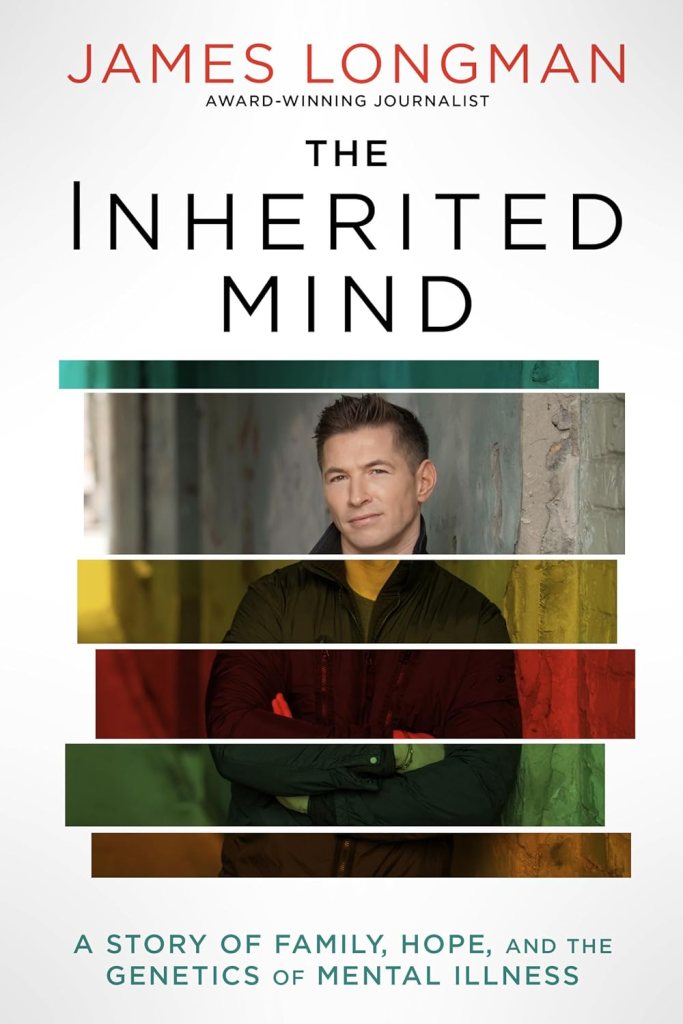
This year, I am looking for a new role in Digital Communications for charities/ lifestyle brands, Journalism or Writing. I have also written the sequel to Arabella and the Worry Cloud– which is very exciting. I loved writing it and hope to work on it further this year :). The story came to me in Summer 2024 and I have been refining it. This month, my story (and my Dads) is also featured in ‘The Inherited Mind’, an amazing book by journalist James Longman about his search to understand whether mental illness is inherited – which is out now with Hyperion Books!
I had some time off over Christmas break and my husband Rob and I spent a wonderful holiday in Rome. It was really wonderful to explore the city (Robs first time there), eat lots of delicious food and just have time together! We tend to go away in the Winter due to Robs annual leave and have lots of lovely memories to sustain us through the new year (we went to the Colosseum and Roman Forum, Stadio Olimpico and Jewish Museum). We visited lots of restaurants and an amazing gelato shop (Marlene’s) and went shopping. We spent New Years Eve eating a yum dinner with wine and it was a very special week.
My health is a work in progress. I am working with the NHS Oviva programme to lose weight at the moment- which I hope will boost my fertility and general health- both mental and physical (and hopefully improve my PCOS). I will give more updates on that when I have experienced more of the programme- but I am working alongside a dietitian and medical professionals.
Mentally, it has not been an easy time and there has been a lot going on outside of all of this, but I am trying to take it day by day, hour by hour and create new opportunities for myself to thrive. There’s times where we all don’t feel good enough and have imposter syndrome. I do believe miracles happen when we choose joy and choose to co-create. The right opportunities will come- career wise, financially and health wise. I have been feeling more anxious at times but every day is different and I am trying to reset and look after myself, and those around me.
Here’s to a a happy and healthy 2025 with lots of amazing things manifesting!
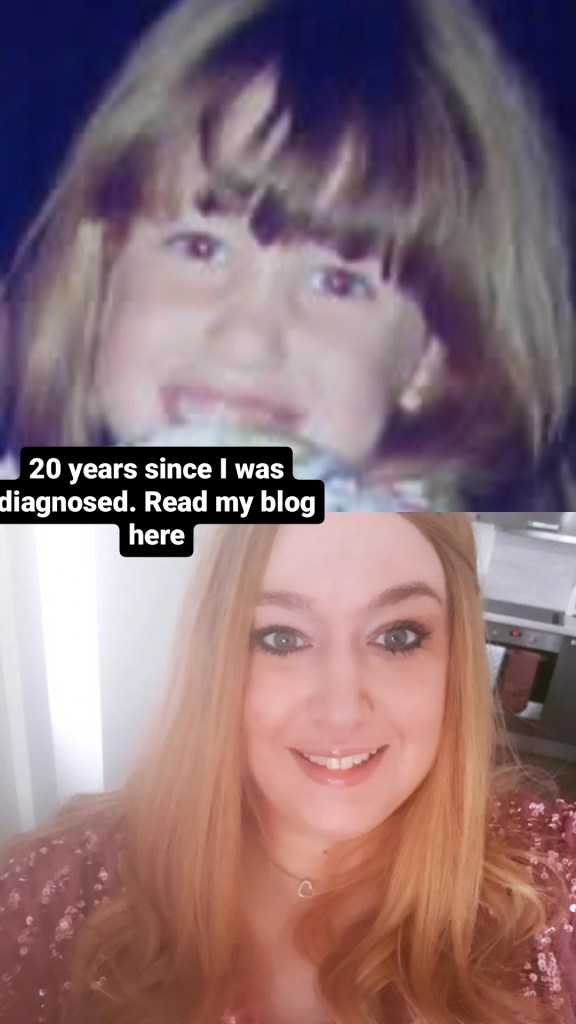
In December 2004, I was 16 years old. That year had been very painful and difficult with my mental health but I had pushed myself and secured good grades in my GCSES. However, my inherited mental illness, bipolar 1 disorder, was not yet diagnosed. I had experienced depression and mania. Then In December 04, the depression turned into psychosis where I had delusions (false beliefs about the world), high anxiety and agitation.
That Christmas, the only place I wanted to be was in hospital. I didn’t feel safe at home and by miracle the NHS found me a voluntary admission to the Priory North London CAMHS unit. I was an inpatient for 4 months and was diagnosed with bipolar disorder. My dad was diagnosed a few years before.
Years ending in 4 have been a worry for me. 10 years after this- 2014, I had another significant even worse hospitalisation that traumatised me. But it led to me finding the right medicine for me that has kept me stable- no mania or psychosis.
Now in 2024, at Christmas I am celebrating 10 years of remission. And 20 since that 16 year old girl was diagnosed. I was so scared for my future. Yes bipolar has taken a lot from my life healthwise but it has also given me untold blessings too – teaching me life is short and to be determined and resilient when I can be.
Twenty years on I have mixed emotions. I wouldn’t want to wish being diagnosed with a life long severe mental illness as a teen on anyone. But somehow miraculously, despite the depression, despite past suicidal ideation, I am here. I have survived. I know younger Ellie would be proud of the things I have achieved.
May you all have a wonderful Christmas holiday and heres to 2025. Thank you to all of you my readers too,
Christmas can be a stressful time for many, but for those living with bipolar disorder, it is a time of year when symptoms may be exacerbated, and overspending can become an issue.
According to national charity, Bipolar UK, the increased pressure to attend social occasions alongside material pressures around Christmas/Chanukah can trigger manic or depressive episodes in some living with the condition, resulting in an increased risk of overspending.
Dr Thomas Richardson, clinical psychologist at Southampton University, who has lived experience of bipolar and has researched the topic of bipolar and overspending, “impulsive or compulsive spending means spending more money than you planned and regretting it.”
He added: “There’s definitely something about that sense of urgency that I must buy it right away – the feeling like you can’t stop yourself and it’s a little bit out of your own control.
“There is a lot of guilt and feelings of being a burden associated with bipolar, and we know that people living with the condition can sometimes feel that excessive generosity is a way to pay back loved ones for their support. Overspending can also feel like a comfort at the time.
“Christmas is a time where we’re surrounded by adverts encouraging us to buy things and there’s the additional pressure of feeling the need to socialise. All of this can potentially be very triggering for some people living with bipolar.”
April Kelley, an award-winning actress and producer living with bipolar, has a history of overspending. She said: “My biggest achilles heel is spending money on others, and I think that’s a combination of buying love and the rush that buying things for others gives me.
“Last Christmas I bought flights from my home in LA back to the UK at the last minute to surprise my parents, but I’ve also been known to buy an entire bar’s worth of Jager bombs for everyone.
“I now use digital banking as a way to help me budget by splitting money into pots and my parents are really supportive and help me to keep control of my finances.”
Dr Richardson says there are several ways you can protect yourself from overspending at Christmas and beyond. He says that digital banking is good to helo you budget, move money into different pots and set spending limits. He advises making a list of what you really need to buy, versus what you’d like to buy, unsubscribe from marketing emails if it helps you, be mindful of who you follow on social media, make gifts instead of buying and return unnecessary things you have bought.
(image: Bipolar UK)
Simon Kitchen, CEO of Bipolar UK, said: “Advance Choice Documents (also known as ACDs) are a great way to ensure your voice is heard during a period of relapse.
“The idea is to write an ACD with your loved one or doctor when you’re well to put into action if you recognise you’re experiencing the early signs of an episode. You can include a line to protect yourself from overspending – planning to have limited access to a credit card or only using a basic mobile phone without internet, for example.
“This is why it is so important to monitor your mood so you can be aware of the warning signs if you are heading towards a relapse when you might be more prone to overspending. Many people in our community say using our free Mood Tracker app is a simple way to notice early symptoms.
“Finally – please don’t feel that you’re alone. We provide 1-1 peer support, support groups, a 24/7 eCommunity that is open 24/7, 365 days a year, even on Christmas Day, and invaluable resources on managing common seasonal triggers of bipolar.”
Seasonal Affective Disorder (SAD) is a type of depression during particular seasons of the year (most commonly winter and summer). For me personally, I know the cold, dark early nights do not help as I will just want to hibernate! I find that during winter I am much more prone to depression/anxiety and I know others are too.
Mind says that, ‘ if your feelings are interfering with your everyday life, it could be a sign that you have depression. And if they keep coming back at the same time of year, doctors might call this seasonal affective disorder (SAD) or ‘seasonal depression’.
SAD symptoms can include lack of energy, feeling sad and tearful, withdrawing from friends and family, feeling anxious or agitated, sleeping too much or too little and suicidal thoughts.
Luckily there are ways to improve your mental health with SAD:
Talk to someone or a helpline about how you are feeling
These helplines can listen to you and provide a kind, one to one, listening ear if you are stuggling with depression, low self esteem, feelings of unworthiness or suicidal ideation.
2. Track your symptoms
It might be good to see what times of the month you are feeling worse too and how the weather is. A daily diary can be really helpful to show to your Dr or therapist.
3. Manage Stress
Speak to your therapist or find some mental health support locally if you can. Speak to a trusted loved one and make sure you don’t become too stressed or overwhelmed.
Look at mental health relaxation techniques such as mindfulness and make sure you are not over working and taking time to rest.
4.Walk and exercise
Exercise can help to boost your mood when you have SAD. Maybe a brisk walk or even some dancing around your room to a youtube video, any exercise can boost those endorphins and set you up for a good day.
5. Self Care
Watching a good TV show, having a bubble bath and planning other relaxing activities can really help. Especially on dark, cold and miserable nights. Look after yourself.
6. Speak to your GP
If your depression is worsening and you need medical help, please reach out to your GP or psychiatrist as they may be able to help with further treatment eg anti depressant medication if suitable.
SAD can be really challenging but making sure to take time for yourself, practise self care, talk about it and reach for help can go a big way in easing the depression’s effects this winter.
A couple of years ago, an intriguing email landed in my inbox. It was from the award- winning journalist James Longman (of ABC News). He told me he was writing a book investigating his own father’s illness and how much of mental illness is inherited. His father died by suicide when he was just a child and had a diagnosis of schizophrenia and depression, but James did not know a huge amount about this mental health history at the time.
James wanted to delve deeper into the family and genetic side of mental illness. As he got older, James’s own bouts of depression spurred him to examine how his father’s mental health might have affected his own. He engaged with experts to uncover the science behind what is inherited, how much environmental factors can impact genetic traits, and how one can overcome a familial history of mental illness and trauma.
James had seen my own story of family illness with bipolar disorder, as my Dad and other relatives also have the same condition and so he reached out to interview me. With permission from my Dad, I had a wonderful chat over Zoom with James, talking about the links with certain types of mental illness in families and how these types of illness can cause suicidal thoughts and sadly in James’s fathers case, suicide. We also discussed the hopeful journey that can occur if you have access to the right support networks, medications and therapy. Medication in particular has helped to keep us well over the years as bipolar has a definite biological link too.
In The Inherited Mind, James invites readers to reflect on their own stories as he shares his quest to better understand himself and his family. Through speaking to mental health experts, to those who have had similar familial experiences, and about his own life stories, James shows us, with heart and humour, how much our bodies can empower and inform us about our own personal mental health histories.
We are honoured to have our story featured in James’s informative and essential book. Thanks again to him for featuring us as a case study. It will be out in January and you can pre order your copy here
Brigid and team very kindly gifted me a copy of her wonderful book for review. Although I have not yet finished it, I have found it very inspiring and such an important read. Here’s what Brigid and her publisher have to say:
Brigid Sheehan didn’t receive her bipolar diagnosis until early adulthood but, looking back, she realises how the condition may have affected her in so many pivotal moments. By writing this memoir and sharing her highs and lows, she hopes that her journey into the past will help others in the same position – and show them that they, too, can live full lives in spite of their bipolar diagnoses.
Brigid says, “I have chosen to tell the story of my lifelong experience as a bipolar sufferer because I think another person’s lived experience can help access knowledge, although no two situations are the same… Bipolar has not become a friend, but I have simply got to know it better and found the means to cope.”
Living with bipolar is never easy and Brigid documents the many highs and lows and how she lives with it.
We’ve all heard the phrase ‘change starts at the top’. And when it comes to building safe and secure work environments, this notion becomes vitally important. Employees are the ones who bear the brunt of a lack of strong, skilled leadership teams. Leaders, managers and HR teams have a duty to look after staff, and wellbeing is a crucial piece of the puzzle.
With appointing physical first aiders being a legal requirement, more and more businesses are beginning to recognise the need for mental health support to be given the same significance – and Mental Health First Aid training is the solution.
Nathan Shearman, director of training and therapy at Red Umbrella, explores the indispensable role of MHFA training for businesses’ leadership teams.
Why is Mental Health First Aid becoming indispensable to business culture?
“Mental Health First Aid is a powerful resource that allows certain individuals to become qualified with a basic understanding of how to provide mental health support – much like physical first aiders do for physical health issues,” explains Nathan.
“Overall, it’s an incredibly reliable solution to building happier and safer work environments. Most of us would hesitate to join a business without physical first aiders, so why would a lack of mental health support be any less concerning?
“Through MHFA, individuals are trained to identify early signs of mental health issues, and how to act in response. Knowledge and education are instrumental when it comes to mental health, and mental health first aiders can ensure individuals who are struggling are guided towards the right resources.
“Appointing MHFAiders can also help prevent issues from escalating, leading to individuals needing to take time off work, or experiencing a full-blown crisis.”
Why is MHFA vital for leadership teams in particular?
“Recent research shows that 31% of employees feel uncomfortable discussing mental health with their managers, which means that employees are less likely to come forward and start that discussion..We’re all familiar with the culture of stigma that dictates that if someone comes forward to voice their mental health struggles, they may be out of a job. This is extremely detrimental for a business.
“By being MHFA trained, leaders can recognise the signs that someone is not okay, and step in to start those conversations. It enables that vital early intervention that can be the difference between someone recovering to their normal levels of functioning and wellbeing quickly, and someone taking extensive time off, or suffering serious mental health issues.
“It also means leadership teams can be better equipped to manage their own mental health. There are significant pressures on leaders and managers, and often the more senior someone becomes in an organisation, the less likely they are to discuss their own wellbeing, or seek support if they need it. The more informed they are, the more equipped they are to respond.”
(image: Unsplash)
How does MHFA equip leadership teams to handle mental health issues within staff?
“Firstly, it’s about awareness. Being able to spot when someone isn’t okay, when they’re struggling, or just noticing when there are additional risks or stresses associated with a task, role or project.
“For example, having a leader say to their team ‘I know this project has tighter deadlines than usual and that might make some of us feel higher levels of stress, what can we do to support you?’ can go a long way to having employees feel seen, heard and supported.
“It also means when they do notice someone isn’t okay, that they know how to respond. They feel empowered to have those difficult conversations, they don’t worry about saying the wrong thing, and they feel confident that they can be the supportive leader they wish to be.
“Being MHFA trained doesn’t mean that issues won’t arise within a team, but if leaders know how to respond well, their team will have more confidence in them and the organisation itself.”
(image: Unsplash)
What are the short-term vs long-term benefits of implementing MHFA for leadership teams?
“Short-term benefits for leadership are greater awareness and therefore visibility of issues within their teams, which enables them to respond quicker to potential issues. It also allows them to immediately check in with their own wellbeing, and make adjustments to their lives so they are able to be the most effective and healthy version of themselves.
“In the long term, employees will feel more supported, will be more engaged and as a result more productive, creative and loyal to the organisation.
“The biggest benefit is if leaders in an organisation are MHFA trained, the culture around mental health shifts massively. It enables more people to come forward when they’re struggling and to access support, and it makes the company more attractive to current and potential employees, driving talent retention and acquisition.”
For more information on MHFA training and how it can benefit your organisation, please get in touch with Red Umbrella: https://red-umbrella.co.uk/contact
About Nathan Shearman
Nathan Shearman is the director of therapy and training at Red Umbrella, an organisation that’s improving the mental wellbeing of the UK workforce by working in partnership with large employers to deliver bespoke mental health training and support solutions.
Nathan is a qualified psychotherapist and counsellor with a background in private practice and 10+ years of experience in the field.
Eye health goes beyond just vision acuity; it can also offer a window into one’s mental and overall health. Recent studies have shown that comprehensive eye exams can uncover early signs of mental health conditions. In this post, we’ll discuss how certain eye tests can be indicative of broader health issues, shedding light on the intricate connection between eye and mental health.
Visual Field Test and Anxiety Disorders
A visual field test measures the entire scope of vision, including peripheral vision. Individuals with anxiety disorders may exhibit an unusually narrow visual field. This constriction is often linked to heightened alertness to threats, a common characteristic of anxiety disorders. By identifying these patterns, eye care professionals can recommend further psychological evaluation.
Retinal Screening and Depression
Retinal screening involves the examination of the back of the eye, including blood vessels. Changes in retinal blood flow and the thickness of retinal layers might correlate with depression. The retina is an extension of the brain, and its health could reflect the state of brain health. These findings at optometry clinics can prompt referrals for mental health assessments.
Pupil Response Tests and Schizophrenia
Pupil response tests evaluate how pupils adjust to light and darkness. Abnormalities in pupil reactions can be indicative of schizophrenia. Specifically, individuals with this condition may show an exaggerated pupil dilation when focusing on certain tasks. These variances in pupil response offer critical clues for early detection and management of schizophrenia.
Eye Movement Tests and ADHD
Tests that assess the rapidity and accuracy of eye movements can offer insights into Attention Deficit Hyperactivity Disorder (ADHD). People with ADHD tend to have difficulty maintaining steady visual focus, leading to rapid eye movements. This characteristic can help differentiate ADHD from other attention disorders, guiding appropriate treatment and support.
Color Vision Tests and Cognitive Health
Color vision tests do not just assess the ability to distinguish colors; they can also reveal cognitive health aspects. Certain neurological conditions, including dementia and Alzheimer’s disease, can impair color vision. Early detection of these changes in color perception can lead to timely cognitive assessments and interventions.
Contrast Sensitivity Test and Anxiety Levels
Interesting research has revealed a correlation between reduced contrast sensitivity and higher levels of anxiety. This might be due to the way anxiety can affect neural pathways related to vision processing. Identifying a decrease in contrast sensitivity could, therefore, suggest the need for a mental health check-up, underlining the complex interplay between visual function and mental well-being.
Optical Coherence Tomography (OCT) and Bipolar Disorder
Optical Coherence Tomography (OCT) is a non-invasive imaging test that provides detailed images of the retina’s various layers. Recent studies suggest that individuals with bipolar disorder may have certain retinal nerve fiber layer abnormalities detectable through OCT. These abnormalities in the eye’s structure could reflect alterations in neural pathways associated with bipolar disorder.
Eye tests provide valuable insights not only into one’s vision but also into overall mental health. The connection between the two underscores the importance of regular psychological assessments as well as consultations from optometry clinics like Calvert Ophthalmology Center. Surprisingly, eye exams can reveal early signs of mental health conditions, which can offer an opportunity for early intervention and support.
I am delighted to be collaborating with Twinkl on their mental health resources for children in schools.
Twinkl say , ‘We must recognise the need to improve understanding of children’s mental health. A person’s mental health is determined by a complex cocktail of different factors interacting. Some of these factors come from a person’s biology, while others come from external factors. Further complicating things, young children don’t always have a full understanding of why they feel they way they do. They can also be reluctant to talk about it, which only adds to the challenge if you’re a teacher trying to support good mental health care at your school. Ultimately, though, if you have concerns that one of your students is struggling with something related to mental health, you should report your concerns to the appropriate authority.’
Twinkl creates resources for teachers and their students, to provide excellent mental health education. This includes resources such as a morning physical and mental health check in, mental health discussion cards, mindfulness colouring pages, and the emotions iceberg to help children understand their feelings.
(image: Twinkl)
Sometimes children come to school unable to express their emotions or what is going on at home. That’s why its so important for teachers to use these tools to help children at school.
Click here to look at the amazing resources and read this blog by Twinkl.












 beurownlight.com