Road to Recovery: 5 Ways To Combat Addiction by Lauren Perry.

(image: free image)

Addiction is a multifaceted problem that can impact individuals from all walks of life, irrespective of their age, gender, or background. Whether it’s substance abuse, alcohol addiction, or behavioural disorders, seeking help is the first step to recovery. In this article, we will explore five ways to combat addiction and pave the way to a healthier, addiction-free life. Whether you’re personally grappling with addiction or you’re supporting someone on their path to recovery, these insights will provide valuable guidance for understanding and combating addiction effectively.

Seek Professional Help

The journey to recovery from addiction frequently commences with the essential step of seeking professional help. Therapists, counsellors, and healthcare providers play pivotal roles in guiding individuals toward a healthier, addiction-free life. For those dealing with co-occurring mental health and substance abuse disorders, specialised treatment centers, known as dual-diagnosis treatment centers, offer a higher level of care and a tailored approach to recovery. These centers are equipped to assess and address the root causes of addiction, including the often complex interplay of underlying mental health issues.

Build a Support System

In the journey of addiction recovery, building a robust support system is an invaluable asset. Building a support system involves connecting with loved ones and friends or engaging in support communities, like Alcoholics Anonymous (AA) or Narcotics Anonymous (NA). The path to recovery is undeniably challenging, and having a network of individuals who understand and care can make a significant difference.

Sharing experiences and challenges with others who have faced similar struggles can provide a unique bond and a sense of belonging, reducing feelings of isolation and alienation that often accompany addiction. This shared journey toward recovery cultivates a sense of hope and resilience, proving to individuals that they are not alone in their pursuit of a healthier, addiction-free life.

Cognitive-behavioral therapy (CBT)

Behavioral therapy (CBT) is a known and highly effective method used in addiction treatment. CBT zeroes in on identifying and transforming negative thought patterns and behaviors intricately linked to addiction. Through collaboration with a therapist, people gain the ability to explore the seated origins of their addiction, which are frequently connected to past events or instances of trauma.

This profound self-reflection is a crucial initial step toward recovery. CBT equips individuals with the tools to challenge and modify self-destructive habits and beliefs, empowering them to break free from the cycle of addiction and pursue a life of lasting sobriety. CBT is not merely a therapeutic intervention; it’s a transformative journey that enables individuals to regain control over their lives, nurturing emotional resilience and self-awareness as they navigate the path to recovery.

Medication-Assisted Treatment (MAT)

Medication-assisted therapy (MAT) contributes to aiding individuals in their quest to conquer addiction. This comprehensive strategy combines counselling and behavioural therapies with specific medications designed to reduce cravings and alleviate withdrawal symptoms. Substances like methadone, buprenorphine, and naltrexone can be prescribed as part of MAT, tailored to an individual’s unique needs. MAT is a significant aid in addressing the physical aspects of addiction, facilitating a more comfortable and effective journey toward recovery. By helping to manage the intense cravings and symptoms of withdrawal, MAT can make the process more manageable and increase the chances of successful, long-term recovery.

Lifestyle Changes and Self-Care

In the pursuit of addiction recovery, the role of lifestyle changes and self-care cannot be overstated. A healthy lifestyle is a cornerstone for maintaining lasting recovery. Incorporating regular physical activity, adopting a balanced diet, and ensuring adequate sleep are fundamental steps in restoring both physical and emotional well-being. These changes not only promote physical health but also contribute to emotional stability, fostering a more robust foundation for recovery. Additionally, self-care practices such as mindfulness meditation, yoga, and stress management techniques play an instrumental role in reducing the risk of relapse.

By nurturing mental and emotional resilience, individuals can better cope with the challenges they may encounter on their journey toward a healthier, addiction-free life. These practices instill the necessary tools to manage stress, anxiety, and other emotional triggers, ultimately enhancing an individual’s ability to make healthy choices and maintain a life free from addiction.

Conclusion

Overcoming addiction is a demanding yet crucial path for individuals battling it and their families. Seeking professional help, building a support system, engaging in therapies like CBT, considering medication-assisted treatment, and adopting a healthy lifestyle can significantly improve the chances of recovery. It’s important to remember that addiction is a treatable condition, and with the right strategies and support, a fulfilling, addiction-free life is achievable.

This article was written by Lauren Perry.

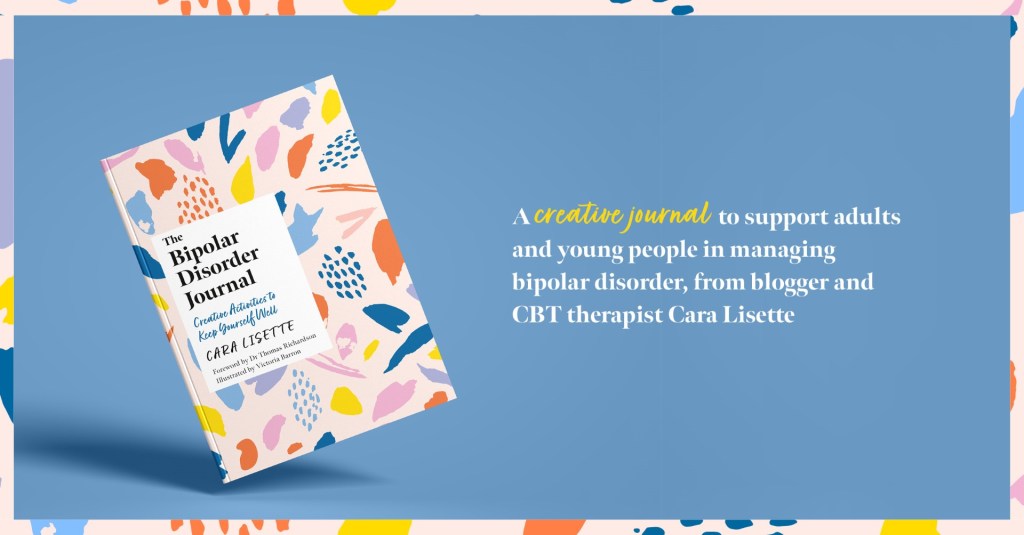
The Bipolar Disorder Journal: Creative Activities To Keep Yourself Well (by Cara Lisette and Victoria Barron).

(image: Jessica Kingsley Publishers and Cara Lisette)

I have followed the work of friend Cara Lisette for quite some time. Cara is not only a fellow mental health blogger, author (of the Eating Disorder Recovery Journal and Recovery Journal series) and advocate, but she lives with bipolar disorder and an eating disorder in remission. Cara is also a trained CBT Therapist and uses techniques that have worked for her and many others, to help people.

She created the Bipolar Disorder Journal: Creative Activities to Keep Yourself Well (with Jessica Kingsley Publishers) using evidence based techniques such as CBT and mindfulness with journalling prompts, creative activities, colouring pages and motivational quote pages to help you stay well and keep on track. It is designed to help those with bipolar disorder to understand and manage our condition, from someone with lived experience, who has learnt how to manage her condition.

Cara and the publisher say, ‘The techniques in this journal support those with bipolar in recognising and coping with episodes of depression, mania, and psychosis, understanding their triggers, and finding ways of seeking support. This journal is intended for those who want to learn more about themselves and live a full and happy life.’

Cara and Jessica Kingsley Publishers have very kindly gifted me a journal of my very own to use, thank you! It looks amazing and I will be using it and reviewing it very soon!

If you would like to get a copy of this amazing creative journal click here. and it can be found in all good bookshops.

Note: This is not a paid ad, I was gifted a journal and wanted to share about it as I believe in Cara’s mission to help others with bipolar disorder.

How To Navigate Grief With Self Care and Counselling Strategies By Brooke Chaplan.

(image: free image)

Grief is a difficult emotion to process, especially when it’s the result of the death of a loved one. It can be overwhelming and can seem never-ending. While it’s impossible to rid yourself of grief completely, there are ways to manage it so that you can start living your life again. Read on to learn more about how self-care strategies and counselling can help you navigate your grief.

Self-Care Strategies for Navigating Grief

One of the best ways to deal with grief is through self-care practices. These are activities that allow you to focus on yourself and give yourself permission to take some time away from your feelings. Here are some tips for engaging in self-care while grieving:

Take time away from work or school

Give yourself permission to step away from your daily obligations and focus on taking care of yourself during this difficult time.

Get outside

Nature is proven to help reduce stress levels, so go for a walk or spend some time outdoors in whatever feels natural (hiking, swimming, etc.).

Spend time with friends or family

Surrounding yourself with people who love and understand what you’re going through can be incredibly helpful during times of grief. Talk openly about your emotions—it may help relieve some of the pain.

Find activities that bring joy

Find activities that bring joy into your life—even if it’s just for a few minutes at a time! Whether it’s reading, painting, listening to music, playing sports, or whatever else makes you happy—give yourself permission to do what brings joy.

Counselling Strategies for Dealing With Grief

Sometimes self-care isn’t enough; everyone needs extra support sometimes, and if that’s true for you, grief counseling may be an option worth considering. Talking through experiences with an outside perspective can help make sense of seemingly senseless situations. Counsellors have been trained in techniques specifically designed to help those dealing with loss manage their emotions in healthy ways. Additionally, counsellors also provide other strategies, such as cognitive behavioural therapy (CBT), which is often used as a way to reframe negative thoughts and behaviours associated with grief into more positive ones. This can lead to improved mental health over time for many and provide insight into how best to handle future losses should they occur again. There are other forms of therapy you could try too, so research and find whats best for you.

Grief is an emotion that everyone will experience at some point in their lives—and it doesn’t always come easily or naturally. But by implementing self-care practices such as taking breaks from work or school and finding activities that bring joy into your life, along with seeking professional counselling services if needed, navigating grief becomes less daunting of a task than it may initially seem when faced with a loss of any kind.

Ultimately, no two people will grieve in quite the same way; however, these strategies serve as a starting point for anyone looking for support during this difficult journey we call life.

Brooke Chaplan is a freelance writer from the USA.

It’s Not Just The Therapist or Psychiatrist Alone: Why Treatment Centres Matter in Mental Health.

(Image: David Travis at Unsplash)

It’s not just the therapist or psychiatrist alone. The treatment centre/hospital matters in mental health.. It’s not that therapists are bad or unimportant; they can be critical in helping people with mental health concerns start on the road to recovery. However, sometimes treatment centres can have a huge impact on mental health and well-being, as a whole.

Lasting Impact of the Environment

First, the environment in which individuals with mental health concerns receive treatment can have a lasting impact on their mental health. Is the institution warm and welcoming to visitors? Or does it feel sterile and cold? Does it have adequate resources to meet the needs of its patients? Or is it underfunded and overcrowded? All these factors can have a significant impact on recovery, as they may create feelings of anxiety or alienation in the patient. For example, if the institute has Knightsbridge Furniture and a welcoming waiting area for visitors, it may make people feel less anxious about their treatment, because the furniture is designed to provide comfort.

Supportive Staff Members

Secondly, supportive staff members are paramount for mental health recovery. Not only do staff members need to be competent and knowledgeable about the latest treatment techniques and practices; they also need to be warm, welcoming and supportive towards their patients. They should be able to provide a safe space for individuals with mental health concerns to explore their thoughts and feelings without fear of judgment or punishment. This will help foster an atmosphere of trust and healing at the treatment centre/hospital.

Accessible Resources

Third, centres should strive to make resources accessible and available to those in need. Mental health concerns can often be complex and multifaceted, so individuals may require a variety of services. Treatment centres should provide access to everything from basic mental health services such as counselling, to more specialised resources like crisis intervention teams or support groups. If these resources are not readily available, then individuals might not get the help they need when they need it.

Appropriate Levels of Care

Fourth, treatment centres must provide appropriate levels of care for the patients they serve. This includes ensuring that each individual gets the right combination of treatment and support based on their specific needs. For example, a patient with severe depression or other severe illnesses may benefit from both medication management and psychotherapy while someone with mild anxiety may only require weekly therapy sessions.

A Holistic Approach

Finally, centres should strive to provide a holistic approach to mental health care. This means taking into account not only the individual’s diagnosis or symptoms, but also their lifestyle, environment, and social support system. Taking these factors into consideration can ensure that individuals receive the most appropriate treatment for their unique needs. Additionally, it can help facilitate long-term recovery and prevent future issues from developing.

It is clear that when it comes to mental health recovery, a treatment centre/hospital plays a vital role in helping individuals achieve positive outcomes. From providing supportive staff members to making resources accessible and offering a holistic approach to care – institutions must strive to meet the needs of those they serve in order to ensure the best possible outcomes.

So, while it is important to have a skilled therapist or psychiatrist, never underestimate the importance of a supportive and well-resourced treatment centre as part of that overall care. Together, they can provide individuals with everything they need to start on their journey to mental health recovery.

This article was written by a freelance writer.

4 Kinds Of Therapy To Consider by Rachelle Wilber

(image: free image)

Therapy can be a great way to work through personal issues, improve your mental health, and make positive changes in your life. But with so many different types of therapy available, it can be hard to know where to start. Many people find that a kind of therapy works well for them, while others may benefit from a combination of different approaches. This overview will help you learn about four of the most common types of therapy to make an informed decision about what might work best for you. 

Cognitive Behavioural Therapy 

Cognitive behavioural therapy (CBT) is a type of psychotherapy that helps some people change negative thinking and behaviour patterns. CBT is based on the idea that our thoughts, feelings, and behaviours are interconnected. Changing our thoughts and beliefs can change our behaviour and emotions. CBT is effective in treating a wide range of mental health conditions, including anxiety and depression, so its worth a shot to see if its right for you. 

Group Therapy 

Group therapy is a type of psychotherapy that involves meeting with a group of people who are dealing with similar issues. Group therapy can be helpful because it allows you to share your experiences and feelings with others who understand what you’re going through. It can also help you learn new coping skills and gain insight into your thoughts and behaviors. Many people find group therapy to be a supportive and helpful experience- but see how it goes for you as an individual too. 

Interpersonal Therapy 

When we have issues with our relationships, it can be challenging to know how to make things better. Interpersonal therapy (IPT) is a type of psychotherapy that helps people improve their relationships with others. IPT focuses on the here and now, helping you to understand and change patterns of behaviour causing problems in your relationships. Several studies have shown that IPT is an effective treatment for depression- so this could be one to try. 

Family Therapy 

Family therapy is a type of psychotherapy that involves meeting with a therapist along with your family members. Family therapy can be helpful because it allows you to address problems within your family system. It can also help improve communication and relationships within the family. Research by experts found family therapy to be a supportive and helpful experience. However, some have said that it wasn’t the right experience for them and their family, so it is trial and error too.

These are just a few of the many therapy types available. If you’re considering starting therapy, talk to your doctor or mental health professional about what might be right for you. Also, remember, there is no “right” type of therapy. What matters most is finding a therapist you feel comfortable with and who can help you achieve your goals. You may also try a few therapies before finding the correct one to help yourself, your relationships and your family.

This article was written by freelance writer, Rachelle Wilber, living in the San Diego, California area, USA. She graduated from San Diego State University with her Bachelor’s Degree in Journalism and Media Studies. Follow her on Twitter and Facebook: @RachelleWilber; https://www.facebook.com/people/Rachelle-Wilber/100009221637700/

Journal Your Heart Out- 3 Journalling Techniques For Improved Mental Health.

(image: Pexels)

You’ve heard all the hype about journalling for your mental health, but you’re not sure where to start. Surely there’s more to it than simply writing down your thoughts?

Well, yes and no. There are multiple journalling tactics that offer different benefits depending on your needs, goals, and personal style. Some techniques work well for some, while others might find different systems fit better with their lifestyle.

Here, we’ll cover three journalling techniques that can help you with your mental health.

Free writing

One of the most common techniques in mental health journaling, free writing can benefit you in many ways. Also known as stream-of-consciousness journaling, all you need to do is pick up a pen and paper and start writing.

The goal with free writing is to get whatever is going on in your head onto paper – but without the need for structure, judgement, or reflection. You begin writing about the first thing that comes to mind, whether that’s exploring what you’re feeling or a random musing you’re having. You stop when you feel finished – it can go on for pages or be a few short paragraphs.

Through stream-of-consciousness journaling, you can better understand yourself. You can work through complicated thoughts and feelings or simply relieve your brain of them. Seeing your thoughts on paper can help you understand them more clearly and address them. Free writing is also associated with a boost in creativity and can be used as a way of brainstorming.

How do I know if free writing is right for me?

  • You want to try out journaling, but you’re not sure where to start
  • You don’t like exercises to be structured
  • You’re experiencing a mental block

Gratitude journalling

Practising gratitude has a lot of mental health benefits, and there are many different methods. You can tell your loved ones that you’re grateful for their contributions to your life, carrying out acts of kindness to convey your gratitude. Or you could observe the small things that make life worth living – like the colour of the sky or a beautiful green landscape. 

Journalling is a great way to solidify your practices of gratitude. By writing down the things you’re grateful for in your life , you can better visualise them and see just how much you have to be thankful for.

Gratitude can be especially beneficial if you’re prone to negative thoughts because it can help you appreciate the good in your life. But it’s important to understand that it’s not a catch-all solution. If practised incorrectly, gratitude could cross over into toxic positivity. To ensure it’s fully beneficial to you, make sure you can also acknowledge your current challenges while noting everything you’re grateful for.

How do I know if gratitude journaling is right for me?

  • You’re stuck in a cycle of negative thoughts, whether large or small
  • You want to get a better understanding of the good things in your life
  • You’d like to start your day off in a positive mindset

Cognitive journalling

This is a CBT technique turned journalling practice. If you’ve ever had CBT, you’ll know that thoughts, behaviours, and feelings are different, but they can all impact each other. A thought – especially an untrue negative one – affects your emotions and can influence how you react to something.

Cognitive journalling can be done once a day or whenever you experience negative thoughts and emotions with this ABC technique, you write down the event that triggered the thoughts you had (the activating event), how it made you feel (your beliefs), and the way it made you react (the consequences). By doing this exercise, you can begin to separate thoughts from feelings and understand how they affect your life and your behaviours.

Another version of this technique involves you writing down a negative thought and the evidence that supports it, as well as evidence against it. This helps you to understand that your thoughts aren’t facts and can undo unhelpful negative thought patterns.

How do I know if thought, behaviour, and feeling recording is right for me?

  • If you struggle with anxiety and constant negative thoughts
  • You want to understand and challenge your anxious thoughts and beliefs 
  • You struggle to separate thoughts and feelings

Journalling can help us with so many things, from inspiring creativity to helping us process our day. Some techniques are proven to support and improve our mental health, and the one that works best for you will depend on your goals and how you experience life. It’s important to note that it’s not a replacement for therapy, but it’s a supplementary activity that can boost you on a day-to-day basis. So get comfy in your favourite pyjama set, grab a pen and paper, and journal your heart out.

This unpaid blog was written by a freelance writer in collaboration with Cath Kidston, homewear brand.

How To Let Go Of Hurtful Memories And Live A Happier Life.

(image: Pexels)

Do you ever feel like your past is holding you back from being happy in the present? If so, you’re not alone. Many people find it difficult to let go of hurtful memories, especially if they’ve experienced a traumatic event. However, carrying around these negative memories can be incredibly damaging to your mental health and wellbeing. That said, this blog post will discuss how to let go of hurtful memories and lead a happier life!

Acknowledge your hurtful memories

The first step to letting go of hurtful memories is acknowledging them. This may seem like a difficult task, but it’s important to face your demons head-on. Once you’ve acknowledged your hurtful memories, you can begin the process of healing. If you’re not sure how to start this process, consider talking to a therapist or counsellor. They can help you work through your feelings and start the journey to recovery.

Understand that your past does not define you

One of the most important things to remember when trying to let go of hurtful memories is that your past does not define you. Just because you’ve experienced trauma or pain in your life doesn’t mean that’s all there is to you. You are so much more than your hurtful memories! Allow yourself to see the good in yourself and know that you deserve happiness.

Also, don’t forget that your hurtful memories don’t have to control your present or future. Just because something bad happened in your past doesn’t mean it will happen again. You have the power to create a bright future for yourself, no matter what your past may hold.

Focus on the present and build a positive future

Once you’ve acknowledged your hurtful memories and accepted that they don’t define you, it’s time to focus on the present. What makes you happy right now? What are your goals for the future? Start spending your time and energy on things that make you feel good. Fill your life with positivity and watch as your hurtful memories start to fade away.

It’s also important to forgive yourself for what happened in the past. Forgiving yourself doesn’t mean forgetting what happened or downplaying its importance. It simply means letting go of the negative feelings associated with the event and moving forward with your life. Remember, you deserve happiness!

Seek professional help if needed

If you find yourself struggling to let go of hurtful memories, don’t be afraid to seek professional help. There’s no shame in admitting that you need assistance to deal with your past. A therapist or counsellor such as from The Awareness Centre, can help you work through your feelings and develop healthy coping mechanisms. They can also provide support and guidance as you begin the process of healing.

Letting go of hurtful memories is a difficult but necessary task if you want to lead a happier life. However, by following the tips outlined above, you can start on the path to recovery and begin living the life you deserve!

This article was written by a freelance writer.

The Difference Between a Therapist and a Life Coach by Lizzie Weakley.

(image: Pexels: Anthony Shkraba)

When you need help solving complex problems in your life, you turn to those who are considered to be “experts”. In this case, that may mean working with either a therapist or perhaps a life coach, which is an option gaining in popularity with more and more people. While working with either of these will be similar in many ways, there are distinct differences between a therapist and a life coach.

Licensing and Credentials

To begin with, major differences exist in terms of credentials and licensing. A life coach may have a college university degree in psychology or counselling and have many years of experience working with clients but is not a qualified therapist. On the other hand, a therapist is required in most cases to not only possess graduate-level training, but also be properly licensed where they practice.

Past or Future

When you work with a therapist, the focus usually is on past traumas that are impacting your current life, such as being abused when you were a child. But when you work with a life coach, these sessions often pinpoint specific problems that are happening right now that are impeding your ability to move forward. For example, you may work with a life coach to discover a new type of career you would find more fulfilling.

Long-Term or Short-Term

When most people begin visiting a therapist, they may continue to do so for many years, or in some cases forever. However, personal life coaching is more of a short-term commitment. In fact, the goal of the life coach is to give you the tools and skills needed to eventually coach yourself, but some therapies also aim to do this too.

Structured or Unstructured

While you may have thought therapy sessions are very structured, they are typically quite the opposite. In fact, therapy sessions are guided by the patient and the type of therapy is used to treat them. While a personal life coaching session has the coach, and you, working on developing goal-oriented strategies that let you experience personal and even professional growth along the way.

In conclusion, depending on your situation, it is always possible you may at some point in your life work with both a therapist and life coach. Whether you have sessions with a therapist to work through unresolved childhood trauma or seek out a life coach to help you achieve a better balance between your personal and professional lives, you will soon learn why these professionals and their services are so valuable to clients.

Lizzie Weakley is a freelance writer from Columbus, Ohio.

Treatment Options for Recovering from an Eating Disorder by Kara Masterson

(image: Pexels)

Treatment for an eating disorder depends on the type of disorder you are suffering from (such as anorexia, bulimia or binge eating disorder) and can vary with each individual. In most cases, treatment will include therapy, education about nutrition, and monitoring. There may also be medications prescribed that can help address a disorder as well as treatment for any health concerns that may have been caused by the disorder. 

Therapy for Eating Disorders 

The first step in treating an eating disorder is therapy sessions that may last just a few weeks or many years, depending on the severity of your illness. Therapy is designed to help you develop a good eating pattern and exchange unhealthy habits for healthy ones. Therapy will also help you understand how eating is connected to your mood as well as how to cope with stressful situations. You will be given the chance to develop problem-solving skills that are more constructive and that can better serve you going forward.

There are three types of therapy used to treat eating disorders and you may enter one, two, or all three of these types to manage your disorder. They include: 

  • Cognitive-behavioural therapy – this therapy focuses on behaviour, thoughts, and feelings as well as how to recognise and change distorted thoughts 
  • Family therapy – this therapy is designed to help your family help you establish healthy eating patterns as well as how to cope with a loved one who is living with an eating disorder 
  • Group cognitive-behavioural therapy – therapy conducted with others who are dealing with the same type of eating disorder in order to address thoughts, feelings, and behaviours 

Nutrition Program 

Another part of your therapy will include a nutrition program. You may work with a registered dietitian or other nutritional experts to help you better understand your disorder. They will create a program designed to help you work toward a healthy weight, practice meal planning, and take steps to avoid dieting or binge eating. As part of the treatment options for eating disorders, they will also help you recognise how your eating disorder negatively impacts your nutrition and health while helping you establish a realistic eating pattern you’ll be able to follow. 

Eating Disorder Medications 

There is no medication that can cure an eating disorder, but there are medications that are used in conjunction with therapy that may lead to better success. Antidepressants are the most commonly used, especially if your eating disorder includes binge eating or purging. Another drug that is sometimes used for binge eating disorders is Vyvanse which is thought to help impulsive behaviours that can lead to bingeing. 

Suffering from an eating disorder can be debilitating and it is an illness that is not only difficult for the person suffering from but also their loved ones who feel helpless. There are treatments available and it is critical that you get help for your eating disorder as soon as possible- reach out for support.

This article was written by freelance writer Kara Masterson

We will beat this, It will get better: Guest blog by Jenny Nguyen

distance1

(image: Mercury News, Daphne Sashin -USA)

We are currently living in strange times, where the majority of people are practicing “Social Distancing”. This has become the norm for most people for a couple of weeks or months. Its only a few months of the first year of the new decade, and no one expected coronavirus to have such an impact of everyday life.

Many people out there are worried and anxious about what is happening, you are not alone. We are all in this together and we can beat this virus. My blog is all about me and my anxiety and how I been coping during these difficult times.

Let me start by saying that even before coronavirus, I have suffered from anxiety for most of my life. I am always constantly worried and stressed about what the future holds. It is the uncertainty that makes me so nervous. Sometimes I just want to stay in bed and not talk to anyone. 

It was when something in my life happened, I decided to take matters into my own hands in order to help deal with my anxiety. I decide to self-refer myself and attend CBT classes provided by the NHS. My counsellor has been so helpful in helping me to put things in perspective.  I learnt different ways to help me deal with the anxiety. During the week, I still continue with my CBT lessons, but it is done by telephone.

I really appreciate the work the NHS does. They work so hard to try and help people struggling through hard times and saves people’s lives. 

When I first heard about the coronavirus, it was okay but then when we started to get cases in UK, my anxiety levels started to kick in. I realised that I suffer from health anxiety too, where I would often check online the symptoms and some days, I convince myself that I have coronavirus.

Social media and the news are reporting about coronavirus and this made me more anxious about what the future holds and if I will be able to survive through this time. It started to get really bad after a few days, as cases in the UK kept increasing and we had deaths in the UK. 

Things started to get bad with my mental health as I started to develop symptoms of the virus. One Saturday evening, I started to develop a high fever and started panicking. I had so many thoughts running through my head and ended up calling NHS 111. All they said was ‘it’s a cold’. During that time, I was so scared and my anxiety levels was so high. That evening I found it hard to sleep but I drank a lot of water. The next day I was okay, but decided not to go in to work. It was the right decision to make. 

At work, the decision was made that everyone would work from home until further notice. During the first few days of working at home, it was good because it was great to have freedom of what I wanted to do at home, as we won’t have this much free time again. As time went on, I could feel my anxiety levels increasing and my mind kept wandering to the worst things that could happen to me and my family.

We are in tough times and it is affecting everyone mental health, even if you don’t admit it but this is the time we can work on ourselves and pick up a hobby we enjoy. I suffer from loneliness and I often need others to support me. This is the time you can reconnect with past friends. I recommend reaching out to an old friend and talking to them.

We all go through the same things and know that this bad situation will end very soon. We don’t know when, but we will beat it together.

In order to help with my anxiety levels in this situation, I focus on myself and try to find ways I can help others in this situation. I want to help others who are suffering and find ways to inspire them, that everything will be okay. Having fresh air when you are on lockdown is very important. I have a garden and once in a while I go out for a walk.

We need to protect our mental health. It is okay to be struggling. It’s okay to lose your footing and scramble to stay upright. It’s okay to be screaming on the inside or outside. It’s okay to be scared or anxious or depressed. You are not alone and people are here to support you.

We will get through this together and use this time to do something you always wanted to do. We will beat this! It will get better!


This blog was written by freelance writer Jenny Nguyen, in the UK.