

Trigger warning: discussions of FND, illness and mental health.
Hi! My name is Liam Virgo and I’m pleased to share my story with Be Your Own Light blog.
In 2016, at age 13 and after months in hospital, I was diagnosed with severe Functional Neurological Disorder (FND). I was suddenly paralysed and unable to speak. I had all my abilities taken away from me and was left severely disabled. For six months my mind switched off and I didn’t know who or what anything was. I don’t remember the early days of my illness and life before it is a blur. My FND resulted in me being bedridden, unable to walk or talk. I felt trapped inside my own body.
Being a prisoner in my own body felt like my body had completely betrayed me. The psychological impact of being locked inside my own body is still felt to this day. It’s been a long hard battle with FND- painful and very isolating. The doctors aren’t sure what caused my FND. All we know is that it happened and I was severely affected by the condition but without any real explanation as to why this was the case.
However, while I was bed bound I found comfort in a few things and one of them was London. It was my dream to visit the city but because of my FND I wasn’t well enough to go. I was supported by CAMHS (UK NHS child mental health services) for four years and they created London themed progress charts to help motivate me to achieve my wish.
FND hasn’t only affected my physical health but my mental health too. The impact of severe FND left me with difficult feelings and emotional difficulties. The emotional scars of FND are still felt to this day. Over the years I’ve been supported by Psychiatrists and Psychologists. Some of the overwhelming feelings I experienced and still do are anxiety, I felt misunderstood and isolated. I sometimes became tearful and emotional. I was put on different medications over the years but nothing really helped. I also had many other assessments and strategies used to help understand my mental health including a cognitive test and I also had a mood diary.
Because of FND I’ve missed years of schooling as I wasn’t well enough to return to education.
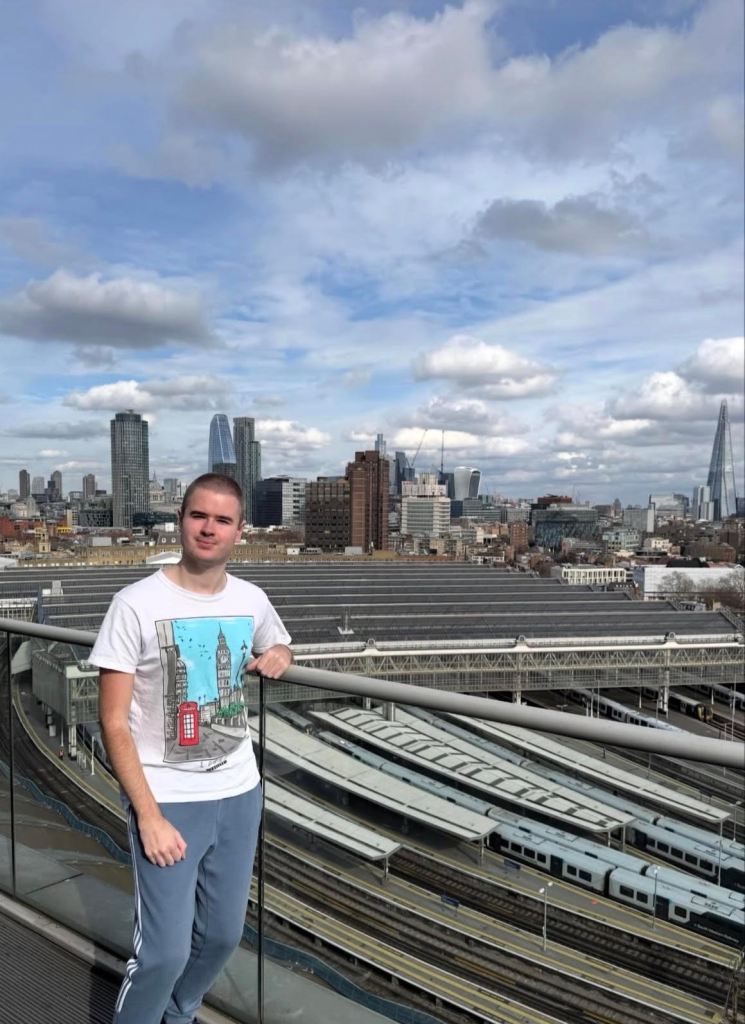
Eventually after three years my physical health started to improve and when I was well enough I made it to London and have been back many times since to my favourite place. I went to London with my parents and I loved visiting Central London. I went to all main sights such as London Eye, Big Ben, Tower of London, Buckingham Palace and lots more.
10 years on, I’m now slowly recovering and learning to walk again. I’m using my voice, the voice that FND stole from me to raise awareness about the condition. I still have very difficult days with FND but I’m learning to live with my new normal and adjusting to life post severe FND. I’ve had a very long journey with FND but I know if I can get through all of that I can get through anything.
At 13, I lost all my abilities to FND but one thing FND could never take from me is my determination.
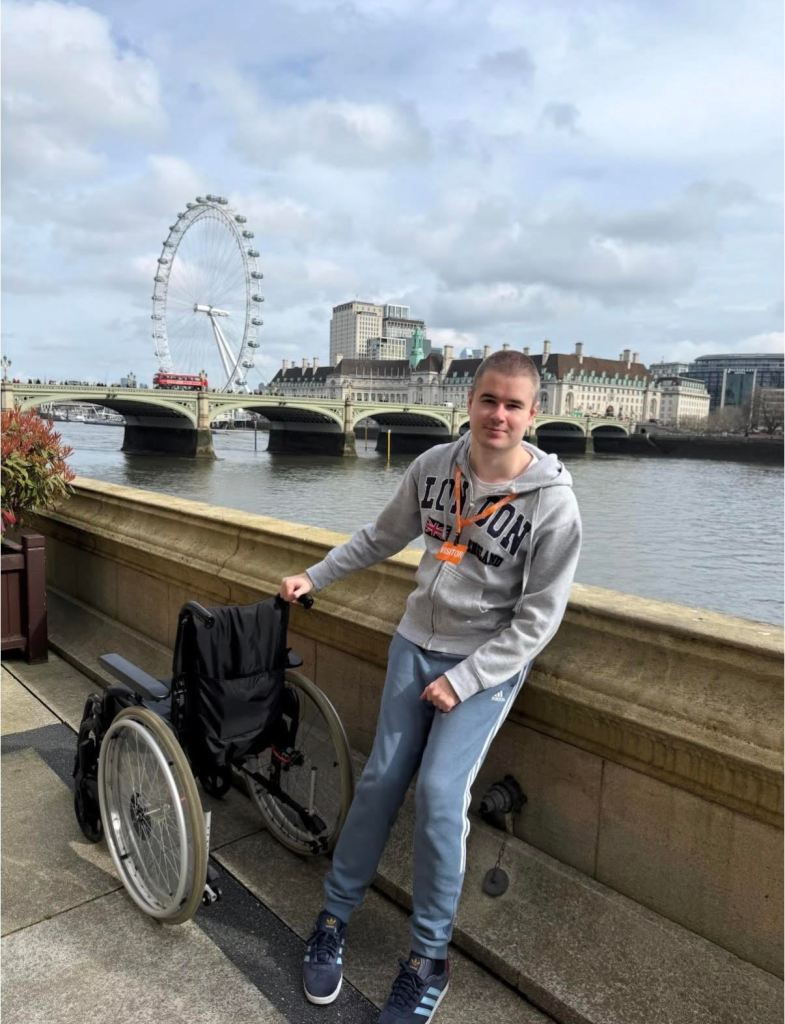
The medical professionals are unsure if I’ll ever make a full recovery because of the impact of severe FND but I’m now at a stage in my life where I’m able to live with the condition. I’m able to talk and I can move my arms again. I’m no longer bedridden and can walk with support. I still battle with FND daily but I’m determined to never give up hope. I still use a wheelchair but just sitting in a wheelchair is a big achievement for me as I couldn’t tolerate sitting in anything before.
You can follow Liam on his adventures here on Instagram. Thank you Liam for your bravery in using your voice and sharing your story.

 beurownlight.com