
Navigating Mental Health: The Role of Therapists in Personal Recovery Stories by Brandy Levine

(image: Pexels: Shvets Productions)

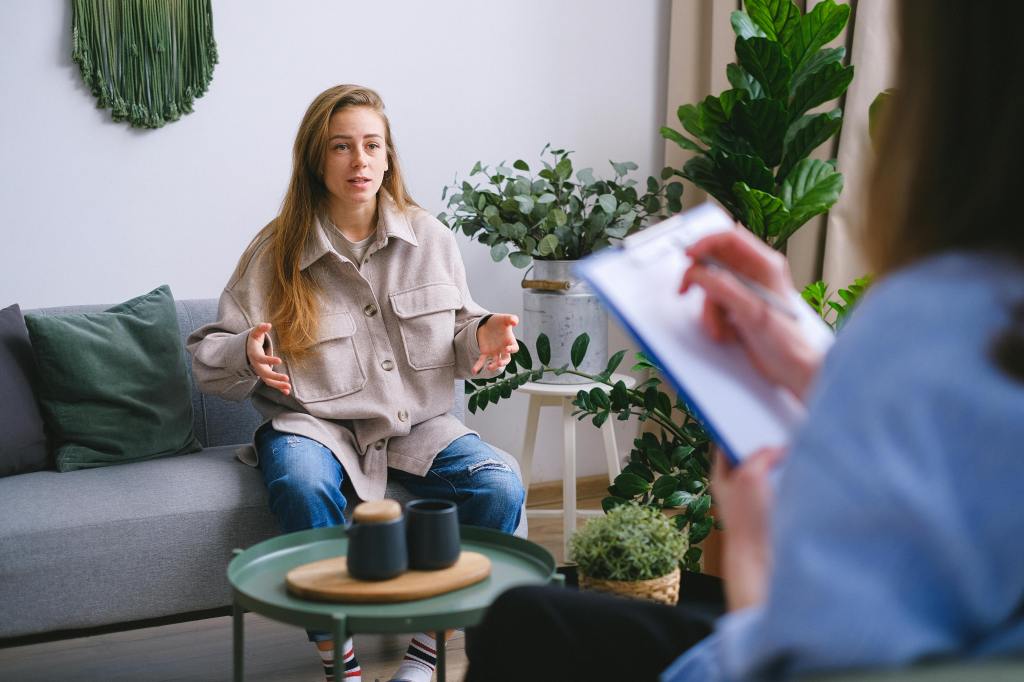
Therapists around the world play a crucial role in helping individuals navigate their mental health journeys. Whether in Los Angeles, London, or any other bustling metropolis, the support they offer is invaluable.

Urban Living and Mental Health

Life in a big city can be exhilarating but also overwhelming. The fast-paced lifestyle, career pressures, and constant quest for success can take a toll on mental well-being. That’s where therapists come into the picture, offering a lifeline to those seeking solace and support.

Real-life Stories of Recovery

Consider Sarah, a marketing executive who recently moved to Los Angeles from a small town. The city’s energy was overwhelming, and she found herself struggling with anxiety. Sarah decided to seek help from a therapist. Through regular sessions, she learned coping mechanisms and mindfulness techniques that helped her regain control over her life. Her therapist provided a safe space where she could express her fears without judgment, leading to significant improvements in her mental health.

Meanwhile, in London, Tom, a financial analyst, faced similar challenges. Balancing work and personal life was a constant struggle. Through therapy, Tom discovered ways to manage stress and set healthy boundaries. His therapist helped him find a work-life balance that improved his overall well-being.

Understanding the Therapeutic Process

Therapy isn’t a one-size-fits-all solution. Each individual’s journey is unique, and therapists understand this well. They tailor their approach based on the client’s needs. Whether it’s Cognitive Behavioral Therapy (CBT), psychotherapy, or other modalities, the goal is to foster healing and personal growth.

The Importance of Finding the Right Therapist

Finding the right therapist is like finding a trusted friend who guides you through life’s challenges. For John, a struggling artist, connecting with a therapist who understood the pressures of creative professions was a game-changer. His therapist helped him navigate the highs and lows of his career, offering strategies to manage stress and maintain a healthy work-life balance.

(image: Unsplash)

Therapists Around the World: A Diverse Pool of Experts

From Los Angeles to London, and beyond, there are therapists specializing in a wide range of issues. This diversity ensures that individuals can find someone who resonates with their specific struggles and cultural background.

How Therapy Transforms Lives

Consider Maria, a single mother dealing with postpartum depression. She felt isolated and overwhelmed until she reached out to a therapist. Through compassionate counselling and practical advice, Maria gradually rebuilt her confidence and found joy in motherhood again. Her story is a testament to how therapy can transform lives, offering hope and healing.

The Role of Therapy in Overcoming Trauma

Therapists also play a vital role in helping individuals overcome trauma. For example, Mike, a firefighter, had recurring nightmares after a particularly harrowing rescue mission. Therapy provided him with techniques to process his experiences and manage PTSD symptoms. His sessions were a critical part of his recovery, enabling him to continue his vital work with renewed strength.

Accessibility and Affordability of Therapy

One of the challenges often associated with therapy is its accessibility and cost. However, many therapists offer sliding scale fees based on income, making mental health support more affordable. Additionally, online therapy options have become increasingly popular, providing flexibility and convenience.

Breaking the Stigma Around Mental Health

Therapists are also on the frontline of breaking the stigma surrounding mental health. Through community outreach and education, they encourage individuals to seek help without shame. By normalising conversations about mental health, they create an environment where everyone feels empowered to pursue their well-being.

Building a Supportive Community

Therapists often go beyond individual sessions to build supportive communities. Group therapy sessions, workshops, and support groups offer individuals the chance to connect with others facing similar challenges. These community-based approaches foster a sense of belonging and mutual support, crucial for long-term mental health.

Taking the First Step Towards Healing

Deciding to see a therapist can be daunting, but it’s a courageous step towards healing. For anyone feeling hesitant, know that therapy is a journey of self-discovery and empowerment. Therapists around the world are committed to guiding you through this journey, offering the tools and support needed to thrive.

In cities across the globe, therapists serve as beacons of hope, guiding individuals towards better mental health. Their dedication and expertise ensure that no one has to navigate their struggles alone.

If you or someone you know is considering therapy, therapists in Los Angeles and other cities are ready to help. Take that first step today and embark on a transformative journey towards well-being.

Brandy Levine is a licensed therapist at Stori, specializing in cognitive-behavioural therapy to help clients navigate life’s challenges with resilience and insight. Her approach is centred on fostering self-awareness and empowering individuals to enact positive change in their lives.

Lockdown and Dealing with Mental Health: Guest blog by author Graham Morgan MBE

ardmore1

(image of Ardmore, Scotland by http://scotlandwildlife.blogspot.com/2011/07/tobermory-to-ardmore-bay-isle-of-mull.html )

My name is Graham Morgan. This is my story of how I’m coping under lockdown.

I have just got back from walking Dash the dog round Ardmore. There was not a person in sight; just the sound of the curlews and the crows, the roar of the cold wind in the trees and the sound of the waves on the seashore. It gave me a chance to think and ponder on this first day of lockdown. It blew my tiredness away. As I reached the point; I looked along the Clyde to Dunoon; where my sister works as a midwife and hoped she was ok and thought about my brother, a medical director and psychiatrist;  having to make decisions about the future that no one should have to make.

Driving the two minute journey home I passed the post office van ; strange to see the postie with his mask and blue gloves. I felt slightly guilty for being out and had to remind myself that we are allowed one exercise session a day; that walking the dog counts as that.

I am so lucky compared to others. My friend phoned last night to say he had just managed to get home after breaking the news to his friend’s sister that that friend had killed himself days ago. Back to an email saying he was sacked from his job and that his tenant. who he shares his house with, was leaving the house as London, feels too unsafe. To deal with that?

I found out recently a Twitter friend was passing round my book on a psychiatric ward. The thought of being back in hospital but with no visitors and all the restrictions that happen now, fills me with horror; makes my last hospital stay feel pleasant. 

Yesterday a young man contacted me on Facebook to say how much he enjoyed my book START and how he was now in self isolation. I remembered he had been in hospital for months and months; was just getting used to his first flat; getting back to education, finding joy in his creativity. I remembered the loneliness I felt when I lived alone; those days when there was no one to speak to, to share a smile with. How it tore at me! Slapped me to the ground with sadness. I think of so many friends who are already lonely; lost in their lives, lacking the energy to even make a cup of tea.

I am indeed lucky. So far in our tiny household we have got over the twin’s meltdowns when we took them out of school last Monday. How frightened they were and how much they miss their friends. Home schooling for the moment is fun, I imagine, as the weeks go, by it will get harder. We are lucky we still have perspective; not to get angry and argue because of our own anxiety.

I am used to being awake in the early hours, yet somehow I am sleeping OK at the moment and have decreased my drinking. 

My understanding of the world (due to my beliefs at the moment) is that I am evil and bringing about its destruction; I think I am partly responsible for the fires and floods; the wars but, for some reason, coronavirus seems to have nothing to do with me. I have no idea why, but it is a relief.

I have more realistic worries, like the special care my Mum made to get a long tight hug when I left her in England to go back up to Scotland. 

We have been working from home and have been more or less self- isolated since Monday because my partner has asthma and yet her separated husband is a key worker  and looks after the kids too. There is relief that these are ‘real’ worries that I can grasp; not my usual ones.

The most pressing concerns are how to work from home as well as home schooling the children; how to get bread and eggs. The biggest inconvenience has been having to queue outside the chemist for my anti depressants; thankful that my GP realised I was taking them too infrequently and that now I am back up to the required dose I feel so much more relaxed.

I have one quandary; a minor one. I went to get my jag (injection) yesterday for my mental illness. The CPN (community psychiatric nurse) who gave me it had no more protection than normal. It was quick and painless.

He said he didn’t know where the community mental health team would be soon; they may be based with another more urban one by my next appointment. He said that if I, or anyone else near me, got any symptoms I was to phone in but that he had no idea what they would do if I did; that I might have to take oral medication.

At that I was lost because, of course I would have to;  not doing so at such a time would cause so much trouble but, at the same time; I am on a community section because I cannot make myself take medication, how can I agree to that, if it happens?

I have my work, I have food, my lovely family and Dash the dog who cuddles tightly up to me every night. I have my writing, my books, my music. So many people I know have nothing approaching that. 

I think I am glad I don’t have the imagination to see the scale of what is happening and am not torturing myself with the ‘what ifs’. Good luck to all of you who may not be in such a good place. Let us all help each other as best we can over the coming weeks.


Graham Morgan has an MBE for services to mental health and is the Author of START (by Fledgling Press) a memoir of compulsory treatment, love and the natural world. Available from Amazon and Waterstones on line.

He can be found at @GrahamM23694298 on twitter and at Graham Morgan – author; on facebook or at the Scottish Booktrust Live Literature database at https://www.scottishbooktrust.com/authors/graham-morgan