Unemployment Has Doubled In The Last Ten Years For People With Bipolar by Bipolar UK

(image: Bipolar UK)

Data from NHS England Digital’s latest Adult Psychiatric Morbidity Survey (APMS) has been analysed by national mental health charity Bipolar UK, revealing that the current system is failing to meet the needs of people living with bipolar.

The findings show that people who tested positive for probable bipolar have experienced a disproportionate rise in unemployment over the past decade, increasing from 3.9% in 2014 to 9% in 2024.

The APMS is a national survey that measures the prevalence of mental health conditions, tracks trends over time and assesses access to treatment. As part of the survey, the Mood Disorder Questionnaire (MDQ) was used to screen for probable cases of bipolar.

It is estimated that over a million people in the UK live with bipolar, and many manage the condition well. However, employment rates among people with bipolar remain significantly lower than the average employment rate of 75%* in the general population.

(Image: Annie Spratt: Unsplash)

Bipolar UK believes that widespread underdiagnosis and inadequate access to specialist treatment may be contributing to rising unemployment and widening inequalities for those who tested positive for probable bipolar.

The data shows that only 17.8% of people who tested positive have received a professional diagnosis. This points to significant underdiagnosis. Among those who do have a diagnosis, the use of bipolar specific medication has also fallen, decreasing from 14.5% to 5.1%.

Speaking about the APMS findings, CEO of Bipolar UK, Simon Kitchen, said: “This is the first time this survey has been conducted since 2014, and while the rise in unemployment among people living with bipolar is deeply concerning, it points to a much bigger failure in the system.

Fewer than one in five people who tested positive for probable bipolar have received a professional diagnosis. Without this, people are far less likely to access the specialist treatment and support that helps them stay well. This can have serious consequences for every part of their lives, including their ability to work.

We regularly hear from people who are struggling at work or falling out of employment altogether, not because they can’t or don’t want to work, but because the right care isn’t in place. Delays to diagnosis leave people managing severe symptoms alone, often for years.

For those who do have a diagnosis, a lack of understanding about bipolar in the workplace can add further barriers. Despite protections under the Equality Act, many people tell us they fear stigma or negative consequences if they talk about their condition, and that reasonable adjustments are not always offered or understood.

This data challenges the misconception that people with bipolar are unable to work. The real issue is a system that diagnoses too late and fails to provide consistent, specialist support. That failure is potentially pushing people out of work who could otherwise live well and fulfil their potential.”

There are several reasonable adjustments that can help people with bipolar better able to manage in the workplace. Many of these are neither expensive nor difficult to implement, such as flexible working arrangements, time off for medical appointments, and support plans following episodes of illness.

Simon Kitchen added: “The benefits of empowering people with bipolar are enormous, for individuals, their families, employers, the NHS and the wider economy. The charity has worked with, and continues to support, thousands of people with bipolar who are working successfully across a wide range of sectors.

Improving diagnosis rates and building bipolar friendly workplaces benefits everyone.”

Bipolar UK’s current campaign, Maybe it’s bipolar?, aims to raise awareness of some of the common symptoms of bipolar and encourage people who recognise them to explore this further. The campaign directs individuals to take the MDQ and, where they receive a positive result, provides clear, trusted information to help them seek appropriate support.

Ultimately, the campaign aims to reduce the average 9.5 year delay to diagnosis and ensure people affected by bipolar are identified earlier and can access the specialist care and support they need to live and work well.

Bipolar UK also runs workplace training courses for organisations looking to improve their understanding of bipolar and how to support colleagues living with the condition.

Key stats about bipolar:

  • Over 1 million people in the UK live with bipolar, making it the most common severe mental illness
  • People wait 9.5 years on average for a diagnosis
  • Life expectancy is up to 20 years shorter
  • 50% of people with bipolar will attempt suicide at least once, 1 in 5 die by suicide
  • Despite global suicide rates falling, those related to bipolar have not declined

About Bipolar UK – the only national charity dedicated to supporting people affected by bipolar. 

Bipolar UK provides a range of services, including information and advice, a network of support groups, an online Community, workplace training and telephone and email peer support. Bipolar UK also works in partnership with research organisations, and campaigns for change to build a better world for everyone affected by bipolar. For more information, visit bipolaruk.org.
Living With Severe Functional Neurological Disorder (FND), My Mental Health And Determination To Thrive by Liam Virgo

(image: Liam Virgo)

Trigger warning: discussions of FND, illness and mental health.

Hi! My name is Liam Virgo and I’m pleased to share my story with Be Your Own Light blog.

In 2016, at age 13 and after months in hospital, I was diagnosed with severe Functional Neurological Disorder (FND). I was suddenly paralysed and unable to speak. I had all my abilities taken away from me and was left severely disabled. For six months my mind switched off and I didn’t know who or what anything was. I don’t remember the early days of my illness and life before it is a blur. My FND resulted in me being bedridden, unable to walk or talk. I felt trapped inside my own body.

Being a prisoner in my own body felt like my body had completely betrayed me. The psychological impact of being locked inside my own body is still felt to this day. It’s been a long hard battle with FND- painful and very isolating. The doctors aren’t sure what caused my FND. All we know is that it happened and I was severely affected by the condition but without any real explanation as to why this was the case. 

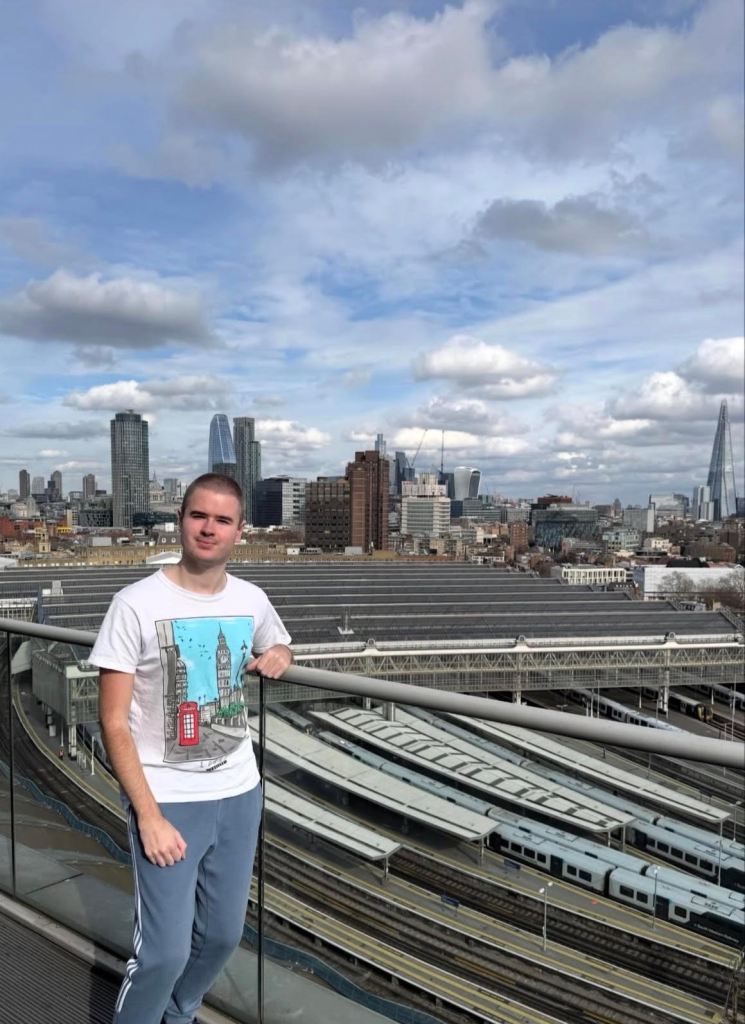
However, while I was bed bound I found comfort in a few things and one of them was London. It was my dream to visit the city but because of my FND I wasn’t well enough to go. I was supported by CAMHS (UK NHS child mental health services) for four years and they created London themed progress charts to help motivate me to achieve my wish. 

FND hasn’t only affected my physical health but my mental health too. The impact of severe FND left me with difficult feelings and emotional difficulties. The emotional scars of FND are still felt to this day. Over the years I’ve been supported by Psychiatrists and Psychologists. Some of the overwhelming feelings I experienced and still do are anxiety, I felt misunderstood and isolated. I sometimes became tearful and emotional. I was put on different medications over the years but nothing really helped. I also had many other assessments and strategies used to help understand my mental health including a cognitive test and I also had a mood diary. 

Because of FND I’ve missed years of schooling as I wasn’t well enough to return to education.

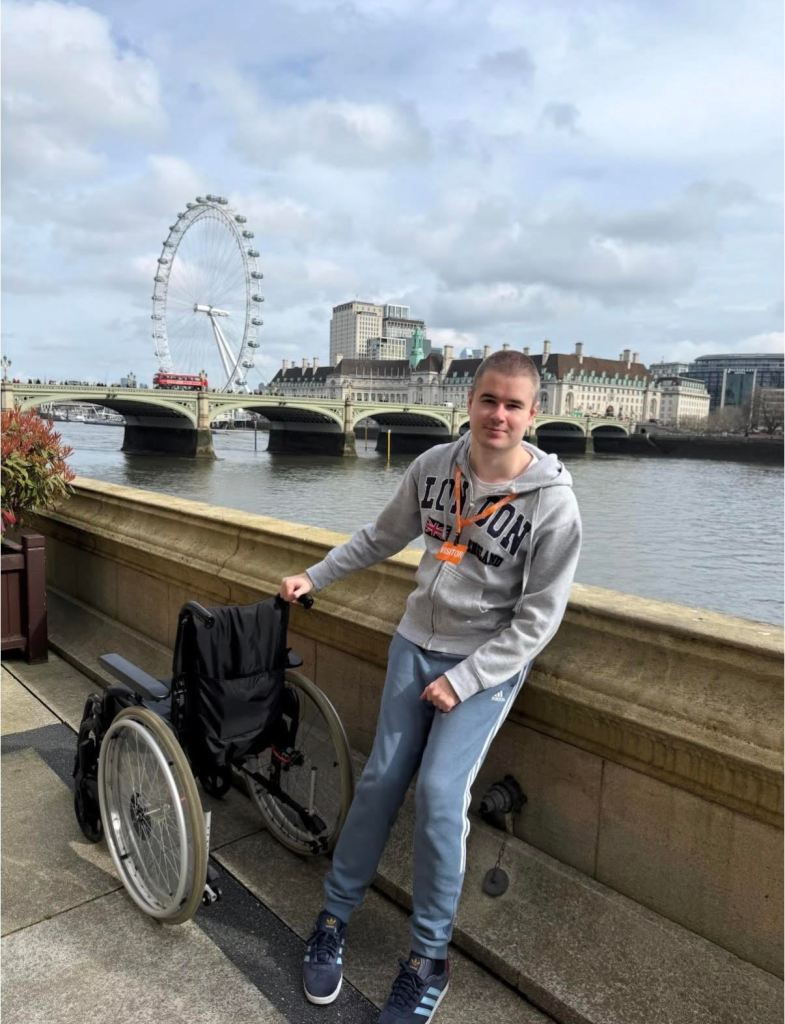
Eventually after three years my physical health started to improve and when I was well enough I made it to London and have been back many times since to my favourite place. I went to London with my parents and I loved visiting Central London. I went to all main sights such as London Eye, Big Ben, Tower of London, Buckingham Palace and lots more. 

10 years on, I’m now slowly recovering and learning to walk again. I’m using my voice, the voice that FND stole from me to raise awareness about the condition. I still have very difficult days with FND but I’m learning to live with my new normal and adjusting to life post severe FND. I’ve had a very long journey with FND but I know if I can get through all of that I can get through anything.

At 13, I lost all my abilities to FND but one thing FND could never take from me is my determination.

(image: Liam Virgo)

The medical professionals are unsure if I’ll ever make a full recovery because of the impact of severe FND but I’m now at a stage in my life where I’m able to live with the condition. I’m able to talk and I can move my arms again. I’m no longer bedridden and can walk with support. I still battle with FND daily but I’m determined to never give up hope. I still use a wheelchair but just sitting in a wheelchair is a big achievement for me as I couldn’t tolerate sitting in anything before. 

You can follow Liam on his adventures here on Instagram. Thank you Liam for your bravery in using your voice and sharing your story.

Celebrating A Decade Of Be Ur Own Light Blog- 10 Years!

On 1st March 2016, I wrote my very first blog about my mental health struggles with bipolar disorder and anxiety. For me, it was an outlet to share with friends and family what I was experiencing after one of the worst bipolar episodes I had faced and after hospitalisation in 2014. I didn’t realise that this traumatic time in my life, would also cause my mental health to dip and struggle further as I developed PTSD symptoms (panic attacks) and sat on a 2 year waiting list for NHS therapy. Professional support was not coming easily during this time, and so this blog became not only a therapeutic outlet but a place to connect with others going through similar things. And to explain to those who had never experienced mental illness, exactly what it can do but just how you can support those experiencing it.

Part of me can’t fully believe that I have been blogging consistently for 10 years. There have been times where I have wanted to give up but this little blog has been my saviour and in truth, helped me to launch a writing career that I did not expect and am so grateful for. It has also helped others to share their mental health stories and products, been a platform for mental health campaigns and charities and I am super proud of the impact we have had. One of our biggest accolades is being a Top 10 UK mental health blog by Vuelio every year since 2018- which means we are having a positive impact and reach!

The blog has published over 800 posts, with hundreds of thousands of views! It is read on every continent with a particularly large readership in the USA (as well as UK and other countries). We have covered so many topics- bipolar disorder, PTSD, anxiety disorders, depression, pre and post natal depression, OCD, BPD, eating disorders, psychosis, mania, schizophrenia, schizoaffective disorder, trichotillomania, addictions (drug, alcohol, gambling), body dysmorphia and mental health topics like child mental health, work stress, emotional burnout, relationships, domestic and sexual abuse, homelessness. We have shared about wellness products and worked with inspiring health and lifestyle brands.

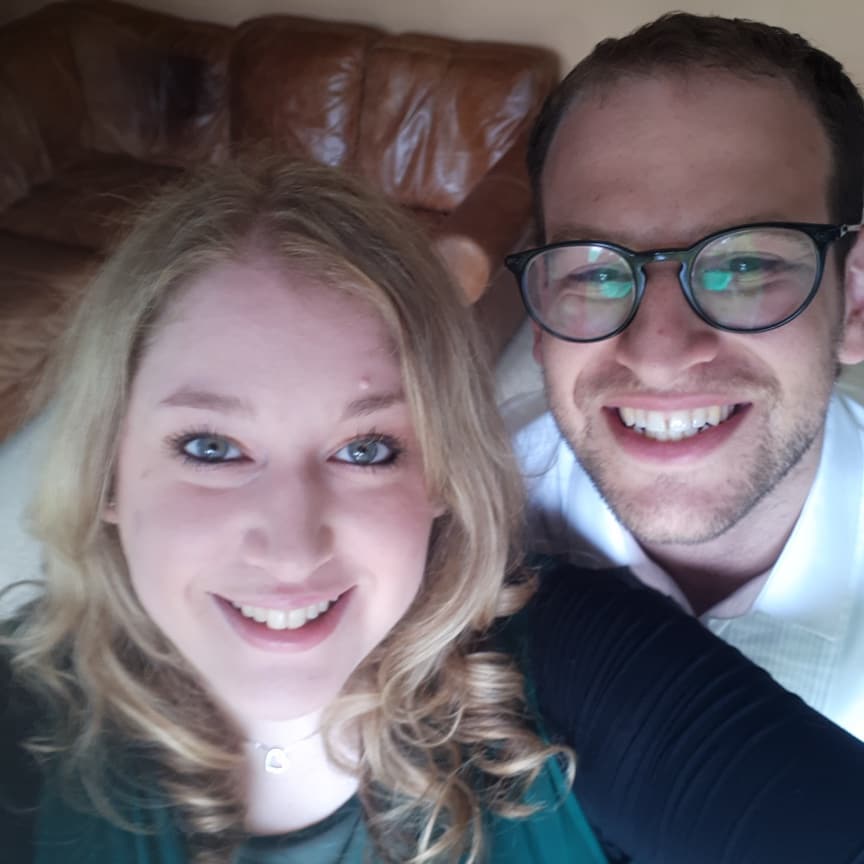
The blog inspired me to share my own story far and wide – writing for mental health charities Mind, Rethink, Time to Change, Bipolar UK, No Panic, SANE and Metro.co.uk, The Telegraph, Happiful, Glamour, Jewish News, Huff Post. Featured in Cosmopolitan, Elle, Yahoo News and other publications. Thank you particularly to the editors at the publications for sharing my story and believing in my mission! This also led to me writing my book ‘Bring me to Light’ which was published in 2019 by Trigger and remains one of my proudest achievements. I then released my children’s book ‘Arabella and the Worry Cloud’ and had some writing featured in ‘The Book of Hope’ by my friends Jonny Benjamin MBE and Britt Pfluger (an amazing experience!). In 2017-18, I was also involved with setting up the Jami mental health shabbat in my community and spoke in several synagogues and at a community festival Limmud with my Dad, about our journey with bipolar. The same year that I started this blog (2016), I also met my now husband, who supports me through all of my writing and mental health work.

As I look back over the past 10 years, to where we were in 2016 with mental health stigma, I am proud to have played a small part in changing the landscape and narrative online around mental illness, particularly bipolar disorder and psychosis. We have many followers on social media platforms and continue to share about mental health and well being and be a resource for all those who need it, so they never feel alone.

(image: Ineffable Living)

Thank you to every single contributor (and every reader) to Be Ur Own Light Blog 2016-2026. Your words and belief in our mission to end the stigma around mental illness have meant the world to me. I hope going forward I can continue to share more real stories, more important information on care and treatment and campaign for better care.

There is still a way to go. NHS waiting lists are too long and care is under funded, leading to not enough beds. Mental health stigma online (and sometimes offline) sadly still remains high. As a society, although we have improved, we still need to fully understand mental health conditions and separate them from the person themselves. I am optimistic that things can and will change.

To everyone reading this going through a period of mental ill health or living with a chronic mental illness, I see you and you are never alone. As a blog community, we can come together to empower each other, so no one ever feels invisible and I hope that I can continue to write too.

Thank you, from my heart, for the past 10 years! Here’s to many more years,

Love and gratitude always,

Eleanor

x

WiseUp Launches Groundbreaking Digital Detox Journal For Young People As UK Debates Social Media Safety Policy.

(image: WiseUp)

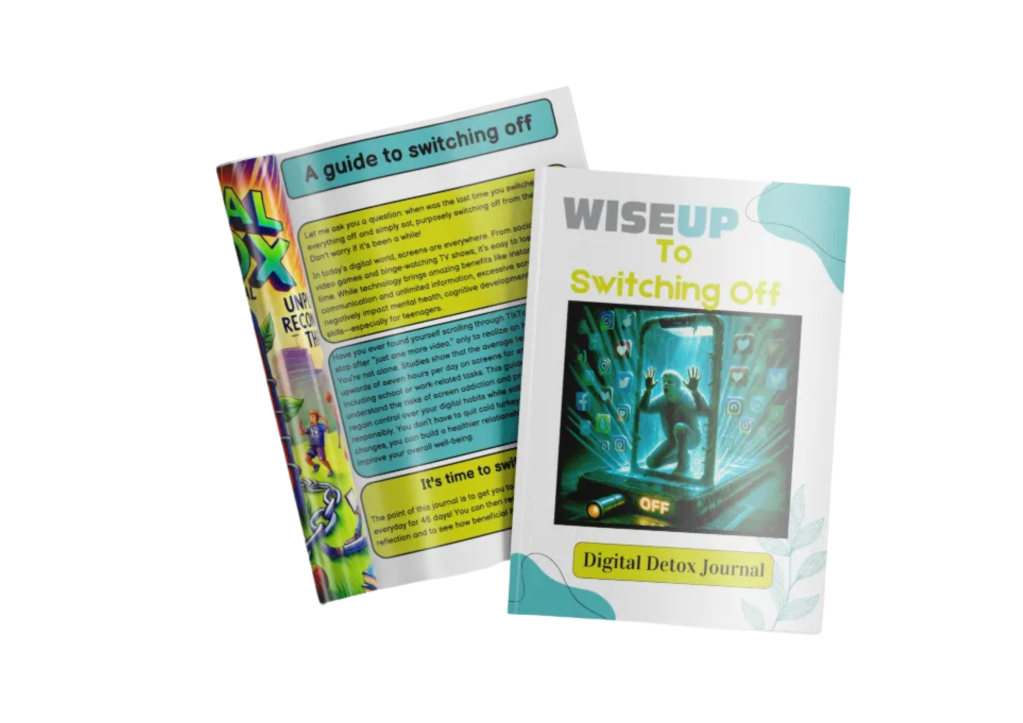
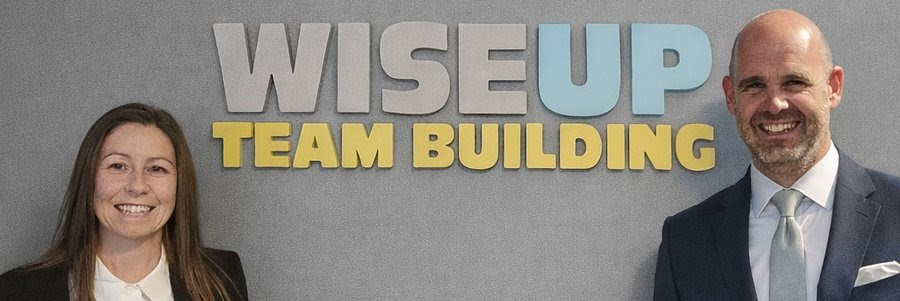
WiseUp Team Building, the multi award winning, UK Youth wellbeing and resilience organisation, has launched WiseUp to Switching Off – a guided programme designed to help young people and families build healthier relationships with screens and technology.

This launch comes at a time when children’s digital wellbeing is at the centre of national discussion, with the UK government recently consulting on measures inspired by Australia’s ban on social media for under-16s as part of wider online safety reforms.

With evidence mounting globally – recent World Health Organization data shows that rates of problematic social media behaviour among adolescents increased from 7% to 11% between 2018 and 2022 and that more than one in ten teenagers may struggle to control their use and experience negative consequences such as disrupted sleep and lower wellbeing – WiseUp’s journal is positioned as a practical alternative to purely restrictive approaches.

A significant proportion of young people report a negative impact on mental health from digital and social media use; a UK Digital Youth Index indicates that approximately 17% of young people aged 8–25 say their internet and digital device use harms their mental health, with the prevalence rising among older teens equating to around 2.5 million young people across the UK.

Richard Wise, CEO of WiseUp, said: “We created WiseUp to Switching Off, a digital detox guide, because families, teachers and young people are increasingly telling us they want positive and practical tools – not more tech bans – to make sense of their digital lives. Screens are now woven into education friendships and culture but when usage becomes compulsive it can undermine sleep focus and emotional wellbeing. Our journal helps young people become aware of their patterns reflect on their experiences and make incremental sustainable changes.

He continued: “Screens themselves aren’t the problem – but the way they pull young people in can be. When scrolling becomes a coping mechanism, when anxiety, loneliness or pressure drive screen use the impact on wellbeing can be profound. WiseUp to Switching Off exists to break that cycle. It gives young people permission to pause, space to breathe and the tools to reconnect with themselves and the world around them — while empowering schools and parents to put wellbeing back at the centre of everyday life.”

(image: Izzy Park: Unsplash)

The WiseUp to Switching Off digital journal combines evidence-based education about technology and the brain, practical habit-building tools, daily reflection prompts and offline challenges designed to improve focus sleep and connection with others. It is intended for use both at home and in educational settings complementing Personal Social Health and Economic (PSHE) learning.

Parents and wellbeing leads in schools have reported that the journal has helped young people reduce conflict over screens. It has also improved sleep routines and helped them rediscover offline interests, reinforcing WiseUp’s belief that self-directed change (rather than coercive restriction) is both sustainable and empowering.

WiseUp encourages parents, teachers, practitioners and policymakers to explore the journal and join the ongoing effort to support a balanced digital future for young people. To download your free copy visit the WiseUp website.

(image: WiseUp)

Children’s Mental Health Week And Arabella and the Worry Cloud Book by Eleanor

(image: E Segall/ Shelley The Artist)

This Children’s Mental Health Week by charity Place2Be, is focused on the theme ‘This Is My Place’, fostering a sense of belonging in children, encouraging safe spaces for them to feel supported. The week encourages adults, teachers, parents and carers to use tools to equip children with positive mental health.

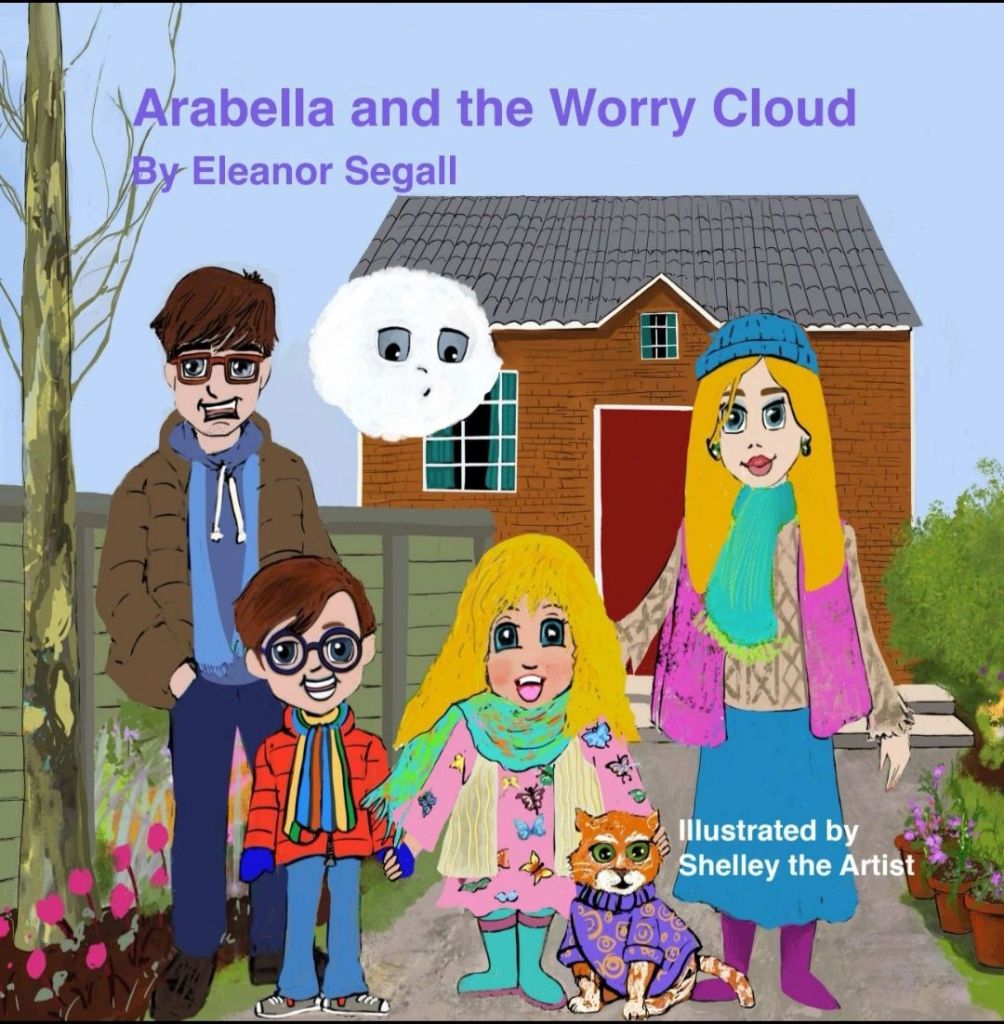
This week is very important and my children’s book ‘Arabella and the Worry Cloud’ (illustrated by my dear friend Shelley the Artist) is for younger children (aged 4-8) navigating feelings of worry and anxiety.

(image: E Segall/Shelley The Artist)

When I was a little girl and well into my teen years and beyond, I had a lot of anxieties. As a self-confessed empath and worrier, I could feel when something was wrong. This led to separation anxiety with symptoms including nausea at school. Children who have anxiety need to feel safe, settled and above all, heard by parents/carers and the adults in their life at school.

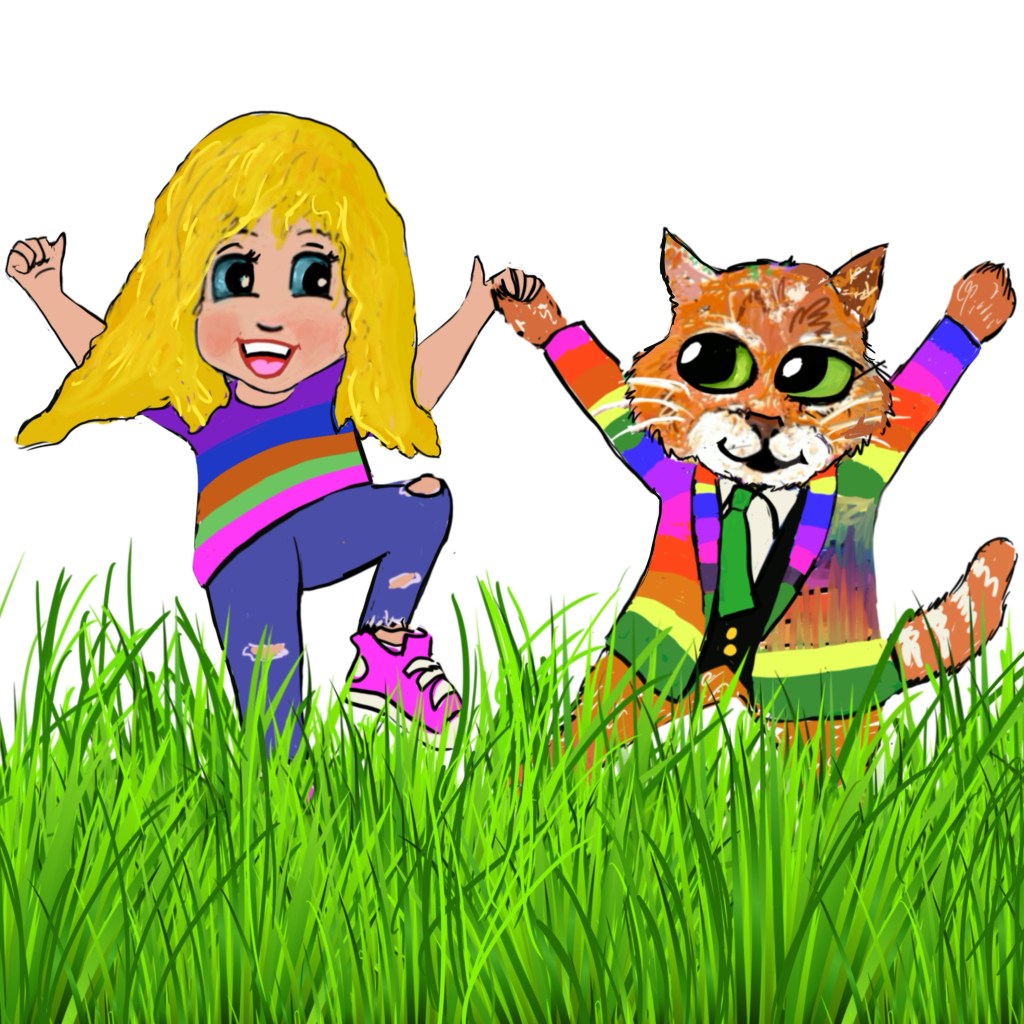
I wrote my first children’s picture book, Arabella and the Worry Cloud, in 2019 and published it in 2024. It is based on me as a young 7-year-old girl who had a lot of anxiety. In the book, Arabella worries about her socks not fitting on her feet, losing her shoes in a muddy puddle, the rain soaking her and cold freezing her toes, the rainbow in the sky losing its colour, her cat Pickles getting lost, the plants in the garden dying, losing her homework, failing a test and being blown away by the wind. These worries are partly represented by a Worry Cloud that comes down to see her from the sky and threatens to rain on her with all her worries.

Eventually, Arabella realises that if she thinks jolly, happy, sunny thoughts in place of the worries, she can push the Worry Cloud away with the joyous light beams of positive thinking. Arabella unlocks happy memories with her family, visualising wonderful times with them and it gives her confidence to face the Worry Cloud head on, so it can go away and leave her in peace.

So many children will have their own version of the Worry Cloud. Arabella’s place of belonging is with her family, where she feels safe and loved (and we know this is not always the case). My hope through this book is that it will help children to feel OK with anxious feelings, to find safety and to talk about it with a trusted adult in their life.

This Children’s Mental Health Awareness Week, you can get Arabella and the Worry Cloud here.

(image: Place2Be)

Love,

Eleanor

x

Living In Remission With Bipolar 1 Disorder- Time To Talk Day by Eleanor.

(image: Mind/Rethink Mental Illness)

Time to Talk Day is today and it is ‘the nation’s biggest mental health conversation’. This year’s theme is Brave the Big Talk, have conversations about mental health experiences that might feel a bit unspoken, with an aim to destigmatise mental health issues.

Today I would like to talk about living in remission with Bipolar 1 Disorder (I was diagnosed aged 16 in 2004 and am now 37!). I am lucky that although the illness I have when unmedicated is severe- I have had episodes of psychosis and mania and suicidal depression, and been hospitalised twice, I live in remission these days.

What does remission mean to me?

  • It means my medication (Lithium and Quetaipine- a mood stabiliser and anti psychotic) stops the very high (manic) and very low (depressive) moods and I can cope better. I am still a work in progress but its way less severe!
  • It means that although I have ongoing therapy to deal with past trauma, I don’t need to see a psychiatrist at present and am managed by my GP.
  • It also means that I don’t have to worry too much about bipolar episodes, which is not the same for everyone with our illness! I do however still struggle with anxiety, which I have spoken about before and some days can be harder than others.

Time to Talk Day say, ‘ Talking openly and honestly can be the first step towards better mental health for everyone. It can even save lives. Talking can reduce stigma and help people feel comfortable enough to seek help when they need it.

So whether you talk to a friend or an employee or listen to someone else, you can be making a big difference today. Find more about getting involved here: https://www.mind.org.uk/get-involved/time-to-talk-day/

Thanks to Mind and Rethink Mental Illness for creating such an important day,

Eleanor

10 years Of Jami (And Jewish Care) Mental Health Shabbat by Eleanor

(image: Jami)

10 years ago, Rabbi Daniel Epstein and the team at Jami charity had an idea about making the stigmatised topic of mental health in the UK Jewish community be more visible amongst synagogues and organisations. They did this by focusing on the day of rest- Shabbat, with Rabbis and speakers of lived experience or mental health professionals. I was lucky to come on board as a volunteer in the first few years, alongside a wonderful team. My role was to help contact Jewish shuls and organisations by email and in the first year I believe we got the Shabbat in to over 80 organisations and over 100 in subsequent years.

My reason for doing this was because I struggled with bipolar disorder (depression, mania and psychosis) and anxiety/PTSD from when I was 15. I felt that no one really talked about it publicly on a communal level and I was inspired by my friend Jonny Benjamin MBE, who was open about having schizoaffective disorder and taking a sledge hammer to stigma. I also admired the work of Jami in the hubs and with their Head Room Cafe and I wanted to make a difference.

I can’t quite believe that the Jami Mental Health Shabbat is 10 years old this year. The Shabbat enabled me to speak about lived experience with my Dad (who also has bipolar) to two large communities (my childhood one- Bushey and husbands- Chigwell) and my Dad spoke at Belsize Square and Edgware Yeshurun about our joint story. I was diagnosed with bipolar at 16 and my Dad was at 44. We were honoured to help dispell stigma through telling our stories from the pulpit, however difficult they were.

The Shabbat has also enabled thousands of people to have conversations and mental illness is no longer hidden in the shadows to be feared. The theme for the tenth Jami Mental Health Shabbat is ‘Bringing Mental Health to the Table’

Jami says, “This special Shabbat is an opportunity for us to encourage conversations on mental health, raise awareness of mental illness and distress and share ideas on how to support ourselves and others within our community. There are many ways for you, your synagogue, school, student or youth group to get involved and everyone can mark Jami Mental Health Shabbat in their own way. Some communities choose to arrange for members of their congregation to share their lived experience or invite mental health professionals to lead a talk, discussion or panel event.”

This year you can get involved by hosting a meal for JMHS and ask your guests to donate instead of bringing a gift, sign up for the free toolkit of resources (services, activities for all ages and much more) or donate at https://jamiuk.org/donate-to-jmhs_meal/ . For other ways to get involved please see: https://jamiuk.org/get-involved/jmhs/.

Jami Mental Health Shabbat coincides with Torah portion- Bo. On this Shabbat, we read about the plague of darkness, which can be likened to the experiences of many living with mental illness and distress. The Torah portion also talks about how the Israelites, full of hope, could see through the darkness into the light. This special Shabbat is an opportunity for us to encourage conversations on mental health, raise awareness of mental illness and distress and share ideas on how to support ourselves and others within our community. 

As the Shabbat is this weekend, I want to show my support. Although I won’t be sharing our story in shul this year, everyone doing so should be so proud. I will be donating to Jami to show my support.

Where to get help with your mental health

If you or someone you know needs mental health help, there are a variety of options depending on the issue of concern.

  • SHOUT – 24/7 crisis text service – Text Jami to 85258
  • Jami is here to help with mental health support: jamiuk.org/get-support/referral, call 020 8458 2223 or email info@jamiuk.org
  • Jewish Listening Line on 0800 652 9249 (Sunday – Thursday 12:00 – 00:00; Friday 12:00 – 15:00)
  • Jteen support line for young adults https://jteen.co.uk/support/
  • Ring your GP or out of hours service for an emergency appointment
  • Contact your Community Mental Health Team (CMHT) if you have one
  • Samaritans – Call Samaritans on Freephone 116 123 (24 hours a day) 
  • Call the Papyrus HopelineUK, on 0800 068 41 41 or text 88247 if you are under 35 and worried about how you are feeling. Or call if you are worried about a young person. 
  • Call 999 or NHS Direct on 111 (England) or 0845 46 47 (Wales)
  • Don’t hesitate to call 999 in mental health emergencies

Heres to 10 amazing years of mental health conversations!

Eleanor x

Tips To Maintain Your Mental Health After A Baby by Sienna Warton

(image: Josh Willink)

Everyone tells you how amazing it is once the baby comes. And it is, no doubt. But everyone also skips the part of how hard and confusing it can be at times. You lack sleep, run on instinct and love, and all of the responsibility comes down on you hard. But all that’s normal. 

Every parent gets that mix of joy and struggle at some point. However, if the downs start to outweigh the ups, you should take a pause and look at it more deeply.

All the Emotions No One Warns You About

Before birth, it’s all about the baby – the ultrasound photos, due date, tiny clothes and picking names. But few people prepare you for what happens after.

In reality, many of the emotional changes begin well before birth. Reading about mental health during pregnancy can help expecting parents notice early signs of anxiety or mood shifts that often carry into postpartum life.

All the hormonal changes and lack of sleep can make even the simplest task feel difficult. Anxiety, sadness, and self-doubt can creep in, sometimes out of nowhere. In fact, around one in five women experience postpartum depression or anxiety, and partners often feel it too. 

But remember, no one really gets into it completely ready, and everyone learns as they go. 

Rest Isn’t a Bonus, but a Necessity 

Sleep when the baby sleeps.” You’ve heard it a million times, and it’s certainly easier said than done. But rest really is essential. It’s how your body heals, and your mind resets.

You can try using the 5-5-5 rule: five days in bed, five days on the bed, five days near the bed. No strict formula to it, of course, but use is a reminder to slow down a bit.

If naps still seem impossible, just lie down for a few minutes and breathe, even when your brain insists that your baby needs you every second. And if someone offers to take a night shift, let them. One full night of sleep can change how you see everything.

Pregnancy and early parenthood can really impact maternal well-being. You must learn how to rest effectively, because your recovery is your number one priority next to your baby.

When “Baby Blues” Don’t Fade

Crying for no clear reason? Worrying constantly about the baby? That’s normal in those first days. However,  if it lasts more than two weeks, or you start feeling numb, detached, constantly anxious and worried, there could be something more to it.

Watch out for signs like:

  • Persistently low mood
  • Trouble bonding with your baby
  • Racing thoughts or panic
  • Appetite or sleep changes that don’t make sense
  • Thoughts of harm to yourself or your baby

If these sound familiar, reach out to your doctor, midwife, or mental-health professional. With help, things do get better. Getting support early makes healing faster and safer, for both of you.

Take Care of Your Body

It’s hard to think clearly when you haven’t eaten since breakfast or when you’ve lived on coffee for days. Keep yourself hydrated – a water bottle within reach works best. Your body needs steady fuel, especially if you’re breastfeeding.

Once your doctor says it’s okay, take short walks or stretch a little. You don’t need to “work out”, just move a bit. And if you’re healing from a C-section or stitches, follow the recovery plan. Pain makes everything harder.

Small Things Count

Some days, you’ll feel like you’ve disappeared under all the baby tasks. But you’re still there, you just need to remind yourself.

Try reclaiming tiny moments. Close the bathroom door and take that shower – even if it’s a quick one. Put on a song you love. Drink your coffee before it goes cold. It sounds silly, but it matters. The little things add up. You don’t need a meditation app or fancy breathing routine. 

Just stop for a second, notice your breath, maybe wiggle your toes on the floor. That’s it. Even a minute or two of peace can reset your nervous system.

Know When to Ask For Help

There’s a point where no amount of self-care or deep breathing can help.  If you’re struggling to function, or if each day feels harder instead of easier, that’s your signal.  That doesn’t mean you’re weak; it means you’re human.

Postpartum depression and anxiety are real medical conditions, but they’re treatable. A doctor, midwife, or therapist who understands postpartum life can help you find the right mix of support. Sometimes that’s talking, sometimes medication, sometimes both. The right kind of help makes everything easier.

Give Yourself Time

Recovery after birth doesn’t move in a straight line. One day you’ll feel like yourself again, the next you won’t, and that’s fine. Your body, mind, and heart all need time to settle into this new life you have. 

Rest when you can, ask for help when you can’t. 

Some days, progress is just making it through – and that’s still progress.

Happy Holidays! Festive Greetings From Eleanor

(image: Jamie Davies, Unsplash)

What a year it has been, the ninth year of our blog! And now we are nearly at the end of 2025 and approaching Christmas. Thank you to every single person who reads, comments, shares and supports this blog.

This is to wish you and your family a very happy Christmas/ holiday period, filled with light, love and laughter. We celebrate Chanukah and it has been a difficult time this year but we tried to make it joyous and still lit our candles.

Sometimes the festive season brings into focus the things that we don’t want in our lives or difficult relationships. It can impact our mental health. Please don’t suffer alone and protect yourself, if you need to talk to someone please call the Samaritans at 116 123.

Have a wonderful Christmas/ festive season and even better new year! 2026 will be the tenth year of this blog!

What traditions do you do this time of year?

With love always,

Eleanor x

Herbal Wellness For Women: Balancing Energy, Hormones And Mental Wellbeing.

(image: Antonino Visalli)

Women’s wellness extends beyond the absence of illness — it is about achieving equilibrium across physical energy, hormonal harmony, and emotional wellbeing. From adolescence through menopause, women experience intricate biological changes that influence mental health, vitality, mood and desire. These fluctuations are often shaped by stress, nutrition, and environmental factors, making holistic self-care essential.

In recent years, many women have sought out natural and herbal approaches to maintain this balance, supporting their physical and mental health. Herbal wellness offers a time-tested, holistic alternative that works in harmony with the body’s natural cycles rather than overriding them. Rooted in ancient traditions like Ayurveda and Traditional Chinese Medicine, this approach uses plants and botanicals to regulate hormones, calm the mind, and renew energy.

Among these botanicals, Horny Goat weed for women has become particularly popular for its potential to revitalise energy, support hormonal balance, and enhance intimate wellbeing. Used traditionally to strengthen vitality and circulation, it is now gaining modern recognition as part of women’s natural wellness routines.

By exploring the synergy between herbs, hormones, and vitality, this article highlights how nature’s remedies can restore equilibrium, empowering women to sustain energy, regulate mood and mental health, and nurture desire naturally.

Energising from Within

Energy isn’t just about caffeine or sleep—it’s also about how your body maintains vitality through its hormonal and metabolic systems. For women, fluctuations in oestrogen, progesterone, thyroid hormones, and stress hormones like cortisol can significantly affect how lively or fatigued you feel. These also affect our mental health and wellness- balancing hormones is essential to keep balanced moods too and release stress.

The role of adaptogenic & tonic herbs

Adaptogenic herbs help your system respond to stress and restore equilibrium rather than merely stimulating energy. For example, botanicals such as Withania somnifera (ashwagandha) are shown to help regulate cortisol and support energy—particularly in women experiencing perimenopausal shifts. Meanwhile, classic tonic herbs can enhance overall vitality by supporting circulation, metabolism, and mind-body resilience.

Supporting daily vitality

Including herbal support doesn’t replace foundational habits—adequate sleep, balanced blood sugar, moderate exercise good nutrition (and even the occassional massage) remain the core. But once you’ve done the basics, certain herbs can offer an extra layer of support: boosting mood, supporting adrenal reserve, and helping sustain physical and mental energy during hormonal transitions.

Hormone Balance: The Underpinning of Wellness

Hormones guide everything from mood and cycles to skin, sleep and sexual function. If they’re out of balance, the ripple effects can affect energy levels, libido, and overall well-being.

Herbs that support hormonal harmony

The research shows a growing list of botanicals that can help women:

  • Herbs such as Vitex agnus‑castus (chasteberry) and Cimicifuga racemosa (black cohosh) have been used for menstrual problems, perimenopause and menopausal symptoms.
  • Adaptogens like ashwagandha may help regulate adrenal output and thus indirectly influence hormones like progesterone and oestrogen.
  • Broad-based herb lists emphasise the role of phytoestrogens and adaptogens in natural hormone modulation and stress resilience. 

A specific botanical to highlight- but limited evidence

One herb worth special mention in women’s wellness for hormonal and energy support is Epimedium grandiflorum, more commonly known as Horny Goat Weed. While often marketed for men’s use, its active compound (icariin) has been studied for effects on hormone signalling, circulation, and energy. 

 Used in a women-centred herbal blend, it may contribute to hormone-supportive outcomes, though it’s important to emphasise the evidence is still limited and human data is scarce.

How this works in practice

When hormones are out of alignment, for example, in perimenopause or following a stressful period, typical symptoms may include low energy, irregular cycles, mood shifts or lowered sexual desire. By choosing herbs that support adrenal resilience, modulate mild hormonal shifts and promote circulation/tonicity, you give your system extra resources during transition periods.

Desire & Wellness, Naturally

Desire isn’t just a matter of emotion—it is influenced by hormone levels (especially oestrogen, testosterone, progesterone), mood, fatigue, circulation and self-image. Herbal support offers a gentle, subtle way to enhance this layered network.

The link between energy, hormones and libido

When a woman is tired, stressed and hormonally imbalanced, it’s no surprise that desire may take a back seat. Conversely, improving energy, reducing daily stress and supporting hormonal balance can create an internal environment more conducive to intimacy.

(image: Unsplash)

Practical Recommendations for Women

Here are suggestions on how to incorporate a herbal-wellness strategy, mindful of safety and synergy:

  1. Foundations first – Prioritise sleep, movement, a nutrient-rich diet (plenty of leafy veg, healthy fats, quality protein), hydration, and stress management.
  2. Choose adaptogens & tonics—for example, ashwagandha to regulate stress hormone output, or herbs such as chasteberry or black cohosh if you’re experiencing menstrual or menopausal challenges.
  3. Circulation & desire-support – A herbal blend containing Horny Goat Weed (for women) can be one component of a holistic intimate-wellness support plan, provided there are no contraindications.
  4. Cycle & life-stage awareness – Tailor your regimen to your particular stage (e.g., pre-menopause, post-menopause, post-partum). Your hormone profile and needs will differ.
  5. Check interactions & contraindications – Herbs are powerful; for example, Horny Goat Weed may interact with certain heart medications or hormone-sensitive conditions. Always consult a healthcare practitioner, especially if pregnant, breastfeeding or on medications.
  6. Expect gradual, subtle shifts – Herbal support is not abrupt therapy; you might notice steadier energy, fewer mood dips, mild improvements in desire—not dramatic overnight changes.
  7. Track your metrics—keep a wellness journal: energy levels, mood, cycle regularity, libido. Over 6–8 weeks, you can judge what’s working and what might need adjustment.

Evidence, Safety and Realistic Expectations

It’s important to approach herbal wellness with grounded expectation and awareness about the evidence base.

  • While many herbs show promising effects in cell or animal studies, human clinical trials are often limited. For example, with Horny Goat Weed, evidence for its impact on female intimate function is still very preliminary.
  • Herb-drug interactions and contraindications must be taken seriously. For instance, Horny Goat Weed can affect blood-pressure regulation, heart rhythm and hormone-sensitive cancer situations.
  • Quality matters: herbs vary in strength and purity. Look for credible sourcing, third-party testing and clear labelling.
  • Natural support is part of a broader wellness framework—not a substitute for medical evaluation if you have severe conditions (e.g., thyroid disorders, significant hormonal imbalances, sexual dysfunction caused by other medical issues).

Final Thoughts

For women, aiming for wellness means harmonising energy, hormones and desire, not just treating symptoms. A well-chosen herbal strategy adds an extra layer of support: adaptogens to stabilise stress, tonics to bolster circulation, hormone modulators to ease transitions, and formulae that incorporate botanicals like Horny Goat Weed for women to nurture desire and vitality gently.

When aligned with good lifestyle practices, this approach offers a natural, empowering path towards feeling balanced, energised and responsive. Remember: always tailor to your individual life stage, check with a health professional, and allow time for your system to respond.

Please know that Horny Goat Weed on its own is not a substitute for mental health or other medication. Please see your GP before taking new supplements.

This post contains a sponsored link.