Christmas For CAMHS 2024- Supporting Children and Adolescents On UK Mental Health Wards Every Festive Season.

(image: Christmas For CAMHS)

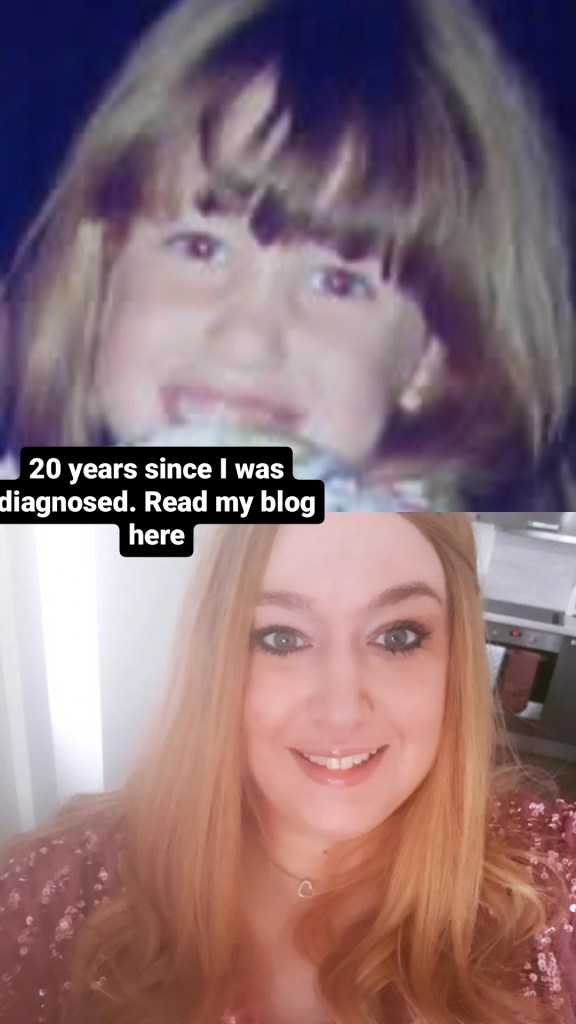
A few years ago, I was delighted to discover this incredible charity- Christmas for CAMHS through a post by its founder Ro Bevan. This charity means a lot to me because 20 years ago this festive season, I was a very unwell 16 year old on a NHS child and adolescent (CAMHS) in patient psychiatric ward in the Priory North London, struggling with a bipolar mixed episode. I had psychosis and hadn’t yet been diagnosed with bipolar. Although I am Jewish and don’t celebrate Christmas, I remember that the ward gave us small presents and that other children/adolescents wrote me lovely messages of kindness and hope wrapped up in seasons greetings. Being away from home and especially during the festive season is filled with loneliness and sadness, especially if you are in hospital. In 2004, Christmas for CAMHS did not exist but their work now is vital.

So who are this amazing charity?

Christmas for CAMHS is a small charity who gives gifts and goodies to children and young people in  hospital for their mental health over the festive season. This is our 9th year of giving gifts to young people in CAMHS (children and adolescent mental health services) inpatient units across the UK and this year we’re giving over 1300 gifts!

Christmas For CAMHS was originally set up because Dr Ro Bevan saw a huge disparity in the way CAMHS units were treated over the festive period compared to other NHS services for children and young people.

In 2015 Ro was working in a children’s hospital for those with a physical illness. That Christmas the children’s hospital had tons of presents donated, mostly from corporate donors – so many presents that there was enough leftover for patients’ birthdays until June of the following year! A year later, she was working in child and adolescent mental health and, in stark contrast, they had no presents donated at all. The patients had one present each, chosen by the therapy team and paid for by the ward – scrimped and saved from the NHS budget that is meant to cover therapeutic activities and other expenses. 

Ro posted about the inequality on Facebook and before she knew it, her post had gone viral with 1,032 shares and so many supportive comments. It inspired her to start Christmas For CAMHS the following year to support these children and young people who would otherwise be forgotten by the generous public.

When the charity first began in 2016, they set up a simple fundraiser online which raised £1000 and managed to send around 300 gifts to young people in units that year. Since then, they have grown to be able to reach every CAMHS unit in the UK, but still work in a pretty similar way! There is the online fundraising page running each year where people donate either as individuals or on behalf of fundraisers they have run in their local community or with work colleagues. Additionally, there are corporate donations and people setting up their own fundraising pages to do amazing challenges to raise money (a couple of years ago one fundraiser ran a marathon around a Christmas tree!).

There is also a wish list where people can donate specific chosen gifts for children who may be feeling very alone.

(image: Christmas For CAMHS)

The charity reaches out to every CAMHS unit in the UK to ask the staff that work there how many young people they might have over Christmas. They also ask them what they think their young people might like, picking from a list of tried and tested categories, and the age range of their young people. The elves then work night and day to ensure that gifts are bought that align with what each CAMHS unit has requested and that are safe for young people in hospital for their mental health to be given. 

Once the gifts have arrived there is a major ‘packing weekend, in Bath. During this, volunteers come and help pack up massive boxes with all the assigned gifts, some Christmas decorations, some activities (such as colour in paper chains or blank cards), a Wellbeing Advent Calendar, some fidget toys and an extra ‘ward gift’ for each ward to enjoy together. We don’t wrap the gifts, so the wards can check them, but we do provide wrapping paper and sticky gift tags. We also provide a bigger gift, when requested, for young people on the wards who may not receive a gift from anyone else this Christmas, such as young people who have no family support. The gifts then get delivered to each CAMHS ward ahead of Christmas day.

This year, the charity is also sending wards some paper chain ‘strips’ with cheesy cracker jokes written on them, made by members of the public and assembled by young people on the wards, providing a tangible reminder that we are all still connected despite what the young people are going through. Young people loved these last year. 

It is always so nice to receive messages from young people about the gifts that they’ve given. A young person recently told the charity:

“The gift made me smile so much. I’d had such a bad day and it was an utterly terrifying time in my life – I was about to turn 18 and had never felt more alone. It was so weird but lovely to think that people who didn’t know me cared enough to make me and my friends feel special and connected. You really do such an amazing job. You’re so kind, thank you.”

The whole team and all donors are thinking of every child and young person who will be spending the Christmas period in hospital due to their mental health, which is exactly why Christmas at CAMHS does what it does – we want them to know that we’re thinking of them and that lots and lots of people are holding them in their hearts. 

To donate to Christmas for CAMHS:

Making Christmas Magic for Young People in CAMHS Units (2024)

or text CAMHSGIFT followed by your donation amount to 70470 to give that amount (e.g. CAMHSGIFT10).

For the rest of Christmas for CAMHS links:

Christmas For CAMHS | Twitter, Facebook | Linktree

The Inherited Mind: A Story Of Family, Hope And the Genetics Of Mental Illness by Award-Winning Journalist James Longman (featuring our story!)

(image: James Longman/ Hyperion Avenue)

A couple of years ago, an intriguing email landed in my inbox. It was from the award- winning journalist James Longman (of ABC News). He told me he was writing a book investigating his own father’s illness and how much of mental illness is inherited. His father died by suicide when he was just a child and had a diagnosis of schizophrenia and depression, but James did not know a huge amount about this mental health history at the time.

James wanted to delve deeper into the family and genetic side of mental illness. As he got older, James’s own bouts of depression spurred him to examine how his father’s mental health might have affected his own. He engaged with experts to uncover the science behind what is inherited, how much environmental factors can impact genetic traits, and how one can overcome a familial history of mental illness and trauma.

James had seen my own story of family illness with bipolar disorder, as my Dad and other relatives also have the same condition and so he reached out to interview me. With permission from my Dad, I had a wonderful chat over Zoom with James, talking about the links with certain types of mental illness in families and how these types of illness can cause suicidal thoughts and sadly in James’s fathers case, suicide. We also discussed the hopeful journey that can occur if you have access to the right support networks, medications and therapy. Medication in particular has helped to keep us well over the years as bipolar has a definite biological link too.

In The Inherited Mind, James invites readers to reflect on their own stories as he shares his quest to better understand himself and his family. Through speaking to mental health experts, to those who have had similar familial experiences, and about his own life stories, James shows us, with heart and humour, how much our bodies can empower and inform us about our own personal mental health histories.

We are honoured to have our story featured in James’s informative and essential book. Thanks again to him for featuring us as a case study. It will be out in January and you can pre order your copy here

How Does Social Media Impact Our Mental Health? by Columbus Care Center.

(image: Nathan: Unsplash)

Social media plays a highly indispensable part in our daily lives. It helps to shape the manner in which we connect, communicate, and interact with the world. Although there are innumerable benefits that social media has to offer, it has a lot of impact on mental health. Individuals often wonder about the long-term psychological effects of spending hours scrolling through every feed, posting updates, or engaging in online discussions. These are the rising concerns that prove essential for addressing mental health issues that are digitally on the uprise.

The Role of Social Media in Shaping Our Emotions

Although social media verticals offer the ability to connect to individuals globally, they impact emotions in different ways. The pressure imposed to present the polished, ideal life online eventually leads to greater anxiety, stress, and depression.

Comparison Of Culture And Self-Esteem

One of the highly notable ways in which social media influences mental health is a comparative culture. The users often scroll through the feed that they note as the highlights of the reels to the other’s lives, leading to unhealthier comparisons. The constant exposure gets filtered and curated through content, leading to feelings of low self-worth or inadequacies. Individuals get pressurised, matching their achievements, physical aesthetics, or lifestyles, raising anxiety and self-doubt.

This issue is particularly concerning for younger adults and teenagers. Adolescence is the ideal moment focused on self-discovery and the formation of identity, adding to the social media layer and intensifying such hurdles.

Cyberbullying And Online Harassment

The social networking sites that are accessed through the internet should be accessed healthily since they reveal the worst in people, and their ill behaviours affect people’s mental health. It has gotten to the level of people using computers to insult other people, to threaten or follow them maliciously. Cyberbullying makes individuals develop anxiety, depression, and even withdrawal from social relations. What online abusers forget is that the emotional side of any individual remains tender, and the words engraved on the social site will fester long after the bad comments are made.

Furthermore, one may also refrain from expressing one’s opinion on social media because of being criticised by other users. It makes people feel silenced from being able even to express themselves, and that on its own exacerbates their mental health issues.

Social Media Addiction

Aside from emotions, social media addiction is another factor to waste mental health. For many people, they are constantly using it to browse or mindlessly open to see notifications, or even feel the need to see what is going on online. This type of usage might result in anxiety and stress because a person becoming addicted to the application constantly worries that they may be logged out.

It also impacts sleep because users spend hours at night browsing through their phones, or maybe they forget the time. Lack of sufficient sleep, in turn, is a cause of poor mental health and worsening disorders such as depression and anxiety.

(image: Chris Yang: Unsplash)

The Positive Side Of Social Media For Mental Health

In like manner, there are positive aspects that can be socially beneficial when properly used social media networks to promote the health of a person’s mind. It offers an opportunity to tell a story, voice concerns, or find others among like minded people.

Support Communities And Mental Health Awareness

Mental health awareness has been taken to new heights by the use of social media. Most of the contestants narrate their ordeals, which helps eliminate the perception of socially embarrassing states such as mental illnesses. Examples include Twitter, Instagram, and Facebook, and such account types have turned into help groups, support, and recommendations to search for professional aid types.

Such support communities are most helpful for those who lack social contacts in their real life. For those struggling with disorders such as anxiety or depression or post traumatic stress disorder (PTSD), social media can give people information on how to manage their disorders, where to find a supportive audience, or where to get professional medical advice.

Virtual Therapy And Mental Health Apps

A new wave of social media mental health is using social media for providing online therapy and mental health apps. But with the advancement in technology, specifically through teletherapy, it is now possible to see a therapist online. There are quite a few applications and websites providing services, from anxiety-provoking exercises to cognitive-behavioural therapy, allowing people to improve their psychological state without visiting a professional therapist in the comfort of their homes using electronics.

This virtual accessibility makes it easier for people who may not otherwise come for help due to social stigma, geographical distance, or a number of menial charges. Moreover, other social media influencers and health professionals post significant guidance and strategies for staying mentally well, as well as exercises and positive affirmations.

Striking A Healthy Balance

Although social networks are beneficial and damaging for the human psyche in one way or another, the fundamental task is to achieve the proper distribution of time in using them. The overall increased use of social media can lead to mental health problems, addiction, and the deterioration of interpersonal relationships. Still, by following certain guidelines, using social media sensibly without losing one’s self-control, eliminating negative content, and taking necessary precautions, all the harmful factors mentioned above can be minimized.

Despite social media’s many positive aspects, there are ways to reduce its harm: taking many breaks, taking care of oneself, and being aware of what one is consuming online. Practical measures such as reduced screen time and spending time with friends, family, or other loved ones can also greatly reduce anxiety and enhance mental health.

Conclusion

Undoubtedly, social media has a huge impact on mental health that reshapes the manner in which we perceive ourselves while interacting with others. Although there are different scopes to support, raise awareness, and connect while bringing different challenges like cyberbullying, addiction, and comparison cultures, a better balance remains important to maintaining mental health.

This article was written by Columbus Care Center.

Five Misinterpreted Symptoms Of PMDD (as MAFS UK Star Kristina Goodsell Goes Viral) with AXA Health.

(image: Kristina Goodsell)

Do you have a diagnosis of PMDD (Premenstrual Dysphoric Disorder) or worry that your PMS symptoms before your period might indicate this? This article talks about how to be effectively diagnosed and looks at misinterpreted symptoms. I have been watching this series of Married At First Sight UK with great interest- its an experimental dating show where they get married without ever speaking or seeing each other and follows how their relationships either blossom or fail. One such couple is Kieran and Kristina, who are completely adorable. Kristina has been very open about her own mental health condition, PMDD and how it has impacted past relationships for her.

After Married at First Sight UK star Kristina Goodsell shared her diagnosis of PMDD (Premenstrual Dysphoric Disorder) with her partner Kieran, searches for ‘What is PMDD UK’ spiked +250% in the past week, and searches for ‘PMDD remedies’ are up +2,431% in the past year, showing that people want to learn more about this specific women’s health condition.   

In a further episode, Kieran explained he doesn’t know if he can sustain a relationship due to Kristina’s PMDD. This TikTok video clip of the episode, which has gained 245.6k likes, has led to more people discussing their own PMDD journeys, with one user commenting ‘I have PMDD and it is so hard to live with’ and others asking ‘What is PMDD?’.

Dr Pallavi Bradshaw, Deputy Chief Medical Officer at AXA Health has shared information about PMDD including the misinterpreted symptoms, tips for getting the correct diagnosis and the different treatments. 

What is PMDD?

AXA Health explains that premenstrual dysphoric disorder (PMDD) is a hormone-related disorder that affects not only your body but also how you feel.

As a more severe form of PMS (premenstrual syndrome), PMDD can particularly impact day-to-day life. Symptoms can also get worse during the luteal phase of a woman’s menstrual cycle, which can last around two weeks between ovulation and the start of a period. 

PMDD was listed in the ICD-11 in 2019, validating the medical diagnosis of this serious women’s health condition, yet as symptoms are similar to other health issues, this means that PMDD is still underdiagnosed.

Five Misinterpreted Symptoms of PMDD

Around 1.6% of women and girls experience symptoms of PMDD worldwide, and Dr Bradshaw highlights that “There are a range of typical emotional and physical symptoms to look out for such as anxiety, headaches, breast tenderness/swelling and appetite changes. However, there are also five symptoms of PMDD to look out for that can help with distinguishing the condition from other health problems and getting a more accurate diagnosis”.

  1. Feeling overwhelmed

Whilst it’s normal to feel overwhelmed occasionally as a result of life stressors, it can negatively impact your health and is a sign of PMDD that shouldn’t be ignored. 

This may include having irrational thoughts about a situation, experiencing a freeze response where you avoid or postpone tasks, withdrawing from a situation and friends/family, or overreacting to situations that wouldn’t usually affect you.

  1. Increased irritability

Being irritable around your time of the month is due to fluctuations in serotonin levels and can be a symptom of PMS. However, irritability on a more severe scale can be a sign of PMDD.

Increased irritability may cause conflict in relationships and negatively impact everyday life, so it’s important to recognise this symptom, especially as this may be more noticeable around your period. 

  1. Muscle aches

This is a harder symptom to recognise if you regularly exercise and experience achy muscles from workouts. However, pay close attention to when the muscle aches happen, as if it aligns with your luteal phase and affects areas of the body you haven’t worked out as much, this could be a sign of PMDD that would instead go under the radar.

  1. Bloating

A symptom many females will experience around their period is bloating, due to hormonal changes and water and salt retention. Yet, this is also a key sign of PMDD, especially if the bloating is severe, so it’s important to pay attention to this symptom.

  1. Changes in sleep patterns

Struggling to sleep, sleeping more than usual or insomnia are also signs of PMDD which may go under the radar, as if you’re stressed and busy, you may put it down to these factors instead. 

This symptom can be a result of other PMDD symptoms impacting your quality of sleep, such as anxiety. Hormonal shifts can also impact sleep patterns, which could be due to PMDD. 

HOW TO BE EFFECTIVELY DIAGNOSED

MAFS star Kristina experienced a misdiagnosis of PMDD and was prescribed medication for depression. It wasn’t until after the initial treatment didn’t work, researching her symptoms in more depth and visiting a gynaecologist, that she received an official diagnosis. 

With limited research on PMDD, the average time it takes to get a diagnosis in the UK is around 12 years, especially as it may take a long time to realise your symptoms follow patterns in line with your menstrual cycle. 

As Dr Bradshaw explains, “Many symptoms of PMDD overlap with health issues including depression, anxiety and thyroid conditions. It’s vital to ensure you can provide as much detail as possible about your symptoms when visiting a medical professional, so the diagnosis can be as accurate as possible. Noting down any correlations to your period will also help to distinguish if it is PMDD too. A symptom diary can be invaluable”

Here are Dr Bradshaw’s top tips for supporting your PMDD diagnosis:

  • Ask questions – Prepare for your appointment by writing down any questions you have or anything you’re unsure about so you don’t leave the appointment with unanswered queries
  • Speak up – If you think you meet the criteria for most of the PMDD symptoms, voice this in your appointment by saying ‘I think I have PMDD’ during the conversation
  • Monitor symptoms – Keep a diary of your symptoms to find if they worsen during your luteal phase, which will help a doctor understand if it is linked to PMDD or not
  • Be open and honest – Being honest with your doctor and yourself about your lifestyle is important, as small changes could impact your symptoms as a treatment
  • Provide feedback – If a specific treatment is recommended that you’re hesitant about or have already tried, make sure to let the medical professional know
  • Seek further support – Asking to speak to a GP with a special interest in women’s health or for a referral to a gynaecologist if you aren’t responding to initial treatment and you feel you need more support or in-depth advice

This article was written by AXA Health featuring Dr Pallavi Bradshaw.

Highlighting The Anxiety That Men Face With Their Appearance And Body Dysmorphia By Michael Saul, Partner At Cosmetic Surgery Solicitors.

(image: Pexels- Martin Pechy)

Appearance-related anxiety in men is deeply rooted in psychological and societal factors. Body dysmorphic disorder (BDD) describes how men can become fixated on perceived flaws, such as their hair, muscles, or facial features. This preoccupation goes beyond ordinary concern and can lead to behaviours like avoiding mirrors or compulsively seeking reassurance. Research shows that this anxiety is not purely superficial but often stems from deeper psychological issues, including past trauma or negative experiences during adolescence. Understanding these origins helps to address the mental health challenges men face, rather than solely relying on cosmetic interventions.

The Psychological Roots of Male Appearance Anxiety

Psychological and societal factors often drive appearance anxiety among men. Body dysmorphic disorder (BDD) exemplifies how men can become fixated on perceived flaws, such as their hair, muscles, or facial features. This fixation goes beyond normal concern and is marked by distress and compulsive behaviours, including excessive mirror checking and seeking reassurance. The condition often has roots in past traumas or negative experiences, particularly during adolescence which compounds the development of BDD.

This anxiety is further exacerbated by cultural narratives around masculinity and appearance where societal expectations can aggravate the psychological impact of conditions like androgenic alopecia. Addressing these issues requires a comprehensive understanding of their origins, as relying on cosmetic interventions alone fails to resolve the underlying psychological distress. This deeper understanding provides effective support and treatment options for men struggling with appearance-related anxiety.

The Impact of Hair Loss on Men’s Mental Health

Androgenic alopecia (AGA), commonly known as male pattern baldness, has a profound impact on men’s self-esteem and mental health. Studies indicate that AGA can impair quality of life, particularly in younger men who view hair loss as a sign of ageing or loss of masculinity. This psychological burden is often underestimated, as societal attitudes towards baldness remain largely negative. Men may feel pressured to conform to idealised standards of appearance, which can lead to anxiety, depression, and social withdrawal.

Unlike BDD, which involves a distorted perception of minor or imagined flaws, AGA concerns are based on actual physical changes, yet the emotional distress can be similar. Many men experience shame and lowered self-esteem, avoiding social situations or altering their behaviour to hide their hair loss. These reactions underscore the need for psychological support rather than cosmetic interventions, which often fail to address the underlying emotional distress associated with hair loss.

The Misconception of Cosmetic Surgery as a Solution

Despite the psychological distress caused by conditions like BDD and androgenic alopecia, many men mistakenly view cosmetic surgery as a solution to their appearance-related anxieties. This misconception is particularly evident in cases where individuals pursue surgical interventions without addressing the underlying psychological issues. Surgery often fails to resolve the distress, and in some instances, it can worsen symptoms. BDD is a perceptual disorder where the perceived flaw is rarely corrected by physical changes. Men seeking surgical solutions may find temporary relief, but this approach does not address the root cause of their anxiety.

Treatment for BDD should include psychological therapies like Cognitive Behavioural Therapy (CBT), which help individuals manage their obsessive thoughts and develop healthier ways of coping with their appearance concerns. Without this psychological support, men remain at risk of dissatisfaction and further psychological harm, even after undergoing surgery.

(image: Daria Liudnaya: Pexels)

The Importance of Recognising Psychological Triggers

To address male appearance anxiety, men must recognise its psychological triggers. Research indicates that many men develop BDD or experience distress from hair loss due to past traumas or negative experiences during adolescence. These triggers can include bullying, teasing, or other forms of social rejection. Recognising these underlying factors is essential for effective treatment, as focusing solely on cosmetic solutions overlooks the deep-seated psychological issues. Integrating therapeutic approaches that address these triggers can significantly improve outcomes and reduce the reliance on cosmetic interventions.

Legal Considerations for Men Seeking Cosmetic Surgery

Men opting for cosmetic surgery must be aware that, even with informed consent, procedures can sometimes lead to complications or dissatisfaction. Those with psychological conditions like body dysmorphic disorder may not fully grasp the risks involved, which could result in a poor surgical outcome or aggravation of mental health issues. If a surgeon fails to assess psychological fitness or provide adequate information about potential risks, this may constitute cosmetic surgery negligence. Men in such situations have the legal right to pursue claims if the surgery worsens their condition or results in harm.

Solicitors can assist clients who have experienced negligent cosmetic surgery by examining whether the medical professional involved adhered to their duty of care. For men affected by psychological issues like body dysmorphic disorder, a failure to conduct proper assessments or consider the mental state of the patient before surgery could be grounds for legal action. Solicitors provide guidance on collecting evidence and understanding the options available for claiming compensation if the surgery has caused further harm or did not meet reasonable standards.

Men contemplating cosmetic surgery should prioritise professional psychological support to understand their motivations and potential outcomes better. Conditions like body dysmorphic disorder can distort self-perception, and as such, points to psychological therapy as the first step. Consulting a mental health professional can clarify whether surgery is the appropriate course of action. Combining psychological and legal support provides a more secure and informed approach to managing appearance-related issues.

This article was written by Michael Saul, Partner at Cosmetic Surgery Solicitors.

World Mental Health Day 2024: Mental Health And Wellbeing in the Workplace

(image: Mental Health Foundation)

This World Mental Health Day 2024, the focus is on our mental health at work. We have known for many years that the UK has a mental health crisis and that many employers fail their staff in this area. A recent survey from Robert Walters found the following:

  • 71% of UK employers currently offer wellbeing benefits to their staff
  • 83% of professionals have at some point experienced poor mental health at work in the last 12 months
  • 58% of professionals state that it feels like a ‘box-ticking exercise’
  • However, 80% haven’t accessed their employer provided mental health support

Although three-quarters of companies now offer employee wellbeing programmes, 83% of professionals state they’ve experienced mental ill health at work in the past 12 months!

In my own personal experience, I think it is so important that a wellbeing culture is embedded at work from management downwards. Employees should feel safe to express how they feel or if they are going through difficult times- be that bereavement, trauma, depression and anxiety or other forms of mental illness, stress at home and work – and to be well supported if disclosing any confidential information. Similarly, we should be striving to have a workplace where mental health is as recognised as physical health (and prioritised).

As Mind say, “We’re in the middle of a mental health crisis. 2 million people are currently stuck on waiting lists for NHS mental health services. And on top of this, mental health stigma is still a significant issue. Real people, being left behind by a broken mental health system.

Due to lack of service provision, it is even more important for employers to look after their staffs mental health, on today World Mental Health Day and going forward.

I would love to hear how you find mental health at work too,

Eleanor

New Online Therapy Platform CareCoins Revolutionises Access to Mental Health Support for Employees This World Mental Health Day 2024.

(image: Carecoins)

This World Mental Health Day 2024, the focus is on mental health at work- it’s time to prioritise mental health in the workplace. As the Mental Health Foundation say, ‘Work can have a huge impact on our mental health. It can be good for our mental health, giving us a sense of purpose, boosting our self-worth, and providing opportunities to connect with others. But it can also be a source of stress and anxiety and contribute to developing or worsening mental health problems. ‘

Introducing Carecoins, a pioneering new mental health platform, which is set to transform the landscape of employee mental wellbeing, offering employers a unique support system for their staff this World Mental Health Day 2024 and beyond.

Designed to connect individuals with qualified mental health therapists in an entirely flexible, hassle-free way, Carecoins ensures efficient and reliable access to professional care, Carecoins brings a unique proposition to the market.

Commenting on this exciting venture, managing director and founder, Tim Ladd, said:

Put simply, Carecoins gives employees access to the support they need to become a happier, healthier version of themselves.

We are all acutely aware of the growing mental health crisis in the nation, and the difficulty in accessing resources through the NHS. This means employers need to step up to provide that all-necessary support to staff.

Mental health is now a significant challenge for a large portion of the UK workforce, with surveys showing at least 63% of employees exhibit signs of burnout, and 91% have experienced high or extreme levels of pressure and stress in the past year.

Finding effective support structures to help combat these trends can be challenging for employers. Providing access to a large pool of BACP accredited therapists, comprehensive mental health and suicide prevention services, specialised support for trauma and bereavement and a number of other resources, Carecoins is a holistic solution for employers

Offering full flexibility, the platform gives access to multiple formats of therapy, ensuring services fit around the user’s life and work schedule and suit their individual needs. As part of its groundbreaking offering, Carecoins supplies every new user an innovative human-to-human consultation to assess their needs and preferences and then allocate a therapist that best matches those requirements.

“The element of personalisation is one that is of vital importance to us – everyone’s mental health journey is different and we wanted to build a platform that could honour that,” added Ladd.

We also understand that confidentiality is a key concern for many employees. Carecoins can be purchased and utilised anonymously, giving employees the freedom and peace of mind they need to take this important step.”

But the platform does not limit organisations to buying therapy services. It enables access to a wide range of mental health and wellbeing services including Mental Health First Aid training provided by Carecoins’ sister company Red Umbrella.

Using Carecoins is much more than just a means to an end. It showcases a visible commitment from employers to protect the mental wellbeing and resilience of their employees, making them happier, more engaged and more productive.

“More than that, it encourages a much-needed positive attitude towards mental health in the workplace, which benefits businesses and employees alike.”

So, this World Mental Health Day, definitely check out this platform!

Me And My Bipolar.. Forever Together Book by Brigid Sheehan.

(image: Brigid Sheehan/Trigger Publishing)

Brigid and team very kindly gifted me a copy of her wonderful book for review. Although I have not yet finished it, I have found it very inspiring and such an important read. Here’s what Brigid and her publisher have to say:

Brigid Sheehan didn’t receive her bipolar diagnosis until early adulthood but, looking back, she realises how the condition may have affected her in so many pivotal moments. By writing this memoir and sharing her highs and lows, she hopes that her journey into the past will help others in the same position – and show them that they, too, can live full lives in spite of their bipolar diagnoses.

Brigid says, “I have chosen to tell the story of my lifelong experience as a bipolar sufferer because I think another person’s lived experience can help access knowledge, although no two situations are the same… Bipolar has not become a friend, but I have simply got to know it better and found the means to cope.”

Living with bipolar is never easy and Brigid documents the many highs and lows and how she lives with it.

You can read more about Brigid’s journey in her interview here: https://worldequal.com/brigid-sheehan/

Brigid’s book is available here on Amazon and in all good book shops.

Children’s Charity ‘Nip in the Bud’ Exposes The Dark Side of Social Media And Mental Illness With Its Film Stolen Childhood.

(image: Unsplash: Lesli Whitecotton)

A new film by the charity Nip in the Bud exposes the hidden dangers of social media and smartphone use among children. A Stolen Childhood provides startling insights from children, headteachers and doctors, shedding light on the everyday harm caused by digital platforms.

Launching today, the film highlights several alarming statistics. A shocking 90% of girls and 50% of boys report receiving explicit pictures or videos they did not want to see. Additionally, 1 in 5 children have experienced online bullying, with 24% of those bullied resorting to self-harm and 22% altering their appearance as a result.

Furthermore, boys as young as 13 have been targeted for sextortion scams, and 80% of teenage girls feel pressured to provide sexual images of themselves.

Emma Robertson, co-founder of Digital Awareness UK, emphasises the hidden nature of these issues: “The thousands of children we talk to in schools tell us that their parents often don’t know how much time they’re spending on their devices overnight, or what they are doing online. This is a new and hidden world which adults can find hard to penetrate.”

MRI scans show screen time reduces brain areas responsible for visual processing, empathy, attention, memory and early reading skills.

In response to these findings, many psychologists, headteachers and GPs are advocating for stricter guidelines:

  • No smartphones until age 14
  • No social media until age 16

These recommendations aim to protect children from various online risks, including increased loneliness, exposure to harmful content, access to strangers, behavioural addiction and cyberbullying.

Watch the film here: https://nipinthebud.org/films-for-parents-carers/smartphones-a-stolen-childhood/

About Nip in the Bud

At Nip in the Bud we produce free, evidence-based films and other resources aimed at parents, carers and teachers of primary-aged who may be struggling with mental illness or unmet neurodiverse needs.

Our mission is to empower families and communities around our children to recognise and respond to early signs of mental illness or challenges in a neurotypical world, with resources made in conjunction with mental health experts, educationalists and families going through similar experiences – facilitating early intervention, so that problems can be “nipped in the bud”, allowing our children to blossom.

Find out more about Nip in the Bud at: www.nipinthebud.org

No Panic Charity Blog for my ‘Arabella and the Worry Cloud’ book on World Suicide Prevention Day by Eleanor

(image: Eleanor Segall and Shelley the Artist)

Yesterday was World Suicide Prevention Day. This awareness day is so important as the rate of suicides in the UK and globally is increasing. About 10 years ago, I devastatingly lost a family member I loved dearly to suicide 💔- mental health treatment, awareness and support is so important. Often, even with these, people are still dying. I know myself the power of medicines, therapy and kindness from loved ones.

One of the reasons I wrote my children’s picture book ‘Arabella and the Worry Cloud’ (illustrated by Shelley the Artist) is because I believe that mental health education and understanding our feelings from a young age is so important. My book focuses on teaching children the power of positive thinking to relieve anxiety. So maybe it can do a bit of good in the world! I definitely didn’t have a book like this as a child.

So, I am so thankful today for the No Panic charity team who have shared this blog about my book today.

📚 Read here:

https://nopanic.org.uk/arabella-and-the-worry-cloud/

Eleanor x