I am delighted to say that our children’s picture book ‘Arabella and the Worry Cloud‘ about a little girl with anxiety and how she manages her worries, is featured on Parents News UK website! Not only is it Children’s Mental Health Week but it is also Time to Talk day, where we share our stories about mental health.
Here’s a snippet of their thoughts:
‘Supporting children with anxiety, London-based author Eleanor Segall has drawn from her own childhood experiences to write Arabella and the Worry Cloud, a heartfelt picture book supporting children aged 5–8 who struggle with anxiety. Eleanor, who has lived with bipolar disorder since her diagnosis at age 16, aims to help young readers understand and manage their worries through relatable storytelling.
Arabella and the Worry Cloud introduces readers to Arabella, a seven-year-old girl who faces daily worries, from small tasks like putting on her socks to bigger fears about her cat or schoolwork. Her constant companion, the Worry Cloud, symbolises her anxious thoughts, teaching children that worries, like clouds, come and go.
Eleanor shares coping tools within the story, inspired by techniques that helped her manage her own anxiety. Through Arabella’s journey, children learn that even when caught in life’s “rainstorms,” the clouds will eventually clear.’
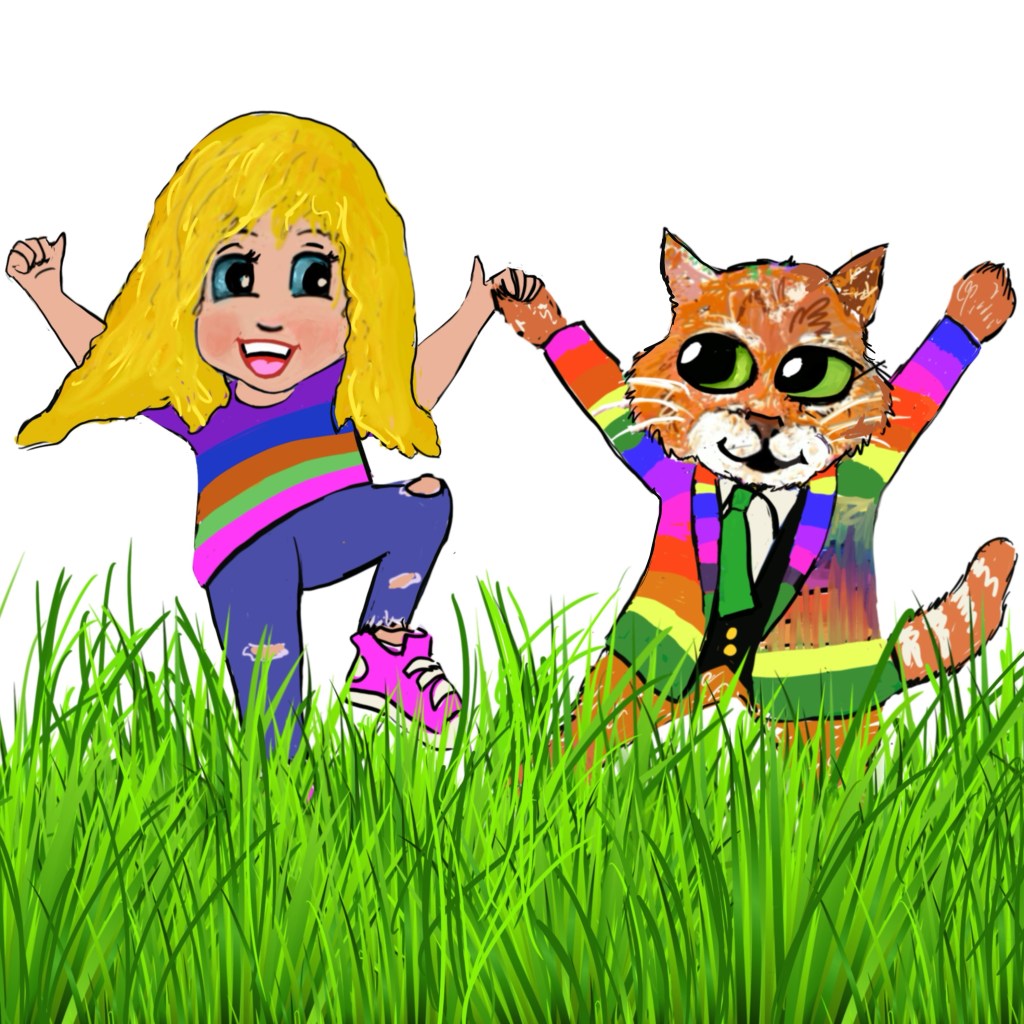
(image: E Segall/Shelley The Artist)
You can read the full article here. Thanks to all at Parents News UK!
Did you know 1 in 5 children face mental health challenges? Let’s make a difference together this #ChildrensMentalHealthWeek by taking part and donating to Place2be if you can.
The theme of this year’s week is ‘Know Yourself, Grow Yourself’, which is about encouraging children and young people across the UK to embrace self-awareness and explore what it means for them.
This year Place2be is partnering with Here4You, supported by the Walt Disney company and the Inside Out 2 characters to explore the theme.
I was diagnosed with anxiety and depression as a 15 year old, and had anxiety from a young age. I was also diagnosed with bipolar disorder at 16 and in a CAMHS unit in hospital in 2004. We know these days that more children are struggling, which is why awareness weeks like this are so important.
Through my kids book, Arabella and the Worry Cloud, I try to help children with their own anxiety to help them process their feelings with a trusted adult.
With Dry January almost coming to an end, the charity initiative which encourages people to abstain from alcohol for the whole month, should be approached with caution, says an expert.
Dry January was started by Alcohol Change UK in 2014 and challenges Britons to give up alcohol for the month of January. The concept has proven popular and has expanded across the globe, including huge adoption in the US.
But according to addiction specialist, Nicholas Conn of Help4Addiction, the giving up of alcohol for an entire month can lead to further problems down the line.
“Some of the heavier drinkers may be on the cusp of needing professional help,” he says. “Similarly you may find that some people start to overdrink in February to make up for lost time.”
“It is almost similar to the adverts that discourage smoking on cigarette packets – they can have an opposite effect.”
The average Briton consumes 14 units of alcohol per week (for women, it is around half of this) and for heavier drinks, it can be multiples of this amount.
“In fact,” he continues, “Dry January is more harmful to some individuals who consume alcohol every day or are more reliant on it. The process of alcohol detox or cold turkey can give people withdrawal and they may not have the resources to cope with it. Such side effects include headaches, irritability and changes in their sleep patterns.”
“In a professional setting or under the supervision of trained staff, someone who consumes too much alcohol might be given exercises or medication to help with withdrawal. But trying Dry January without a real plan in place can lead to complications of relapsing and being in a worse position than when they started.”
Advice For People Doing Dry January
“Dry January is a very positive initiative. Alcohol has some very negative impacts to the brain, liver and general health, let alone a huge cost to the NHS and society in general due to misbehaviour fuelled by alcohol.”
“Start by setting realistic goals. Perhaps this means limiting the number of days that you drink or the amount that you drink too.”
“Understand why you drink. Do you drink for social purposes or is it habitual? If you consume alcohol to function in the day, to help you get out of bed in the morning or you need it to socialise, you might need to seek professional help from the likes of the NHS or AA.”
“Try alternatives. There are several alcoholic alternatives today such as beers, mocktails and gins. You can also consider moving away from the activities that make you drink such as going to a pub or watching football and taking up a new hobby in January.”
“Dry January starts with you acknowledging that you want something to change and taking lifestyle actions to make these changes.” Conn adds.
“Abstaining from alcohol for one month could be a quick fix, but making a longer term plan is more likely to help you and maintain a healthy balance and lifestyle.”
There is nothing more heartbreaking than to see your child suffering. What’s more, when their mind is playing tricks on them, and they’re experiencing spells of anxiety, it can leave you feeling helpless as the parent/carer. While you may be doing all the right things such as taking them to therapy and encouraging them to talk about their feelings, sometimes their environment can play a huge role in their emotions. Children spend a lot of their time in their bedrooms, especially when they’re feeling anxious about the outside world. Transforming their bedroom into an anxiety-reducing space could be the key to allowing them an environment to disconnect from ruminating thoughts completely.
Be sure to listen to what your children want for their bedrooms before taking the design into your own hands. If they believe a Minecraft bedroom will make them feel happy and give them a sense of security in their space, listen! Otherwise, consider the following tips for designing your bedroom into an anxiety-reducing space.
Colour schemes
Starting with the room’s backdrop, consider painting your child’s room a colour that inflicts a sense of calmness and serenity. There are a number of colours that are proven to create this mood, for example, cool colours such as blue, green and lavender grey are known to create a relaxing feel. Also, pastel shades of favourites such as pink and green are perfect for creating a sense of tranquillity.
Connections to nature
Nature has shown to have immense benefits for reducing anxiety, from going for walks to playing in the park, if your child is struggling to face the great outdoors, consider bringing it to them. For example, add touches of greenery in the space. There can be faux versions of vines winding round their bed, or perhaps give them real plants to take care of and give them a greater sense of purpose. If your child has been begging for an animal, why not start small and get them a fish? It has been proven that watching fish swim back and forth can relax the mind and ease muscle tension.
Blue LED lighting
Lighting can be a hard element of the bedroom to influence. If your child’s bedroom is currently brightly lit with fluorescent light this may not be helping their state of mind. Blue light therapy has been raved for its ability to influence mood and the body’s biological clock. Dimming their bedroom lighting with blue lighting may support their night of rest. Several sensory light appliances can create this experience, in addition to adding texture to the projection that mimics ocean waves.
Create “safe spots”
Sometimes, your child just wants to be alone, and that’s okay. Creating a safe space away from the world can be simple with the addition of a children’s teepee, or if your child has a bunk bed with underspace, make this area more private with curtains. Fill this space with comfy seating, pillows, and games for your child to play. It can be tempting to buy them an Xbox or PlayStation to enjoy in their bedroom, but this can worsen your child’s anxiety and keep their mind active when it’s time for rest. Keep technology away from their bedroom, and keep it comforting and quiet.
Keep schooling separate
Another mistake parents make with their child’s bedroom is adding a desk for them to complete school work. When your child is suffering from anxiety, school can often inflict feelings of discomfort or remind them of unpleasant experiences. Allow your child to do their school work downstairs where you can support them and be there for them. Allocated places for different activities can help them feel a sense of security. Reserve the bedroom for sleep. Having a small table and chair for your child to do artwork can act as a place to explore their creativity.
Encourage rest & relaxation
Encouraging relaxation is essential when transforming your child’s bedroom into an anxiety-reducing space. This involves creating an atmosphere that promotes comfort and signals to your child that their room is a sanctuary for winding down and recharging. Start by investing in high-quality, soft bedding and cosy blankets that make your bed an inviting haven. Add plush pillows or weighted blankets, which are known to provide a sense of security and calmness.
(image: Pexels: Vika Glitter)
An anxiety-reducing space
Transforming your child’s bedroom into an anxiety-reducing space can have a profound impact on their emotional wellbeing. By focusing on calming colours, natural elements, thoughtful lighting, and creating safe and comforting zones, you’re helping to create a sanctuary where they can decompress and feel at ease. Remember, every child is unique, so it’s important to involve them in the process and tailor the space to their individual needs and preferences.
Small changes in their environment can make a big difference in their ability to manage anxiety and feel secure. While this is just one piece of the puzzle, pairing it with emotional support, therapy, and open communication can empower your child to navigate their emotions with greater resilience. A cosy, peaceful bedroom can become their haven—a place to relax, recharge, and truly feel at home.
Author Bio
Amy Jones is a freelance writer and enjoys writing a range of topics, from mental wellness to home renovation and loves researching the latest news and updates. Having worked with a number of different businesses, including Petite Lumeire, Amy is now a freelance writer looking to specialise in children’s mental and physical wellness.
Explore 7 essential facts about depression medication, including types, benefits, side effects, and tips for safe use to support mental health.
Mental health issues like depression are on the rise globally. Medication can be very powerful for many to cope with symptoms, complicated feelings and chemical imbalances. The medication for depression helps even out chemicals in the brain so the symptoms of sadness, low energy, trouble concentrating, etc., lessen, but knowing how these medications work, what they can do for you, and what side effects they may have can make the trip a little easier. This guide covers seven key facts about depression medication to help you or a loved one make informed decisions for a healthier, happier life.
1. Types of Depression Medication and How They Work
Different types of depression medications work differently within the brain. The most common types of antidepressants include SSRIs, SNRIs, and atypical antidepressants. SSRIs are drugs that help increase serotonin, a chemical that affects your mood. Because they have fewer side effects than older medications, these are typically the first choice for treating depression.
SNRIs work similarly but affect two chemicals in the brain rather than one, and this may help some people respond better. Some other choices may have atypical antidepressants or tricyclics that work with different parts of the brain and are considered when other medications haven’t been effective. Everyone’s body and brain chemistry is different, so finding the best medication for you can take time.
2. Depression Medication is Often Part of a Larger Treatment Plan
Medication alone can assist, but it’s often most effective when combined with other forms of treatment. Therapy, such as cognitive behavioral therapy (CBT), helps people understand and manage their thoughts and behaviors. Many doctors suggest combining therapy with medication for better results.
Depression also needs to be managed with lifestyle changes. Many people have seen their moods and energy increase by eating healthy, exercising, and getting the right amount of sleep. A mental health professional can help create a holistic treatment plan so you can address symptoms and acquire skills to overcome day-to-day hurdles.
3. Medication Takes Time to Show Results
The most important thing to know about depression medication is that it doesn’t work overnight. Most medications take about 4 to 6 weeks to have an effect. When someone is ready to be relieved, patience can be hard.
Your doctor may ask you to report any positive or negative changes during this time. Your doctor can use tracking how you feel to make any needed adjustments to the medication. It is also important to take the medication on a consistent basis because missing doses can slow or prevent effectiveness. If the changes feel slow, stick with the treatment, and you can get better, lasting results.
(image: Christina Craft: Unsplash)
4. Possible Side Effects of Depression Medication
Depression medication can be very effective, but it has some side effects. Nausea, fatigue, headaches, and sometimes weight changes are common. The effects of these medications vary from person to person and from medication type to medication type and often diminish over time as the body adjusts.
You must talk to your doctor if side effects are overwhelming or don’t improve. Your doctor may change your dose or have you switch to a different medication. Although most people say that the benefits of medication outweigh the initial discomfort of side effects, monitoring your experience and communicating with your doctor will help ensure a positive one.
5. Stopping Medication Requires a Doctor’s Guidance
It’s not recommended to stop depression medication abruptly, as it can cause withdrawal symptoms, such as dizziness, headaches, and bad mood. Your doctor can instead help you taper off slowly, giving your body time to adjust. The method for doing this is called “tapering,” where the amount of the drug slowly decreases over time to try and avoid withdrawal.
Some people may feel better and think they don’t need their medication anymore. If you are thinking about stopping, talk with your doctor first. They can help you decide when is the right time and lead you through a safe process. Never stop the medication without a doctor’s advice; otherwise, you risk your progress.
6. Medication Can Be Safe for Long-Term Use with Monitoring
For others, depression medication is a short-term tool to use during difficult times. For others, ongoing symptoms require long-term medication. These medications have been used safely by many people for years under a doctor’s guidance. Regular check ins with your healthcare provider will ensure the medication is still working and that any side effects are being watched.
The doctors may also check for blood pressure or weight to ensure no other side effects in the long run. Depression medication can be a safe and influential part of long-term care if it is properly monitored and can help people live healthier and more fulfilling lives.
7. Depression Medication Isn’t a Cure but Can Support Recovery
Medication helps manage symptoms of depression, but it doesn’t ‘cure’ depression. Depression is often a condition that needs to be watched. Medication may help, but they work best combined with other strategies.
Working with a therapist, staying active, and connecting to supportive people are all very important for recovery. A complete, balanced approach will lead to better mental health, which in turn will decrease the chances of a relapse. This is just one part of the puzzle, alongside other medications that can help someone feel stable and work towards a healthier future.
Conclusion
Depression medication can be a helpful tool for managing symptoms and improving one’s daily life, but it’s important to know how the drugs work their magic, as well as their limitations. Knowing these seven key facts will help people make informed decisions and feel more comfortable using medication for their recovery. If medication is needed for a few months or some years, working closely with a medical provider will ensure medication is used safely and appropriately.
If you or a loved one is seeking help for depression and addiction treatment and you are in the USA, contact Virtue Recovery Las Vegas at 725-777-5685 for guidance on treatment options. Our team is here to support you on your journey to wellness.
This blog was written by a freelance writer and contains paid links.
For many of us, our hair is a part of our identity, a form of self-expression, and a source of confidence. So, when hair loss strikes, it can feel like a punch to the gut, leaving us feeling vulnerable, insecure, and even depressed.
But while hair loss presents real challenges, there are ways to face this struggle while protecting your mental well-being. Reframing your mindset, finding new ways to express yourself, and seeking support can help you regain control.
The Emotional Toll of Hair Loss
Hair loss can hit hard because it’s tied to how we see ourselves. Here are some reasons it can be emotionally challenging:
Loss of Confidence
Losing your hair can make you feel like you’re losing part of your identity or attractiveness. You might find yourself avoiding mirrors, skipping social events, or feeling uneasy at work.
The good news? You can take steps to rebuild your confidence. Start by seeing a doctor or dermatologist to figure out what’s causing your hair loss — whether it’s genetics, hormones, or another health condition. They can guide you toward hair loss treatments like minoxidil or hair restoration options.
Loss of Control
Hair loss can feel like an unpredictable journey, especially when it stems from factors like genetics, health conditions, or medications. This lack of control over the situation can leave you feeling frustrated and powerless. However, arming yourself with knowledge and seeking professional guidance can help restore a sense of agency.
Fear of Social Stigma
Society often equates a full head of hair with youth and attractiveness, making hair loss feel like a big deal. You might worry about judgment or feel isolated. Remember: hair loss is incredibly common, and embracing it on your own terms can help you regain confidence.
How Hair Loss Affects Mental Health
(image: towfiqu, Unsplash)
Hair loss isn’t just a cosmetic issue; it can have a significant emotional impact. Here’s how it might affect you:
Anxiety and stress: Constantly worrying about your hair can create a cycle of stress. Unfortunately, stress can worsen hair loss (a condition called telogen effluvium). Breaking this cycle means addressing both the physical and emotional sides of the issue.
Depression: For some people, hair loss can lead to feelings of sadness, hopelessness, or even depression. It’s not just about appearance — it’s about feeling disconnected from yourself and others. If these feelings persist, talking to a therapist can help.
Social withdrawal: When you feel self-conscious about your hair, it’s easy to retreat from social interactions. You might avoid events, gatherings, or even everyday conversations because you feel like everyone is noticing your hair. Over time, this isolation can make you feel lonelier and less confident.
Supporting Mental Health During Hair Loss
Dealing with hair loss can be an emotional rollercoaster, but there are practical steps you can take to protect your mental health and rebuild your confidence.
Seek Professional Guidance
Therapists can help you work through the emotions tied to hair loss. Techniques like cognitive-behavioral therapy (CBT) can help shift negative thought patterns and build resilience. Joining a support group — online or in-person—can also be a great way to connect with others who understand what you’re going through.
Explore Your Treatment Options
Today’s hair loss treatments offer more choices than ever. Depending on the cause, options might include medications, topical treatments like minoxidil, or even surgical procedures like hair transplants. Consulting a dermatologist can help you create a personalized plan.
Experiment with Alternatives
While waiting for long-term treatments to work, consider wigs, toppers or hairpieces. These options have come a long way in terms of comfort, quality, and appearance. They can provide a confidence boost and allow you to experiment with different looks without committing to permanent changes.
Prioritize Your Overall Health
Your overall health plays a big role in how you feel — and even in the health of your hair. A balanced diet with nutrients like iron, zinc, and biotin can support hair growth. Regular exercise helps manage stress and boosts your mood, which can also help with certain types of hair loss.
Lean on Your Support System
Talking to friends or family members you trust can make a huge difference. Sharing your feelings with someone who listens and offers encouragement can help you feel less alone and more supported.
Hair loss is a personal journey, and it’s normal to feel a mix of emotions as you go through it. The most important thing is to focus on what makes you feel empowered. Whether it’s exploring treatment options, connecting with supportive communities, or finding new ways to express yourself, you have the tools to take charge of your well-being.
No matter where you are in your journey, help is available. With the right support and resources, you can move forward with confidence.
This blog was written by a freelance writer and contains paid links.
So many aspects of life can impact your mental and physical health and overall wellbeing. In this blog, we will be focusing on relationship stress, seasonal changes and our homes and how they can impact our wellness.
Your Relationship
Your relationship is one of the things that can impact your health the most. Of course it has the ability to impact your mental health, though we’re also talking about the physical side of things. This is especially apparent if your relationship is full of stress and causing you to struggle mentally. Stress from relationships can trigger skin conditions such as acne and break outs. It can be a reaction that your body is having, to tell you that it needs to slow down and heal.
Relationship troubles can lead to arguments and isolation and cause emotional difficulties. If you’re worried that your relationship is not good for your health, try talking to your partner calmly and in a safe environment. If this is not possible, reach out to a therapist or support network too.
The Season
Time of the year has a huge effect on our mental health, the season changes everything. In the fall (autumn) and the winter it’s far more common for people to be ill with depression due to the weather, than it is in the summer months. People also become more physically unwell too. This could be for a number of reasons, but it’s partially because people’s immune systems are weaker when it’s colder outside.
So, if you notice that you are getting poorly, that your joints are hurting, that you’re generally feeling unwell, it could be because of the colder weather and season.
Your Home
Your home doesn’t mean to harm you, but sometimes a build up of dust or toxic material, a leaking roof or something else can really cause you problems you can’t avoid. You can try cleaning, making repairs, and even throwing out old furniture and replacing it with new pieces. Oak dining chairs and tables are in fashion right now, so why not consider it?
At the end of the day, there are so many different things that can impact your health and you have to be ready for all of them. It’s important that you remain vigilant, and if something seems to be causing you any issues with your health, you have to work on it asap and reach out for support from your doctor.
January can be a challenging month for us all, post the festivities and time off work. I just thought I would write a little update here.
This year, I am looking for a new role in Digital Communications for charities/ lifestyle brands, Journalism or Writing. I have also written the sequel to Arabella and the Worry Cloud– which is very exciting. I loved writing it and hope to work on it further this year :). The story came to me in Summer 2024 and I have been refining it. This month, my story (and my Dads) is also featured in ‘The Inherited Mind’, an amazing book by journalist James Longman about his search to understand whether mental illness is inherited – which is out now with Hyperion Books!
I had some time off over Christmas break and my husband Rob and I spent a wonderful holiday in Rome. It was really wonderful to explore the city (Robs first time there), eat lots of delicious food and just have time together! We tend to go away in the Winter due to Robs annual leave and have lots of lovely memories to sustain us through the new year (we went to the Colosseum and Roman Forum, Stadio Olimpico and Jewish Museum). We visited lots of restaurants and an amazing gelato shop (Marlene’s) and went shopping. We spent New Years Eve eating a yum dinner with wine and it was a very special week.
My health is a work in progress. I am working with the NHS Oviva programme to lose weight at the moment- which I hope will boost my fertility and general health- both mental and physical (and hopefully improve my PCOS). I will give more updates on that when I have experienced more of the programme- but I am working alongside a dietitian and medical professionals.
Mentally, it has not been an easy time and there has been a lot going on outside of all of this, but I am trying to take it day by day, hour by hour and create new opportunities for myself to thrive. There’s times where we all don’t feel good enough and have imposter syndrome. I do believe miracles happen when we choose joy and choose to co-create. The right opportunities will come- career wise, financially and health wise. I have been feeling more anxious at times but every day is different and I am trying to reset and look after myself, and those around me.
Here’s to a a happy and healthy 2025 with lots of amazing things manifesting!
I have been really lucky that this festive season, SIMBA beds have gifted me their Custom Comfort Hybrid Pillow to use to help support my head and neck and get a wonderful night’s sleep.
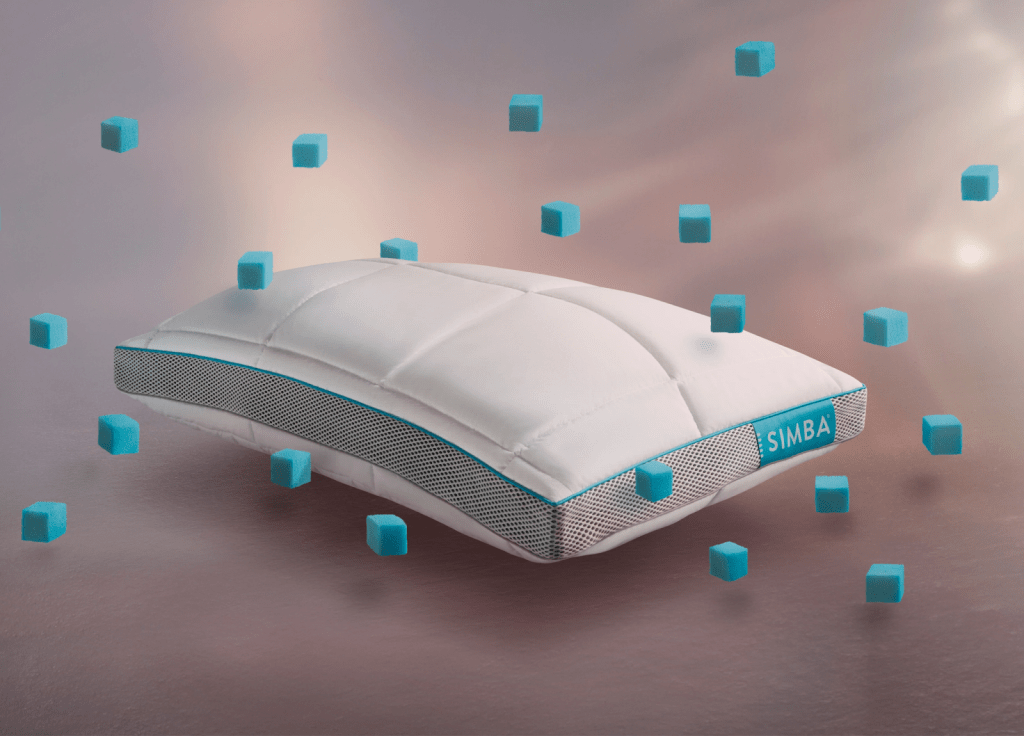
This pillow is designed for revolutionary, personalised comfort. A unique fusion of superb, down-like cushioning with innovative tech. The pillow contains a cotton cover with cool touch tech to support better sleep. It has adjustable height and firmness with a supportive core and a mesh border for maximum air flow, once opened! Plus, it has a washable cover (always a bonus!). SIMBA have truly thought of everything to give you excellent comfort.
I received the pillow in the post, it is large (about A3 size) and SIMBA have said that it has special foam Nanocubes® technology! The turquoise cubes mean its not too soft, not too high, not too firm… always ‘just right’. I find it so comfortable!
SIMBA describe this as, ‘Thanks to the knitted, inner pillow of tiny, squishy, foam Nanocubes® you’ll find at the heart of every Hybrid® pillow; not only does this clever system encourage greater airflow, but you can also remove/add cubes to achieve the height and firmness you prefer in your pillow.’
(image: Unsplash)
I often find also that I get hot at night or it is just too warm from the central heating to sleep in winter. So what could be more helpful than the cooling aspect of this pillow? . It dissipates excess heat and provides instant coolness! This is due to its Stratos® cool-touch tech similar to the innovation that keeps astronauts cool in space! This pillow is also Menopause friendly, so great for any hot flushes at night time.
The pillow feels firm yet comfortable with a definite softness that makes me want to sink right in to it. I love the fact it is adjustable and helps me feel cool at night too. SIMBA say that ‘A soft, cloud-like fill is key to the superb comfort and quality of our pillows and duvets. It consists of springy polyester fibres gently combed and folded into airy, cushioning layers.’
For good sleep hygiene and having a cool, calm bedroom with good support for your head, I really recommend the SIMBA Hybrid Pillow. After one night, I am already loving it and I cannot wait to use it for many more nights for a gentle and comfort filled sleep. Good sleep is so integral to good mental health- thanks SIMBA for letting me have and review this pillow!
I was gifted a SIMBA Hybrid Pillow, in return for an honest review. This article contains non-sponsored links.
With the nights drawing in, The Works have teamed up with the mental health charity, Mind, to raise awareness of the mental health benefits of crafting.
The winter can be especially difficult for many, with darker, colder days and prolonged periods of rain affecting energy, mood, anxiety and stress levels. Some people may experience Seasonal Affective Disorder, which is a type of depression experienced during different seasons or times of year.
Stephen Buckley, Head of Information at Mind said,
“We know that crafting can be a powerful way to support mental health and wellbeing. Creative activities like card-making or knitting require focus, which may help us disconnect from daily pressures and find a welcome distraction. Learning a new skill can also bring a sense of accomplishment, which can be especially rewarding as the nights draw in. The repetitive motions of these crafts can feel meditative and calming, making them a helpful tool for managing stress, depression, and anxiety. Different things will work for different people and the main thing is finding a craft you enjoy and which fits into your life.”
Mind and The Works have produced a blog post with some ideas for easing stress and anxiety, boosting concentration, focus and memory.
Lynne Tooms, Chief Commercial Officer at The Works said, “Channelling your emotions into creativity can have a huge impact on us as adults, with various craft types having a big impact on our mood and sense of achievement, as well as providing us with skills and hobbies that can turn into passions to enjoy all year round.”











 beurownlight.com