


(image: E Mandelstam: Burano)
I was hesitant to write this blog as my husband Rob and I have just come back from a truly wonderful holiday in Venice, Italy and I feel so grateful we had that time together. We had been waiting all year to go away properly and we had the best time. We walked over many bridges, saw some beautiful things such as St Marks Square and Basilica, Museo Correr (where I found the most incredible ballroom that was like the one in Beauty and the Beast- see photo below), The Doges’ Palace and we celebrated Robs birthday by going on a day trip by boat to Murano and Burano Islands. Murano is the home of stunning glassmaking and Burano is the island with the colourful houses and its a UNESCO world heritage site, famous for lace making. It was so pretty! We also toured the Jewish quarter- the ghetto in Cannaregio and synagogues, ate lots of delicious food (pasta and tiramisu) and went to Chabad (the Jewish centre) for shabbat, went shopping, took water buses and gondolas and just really enjoyed the time off work and exploring. Venice is a truly beautiful place and at every turn you can see something new and exciting- whether its a boat or gondola going along the canal or towers of meringues in a bakery window, to seeing an old lady shuffling over a bridge carefully with her stick and Italians carrying their dogs in little bags to keep them warm, Venice is full of character and of life. One of my favourite things was seeing the laundry (yes really) being hung out on pulleys over the canal in the Jewish Ghetto area, as they don’t have gardens.
I surprised myself this trip with how much I was able to do exercise wise. My husband loves to keep busy and lives life at a faster pace than I do and there were mornings where I found this hard and felt overwhelmed by the thought of the day, so rested and went out later in the day. But generally, we were able to go and explore some wonderful things together. There were a few days I did 14,000 steps a day! Which for someone who is quite sedentary normally, I was so pleased I could do this. Venice was just a truly beautiful city- we stayed in a lovely hotel that used to be a Palazzo (Palace) and had Murano glass chandeliers, it also was on the Grand Canal and had a Vaporetto (water bus) and Water taxi stop. Exploring the city with my husband gave me such a lovely focus and I was really amazed by how much I was able to do, how much walking I did, which proved to me that I can be active and explore.
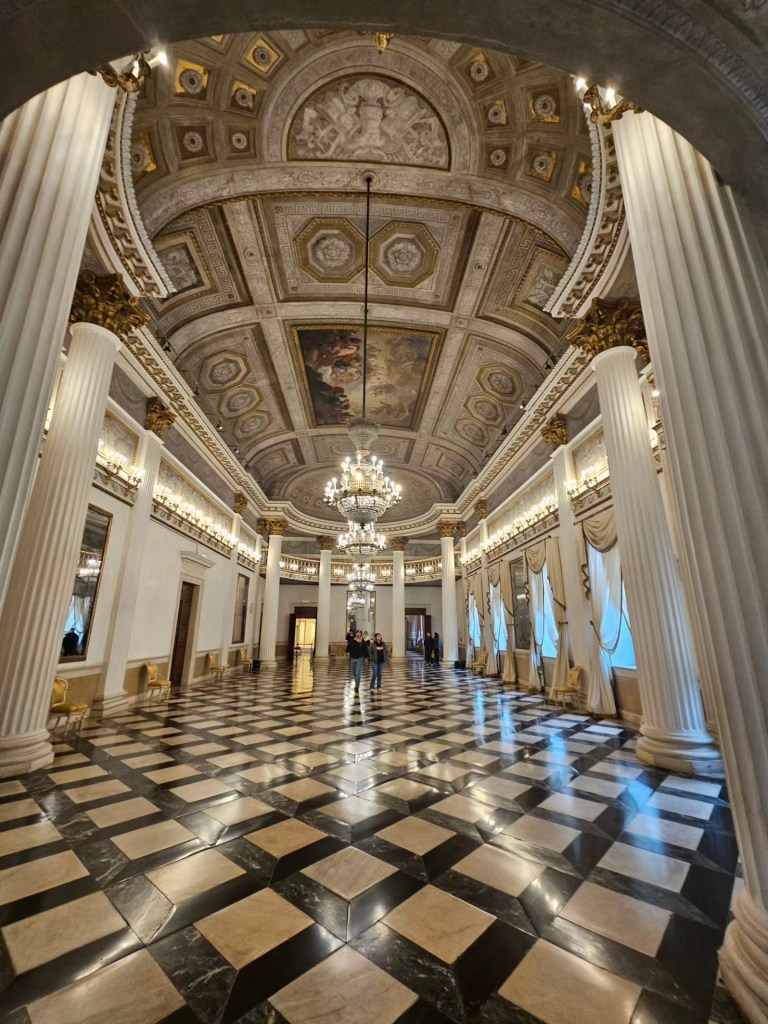
(image: E Mandelstam- Museo Correr)
Coming home, I have felt hugely grateful to have had this time with Rob. However, adjusting back to normal life in January is hard anyway, but after a holiday I find my anxiety rises a bit. There have been plans I wanted to do here that I havn’t been able to do. However, I am working on it and on exposure therapy with myself to try and do more things here, go out the house more (as I work from home) and do what I can so that my anxiety doesn’t stop me from living my life.
When you have an anxiety disorder, it can be tough sometimes to go outside, to meet people, to do basic things in your normal environment. The weather is cold and dark early, all you want to do is hibernate. Which I feel is OK! I do notice though that its when I start feeling more anxious and unable to do things and can’t push myself that I have to take a step back and start looking after myself, just plan in a few small things to achieve. Overplanning for me tends to be a disaster! Even on holiday, if there was too much planned in, I found I couldn’t always do it and so we had to adapt plans, but I still did lots so to me, that was a win.
The January blues can be hard whether you have been lucky enough to go away or whether you are here and contemplating a brand new year and what it can bring. Remember to be kind to yourself and make things achievable. Whether you’re looking for a new job or you want to achieve another goal, know it will unfold at the right time. I am not good with being patient, but sometimes we have to be!
If you are struggling with your mental health and you need more support, please reach out to your GP, psychiatrist or therapist if you have one. I find things like taking my medication on time and getting enough rest also help me too. I am also counting the wins of thank G-d being well enough to travel and enjoying that time with my husband. I still achieved things and I have to remember I am capable of more than I think sometimes. The most important thing for me is making I do not spend too much time indoors- as the anxiety can then worsen.
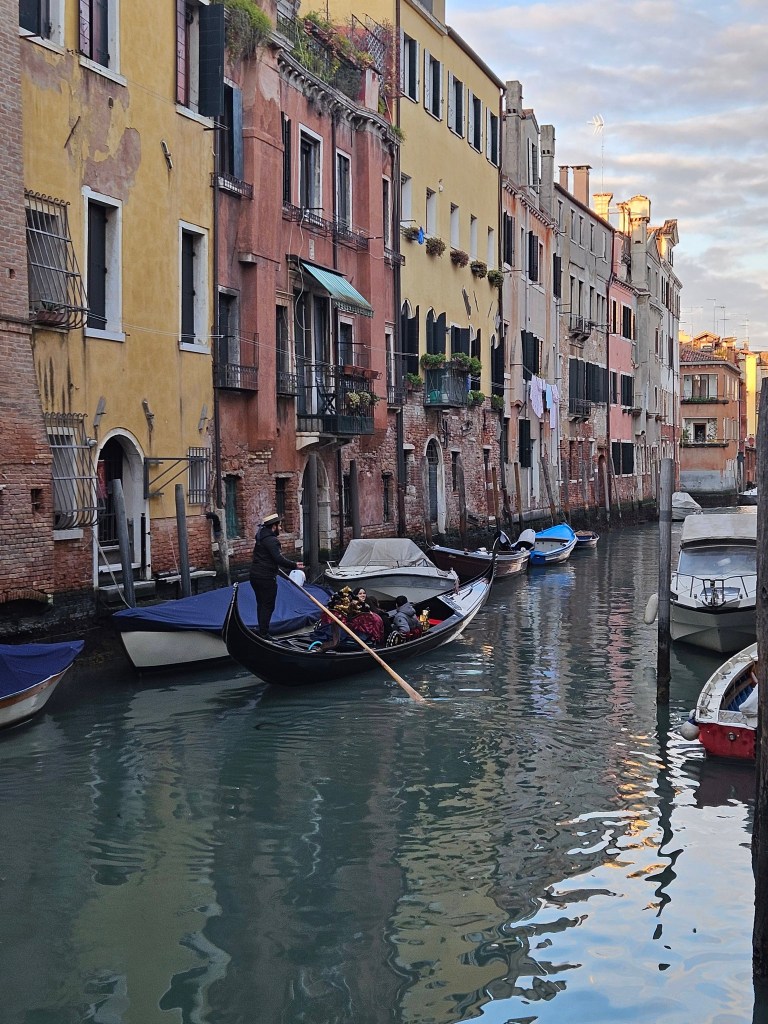
(image: E Mandelstam- Cannaregio gondola)
How are you finding the January blues/ anxiety?
Eleanor x

 beurownlight.com