Explore 7 essential facts about depression medication, including types, benefits, side effects, and tips for safe use to support mental health.
Mental health issues like depression are on the rise globally. Medication can be very powerful for many to cope with symptoms, complicated feelings and chemical imbalances. The medication for depression helps even out chemicals in the brain so the symptoms of sadness, low energy, trouble concentrating, etc., lessen, but knowing how these medications work, what they can do for you, and what side effects they may have can make the trip a little easier. This guide covers seven key facts about depression medication to help you or a loved one make informed decisions for a healthier, happier life.
1. Types of Depression Medication and How They Work
Different types of depression medications work differently within the brain. The most common types of antidepressants include SSRIs, SNRIs, and atypical antidepressants. SSRIs are drugs that help increase serotonin, a chemical that affects your mood. Because they have fewer side effects than older medications, these are typically the first choice for treating depression.
SNRIs work similarly but affect two chemicals in the brain rather than one, and this may help some people respond better. Some other choices may have atypical antidepressants or tricyclics that work with different parts of the brain and are considered when other medications haven’t been effective. Everyone’s body and brain chemistry is different, so finding the best medication for you can take time.
2. Depression Medication is Often Part of a Larger Treatment Plan
Medication alone can assist, but it’s often most effective when combined with other forms of treatment. Therapy, such as cognitive behavioral therapy (CBT), helps people understand and manage their thoughts and behaviors. Many doctors suggest combining therapy with medication for better results.
Depression also needs to be managed with lifestyle changes. Many people have seen their moods and energy increase by eating healthy, exercising, and getting the right amount of sleep. A mental health professional can help create a holistic treatment plan so you can address symptoms and acquire skills to overcome day-to-day hurdles.
3. Medication Takes Time to Show Results
The most important thing to know about depression medication is that it doesn’t work overnight. Most medications take about 4 to 6 weeks to have an effect. When someone is ready to be relieved, patience can be hard.
Your doctor may ask you to report any positive or negative changes during this time. Your doctor can use tracking how you feel to make any needed adjustments to the medication. It is also important to take the medication on a consistent basis because missing doses can slow or prevent effectiveness. If the changes feel slow, stick with the treatment, and you can get better, lasting results.
(image: Christina Craft: Unsplash)
4. Possible Side Effects of Depression Medication
Depression medication can be very effective, but it has some side effects. Nausea, fatigue, headaches, and sometimes weight changes are common. The effects of these medications vary from person to person and from medication type to medication type and often diminish over time as the body adjusts.
You must talk to your doctor if side effects are overwhelming or don’t improve. Your doctor may change your dose or have you switch to a different medication. Although most people say that the benefits of medication outweigh the initial discomfort of side effects, monitoring your experience and communicating with your doctor will help ensure a positive one.
5. Stopping Medication Requires a Doctor’s Guidance
It’s not recommended to stop depression medication abruptly, as it can cause withdrawal symptoms, such as dizziness, headaches, and bad mood. Your doctor can instead help you taper off slowly, giving your body time to adjust. The method for doing this is called “tapering,” where the amount of the drug slowly decreases over time to try and avoid withdrawal.
Some people may feel better and think they don’t need their medication anymore. If you are thinking about stopping, talk with your doctor first. They can help you decide when is the right time and lead you through a safe process. Never stop the medication without a doctor’s advice; otherwise, you risk your progress.
6. Medication Can Be Safe for Long-Term Use with Monitoring
For others, depression medication is a short-term tool to use during difficult times. For others, ongoing symptoms require long-term medication. These medications have been used safely by many people for years under a doctor’s guidance. Regular check ins with your healthcare provider will ensure the medication is still working and that any side effects are being watched.
The doctors may also check for blood pressure or weight to ensure no other side effects in the long run. Depression medication can be a safe and influential part of long-term care if it is properly monitored and can help people live healthier and more fulfilling lives.
7. Depression Medication Isn’t a Cure but Can Support Recovery
Medication helps manage symptoms of depression, but it doesn’t ‘cure’ depression. Depression is often a condition that needs to be watched. Medication may help, but they work best combined with other strategies.
Working with a therapist, staying active, and connecting to supportive people are all very important for recovery. A complete, balanced approach will lead to better mental health, which in turn will decrease the chances of a relapse. This is just one part of the puzzle, alongside other medications that can help someone feel stable and work towards a healthier future.
Conclusion
Depression medication can be a helpful tool for managing symptoms and improving one’s daily life, but it’s important to know how the drugs work their magic, as well as their limitations. Knowing these seven key facts will help people make informed decisions and feel more comfortable using medication for their recovery. If medication is needed for a few months or some years, working closely with a medical provider will ensure medication is used safely and appropriately.
If you or a loved one is seeking help for depression and addiction treatment and you are in the USA, contact Virtue Recovery Las Vegas at 725-777-5685 for guidance on treatment options. Our team is here to support you on your journey to wellness.
This blog was written by a freelance writer and contains paid links.
Recovery is often daunting for many who have struggled with an eating disorder. There can be so much uncertainty about how to find the right path forward, and it’s easy to feel overwhelmed and defeated before you even begin. However, treatments and resources are available that can help make things more manageable — both physically and emotionally. In this blog post, we’ll explore some of the key aspects of recovery through eating disorder treatment therapy, such as various therapy options, self-care strategies, diet modifications, medical support, and more. Whatever stage you’re at in your journey toward healing from an eating disorder — whether just starting or progressing down a patchwork of paths leading toward hope — these concepts might provide useful insight into the road ahead and steady guidance.
Understanding Eating Disorders
Eating disorders are complex and multifaceted conditions that can affect anyone, regardless of age, gender, or background. Understanding them can be difficult, but it’s essential for promoting recovery and preventing relapse. Eating disorders are often characterized by an unhealthy preoccupation with food, weight, and body shape and can lead to a broad range of physical and mental health issues. However, people with eating disorders can recover with the right treatment and support. Educating ourselves and those around us can help combat the stigma surrounding these conditions and encourage greater understanding and compassion.
a. Definition of Eating Disorders
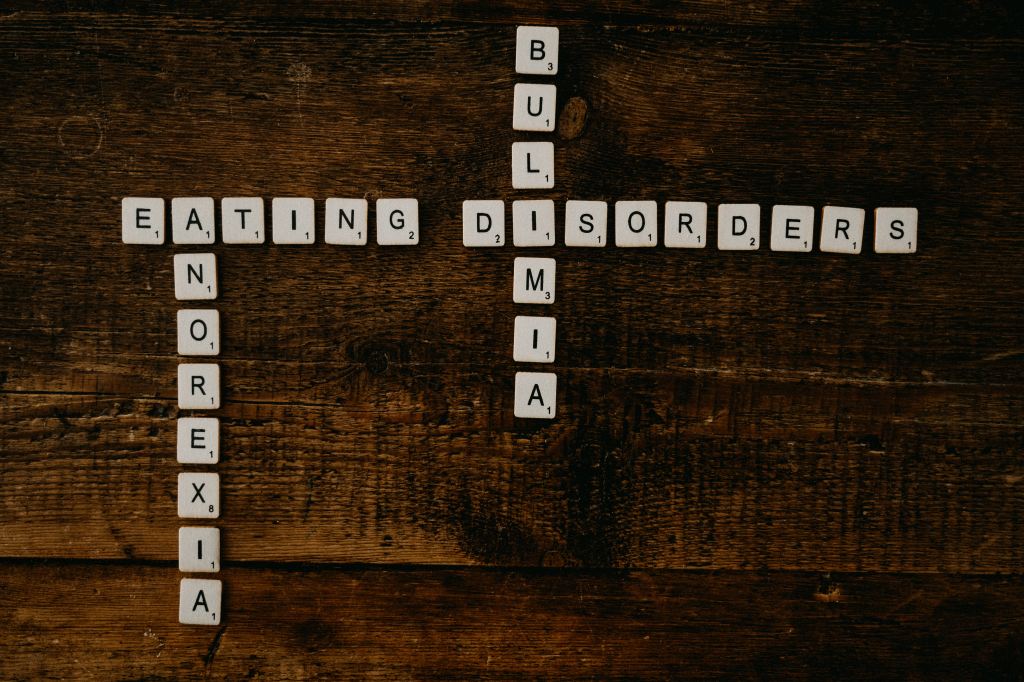
Eating disorders are a complex group of mental illnesses characterised by eating habits that often cause serious physical and emotional damage. The most common types of eating disorders include anorexia nervosa, bulimia nervosa, and binge-eating disorder. Anorexia nervosa involves restricting food intake and often leads to extreme weight loss, while bulimia nervosa involves eating large amounts of food followed by purging through vomiting or excessive exercise. Binge-eating disorder involves eating large quantities of food in a short amount of time, often leading to feelings of guilt and shame. While eating disorders can be life-threatening, there is hope for recovery through specialised treatment and support. If you or someone you know is struggling with an eating disorder, it’s important to seek professional help to begin healing.
b. Examples of Eating Disorders
Eating disorders are complex and serious mental illnesses affecting people of all ages, genders, and backgrounds. Some examples of eating disorders include anorexia nervosa, bulimia nervosa, binge eating disorder, and avoidant/restrictive food intake disorder. A limited range of foods and avoiding or restricting certain food groups characterizes avoidant/restrictive food intake disorder. It’s important to seek professional help if you or someone you know is struggling with an eating disorder, as they can have serious physical and psychological consequences. However, with the right treatment and support, recovery is possible.
The Impact of Eating Disorders
Eating disorders are more than just a physical condition. They take a toll on a person’s mental health, relationships, and overall quality of life. Whether it’s anorexia nervosa, bulimia, or binge eating disorder, these conditions can leave long-lasting effects on those who suffer from them and their loved ones. But it’s important to remember that recovery is possible. With the right support and treatment, individuals with eating disorders can regain control of their lives and improve their well-being. Let’s continue to raise awareness and support those who may be struggling with these disorders.
a. Physical Health Complications
Taking care of our physical health is crucial to living a happy and fulfilling life. Physical health complications can arise from various factors, such as genetics, lifestyle choices, and environmental factors. It’s important to be proactive in maintaining good health. By being attentive to our bodies and taking preventive measures, we can reduce the likelihood of physical health complications and improve our overall well-being. Don’t take your physical health for granted – prioritise it in your daily routine.
b. Emotional and Mental Health Effects
Taking care of our emotional and mental health is as important as physical health. After all, a healthy mind is essential for a happy and fulfilling life. When we experience emotional and mental health effects, it can have a significant impact on our overall well-being. For example, stress, anxiety, and depression can prevent us from enjoying the things we love or even getting out of bed in the morning. That’s why it’s crucial to recognise when we’re experiencing emotional and mental health effects and seek support if needed. With the right tools and resources, we can manage our emotions and prioritise our mental health to live our best lives.
Treatment for Eating Disorder Recovery
If you or someone you know is struggling with an eating disorder, it’s important to seek professional help for recovery. Treatment for eating disorder recovery typically involves a combination of therapy, nutritional counselling, and sometimes medication. The goal of treatment is to address the disorder’s physical, emotional, and psychological aspects. Therapy sessions may focus on identifying triggers, developing coping mechanisms, and exploring underlying issues contributing to the disorder. Nutritional counselling can help individuals establish a healthy and balanced relationship with food. Medication may be prescribed to address co-occurring conditions such as depression or anxiety. Remember, recovery is possible, and seeking help is often the first step toward a happier and healthier future.
a. Types of Treatment Available
When seeking treatment for any ailment, knowing what options are available to you is important. Treatment can come in various forms, such as medication, therapy, surgery, or a combination. Medication is often used to manage symptoms of illnesses, while therapy allows individuals to work through their mental or emotional struggles with the guidance of a trained professional. Surgery may be necessary to correct physical ailments or injuries. Whichever treatment type you may require, it is essential to seek the advice of a healthcare professional to determine the best course of action for your individual needs. So, don’t hesitate to explore and ask questions about your options and make informed decisions about your own wellbeing.
b. Finding the Right Treatments for You
When finding the right treatments for your health concerns, it’s important to remember that everyone’s journey to wellness is unique. Whether you’re dealing with physical or mental health concerns, it’s important to work closely with healthcare professionals to determine the right course of treatment for you. This may involve trying different medications or therapies until you find what works best. Taking a proactive role in your health is also important, educating yourself on potential treatments and advocating for your needs. Remember, finding the right treatments may take some time and patience, but you can achieve optimal health and wellness with the right tools and support. If you are in crisis, you may require further support in hospital and from specialist care.
Building a Support System
Building a support system is essential for anyone who wants to thrive. It’s important to have people who support you, understand you, and encourage you to pursue your dreams. Whether it’s family, friends, or colleagues, having a support system can make all the difference in challenging times. Don’t be afraid to reach out and ask for help when you’re feeling overwhelmed or need advice. Building a support system is an ongoing process, so don’t hesitate to reach out to new people and strengthen your connections over time.
a. Reaching Out to Loved Ones
When life gets chaotic, it’s important to remember to reach out to your loved ones for support. Whether facing a personal challenge or needing some company, the warmth and understanding of family and friends can make all the difference. It’s easy to get caught up in the hustle and bustle of daily life and forget to make time for those who matter most, but a simple phone call or visit can go a long way in strengthening your relationships. So if you’ve been feeling a little disconnected lately, take a moment to reach out to your loved ones today. You’ll be glad you did.
b. Finding Professional Support
When finding professional support, knowing you’re not alone is important. Seeking help from experts in a particular field can be the key to unlocking a wealth of knowledge and resources that can prove helpful in resolving any issue you may be facing. Whether you’re looking for financial advice, career guidance, or mental health support, professionals are ready and willing to lend a helping hand. Don’t be afraid to reach out and ask for assistance. This step can be the first step towards overcoming any obstacles. Remember, there is no shame in seeking help and doing so can be a sign of strength and determination.
Overcoming Challenges in Recovery
Entering recovery can be a daunting experience, but it’s important to remember that it’s a journey full of challenges and rewards. Overcoming these challenges is no small feat, but it’s possible with the right mindset and support. Each person’s recovery journey has unique obstacles, but some general strategies can help.
Overcoming these challenges is no small feat, but it’s possible with the right mindset and support. Each person’s recovery journey has unique obstacles. Practicing self-care, building a supportive network, and seeking professional help are all powerful tools in overcoming challenges in recovery. Remember, progress is not always linear, and setbacks are a natural part of the process. But with perseverance and a positive attitude, anyone can overcome the challenges of recovery and emerge stronger and healthier on the other side.
a. Coping Mechanisms for Stressful Situations
Stressful situations can be overwhelming, but we all have coping mechanisms that help us make it through. These strategies include taking deep breaths, walking, or talking to someone we trust. It’s important to remember that what works for one person might not work for another, so it’s helpful to experiment and find the best techniques for you. And, of course, practicing self-care and making time for activities that bring us joy can also help reduce overall stress levels. With a little effort and a willingness to try new things, we can develop effective coping mechanisms and find ways to better manage stress when it arises.
b. Working Through Setbacks
Life is full of ups and downs, and setbacks are an inevitable part of the journey. It can often feel like the setbacks are bigger than the progress, but it’s important to keep pushing forward. Instead of getting discouraged, view setbacks as an opportunity to learn and grow. Analyze what went wrong and make the necessary adjustments to your plan. It’s also important to give yourself some grace. Be kind to yourself, and remember that setbacks don’t define you. Everyone experiences setbacks, and how we handle them sets us apart. With perseverance, a positive attitude, and a willingness to learn, you can work through any setback that comes your way.
Celebrating Progress in Recovery
Recovery can be a long and difficult journey with setbacks and challenges. That’s why it’s important to take a moment to celebrate the progress that’s been made along the way. Whether it’s a small victory like going a day without giving in to temptation or a breakthrough like finally finding the right treatment plan, each step forward is worth recognition and appreciation. Celebrating progress can help motivate continued efforts and create a sense of accomplishment that boosts self-confidence and determination. So, let’s take a moment to celebrate the progress made in recovery, no matter how big or small, and remember that each step forward is closer to the ultimate goal of lasting health and wellness.
a. Focusing on Small Wins
Focusing on small wins can be a game-changer in our personal and professional lives. We can take action and celebrate our progress by breaking down big goals or tasks into smaller, more manageable steps. Small wins can boost our confidence, increase motivation, and ultimately lead to bigger successes. Whether completing a simple task at work or achieving a personal milestone, taking the time to acknowledge and appreciate these small victories can have a powerful impact on our overall well-being. So, the next time you face a daunting task, remember to focus on the small wins and enjoy the journey toward achieving your goals.
b. Taking Time to Reflect on Accomplishments
In our fast-paced world, it’s easy to get caught up in what’s next on the to-do list without taking a moment to appreciate what we’ve already accomplished. That’s why taking time to reflect on our achievements is so important. Not only does it help us remember all the hard work we put in and the obstacles we overcame, but it also allows us to gain a sense of satisfaction and pride in our efforts. Taking a breather and recognizing all we’ve done can give us the motivation and confidence to keep pushing forward and tackling whatever comes next. So, let’s take a moment to pause, reflect, and celebrate all of our accomplishments, big or small.
Eating disorders are highly treatable, and recovery is possible. It will require effort to make progress. Building a support system for yourself is one of the most important components of recovery. When you feel overwhelmed, contact friends and family or an eating disorder professional for guidance. You can also use calming techniques such as relaxation exercises and journaling to help you cope with difficult moments. With help, you can create a healthier lifestyle that allows you to recover from disordered eating behaviours. Together we can end the stigma surrounding eating disorders and support each other on our journeys toward full recovery.
This article was written by Ani. O, freelance writer.
Eating disorders are complex mental health conditions that require a multi-dimensional approach to treatment. They can affect people of all ages, genders, races, and backgrounds, causing severe emotional and physical distress if left untreated. The good news is that there are many safe and effective treatment options available to those struggling with eating disorders. This article will explore some of the most effective ways to safely treat an eating disorder, including therapy, medication, nutrition counselling, and support groups.
Eating Disorder Treatment Therapy
One of the most important aspects of care is eating disorder treatment therapy. There are different types of therapy available to those struggling with an eating disorder, such as cognitive-behavioural therapy (CBT), dialectical behaviour therapy (DBT), and family-based therapy (FBT). These therapies can help individuals identify and change distorted thoughts and behaviours around food, body image, and weight. CBT is particularly effective in treating individuals with anorexia nervosa and bulimia nervosa, while DBT can help those struggling with binge eating disorder and emotional dysregulation. FBT is a family-based approach to treating eating disorders in adolescents and children, which focuses on empowering the family to help the individual recover.
Medication
Medication may also be prescribed to individuals with eating disorders, particularly those with comorbid conditions such as anxiety or depression that are affecting their recovery. Antidepressants can help reduce symptoms of depression or anxiety, while antipsychotics may be prescribed for those with severe symptoms of body dysmorphia, or the distorted belief that their body is flawed. However, medication should be used alongside therapy and other forms of treatment, and under the close supervision of a medical professional.
Nutrition Counselling
Nutrition counseling can be an important part of eating disorder treatment, particularly for those with severe malnutrition or gastrointestinal problems. A registered dietitian can help individuals create a balanced and customized meal plan, learn about appropriate portions, and manage food fears and weight concerns. Nutrition counseling may also include education around mindful eating, intuitive eating, and healthy coping mechanisms. However, it is important to note that nutrition counseling alone is not sufficient for treating eating disorders.
Support Groups
Support groups can be a valuable resource for individuals struggling with eating disorders, as they provide a safe and non-judgmental environment for sharing experiences and gaining support. They can be particularly beneficial for those who cannot afford or access individual therapy, or who prefer a group format. Local and online support groups are available, and many are free or low-cost. Support groups can also provide a sense of community and belonging, which can be helpful in reducing feelings of isolation and loneliness.
Eating disorders can be devastating, but there is hope for recovery. Treatment may involve a combination of therapy, medication, nutrition counselling, and support groups, depending on the individual’s unique needs and circumstances. Recovery is a journey, and it may take time and patience, but with the right support and resources, it is possible. If you or someone you know is struggling with an eating disorder, reach out to a healthcare professional for help. Remember, you are not alone.
Lizzie Weakley is a freelance writer from the USA.
‘Just like a heatwave Burning in my heart Can’t keep from cryin’ It’s tearing me apart’
Temperatures yesterday here in the UK reached 40 degrees celsius, the hottest day here on record ever! Some people love the heat- ‘Oh it reminds me of being on the beach on holiday’, ‘It’s not that hot- just put a cold flannel on your face’ and ‘Why are people moaning, we go abroad to get this weather?’ are things i have heard this week. However, for people like myself who take strong mental health medication, in a country not used to these temperatures, this weather is quite literally no picnic.
Firstly, my parents and sister are redheads with pale skin. I am the same and am not built for the heat or humidity. Then, we can add in the fact that I have bipolar disorder and take daily medication- which if not managed correctly can send my blood and body toxic. This has never happened as I stay indoors, don’t do strenuous exercise and drink constantly (and eat enough) in the heat. Yesterday though was a big risk as it became SO hot.
(image: Karolina Grabowska: Pexels)
The risks of Lithium, a mood stabilising medicine, in the heat are fairly well known. It is a natural salt, dehydrating the body so if you don’t drink enough water or eat enough salt, the level of Lithium in the blood saturates and becomes too high- toxic.
Signs of lithium toxicity include: nausea and vomiting, abdominal pain and diarrhea, confusion, drowsiness, slurred speech, increased thirst and lack of coordination of muscles. Severe toxicity signs are: blurred vision, severe muscle spasms, seizures and coma. It is no joke. So trying to cope with Lithium in 40 degree weather and in most places, lack of air con, meant I was confined to my home as I didn’t want to feel like I was melting or run out of water. Thankfully, I didn’t go toxic!
Additionally, I take the anti psychotic Quetaipine which stops me developing mania and psychosis. This and another such medications can impair the body’s ability to regulate it’s own temperature. I am therefore at risk of developing hyperthermia- excessive body temperature- which can be fatal. (scary right??)
So you can imagine that when I hear we are having a heatwave, I instantly think ‘stay indoors, cool showers, ice lollies, sit by air con unit, drink lots and lots’ . I worry about commuting or travelling in the heat. I still can be out in some heat- but 40 degrees was too much!
Something that has troubled me as i wrote this blog is this. My employers have been amazing and let me work from home yesterday. I am able to hydrate myself and eat and keep myself cool. But for those who are ill and unable to, I imagine many were rushed to A and E with the above symptoms yesterday. As a vulnerable adult, my GP didn’t even call to check on me or highlight the side effects of my meds… I only know all this from Dr Google!
There is still a long way to go with proper care for those of us living with (as termed by my doctor) ‘severe mental illness’ whether we live in remission/recovery or whether we have a support network…..I may be 34, not 94- but I could be at risk and they wouldn’t know.
I hope by writing this blog and highlighting these side effects that more people will be aware of this too- which affects people with bipolar, schizophrenia/ schizoaffective disorder, psychosis, depression and other illnesses where anti psychotic meds are used.
One positive- when the heat broke last night and the summer rain fell as Rob and I watched on our balcony.. it reminded me of being in India during monsoon season and in Ghana having a shower in the rain so I suppose not all bad! I admitted I cheered when I saw the rain.
Lastly, I can’t finish this blog without highlighting we had a family bereavement yesterday- a cousin (but more like an uncle) passed away after illness. I will miss him terribly but learnt so much from him- kindness, humility and faith.
Disclaimer: All medication must only be prescribed by a psychiatrist or GP dealing with you individually. Advice from medical professionals must be sought before taking any medication., Never take someone elses medication or try to cure yourself!
This week, I had a conversation with someone about being on mental health medication, in this case, anti depressants for clinical depression. We reminisced that as teenagers, we just weren’t taught properly by school or in society about mental illness. It wasn’t talked about here in the UK back in the 2000s and everything was really hushed up, cloak and dagger, as if you had to be ashamed of it. As if anything to do with our mind was shameful- no one really had much education, unless it happened in your family.
I know that for many people, even in 2022, taking medication for their mental health carries this sense of shame.
For me personally, I was so ill that there really was no choice for me as a 15 year old, but to be started on medication. My symptoms of bipolar disorder first appeared at the age of 15 with depression and anxiety episodes, followed by mania and psychosis. So, I was on anti psychotic medications as well as what is known as a mood stabiliser, a medicine for mood disorders that stabilises moods (in this case, the bipolar poles). I also took regular anti depressants and anti anxiety medications and still do daily. My medicine regime is pretty intense but it means that my bipolar is well controlled and in remission- and that I am stable. My family has a hereditary illness that can be severe- so medication was the right choice for me.
However, for those without a severe mental illness like bipolar or schizophrenia, you may be recommended to try anti depressants first. There are varying different types which work on seretonin reuptake in the brain and help to balance brain chemistry.(although scientists cannot pinpoint the cause for depression fully yet). These can be used in combination with therapy and exercise to help treat depression and anxiety.
Some families and cultures hold great shame to be seen taking mental health medication and so hide it from loved ones. Others stop taking it, believing they are stable and well because the medication has balanced them out- and then crash into depression. For some though, anti depressants are a shorter term thing. The point is, its all so individual and there is no one size fits all medicine- you must do what is right for your recovery but definitely do not suddenly stop them.
In my family, my Dad was already on mental health medication- Lithium for bipolar, when I became ill. So, I was lucky that I had a loving supportive and accepting family, including plenty of medical professionals who understood. It was a steep learning curve for everyone though. And yes, as a teenager, I did hold some shame for taking medicines because I just wanted to ‘fit in’ and be a ‘normal’ teen. Coupled with the fact no one openly talked about mental illness at school or in general (this was just before social media!) and I felt this overwhelming sense of shame that my brain chemicals had let me down. I never once skipped taking medication though.
The thing is with mental health is that you can’t see it. But, you can absolutely feel when something is wrong and when you feel chemically depressed or other mental illness. This is usually depression unlinked to a life event- you wake up with it and you know its back, you feel despondent and unable to cope.
Yet, because you can’t see it- shame is even greater because how do you explain it to others? And are you ‘weak’ or ‘crazy’ to need medication to function?
The answer is No. To have to take the correct prescribed medication for you daily is an effort. You have to commit to it and to seeing how some medicines go. To go through episodes of mental illness makes you stronger and more resilient, surviving each day. You are not weak, your brain just needs help (like helping diabetes or a heart problem) and the words ‘crazy’ or ‘unhinged’ just serve to reinforce stigma. There is no need to be afraid or filled with shame or self loathing- but it is valid to feel this way as you are human!
In 2017, it was estimated that 792 million people worldwide lived with a mental health disorder (one in 10 globally). 46 million of those had my disorder, bipolar. However, this is the tip of the iceberg because mental illness is often underreported due to stigma. So- you are not alone. There is treatment out there to help you.
Remember not to be ashamed of needing medication to cope with life’s challenges (alongside therapy etc). The stigma is slowly falling and I will continue to write and share to this end.
You are not weak! You are powerful beyond comprehension . Do you take medication? Does it help you?
*Trigger warning: discusses thoughts of suicide and mania, please read with care *
This blog has been courageously written by my Dad, Mike, about his journey with bipolar disorder and the hurdles he faced in getting a diagnosis. For those of you who have read my book, you’ll know some of this. This is the first blog that Mike has written for us and I want to share it on today, Time to Talk Day by the charity Time to Change. So here is Mike’s story….
My experience of Bipolar 1 Disorder was that I was undiagnosed for 9 years. I was never sent to a psychiatrist and was put on the wrong medication (I hadn’t heard of mood stabilisers and seemingly neither had my doctor).
So- What is Bipolar Disorder? (formerly known as Manic Depression)
To me, Bipolar symbolises the two extreme poles of mood- mania and depression. The North Pole is Mania. Mania is wonderful for me- you think you can be anyone, you think you can do anything, achieve anything, You are flying. You think ‘why can’t everyone be like this and experience everything?’. You are much more uninhibited. You may shop more, you spend more money, You think you can FLY!
But you can’t fly and you fall, you fall off a cliff into varying degrees of deep, dark depression, which can last for months.
Bipolar disorder is a chemical imbalance in the brain that causes periods of depression and periods of abnormally elevated mood, mania. The elevated mood is significant, known as mania or hypomania depending on its severity and whether symptoms of psychosis are present. Psychosis means when your mind lose touch with reality, with delusions or hallucinations.
During mania, someone feels abnormally, happy, energetic, irritable and not requiring sleep they often appear to be bouncing off the walls, starting new projects, trying to achieve too much. In some cases, addictions during mania may also present.
During depression, someone with bipolar disorder may be crying, experiencing negative thoughts and giving poor eye contact. You will notice this if you ever have a conversation with someone who is depressed. They may also be suicidal or talk about self harm.
My Story:
My first manic episode occurred in 1991 and I went to the doctor and was prescribed Valium (an anti anxiety calming medication), which was handed out like sweets in those days.
The Valium didn’t do me any harm but they certainly didn’t do me any good. In the next 9 years, I had three manic episodes followed by three increasingly devastating depressive and suicidal episodes, the last of which lasted 5 months.
In my first manic episode I was going out a lot late at night to clubs and bars and spending too much money. My second and third manic episodes were much more controlled as I recognized what was going on but I was still much more outgoing than usual and spending too much money.
My depressive episodes were serious and eventually suicidal and lasted 3, 4 and 5 months respectively. I often stood on the edge of a London Tube platform thinking about ending it all. I would drive down the motorway at speed not turning the corners until the last possible moment. I would stand in the bathroom with hands full of tablets thinking about overdosing and ending my life. Mostly, I was at home in bed doing nothing but sleeping , eating and surviving.
The person you would meet today is not the person you would have come across at that time.
Looking back there was no real connection made between these episodes and I wonder 1. Why I was never hospitalised and 2. Why I wasn’t diagnosed more quickly.
First of all, 30 years ago far less was known about Bipolar Disorder so the doctors weren’t quick to diagnose it. Secondly, it was only after 9 years that my GP reviewed my file and noticed that I had never been referred to a psychiatrist.
This was the breakthrough that changed and saved my life.
I went to The Priory hospital to see a psychiatrist, describing my episodes. Within 45 minutes I had a diagnosis,
”You have a mental illness. It has a name, It is Bipolar 1 Affective Disorder. You have it for life and it is treatable with the drug Lithium.”
Lithium balances out the chemical imbalance so you end up between the poles and mood is then stabilised. I am pleased to say that in the past 20 years, the medication has worked for me and has stabilised my bipolar disorder, so I no longer get episodes of mania or depression.
I am also pleased to say that as quite an emotional person I still experience the normal feelings and emotions that come with everyday life.
Starting on Lithium is not easy as you have to be weaned onto it. There are side effects, the most common being weight gain and you have to have regular blood tests to make sure the level of Lithium in your bloodstream is correct (non toxic) and it is not affecting your kidneys.
I do wish that I had been diagnosed earlier and not had to suffer manic and depressive episodes as I did.
These are the 4 takeaways I would like you to have from reading this, this Time to Talk Day:
1. With mental health it’s good to talk about it , It’s good to fight stigma and it’s good for your own healing.
My journey started in 1991 and I would hear things like ”you’ve got a weakness. Why don’t you pull yourself together?”, which were unhelpful
2. Think about how you can help people in your community by recognizing the signs that someone has depression or mania.
3. Live a positive life- I am an example of a bipolar sufferer who can maintain a positive life. Bipolar is an illness that needs treating. It is treated with medication but it can take time for the medication to be right as each person has individual brain chemistry.
4. Listen to those who are struggling. Most of us listen to reply. If you watch two people deep in a conversation or you are in one yourself your focus will be very much on the other person and you will be listening at 90%.
But if you are listening to understand and you are feeling and sharing their emotions then you are truly listening at 100%. Check out the Samaritans help line too.
(image: Mike Segall)
Mike Segall is a professional speaker and mental health advocate, sharing his lived experience with bipolar disorder to groups in the UK. He is also the father of the founder of this blog, Eleanor.
Post-traumatic stress disorder (PTSD) is a serious mental health condition that affects people who’ve experienced major trauma events. Common among military service members who’ve fought in combat zones, PTSD can also affect people who’ve lived through other terrifying episodes that have resulted in physical and/or mental harm. If you believe that you suffer from PTSD, you can work with a therapist and try any of these four different treatment methods to overcome the condition.
Cognitive Behavioural Therapy (CBT)
This type of therapy works to alter thought patterns that often cause people to relive the traumatic events in their minds. As Mayo Clinic states, the goal of cognitive behavioural therapy is to make you more aware of negative or inaccurate thoughts so that you can adopt a healthier perspective of challenging situations and respond in a better way. Undergoing this therapy may also help prevent relapses that could jeopardise your mental health.
Exposure Therapy
Your therapist may also try exposing you to things that trigger traumatic thoughts as a way to alleviate them. This is done in a safe way, and your mental health care provider will be there to help you process your thoughts and feelings and give you tools to overcome your anguish. You may be shown pictures, see writings or even revisit a place where the traumatic episode occurred. Gradually, these negative thoughts should lose their power and cause you less mental grief the more that you’re exposed to them.
Eye Movement Desensitizing and Reprocessing (EMDR)
Also known as EMDR therapy, this treatment method involves recalling distressing thoughts while a therapist’s fingers move in front of your face. You’ll be asked to follow these finger movements with your eyes while discussing your feelings, however, you generally won’t be required to talk about your thoughts in great detail.
Some therapists use foot or hand tapping or musical notes instead of finger movements in front of the face. This more active approach to therapy is intended to minimise the effects of bad thoughts.
Medication
Medication is sometimes prescribed by mental health professionals to work in conjunction with other types of therapy. Prozac, Zoloft and similar antidepressant medications are formulated to boost serotonin levels in the brain to alleviate negative thoughts and emotions. Your doctor may also prescribe Depakote to stabilize your moods. Prazosin often works well in stopping nightmares.
You don’t have to continue letting PTSD dominate a large part of your life. Seeking professional help and undergoing any of these therapies will likely give you positive results.
This article was written by freelance writer Rachelle Wilber from San Diego, California
Mood disorders encompass many disorders of how you feel from day-to-day, whether that is abnormally elevated (mania) or depressed and in low mood. They can include depressive illness such as major depressive disorder, dysthymia, postnatal depression and the bipolar spectrum disorders. They also feature anxiety and panic disorders. These are often down to brain chemistry and sometimes environment.
Major Depressive Disorder
Major depression is defined as a depressive illness where you experience a significantly lowered mood and a loss of interest in activities that you would normally enjoy. While it is normal to feel sadness and grief when your life significantly changes, such as when a loved one passes away, when it doesn’t go away or gets worse, it may evolve into major depression. Some of the symptoms of depression are:
• Feelings of helplessness or hopelessness • Feeling guilty over insignificant things • Withdrawing from family and friends • Drinking alcohol or taking drugs as a coping mechanism • Having problems with concentration • Being unproductive • Having a lack of confidence • Feeling irritated or frustrated • Having a lack of interest in sex.
While sometimes a depressive episode seems to come out of the blue, there are often things that can trigger them. These may include: Genetic risk factors • Alcohol or other substance abuse • Medical problems such as thyroid issues or chronic pain • Certain medications such as steroids • Sleeping problems • Stressful life events
Studies have shown that there appears to be a genetic component to depression. That is, if one of your parents has a depressive illness, you may end up suffering from depression yourself.
Dysthymia is a chronic form of depression that occurs when you suffer from a mild to moderate depression for at least two years. Although dysthymia causes problems in everyday life, dysthymia is often not severe enough to warrant hospitalisation. The chronic nature of the disorder means that you may believe that you have always felt like this.
The good news is that there are a wide range of medications to treat major depressive disorder, such as antidepressants. There are many kinds of medications around, and you may have to try a few until you and your psychiatrist find the perfect one with little to no side effects.
As of the time of writing, the antidepressants most commonly used are SSRIs and SNRIs (selective serotonin reuptake inhibitors and serotonin-norepinephrine reuptake inhibitors). These refer to the types of neurotransmitters (chemicals in the brain that affect mood, among other things) that they affect.
With antidepressants, it is extremely important not to stop medication all at once, unless there are serious side effects and even then, only under medical advice. This is because of discontinuation syndrome. Simply put, this means that your body gets used to the medication being in your system (different to addiction where you crave the drug) and you experience symptoms such as nausea, dizziness and insomnia, to name a few.
Another important way to treat depression is psychotherapy in one form or another. This can help you by learning coping skills to deal with depressive thoughts and negative thinking, as well as having someone to speak to with complete privacy. There are a few other ways for you to combat depression in adjunct to medications or therapy.
These are: • Maintaining good sleeping habits • Exercising more • Seeking out activities that bring you pleasure • Being around caring and supportive people
Postnatal Depression
Postnatal depression is a depressive illness where a new mother experiences depression in the first few months after giving birth to a child.
Some of the symptoms of postnatal depression include:
• Feeling sad or empty • Lowered self-esteem • Changing appetite (usually a decrease) • A loss of enjoyment in everyday activities • Changes in sleep patterns such as insomnia • Not being able to concentrate • Feeling cut off from the baby • A loss of interest in sex • Feeling ashamed, guilty or inadequate • Withdrawing from family and friends • Mood swings • Thoughts of harming yourself or the baby
There are a number of factors that make postnatal depression more likely. Some of these may include: • A history of depression, especially postnatal depression in the past • If the baby is sick or colicky • If you are in an abusive relationship • If you are suffering from stress • If you have little support from family and friends •
Treatment for postnatal depression is essentially similar to that for major depression, such as antidepressants and therapy and in some cases intervention from a psychiatrist or hospital team is required.
Bipolar Disorder Spectrum
Bipolar disorder is a mental illness characterised by periods of extreme mood states known as mania and depression. It is one of the most serious mental illnesses and is the sixth most disabling condition in the world at the time of writing. It is chronic and potentially life threatening. However, those with it can go on to recovery and live happy and fulfilled lives between episodes.
According to some studies, one in fifty people may suffer from a form of bipolar disorder. In many cases, there is a family history.
Mania is one pole of bipolar disorder – an extremely elevated or depressed mood, sometimes accompanied by psychosis. You may have racing thoughts or speak so quickly it is difficult for others to understand. You may also have trouble getting to sleep at night or suffer from insomnia. There is a danger of reckless behaviour such as overspending, unsafe sexual activity or aggression. You may feel a sense of grandiosity, making unrealistic plans. Despite mania feeling great at the time, the consequences of mania can be destructive.
Some of the signs of depression include a lowered mood, self-esteem or interest in enjoyable activities, pessimism, reduced energy and changes in appetite. Suicidal thoughts are also possible and must be monitored closely. As bipolar disorder is a recurrent illness and there isn’t any known cure, you may need to take medications to maintain your mood at a normal level.
Hypomania is the hallmark of bipolar II where the patient might feel euphoria or agitation. Hypomanic episodes are similar to manic episodes except they are less severe and sometimes pleasurable to you. There is never psychosis in a hypomanic episode. Despite hypomania increasing productivity, or making you feel increased self-esteem, the consequences can be major, especially as your mood goes down to depression.
A mixed state is a combination of manic and depressed symptoms. In a mixed state you may feel very sad or hopeless while feeling extremely energised. These can be dangerous, because of the suicide risk from being depressed as well as impulsive. If you feel you are heading into a mixed state, you should contact your psychiatrist as soon as possible.
Bipolar disorder type I is characterised by at least one episode of full-blown mania as well as depressive episodes. There is also a chance of psychosis (delusions/ hallucinations) accompanying a manic episode. Bipolar type II features only hypomania and never mania or psychosis. While these manias are less destructive, the depression tends to be worse, and there is often a high suicide risk.
Cyclothymia is a bipolar spectrum disorder where you may have long periods of minor depression lasting at least two years alternating with hypomania. These depressive periods tend to be irritable and agitated rather than melancholic and lacking in energy.
Bipolar NOS (not otherwise specified) simply refers to bipolar disorders that do not strictly meet the criteria of any of the previously mentioned types of bipolar disorder.
The treatment of bipolar disorder involves medications such as Lithium carbonate, lamotrigine, sodium valporate, and quetiapine, as well as psychotherapy to help overcome negative thoughts that exacerbate depression or after effects of mania.
As bipolar disorder is a recurrent illness and there isn’t any known cure, you may need to take medications for life to maintain your mood at a normal level. Despite this, many patients continue to do well as long as they stay compliant with treatment and keep aware of their changing mood states.
Anxiety Disorders
The term anxiety disorder covers a wide range of illnesses from panic disorder to post-traumatic stress disorder (PTSD). Despite the wide range of diseases, many share similar treatment options. There is a stigma affecting some anxiety disorders due to stereotypes in the media.
Generalised Anxiety Disorder
It is normal for people to feel some anxiety over normal life events such as exams, work problems or family issues. However, when it causes problems in your everyday life or is particularly severe you may have an anxiety disorder. Generalised anxiety disorder involves having irrational fears, such as being afraid harm will come to you or your loved ones, financial issues, health, relationships and work.
Physical symptoms when experiencing anxiety may include: • Light-headedness • Becoming tired easily, or being unable to sleep properly • Feeling tense or restless, or losing your temper easily • Nausea • Shortness of breath • Headaches • Trembling • Muscle tension Treatment generally involves medications or therapy.
Psychological treatments may involve: • Learning relaxation techniques such as muscle relaxing exercises or meditation • Therapy to teach you how to solve problems that cause anxiety with anxiety disorders, psychological treatments are generally more effective than medication, however it can still be useful.
The most common treatments are antidepressants or benzodiazepines such as alprazolam or diazepam. Generally, benzodiazepines shouldn’t be taken long-term, as there is a risk of becoming dependent on them.
Anxiety disorders are relatively common in the population, with statistics that approximately 25% of the people suffer some kind of anxiety disorder that may warrant treatment in their lifetime. Anxiety is treatable, and therapy or medication may minimise the effects on your life and relationships.
Panic Disorder
Panic disorder is a mental health condition where you experience a feeling known as a panic attack recurrently.
Some of the symptoms of a panic attack include: • Shortness of breath • Dizziness or light-headedness • Tightness or pain in the chest • Trembling or shaking • Dry mouth • Muscle tension • Difficulty gathering thoughts or speaking • Tingling fingers or feet • A choking or smothering feeling • Hot or cold flushes • Nausea or butterflies • Blurred vision • Fear of dying, losing control or going mad
When you have panic disorder, you may also worry about the implications of a panic attack such as humiliation or feeling of going crazy.
You may try and flee from the situation hoping the panic attack will stop. Panic disorder is generally treated via therapeutic methods rather than medications. This may involve your doctor teaching you about panic disorder, for example, that a panic attack is distinguishable from other mental illnesses such as other anxiety disorders or psychosis – this is known as psycho education.
A therapist may instruct you not to avoid any situations where a panic attack may occur. This may be unpleasant at first, but slowly you will not feel anxious in the situation. This will help prevent agoraphobia and the disability it causes.
A common treatment for anxiety disorders is CBT – but there are many types too including exposure therapy and talking therapies. They can be incredibly helpful for you to overcome feelings of anxiety.
This guest blog was written by Ellie Willis, an expert in mental health.
“I started taking antidepressants when I was 15 after an acute depressive episode where I had to take time off school. A year later I was diagnosed with bipolar disorder and was hospitalised so I was prescribed a mood stabiliser as well to keep me on an even keel.
I was concerned about some of the side effects but the positives for my mind and brain chemistry outweighed the negatives. Over the years, I have been on different antidepressants including fluoxetine, duloxetine and now sertraline. I also continue to have psychodynamic therapy and have tried CBT, art therapy and meditation.
Overall, I’ve been taking antidepressants for almost 14 years and they do help. I am prone to depression, my brain chemistry is such that bipolar runs in my family, so the antidepressants help keep me at an even, functioning level. Without them, I am tearful, low, emotional and find life a lot harder. I also become suicidal when depressed so it is vital I take medication for my health.
There is a big stigma around anti depressants, particularly against bipolar and other chronic conditions. But I think this new study offers proof that, for some of us, they are vital.”
I wasnt going to write a blog on this because it might feed the Twitter trolls. But I have decided that its really important that I speak out about whats been going on this week on there, in realm of mental health on social media. Theres been a lot of stigma against medication as well as much support for it.
This week, a study by Oxford University and published in the psychology medical journal the Lancet, found that anti depressants work and are effective in a large number of cases. It was hailed as the first major study to prove this. Some medications were found to be more effective than others, but it provided a fantastic proof- that anti depressant medications do help relieve depression in many cases. They are not just a placebo pill.
However, of course, there are a large number of people who have had bad experiences with anti depressants and want to make their voices heard- yet often at the expense of those of us who it works for.
On Twitter, using the trending hasthtag #antidepressants and #medsworkedforme, I shared that anti depressants coupled with my mood stabilisers, have very much helped my bipolar disorder. My brain chemistry and illness is such that unmedicated I can have episodes of suicidal depression, psychosis and mania. My medication keeps my moods balanced and well, so I can function and live a normal life. I have been on anti depressants for almost 15 years now. I have been on fluoxetine, duloxetine and now sertraline.
The only bad experience I ever had with them is when my previous mood stabiliser stopped working and due to an increased dose of duloxetine to relieve my depression (which it did), I tipped over into a fast and unpredictable manic episode. This is the risk that those of us with bipolar run.
Yet, by and large my experiences with meds have been hugely positive. They keep me stable and well.
Unfortunately, on Twitter, I got trolled for the first time by people sharing the following ‘helpful’ opinions (they were not helpful and highly stigmatised):
1) You should reduce your sugar intake as sugar causes highs and lows and is addictive as cocaine. If you reduce your sugar, your bipolar will improve.
(To this I had to reiterate that no medication and less sugar will make my illness worse… and that excess sugar does not cause bipolar 1 disorder.. i.e. it does not have that impact on my mood swings.. bipolar is a real illness in the brain. Reducing sugar may help with overall health but seriously you are going to tell me this?)
2) Others asked what alternative therapies I had tried- eg exercise instead of medication. I reiterated the above re psychosis and suicidal ideation. Which unfortunately cant be treated with exercise alone.
3) People shared their own stories eg the man who had multiple severe illnesses and takes no medication because ‘it shortens life span’ and its a medical fact apparently that these medications cause psychosis. (Some psychiatric meds cause side effects but psychosis- really? Also why would you tell me it will shorten my life?)
There was a lot of what I would call militant stigma against medication, either by people who fear it or have experienced negative effects.
While medication is not for everyone, we shouldn’t be shaming people for taking it. I shouldn’t be shamed for keeping my brain healthy and well through taking meds. And neither should any of you.
Make sure you fight this stigma (and the block button is always useful).








 beurownlight.com