How Human Design Can Support Better Mental Health.

(image: Fuu J: Unsplash)

Sometimes life feels like a constant effort to keep up. We try to do things the “right” way, to make choices that look successful, to follow what others say will make us happy. Yet inside, many of us still feel anxious, confused, or tired. We wonder why it seems easier for others to find peace or purpose.

Human Design offers a different way to understand yourself. It is not about fixing or changing who you are. It is about learning how you naturally work: your energy, emotions, and ways of making decisions. When you understand this, life can start to feel lighter and more peaceful.

You can get a free Human Design Chart online using your birth details. The chart may look unusual at first, but it gives insight into how you are wired, how you connect with others, what drains you, and what supports your wellbeing.

So much of our mental stress comes from trying to be someone we are not. Human Design can help you see that your way of being is not wrong, it is simply different.

For example, some people are made to act quickly and follow their gut. Others are meant to take time and wait until things feel clear. If you are naturally the second type, trying to rush decisions can create anxiety or pressure. Learning your own rhythm helps you slow down and trust yourself. That simple understanding can calm the mind and reduce self-doubt.

Human Design reminds us that there is no single right way to live. Everyone has a different type of energy and purpose. When we stop comparing ourselves to others, something inside us relaxes.

You may begin to notice when your energy feels low and choose rest instead of pushing through. You might stop blaming yourself for needing quiet time or for feeling different. This acceptance helps reduce guilt and stress, which are heavy weights on mental health.

Another quiet gift of Human Design is how it can improve relationships. We often expect others to think, feel, or react the way we do. But when you understand that people have different emotional patterns and decision styles, it becomes easier to give space and kindness.

You may find more patience with your partner or family. You may notice that certain people energize you while others drain you, and you can make choices that protect your peace. Healthier connections grow from understanding, not control.

Human Design is not a quick fix. It is more like a mirror that helps you see yourself clearly. You can explore at your own pace, and you do not have to believe in anything spiritual to find meaning in it. It is simply a way to understand your patterns and give yourself permission to live more gently.

If you want to explore further, you can look into Human Design Software to study your chart more deeply and learn how your energy works day to day. But even just reading your basic chart can spark a lot of reflection and relief.

Good mental health often begins with acceptance. Human Design invites you to stop forcing yourself to fit an idea of how life “should” be and to start listening to what feels right for you.

When you live closer to your true design, life often feels softer. You react less, you rest more, and you start to trust that your own way is enough. There is no competition in that, just a quiet kind of peace.

In the end, Human Design is simply one more way to understand yourself with kindness. And that kindness, over time, becomes the foundation for healing.

This blog post contains sponsored links. Check out more at bodygraph.com

5 Daily Habits for Mental Clarity and Emotional Balance by Miranda Spears.

(image: Roxana Zerni, Unsplash)

You need daily habits in your life for mental clarity; these daily habits are often vital for wellbeing. Sometimes your mental health might take a dip, you might feel drained, depressed or feeling like you are left behind and cannot keep up. Here are some daily habits that can help to boost your mental health:

Practice Morning Mindfulness

Mindfulness can include simple tasks such as starting off the day on a positive note and setting good intentions by writing or speaking affirmations or engaging in prayer. Every day after you get up, you should make your bed as this is a small exercise that will only take two minutes of your day and prepare for a good day. As soon as you get up, do some simple, mindful stretches like swinging your arms in circles or doing the cobra pose to prepare your body for a focused day quickly. 

Move Your Body

You should move your body and avoid sitting in one place, as moving around ensures that blood flows to your brain better and faster, providing it with oxygen, and activities like taking a stroll, especially early morning strolls when the weather is nice and there is calm in the air, are also good for you. You can breathe in fresh air and it makes you look at things from a new perspective. So, take morning or lunchtime walks so you may be prepared for the day. You can also do activities like yoga which boosts mindfulness and helps you get mental clarity. It can also calm your mood, and you can also do cardio workouts like cycling and running to give your brain the pump of blood it needs and help you think more clearly and better. 

Fuel Your Brain 

If you want your brain to think clearly, you must provide it with the right type of nutrients, too. You should make a list of foods that are good for your mental health and incorporate them into your daily routine. You can have fruits and vegetables, healthy carbs and proteins as your brain cells need nourishment to think better, too! You should also drink water and get yourself hydrated, as water makes your blood move around the body faster, wakes up your brain, and increases brain function. Also, you can take supplements like chlorella, a high protein plant. Some chlorella benefits include detoxification and improved focus, which are good for mental clarity.

Journalling for Emotional Release

There are some activities, like journalling, that you can do at the end of the day to let go of any stress that your body has. You can write about the things that went wrong in the day and what went well. Take your time to reflect on things so you do not end up overthinking things and overstimulating your brain. You should have a journal by your bed so if you feel like some unprocessed thoughts are coming to you, you can vent them out in your journal, which should help your mental health. 

Sleep Better

Establish a bedtime routine for yourself that is unique to you so that you can look forward to it every night, and it helps you sleep better. You can read a book, lower the brightness of the lights in your room, and have decaffeinated tea or water. You should also avoid screens before going to bed, the LED light is not good for your eyes and does not let you sleep well. The use of screens has proven to have a strong link with less sleep time and delayed sleep. 

Daily activities for your mental health require you to be consistent and true to yourself if you really want to see the results.. So, start with something small like making your bed and practicing mindfulness and then keep on adding some activities to your routine so by the end of a few days, you meet with a better, improved version of yourself, one with a clear mind and better health.

This blog was written by Miranda Spears.

5 Steps to Finding Deeper Inner Peace by Miranda Spears

(image: Amy Treasure: Unsplash)

In a world of continuous alerts, daily stresses, and the need to be effective, inner peace can be a distant, even impossible idea, but there are still moments- tiny, little corners that speak of peace. The difficulty is to get back to that silence when life is noisy.

These are five easy and considerate steps that can be used to guide the path towards inner peace. All of them need perfection, but most importantly, they need willingness.

1.   Make Room to Pause

The sound of daily life usually overshadows what is important. It does not mean that one has to retreat or change drastically to slow down. Other times, it is just a choice of sitting down and taking a few minutes before rushing out the door or taking a walk without music or any other distractions.

Space is the process of letting the mind breathe. It is in silence that thoughts can settle. The ever-rotating motion starts to decelerate. This is where the foundation of peace is made by creating space in your busy lives.

2.   Listen to the Body

In many cases, the body narrates before the mind can comprehend. The tight shoulders, shallow breathing, and clenched jaws are indications that something is wrong inside. Peace is not only about having the right thoughts, but it is also about feeling safe and being in the body.

That is why physical awareness is important. Observing posture, breath, or tension may be a way to come back to the present. In case you live in the region/USA, somatic healing Orange County specialists can lead this type of body-based consciousness in a more comprehensive, supported manner. They are concerned with making people realise that emotions and experiences are stored in the body, and this can be the gateway to healing and permanent peace.

3.   Make Things as Simple as Possible

It is not possible to have peace in a filthy environment. Whether it is a cluttered room or a cluttered calendar, what fills your space and what fills your time is what defines your feelings on the inside. Simple does not imply giving up everything.

It is a matter of making decisions that can really promote well-being.  It can be as easy as removing two or three items that you do not need, like saying no without feeling guilty, or emptying the small drawer that has been cluttered up long ago.

All small streamlining gestures say something that life does not need to be hectic, and in most cases, there is peace beyond the clutter.           

Each small act of streamlining says something: Life does not need to be busy, and in many cases, there is peace on the other side of the clutter.

4.   Gentle Self-Honesty

Peace does not imply evading harsh realities. Actually, one of the most obvious ways to become whole is honesty, which is said in a kind way to oneself. This type of honesty is not judgmental. It is about the soft question of what you really need, or if this is how you want to live.

Truthful contemplation can raise painful feelings. It also brings clarity. And in that clarity, peace may start to grow.

5.   Find Time for Others

Life has its moments of greater meaning, the sunrise, laughing with a loved one, or doing something nice to a stranger without any reward. These are the times that make you remember that you are more than the to-do list.

Inner peace can be found by looking at meaningful moments, not urgent moments. It is the act of paying attention to what is joyful, awing, or connecting. These experiences satisfy something within that nothing in terms of productivity or distraction ever can.

The more meaningful moments are embraced, the more they increase, and in them, there comes a feeling of peace that does not rise and fall with the day.

Conclusion

Inner peace is not a place to visit. It is a soft manner of getting around in the world, of being with yourself in a kind and openhearted way.

The small moments are the beginning of peace. It is fed by being there, fed by telling the truth, and cultivated by being in touch with the body, with others, and with what is most important.

This blog was written by Miranda Spears

Finding Your Center: Grounding Techniques For Stability And Balance by Bhavya Jain

(image: Genevieve Dallaire, Unsplash)

Let’s admit it- there are days when you just don’t feel like yourself, and even saying that does not quite capture it. It’s as if your body is here, but your mind has wandered off somewhere far away. Everything feels out of sync-your thoughts, your feelings, your surroundings- there’s a disconnect. You might find yourself overthinking, your nervous system overstimulated, reacting in ways even you can’t predict. The chaos of it all makes you feel heavy. Your mind races, your emotions spiral, and your body? Exhausted. Everything feels too much. That’s what being ungrounded feels like. 

We often hear about “finding your center.” But what does that really mean? It’s more than just a calming Pinterest quote. It refers to that deep, stable place within you, where you feel aligned with yourself-emotionally, mentally and spiritually. A place where your nervous system isn’t constantly fighting or fleeing, but finally resting. Your center is the part of you that remains unchanged amidst this chaos. It’s your home. And grounding is how you find your way back. 

Getting Grounded

Grounding is a technique to return to your body and the space around you. It involves activating your senses, engaging with the physical world and gently reminding yourself that- I am here. I am now. I am okay. It doesn’t have to be something extremely fancy. Sometimes, just placing your bare feet on the grass can calm your system. Your body knows. It’s just waiting for you to listen. 

One of the most helpful strategies is the ‘5-4-3-2-1 method’. It’s simple- you just look around and name five things you can see, four things you can touch, three things you can hear, two things you can smell and one thing you can taste.It might seem too simple to work, but it has helped people bring them back to themselves in powerful ways. A girl once shared how this technique helped her come out of an anxiety attack. She was disassociating, feeling far from herself, until this grounding practice slowly brought her back. 

Your body holds wisdom. Even something as basic as conscious breathing can help regulate your nervous system. When your breath becomes deep and slow, it sends a signal to your brain: “You’re safe now.” This is where Dr. Stephen Porges’ Polyvagal Theory comes in. It explains how activating the parasympathetic nervous system through breath, movement, cold water, or even humming can bring your body out of stress mode and into a state of calm. Grounding, in this sense, is not just emotional-it’s biological. You’re not just calming your mind, you’re regulating your entire being. 

There’s a reason we feel so held when we touch water or soil or walk barefoot. Our bodies remember their connection with the Earth. A study from The Journal of Environmental and Public Health even found that simply placing your body in direct contact with the Earth can regulate the autonomic nervous system and reduce inflammation. It’s nature, simply doing what it’s always known how to do-grounding us in the most quiet and comforting way. 

Slow Down

In a world that has always pushed us to do more and be more, simply slowing down and being present can feel rebellious. But it’s necessary! You cannot really pour anything from an empty cup. You cannot create anything from chaos. You cannot heal while running. You need to come back to yourself. 

And let’s not pretend it’s easy. Finding your center is not a one time thing. You lose it, often. Especially if you have trauma, anxiety or even neurodivergent experiences like ADHD. Your nervous system may be more sensitive. That doesn’t mean something is wrong with you. It just means you need tools to return-again and again. 

Return To Your Inner Child

The journey of grounding is also the journey of returning to your inner child. That version of you that existed before the noise, before the pressure, before the need to prove anything. Children live in the present. They are fully in their bodies, unfiltered in their expression, and completely immersed in the now. Maybe the healing is not in becoming something new, but in remembering who you were before the world told you who you had to be. 

You don’t have to fix yourself. You’re not broken. The goal isn’t perfection. It’s presence. It’s feeling at home in your own skin, even when the world feels unsteady. Sometimes you just need to sit still. To let the storm pass. To breathe like you’re filling your spine with stillness. To exhale like you’re letting go of static. 

This moment, right here, is all you truly have. So ground yourself. Look around. Breathe. You’re not late. You’re not lost. You’re just coming home.

About the Author – Bhavya Jain:

Bhavya is an I/O Psychologist and Integrative Psychotherapist committed to promoting positive mental health and breaking the stigma around therapy. She spearheaded a year-long pro bono initiative offering free mental health services, partnering with schools and nonprofits to make support accessible to underserved communities. Through her work, Bhavya continues to advocate for inclusive, unconventional approaches to mental well-being.

Mind Charity And The Works Reveal The Crafts That Will Aid Your Mental Health This Winter.

(image: Andrey Novik, Unsplash)

With the nights drawing in, The Works have teamed up with the mental health charity, Mind, to raise awareness of the mental health benefits of crafting.  

The winter can be especially difficult for many, with darker, colder days and prolonged periods of rain affecting energy, mood, anxiety and stress levels. Some people may experience Seasonal Affective Disorder, which is a type of depression experienced during different seasons or times of year.

Stephen Buckley, Head of Information at Mind said, 

“We know that crafting can be a powerful way to support mental health and wellbeing. Creative activities like card-making or knitting require focus, which may help us disconnect from daily pressures and find a welcome distraction. Learning a new skill can also bring a sense of accomplishment, which can be especially rewarding as the nights draw in. The repetitive motions of these crafts can feel meditative and calming, making them a helpful tool for managing stress, depression, and anxiety. Different things will work for different people and the main thing is finding a craft you enjoy and which fits into your life.”

Mind and The Works have produced a blog post with some ideas for easing stress and anxiety, boosting concentration, focus and memory.

Lynne Tooms, Chief Commercial Officer at The Works said, “Channelling your emotions into creativity can have a huge impact on us as adults, with various craft types having a big impact on our mood and sense of achievement, as well as providing us with skills and hobbies that can turn into passions to enjoy all year round.”

Crafts suggested include painting, scrapbooking and crocheting, with the full list found below.

https://www.theworks.co.uk/theworks-blog/craft/winter-wellbeing-crafts.html

Top 10 crafts ideas to support wellbeing:

  1. Colouring
  2. Crocheting
  3. Knitting
  4. Painting
  5. Ceramics
  6. Sketching
  7. Scrapbooking
  8. Journalling
  9. Cross Stitch
  10. Flower Pressing

This post was written by a freelance writer on behalf of Mind and The Works.

Mindfulness Techniques for Stress Reduction While Receiving At Home Hospice Care.

(image: Lesley Juarez: Unsplash)

When dealing with the challenges of at home hospice care, finding ways to reduce stress can make a significant difference in both the patient’s and the caregiver’s experience.

Mindfulness is one such technique that has gained attention for its ability to help individuals manage stress and maintain a sense of peace during difficult times.

This approach is especially valuable when navigating the emotional complexities that come with end-of-life care.

Understanding the Role of Mindfulness in Hospice Care

Mindfulness is about being present in the moment.

It’s a practice that encourages awareness of thoughts, feelings, and sensations without judgment.

For those in at home hospice care, mindfulness can be a tool to manage the anxiety and fear that often accompany serious illness.

One caregiver I spoke with shared how mindfulness helped her mother, who was receiving hospice care at home.

They would sit together, practicing deep breathing exercises and focusing on the simple act of being together.

This small routine became a comforting ritual that eased her mother’s anxiety and brought them closer.

Techniques to Practice Mindfulness

Mindfulness doesn’t have to be complicated.

In fact, it’s often the simplest techniques that are the most effective.

Here are a few methods that can be incorporated into a daily routine:

1. Deep Breathing

Deep breathing is one of the most straightforward mindfulness practices.

Encourage the patient to take slow, deep breaths, focusing on the rise and fall of their chest.

This can be done while lying in bed or sitting comfortably in a chair.

A friend of mine used this technique with her father during his hospice care.

She found that starting the day with a few minutes of deep breathing helped him remain calm and focused throughout the day.

2. Guided Imagery

Guided imagery involves visualizing peaceful and calming scenes.

It could be a favorite vacation spot, a serene beach, or a quiet forest.

This technique allows the patient to mentally escape from their physical discomfort.

A family I know used guided imagery with their loved one who was receiving at home hospice care. They would describe their favourite memories of trips they had taken together, creating a mental journey that brought comfort and joy.

3. Body Scan Meditation

Body scan meditation is a technique where attention is focused on different parts of the body, from the toes to the head.

This practice can help in releasing tension and promoting relaxation. One of my neighbours found this practice particularly helpful for her husband. He would close his eyes and slowly focus on each part of his body, which helped him manage pain and find a sense of peace.

(image: Unsplash)

Integrating Mindfulness Into Daily Care

Incorporating mindfulness into at home hospice care doesn’t require drastic changes to a routine.

It’s about finding moments in the day where mindfulness can be naturally integrated.

For instance, during meal times, caregivers can encourage mindful eating, where the patient focuses on the flavours and textures of their food.

This not only helps with digestion but also turns a mundane activity into a mindful practice.

Another example is during personal care routines, like bathing or dressing.

Caregivers can encourage patients to focus on the sensations of warm water or the feel of soft fabric against their skin.

These moments, though brief, can provide a sense of normalcy and comfort.

Real-Life Impact of Mindfulness in Hospice Care

The real impact of mindfulness is seen in the quality of life it brings to both patients and caregivers.

A close friend of mine shared a touching story about her aunt who was in at home hospice care. Her aunt had always been a worrier, but mindfulness helped her find peace in her final days.

Through guided meditation and deep breathing, she learned to let go of her fears and focus on the present moment.

This not only eased her anxiety but also brought a sense of calm to her family.

The caregivers also found that these mindfulness practices helped them cope with the emotional toll of caring for a loved one in hospice.

They were able to be more present, less overwhelmed, and more connected to their aunt during this difficult time.

Practical Tips for Caregivers

If you’re a caregiver looking to incorporate mindfulness into at home hospice care, here are a few practical tips:

  • Start small: Begin with just a few minutes of mindfulness each day.
  • Be patient: Mindfulness is a practice that takes time to develop.
  • Create a routine: Incorporate mindfulness into daily activities to make it a natural part of the day.
  • Focus on the positive: Encourage the patient to focus on what they are grateful for in the present moment.

The Healing Power of Presence

Mindfulness in at home hospice care is not about eliminating pain or discomfort; it’s about finding moments of peace amidst the challenges.

By focusing on the present moment, patients can experience a sense of calm that transcends their physical condition.

For caregivers, mindfulness offers a way to connect more deeply with their loved ones, creating meaningful moments that can be cherished long after they are gone.

One patient I knew, who was in the final stages of hospice care, found immense comfort in the simple act of sitting quietly with her daughter.

They would hold hands, breathe together, and share stories from the past.

These moments became a source of strength for both of them, demonstrating the profound impact of mindfulness on the human experience.

Lastly…

Incorporating mindfulness into at home hospice care can provide both patients and caregivers with tools to manage stress, find peace, and create meaningful connections.Whether it’s through deep breathing, guided imagery, or body scan meditation, these practices offer a way to navigate the emotional complexities of end-of-life care.

For those providing care, mindfulness can be a source of comfort and strength, helping them remain present and connected during this difficult journey.

And for patients, mindfulness can offer a sense of peace, allowing them to focus on the moments that matter most.

This article was written by a freelance writer and contains do follow link.

5 Ways To Make Your Home A Peaceful Environment by Lizzie Weakley

(image: free image)

Creating a peaceful home environment is essential for your mental and emotional well-being. Your home should be your sanctuary, a place where you can relax, unwind, and recharge. If you’re looking to transform your living space into a peaceful oasis, look no further. This blog post will explore five simple yet effective ways to make your home a more tranquil and harmonious place.

Declutter and Organise

One of the first steps in creating a peaceful home environment is decluttering and organising your space. Clutter can lead to feelings of overwhelm and stress, so take the time to go through each room and get rid of any unnecessary items. Invest in storage solutions such as bins, baskets, and shelves to keep things organised. By decluttering and organising your space, you’ll create a sense of calm and serenity in your home.

Bring Nature Indoors

Bringing elements of nature into your home can have a calming effect on the mind and body. Consider adding houseplants to your living space, such as peace lilies, snake plants, or succulents. Not only do plants improve air quality, but they also add a touch of greenery that can help reduce stress levels. You can also incorporate natural materials such as wood, stone, or bamboo into your decor to create a soothing atmosphere.

Create Cozy Spaces

Another way to make your home a peaceful environment is by creating cozy spaces where you can relax and unwind. Invest in comfortable furniture such as plush sofas or armchairs, soft throw blankets, and fluffy pillows. Create reading nooks or meditation corners where you can escape from the hustle and bustle of daily life. By designing cozy spaces in your home, you’ll encourage relaxation and tranquility.

Take Care of Any Necessary Repairs

It’s hard to feel at peace in a home that has broken appliances or leaky faucets. Take care of any necessary repairs around your house to maintain a harmonious environment. Fixing squeaky doors, repairing cracked tiles, drain cleaning, or replacing faulty lighting fixtures can make a big difference in how you feel about your living space. By addressing these issues promptly, you’ll create a sense of order and serenity in your home.

Establish Daily Rituals

Finally, establish daily rituals that promote peace and relaxation in your home. Whether it’s enjoying a cup of tea in the morning, practicing yoga before bed, or taking evening walks around the neighborhood with your family, incorporating rituals into your daily routine can help create harmony in your living space. Set aside time each day for self-care activities that nourish the soul and bring joy into your life.

Creating a peaceful home environment is essential for your overall well-being. By decluttering and organising your space, bringing nature indoors, creating cozy spaces for relaxation, taking care of necessary repairs around the house, and establishing daily rituals that promote peace and tranquility—you can transform your living spaces into sanctuaries where you can truly thrive. Remember that small changes can make a big impact when it comes to creating a peaceful atmosphere at home—so start implementing these tips today!

Lizzie Weakley is a freelance writer.

Thriving Through Time: Prioritising Mental Health for Life’s Journey by Millie Fuller

(image: Unsplash: Denys Nevozhai)

Mental health is finally getting recognition in society. The NHS in the UK has appointed their first medical director for mental health and neurodiversity. Our wellbeing should come first during all stages of life. 

Mental Health at Any Age

Poor mental health doesn’t discriminate, and it can affect anyone at any age. It impacts how we cope and how we relate to other people.  

The Signs of Mental Health Issues

Note anything that might be a sign of poor mental health. 

This can look different depending on age. 

Some common signs include:

  • Mood changes
  • Pulling away from social activities
  • Changes in sleep habits
  • Unexplained aches and pains
  • Suicidal ideation/ self harm
  • Unexpected anger or always tearful
  • Change in eating habits

Carers should also look out for any of these signs early on. The faster these are acted on, the sooner the quality of life can improve. 

The Role of Social Connection

As humans, we thrive around others. Our loved ones and our community give us both emotional support and a sense of belonging. 

To expand connections, look at joining a club or doing some volunteering. These interactions can ease loneliness, which can be especially common in older adults. 

Coping with Life Transitions

As we age, we’ll go through many transitions in life, some positive, and some not. Things like retirement, the loss of a spouse or even moving house can be difficult to navigate. Triggering negative feelings.

Reach out to a trusted friend. But if things start to become unmanageable, seek the help of a professional, like a GP or psychiatrist.

(image: Lesley Juarez, Unsplash)

Trying Mindfulness and Meditation

Lots of people find these practices useful. It helps to connect us to our feelings without judgment. Being aware of our emotions is so important and connecting with our breath.

Start with breathing exercises or guided meditation. To reduce anxiety, mindfulness should be done regularly.

Maintaining Hobbies and Interests

Make time for your hobbies- whether its sport, art, writing, gaming, music or drama. Taking time to do things we enjoy gives a sense of achievement. In some cases, it also connects us with others.

The Role of Technology in Mental Health

Many apps offer mental health support, and some of them are even free. Social media is also a great tool for staying in touch with loved ones. 

Older adults might need some support for navigating new technology. Carers or loved ones might need to give them a helping hand.

Nutrition and Mental Health

When we’re not feeling great mentally, it’s easy to fall into bad eating patterns. But we need to make sure we’re getting the vitamins and minerals that keep our brains healthy.  Eating well is key at any age to support a healthy mind. 

Summary

As we go through life’s journey, we must focus on our mental health at every stage. Learning to test how we’re feeling and navigate changes will keep our brains healthy. If we start to notice a decline, there’s no shame in seeking the help of a professional. It can help us navigate through this tough period. 

Stay connected to others and build new connections through mutual interests. For carers there’s plenty of resources online for creating a plan to help your loved one’s mental health.

Millie Fuller is a freelance writer.

Digital Detox: How To Get Respite From Constant Connectivity For Your Mental Health by Daisy Moss.

(image: Pexels)

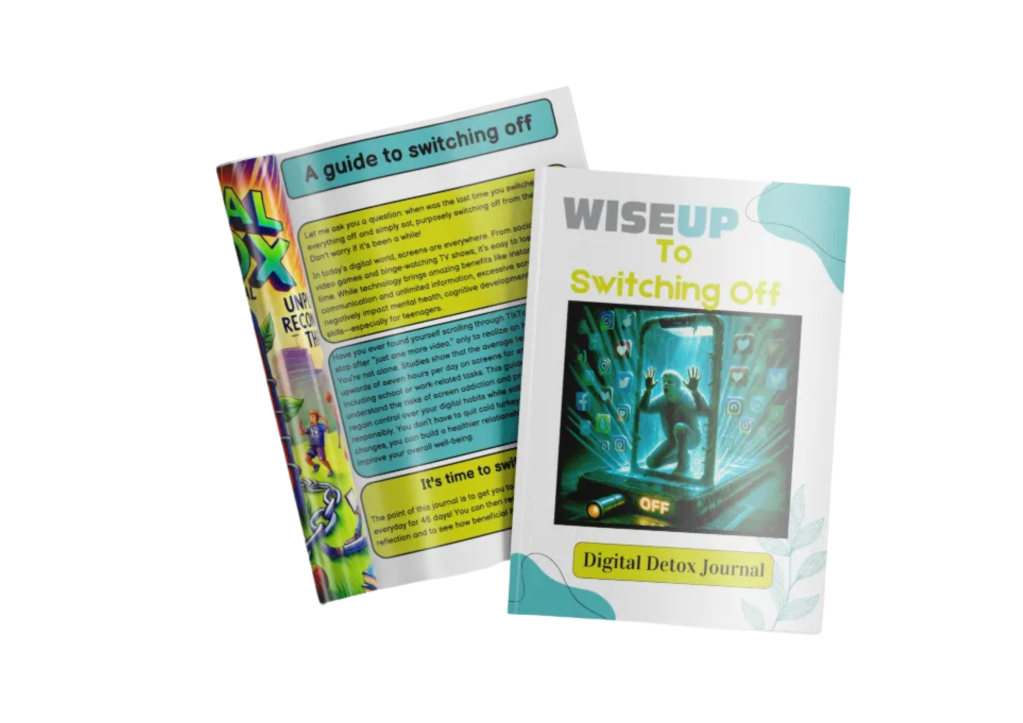
Our generation loves digital media and smartphones. While it can be highly beneficial in some ways, unfortunately it does come with negative associations, known to affect our mind and bodies more than we may know. Taking more time away from our screens can help to reduce stress, improve sleep quality, improve our relationships, free up more time for friends and family, and help with our personal growth.

As we have become very reliant on our phones and social media, sometimes it’s necessary to actively seek ways to reduce our time using them to help with our overall health.

Spend An Hour A Day On A Screen-Free Hobby

The first thing you should do to help you get respite from constant connectivity and to help your mental health is to spend an hour a day on a screen-free hobby. Identify an hour a day you have free consistently and set it aside for a hobby, whether that’s an hour before you start work or after work. Some examples are throwing on your favourite loungewear and spending an hour exercising, meeting a friend for a fun activity, reading, cooking, crafting, journalling, gardening, listening to a podcast, volunteering or going to explore a new place. If you have the time, on weekends or when you’re not working, try to increase this hour to a few.

Not only does this help you reduce your screen time, but you can focus on yourself and things you enjoy. You don’t have to spend money on this (or you of course can if you want to) and can get creative, whether they’re solo activities or you’re planning activities with a partner or family.

Use An App To Limit App Usage

If you struggle to put your phone down once you’ve picked it up to check what you need to, then you can use your phone to help you limit your phone usage. Most phones have a setting where you can set a limit on your phone, either for specific apps (e.g. you spend too much time on Instagram specifically), or for your phone in general, to flag you when you need to switch it off and have used your limit. Whilst you can switch this off if you need to, it’s not 100% effective of course, but it just provides that extra indication and reminder to help you break unhealthy cycles. Give this a try, it might not be fully effective when it’s the only measure you put in place, but when you combine it with other healthy alternatives to using your phone, it should help overall!

Eat Without Your Phone

Something else that can help you break the cycle of constant connectivity with the digital world is to make sure you don’t use your phone when you’re eating. There are studies that suggest when you eat food and scroll at the same time, a double hit of dopamine is released, so you naturally become more inclined to use your phone more and eat more food. This forms an unhealthy habit for both our mind and body, so keeping them separate is important. Meal times are a great opportunity to sit at a table, listen to your favourite album or have a catch up with friends, family or your partner, rather than keeping on scrolling.

(image: Unsplash: Micheile Henderson)

Leave Your Phone Out Of Your Bedroom

Something else that can really help you to reduce your digital use is to leave your phone out of your bedroom. Get yourself an alarm clock, then you have no reason to need your phone in there. Sitting and scrolling on our phones in bed is so tempting and it’s really easy to do, however it often means we go to sleep later than we should or would want to, as well as making it more difficult to actually sleep when you do put your phone down, as the blue light can disrupt your sleeping patterns and leave you awake for longer.

So, keeping your phone out of your room, for at least an hour before bed, helps to break this cycle. Replace your habit of scrolling on your phone with something relaxing that helps you to unwind, like reading a book or magazine for an hour, having a nice bath and doing your skincare, some meditation or just listening to music. You’ll find you sleep much better, helping you to feel energised and refreshed the next day, as well as helping your mental health.

This article was written by writer Daisy Moss.

Meditation 101: Everything You Need To Know by Miranda Spears.

Photo from Unsplash

Embarking on the journey of meditation is akin to entering a profound realm of self-discovery and tranquility. This ancient practice, deeply woven into the fabric of various cultures and spiritual traditions, offers a transformative pathway to inner peace and mindfulness. In this exploration of meditation, you can delve into its fundamental principles and techniques. You may also learn about the many benefits it brings. If you are eager to embark on this contemplative journey, there is much to be gained.

Understanding the Essence of Meditation

Meditation, at its core, is a mental exercise designed to heighten awareness and cultivate a tranquil state of mind. In a world filled with incessant noise and distractions, meditation serves as a sanctuary. This is a space that is meant to silence the ceaseless chatter of the mind. Through various techniques such as focused breathing, guided visualisation, or mindful observation, individuals aim to create a profound sense of calm and presence in the current moment. There’s a reason why meditation has been a part of the human experience since as far back as 5000 BCE.

Getting Started on Your Meditation Journey

Begin by finding a quiet and comfortable space where you can sit or lie down without distractions. Creating an environment that allows you to immerse yourself in the practice is foundational. Once settled, turn your attention inward, focusing on your breath—an elemental meditation technique. Inhale deeply, feeling the air fill your lungs, and then exhale slowly, consciously releasing tension. Alternatively, engage in mindful observation by letting thoughts come and go without attachment, cultivating a non-judgmental awareness of the present moment. Don’t be surprised if a surge of energy during meditation happens — and don’t judge it if it does.

Various Types of Meditation

Meditation is a diverse tapestry, offering various techniques catering to different preferences and goals. Mindfulness meditation encourages being fully present, urging individuals to observe thoughts and sensations without attachment. Transcendental meditation involves repeating a mantra silently, guiding practitioners toward a state of relaxed awareness. Loving-kindness meditation centers around cultivating feelings of love and compassion, often achieved through the repetition of positive phrases. Body scan meditation encourages a mental exploration of the body, identifying and releasing tension to promote both physical and mental relaxation.

Benefits of Meditation

The benefits of meditation are extensive and well-documented, making it a compelling practice for those seeking holistic well-being. Stress reduction stands as one of its primary advantages, with regular practice promoting relaxation and heightened mindfulness. Improved concentration becomes a natural outcome, as meditation serves as a training ground for the mind, enhancing cognitive function and focus. Emotional well-being experiences a positive shift, marked by reduced anxiety, a more optimistic outlook, and increased emotional resilience. The calming effect of meditation often extends to sleep, contributing to improved sleep quality and overall restorative rest.

Challenges on the Meditation Path

While the benefits of meditation are profound, the journey is not without its challenges. Patience becomes a valuable companion, recognizing that meditation is a skill that matures over time. Developing a consistent practice is equally crucial; establishing a routine, even if just for a few minutes each day, allows individuals to experience benefits. Encouraging experimentation with different techniques acknowledges the uniqueness of each individual, encouraging them to discover approaches that resonate with their personal preferences. Incorporating meditation into daily life is a transformative process, one that extends beyond formal sessions. Integrating mindfulness into routine activities, such as mindful eating or walking, becomes a practical and enriching way to extend the benefits beyond the confines of just one daily meditation session.

Final Thoughts on a Transformational Process

Practicing meditation will unlock a special door to the realm of self-discovery and serenity. As one navigates the principles, techniques, and benefits, it becomes evident that the true beauty of meditation lies not solely in reaching a destination but in embracing the ongoing journey toward self-awareness and inner peace. Whether you are a novice or a seasoned practitioner, the path of meditation invites you to explore the depths of your own consciousness and find solace in the stillness of the present moment.

This article was written by writer Miranda Spears.