
Finding Your Center: Grounding Techniques For Stability And Balance by Bhavya Jain

(image: Genevieve Dallaire, Unsplash)

Let’s admit it- there are days when you just don’t feel like yourself, and even saying that does not quite capture it. It’s as if your body is here, but your mind has wandered off somewhere far away. Everything feels out of sync-your thoughts, your feelings, your surroundings- there’s a disconnect. You might find yourself overthinking, your nervous system overstimulated, reacting in ways even you can’t predict. The chaos of it all makes you feel heavy. Your mind races, your emotions spiral, and your body? Exhausted. Everything feels too much. That’s what being ungrounded feels like. 

We often hear about “finding your center.” But what does that really mean? It’s more than just a calming Pinterest quote. It refers to that deep, stable place within you, where you feel aligned with yourself-emotionally, mentally and spiritually. A place where your nervous system isn’t constantly fighting or fleeing, but finally resting. Your center is the part of you that remains unchanged amidst this chaos. It’s your home. And grounding is how you find your way back. 

Getting Grounded

Grounding is a technique to return to your body and the space around you. It involves activating your senses, engaging with the physical world and gently reminding yourself that- I am here. I am now. I am okay. It doesn’t have to be something extremely fancy. Sometimes, just placing your bare feet on the grass can calm your system. Your body knows. It’s just waiting for you to listen. 

One of the most helpful strategies is the ‘5-4-3-2-1 method’. It’s simple- you just look around and name five things you can see, four things you can touch, three things you can hear, two things you can smell and one thing you can taste.It might seem too simple to work, but it has helped people bring them back to themselves in powerful ways. A girl once shared how this technique helped her come out of an anxiety attack. She was disassociating, feeling far from herself, until this grounding practice slowly brought her back. 

Your body holds wisdom. Even something as basic as conscious breathing can help regulate your nervous system. When your breath becomes deep and slow, it sends a signal to your brain: “You’re safe now.” This is where Dr. Stephen Porges’ Polyvagal Theory comes in. It explains how activating the parasympathetic nervous system through breath, movement, cold water, or even humming can bring your body out of stress mode and into a state of calm. Grounding, in this sense, is not just emotional-it’s biological. You’re not just calming your mind, you’re regulating your entire being. 

There’s a reason we feel so held when we touch water or soil or walk barefoot. Our bodies remember their connection with the Earth. A study from The Journal of Environmental and Public Health even found that simply placing your body in direct contact with the Earth can regulate the autonomic nervous system and reduce inflammation. It’s nature, simply doing what it’s always known how to do-grounding us in the most quiet and comforting way. 

Slow Down

In a world that has always pushed us to do more and be more, simply slowing down and being present can feel rebellious. But it’s necessary! You cannot really pour anything from an empty cup. You cannot create anything from chaos. You cannot heal while running. You need to come back to yourself. 

And let’s not pretend it’s easy. Finding your center is not a one time thing. You lose it, often. Especially if you have trauma, anxiety or even neurodivergent experiences like ADHD. Your nervous system may be more sensitive. That doesn’t mean something is wrong with you. It just means you need tools to return-again and again. 

Return To Your Inner Child

The journey of grounding is also the journey of returning to your inner child. That version of you that existed before the noise, before the pressure, before the need to prove anything. Children live in the present. They are fully in their bodies, unfiltered in their expression, and completely immersed in the now. Maybe the healing is not in becoming something new, but in remembering who you were before the world told you who you had to be. 

You don’t have to fix yourself. You’re not broken. The goal isn’t perfection. It’s presence. It’s feeling at home in your own skin, even when the world feels unsteady. Sometimes you just need to sit still. To let the storm pass. To breathe like you’re filling your spine with stillness. To exhale like you’re letting go of static. 

This moment, right here, is all you truly have. So ground yourself. Look around. Breathe. You’re not late. You’re not lost. You’re just coming home.

About the Author – Bhavya Jain:

Bhavya is an I/O Psychologist and Integrative Psychotherapist committed to promoting positive mental health and breaking the stigma around therapy. She spearheaded a year-long pro bono initiative offering free mental health services, partnering with schools and nonprofits to make support accessible to underserved communities. Through her work, Bhavya continues to advocate for inclusive, unconventional approaches to mental well-being.

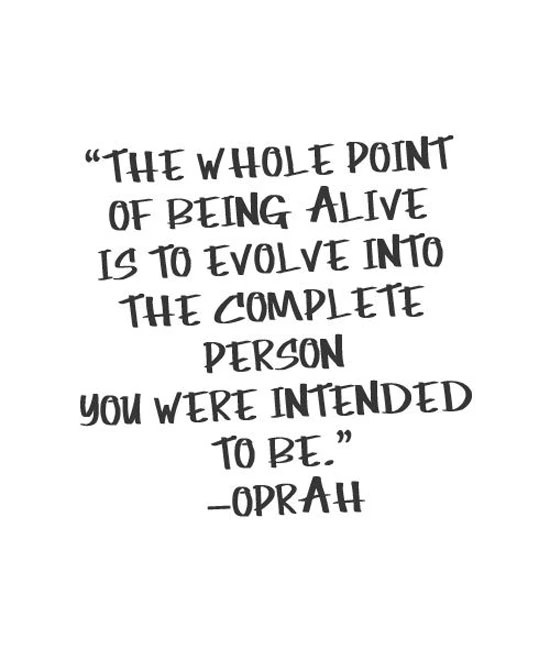
Social Anxiety: Find What Makes You Feel Alive. by Eleanor

(image: yourhappyplaceblog)

For those of you who have read my blogs or book, you will know that I have lived with mental health issues since I was young (diagnosed with bipolar at 16, depression and anxiety at 15 and lots of anxiety as a younger child).

My bipolar is medicated so that my brain functions fairly ‘typically’ ie i don’t get mania or severe depression, but I do get bad anxiety and milder depression.

What started as a teen to protect me from harm, became a full fledged panic disorder and social anxiety. Hiding away became my way to protect myself from the world, from people’s negative judgements, from life.

Even now at 36, I navigate a lot of the same anxious thoughts, behaviours and feelings. I don’t often share this part of my life anymore but I feel it is essential.

Yesterday, after having a particularly bad patch with anxiety where I cancelled many arrangements, stayed inside a lot etc, I spoke to my wonderful therapist because I needed to unpack what was going on for me.

In the course of the discussion about the different issues going on for me that could be causing the social anxiety/agoraphobia element I realised this key truth.

I have built metaphorical walls around myself in many parts of my life (my body, my friendships, my relationships in general), to keep myself safe from trauma I have faced. Part of that comes out as social anxiety as a protection mechanism and there’s time when that worsens. And times when its better.

But what I did realise is this.

I would like to feel properly alive and start taking down some of the walls, so I can live. Sometimes, the walls keep me safe and cosy. Sometimes they are not serving me anymore. I also want to boost my self esteem so that I stop retreating and hiding, or if it happens as it will, to find a way to work with it. I have had EMDR before so it may be returning to that for a while to unpick the knots!

I am very much a work in progress and so, I know I will always live with some level of anxiety. It is about how I learn to live well despite life’s challenges.

Do you find you put up walls or have social anxiety too?

I am sharing because it is therapeutic but I was even anxious sharing this as its so personal.

Love,

Eleanor x

How Counselling Can Help You Manage Your Anxiety by Buick Hamblin, Therapist.

(image: Unsplash)

Anxiety affects millions of people worldwide, impacting their daily lives and overall well-being. Counselling offers a supportive and effective way to manage your anxiety, helping you regain control and improve your mental health.

Understanding Anxiety 

Anxiety is a common mental health condition that manifests in various forms, including social anxiety disorder, generalised anxiety disorder (GAD), and panic disorder. Symptoms often include excessive worry, panic attacks, and constantly feeling anxious. These symptoms can interfere with daily activities, making it crucial to seek appropriate help.

How Counselling Helps with Anxiety 

Counselling for Anxiety

Counselling provides a safe space to explore and understand your anxiety. A therapeutic counsellor works with you to identify the root causes of your anxiety and develop strategies to manage it effectively.

Therapy for Anxiety 

Different types of therapy can be used in counselling to address anxiety. Cognitive Behavioural Therapy (CBT) helps reframe negative thoughts, while exposure therapy gradually reduces fear responses. Both are proven methods in managing anxiety and improving mental health.

Types of Counselling for Anxiety 

Cognitive Behavioural Therapy (CBT) 

CBT is a widely used approach that helps you understand and change negative thought patterns contributing to anxiety. It focuses on developing practical skills to manage anxiety symptoms and anxious thoughts. 

For example, if you often experience negative thoughts like “I can’t handle this situation,” CBT can help you reframe this thought to something more constructive, like “I can take small steps to manage this situation.”

Exposure Therapy

Exposure therapy is particularly effective for phobias and social anxiety. It involves gradual exposure to anxiety-provoking situations, helping you build tolerance and reduce avoidance behaviours. For instance, if you have a fear of public speaking, exposure therapy might start with speaking in front of a small group and gradually working up to larger audiences.

Talking Therapies

Alongside private talking therapy practices, NHS talking therapies service provides a space to express your feelings and gain insights into your anxiety. Whether through face-to-face sessions, group therapy, or online counselling options, talking therapies offer valuable support. These sessions can help you feel heard and understood, which is a crucial step in managing anxiety.

How Therapy Sessions Work 

Therapy sessions are tailored to your specific needs. During these sessions, you and your counsellor will create a treatment plan focused on your goals. Regular sessions build a therapeutic relationship, essential for effective treatment. 

The consistency of therapy sessions helps reinforce strategies to manage anxiety. For example, your counsellor might help you track your anxiety levels and identify what can trigger anxiety, which can be discussed and addressed in each session.

Benefits of Counselling for Different Types of Anxiety 

Generalised Anxiety Disorder (GAD)

Counselling helps manage chronic worry and stress, providing tools to cope with daily life. Techniques such as mindfulness and relaxation exercises can be incorporated into your daily routine to reduce overall anxiety levels.

Panic Disorder

Techniques like CBT are used to cope with panic attacks, reducing their frequency and intensity. Learning breathing exercises and grounding techniques can help you regain control during a panic attack, and if CBT doesn’t work for you there are other options of therapy available.

Obsessive-Compulsive Disorder (OCD)

Counselling aids in managing obsessive thoughts and compulsions, promoting healthier coping mechanisms. For example, a counsellor might use exposure and response prevention (ERP) therapy, a type of CBT specifically designed for OCD, to help you resist the urge to perform compulsive behaviours. This approach is effective in treating anxiety associated with OCD.

Post-Traumatic Stress Disorder (PTSD)

Counselling addresses trauma, helping reduce PTSD symptoms through therapeutic approaches like CBT and Eye Movement Desensitization and Reprocessing (EMDR). These therapies can help you process traumatic memories and reduce their impact on your daily life.

Social Anxiety Disorder

Strategies in counselling help overcome social fears, improving social interactions and confidence. Role-playing and social skills training can be part of your therapy to help you feel more comfortable in social situations. By learning to manage your anxiety, you can gradually overcome social anxiety disorder and improve your quality of life.

Addressing Specific Concerns 

Health Anxiety

Counselling helps those who constantly worry about their health by addressing underlying fears and developing coping strategies. Techniques like CBT can help you challenge and reframe catastrophic thinking related to health concerns.

Stress and Anxiety

Techniques to manage stress are integrated with anxiety treatment, offering comprehensive support. Learning time management and relaxation techniques can help reduce the overall impact of stress on your anxiety levels.

Seeking Additional Support

While counselling is a crucial component in managing anxiety, there are other resources available to complement your treatment. Organisations like Anxiety UK offer additional support, information, and resources for individuals struggling with anxiety disorders. 

These organisations can provide helplines, support groups, and educational materials to further assist you in your journey towards better mental health.

Accessing Mental Health Services If you’re struggling with Anxiety

It’s important to know that help is available (although there can be waiting lists for therapy). The mental health service in your area can provide access to counselling and other forms of support. Your general practitioner (GP) can refer you to appropriate services, or you may be able to self-refer to local mental health teams. 

Remember, seeking help is a sign of strength, not weakness, and taking this step can be the beginning of your journey to managing your anxiety effectively.

Embracing a Healthier Future 

Counselling offers effective strategies to manage your anxiety, tailored to your specific needs. By working with a counsellor, you can gain control over your anxiety and improve your mental health. 

Whether it’s through CBT, exposure therapy, or talking therapies, counselling provides the tools and support needed to navigate your anxiety and lead a more fulfilling life. Understanding the types of anxiety disorders and how they can be managed through therapy is crucial in overcoming anxiety.

If you’re struggling with anxiety, consider exploring counselling services. Taking the first step towards seeking help can make a significant difference in managing your anxiety and enhancing your quality of life.

Buick Hamblin is an experienced counsellor and psychotherapist with over 20 years in the field. Specialising in person-centred therapy and cognitive behavioural therapy (CBT), she offers compassionate, non-judgmental support to clients dealing with a range of issues, including depression and relationship problems. Accredited by the BACP since 2007, Buick provides flexible counselling options both in Grantham, UK and online.