I was delighted to collaborate with JTeen mental health support helpline and service for Jewish teens and young adults aged 11-24, on a podcast talking about my journey with bipolar disorder and social anxiety. I did this to help others and encourage people to seek help, and show its OK to talk about mental illness.
You can watch the podcast here, please watch with care: Trigger warning: discusses suicidal ideation, psychosis, mania, being sectioned under the mental health act and depression. Suitable for 18+
I decided to do this podcast to fight stigma in the Jewish community in London and worldwide and educate people about bipolar, especially parents as it started for me at the age of 15.
Thank you to Yaakov, Tehilla and Michal for making this such a relaxed but important conversation.
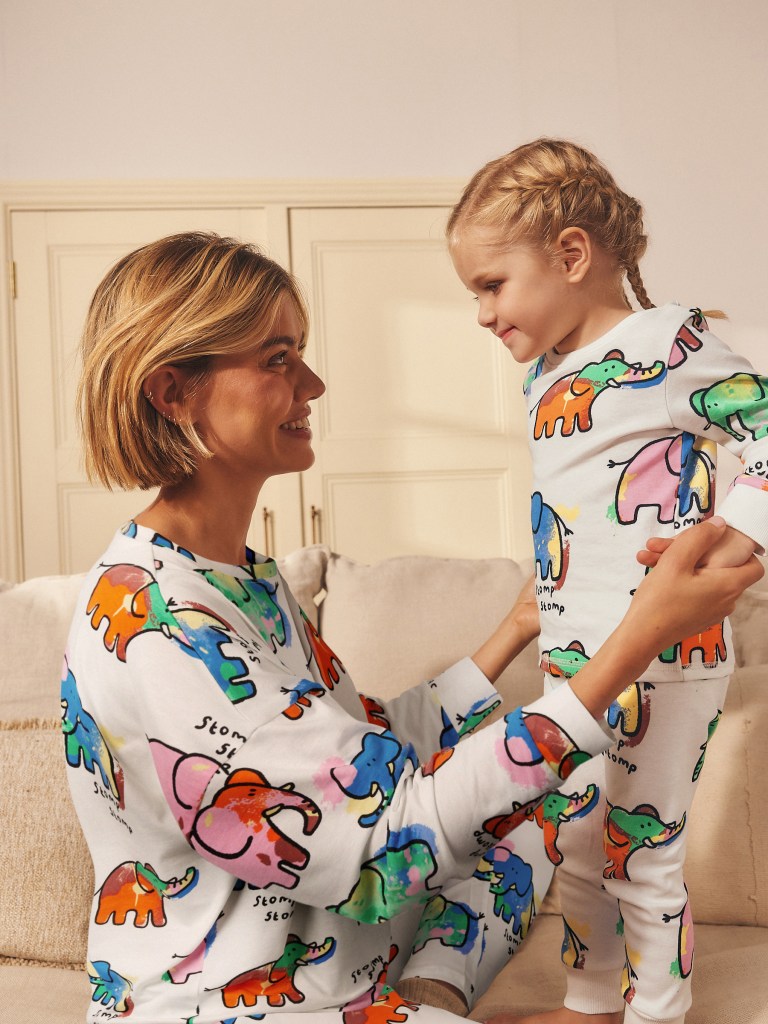
(image: Limited edition Stomp pyjamas by Next, featuring a playful elephant design. 100% of profits support LOROS Hospice’s care for patients and families.)
Now that clocks are going back and its time to get snuggled and cosy, the perfect pyjamas for yourself and little ones have arrived! Teaming up with retail giant NEXT, the LOROS Hospice in Leicester, UK, have come up with some beautiful, stomping elephant pyjamas filled with colourful designs. The designs are inspired by the hand-painted elephant sculptures as part of the famous ‘Stomp Around Leicester’ art trail, which culminated in an art auction.
LOROS Hospice is facing a £2 million shortfall in funding and so NEXT has joined forces with LOROS to encourage the fundraising momentum! 100% profits from the pyjamas go to LOROS., which provides free, high quality compassionate care to terminally ill patients.
Available online now at next.co.uk, with nationwide delivery – every pair sold contributes to LOROS’s vital, compassionate care for over 2,600 patients each year.
There are matching PJ sets for women and children, for family fun! These cosy pyjamas offer more than just warmth and style – they offer a feel-good factor that comes from helping a community lifeline.
Snuggle up for a cause this autumn: by slipping into Stomp PJs, families can stay stylishly warm while making a real difference to LOROS Hospice when it needs it most.
Please note: This post is non-sponsored (no fee taken) so Be Ur Own Light Blog can get entirely behind this wonderful cause!
image: Limited edition Stomp pyjamas by Next, featuring a playful elephant design)
The women’s Stomp PJs are 100% cotton and available in sizes XS – 2XL in regular length, and S – 2XL in tall. The children’s Stomp PJs are also 100% cotton and available in sizes 9-12 months, through to 7-8 years.
With everything going on in the world today, some stories can get missed in the flurry of competing news. However, when I saw a post by the Oli Leigh Trust, a charity in my community dedicated to suicide prevention, that suicide prevention lessons are going to be made compulsory in secondary schools, I was so happy. Department for Education (DfE) announced on Tuesday that lessons discussing suicide prevention would be compulsory in secondary schools from September 2026.
Growing up, when I had my own issues with depression and suicidal ideation as part of my bipolar disorder, mental health was not spoken about openly in schools. We know that sadly, the suicide rate in the UK and worldwide has been rising. A group of Dads, Andy Airey, Mike Palmer and Tim Owen, 3 Dads Walking, who lost their daughters Sophie, Beth and Emily to suicide came together to campaign to Sir Keir Starmer and the UK government. Heres what they told the BBC,
‘Lives will be saved. Our Voices have finally been heard. ‘ He said the trio began campaigning shortly after their first walk to raise awareness in 2021 and admitted it had at times felt “like we were swimming through treacle uphill”, but now their “voices have been heard”.
“We have covered a lot of ground, literally and figuratively, over the last few years, but to come to a point where a significant change is going to happen still feels quite unreal. I’m stunned.”
“We are really proud of what we have achieved.”
Suicide is the biggest killer of under 35’s in the UK. In their first walk, they raised nearly 1 million pounds for Papyrus charity. In their second, they walked to all 4 UK parliaments to ensure every child was taught the skills to cope with suicidal thoughts. They then met with MPs to discuss how suicide prevention could be embedded in the curriculum.
“If this is the biggest killer of our young people, why aren’t we talking about it?”
So today I say thank you and congratulations to Andy Airey, Mike Palmer and Tim Owen- three courageous men spreading light and goodness in memory of their beloved daughters. Suicide prevention is so sadly needed.
I am delighted to say that our children’s picture book ‘Arabella and the Worry Cloud‘ about a little girl with anxiety and how she manages her worries, is featured on Parents News UK website! Not only is it Children’s Mental Health Week but it is also Time to Talk day, where we share our stories about mental health.
Here’s a snippet of their thoughts:
‘Supporting children with anxiety, London-based author Eleanor Segall has drawn from her own childhood experiences to write Arabella and the Worry Cloud, a heartfelt picture book supporting children aged 5–8 who struggle with anxiety. Eleanor, who has lived with bipolar disorder since her diagnosis at age 16, aims to help young readers understand and manage their worries through relatable storytelling.
Arabella and the Worry Cloud introduces readers to Arabella, a seven-year-old girl who faces daily worries, from small tasks like putting on her socks to bigger fears about her cat or schoolwork. Her constant companion, the Worry Cloud, symbolises her anxious thoughts, teaching children that worries, like clouds, come and go.
Eleanor shares coping tools within the story, inspired by techniques that helped her manage her own anxiety. Through Arabella’s journey, children learn that even when caught in life’s “rainstorms,” the clouds will eventually clear.’
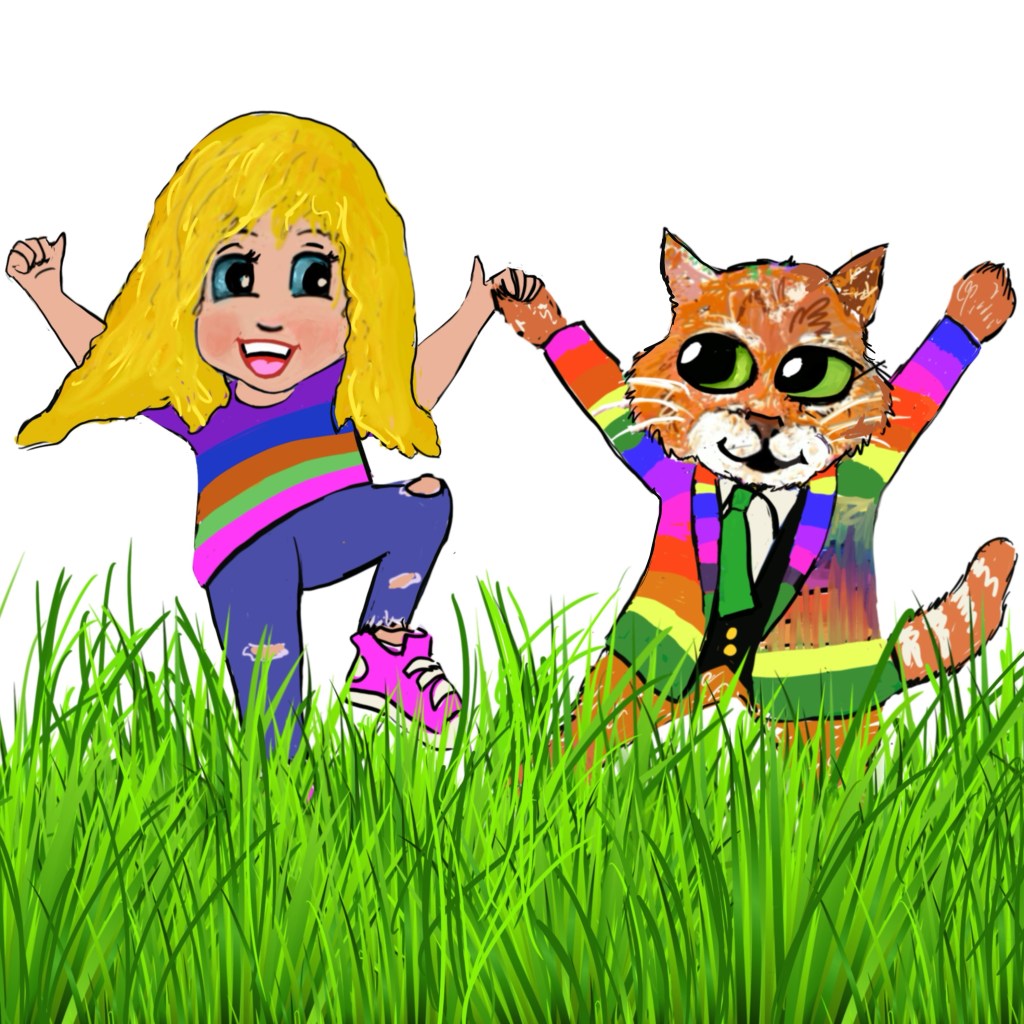
(image: E Segall/Shelley The Artist)
You can read the full article here. Thanks to all at Parents News UK!
Did you know 1 in 5 children face mental health challenges? Let’s make a difference together this #ChildrensMentalHealthWeek by taking part and donating to Place2be if you can.
The theme of this year’s week is ‘Know Yourself, Grow Yourself’, which is about encouraging children and young people across the UK to embrace self-awareness and explore what it means for them.
This year Place2be is partnering with Here4You, supported by the Walt Disney company and the Inside Out 2 characters to explore the theme.
I was diagnosed with anxiety and depression as a 15 year old, and had anxiety from a young age. I was also diagnosed with bipolar disorder at 16 and in a CAMHS unit in hospital in 2004. We know these days that more children are struggling, which is why awareness weeks like this are so important.
Through my kids book, Arabella and the Worry Cloud, I try to help children with their own anxiety to help them process their feelings with a trusted adult.
There is nothing more heartbreaking than to see your child suffering. What’s more, when their mind is playing tricks on them, and they’re experiencing spells of anxiety, it can leave you feeling helpless as the parent/carer. While you may be doing all the right things such as taking them to therapy and encouraging them to talk about their feelings, sometimes their environment can play a huge role in their emotions. Children spend a lot of their time in their bedrooms, especially when they’re feeling anxious about the outside world. Transforming their bedroom into an anxiety-reducing space could be the key to allowing them an environment to disconnect from ruminating thoughts completely.
Be sure to listen to what your children want for their bedrooms before taking the design into your own hands. If they believe a Minecraft bedroom will make them feel happy and give them a sense of security in their space, listen! Otherwise, consider the following tips for designing your bedroom into an anxiety-reducing space.
Colour schemes
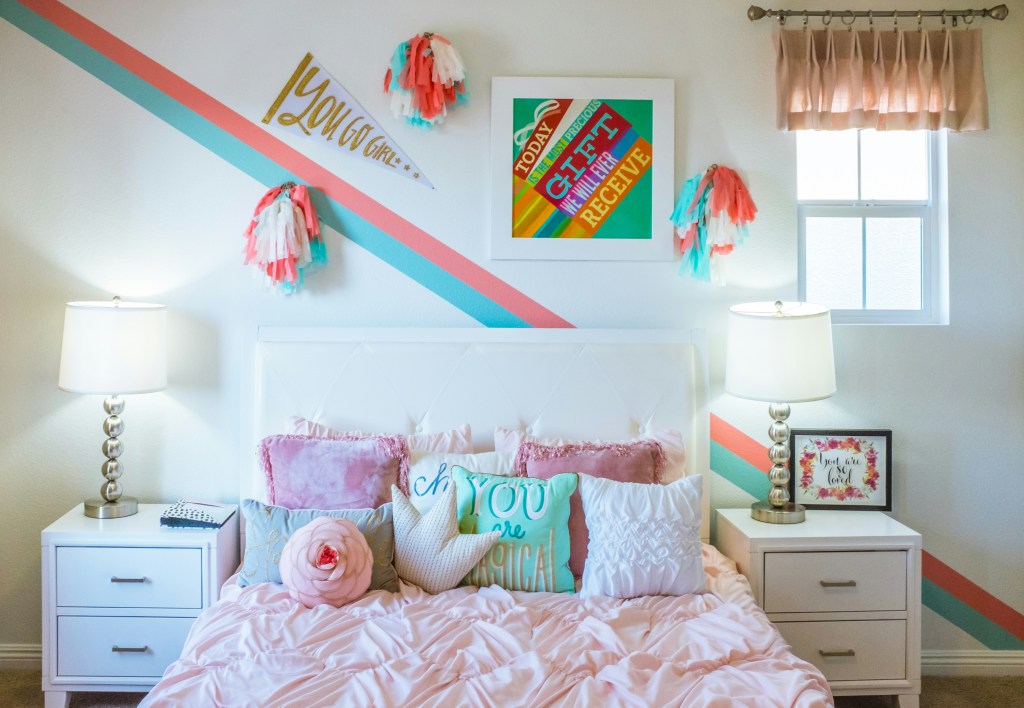
Starting with the room’s backdrop, consider painting your child’s room a colour that inflicts a sense of calmness and serenity. There are a number of colours that are proven to create this mood, for example, cool colours such as blue, green and lavender grey are known to create a relaxing feel. Also, pastel shades of favourites such as pink and green are perfect for creating a sense of tranquillity.
Connections to nature
Nature has shown to have immense benefits for reducing anxiety, from going for walks to playing in the park, if your child is struggling to face the great outdoors, consider bringing it to them. For example, add touches of greenery in the space. There can be faux versions of vines winding round their bed, or perhaps give them real plants to take care of and give them a greater sense of purpose. If your child has been begging for an animal, why not start small and get them a fish? It has been proven that watching fish swim back and forth can relax the mind and ease muscle tension.
Blue LED lighting
Lighting can be a hard element of the bedroom to influence. If your child’s bedroom is currently brightly lit with fluorescent light this may not be helping their state of mind. Blue light therapy has been raved for its ability to influence mood and the body’s biological clock. Dimming their bedroom lighting with blue lighting may support their night of rest. Several sensory light appliances can create this experience, in addition to adding texture to the projection that mimics ocean waves.
Create “safe spots”
Sometimes, your child just wants to be alone, and that’s okay. Creating a safe space away from the world can be simple with the addition of a children’s teepee, or if your child has a bunk bed with underspace, make this area more private with curtains. Fill this space with comfy seating, pillows, and games for your child to play. It can be tempting to buy them an Xbox or PlayStation to enjoy in their bedroom, but this can worsen your child’s anxiety and keep their mind active when it’s time for rest. Keep technology away from their bedroom, and keep it comforting and quiet.
Keep schooling separate
Another mistake parents make with their child’s bedroom is adding a desk for them to complete school work. When your child is suffering from anxiety, school can often inflict feelings of discomfort or remind them of unpleasant experiences. Allow your child to do their school work downstairs where you can support them and be there for them. Allocated places for different activities can help them feel a sense of security. Reserve the bedroom for sleep. Having a small table and chair for your child to do artwork can act as a place to explore their creativity.
Encourage rest & relaxation
Encouraging relaxation is essential when transforming your child’s bedroom into an anxiety-reducing space. This involves creating an atmosphere that promotes comfort and signals to your child that their room is a sanctuary for winding down and recharging. Start by investing in high-quality, soft bedding and cosy blankets that make your bed an inviting haven. Add plush pillows or weighted blankets, which are known to provide a sense of security and calmness.
(image: Pexels: Vika Glitter)
An anxiety-reducing space
Transforming your child’s bedroom into an anxiety-reducing space can have a profound impact on their emotional wellbeing. By focusing on calming colours, natural elements, thoughtful lighting, and creating safe and comforting zones, you’re helping to create a sanctuary where they can decompress and feel at ease. Remember, every child is unique, so it’s important to involve them in the process and tailor the space to their individual needs and preferences.
Small changes in their environment can make a big difference in their ability to manage anxiety and feel secure. While this is just one piece of the puzzle, pairing it with emotional support, therapy, and open communication can empower your child to navigate their emotions with greater resilience. A cosy, peaceful bedroom can become their haven—a place to relax, recharge, and truly feel at home.
Author Bio
Amy Jones is a freelance writer and enjoys writing a range of topics, from mental wellness to home renovation and loves researching the latest news and updates. Having worked with a number of different businesses, including Petite Lumeire, Amy is now a freelance writer looking to specialise in children’s mental and physical wellness.
Note: Arabella is written for 4-8 year olds. Every child is different and some children younger than 4 have enjoyed this book, but it is largely a Key Stage One book.
When I was a little girl, I had a lot of anxieties. As a self confessed empath and worrier, I could feel when something was wrong and sometimes this led to child anxiety. This included separation anxiety with symptoms such as nausea at school. Children who have anxiety need to feel safe, settled and above all, heard by parents/carers and the adults in their life at school.
I wrote Arabella and the Worry Cloud based on me as a young 7 year old girl who worried a lot. In the book, Arabella worries about her socks not fitting on her feet, losing her shoes in a muddy puddle, the rain soaking her and cold freezing her toes, the rainbow in the sky losing its colour, her cat Pickles getting lost and the plants in the garden dying, losing her homework, failing a test and being blown away by the wind. These worries are partly represented by a Worry Cloud who comes down to see her from the sky and threatens to rain on her with all her worries.
Eventually, Arabella realises that if she thinks jolly, happy, sunny thoughts in place of the worries, she can push the Worry Cloud away with the joyous light beams of positive thinking. Arabella unlocks happy memories with her family, visualising wonderful times with them and it gives her confidence to face the Worry Cloud head on, so he can go away and leave her in peace.
So many children will have their own version of the Worry Cloud. Here’s 5 reasons why you should read Arabella and the Worry Cloud with them:
It is a hopeful story– Arabella never loses sight of hope even when the Cloud tells her life is scary, saying ‘If I can see the sun and smell the passing rain, everything will be alright. The storm will not last forever’. This is the key message of our story- all thoughts will pass, you are safe and fear will not stay forever. This is particularly helpful for children who feel stuck with anxiety.
2. It can help children to process their emotions about worries safely, with help of parent or carer- The Worry Cloud represents Arabella’s thoughts and the book shows how Arabella sends him away with help of positive thinking and visualising happy memories. Some children may need further intervention from a team of professionals, but the book introduces worry/anxiety in such a way that it can be read to assist children when they worry (and distract them from negative thought patterns).
3. It is a positive, age appropriate book about child anxiety and worries with an uplifting message, filled with rhyming prose and beautiful, vibrant illustrations by renowned artist Shelley The Artist. Shelley combines old fashioned art with work on her ipad and the result is a beautiful array of illustrations your child will love.
4. It is a book about mental health in a child appropriate metaphor – As an author with a background in mental health writing and lived experience, I understand the needs of having books which discuss mental health issues in a safe and supportive way. As this book is aimed at 4-8 year olds, it slowly introduces worries some children may face at this age.
5. It has had some lovely reviews from children, parents and readers:
“I really enjoyed the book and really liked Arabella and I found the cat funny. I learnt to not worry about things and that we should only think happy things.” Matilda, aged 8
“A stunningly beautiful book with such important mental health and wellbeing messages. Suitable for primary school age children: I recommend adults read it too as it’s incredibly special and meaningful! Thank you for writing this and inspiring us all.” Mrs Davies, parent
“Arabella and the Worry Cloud conveys a wonderful message, is written with lovely imagery and is beautifully illustrated. The cloud is a really good way to portray anxiety – children will be able to relate to this and feel encouraged to overcome their worries with positive thinking like Arabella does.” Dr DF
“This book is perfect if you have a young child who is a bit anxious or worries easily as it’s relatable and puts anxiety in simple terms that a young child can easily understand.” Diary of Lydia
“Beautifully written and illustrated, this book will appeal to children and parents/guardians alike. More importantly, it’s going to help kids overcome their anxiety from an early age and understand that they are not alone. Highly recommended.” Britt Pfluger
“This is my favourite book ever ever ever. The words of my 4-year-old son who is a bit of a worrier himself! He had lots of questions and was very engaged throughout. Have already read it three times with him. Well done on a lovely debut kids’ book!” Joanna Gutkin, parent
To get your copy of Arabella and the Worry Cloud, go to Amazon here. I can’t wait for you to read it with your child/niece/nephew/grandchild and to share it with them and their friends too!
Parenting is a journey filled with countless moments of joy, laughter, and pride. However, it also comes with its fair share of challenges, especially when you encounter behavioural issues in your child. Seeing a child struggle can be a source of stress and worry for any parent. It’s essential to remember that you are not alone; many parents face similar obstacles and there are resources available to help both you and your child navigate these challenging times. In today’s blog post, we’ll explore practical steps you can take to support your child through behavioural issues effectively.
Understanding the Situation
The first step in addressing behavioural issues is understanding that they are often a part of normal development. Children go through various stages as they grow, each accompanied by different behaviours. It’s crucial to recognise the difference between typical developmental behaviour and behaviour that might signal an underlying issue. Observing patterns over time—such as frequency, intensity, or duration—can provide valuable insights into whether a child’s behaviour is part of their growth or indicative of something more complex.
Patience
Once you’ve identified that your child may need additional support beyond typical parenting strategies, it’s essential to approach the situation with empathy and patience. Open lines of communication can make all the difference in understanding what might be causing certain behaviours. Encourage your child to express their feelings and thoughts without fear of judgment or punishment. This open dialogue not only helps build trust but also provides you with clues about any underlying issues such as anxiety, bullying at school, or difficulties with academics.
Professional Help
After establishing communication, it’s beneficial to seek professional guidance, like that offered by Infinite Healing & Wellness, if needed. Consulting with paediatricians or mental health professionals who specialise in children can offer clarity on whether there are specific needs requiring attention. These professionals can conduct assessments to determine if there are psychological or neurological factors contributing to the behaviour changes in question. They may suggest therapy sessions tailored specifically for children which could include play therapy, cognitive-behavioural therapy (CBT), or family therapy sessions.
Effective Techniques
In addition to seeking professional help for your child, consider equipping yourself with effective parenting techniques specifically designed for managing challenging behaviours. Parenting classes or workshops often provide valuable strategies for positive reinforcement and setting consistent boundaries while maintaining a nurturing environment at home. Learning how best to respond during difficult situations helps minimise stress for both parent and child alike while fostering an atmosphere where constructive change is encouraged.
Self-Care
Lastly but vitally important is self-care for parents during this process; supporting a child through behavioural challenges requires emotional resilience from caregivers themselves! It’s easy sometimes amid caring duties to neglect one’s own needs. However, taking time out regularly ensures you’re not just physically present but mentally equipped to handle whatever comes along the next day together stronger than before!
Supporting a child through behavioural issues is no small feat but rest assured knowing every step taken towards understanding them better brings hope closer within reach! Remember being proactive makes all the difference; stay informed, communicate openly, lean upon experts, adopt new strategies whenever necessary, and don’t forget to look after yourselves along the way too.
A happy, healthy, balanced family dynamic benefits everyone involved in a long-term success story worth striving toward together!
This article was written by Brooke Chaplan, freelance writer.
As mom/mums, we want nothing more than to provide a safe and nurturing environment for our children. But when it comes to adopted children who have experienced trauma, the task can feel overwhelming. It’s important to understand that healing from trauma is a process that takes time and patience. In this blog post, we will discuss some strategies for creating a safe space for your adopted child to heal and thrive.
Build Trust
Building trust is vital when helping your adopted child heal from past trauma. Trust serves as the foundation for a relationship where your child feels safe and understood. To build trust, start by being a consistent presence in their life, maintain routines and be predictably positive in your interactions. Listen to them with empathy and without judgment, making sure they feel heard and valued. Honoring your promises, no matter how small, also reinforces their sense of security. Offer choices to empower them, showing that their feelings and opinions matter. Through these actions, you create a supportive environment where your child can begin to heal and flourish.
Create Routine
Maintaining a routine can be incredibly beneficial for adopted children who have been through trauma, as it provides a sense of stability and predictability in their lives. A structured daily routine might include waking up at the same time each morning, having breakfast together, and engaging in activities like schoolwork, outdoor play, or reading time. Following a set bedtime ritual, such as taking a warm bath, reading a story, or listening to calming music, can help signal the end of the day and promote restful sleep. These consistent activities provide security and help the child know what to expect, reducing anxiety and allowing them to focus on their growth and healing.
Offer Support
Offering support to your adopted child as they work through past trauma requires patience and understanding. Recognize that healing is a journey, and each child progresses at their own pace. Show your support by being consistently available and approachable, allowing your child to share their feelings when they feel ready. Validate their emotions by acknowledging their pain and expressing empathy, reinforcing that their feelings are normal and understandable. Engage in calming activities together, such as drawing, walking, or simply sitting in silence, which can provide comfort and a sense of connection. Additionally, educate yourself on trauma and its impacts so you can better understand and respond to your child’s needs. Through unwavering patience and a compassionate approach, you create a secure space for your child to navigate their healing journey.
Educate Yourself
When supporting your adopted child through past trauma, it’s crucial to educate yourself on various aspects of trauma, including its emotional, psychological, and physical effects. Learn about attachment theory to understand how early experiences shape a child’s ability to form secure relationships. Explore trauma-informed care practices to provide the best possible support. Resources such as books on child psychology, trauma, and adoption can be invaluable. Online courses, webinars, and support groups for adoptive parents can offer practical skills and community support. Don’t hesitate to seek professional help from therapists who specialize in trauma and adoption, like those at Relevant Connections PLLC. By expanding your knowledge, you can create a nurturing environment that fosters your child’s healing and growth.
Foster Connection
Helping your adopted child foster positive connections while working through past traumas involves creating opportunities for safe and meaningful social interactions. Encourage participation in group activities that align with their interests, such as sports teams, art classes, or music lessons, where they can build friendships in a structured and supportive environment. Facilitate playdates with compassionate and understanding peers to help your child practice social skills and develop trust in others. Encourage involvement in community events or volunteering, which can provide a sense of purpose and belonging. Additionally, reinforcing family bonds through regular family activities and open communication can help your child feel secure and connected. By nurturing these connections, you create a network of support that can bolster your child’s emotional resilience and aid in their healing process.
Creating a safe space for your adopted child to heal from trauma requires patience, understanding, and love. By building trust, establishing routine, offering support, educating yourself, and fostering connections, you can help your child feel secure and supported as they navigate their healing journey. Remember that healing takes time, so be gentle with yourself and your child as you both navigate this process together.
Women that don’t have children will often be on the receiving end of the big question of when they’re going to start having children. But, there are some women who simply don’t want to have children, and all of them are extremely valid. However, some don’t understand this concept, and if you’re wondering why someone would ever feel like that, you’ve come to the right place. While no woman should ever have to explain herself, we’re going to explore some of the reasons why a woman wouldn’t want to become a mother.
Health problems
For some women, the choice to have children may be taken away from them due to health concerns. It might be that they can’t have children because of their health, or it might even be that becoming pregnant could endanger their health. And, while there are many avenues when it comes to having children, such as surrogacy or adoption, some women would simply prefer to carry their child themselves. When this isn’t possible, they may then choose to not have children at all.
A painful history
Sadly, some women will have a difficult or painful history that might put them off the idea of having children all together. It might be that they’ve grown up with abusive parents and don’t want to make the same mistakes. Or, it could be that they’ve been through something extremely traumatic like rape, and would rather not bring that kind of history into their children’s lives, especially if they experienced a life long injury because of it. Instead, they may speak with a sexual offence solicitor and bring the offender to justice, and then move on with their lives.
They don’t want to bring a child into this world
Every person thinks about this at some point or another, and some women will choose not to bring a child into this world if they don’t believe they can provide them with a safe and happy upbringing. Others may look at the world, citing the sense of war, environment and poverty as a reason to question whether it’s a good idea to bring a child into this world.
Giving up a social life and less freedom
Another concern that some women have and choose not to give up is their social life or freedom to travel. While times have changed compared to, say, fifty years ago, it’s still common for the mother to stay at home with the child while the partner goes out to work. While it’s not impossible to have a social life when you’re a mother, it’s certainly not as easy. And, for some, this plus freedom to live the life they want to live is simply not something they want to give up.
Career priorities
Women have just as much of a right to have a successful career as men do, and some women choose to prioritise their career over having children. A career can sometimes take decades to climb and some don’t want to have time off to have children and juggle their work.