
Crave: Harnessing The Hidden Biology of Addiction and Cancer by Dr Raphael E. Cuomo, PHD.

(image: Todd Trapani, Unsplash)

Modern life surrounds us with easy dopamine triggers: sweetened coffee on every corner, endless scrolls of video, nicotine vapes disguised as fashion accessories. My research career has shown me that these cues are not merely temptations; they are biological signals that reshape metabolism, immunity, and even cancer risk. In my book, Crave: The Hidden Biology of Addiction and Cancer, I set out to explain why.

Why cravings feel hard wired

Craving evolved as a survival mechanism. In the brain, the mesolimbic pathway flags calorie dense fruit, social bonding, or safety as worth seeking. That same circuitry now lights up for ultraprocessed snacks and late night streaming. Functional MRI studies reveal identical patterns of dopaminergic surge whether volunteers anticipate nicotine or a sugary drink, and chronic exposure dulls the reward system’s sensitivity. Over time, people need stronger stimuli for the same lift, a neuroadaptation called tolerance. My laboratory group has observed that tolerance often precedes measurable changes in inflammatory biomarkers that predict cancer progression.

From appetite to oncology

The epidemiology is startling. Meta analyses link daily sugary beverage intake with elevated colorectal cancer incidence, independent of body mass. Tobacco remains the most potent modifiable carcinogen worldwide, yet nicotine pouches marketed as “clean alternatives” still activate . Adults who replace smoking with high sugar snacks trade one risk for another; insulin spikes feed oncogenic pathways. Craving is the bridge that explains these patterns.

Listening instead of suppressing

A central message of the book is that craving is not a moral failing. It is feedback. By tuning into the signal, by asking why a craving appears rather than fighting it, we can leverage biology rather than battle it. For example, a brief walk that raises heart rate for ten minutes stimulates endocannabinoids that naturally quell appetite and elevate mood. Clinical trials suggest that this micro intervention yields sharper cognitive performance than an afternoon energy drink.

Sugar Cravings and Mental Health

Craving for sugar sits at the crossroads of addiction science and mental health because sucrose triggers the same dopamine opioid cascade in the brain that reinforces nicotine and alcohol, yet the rapid glucose spikes that follow can crash into irritability and low mood, creating a loop that feels compulsive rather than indulgent.

Evidence based tools break this loop: cognitive behavioural therapy teaches people to notice the stress cue that precedes a sugar hunt, mindfulness based relapse prevention strengthens the ability to ride out urges, nutrition counselling pairs slow digesting carbohydrates with protein to steady blood glucose, and peer groups such as SMART Recovery provide social accountability when willpower fades.

Small pivots, measurable gains

Patients who swap sugary breakfasts for fiber rich protein report fewer mid morning crashes within three weeks. Continuous glucose monitoring confirms smoother glycemic curves, and inflammatory markers such as CRP trend downward after eight weeks. Similar improvements follow digital media fasts that compress social scrolling into defined windows, freeing cognitive bandwidth and reducing late night cortisol spikes that impair immune surveillance.

Practical first steps

There exist a number of science grounded experiments readers can try: hydrate before caffeine to blunt adrenal overstimulation, pair resistance exercise with a protein rich meal to modulate leptin, schedule technology free evenings to restore natural melatonin rhythms. Track how your body responds, adjust, repeat. The data you gather on yourself becomes a personalised research study with real health dividends.

Final thought

Our ancestors survived by responding to biological urges; we thrive today by understanding them. Crave offers a map from reflexive consumption to intentional living, informed by years of bench science, clinical trials, and population studies. My hope is that readers finish the book feeling empowered to decode their own signals, rewrite their relationship with desire, and protect long term health in the process.

If that resonates, I invite you to explore the full story within the pages of Crave and share your experiences. Let curiosity, not discipline alone, guide your next step. To get your copy of Crave, please see the following link: https://www.amazon.com/dp/B0F8YVNB2S

(image: Raphael E Cuomo PHD)
The Digital Descent: Understanding the Connection Between Doomscrolling, Anxiety and Panic Attacks by Charles Watson

(image: Brian McGowan, Unsplash)

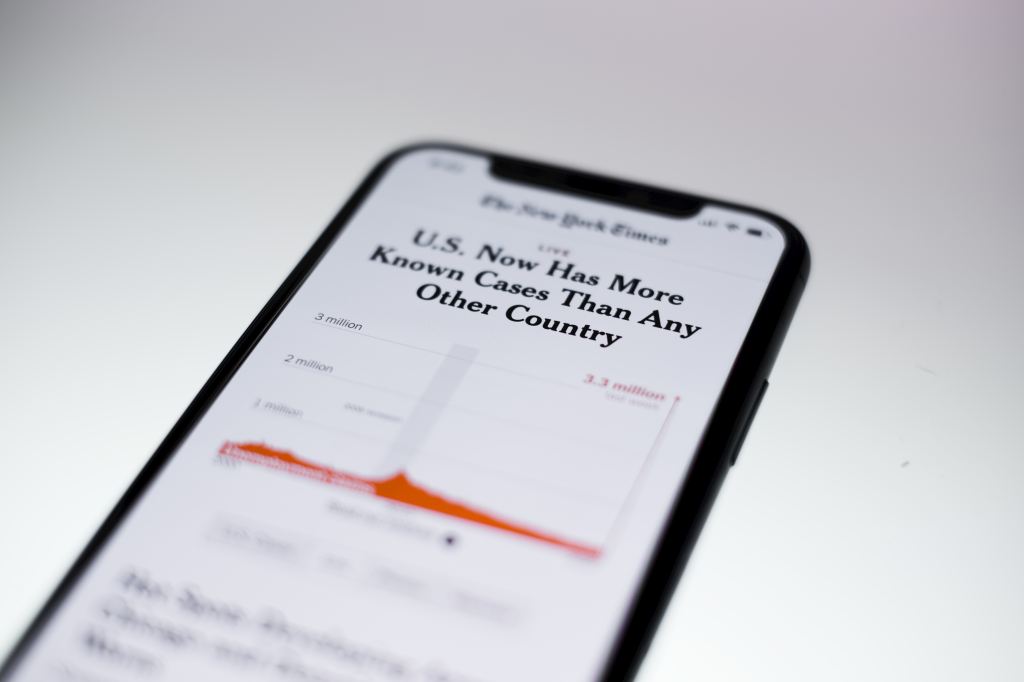
In 2024, there is a growing awareness of the effects associated with constantly consuming negative news, a behaviour commonly known as “doomscrolling.” Media and constant news updates often fuel this habit of seeking out distressing information. Sadly, this can have serious implications for both physical and mental health.

Recent conversations among health experts have shed light on the link between doomscrolling and the increase in Substance-Induced Anxiety Disorder (SIAD) as well as panic attacks. As someone who writes on mental health, I wanted to delve into this correlation, providing insights and practical tips to protect your health in a world that appears to be in a perpetual state of crisis.

What is the Meaning of Doomscrolling?

Doomscrolling involves the consumption of news. Consumers caught up in this cycle feel compelled always to follow disasters, political unrest, environmental crises, and other distressing events, resulting in prolonged exposure to negative media. Additionally, some may even engage in extended sessions of watching vertical, short-form videos without awareness of the passage of time.

We can admit staying informed is important. However, constant focus on distressing media can affect one’s well-being.

Psychological Effects of Doomscrolling

The brain is naturally inclined to react to threats with a fight-or-flight response—a survival instinct ingrained in our biology throughout history.

However, when the mind is activated by immediate non-physical threats, like distressing news, it can result in prolonged stress. This prolonged state of vigilance can heighten anxiety levels over time potentially leading to anxiety disorders and panic episodes.

However, why is it so addictive to watch distressing news? Well, engaging in doomscrolling triggers the activation of dopamine receptors, which provides short relief from anxiety, despite the eventual worsening of mood. 

What is more concerning is individuals often revert to doomscrolling in an attempt to alleviate their distress, perpetuating the cycle of negative emotions.

Link to Substance-Induced Anxiety Disorder

Substance-induced Anxiety Disorder (SIAD) begins to show its ugly face when symptoms of anxiety or panic stem directly from substance consumption, withdrawal, or exposure to substances. Common culprits include caffeine, alcohol, nicotine, and certain prescription drugs. 

People who engage in doomscrolling may resort to substances like alcohol or prescription drugs as a coping mechanism for the anxiety and stress triggered by the news they consume. This could establish a cycle where substance use provides relief from anxiety symptoms but later worsens them, possibly resulting in SIAD.

Real World Implications – Panic Attacks

Panic attacks are episodes of fear that may manifest as heart palpitations, sweating, trembling, etc.  Sometimes there is even an overwhelming sense of dread and fear of losing control. 

For those who are exposed to negative news, unfortunately their threshold for panic attacks may be lower. Substances used to manage this stress can further decrease this threshold, making panic attacks more frequent and intense.

(image: Mark Adriane, Unsplash)

Tips for Breaking This Habit

Breaking free from the cycle of doomscrolling requires effort and specific strategies. Here are some “practical?” steps you can follow;

1. Establish Strict Time Boundaries

Hold yourself to designated times during the day for checking the news and make a commitment to stick to these schedules. Utilizing apps restricting your access to websites or social media platforms can help you maintain this routine.

2. Customise Your Social Media Content

Take a role in curating your social media feeds by including uplifting content. Follow accounts that share stories or even your city media feeds to create a balanced experience alongside the inevitable negative news we all have to see.

3. Try Healthy Coping Mechanisms

It may be time to hit the gym. Or engage in activities such as yoga or jogging. Better yet, incorporate mindfulness techniques like meditation or diaphragmatic breathing. Finally, find a way to express yourself through creative endeavors like writing or painting.

4. Consider Professional Support

If needed, and if feelings of anxiety or panic become overwhelming, seek assistance. A health professional can always be beneficial. Therapists can offer personalized coping strategies tailored to meet your needs, as we are all different in what triggers our anxiety.

5. The Inevitable – Keeping in Touch

Even as a mental health writer, I can be better at this one. Having ties with friends and family can ease stress and worry. Interacting regularly can shift our focus away from the constant stream of negative news.

In the end, while staying informed is important, it’s also vital to strike a balance in how we consume news. Recognizing the signs of scrolling through distressing content and taking proactive measures to lessen its impact can help prevent the development of more severe anxiety issues and panic attacks. The world has changed, and mental health is important, so by being mindful and adopting coping strategies, we can safeguard our well-being during these challenging times (no matter where we are located.)

By being aware of how our media intake affects our health, we can navigate the age without falling prey to its negative aspects. Remember, it’s completely fine to unplug for the sake of your well-being.

Charles Watson is a freelance blogger.