5 Outdoor Activities That Will Improve Your Mental Health by Elizabeth Howard

(image: Elizabeth Howard)

Spending more time outdoors will do wonders for your mental health. While research has shown that being outdoors helps alleviate stress and the symptoms of emotional illnesses, you can easily discover these benefits by interacting with nature. You will benefit from being outdoors when you sit on your porch, but you’ll keep your leisure time more interesting when you engage in a variety of different outdoor activities and boost your mental health.

Take a Weekend Camping Trip

You can rough it in a tent or enjoy a glamping excursion by renting a fully equipped cabin for the weekend. As you search for available campgrounds in Mississippi (or the country you live in), look for a location that’s near the water or offers a variety of activities. You should try to plan a camping trip that offers plenty of amenities for you and your companions. Swimming, fishing, snorkelling, hiking, and bird watching are a few of the outdoor activities you can enjoy over the weekend. 

Be sure to bring your phone or a camera. You will probably see plenty of wildlife that you’ll want to capture in pictures or on video. Even if you rent a comfortable cabin or take your RV, you’ll find enough activities to keep you outside and in nature throughout your camping excursion.

Go For a Walk

You can spend more time outdoors without leaving home when you plan to take a walk each day or evening. This is an opportunity for you to get outside and clear your head away from work, family, and other obligations. As you walk, let your mind wander. Many people find this to be an effective way of subconsciously working out stressful problems. By the time the walk is over, you might find that they have a solution to a particular problem. 

You can keep your walks interesting and distracting by taking a different route each night. Find a different park, road or walk to a different convenience store each time. In addition to helping you explore different parts of your community, you will also have the opportunity to interact with different people, if you want to.

Rent a Boat

There’s no reason you should feel bound to land when you look for outdoor activities to enjoy. In fact, renting a boat and spending a few hours on the water can have a soothing effect on the mind. You may feel more tranquil as you’re surrounded by the sights, sounds, scents of the water. This is a great opportunity to get together with friends or bond with your family. 

When you’re on the water, you’ll be removed from distractions and have the chance to enjoy deeper conversations. You’ll also have a chance to see your city from a different perspective. By the time you return to the dock or shore, you’ll feel more peaceful and less stressed.

Start a Garden

There are many hidden health benefits of starting a garden, and it will provide a way for you to improve the landscaping of your own property. Working with your hands as you plant and maintain a garden will help you strengthen your hands and fingers, reducing your risks for joint pain. As you tend to your garden, your mind will wander and you’ll enter into a type of meditative state. This will help you set aside your daily worries and concerns for a brief period. That will be enough to relieve stress and help you enjoy a lighter mood.

Climb a Mountain

If you live near a mountain range, consider taking up climbing as a means of getting more outdoor exercise. The act of climbing will help you strengthen a variety of muscle groups throughout your body. As you climb, you’ll see your community and the surrounding region from a different perspective. The air will be more exhilarating as you reach higher points on the mountain. 

While you should start slowly and work with a guide, you may eventually find that mountain climbing can be a competitive sport that allows you to improve your performance over time. Achieving new climbing goals will cause a release of endorphins in the brain, helping you to enjoy a happier mood.

There are many more ways you can enjoy the outdoors and benefit your mental health. Look for things you like to do outside even if that just involves sitting under a tree and reading a good book. The fresh air will benefit your physical health as well as improve your wellbeing.


Where to Start When Battling Addiction by Rachelle Wilber

(image: Unsplash)

Many people might tell you that admitting you have a problem is the first step to battling addiction. Their intentions might be good, but does your journey to sobriety and recovery really start until you decide you want to live better? Knowing where to start when battling addiction is crucial to improving your odds of success.

Your Doctor

Your personal physician probably already suspects or even knows about your addiction, even if you’ve never mentioned it to them. It’s their job to help you with your physical health, and they will have access to more tools you might use than nearly anyone. Your conversations with your doctor are totally confidential, so this is a very safe place to start when battling addiction.

Find a Facility

Not all forms of addiction require going into a rehab facility. However, some might. There are facilities available, such as Awakenings Health and Wellness Centre that are top-notch in helping people dig deeper than the obvious superficial issues. Also, the right rehab center can dramatically improve your odds of getting past any addiction and have a better fighting chance at living a clean life ahead of you.

Friends and Family

This one can be tricky. Friends and family might be some of the people most likely to support you through your addiction battle, but some of them might also be the most judgemental. In fact, some relatives might even be contributors to your addiction. Turn to those you think you can trust.

Employee Benefits

You probably don’t want to tell your actual supervisor that you are battling addiction, but your employee benefits might have a hotline you can call privately. If your health insurance or other benefits include rehab programs or counseling of any kind, it might be at low or even no cost to you.

Spiritual and Religious Advisors

Individuals such as these may not feel qualified to help you with your addiction and recovery, and yet they might also truly want to help you. They might be able to point you in the direction of people and programs who can help you. So, whether it’s a priest, rabbi, or even a yoga teacher you study under, see if they have any referrals or connections you might use.

Help Is Out There

Battling addiction is a journey that can leave you feeling very alone, and overcoming it can only happen if you personally do it. However, even though no one else can get you over your addiction, they can be of tremendous assistance to you while you try to get clean.

Surviving Trauma Makes Relationships Difficult. Self Compassion Can Help: by Taylor Blanchard

(image: Unsplash)

You sabotage your relationships when things feel too calm.

You panic when your partner goes on a family vacation, believing that they’re leaving you forever.

Perhaps you can’t stand hugs or gentle touch.

Maybe you’ve wondered to yourself: “What in the world is wrong with me?! Am I just not cut out to have close friends or a romantic relationship?”

Actually, that’s not the case! You deserve close relationships– everyone does. If you resonate with these scenarios, though, you may have some unprocessed trauma– and that trauma may be making your relationships feel like a rusty, ungreased wheel.

You’re not alone. Here’s how trauma can blow our relationships off-course, and also, how self-compassion can help to ease that struggle.

Trauma Creates Hypervigilance

Trauma is any incident that overwhelms your ability to cope (abuse, neglect, or surviving a natural disaster, just to name a few examples). These abhorrent experiences cause our brains and bodies to swirl with cortisol, also known as the stress hormone.

After a seriously traumatic event (or relationship or childhood), our cortisol levels don’t always return to baseline. Often, the nervous system creates a new baseline of heightened stress response. In short: you don’t go back to being as calm as you were before the storm. Now, you’re hypervigilant all the time. You’re always stressed, always scanning for the next attack.

Unfortunately, relationships can’t be created without vulnerability, and vulnerability can’t happen if you’re constantly scanning for attack.

You might be hypervigilant in your relationships if:

  • You feel uncomfortable, fidgety, and unsafe during social situations
  • You constantly micro-analyse everything other people say to make sure they’re not going to hurt you
  • You constantly micro-analyse everything you say to make sure you don’t say anything “wrong”

Aversion to Intimacy

Trauma, and the excess cortisol it triggers, also creates an aversion to physical closeness. When we’re stressed  (i.e., when our cortisol is on full blast), our nervous systems naturally resist being touched.

Do you find yourself shrinking away from hugs? Do you feel an urge to run away when someone gently touches your arm? That’s likely a trauma response.

Of course, if you’ve experienced assault or physical or sexual abuse, this is a double whammy. Since your trauma came from physical touch, your brain has registered any physical touch as dangerous– on top of your increased baseline level of cortisol. Of course you’d feel sick at the thought of a hug! If this sounds like you, go extra easy on yourself if you struggle with relationships; this struggle isn’t your fault.

So, This Sucks… How in the World Do I Heal?

Yes, it sounds bleak. If this is you, you may feel hopeless. I’m with you; I’ve been there. It’s not hopeless, though. This is healable.

Therapy: Do I Even Have to Say It?

Yes, healing this will probably require trauma-informed therapy. You’ll be surprised at how fast you can begin to shift once you see a therapist who validates your traumatic experiences.

Here’s a hint: Psychology Today’s find-a-therapist tool can help you easily find a trauma-informed therapist. (Make sure to select “trauma focused” under the “types of therapy” menu.)

Now That That’s Out of the Way: Self-Compassion Comes Next

I’m 100% serious when I tell you: you deserve to go easy on yourself.

I say this with firmness, and yet, I forget to go easy on myself most days. Regardless, it helps immensely to stop comparing your relationships to other people’s relationships (both friendships and romantic relationships!).

Yes, it may likely take you longer to learn how to develop lasting relationships, both friendly and intimate. It may seem unfair that making and keeping tons of friends, as well as a life partner, comes so easily to some, while you’re struggling to simply text one person back.

Know what? It is unfair. You shouldn’t have gone through the trauma that you went through. What this means, though, is that you can recognize that you face more relational setbacks than someone who didn’t suffer the same trauma as you did. You’re starting further behind with a ball and chain tied to both feet.

Thus: you can stop comparing, and you can stop feeling like you’re “behind” somehow. Always try to recognize even your tiniest victories, even and especially the challenges which seem “easy” to other people.

Wrapping Up

Relationships make our lives juicy and sparkly, and so, if trauma has impacted your ability to form relationships (I’m with you!), then you’re probably struggling.

Try your best to go easy on yourself. You’ve been through a slog of painful experiences that, unfortunately, can make life on Earth feel like walking straight uphill all the time. Therapy helps. Self-compassion helps.

And yes, I know it’s tiring, but there is help for you out there. Just keep going.


Taylor Blanchard is a freelance mental health and wellness writer for hire. Her lived experience and extensive knowledge on mental health, emotional wellness, and spirituality guide her to create deep, compassionate blog posts, which she hopes will help people to feel less alone in the world. Self-care for Taylor looks like staring at the sky, drinking cacao while listening to metal, or cuddling with her rescue Pitbull mix.

Reflecting on a New Year 2022: Be Your Own Kind of Beautiful by Eleanor

(image: Neon Filter)

When I was a child, growing up in Hertfordshire, my biggest dream (other than being a wife and mummy one day, because yes even then I dreamt of that) was to be an actress in the West End. I could think of nothing more exciting than standing on a stage, performing and I wanted to go to drama school from age 11. I went in the end at age 23 to do my masters degree at Royal Central in London, after doing a 3 year degree featuring Drama at Goldsmiths. I was so excited to have achieved a dream of mine, even though for many reasons I decided not to act professionally.

However, sometimes, long held dreams, things that are part of the core of our being, of our inner identity, can be a little harder to achieve. Sometimes, we find ourselves on the less travelled path, we feel different from our friends and family because our lives, for whatever reason, are different. We have to consider our health in a unique way. We have to try and surrender our fears to the universe and hope that everything will work out OK.

When I was diagnosed with bipolar disorder at 16, I was still a child and I didn’t know what it would feel like to be an adult, needing a cocktail of medication daily in order to have stable brain chemistry. And how this medication might affect my body and mind- and considering children in the future as a woman with bipolar and all that brings- discussions with psychiatrists, difficult decisions to be made, do I carry my own baby, what will make things safer for me?

As I look ahead to 2022, I know that our dreams are there to be fulfilled. I know that I must trust and have faith that whatever happens, whatever 2022 brings to us, I will always have hope and I know my husband will too.

Wishing you all a happy and healthy 2022 – may all our dreams manifest for the good.

Eleanor x

The Difference Between a Therapist and a Life Coach by Lizzie Weakley.

(image: Pexels: Anthony Shkraba)

When you need help solving complex problems in your life, you turn to those who are considered to be “experts”. In this case, that may mean working with either a therapist or perhaps a life coach, which is an option gaining in popularity with more and more people. While working with either of these will be similar in many ways, there are distinct differences between a therapist and a life coach.

Licensing and Credentials

To begin with, major differences exist in terms of credentials and licensing. A life coach may have a college university degree in psychology or counselling and have many years of experience working with clients but is not a qualified therapist. On the other hand, a therapist is required in most cases to not only possess graduate-level training, but also be properly licensed where they practice.

Past or Future

When you work with a therapist, the focus usually is on past traumas that are impacting your current life, such as being abused when you were a child. But when you work with a life coach, these sessions often pinpoint specific problems that are happening right now that are impeding your ability to move forward. For example, you may work with a life coach to discover a new type of career you would find more fulfilling.

Long-Term or Short-Term

When most people begin visiting a therapist, they may continue to do so for many years, or in some cases forever. However, personal life coaching is more of a short-term commitment. In fact, the goal of the life coach is to give you the tools and skills needed to eventually coach yourself, but some therapies also aim to do this too.

Structured or Unstructured

While you may have thought therapy sessions are very structured, they are typically quite the opposite. In fact, therapy sessions are guided by the patient and the type of therapy is used to treat them. While a personal life coaching session has the coach, and you, working on developing goal-oriented strategies that let you experience personal and even professional growth along the way.

In conclusion, depending on your situation, it is always possible you may at some point in your life work with both a therapist and life coach. Whether you have sessions with a therapist to work through unresolved childhood trauma or seek out a life coach to help you achieve a better balance between your personal and professional lives, you will soon learn why these professionals and their services are so valuable to clients.

Lizzie Weakley is a freelance writer from Columbus, Ohio.

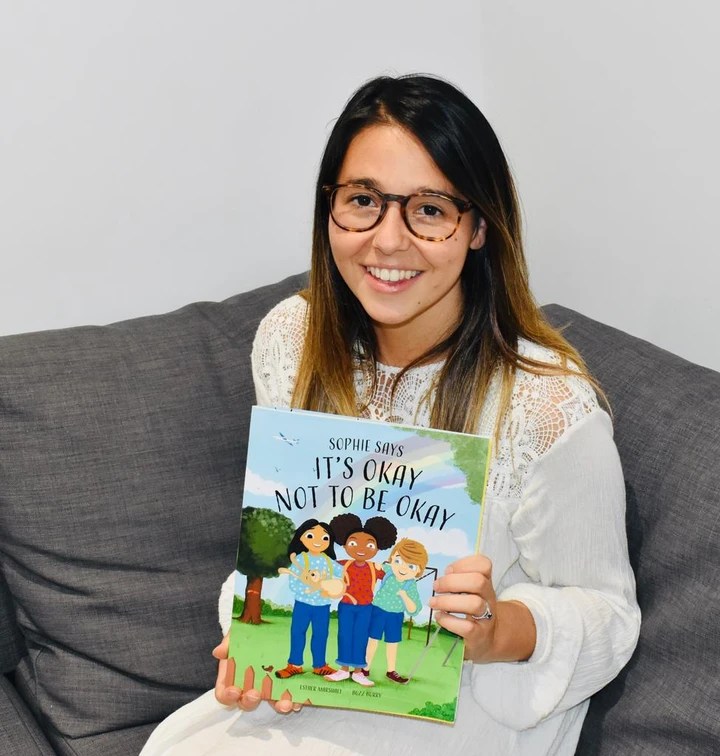
Sophie Says It’s Okay Not To Be Okay- Esther Marshall Book Review by Eleanor

(image: Esther Marshall/ Sophie Says)

I am absolutely delighted to read and review this incredible childrens book from the Sophie Says series by author and award winning campaigner Esther Marshall (with illustrator Buzz Burry).

Esther’s story is close to my heart as not only is she from my own community but her late sister Rebecca z’l was a doctor who had bipolar disorder and sadly passed away a few years ago, while Esther was writing her second book. Esther has shared that it was her sister who encouraged and inspired her idea to write the childrens books that she couldn’t see for her own child (in terms of positive messages, inspiring rolemodels and diverse characters in terms of both race and gender). Through her sister’s struggles, Esther also began to include positive mental health messages on talking and sharing emotions, self belief and self esteem too.

Esther has said,

“I knew from the second my son was born I wanted to teach him that girls were just as strong and powerful as boys, that people from different backgrounds to him could teach him things and he should listen and be kind to everyone.
The problem was, all the books I could find to read to him had:

  • Mostly male characters (even the animals)
  • Little to no diversity or representation
  • No female role models he could look up to

So I decided that if I couldn’t find the book I wanted to read to my son, I’d better write my own.

I want all children to know and believe that they can achieve their dreams regardless of gender, race, religion or class”,

Esther at Sophie Says has not only thought about what stories she wants to tell through the books, but what messages children reading them will take and absorb. She has partnered with illustrator Buzz Burry and comments, ‘we are helping children bypass harmful stereotypes before they set in by changing the face of children’s literature. Our mission is to enable all children to grow up feeling equipped and empowered to face their futures. To learn more about themselves, others and the world around them. We are helping parents to teach their children positive messages and providing a toolkit to navigate some of the trickier conversations.

These books teach children about:

• Emotional Resilience
• Mental health
• Equal opportunities
• Relatable representation 
• Diversity and inclusion
• Self-belief
• Responsible messaging 

Esther very kindly gifted me copies of her first two books- Sophie Says I Can I will– which is about a little girl Sophie with big dreams and no limits. and Sophie Says It’s Okay Not To Be Okay which focuses on Sophie, Jordyn and Jamie on their journey as they learn that it’s okay to talk about their feelings and it’s okay not to be okay. The books are for children in the early years, ages 3-7 years and reading the books with either parents, carers or teachers is recommended. Esther told me she has ‘tried to create books which cater to both home and school so that it can be embedded in both parts of a child’s life and become the foundation of them building resilience at an early age.’

Sophie Says It’s Okay not to be Okay is a very special book- and one of the first I have seen to address children’s mental health in an age appropriate way, to teach children about their emotions and that it’s OK to feel sad, scared or worried. The book follows Jamie who is looking down and feeling sad but whose best friends Sophie and Jordyn help him through and Sophie tells him ‘its okay not to be okay’. They take him to the zoo to help him feel better and speak to Sophie’s older sister Meghan who is wise and will give good advice. Esther named the character after Meghan, Duchess of Sussex who she met with Prince Harry and other young leaders and was inspired by (she gave them a copy of the book too!)

Meghan (the character) says this important message,

It’s okay to be sad and okay to feel down. Just make sure you have good friends around. There may be days when you feel you’re alone but around us, you’ll always be at home. Its Okay not to be okay”

The book also reinforces self belief and esteem , reiterating that ‘YOU are enough!’ and encourages children to talk about their feelings because it can help. Jamie then says he will speak about his feelings in a place he feels safe in the zoo,

I don’t really know how to describe how I feel
As I can’t work out what’s in my head and what’s real.

He said ‘ a smile may be what you see, but that’s not what I feel inside me

There are times I feel quite alone because these feelings are unknown

Some days I’m happy and some days I’m sad and other days I just feel so bad’

(image: Esther Marshall/Buzz Burry/Sophie Says)

His friends then show him support and love, take him to the funfair, all while reinforcing positive kindness and support- ‘Yes we can!” . The book talks positively about the kindness of friendships always being a safe space to talk. This is so important for children particularly in the early years who are learning to understand their feelings.

Esthers writing is beautiful- on one of the last pages of the book she says ‘Whatever you do, be kind, you never know what’s going on in someone’s mind’.

The book was informed by her sister Rebecca’s struggle with mental illness (bipolar disorder). Esther has said, ‘I had always planned to write another book all around mental health to help children understand their feelings and talk about them more openly, and I sadly lost my sister, Rebecca, to mental illness as I was writing it. So the second book Sophie Says It’s Okay not to be Okay is dedicated to her memory’.

Esther wanted to amplify the message and so it was released on World Mental Health Day. The book provides a toolkit for parents who want to help their children to express their own emotions.

She has been visiting schools and doing zoom readings of her book to share the messages for her. Esther told me, I would love that as a result of children reading the Sophie Says books that children understand these vitally important lessons through a fun way of learning and it helps them build resilience and confidence to go out and achieve their full potential whilst being able to understand and manage both their physical and mental health. .’.

Esther is a true force of nature and someone who inspires me so much. She has just released a third book in the series Sophie Says Be Proud of Who You Are which is about Sophie and the rest of the Sophie Says crew on their exciting seaside adventure as they help their friend Priya build her confidence, as they guide her through believing in herself and being proud of who she is. The perfect book to help your child build their confidence and self esteem!

I would recommend the Sophie Says books to all parents, teachers and carers of young children. I can’t wait to see how this brand grows and what Esther achieves (she has achieved so much already!). She should be rightly proud of her work and all she has created.

To learn more about Sophie Says and buy the books click here

You can read Esthers blog dedicated to her sister here: https://www.sophiesaysofficial.com/blogs/dear-rebecca. (If you are over 18 as contains triggering content)

About Esther

Hi, I’m the founder of Sophie Says and the author of the books within the series. The idea for the first book (Sophie Says I Can, I Will) came to me after having my son, Asher (who is the first and most important reader of all the books!).

I knew I wanted him to grow up understanding that both girls and boys could achieve anything that they set their minds to, but I couldn’t find any books that featured a female lead character (a human one, not an animal one!) that really represented the message I wanted to teach him. So I thought, if I can’t find the story I want to tell, I’d better write it myself.

I was gifted two books in exchange for an honest review. Any links are unpaid. These books are incredible.

5 Ways to Support Mental Health As You Get Older.

Image credit

When you think of older people, what comes to mind? Most likely, you think of a frail older man or woman sitting in a rocking chair on the porch with his or her grandchild. This image is often comforting, but it’s not always accurate. As life expectancy increases, so will the number of seniors needing support as they navigate this time in their lives.

Let’s take a look at the five ways you can support mental wellness for the elderly through compassion and care.

Mental Health: Dementia and Depression

Mental health is defined as a state of well-being in which every person realises their unique potential and can cope with the everyday stresses of life. It encompasses our emotions, beliefs, thoughts, and behaviours related to our physical and spiritual health.

Studies have found that over 50 per cent of older adults with dementia experience depression. This figure becomes even more striking when considering that depression rates are higher in women than men. Depression can lead to loneliness and feeling disconnected from society, which might be exacerbated for those who aren’t familiar with mental health issues.

Depression can also lead to poor self-care behaviours like eating poorly or not taking care of personal hygiene because they cannot enjoy their day-to-day activities such as cooking or cleaning. People may find it challenging to socialise during this time because they’re trying so hard not to feel negative emotions like sadness or anger that might come up unexpectedly during a conversation.

It can be worth discussing how they can get support from a care facility such as Oakland Care where they will have round the clock care and support for their mental and physical wellbeing.

5 Ways to Support Mental Health

  • 1. Be a friend

One of the most important things you can do to support mental health in the elderly is being a friend. It’s easy to think of someone who is elderly as being alone, but they don’t want to be. They rely on friends and family members more than ever before. This can help provide them with some comfort and companionship during difficult times.

  • 2. Have compassion for them

It’s good to show seniors compassion when they need it the most. Not only will this improve their mental health, but it will also give you the chance to see a side of your loved one that you might not know about otherwise.

  • 3. Offer loving care

It’s essential for all people in your life, including elderly family members, friends or caregivers, to remember that every person is different and deserves love on their terms. The elderly need specific forms of care and various types of love depending on their circumstances.

  • 4. Send cards or gifts

Gifts sent with care can help people feel less alone and know they have support. Choosing something special to them.

  • 5 Get help

Sometimes, the best thing you can do is to contact a medical professional such as a GP or hospital doctor who can get them the proper care. 

Above all, make sure they are well supported and cared for.

This article was written by a freelance writer and contains affiliate links.

How to Battle Co-Occurring Mental Health and Substance Addiction by Holly

What are co occurring mental health disorder and substance abuse?

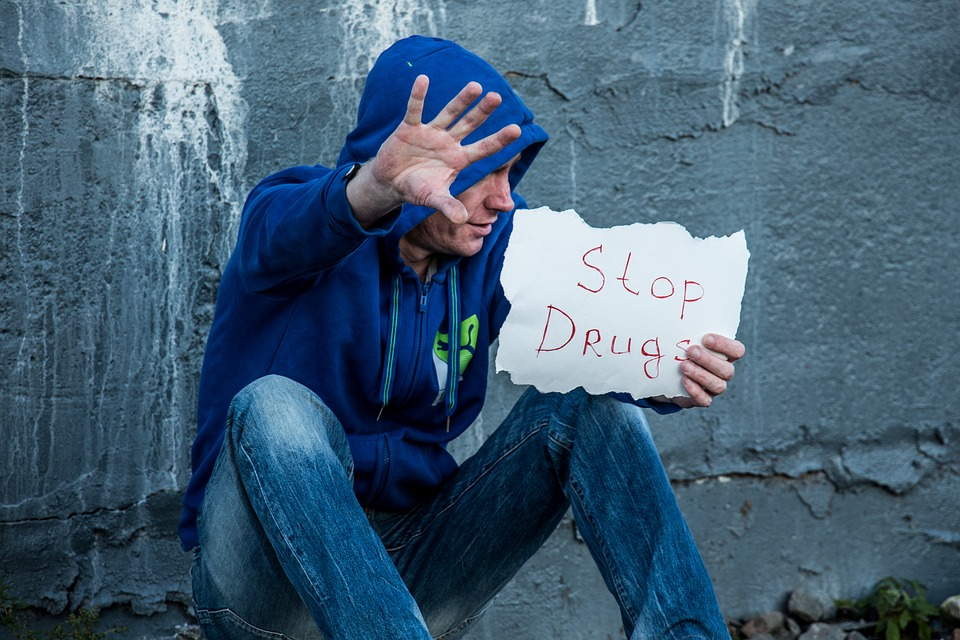
A co-occurring disorder is when a person is battling some kind of mental health issue alongside substance abuse like drugs and alcohol addiction. Both SUDs and mental health issues share a strong link. In fact, it’s estimated that almost half the individuals suffering from one will develop the other at some time or another. 

It’s not uncommon for substance abuse to fuel a co-occurring disorder and vice-versa. The severity of both can also increase over time. 

The most common mental health issues to co-occur alongside SUD are – 

  • Anxiety Disorders –  Social anxiety and general anxiety share a strong link with marijuana abuse. Almost 19% of people in the US have some kind of anxiety disorder. GAD, social anxiety, and panic disorder can also increase the odds of co-occurring issues.
  • Personal Disorders – In terms of the general population, around 10-15% suffer from personality disorders. When we talk about those suffering from addiction and substance abuse, the rate is an astounding 35-70%. The commonest personality disorders in those battling SUD are – borderline, avoidant personality, paranoia, and antisocial behavior. 
  • Attention-Deficit/Hyperactivity Disorder – Studies tell us that ADHD comes with an increased risk of developing addiction-related issues during adulthood (mainly 20s and 30s.) There is a positive correlation in symptoms of ADHD like impulsiveness, hyperactivity, and inattention with substance use in adults. 
  • Mood Disorder – Around 30% of people suffering from SUD are likely to suffer from one of the mood disorders such as depression and bipolar.
  • PTSD – According to a survey, people with Post-traumatic Stress Disorder are 4x more likely to develop substance use disorder than those without.

What Causes Co-occurring and Substance Addiction?

It is estimated that over half the people with one disorder will eventually develop the other during their lifetime. While the exact set of reasons that can fuel these two conditions might be long, researchers have found the 3 most prevalent reasons as to why co-occurring disorders may take place.

Overlapping Risk Factors

Many of the risk factors behind SUD and mental health issues are overlapping. Generally, these include environmental factors like exposure to drugs or alcohol at an early age, early childhood trauma, and genetics. All of these factors can make a person more susceptible to developing mental health issues and requiring addiction treatment for drugs such as Cocaine or others.

Self-Medication

Dealing with a mental illness can be difficult. That’s why many people resort to alcohol and drugs as coping mechanisms. In medical terms, this is called ‘self-medicating’. However, it’s quite misleading as instead of fixing the problems, it only masks them. What’s more, in the long run, it exacerbates the symptoms and worsens the dependency on drugs/alcohol, making it more difficult to detox from alcohol or drugs, often requiring medically supervised detox.

Drug-Induced Brain Changes

Prolonged drug and substance use can change the brains ‘motivation and reward mechanism’. It can give a false sense of wellness causing one to develop a dependence on drugs beyond control. Eventually, it can lead to mental health issues by affecting the brain and neurotransmitters.

Drugs affect the areas of the brain associated with mood, impulse control, anxiety, and schizophrenia.

How to Battle Co-occurring Mental Health and Substance Use

Residential Treatment 

Residential rehab programs begin with an initial assessment to draw an individual treatment plan. This is followed by detox and several other therapies. The patient has to stay in a structured and highly supervised facility. Common inpatient treatment duration for drug addiction is 30 days. Residential programs put the entire focus on recovery as daily triggers and challenges are removed that often lead to relapses.

Outpatient Healing Programs

Under this program, a patient receives all the treatments and therapies as in residential rehab. However, they are not required to live in the facility. This is good for young teenagers, parents, and people with mild addiction who cannot sacrifice work commitments. 

Detox

This is usually the first step in most addiction treatment programs. Drug detoxification entails medical supervision to get the drugs out of the system. With a clean system, experts can begin further treatment. Generally, therapies and medication cannot begin unless detox is successfully over.

Integrated treatment

Integrated treatment often includes behavioral therapy and counseling as interventions. Rehab centers in Connecticut and other parts of the United States use integrated treatment coupled with medication. Integrated treatment encompasses several therapeutic techniques with proven results in treating substance abuse and mental health issues. Common integrated therapies are –

  • Cognitive-behavioural therapy aka CBT aims to understand negative behaviours, thinking patterns, and self-talk that might be causing addiction and other disorders. It then works on changing them.
  • Dialectical behavioural therapy is used for treating borderline personality disorder. It does so by working on negative actions and thoughts like self-harm, suicidal behaviour, and dependence on a substance to cope with daily stressors.
  • Contingency management is often used in upscale addiction treatment centres. It reinforces positive changes by utilising incentives for patients who can exhibit positive behaviours such as staying sober and meeting therapy guidelines.

Medication Treatment

Psychotherapeutic Medications are often integral to treating SUD and co-occurring disorders and are frequently used during alcohol treatment. The commonly prescribed medications include antipsychotics and antidepressants. The latter is used to mostly manage the uncomfortable withdrawal symptoms. Other than that, medications may also be used to lessen the cravings so that relapses don’t happen. 

Buprenorphine, naltrexone, methadone, disulfiram, and acamprosate are the common medications used for treating SUD.

Peer Support Clubs

It’s not uncommon for people with psychiatric issues to become antisocial. The withdrawal from social life exacerbates when you throw drugs and alcohol into the mix. By joining peer support groups/clubs like 12-step, Alcoholics Anonymous, and group counseling – patients can find solace in the presence of other people going through similar battles. 

They can draw inspiration from their stories and also learn some tips to maintain sobriety. Support groups are highly effective in fostering a long-term, sustainable drug-free lifestyle.

Education and Counselling for Families

Sometimes a toxic family environment or dysfunctional relationships may unknowingly be fuelling a person’s addiction. Family counselling educates people how to create a healthy living environment for a family member to support long-term recovery.

image: erson-holding-stop-drugs-sign-blog

Holistic Remedies

Medical science is embracing the effectiveness and importance of holistic/alternative treatment when it comes to treating drug addiction. Many rehab centres are now adopting a holistic treatment model. Common holistic therapies are – massage therapy, acupuncture, hypnotherapy, yoga, reiki, meditation, and music therapy.

In Conclusion

Co-occurring disorders may be a harsh reality in many people’s lives. But, know that if you or your loved one is going through this issue, help is always available.

Holly is a freelance writer who loves to help people who are struggling with a drug or alcohol addiction. Holly knows first-hand what it’s like to deal with substance addiction, and has now been sober for 5 years. Holly is a frequent contributor to many addiction-related blogs and organizations such as the Addiction Treatment Division and Inpatient-Rehab.org.

How to Support Your Spouse with Mental Health Issues: by Kara Reynolds.

(image: Pexels)

Providing support to anyone with a mental health issue is challenging, to say the least. But when that person is your spouse, the situation is even more complicated. At worst, it’s confusing and overwhelming. At best, you might be walking on eggshells. However, being there for your partner during this difficult time will ultimately bring you closer together.

Here are a few ways to support your spouse so you both can emerge from this stronger than you were before. 

1. Help Them Help Themselves 

In the United States, nearly half of those with clinical-level mental health issues don’t seek help. Instead, they try to handle their illness on their own or simply give up hope, both of which can quickly send them into a downward spiral. 

Therefore, if you notice potential symptoms of a mental illness in your spouse, it’s important to encourage them to seek help. Work together to find a therapist, counsellor or physician (doctor) who can provide medical advice or guidance. 

2. Understand the Diagnosis

Once they see a professional and receive a diagnosis, read up on their condition. Maybe you’ve noticed some of the accompanying symptoms but failed to attribute them to their mental illness. Now that you’re more aware, you can stay calm and avoid feeling triggered or attacked when these symptoms show up in everyday life. 

On the other hand, if your partner hasn’t visibly shown signs of depression, anxiety or other issues, you might have been unaware of their suffering. Understanding their diagnosis will help you notice symptoms in the future so they don’t have to go it alone any longer. 

3. Implement Support Tactics

Now that you know what to look for, you might notice more mental health flare-ups, so what should you do when things start going south? Implement support tactics specific to their condition. 

For instance, if your spouse is dealing with depression, you might notice they’ve neglected to wash the dishes or do the laundry. In this situation, consider offering to complete these chores yourself or suggest doing them together.

4. Be a Good Listener

Sometimes, your loved one will want to talk about their experiences or past trauma that may have prompted their mental illness. When they express interest in discussing things, create a safe space for them by being a good listener. 

Pay attention to every detail in an effort to better understand their perceptions and beliefs. Let them talk it out without worrying about how to respond. Then, when you do react, try to do so not from a place of judgment, but of empathy and compassion. Validate their feelings to help them accept their emotions and move on.

5. Be Patient 

It may be difficult to hear, but certain mental illnesses can ebb and flow for years without reaching a resolution. There’s no magic timeframe for recovery.. Therefore, it’s best to let go of idealised timetables and take things day by day. 

This is when love becomes a choice and your commitment to one another carries you through — for better or worse. Instead of running away, resolve to stay steadfast and patient. Instead of holding their illness against them and growing bitter, choose to see it as yet another challenge you can overcome together. No matter how long it takes, you’ll be there to give them support, encouragement and affection. 

6. Practice Self Care

If you’ve ever been on an aeroplane, you know the flight attendant recommends putting on your own oxygen mask before helping others. After all, you can’t assist others if you don’t take care of yourself first. The same is true in your marriage — and every other relationship, for that matter. Therefore, it’s incredibly important that you practice self care and take care of your own mental health before trying to help your spouse with their issues. 

Take time to be alone each day. Revisit an old hobby or pick up a new one like knitting or journaling. Mind-body exercises and autoregulation techniques can also relieve stress and help you tune into sensations you wouldn’t have otherwise noticed. Engaging in these activities will help you stay healthy and better support your spouse during this difficult time. 

7. Keep the Love Alive

Mental health issues and the symptoms that accompany them can become all-consuming. However, it’s important to focus on your relationship apart from this conflict to keep your bond strong and the love alive. 

Spend quality time together, go on dates and continue to communicate openly. Do things that bring you both joy and focus on enjoying each other’s company. Doing so will remind you why you fell in love in the first place and give you more reason to fight for your spouse’s mental health and your relationship as a whole. 

Communication Is Key 

After some time, you and your spouse may begin to resent the patient-caretake dynamic. When these sentiments arise, communication is key. Talking about your feelings will help you understand one another better and may put you on a level playing field again. Once you realise that it’s you two against the world — and not against each other — you can take on mental illness together and emerge on the other side stronger than ever.

This article was written by freelance writer Kara Reynolds, Editor in Chief at Momish.

Christmas For CAMHS- Helping Children in Mental Health Units this Christmas.

(image: Christmas4CAMHS)

Many of you know that I support a charity very close to my heart- Christmas For CAMHS. I volunteered with social media and raising awareness. A few years ago, it got charity status and this is so exciting but it still needs your help and donations, so read on as to why its so important to me and those children in hospital!

In 2004, when I was just 16, i was admitted to an NHS CAMHS (children and adolescent mental health unit) at the Priory Hospital North London for depression and psychosis- part of my bipolar disorder on Christmas Eve. Even though I am Jewish, I remember opening a wrapped present (can’t remember what it was) that the staff had organised for us out of their budget. The other patients also left me notes and cards. But the truth is there was no charity giving us presents and we were away from our families, all very ill- so the staff just did the very best they could under the circumstances.

Then, in 2018, I heard about a charitable enterprise set up by a lovely doctor and trainee child psychiatrist called Ro who wanted to do something about the lack of equality children in mental health units had. She and her volunteers were sending presents to children on CAMHS wards across the UK and asking for donations.

Christmas For CAMHS is a registered charity who provides special Christmas gifts every year for children and young people who are inpatients in child and adolescent mental health (CAMHS) wards across the UK over the Christmas holiday period.

They want to make children and young people who are inpatients over the festive season feel thought-about, special and included – our individual gifts for each young person to keep, as well as gifts for their ward, help us to do this.

They have been hugely supported over the past few years by generous donations from the public and have received much gratitude as a result from inpatient units. However, they are only able to provide gifts with your charitable donations.

To find out how you can donate money or gifts please visit their donations page to see the Justgiving page and Amazon gift list.

They say:

Christmas For CAMHS was originally set up because volunteers saw a huge disparity in the way CAMHS units were treated over the festive period compared to other NHS services for children and young people. They wanted to do something to change that.

Children are admitted to CAMHS units to receive support and treatment for mental health issues, such as psychosis or depression or eating disorders like anorexia. There are no official figures for how many children will spend the festive season in CAMHS units across the UK, though we often give gifts to over 1500 young people. While many members of the public and corporate donors give Christmas gifts to children’s hospitals or children’s wards in general hospitals, CAMHS units, which are usually based away from other services, are often forgotten, or not known about. We don’t think this is right.

Every year they talk to every CAMHS unit in the UK to see what gifts their young people would like. Then, with your generous donations, they buy beautiful and thoughtful gifts for young people in almost every unit across the country.

We also include, where possible, some small fidget toys, a gift for the ward like a board game or sports equipment, some activities to do during the festive period and extra gifts for particularly vulnerable young people who are looked after children or who have a refugee background. We also send them an advent calendar full of inspiring quotes and pictures of cute pets. Sometimes we’re able to include a homemade card or two too.

The gifts are assembled at a packing weekend in Bath by our volunteer elves and then whizzed around the country in plenty of time for Christmas! As a charitable organisation, we rely 100% on fundraising and your generous donations. Each penny goes directly to making the magic happen.

(image: Christmas4CAMHS)

So please, support Christmas For CAMHS- if you can donate a gift or money that would be incredible. As a former child patient, the loneliness you feel is unbearable-lets work together to stop the inequality and forgotten children!

see: https://www.christmasforcamhs.org.uk/