Why Magnesium Baths Are The New Self-Care Ritual by Miranda Spears.

(image: Pexels: Gabby K)

Self care is so important, so why not try a Magnesium Bath? Magnesium baths rely upon magnesium salts (typically magnesium sulfate or magnesium chloride) dissolved in warm water to create a solution with beneficial qualities. Magnesium ions are absorbed through the skin during your soak through a physical process called transdermal absorption, which relaxes muscles by balancing nerve impulses to muscles, and it also reduces inflammation. Magnesium is also beneficial in the production of cell energy as it helps in the production of ATP and enhances the quality of sleep, due to the control of melatonin release. Here we present five evidence-based ways magnesium baths support physical recovery, skin health, mental clarity,

Deep Absorption of Minerals in Warm Baths to Revitalise Muscles

By soaking in warm water with magnesium bath flakes, you’ll be getting a concentrated dose of this vital mineral that will be absorbed directly into the skin. Magnesium ions penetrate the skin through the flakes, entering the muscles when they disrupt pain transmission and minimise the markers of inflammation. This is selective absorption and initiates recovery of active stress, therefore, heals stiffness as well as increases flexibility. The sources of tensions dissolve, and your previously tensed muscles turn into elastic cords capable of moving in any direction. Habitual soaks enhance soothing properties, so, you can live an active life, without muscle soreness.

Enhancing Mental Clarity with Sensory-Rich Immersion

Warm water helps lighten the burden of daily challenges, and magnesium gratefully taps into neurotransmitters like GABA and tones the impartiality of moods. With every deep breath of subtly scented extra essential oils or plant infusions, every breath is gets a little stronger, until you can relax deeply. You become able to go back into your environment, and you can go and do things in a purposeful manner. Recharging of the mind roots you throughout the day in a state of productivity.

Lifting the Home Spa Atmosphere

More than minerals and water are required to turn a typical bathroom into a sanctuary. You can use soft towels, controllable lights, and adornments that create an atmosphere that welcomes relaxation. Include small-scale candles on the periphery of the tub with flames that provide soft illumination. The slightest bit of greenery helps bring nature inside for relaxation.

Gentle Agents to Boost Skin Health with Nourishment

In addition to relaxing the muscles, a magnesium bath helps to give the skin a glow. The mineral helps to hydrate and repair the cells due to its ability to attract moisture to the epidermal layer. During soaking, scrub a bit with a side brush or natural sponge to scrub off dull cells, and in turn, boost circulation. Pat dry and trap moisture by using a light natural oil or serum, and the skin will absorb the nutrients. As time progresses, you will feel that your skin has become smooth already and has a healthy glow that is a result of constant renewal with the help of minerals, so your skin will feel refreshed too.

Retraining to Have Restful Sleeping Routines

Magnesium soaks in the evenings, prepare you to take a lovely, restorative sleep with the help of balancing various hormones that control your circadian rhythm. The temperature reduction when exiting the bath into cool air is an indication to your body that you should take a rest and relax. You will sleep more comfortably, more deeply, with less anxiety and you should end up waking up in a good mood.

Magnesium baths are refreshing and also spiritually enhancing. Muscles relax, minds can be more focused, skin becomes radiant, and sleep comes as easily as breathing. This habit goes beyond relaxation and becomes a specific gesture of care taken towards yourself, one that re-echoes in all the levels of your life. By doing that, every bath will become the ritual of rejuvenation, a special moment created especially in your favour where the stress of the day is washed away and health prevails.

This article was written by Miranda Spears and contains some sponsored links.
Transforming Bedrooms Into Anxiety-Reducing Spaces For Kids by Amy Jones

(image: Kenny Eliason: Unsplash)

There is nothing more heartbreaking than to see your child suffering. What’s more, when their mind is playing tricks on them, and they’re experiencing spells of anxiety, it can leave you feeling helpless as the parent/carer. While you may be doing all the right things such as taking them to therapy and encouraging them to talk about their feelings, sometimes their environment can play a huge role in their emotions. Children spend a lot of their time in their bedrooms, especially when they’re feeling anxious about the outside world. Transforming their bedroom into an anxiety-reducing space could be the key to allowing them an environment to disconnect from ruminating thoughts completely.

Be sure to listen to what your children want for their bedrooms before taking the design into your own hands. If they believe a Minecraft bedroom will make them feel happy and give them a sense of security in their space, listen! Otherwise, consider the following tips for designing your bedroom into an anxiety-reducing space. 

Colour schemes 

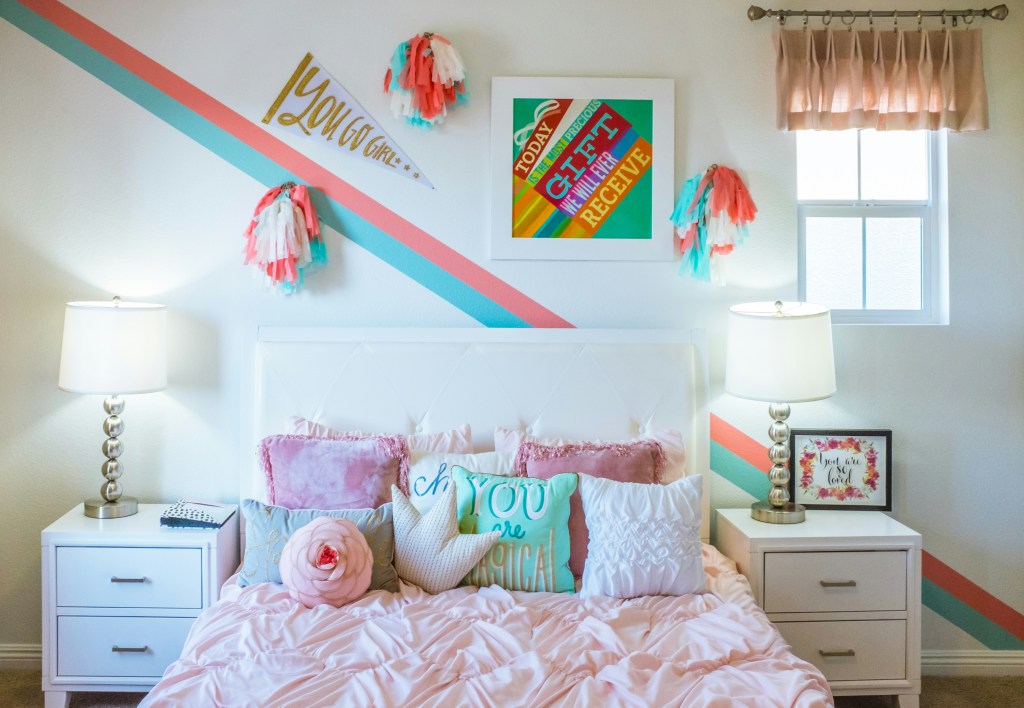
Starting with the room’s backdrop, consider painting your child’s room a colour that inflicts a sense of calmness and serenity. There are a number of colours that are proven to create this mood, for example, cool colours such as blue, green and lavender grey are known to create a relaxing feel. Also, pastel shades of favourites such as pink and green are perfect for creating a sense of tranquillity. 

Connections to nature 

Nature has shown to have immense benefits for reducing anxiety, from going for walks to playing in the park, if your child is struggling to face the great outdoors, consider bringing it to them. For example, add touches of greenery in the space. There can be faux versions of vines winding round their bed, or perhaps give them real plants to take care of and give them a greater sense of purpose. If your child has been begging for an animal, why not start small and get them a fish? It has been proven that watching fish swim back and forth can relax the mind and ease muscle tension.

Blue LED lighting 

Lighting can be a hard element of the bedroom to influence. If your child’s bedroom is currently brightly lit with fluorescent light this may not be helping their state of mind. Blue light therapy has been raved for its ability to influence mood and the body’s biological clock. Dimming their bedroom lighting with blue lighting may support their night of rest. Several sensory light appliances can create this experience, in addition to adding texture to the projection that mimics ocean waves. 

Create “safe spots”

Sometimes, your child just wants to be alone, and that’s okay. Creating a safe space away from the world can be simple with the addition of a children’s teepee, or if your child has a bunk bed with underspace, make this area more private with curtains. Fill this space with comfy seating, pillows, and games for your child to play. It can be tempting to buy them an Xbox or PlayStation to enjoy in their bedroom, but this can worsen your child’s anxiety and keep their mind active when it’s time for rest. Keep technology away from their bedroom, and keep it comforting and quiet. 

Keep schooling separate 

Another mistake parents make with their child’s bedroom is adding a desk for them to complete school work. When your child is suffering from anxiety, school can often inflict feelings of discomfort or remind them of unpleasant experiences. Allow your child to do their school work downstairs where you can support them and be there for them. Allocated places for different activities can help them feel a sense of security. Reserve the bedroom for sleep. Having a small table and chair for your child to do artwork can act as a place to explore their creativity. 

Encourage rest & relaxation

Encouraging relaxation is essential when transforming your child’s bedroom into an anxiety-reducing space. This involves creating an atmosphere that promotes comfort and signals to your child that their room is a sanctuary for winding down and recharging. Start by investing in high-quality, soft bedding and cosy blankets that make your bed an inviting haven. Add plush pillows or weighted blankets, which are known to provide a sense of security and calmness.

(image: Pexels: Vika Glitter)

An anxiety-reducing space

Transforming your child’s bedroom into an anxiety-reducing space can have a profound impact on their emotional wellbeing. By focusing on calming colours, natural elements, thoughtful lighting, and creating safe and comforting zones, you’re helping to create a sanctuary where they can decompress and feel at ease. Remember, every child is unique, so it’s important to involve them in the process and tailor the space to their individual needs and preferences.

Small changes in their environment can make a big difference in their ability to manage anxiety and feel secure. While this is just one piece of the puzzle, pairing it with emotional support, therapy, and open communication can empower your child to navigate their emotions with greater resilience. A cosy, peaceful bedroom can become their haven—a place to relax, recharge, and truly feel at home.

Author Bio

Amy Jones is a freelance writer and enjoys writing a range of topics, from mental wellness to home renovation and loves researching the latest news and updates. Having worked with a number of different businesses, including Petite Lumeire, Amy is now a freelance writer looking to specialise in children’s mental and physical wellness.

A Journey From Stress To Rest: Tips To Get A Restful Night’s Sleep

(image: Kinga Howard, Unsplash)

Are you seeking restful sleep at night? If so, then you are not alone in this; the majority of people face the issue of restlessness at night. In fact, in the United States, about 50 to 70 million people suffer from insomnia, as reported by the National Heart, Lung, and Blood Institute and SleepHealth.org. Millions more around the world, including in the UK, also struggle with the affects of poor sleep.

When your mind is entangled with the day’s worries, whether it’s work stress, family commitments, or occasional illnesses, achieving a truly restful night’s sleep can feel like a distant dream.

But fear not; this guide is here for you to unlock effective tips for a peaceful night’s sleep.

1.    Understanding Hormonal Balance

Hormones play a vital role in regulating sleep; they are natural chemicals in your body. For instance, low testosterone levels can significantly impact sleep quality, especially in men. However, TRT can be a viable option if your t-levels are really low and you want to improve sleep patterns. This helps you to regain lost energy and vitality.

There are different types of TRT (testosterone replacement therapy) options available. It includes injectables, creams, gels, or capsules. The best way to determine which option is right for you is to consult your doctor. They will carefully assess your situation and recommend the most suitable course of action tailored to your needs. This ensures that any treatment you receive is safe and appropriate for your overall well-being.

2.  Establish a Relaxing Bedtime Routine

A relaxing bedtime routine is crucial in signalling your body that it’s time to relax and get ready for a nap. Start by setting a specific time to go to bed and wake up, even on weekends. This regular schedule helps your body get used to a routine. Next, include soothing activities in your routines, like reading a book, taking a warm bath, or practicing meditation.

These activities promote relaxation and give your mind peaceful thoughts, which leads to restful sleep. In fact, in this way, when you wake up the next morning, you will feel refreshed and ready for a new day.

(image`: Rock n Wool: Unsplash)

3.   Create a Sleep-Inducing Environment

Your bedroom environment significantly impacts your ability to get rest. Ensure your bedroom is quiet, dark, and cool. A peaceful space helps you avoid disturbances that can wake you up during the night.

Consider using blackout curtains for darkness because it signals to your brain that it’s time to take a rest. Invest in a comfortable mattress and pillows to support your body adequately. If noise is a problem, use earplugs or a white noise machine to block out disruptive sounds.

Keeping the room cool, usually between 60-67°F (15-19°C), helps your body temperature drop, which is necessary for sleep. When you have the right conditions in your bedroom, you’re more likely to enjoy uninterrupted and high-quality sleep, leaving you energised in the morning.

4.  Manage Stress and Anxiety

Stress and anxiety are significant barriers. That’s why it’s recommended to learn stress management techniques that help calm your mind and body. One effective technique is deep breathing exercises. This involves taking slow, deep breaths to relax your nervous system and reduce stress. You can also explore practices like yoga or progressive muscle relaxation, which help alleviate tension and promote relaxation.

Another helpful strategy is journalling. Before bedtime, jot down your worries and thoughts in a journal. This can be a therapeutic way to clear your mind and ease the burden of stress and anxiety, making it easier to fall asleep peacefully.

After all, managing stress is not just about the night; it’s about finding balance throughout your day. In this way, you can create a more harmonious and restful experience for yourself.

5.  Mindful Eating and Exercise

What you eat and how you move throughout the day can influence the quality of your sleep. To promote it, taking care of these and being mindful of what you consume is essential. When it comes to eating, avoid heavy meals, caffeine, and alcohol before going to bed, as they can lead to restlessness and insomnia . Instead, opt for light, sleep-promoting snacks like almonds.

In terms of physical activity, regular exercise is beneficial, especially when done in the morning. However, it’s advisable to steer clear of vigorous exercise too close to bedtime, as it may leave you feeling too energised to take a rest. These lifestyle choices can contribute to a more peaceful and refreshed night.

Final Thoughts

Achieving a restful nap is a journey that requires a holistic approach. By establishing daily habits, you can make the way for a better power nap. Remember, each small step you take can significantly improve your sleep quality and impact your overall health and well-being.

This article was written by a freelance writer.

Sponsored post with links

7 Tips On How To Get Good Rest As A New Mom/Mum.

(image: Kelly Sikkema: Unsplash)

Being a mother, let alone a new mother, is no easy task. New moms might find themselves flustered with the idea of being a parent for the first time ever. No longer do they only have to care for themselves but also a little one, too, who depends on them. Frustration, stress, and lack of sleep are all common for new mothers. So, how can they fix this? Here are some tips.

  1. Sleep in the Same Room as Baby

Waking up every few hours in the night is no easy task. Having your sleep disrupted when in a groggy state is several times easier when your baby is close by to you.

Keep a crib or bassinet right next to your bed or at least a few feet away to reduce long walks throughout the house to tend to your baby in the night. This way, you can resume sleep as soon as possible.

  1. Prepare a Feeding & Changing Station Before Bed

Another way to ensure proper rest and sanity as a new mom is to keep a feeding and changing station stocked before going to bed for the night. Keep diapers, wipes, rash cream, baby powder, and a change of clothes nearby. Also keep clean bottles and formula (if applicable) within close reach.

  1. Don’t Skip the Bubble Baths

Good hygiene provides relaxation, which in turn, helps us feel more put together and well-rested. There’s nothing quite like soaking in a calming bubble bath to ease those tense muscles.

  1. Keep Your Mental Health in Check

After having a baby, your mental health is of utmost importance. When you’re in a bad mental health state, it’s difficult to get quality sleep at night. You may have problems falling asleep, staying asleep, or may be oversleeping. Either way, you find yourself feeling unrested.

If your mental health is suffering, it may be time to consider postpartum depression care in Orange County.

  1. Let the Household Duties Slide

Right now, your wellbeing and your baby’s well being matter most. A pile of dirty dishes? Leave it for tomorrow. Now is the time to prioritize your physical and mental state in the form of good rest. Unless there’s broken glass on the ground or a horrible stench in the house, the chores can be put off.

  1. Get Physical

Even simply going on a walk around the block can be a great way to get exercise in. This in itself can be a relaxing activity. And as everyone knows, getting exercise can also allow you to get a better night’s rest.

  1. Drinking Calming Teas

Turning to herbal teas like chamomile or lavender can be great ways to unwind after a hectic day as a new mom. Never underestimate the power of a hot beverage filled with calming herbs, especially before bedtime.

Conclusion

Being a new mother is going to be a challenge no matter how you look at it. However, what a mom can do differently to make things easier is to ensure she gets proper rest. With the latter tips, any overwhelmed, exhausted mom can get the rest and relaxation she needs to feel rejuvenated after a long day of parenting.

This article was written by a freelance writer.

What I love about the Festive Season (even though I don’t celebrate Christmas). by Eleanor

(image Ylanite Koppens on Pexels)

What do you love about this time of year? Although i don’t celebrate Christmas, I absolutely love many things about this season of celebration, including Chanukah that has just been and the way this time of year can feel super cosy!

Heres my list and what I am looking forward to:

Blankets, PJs and warm socks

Festive songs- got to love Mariah

Feeling cosy/ hygge indoors

Hot chocolate with or without marshmallows

Gingerbread men

Twinkly fairy lights and the London Christmas Lights

If you celebrate Christmas- your christmas tree

Time with family and friends

For me, Chanukah- lighting candles each night and celebrating, which we did last week 🙂 we eat doughnuts

Giving gifts to those I love

Being with my husband and having chill time- his birthday is just after Christmas too. And cuddling our guineapigs Midnight and Nutmeg.

Christmas markets

Going to the theatre (as long as we are still allowed)

Having days off work to watch good TV with family

Sex and the City returning as And Just Like That, Emily in Paris second season and hopefully a new season of Bridgerton will be on its way soon.

My Body Shop pampering treats (perks of the job).

Helping others and doing good deeds

This time of year can also be a time of loneliness, poor mental health and lots of other awful things people are facing such as poverty or homelessness. But today, as I always focus on the heavier issues, i am looking for the positives but Give your time to others who need it too. if youre able.

(image: Darius Krause Pexels)

What are you doing for the holidays?

Eleanor x

10 Tips to Avoid Covid Burn Out at Home and Help Your Mental Health.

(image: Unsplash)

There’s nothing inherently wrong about staying at home. On the contrary, it’s the perfect opportunity to focus on your work without the typical office interruptions. Besides, you don’t need to get up early to get ready for work anymore. Bliss! 

Or at least, that’s what you used to tell yourself during the first lockdown. But half-way through the second British lockdown, you’re finding it hard to stay positive about the situation. 

A simple chain of emails with a coworker makes your blood boil. They’re asking if you can edit your previous report. They don’t like the way it is written. They’d prefer a more energetic text. You roll your eyes. It’s an informative document, not a piece of poetry, you think to yourself. 

You bite through your lips during the next video call, trying to contain your frustration. Why are clients changing their minds again? They already gave the green light for the project, but now, they want everything redone again. You cheekily pretend the doorbell rang to escape the call for a few minutes while you try to calm down. 

Why is everything so unbearable these days? The answer is simple: Lockdown takes its toll on your mental health. Don’t be harsh on yourself.

Feeling tired, stressed out, and angry is a normal reaction during the pandemic. In any other situation, you would plan a relaxing vacation away from the hecticness of everyday life. Unfortunately, there is nowhere else you can go. So how do you take a break when you can’t go anywhere to recharge your batteries? 

#1. Book a few days off

You may not be able to go anywhere, but turning the laptop off for a few days can already make a big difference. Working from home means that you can’t truly compartmentalise work in the way you used to. There’s no way you can leave your office worried at the door when coming back home. The home office has brought work inside your home. A lot of professionals tend to check their emails on their phones, long after their working hours.

On top of that, you’re more likely to work longer hours at home, as there’s no rush to leave the office on time. Compared to the typical 8-hour day, it’s easy to see why you’re exhausted! Don’t be afraid to book some holiday away from the screen. 

Also its important to check with your office about their vaccination policy even if you are working from home or having time out. It is important to be safe and well.

#2. Reach out to an expert

Sometimes a short break isn’t enough to take your mind off work stress. Working from home makes you more vulnerable to mental fatigue, as you’re more likely to work overtime. However, when the fatigue reaches such a level that you feel emotionally empty and powerless, you may want to reach out to a doctor. Indeed, what you may be experiencing is burnout, the sensation that there is always so much to do and that you can’t meet the expectations that your work has from you.

You may not be ready to reach out to a therapist to discuss your issues, or perhaps you are not sure what you should be talking about. But you can reach out to an online doctor service to find tools and tips that can help you cope. You can consider treatment for anxiety, for example, which can help you relax. 

#3. Create a strict schedule

According to a LinkedIn study, many home-based employees feel the pressure to appear busy. Many are worried about how coworkers and managers perceive them. As a result, overtime has become the new normal. Britons working from home are doing the equivalent of 4 extra whole working days per month.

It is exhausting, both to the mind and the body. You need to create a schedule that respects your work/life balance. Reduce overtime by blocking time in your calendar for yourself and your family. For instance, if you’re unlikely to stop working at 5:30 PM, book an appointment for yourself after work. Why not schedule your home workout at 6 PM? Make sure as well to book lunchtime away from the desk, even if you’re only going to the kitchen to heat leftovers. You need to reclaim your spare time. 

#4. Introduce a soothing routine

How do you soothe the mind when anxiety won’t disappear? Making time for your mental health can transform your perception of lockdown, and also improve your productivity at work. Yoga is an excellent tool to let go of stress and clear your headspace. You can start noticing positive effects after only a few minutes of exercise. Making yoga a daily practice can help gradually take back control of your emotions and regain your peace of mind. 

Admittedly, yoga if not for everyone. Perhaps, you’d prefer a different kind of workout to alleviate stress. Or a relaxing bath after work. It doesn’t matter what you choose as long as you stick to it. 

#5. Seek new interests

Lockdown is shrinking the world around us. After a few weeks, your entire life revolves around your home office desk, the bedroom, and the couch in the living room. You feel trapped in a tiny routine. While going out is not an option, you can consider introducing new things in your daily life. Something as trivial as reading a book or watching a new TV show on Netflix can bring a sense of renewal and excitement. 

#6. Allow yourself to be lazy

The art of doing nothing is a complex skill to acquire. We live in a society that believes that productivity is the only way to create value. We reject unproductive and passive activities because we’ve been conditioned into thinking that doing nothing is bad. The truth is that doing nothing can give you the time and space you need to recharge your batteries. Sit on the couch and let time pass without checking your emails or reading the news. Your mind doesn’t need constant stimulation. On the contrary, the absence of intellectual engagement is necessary. The hyper-productivity race is destroying your sense of self and your mental health. 

(image: Unsplash)

#7. Stay in bed a little longer

Do you wake up feeling refreshed? No? You’re not the only one. A whopping two-thirds of people have been struggling with sleep quality since the beginning of the pandemic. The combination of pandemic anxiety and long working hours creates a sleep deficit. Ultimately, it affects your mood, your mental focus, and your energy levels. Why not go to bed a little earlier today? Don’t be afraid of changing your sleep routine to find what works for you. 

#8. Have realistic goals

In lockdown, I’ll learn a new language. 

I’ll get fit. 

I’ll repaint the bedroom. 

Don’t overdo it. Staying at home doesn’t mean you’ve got more time at your hands. Setting unrealistic lockdown goals will only stress you out. 

#9. Laugh

As silly as it sounds, laughing is still the best medicine when it comes to releasing stress and anxiety. Sit back and watch your favourite comedian on TV. Zoom with friends for an online quiz or an escape room game. Laughing your heart off is not just good for your mood. It helps to break the cycle of stress and self-guilt that leads to burnout. 

#10. Make time to go out

In winter, the seasonal affective disorder is at its worst. Even without lockdown, you’d be naturally getting less exposure to sunlight. But right now, it’s important to make time to go out of the house and walk in the sun. Whether you’re just going to add some seeds on the bird’s table in the garden or walking down the street to your local shop, you don’t need more than 30 minutes a day to regulate your mood. It can make a huge difference. 

Feeling drained, tired, and irritable is a normal reaction to lockdown. As more and more people are reporting mental health symptoms, it’s important to take preventive steps to avoid Covid burnout. Take back control of your routine and your mood as you’re staying at home. 


This article was written by a freelance writer
.

Self Care Activities to do for Those Who Love to Be Alone: by Regina Thomas

My Image Source: Envato 

Finding ways to spend a little time with just yourself without worrying about the stress of what others are needing of you can be a little challenging at times. There are many ways that you and others can enjoy a few hours of solitude with different activities for those who like to be alone.

There are also plenty of reasons why you may want to enjoy a private retreat where you have your own space to unwind. Perhaps you are just too much of a workaholic or you find your days too hectic. Or perhaps you’re not ready to settle into a committed relationship yet. Whatever the reason, there are many ways to get some time alone.

A Little Private Getaway

You can enjoy your own space without having to make other arrangements to do so, such as renting a quiet place to stay. You can do this at times when you feel most comfortable and if you don’t mind a short nap in between activities. Of course, you can also find homes that are full of amenities that will provide everything you need to relax.

Get Out in Nature

You can take part in a variety of activities such as yoga or other types of exercise that allow you to get out in the fresh air and enjoy the outdoors. Or you might enjoy fishing, hiking, boating, or swimming. Many people even find ways to get involved in activities like taking hikes around the lake, camping out in the woods, or enjoying the ocean.

Whether it be camping in Pennsylvania or enjoying the sunset on Cannon Beach by yourself. Being in nature can also just improve your mental health and lessen the distractions of everyday life for a little while. 

Spend Some Time at Home

If you have children, you might find it easier to relax and have your own space. Many parents find it difficult to leave their kids at home alone so they have to choose ways to make sure that they can be left alone. But, many other times, you’ll be able to have the peace of mind that comes from knowing that you are doing the best you can to keep your family safe and healthy.

In addition, you can also find a way to relax by watching television. A lot of families have a set schedule for watching television and it’s a common practice to have each member of the family to watch a different show during the day while relaxing in the same room. Of course, there’s no set amount of TV you can watch but in some cases, you might find a favorite show to watch on weekends so that you and others can enjoy some quality time together.

It’s a good idea to have a book nearby as well. Reading can help you unwind and allow you to feel like you are part of a world where nothing is really important. Whether you are reading a good book about nature, history, psychology, romance, or any other subject, you can learn a lot of valuable things from reading, while keeping yourself busy.

Take That Time for Yourself

It can be exciting to explore different activities for those who like to be alone. It can be easy to get caught up in the hustle and bustle of everyday life and forget how great it feels to be able to just sit back and enjoy the fresh air and let it all pass you by. You don’t have to always have to be an active person to enjoy the quiet and solitude of a retreat – simply taking the time to focus and read your favorite books can be an enjoyable way to relax in the privacy of your own home.

These are just a few ideas to think about when it comes to activities for those who like to be alone. By spending some time doing different things that you enjoy, you can make sure that your mental health and self love are at an all time high.

Bamboo sheets- A potential cure giving better quality sleep and less Anxiety at night.


cosyhousecollection1

(image: Cosy House Collection)

With around 33% of people getting less than the recommended amount of sleep (less than 7 hours), many have turned to using bamboo sheets as a way to cool them down in the warmer months and reduce sleep stress and anxiety.

We are all getting worse quality sleep year-on-year, no doubt impacted by the intense box sets we watch on Netflix just before bed, blue light coming from our phones, ongoing stress and money woes.

The start-up and tech industry is seeing a wave of new inventions to help with sleep, from cooling pyjamas, weighted blankets, noise defenders and sleep monitoring apps.

However, one of the latest products to win over sleepers is bamboo sheets and pillow cases. This soft and light fabric is quickly being the first choice over traditional cotton or linen.

Bill Fish, the co-founder of sleep resource, Tuck, explains: “Our first choice when looking for breathable sheets is linen. It tends to be cooler than cotton, but more importantly the quality of the fabric can look and feel good for years to come. If you are looking for eco-friendly breathable sheets, bamboo is an excellent choice. It is hypoallergenic, and also feels gentle to the touch.”

Bamboo, made from the bamboo plant, is known for being light, comfortable and its properties are soft and breathable. Being thermo-regulating, bamboo works by keeping cool in the heat, and staying warm in the cold, making it perfect for summer and winter and something that you can use all year around.

The breathability of bamboo should help those with stress and anxiety, which is unsurprisingly the leading cause of insomnia.

In addition to helping people sleep through temperature control, bamboo sheets are hypoallergenic and can help produce better quality sleep by reducing stuffiness of the nose and head.

Bamboo sheets and pillow cases may not be the full answer for a bad night sleep or ongoing sleep issues – however, it is should certainly be seen as way you can optimise your sleep and living surroundings, in addition to the right lighting and avoid using your phone before bed.

Other notable methods to improve sleep quality including avoiding caffeine and alcohol up to 8 hours before you go to sleep, adjusting the light in your room, reviewing your mattress or speaking to a Doctor for professional advice.

Bamboo sheets are available from Cosy House Collection for less than $60 (£50) and includes one fitted sheet, flat sheet and 2 pillow cases.

This blog was written by Cosy House Collection for quality luxury yet affordable home essentials.

Dealing with my mental health on holiday abroad: Trip to Israel

recharge
(image: GoThinkBig)

On Monday, I returned from a wonderful holiday to Israel with my fiance Rob, seeing friends and family. I hadn’t been to Israel in 9 years for various reasons and he hadn’t been for 13 years (!) so we were determined to make the most of our trip. We definitely don’t want to leave it so long next time.

We travelled around the country staying with family and in hotels too. If anything, we almost packed in too much trying to see everyone- and I still didn’t get to see everyone I wanted to as we were only there for a week. I was also very conscious of the fact that it was very hot and it became apparent that I couldn’t cope with walking  in 36 degree heat for too long!

I made sure that I had lots of water on me as my medication, Lithium,  dehydrates my body quickly so I have to intake more water than most. I found that through heat and dehydration, I would get tired quite quickly so if we had spent a morning travelling, I would need to spend a few hours either resting in air conditioning or sleeping.

In general, my anxiety is better when I am abroad, though there were a few days where morning anxiety did overwhelm  and I chose to rest and sleep and then go out later in the day. My fiance was very understanding of this and went for a wander some mornings. However, once I was rested and had eaten breakfast/ drunk lots of water, I was able to enjoy and do lots of fun things.

On our trip we went to visit my best friend/ cousin and her family in a place called Tel Mond, near Netanya and we went for a day trip to Netanya- which is a beach side resort. They also made a barbeque for us when we arrived which was lovely and we saw other friends who live there. We met their newest arrival – gorgeous baby girl- and I had lots of cuddles with my new cousin!

We then went to Jerusalem for a few days- to the Western Wall to pray, walking in the Old City, seeing my other cousins and catching up over ice cream and meeting friends for dinner in the evening. We spent time in the Jerusalem First station near our hotel, which has restaurants and stalls as well as live music- a bit like Covent Garden! Rob and I went shopping and bought things for our future home as well as for family in England.

After this, we travelled to spend Jewish sabbath- shabbat with my other cousins who moved to Israel last year- and spent time walking around where they live and meeting their friends. It was restful and lovely to catch up with them, eat delicious food and rest.

Our final day was spent in Tel Aviv, going in the swimming pool,  walking around the streets by the beach, drinking iced coffee and going out for dinner with another cousin who happened to be travelling there with her friends. Rob and I also had time to ourselves which was important and we didn’t want to leave!

I am lucky that my medication very much helps my bipolar and so I was able to do all of the above.

For me when abroad, my main concerns are taking my medication on time and each day, getting enough sleep, eat well, staying out the sun at hot times and making sure I rest and drink enough. If I follow that, I can largely function.

Sometimes my anxiety  about being in a new place can kick in upon waking- so I was thankful my fiance understood it took me a bit longer to adjust to the day, but once I was rested, I was able to really enjoy the holiday.

Its important to note that everyone is different on holiday. However, it is vital to cut yourself slack, take rest days (or rest half days) and also take medication on time. I don’t drink alcohol on my meds- but keeping hydrated if you are is so important too.

Also make sure you declare your condition on travel insurance so you are covered if you become unwell abroad! This will make it more expensive but worth it. You don’t want to get sick abroad and have no cover.

I am pleased too that I stayed well- despite being very tired on my return. I made sure I caught up on sleep and didn’t go straight in to work – although I am now back at work.

I am missing my trip already and so thankful to my fiance, friends and family for making it so special.

How Baths, Saunas and Spas benefit mental health and relaxation: Guest post by Lori Longoria

Anything that takes care of your mental health and relaxation needs is something to give top priority in life. We are often overwhelmed by everything we have to do each day. There are deadlines at work, your family that needs attention and other commitments that can trigger stress. Therefore, it is important to be good to ourselves and do things that rejuvenate the mind and body often.

roses.jpg

(image: walkinshowers.org)


There are a lot of things you can do to relax the body and mind. You pick these things by looking at what makes you happy or brings you peace. These are things that help you defeat physical and mental fatigue. For some it is taking a walk, others love to run when they are stressed while others prefer to have a nice meal and a glass of wine. Whatever the case, everyone needs something they can do to help alleviate stress otherwise there is a risk of having a nervous breakdown.

Some good activities that promote mental health and relaxation are spa treatments, taking a bath or spending time in a sauna. These three options allow you to pamper your body and spend some quality time alone or with friends relaxing. Apart from the benefits they provide to your body, they are also excellent for mental rejuvenation and can help you improve your mental health.

What are the benefits of having a bath?

Soaking in a bathtub is a great way to treat your body. The sensation is entirely different from taking a shower. It is important to take a bath at least once a week. There are so many great things it does for your body.

–  Beat mental fatigue with a bath

Apart from cleansing and relaxing the body, a bath also helps relax the mind. It feels amazing to soak in the warm water and just let your mind go blank. Water has healing properties especially when it flows over your body, or you soak in it. As the water massages your tension away, it sends a feel-good message to the brain that causes you to let go of all anxiety. It also helps get rid of any mental stress that is caused by fatigue.

You can improve the mental benefits of your bath time by using essential oils, aromatic candles and lighting incense. There are essential oils that are great for mental relaxation such as lavender, ylang-ylang, and bergamot. Also, some aromatic candles made of citrus; rosemary and cinnamon are great for boosting your mood.

–  Clear migraines, anxiety, and depression

If you suffer from anxiety or depression and have problems with sleeping, then a warm bath is one of the solutions you need to explore. A soak in a nice, fragrant, warm bath will help you relax before you go to bed such that you will have no problem falling asleep.

If stress or anxiety is causing you to have a migraine, then you know how hard it is to go to sleep with a pounding head.

Taking a warm bath will help improve your circulation which is great for easing headaches. You can do it anytime to deal with tension headaches. All you need is to fill the bath with some warm water, pour in some relaxing bath oil and soak your tension away.


–  Baths for pain relief

If your body is in pain, then it will affect your mental state. For example when you are exhausted there are high chances that you will feel sad, stressed and in extreme cases depressed. However, when you take a relaxing bath it takes all the aches away and in many cases makes you feel like a new person. It means that your mind will  hopefully also respond well to you having a bath and washing all the fatigue away. So anytime you are feeling down consider taking a warm or cold bath to kick away the blues.

If you don’t feel able to do this, be kind to yourself.

Can time in a sauna help with depression?

Saunas are another way to pamper your body and improve your mood. It involves having a steam bath which helps you sweat out toxins. Apart from detoxing the body by opening the pores and promoting sweating, saunas can be good for your mind.

When you are in the sauna, it causes your blood circulation to improve which promotes sweating. The increase in blood circulation can invigorate you and help you feel refreshed so that if you are feeling tired or low, you come out feeling fresh and recharged. After a day of having a steam bath, you can be sure that you will sleep well.

Why do spas help with stress?

One place you can go to for a leisurely bath or time in the sauna is the spa. A spa is a great place to visit for mental health and relaxation. It’s created to make sure that your body and mind get pampered in all ways possible.

–  Great treatments for the body and mind

There are so many treatments to choose from in a spa such as massages, body scrubs, body wraps, aromatherapy, and others. It’s a great place to take someone dealing with fatigue and low mood and even chronic ailments- if they are able.  

–  Get away from all the pressure

One good reason that the spa is good for rest and rejuvenation, as well as mental relaxation. You get to take some time away from your regular life to go somewhere for  quality rest time. Most of these places are tucked away in quiet areas far away from the hassle and bustle of our daily lives.

Just the act of getting away from your work, family and other stressful commitments and going away to this place where you can rest can help to calm an anxious mind.


–  Expert therapists

The therapists in spas are trained to handle their clients in a way that will help them overcome stress or exhaustion. When giving a massage, they know just how to do it so that your fatigue goes away and your whole body gets relaxed. If you tell them you have a migraine or a tension headache, they know the pressure points in the body to manouvre so that you get relief.

Taking a bath, having a steam bath or visiting the sauna are great ways to pamper your body. However, the best thing about doing these things is the positive effect on your mental health. It’s important to invest in activities that promote mental health and relaxation often to avoid burnout.

The next time you feel stressed why not take a bath, visit a spa or spend time in the sauna to promote relaxation!

This post was written by Lori Longoria of walkinshowers.org