How to Have A Memorably Fun Wedding (And Look After Mental Health).

Wedding days are primarily about the love between the two people getting married. But let’s be honest, there’s also another big component of wedding days, and that’s fun. People go to weddings to show their support for a great couple, but they also expect to have a good time.

So if you’re planning on getting married in the foreseeable future, be sure to work on giving your guests the opportunity to have a great time.

(image: Rene Asmussen : Pexels

Drinks on Arrival

People will have spent a long time getting ready and travelling to your wedding. So it’s important that they’re given a warm welcome. You can make a selection of drinks available to people when they arrive; this could be champagne, a beer, or a soft drink, so everyone has an option. It’s also a good idea to give people some time to mill around and get to know one another before heading into the venue, so try to put a little bit of space between the arrival time and the beginning of the ceremonies.

Well-Organised

You want your guests to be in a mindset that allows them to have a great time, not thinking about the logistics of the organisation. You can help them by making your wedding day as well-organised as possible. This could include putting on a coach that takes your guests from the centre of town to the venue, hiring a babysitter to look after children, and all-around keeping your guests informed of the order of the day. The better the organisation, the more likely it is that your guests can fully commit to the moment, let their hair down, and have a great time.

All the Food

Is it possible to have a good time when you’re hungry? Probably, but it’s much more difficult. You can put your guests in the mood for fun by ensuring that their stomachs are full. Make some snacks available during the day and, of course, be sure to hire caterers that can produce a delicious and filling dinner. You may also consider having a late-night buffet — people will get hungry, especially if they’ve been dancing for hours. 

Bring the Party

The most fun part of the wedding day will, of course, be the party. For this, you’ll need to have a dance floor, some props, and some good music. It’s a good idea to hire a wedding party band to get the party started; once they’re done, it’ll be the DJ’s turn to play those classic wedding party songs that’ll have people on the dance floor all night long. 

Lawn/Party Games 

Not everyone wants to spend the night dancing. If you’re getting married in the summer, then consider buying some lawn/party games that people can enjoy. They can be really fun, and they’re also fantastic ways for your wedding guests to get to know one another a bit better.  

Look After Mental Health

Remember when wedding planning, to always look after your mental health as it can be anxiety and stress provoking. You should try to make sure your guests are looked after too. Simple things like making sure there is not too much alcohol, that your guests have fans or access to air con in hot weather and drinking water, will mean your wedding will go more smoothly and everyone will feel great! Remember to access support from your GP should you need it too.

This article was written by a freelance writer.

Tips For Planning A Sensory-Friendly Wedding by Clay Reese

(image: Unsplash, Jakob Owens)

Your wedding day is meant to be a truly special time, a day to celebrate your love with friends and family. Once you’re engaged, you’ll likely find many people want to know what you’re doing for the wedding – with some people expecting a big, showy day, with everyone in your extended family getting an invite. 

Weddings are exciting, but they can also be overwhelming, especially if you don’t love large social gatherings or find the fuss and fanfare that traditionally comes with the day a little anxiety-inducing. However, the most important thing about your wedding day is that it is right for you and your partner, not what everyone else expects from you. Here, we show you how you can still have a dream wedding day, but keep things calm and sensory-friendly. 

Get comfortable with your venue

Often, couples have one chance to view their venue before booking, and then they might only get one visit in before the big day. This is especially true if it’s a popular venue, or you want to get married in peak season. Unfortunately, this can leave you feeling a little unsettled on the day of your wedding, since you aren’t familiar with the space and don’t have your own familiar things around you. 

If this is something you’re concerned about, you may want to opt for a less popular venue, or one that you’re already familiar with, such as a local church, hall or even a family home. This will allow you to make several visits before the big day, so that you feel comfortable with your surroundings and can relax and enjoy the moment.

Keep things small- if that’s what you want

Big weddings can come with a lot of noise, talking and a huge amount of people to organise. Keeping things small and only inviting your closest friends will mean that you don’t have as much sensory input to deal with, but it also means they’re likely to respect your needs. If you have any specific requirements, consider communicating this with your guests beforehand, so you can arrive assured that no one is going to cross your boundaries.

Making the decision about your guest list as soon as possible will allow you to speak to people well in advance of the big day, and handle those conversations in the best setting for you, whether that’s written, over the phone or in person.

Consider your outfit

Weddings usually mean wearing a special dress or suit, but sometimes those with sensory issues can find the feel of certain fabrics or seams can cause problems. If this is the case for you, then make sure to find a dressmaker, tailor or clothing brand that you feel comfortable with, so that you’re not distracted by your outfit on the day. 

Wear ear plugs

Even with a small number of guests and a quiet venue, there can still be a lot of stimulation if you’re sensitive to noise. Wearing discreet ear plugs can allow you to soften the impact of this noise and enjoy your day without getting overwhelmed. There are plenty of subtle options available, but if you’re worried about them being obvious in your wedding photos, you could take them out for the solo and couple shots, since it’s just likely to be you and your photographer at this time.

(image: Sooz at Unsplash)

Plan for breaks

When planning your day, work with your venue so that you don’t feel rushed or under pressure at any time. Incorporate plenty of breaks into the schedule, and make sure you leave some time for just you and your partner to soak up the joy after the ceremony. You could go for a walk, or sit quietly in a separate room – whatever you need, speak to your venue to make sure you can get that special time. Not only will this help you deal with any sensory overwhelm, but it’s also just a really lovely way to celebrate together and take your first moments as a married couple.

A calmer day

By carefully planning your day to meet your needs, you can relax and enjoy the wedding planning process. Invite your closest friends and family, raise a glass, and celebrate your love together in a way that is perfect for you.

Clay Reese is a blogger and digital media expert.

2020: New Year Round Up by Eleanor


(image: Prevention.com)

New year posts are always hard to write aren’t they? We start the year in a midst of optimism about goals and achievements and working towards our dream/s. But it can so easily get derailed as life gets overwhelming or busy. However, this post is to say ‘do not give up!’ (to me and to you).

2019 was an amazing, busy, emotional, whirlwind of a year for me. I started the year engaged and half way through wedding planning. In March, my step grandpa sadly passed away at the age of 96. Then, my father in law has stage 3 brain cancer and earlier this year was hospitalised for pneumonia (due to chemotherapy weakening the immune system), which then rapidly became sepsis (poisoning) which can be life threatening. We didn’t know if he would make the wedding and at one point we didn’t know if he would make it through the night.  There was a lot of praying, a lot of fear, a lot of emotion. That was April.

Thankfully, he survived and recovered over months at home. But he is still unwell- we are just lucky he is still here and he made our wedding too.

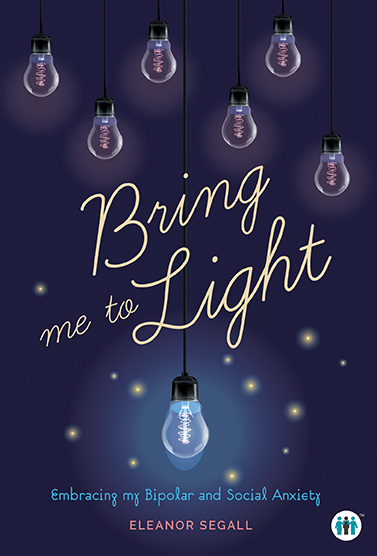
In May, I started a new job in PR and Communications and met the best colleagues ever. I also spent the year writing my book ‘Bring me to Light’ with Trigger editors Stephanie and Katie. I submitted the manuscript 2 weeks before our wedding.

In late June, I was bridesmaid for my best friends wedding and it was wonderful.

In July, I married my best friend in front of loved ones (including father in law), we moved in together and we went on honeymoon to Sicily, Italy in August to a beautiful place and made good memories. In September, Rob’s cousin got married and that was a lovely family wedding.

In October, I left my new job for personal reasons- although I loved it. The stress of the year, the changes of life had got to my mental health. I am currently working freelance as a writer but applying for jobs too.

Sometime in October/ November, I started EMDR trauma therapy with a wonderful therapist and I hope it continues to help me.

In November, my book was published and sent out to the world and I did some press for it, although I experienced heightened anxiety with it coming out which affected me for a while. Good friends got married too at this time.

In December, I went to Limmud Festival (a conference) with my Dad for our first talk about it and managed to speak, despite my anxiety.

Now, its 2020.

I have some goals for this year. Mainly to be happy, healthy and confident and to give to other people.

This year I would like:

To publish my children’s stories

-To seek out amazing opportunities to promote my book

-To work as a writer and in social media. I would also love the opportunity to work in schools again part time to develop my skills in early years. For me to be financially independent is something I would love again.

-Manage my panic attacks through therapeutic techniques.

-To raise more mental health awareness

-To be more healthy and look after my body

-To be kind and give to others more.


Here’s to a new year of health, happiness and prosperity. How was your 2019/ new year?

Eleanor x


Mental health and the juggling act: New Job, My book and Wedding. by Eleanor

bringmetolightbook

(image: Trigger Publishing)

Nearly a month ago, I started my new job at a big Jewish charity here in London. I work in a small but lovely team in PR and Communications- helping run social media, write and distribute press releases and copywriting. I am enjoying it but its totally different from my other work and I am far less immersed in the mental health world than I was a few months ago. It is a juggling act. Trying to keep up with changes and all that’s occurring though. Hopefully soon I will find time to write articles again for my friends at Metro.co.uk and Happiful.

This has brought its own challenges as I havn’t been blogging here as much either, due to writing my book. My book  ‘Bring me to Light’  will be released in the UK on November 5th and the USA shortly after, with Trigger Publishing. The title references going from darkness to light, as I have done with my bipolar and anxiety since I was 16. I have written most of it (50,000 words!) but my very kind editor has extended the deadline for it so I can write everything I need too, whilst also doing my day job and wedding planning (!). I am really excited to see a printed copy and to promote it later this year- the hard work will be worth it I hope. I also hope you enjoy reading it and thank you all for your ongoing support.

So, wedding planning, we are 5 weeks away now until I marry Rob, my fiance. It has come round so fast especially as we have had a year and few month’s engagement, I am counting down the days until I am under the Chuppah (Jewish marriage canopy) and we are officially married in presence of those we love! This week I had my final dress fitting and it was super emotional. I still can’t believe its happening. Rob’s dad is recovering slowly at home but his condition is still serious as he has cancer.

Naturally, you will be wondering- how am I staying sane with my bipolar with everything going on and with Robs dad not being well? Firstly, as we know, stressors can make bipolar worse and trigger episodes. At the moment, my main mood stabiliser Lithium keeps me very grounded and stable. Despite the stress, I am not dipping down into  deep depression as I would have done in the past. Yes-  there are times when I might feel stressed, overwhelmed, exhausted or tired and just want to sit in my pyjamas watching Made in Chelsea or First Dates. There are also times when I am too tired to cook or do laundry and need support with those. I am lucky to have a very supportive family who look out for me too.

My work colleagues have been super supportive when I have been overwhelmed or anxious and I am finding the flexibility of my work helpful too.  I am having less anxious days now I am working too due to exposure therapy and going out a little more (taking the bus and cabs and talking to new people).

For me, I really need self care time, time to switch off and unplug. As we go into Shabbat  now is the perfect time to read and be quiet, come off my phone and computer and just be. I really promote looking after you and taking time to sleep and rest for optimum mental health and to feel better again. Sometimes it can help to let others know how you’re feeling too.

I have two weeks to give in my first book manuscript and five til my wedding day. These are dreams I have had for years and I can’t quite believe they’re happening. Staying sane while planning a wedding without a planner can be hard but we have worked as a team. Having a good cry has really helped also at times, when things get too much! But generally happy, wonderful things so not to complain. Everything at once can get a lot for anyone. Life at the moment is hectic but I am pacing myself as much as possible.

If you would like to preorder my book, you can do so on Amazon or the Trigger website and I would love to know if you do :).

Thanks for being there for me and for supporting my work too. I hope we end the stigma against mental health by talking, sharing and explaining.

Love,

Eleanor xxx

How to Manage Insomnia when you’re planning a Wedding- (blog extract) for Metro.co.uk by Eleanor

bridestress
(image: Irish Wedding Blog)

Last month, my fiancé proposed to me at the Shard with a beautiful London sunset as the backdrop. We had been dating for 18 months and had talked about marriage and future plans, so it wasn’t a huge surprise. But it was still very exciting when he went down on one knee. As I accepted his proposal, we both felt huge excitement as we started this new chapter.

We were buzzing to share the news with our nearest and dearest. In the days following, I had so much adrenaline that I found it hard to sleep. I was regularly lying awake at 4am reading messages or trying to absorb the occasion. I found it hard to switch off. I wondered whether others had gone through something similar following their engagement, and how best to deal with the stress.

Alison Gardner, a psychologist and sleep expert at Sleep Station, which provides cognitive behavioural therapy and has been commissioned and approved by the NHS, tells Metro.co.uk: ‘Insomnia varies in how long it lasts and how often. It can be short-term (acute insomnia) or can last a long time (chronic insomnia). Acute insomnia can last from one night to a few weeks.’

Insomnia is defined as chronic when a person has trouble sleeping at least three nights a week, for a month or longer. For many people, a stressful event could be the trigger that stops them sleeping. This is normal, until insomnia becomes chronic.

Mental health problems and insomnia often come together. It’s been estimated that 60% of people who meet the criteria for major depressive disorders complain of insomnia. But life events, such as the stress of an engagement and planning a wedding, can lead to missed or poor sleep.

Cat Phillips, a blogger and writer, says: ‘I had sleep issues when planning my wedding. I had months of bad anxiety dreams about everything going wrong, and a reccurring dream where I needed to go to the church but one drama after another kept stopping me.

Cat says she was keen to make sure everything was thoroughly planned and set up so that the day would run smoothly. The stress was heightened by a recent addition to the family.

‘I also had a newborn baby while organising the wedding, so I desperately needed sleep all the time,’ she explains. Starting a fitness routine proved to be a positive step. An exercise plan can help to ease the stress of wedding planning.

Exercise really helped with my baby blues, it was great for relieving depression. Most important to remember, for me, was that its not about the wedding, but about the marriage.’

Read the rest of the article : https://metro.co.uk/2018/06/30/i-had-months-of-anxiety-dreams-how-to-manage-insomnia-when-youre-planning-a-wedding-7587582/?ito=cbshare

Twitter: https://twitter.com/MetroUK | Facebook: https://www.facebook.com/MetroUK/