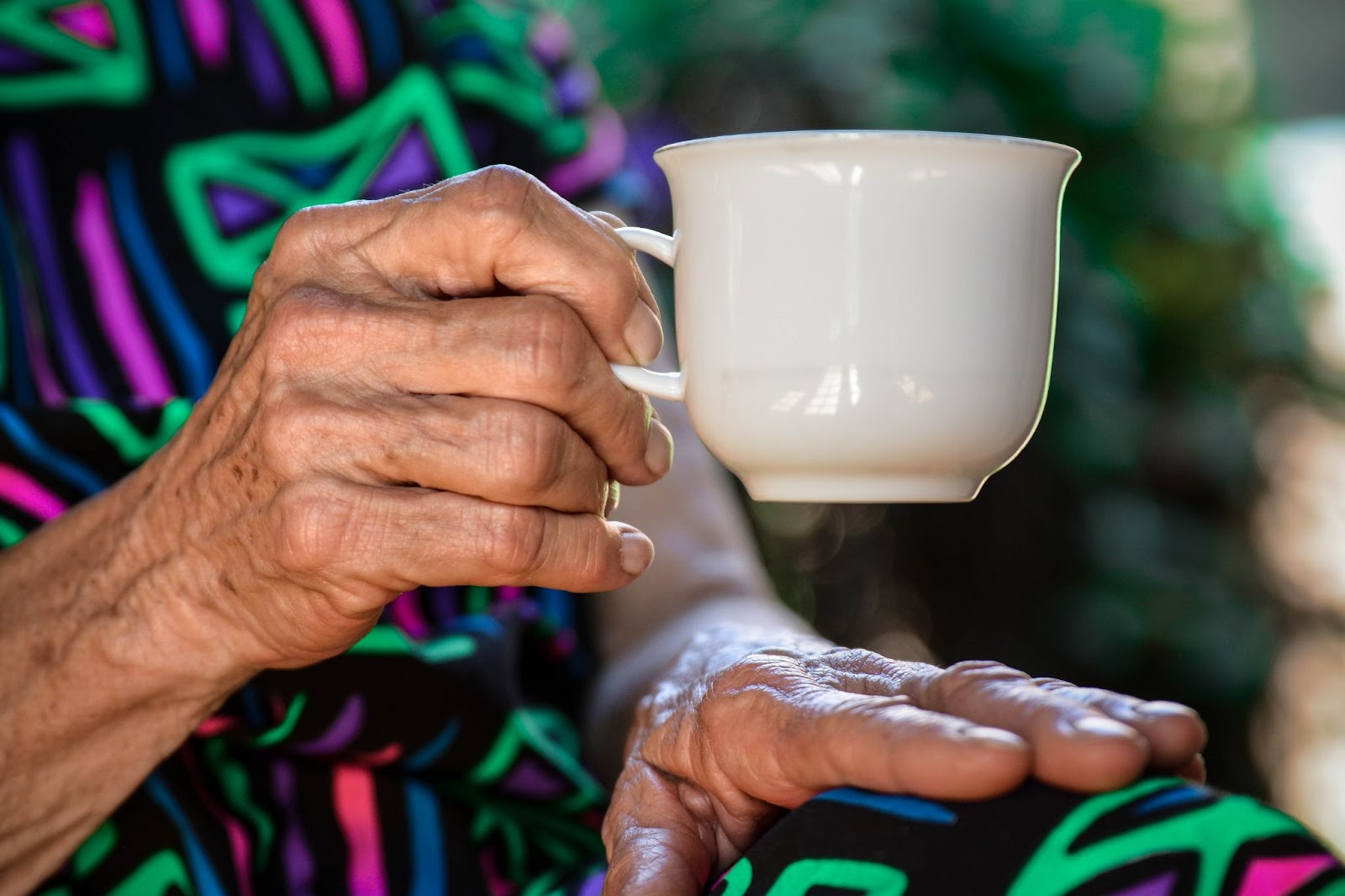
7 Tips On How To Get Good Rest As A New Mom/Mum.

(image: Kelly Sikkema: Unsplash)

Being a mother, let alone a new mother, is no easy task. New moms might find themselves flustered with the idea of being a parent for the first time ever. No longer do they only have to care for themselves but also a little one, too, who depends on them. Frustration, stress, and lack of sleep are all common for new mothers. So, how can they fix this? Here are some tips.

  1. Sleep in the Same Room as Baby

Waking up every few hours in the night is no easy task. Having your sleep disrupted when in a groggy state is several times easier when your baby is close by to you.

Keep a crib or bassinet right next to your bed or at least a few feet away to reduce long walks throughout the house to tend to your baby in the night. This way, you can resume sleep as soon as possible.

  1. Prepare a Feeding & Changing Station Before Bed

Another way to ensure proper rest and sanity as a new mom is to keep a feeding and changing station stocked before going to bed for the night. Keep diapers, wipes, rash cream, baby powder, and a change of clothes nearby. Also keep clean bottles and formula (if applicable) within close reach.

  1. Don’t Skip the Bubble Baths

Good hygiene provides relaxation, which in turn, helps us feel more put together and well-rested. There’s nothing quite like soaking in a calming bubble bath to ease those tense muscles.

  1. Keep Your Mental Health in Check

After having a baby, your mental health is of utmost importance. When you’re in a bad mental health state, it’s difficult to get quality sleep at night. You may have problems falling asleep, staying asleep, or may be oversleeping. Either way, you find yourself feeling unrested.

If your mental health is suffering, it may be time to consider postpartum depression care in Orange County.

  1. Let the Household Duties Slide

Right now, your wellbeing and your baby’s well being matter most. A pile of dirty dishes? Leave it for tomorrow. Now is the time to prioritize your physical and mental state in the form of good rest. Unless there’s broken glass on the ground or a horrible stench in the house, the chores can be put off.

  1. Get Physical

Even simply going on a walk around the block can be a great way to get exercise in. This in itself can be a relaxing activity. And as everyone knows, getting exercise can also allow you to get a better night’s rest.

  1. Drinking Calming Teas

Turning to herbal teas like chamomile or lavender can be great ways to unwind after a hectic day as a new mom. Never underestimate the power of a hot beverage filled with calming herbs, especially before bedtime.

Conclusion

Being a new mother is going to be a challenge no matter how you look at it. However, what a mom can do differently to make things easier is to ensure she gets proper rest. With the latter tips, any overwhelmed, exhausted mom can get the rest and relaxation she needs to feel rejuvenated after a long day of parenting.

This article was written by a freelance writer.

Bipolar UK- Suicide Prevention Webinar Video.

Please watch with care.

It was an honour to record this alongside Bipolar UK CEO Simon Kitchen and expert police officer Ashley Brice, who helps people who are suicidal.

On average, 1 person a day every day with bipolar dies by suicide.

If you watch this, I hope you find it informative and helpful.

Eleanor x

Shana Tova: Happy New Jewish Year To All Our Readers!

As long summer days wind slowly into the peacefulness and darker evenings of Autumn, us Jews around the world celebrate Rosh Hashanah, Jewish New Year. Although, it is not so much a celebration with fireworks and partying, but a time to come together for introspection of the year that has been and looking to the new year ahead. We gather with family, pray, give charity and eat lots of apple and honey (and honey flavoured treats) for a sweet year. They say that on Rosh Hashanah, your fate for the year ahead is written, but you have time to change that.

It has been a fulfilling year- with many twists and turns, ups and downs. This year, two sweet nephews were born and my best friend had a baby too- which were joyous. We celebrated birthdays, engagements and weddings. We travelled to Cyprus on holiday (which was wonderful) and went on a steam train for Robs birthday. We went to the theatre numerous times and the cinema too! We met new people, made new friends and had new experiences too.

We lost relatives and people we loved this year. This year was a year of growth but also of endings, as well as beginnings.

The blog has been busy this year and it is amazing to still be blogging after 7 years!

I know that Jewish festivals can be a hard time for people’s mental health and are a time for reflection. Please reach out for support if you need it from loved ones or helplines like the Samaritans 116 123.

This year, I pray for health, happiness and goodness in all areas of life.

With love and light,

Shana Tova U’Metuka (good and sweet year)

Eleanor

Maintaining Mental Wellbeing: Tips for Navigating an Alcohol Assessment Centre by Brooke Chaplan

(Image: free image)

The decision to seek help for alcohol use disorder is an important one. It takes courage to admit that you need assistance, and taking the first step toward recovery can feel like a daunting task. One of the early steps of recovery is an alcohol assessment centre, which can assess your condition, provide treatment recommendations, and connect you to ongoing support. However, navigating an assessment centre can be overwhelming, especially if you are feeling vulnerable or uncertain. In this post, we will discuss some tips for maintaining your mental well-being while navigating an alcohol assessment centre.

Educate Yourself

Before entering an assessment centre, take some time to educate yourself about the process and what to expect. This can help to ease anxiety and provide a sense of control in an unfamiliar environment. You can research online, check out the centre’s website, or speak with someone who has been through the process before.

Prepare Mentally and Emotionally

Entering an assessment centre can be a nerve-wracking experience, but it’s essential to prepare yourself mentally and emotionally. You might consider bringing along a trusted friend or family member who can offer support and help you stay grounded. You can also practice mindfulness or deep breathing exercises to help you stay centred.

Speak Openly and Honestly

It’s important to be honest about your alcohol use, even if you feel embarrassed or ashamed. The professionals at the assessment centre require accurate information to provide the best treatment options for your specific needs. Honesty also helps to build trust and openness in the therapeutic relationship between you and your counsellor.

Focus on Your Goals

Entering an assessment centre can be overwhelming, but it’s essential to focus on your goals for recovery. Discuss your goals with your counsellor, and work with them to develop a plan for achieving them. Remembering why you’re seeking help and what you want to achieve can help motivate you and make the process easier.

Take Care of Yourself

Finally, remember to take care of yourself while going through an assessment centre. It’s essential to prioritise your mental and physical well-being, which can include eating well, drinking plenty of water, and getting enough rest. Self-care also means taking breaks when necessary, practicing healthy coping mechanisms, and setting boundaries with those around you. Navigating an alcohol assessment centre can be overwhelming, but it’s an essential step towards recovery from alcohol use disorder.

By educating yourself about the process, preparing yourself mentally and emotionally, speaking honestly with your counsellor, focusing on your goals, and taking care of yourself, you can maintain your mental well-being while going through the process. It is highly recommended to reach out to facilities where you are, like A Better Choice Counselling/ Alcohol, Drug & Assessment Center, for more information or to answer any questions you may have.

Remember, seeking help for alcohol use disorder is a brave decision, and with the right support and resources, recovery is possible

Bipolar And Suicide Prevention Webinar with Bipolar UK- 11th September 2023

(image: Bipolar UK)

On Monday 11th September, I am looking forward to being on a webinar on Bipolar and Suicide prevention for Bipolar UK charity, with their CEO Simon Kitchen and a police officer, Ashley Brice (pictured), who specialises in suicide prevention for people in crisis in Wales. This is a difficult topic to discuss and one that will be tackled with empathy.

If you can join, please register here for free: https://www.bipolaruk.org/suicidal-thinking

Thanks,

Eleanor x

Finding A Sense Of Belonging, Where No One Wants To Belong: On a Psychiatric Ward by Katie

(image: Kelly Sikkema: Unsplash)

In 2021, I was hospitalised for the second time in my life, due to an acute psychotic episode as a result of my then-recent diagnosis of Bipolar Disorder (Type One). Hospitalisation is one of the scariest, most unsettling periods of time but – a sometimes – necessary stage to recovery. I was so deep within my psychosis for the first week of my admission that I was quite oblivious to my surroundings and the people I was sharing the space with.

However, when my psychosis started to subside and I began to return to my true self, more free from delusions and mania, I was struck with a strong feeling of not belonging. I felt truly and utterly lost. 

My ward was made up of around fifteen other women, with varying diagnosis, in differing mental states and from different walks of life. Yet, somehow I still felt like an outsider.

At first I was trying to think why. Was it because I was a Northerner in a Southern hospital? Was it because I was one of few that was the same ethnicity as myself? Was it that I was younger than most? There were so many factors that could have been the result of me feeling at a loss and not finding belonging.

Ultimately, no one wants to feel like they belong inside a psychiatric hospital. However, I believe there is merit in feeling like you have a place and in finding a sense of belonging helped me to have grounding and a base that wasn’t initially there. 

Here are a few factors, of which helped me to find belonging:

  1. Acceptance – A lot of my initial struggle was the complete denial, fuelled mainly by my delusional thoughts, that I wasn’t mentally ill and I was in the wrong place. The acceptance that I was a patient in a place that was designed to help me was a key turning point within my recovery. I belonged and thus was worthy of treatment and a future. 
  1. Routine – Although I grappled with feeling like I was becoming institutionalised, I think sticking to the routine of the ward was really important. Asides from the benefits of attending meal times, having the structure meant seeing familiar faces, both staff and patients and having positive interactions. 
  1. Involvement – Attending the therapy sessions that were available were so beneficial. My ward had a brilliant occupational therapist and other specialists that would come in to do structured sessions such as music therapy, cooking or yoga classes. Again, I got to see familiar faces and it brought with it a sense of community. 
  1. Authenticity – One of my biggest struggles throughout both manic, and depressive periods, is finding it hard to connect to my true authentic self. Reconnecting to myself and allowing myself to just be me meant that I felt more relaxed and at ease.

Finding this sense of belonging in a place where no one wants to belong ultimately gave me the grounding to go forward and look forward to a brighter future. 

Katie is a freelance writer who lives with bipolar disorder in recovery and has courageously shared her experiences of being hospitalised here.

Helping A Loved One Feel More At Ease In A Care Home.

Making the decision for a loved one to enter a care home is never an easy one. You probably feel guilty for doing it, but the truth is that it will help them get the best possible care as they get older – more than you might be able to give yourself! There’s a lot of negativity about the subject, but many people find their quality of life improves in a care home, and there are things you can do to make that even better. Ultimately, it comes down to making a decision for their best interests, and even if it doesn’t feel that way at first, it soon will.

So what can you do to help them settle in? You can do your bit by finding ways to help them feel more at ease in their new surroundings. Here are some ideas to help your loved one adjust to life in a care home.

Image Credit: Unsplash under Creative Commons

Make their space feel more like their own

One of the biggest changes people face when going from their own home to a care home is the lack of personalisation and familiarity, and feeling like the space isn’t theirs. But there are things you can do to help fix that, including:

  • Decorate their room with things from their own home, including pictures, furniture, rugs, etc.
  • Choose from care home beds that they are happy with (if the home allows you to do this).
  • Add familiar fragrances.
  • Make sure they can indulge in their hobbies and interests with books, TVs, etc.

Talk to your loved one about what would help them settle in and do what you can to make it happen. 


Be there to make things more enjoyable

With your loved one receiving proper residential care, you can be there to help them have fun and stay active, something that might not have been possible while you were caring for them. Use your energy to take them out for trips, help them exercise, and spend quality time with loved ones. The Body Coach even has his own workout series for older people!

Being in a care home doesn’t mean your usual outings and activities have to stop, so you can help them keep up a routine that they enjoy.

Exercise is very important to help improve mobility and mood. Finding ways to help your loved one’s physical health can also benefit their mental health, improving their mood and helping them feel more at ease.


Get to know the staff 

There are a lot of reasons you should get to know the staff at a care home:

  • It can help you be more involved in your loved one’s life by getting to know the other people who are in it.
  • They’ll know more about you and your loved one, which can help them provide better care.
  • If you experience any issues, it’s good to have someone familiar you can talk to.
  • It creates more of a family atmosphere.

Regular visits and chatting with the staff more will help you make those connections, helping you feel more involved in your loved one’s care. It makes things nicer for them and for you, and is a fantastic way for you all to get to know people better. 

You will have all sorts of feelings about your loved one being in a care home, but it’s important that you focus on them and ensure they feel happy and comfortable where they are. Talk to them about what they want and how you can make it happen, helping them settle in quicker so you can both feel more at ease.

This article was written by a freelance writer.

A Letter to my 16 Year Old Self: by Eleanor

(image: E Mandelstam)

(image: Me aged 16/17 in Spain with friends)

She sits nervously clutching her GHD straightened hair. Its meant to look poker straight but her curly waves never seem to look like Avril Lavigne’s hair. Except for that time when her friend tried to tame it for her with straighteners and an iron!

She lives in a bedroom in the family home- half child, half adult, the wallpaper pink with pictures of little bo peep covered with music posters- Destiny’s Child (Beyonce, Kelly and Michelle in their Survivor jungle outfits peer down) and Joss Stone with her nose piercing. She looks up to these women and wishes she could be them, especially Joss, who is only a year or so older than she is. Mariah Carey is another huge influence and she listens to her Daydream and Greatest hits albums on repeat on her CD player, trying to sing like Mariah but failing to hit those notes.

At school, she loves Drama- she loves to perform as different characters and study theatre. She has a wonderful group of friends who she will remain friends with today. She dreams of going to drama school.. and she will achieve her goal!

She is me, aged 16 years old in 2004.

She is ‘baby Ellie’- the teenager who had no idea what was in store for her life or to come. Who should have been free to party, make mistakes, not worry about life. Who should have been discovering life safely but enjoying teen life.

She was given the diagnosis of a severe mental illness, bipolar disorder, when she was still a child.

She struggled with depression, mania and psychosis from the age of 15.

She has been medicated for 19 years (and had changes of medication).

She has been in therapy for longer.

but she survived and thrived.

And she still loves theatre and music and friends (although the GHD’s have been relegated to the back of the cupboard!)

So dear Baby Ellie,

Whatever happens – everything is going to be OK and you will achieve things beyond your imagination- except being able to sing like Mariah Carey.

When I look back at her, I hear the lyrics of the song ‘Looking in’ on Mariah’s day dream album that I used to play….

(image by me, lyrics by Mariah).

But I am proud of her.

Love,

35 Year old Me.

x

5 Steps For Successfully Recovering From Binge Eating Disorder by Lizzie Weakley

(image: Ross Sneddon, Unsplash)

Binge eating disorder (BED) is a severe eating disorder characterised by recurrent episodes of consuming large amounts of food in a short period. This disorder is associated with acute physical and psychological complications that can affect an individual’s quality of life. Recovering from binge eating disorder can be a challenging process, but with the right guidance and support, it can be achieved. This blog post will discuss five tips for successfully recovering from binge eating disorder.

Seek Professional Help

Recovering from binge eating disorder requires professional guidance and support. The first step towards recovery is to seek professional help. Consulting with a healthcare provider (such as the NHS or privately) or a registered dietician can help an individual develop a personalised treatment plan that addresses their unique needs. The medical professionals (psychiatrist, GP) can also screen individuals for underlying health problems that may contribute to binge eating disorder, such as depression, anxiety, or other mental health disorders.

Establish a Support System

Establishing a support system is essential for individuals recovering from binge eating disorder. This support system may consist of family, friends, or support groups. Support groups can help individuals connect with other people experiencing similar conditions and receive emotional support and encouragement. It can also provide information about recovery resources and strategies that have worked for others.

Identify Food Triggers

Identifying food triggers that lead to binge eating can help an individual manage such situations. Food triggers may include certain foods, emotions, or social situations. Identifying these triggers can help an individual prepare and develop strategies to cope with them when they arise. Strategies may include therapeutic skills including distraction techniques, mindfulness, or relaxation techniques.

Embrace Online Binge Eating Recovery Services

Online binge eating recovery resources like Lightwork Nutrition can provide valuable support and information for individuals experiencing BED. Online support groups, forums, and recovery programs offer anonymous access to peer support, real-time chat, and educational resources. Using these online resources can help individuals connect with others facing similar challenges from anywhere at any time.

Cultivate Self-Care Habits

Cultivating self-care habits may improve an individual’s physical and mental well-being, ultimately aiding in their recovery. Self-care habits may include healthy eating habits, gentle exercise, and stress management techniques like mindfulness, yoga, or meditation. These habits enable people to manage stress, boost self-esteem and confidence, and improve overall health and well-being.

BED can have significant impacts on an individual’s quality of life. Recovering from binge eating disorder can be a challenging, yet achievable process for individuals. Seeking professional help, establishing a support system, identifying food triggers, embracing online binge eating recovery services, and cultivating self-care habits can enable individuals to overcome binge eating disorder effectively.

Remember, recovery is a process, and with hard work, patience, and dedication, individuals can experience good mental health and well-being.

This article was written by freelance writer Lizzie Weakley.

Clear Examples of How Eating Affects Your Mental Health by Anita Ginsburg.

(image: Jacopo Maia: Unsplash)

When it comes to mental health, many people tend to focus on the usual suspects: stress, anxiety, depression, and medications. However, did you know that your food choices also play a significant role in your mental well-being? Over the years, studies have revealed the powerful connection between what we eat and how we feel emotionally. It’s not just about getting the right nutrients for physical health, but also for mental health. This blog post will explore some of the clear examples of how eating affects your mental health.

Mood Swings

What we eat affects the chemistry of our brain, which can lead to mood swings. Consuming foods high in sugar and simple carbohydrates, such as cakes and candy bars, may give you a quick energy boost, but it can also cause blood sugar spikes and crashes, leading to irritability, anxiety, and depression. Eating a balanced diet with protein, complex carbs, and healthy fats will help stabilise your mood and keep your energy levels consistent; buying from health food stores with less processed foods and organic produce like Southtown Health Foods can help with this goal.

Stress and Anxiety

Eating nutrient-dense foods can play a big role in reducing stress and anxiety. Foods like salmon, walnuts, and chia seeds contain omega-3 fatty acids, which are linked to lower levels of stress hormones. Other foods, such as leafy greens, are rich in magnesium, which can help decrease anxiety. On the other hand, consuming caffeine and sugar can increase feelings of anxiety.

Brain Fog

The foods we eat can also impact our cognitive function. Processed foods and fast food meals that are high in trans fats and sugar can cause inflammation, which affects the brain’s ability to think clearly and process information. It’s important to fuel your brain with nutrient-dense foods, such as whole grains, lean protein, and healthy fats like avocado and nuts.

Depression and Mental Health Disorders

Studies have shown that people who consume a diet high in fruits, vegetables, whole grains, and lean protein have a lower risk of depression and other mental health disorders. These foods are rich in vitamins and minerals that are crucial for proper brain function and emotional well-being. On the other hand, a diet high in processed and fast food can increase the risk of depression and other mental health issues.

Gut Health

The gut-brain connection is a well-known phenomenon, and the gut microbiome plays a vital role in our mental health. Consuming a diet high in fibre, fermented foods like yogurt and kimchi, and prebiotics like garlic and onions can help foster a healthy gut microbiome and improve mental health. On the other hand, consuming a diet high in sugar and processed foods can lead to an imbalance in gut bacteria and inflammation that can negatively impact mental health.

In conclusion, what you put into your body matters for both your physical and mental health. Meal planning and making mindful food choices can go a long way in nourishing your brain and keeping your mood stabilised.

It’s important to note that there is no one-size-fits-all diet that will work for everyone, but incorporating more whole foods into your diet is a good start. Take control of your mental health by paying attention to your diet and making changes as necessary. Your body and mind will thank you for it!

Please note that a healthy diet without any other support is not a ‘cure’- make sure to reach out to professionals if you are in crisis.

This article was written by Anita Ginsburg.