Approximately 300 million people worldwide practice yoga every day, and the numbers are only increasing. This is because awareness of the benefits of yoga is growing. The most popular topic on Instagram in the UK during the lockdown was yoga, followed by health (as the second topic of interest). Yoga is gaining traction as a holistic approach to total body wellness and fitness.
About Yoga
Yoga has its origins in India, with its first mention being in an ancient sacred text Rig Veda. The world embraced this graceful fitness approach with open arms. Of course, it underwent some adaptations as this practice crossed countries. However, its essence remains the same, regardless of where and how it is practiced. Yoga focuses on breathing, balance, and flexibility. It comprises mental, physical, and spiritual practices. The most important components of yoga are the postures and the breathing work. There are approximately 19 different types of yoga and around 66 basic postures.
Yoga for Total Body Wellness
Many scientific studies support the claims about the benefits of yoga, so you can rest assured that it is not just hype. Some of the ways in which yoga can help in conditioning the mind and body are highlighted below:
Physical Benefits of Yoga
Yoga improves blood flow, which leads to increased oxygen supply to the brain and organs. This promotes cell growth and muscle recovery. If you are recovering from any disease or injury, yoga can accelerate the process for you. Yoga is a low-impact form of exercise, so you don’t have to worry about it aggravating any existing issues. Just select the poses that are most suitable for your fitness level and health condition.
There may be no other approaches as well-rounded and effective as yoga for bodybuilding. Yoga can supplement all other bodybuilding efforts as it substantially improves mobility, increases muscle strength, and enhances balance. Low-intensity or restorative yoga is great as an active recovery workout; it reduces muscle soreness and speeds up recovery.
Yoga is also effective as an adjunct treatment for chronic conditions like lower back pain, arthritis, and diabetes. Yoga also helps lower cholesterol and and blood pressure, and can therefore work wonders for your heart. Regular yoga practice can improve immune function and help combat diseases.
Beneficial Effects of Yoga on Psychology
Typically, there are no mirrors in yoga studios. This is to prevent people from getting distracted by the way their body looks during a pose. Yoga encourages a person to look inwards and connect with oneself better. Surveys have found that people who practice yoga have a better body image and are less likely to be overly critical of themselves. Yoga also encourages one to be mindful of their eating habits. Mindful eating and a positive body image can help people with eating disorders. Health professionals are now supportive of yoga as a tool for long-term recovery from eating disorders. Yoga therapy also serves as a treatment for depression. Regular yoga can increase mental clarity, improve focus, relieve stress, relax the mind, and boost general mental health.
It is only possible to recover and achieve total body wellness when physical fitness is supported and supplemented by mental health. Yoga has beneficial effects on the mind as well as the body and is therefore highly suitable as a holistic approach to total body wellness. Pre-workout supplements could help boost the effects of yoga, such as an increase in blood flow and a rise in endurance levels.
Time to Get the Yoga Mat
Yoga is better understood when experienced. Don’t take anyone’s word for it; rather, try it yourself. After your first yoga session, there is a high possibility that you will return for more. You will find yourself making healthier lifestyle choices. With yoga, you can engineer your inner self and your body, to bring out your best version.
Author Bio:
Sean Lynam
Sean is a fitness enthusiast and personal trainer by profession, and a freelance writer by passion. Sean writes and shares his knowledge for a range of fitness publications and nutrition brands.
Recovery is often daunting for many who have struggled with an eating disorder. There can be so much uncertainty about how to find the right path forward, and it’s easy to feel overwhelmed and defeated before you even begin. However, treatments and resources are available that can help make things more manageable — both physically and emotionally. In this blog post, we’ll explore some of the key aspects of recovery through eating disorder treatment therapy, such as various therapy options, self-care strategies, diet modifications, medical support, and more. Whatever stage you’re at in your journey toward healing from an eating disorder — whether just starting or progressing down a patchwork of paths leading toward hope — these concepts might provide useful insight into the road ahead and steady guidance.
Understanding Eating Disorders
Eating disorders are complex and multifaceted conditions that can affect anyone, regardless of age, gender, or background. Understanding them can be difficult, but it’s essential for promoting recovery and preventing relapse. Eating disorders are often characterized by an unhealthy preoccupation with food, weight, and body shape and can lead to a broad range of physical and mental health issues. However, people with eating disorders can recover with the right treatment and support. Educating ourselves and those around us can help combat the stigma surrounding these conditions and encourage greater understanding and compassion.
a. Definition of Eating Disorders
Eating disorders are a complex group of mental illnesses characterised by eating habits that often cause serious physical and emotional damage. The most common types of eating disorders include anorexia nervosa, bulimia nervosa, and binge-eating disorder. Anorexia nervosa involves restricting food intake and often leads to extreme weight loss, while bulimia nervosa involves eating large amounts of food followed by purging through vomiting or excessive exercise. Binge-eating disorder involves eating large quantities of food in a short amount of time, often leading to feelings of guilt and shame. While eating disorders can be life-threatening, there is hope for recovery through specialised treatment and support. If you or someone you know is struggling with an eating disorder, it’s important to seek professional help to begin healing.
b. Examples of Eating Disorders
Eating disorders are complex and serious mental illnesses affecting people of all ages, genders, and backgrounds. Some examples of eating disorders include anorexia nervosa, bulimia nervosa, binge eating disorder, and avoidant/restrictive food intake disorder. A limited range of foods and avoiding or restricting certain food groups characterizes avoidant/restrictive food intake disorder. It’s important to seek professional help if you or someone you know is struggling with an eating disorder, as they can have serious physical and psychological consequences. However, with the right treatment and support, recovery is possible.
The Impact of Eating Disorders
Eating disorders are more than just a physical condition. They take a toll on a person’s mental health, relationships, and overall quality of life. Whether it’s anorexia nervosa, bulimia, or binge eating disorder, these conditions can leave long-lasting effects on those who suffer from them and their loved ones. But it’s important to remember that recovery is possible. With the right support and treatment, individuals with eating disorders can regain control of their lives and improve their well-being. Let’s continue to raise awareness and support those who may be struggling with these disorders.
a. Physical Health Complications
Taking care of our physical health is crucial to living a happy and fulfilling life. Physical health complications can arise from various factors, such as genetics, lifestyle choices, and environmental factors. It’s important to be proactive in maintaining good health. By being attentive to our bodies and taking preventive measures, we can reduce the likelihood of physical health complications and improve our overall well-being. Don’t take your physical health for granted – prioritise it in your daily routine.
b. Emotional and Mental Health Effects
Taking care of our emotional and mental health is as important as physical health. After all, a healthy mind is essential for a happy and fulfilling life. When we experience emotional and mental health effects, it can have a significant impact on our overall well-being. For example, stress, anxiety, and depression can prevent us from enjoying the things we love or even getting out of bed in the morning. That’s why it’s crucial to recognise when we’re experiencing emotional and mental health effects and seek support if needed. With the right tools and resources, we can manage our emotions and prioritise our mental health to live our best lives.
Treatment for Eating Disorder Recovery
If you or someone you know is struggling with an eating disorder, it’s important to seek professional help for recovery. Treatment for eating disorder recovery typically involves a combination of therapy, nutritional counselling, and sometimes medication. The goal of treatment is to address the disorder’s physical, emotional, and psychological aspects. Therapy sessions may focus on identifying triggers, developing coping mechanisms, and exploring underlying issues contributing to the disorder. Nutritional counselling can help individuals establish a healthy and balanced relationship with food. Medication may be prescribed to address co-occurring conditions such as depression or anxiety. Remember, recovery is possible, and seeking help is often the first step toward a happier and healthier future.
a. Types of Treatment Available
When seeking treatment for any ailment, knowing what options are available to you is important. Treatment can come in various forms, such as medication, therapy, surgery, or a combination. Medication is often used to manage symptoms of illnesses, while therapy allows individuals to work through their mental or emotional struggles with the guidance of a trained professional. Surgery may be necessary to correct physical ailments or injuries. Whichever treatment type you may require, it is essential to seek the advice of a healthcare professional to determine the best course of action for your individual needs. So, don’t hesitate to explore and ask questions about your options and make informed decisions about your own wellbeing.
b. Finding the Right Treatments for You
When finding the right treatments for your health concerns, it’s important to remember that everyone’s journey to wellness is unique. Whether you’re dealing with physical or mental health concerns, it’s important to work closely with healthcare professionals to determine the right course of treatment for you. This may involve trying different medications or therapies until you find what works best. Taking a proactive role in your health is also important, educating yourself on potential treatments and advocating for your needs. Remember, finding the right treatments may take some time and patience, but you can achieve optimal health and wellness with the right tools and support. If you are in crisis, you may require further support in hospital and from specialist care.
Building a Support System
Building a support system is essential for anyone who wants to thrive. It’s important to have people who support you, understand you, and encourage you to pursue your dreams. Whether it’s family, friends, or colleagues, having a support system can make all the difference in challenging times. Don’t be afraid to reach out and ask for help when you’re feeling overwhelmed or need advice. Building a support system is an ongoing process, so don’t hesitate to reach out to new people and strengthen your connections over time.
a. Reaching Out to Loved Ones
When life gets chaotic, it’s important to remember to reach out to your loved ones for support. Whether facing a personal challenge or needing some company, the warmth and understanding of family and friends can make all the difference. It’s easy to get caught up in the hustle and bustle of daily life and forget to make time for those who matter most, but a simple phone call or visit can go a long way in strengthening your relationships. So if you’ve been feeling a little disconnected lately, take a moment to reach out to your loved ones today. You’ll be glad you did.
b. Finding Professional Support
When finding professional support, knowing you’re not alone is important. Seeking help from experts in a particular field can be the key to unlocking a wealth of knowledge and resources that can prove helpful in resolving any issue you may be facing. Whether you’re looking for financial advice, career guidance, or mental health support, professionals are ready and willing to lend a helping hand. Don’t be afraid to reach out and ask for assistance. This step can be the first step towards overcoming any obstacles. Remember, there is no shame in seeking help and doing so can be a sign of strength and determination.
Overcoming Challenges in Recovery
Entering recovery can be a daunting experience, but it’s important to remember that it’s a journey full of challenges and rewards. Overcoming these challenges is no small feat, but it’s possible with the right mindset and support. Each person’s recovery journey has unique obstacles, but some general strategies can help.
Overcoming these challenges is no small feat, but it’s possible with the right mindset and support. Each person’s recovery journey has unique obstacles. Practicing self-care, building a supportive network, and seeking professional help are all powerful tools in overcoming challenges in recovery. Remember, progress is not always linear, and setbacks are a natural part of the process. But with perseverance and a positive attitude, anyone can overcome the challenges of recovery and emerge stronger and healthier on the other side.
a. Coping Mechanisms for Stressful Situations
Stressful situations can be overwhelming, but we all have coping mechanisms that help us make it through. These strategies include taking deep breaths, walking, or talking to someone we trust. It’s important to remember that what works for one person might not work for another, so it’s helpful to experiment and find the best techniques for you. And, of course, practicing self-care and making time for activities that bring us joy can also help reduce overall stress levels. With a little effort and a willingness to try new things, we can develop effective coping mechanisms and find ways to better manage stress when it arises.
b. Working Through Setbacks
Life is full of ups and downs, and setbacks are an inevitable part of the journey. It can often feel like the setbacks are bigger than the progress, but it’s important to keep pushing forward. Instead of getting discouraged, view setbacks as an opportunity to learn and grow. Analyze what went wrong and make the necessary adjustments to your plan. It’s also important to give yourself some grace. Be kind to yourself, and remember that setbacks don’t define you. Everyone experiences setbacks, and how we handle them sets us apart. With perseverance, a positive attitude, and a willingness to learn, you can work through any setback that comes your way.
Celebrating Progress in Recovery
Recovery can be a long and difficult journey with setbacks and challenges. That’s why it’s important to take a moment to celebrate the progress that’s been made along the way. Whether it’s a small victory like going a day without giving in to temptation or a breakthrough like finally finding the right treatment plan, each step forward is worth recognition and appreciation. Celebrating progress can help motivate continued efforts and create a sense of accomplishment that boosts self-confidence and determination. So, let’s take a moment to celebrate the progress made in recovery, no matter how big or small, and remember that each step forward is closer to the ultimate goal of lasting health and wellness.
a. Focusing on Small Wins
Focusing on small wins can be a game-changer in our personal and professional lives. We can take action and celebrate our progress by breaking down big goals or tasks into smaller, more manageable steps. Small wins can boost our confidence, increase motivation, and ultimately lead to bigger successes. Whether completing a simple task at work or achieving a personal milestone, taking the time to acknowledge and appreciate these small victories can have a powerful impact on our overall well-being. So, the next time you face a daunting task, remember to focus on the small wins and enjoy the journey toward achieving your goals.
b. Taking Time to Reflect on Accomplishments
In our fast-paced world, it’s easy to get caught up in what’s next on the to-do list without taking a moment to appreciate what we’ve already accomplished. That’s why taking time to reflect on our achievements is so important. Not only does it help us remember all the hard work we put in and the obstacles we overcame, but it also allows us to gain a sense of satisfaction and pride in our efforts. Taking a breather and recognizing all we’ve done can give us the motivation and confidence to keep pushing forward and tackling whatever comes next. So, let’s take a moment to pause, reflect, and celebrate all of our accomplishments, big or small.
Eating disorders are highly treatable, and recovery is possible. It will require effort to make progress. Building a support system for yourself is one of the most important components of recovery. When you feel overwhelmed, contact friends and family or an eating disorder professional for guidance. You can also use calming techniques such as relaxation exercises and journaling to help you cope with difficult moments. With help, you can create a healthier lifestyle that allows you to recover from disordered eating behaviours. Together we can end the stigma surrounding eating disorders and support each other on our journeys toward full recovery.
This article was written by Ani. O, freelance writer.
Massage, the manipulation of muscles and soft tissue, has been used as a therapeutic practice for centuries. From traditional therapies in ancient civilisations to modern practices, massage has continued to prove its efficacy in promoting physical and emotional relaxation, pain relief, and stress reduction. Let us explore the many health benefits that come with getting a massage.
Reducing Stress and Anxiety
Research has shown that massage has a positive impact on both physical and mental wellbeing. One of the primary benefits of massage is its ability to reduce stress and anxiety levels. Massage helps to lower the levels of stress hormones such as cortisol and adrenaline while increasing the levels of feel-good hormones like dopamine and serotonin. As a result, getting a massage allows us to feel more relaxed and at ease, improving our overall emotional and mental health.
Promote Better Sleep
Getting a good night’s sleep is essential for optimal physical and mental health. Regular massage therapy can help bring about restorative sleep by relaxing the muscles, increasing circulation, and reducing tension. Studies have shown that massage therapy can help reduce the symptoms of insomnia and other sleep disorders, thereby promoting better sleep.
Relieves Pain
Many of us deal with chronic pain on a daily basis. Massage therapy can be used to relieve pain and discomfort caused by various factors such as muscle tension, injury, or poor posture. Massage improves circulation, reduces inflammation, helps muscles to relax, and stimulates the release of endorphins, the body’s natural painkillers. Regular massage therapy can provide long-term pain relief and improve flexibility and range of motion.
Boosts Immunity
Another health benefit of massage therapy is its ability to boost the immune system. Studies show that regular massage sessions increase the production and activity of white blood cells, which play a vital role in fighting off infections and illness. Increased circulation and improved lymphatic flow help the body flush out toxins and improve its overall immunity.
In conclusion, massage therapy is an ancient practice that offers numerous health benefits for both physical and mental wellbeing. From reducing stress and anxiety to improving sleep, relieving pain, and boosting the immune system, regular massage sessions are a great way to promote a healthy lifestyle. If you’re dealing with any of the issues mentioned above or simply wanting to relax and unwind, schedule a massage appointment today. Your body and mind will thank you!
This article is by freelance writer Hannah Whittenly.
You know a soul bird by the intention with which they live their life. Us soulbird’s are seeking to give life to our wings and wings to our dreams.
With the intention of making our world a better place.
One person at a time beginning with OURSELVES!
A soul bird can be a thinker, a dreamer, a lover, a warrior, a spiritualist, a seeker, a teacher, an adventurer, an artist, a helper, a doctor, a mom or dad. See the thing is its not WHAT you do, its WHY you do what you do.
Simply put a soulbird is a person living with the intention, growing, rising up, elevation, because we know that like Ghandi said ‘we must be the change we wish to see in the world’. Lets spread the wings of our souls and elevate.’
– India Arie.
10 years ago, I wrote this teaching by the singer and spiritualist India Arie on my old blog ‘Mirror of my World’. I was 25, just 6 months before I became really ill with my bipolar again and India was like this big sister I had never met but she spoke to my soul. I was a soulbird then and despite so much time elapsing, I feel like one now. Everything that I do (most things) are intentional and to help others- in my work life and I try to do so in my personal life too.
I am going through a lot of changes in my life right now. The pieces that came together with my career, physical health and other things (like our move) seem to be drifting apart. However, I know this is temporary and change will come. My dreams will manifest and things will get better, but it is hard when you are in an uncertain place and things can feel overwhelming.
Until I feel ready to write and open my heart fully, sometimes its good to look back and see who you were, are and who you are becoming.
Keeping dreaming, holding love in my heart and ten years later, I have the partner I need who supports me and is kind. Despite some losses that I am feeling keenly today, I know I have the support of my husband and family and good friends, as well as a supportive therapist, which means the world. I am lucky and I know that this too shall pass.
Discover Proven Therapy Methods to Transform Your Life
Sometimes something as small as getting stuck in traffic, running late, or having technical issues during a video call can send your day spiralling. Recovering and taking the reins on your stress and anxiety takes effort! While therapists, psychologists, and counsellors are known for their expertise in helping others navigate these struggles, they also employ various life hacks to relieve their own stress and anxiety. Prepare to be amazed as we delve into the hidden world of mental health gurus and uncover the secrets behind their cool, calm, and collected demeanours.
Before we dive in, let’s talk about stress. Counselling specialists Association of Learning believe that stress affects certain people more than others. “You might feel the effects of stress more acutely than the average person,” They shared with Be Your Own Light. “Childhood experiences, genetic predispositions, and support networks all have the potential to affect your ability to process and manage stress.”
But before you go and blame mum and dad, Association of Learning suggests you learn more about the causes of stress and its effect on the mind through online counselling courses. Discover the logic behind your knee-jerk reactions, outbursts, and feelings while learning interesting tips and techniques (like the ones below!) for managing them.
Now that we’ve heard from the experts about how stress affects individuals differently, let’s look at some psychological tricks that can help you handle stress efficiently.
Psychological Hacks
Progressive Muscle Relaxation (PMR)
If you’re someone who struggles with anxiety and stress, you’re probably familiar with muscle tension. Progressive muscle relaxation (or PMR) is an anxiety-reduction technique from the 1930s that has become a staple in the pursuit of calm. The method includes tensing and relaxing the body’s primary muscle groups in rapid succession. By regularly engaging in PMR, you can train your body to recognise the difference between a relaxed and a tight muscle, and calm your mind.
Here’s a quick, 1-minute PMR routine that you can perform right at your desk:
Sit comfortably with your feet on the ground and your hands in your lap.
Take a deep breath in through your nose and release it through your mouth, letting your shoulders drop away from your ears. Relax your shoulders.
Now, focus on your facial muscles. Begin by scrunching up your forehead and holding it for a few seconds. Feel the tension building up. Now, release and let your forehead smooth out, letting go of any remaining tension.
Move your attention to your jaw. Gently clench by pressing your teeth together. Hold for a few seconds, noticing the tension. Now, slowly release and let your jaw unclench completely.
Bring your awareness to your neck and shoulders. Take a deep breath in, and as you exhale, gently tilt your head to the right, feeling a stretch on the left side of your neck. Hold for a few seconds, then return to the centre. Repeat on the left side.
Take one last deep inhale and exhale, imagining any lingering stress or worry leaving your body and being replaced by serenity and relaxation.
Thought-Stopping
The average British adult has 11 self-critical thoughts every day. These thoughts can range from benign, “I wish I earned more money,” to increasingly upsetting, “I’ll never achieve anything, so why bother trying?” Here’s where thought-stopping comes in. The popular self-control skill is used to combat distressing thoughts, enabling you to focus on ideas that contribute more to your well-being.
If you’re struggling with discouraging thoughts, try this 1-minute thought-stopping practise:
Take a deep breath. In through your nose and out through your mouth.
Notice the unwanted thought and recognise its presence in your mind.
Mentally or verbally say the word “Stop!” in a firm and assertive tone. Imagine it as a strong command to interrupt the thought.
Visualise a red stop sign, see it clearly, and imagine your thoughts coming to a halt.
Replace with a positive thought: Immediately shift your focus to a more positive or neutral thought. It could be a pleasant memory, a calming image, or a positive affirmation. Hold onto the new thought for the remainder of the exercise.
Take another deep breath, ending the exercise by inhaling positivity and exhaling any remaining tension or negativity.
Guided Imagery
Guided imagery requires you to engage all of your senses—smell, sight, touch, taste, and sound—to create a scene in your mind that feels like reality. Unfortunately, you won’t actually be able to sit down to an imaginary Sunday roast, but your mind will imagine each sense, forcing you to focus. Because the mind and body are indivisible, guided imagery can actually cause changes in your heart rate, blood pressure, and breathing patterns.
Try it yourself! Here’s a quick 3-minute guided imagery exercise:
Find a quiet and comfortable place to sit or lie down. Close your eyes and take a few deep breaths, allowing your body to relax with each exhale. Now imagine yourself in a peaceful garden. Visualise the following:
You are standing at the entrance of a beautiful garden. Picture the gate in front of you, adorned with intricate designs. Open the gate and step into the garden. As you enter, notice the scent of fresh flowers in the air.
Look around and see vibrant colours all around you. Observe the variety of flowers and plants that surround the path you’re on. Take a moment to appreciate their beauty, and let it bring a sense of tranquillity to your mind.
Continue walking along the path, feeling the softness of the grass beneath your feet. Notice the gentle breeze brushing against your skin, bringing a soothing sensation. As you stroll further, you spot a peaceful pond in the distance.
Approach the pond and sit down beside it. Watch as the water reflects the clear blue sky above. Listen to the calming sounds of nature, the gentle rustling of leaves, or the distant chirping of birds.
Now, imagine a small stone in your hand. Hold it and imagine transferring any worries, stress, or negative thoughts onto it. Feel them leaving your body and absorbing into the stone. Release it into the calm water of the pond, watching as the ripples carry away all that no longer serves you.
Take a moment to bask in the serenity of this garden. Feel the sense of peace, relaxation, and inner calm spreading throughout your entire body and mind. Allow yourself to stay in this tranquil place for a few more breaths.
When you’re ready to return, slowly bring your awareness back to your surroundings. Open your eyes and take a final deep breath, feeling refreshed and rejuvenated.
Mindful Observation
At this point in the rise of pop-culture psychology, odds are you’ve heard the term mindfulness before. Mindfulness is a psychological practise in which the patient is brought into full awareness of the current moment, focusing on the here and now and banishing their anxious thoughts. Mindful observation is like the little brother of mindfulness, requiring you to increase awareness of your physical senses: sight, touch, scent, smell, and even taste!
Try this mindful observation practise to redirect your thoughts:
Find a quiet and comfortable space where you can sit or stand without any distractions.
Take a deep breath and close your eyes if you feel comfortable doing so. If not, you can keep them open but maintain a soft gaze.
Begin by focusing your attention on your breath. Notice the sensation of the breath as you inhale and exhale. Feel the breath entering and leaving your body.
Now shift your focus to your immediate surroundings. Start by observing the sounds around you. Pay attention to any noises, whether they are distant or nearby. Allow yourself to simply listen without judgement.
Next, shift your attention to your sense of touch. Notice the sensation of your body against the chair or the ground beneath your feet. Observe any sensations you feel, whether it’s warmth, pressure, or tingling.
Now, slowly bring your attention to your sense of sight. With your eyes open or closed, notice any colours, shapes, or patterns that you can perceive. Observe the play of light and shadows.
Finally, bring your awareness to any scents or smells in your environment. Take a moment to notice any aromas that may be present. Breathe in deeply and acknowledge the scents around you.
Take one last deep breath and slowly open your eyes if they are closed. Allow yourself to sit for a few moments, appreciating the sense of calm and presence you’ve cultivated.
Those are all of the hacks we can squeeze in today; hopefully you’ve been able to gain some insight into how to regain control and manage the stress and anxiety in your life. Remember, sometimes all it takes is a few minutes to re-centre yourself! If you need further help from a doctor or therapist, please reach out for help too.
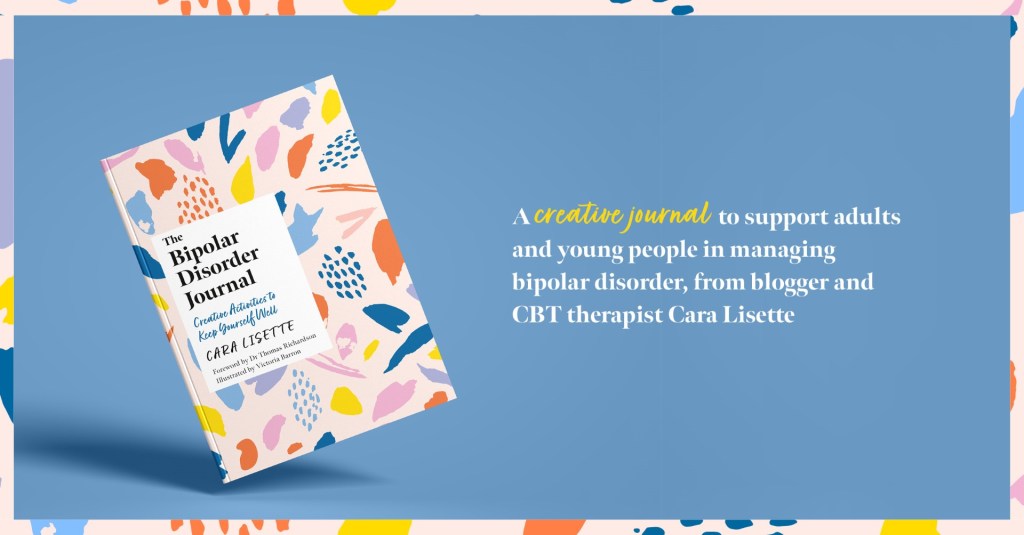
(image: Jessica Kingsley Publishers and Cara Lisette)
I have followed the work of friend Cara Lisette for quite some time. Cara is not only a fellow mental health blogger, author (of the Eating Disorder Recovery Journal and Recovery Journal series) and advocate, but she lives with bipolar disorder and an eating disorder in remission. Cara is also a trained CBT Therapist and uses techniques that have worked for her and many others, to help people.
She created the Bipolar Disorder Journal: Creative Activities to Keep Yourself Well (with Jessica Kingsley Publishers) using evidence based techniques such as CBT and mindfulness with journalling prompts, creative activities, colouring pages and motivational quote pages to help you stay well and keep on track. It is designed to help those with bipolar disorder to understand and manage our condition, from someone with lived experience, who has learnt how to manage her condition.
Cara and the publisher say, ‘The techniques in this journal support those with bipolar in recognising and coping with episodes of depression, mania, and psychosis, understanding their triggers, and finding ways of seeking support. This journal is intended for those who want to learn more about themselves and live a full and happy life.’
Cara and Jessica Kingsley Publishers have very kindly gifted me a journal of my very own to use, thank you! It looks amazing and I will be using it and reviewing it very soon!
If you would like to get a copy of this amazing creative journal click here. and it can be found in all good bookshops.
Note: This is not a paid ad, I was gifted a journal and wanted to share about it as I believe in Cara’s mission to help others with bipolar disorder.
Mental health issues affect nearly one in four seniors in the UK. Loneliness is often touted as a silent killer among those over the age of 65. This is down to changes in lifestyles, living conditions, health and much more. Isolation is common amongst seniors, contributing to increased mental health issues in people reaching retirement years or older.
If you are concerned your parents might be struggling with their mental health, or you want to avoid them experiencing changes to their life and mental health, there are some things you can do to help them.
Additional Support
If your parents are struggling with a change in their abilities, experiencing changes to hearing and vision or are living with poorer health, getting them some help around the home can help them to live in the same way they are used to without harming their physical and mental health. Being able to live in a clean and tidy home, get support with bathing and dressing or leaving the house can boost their mental health and help them feel more confident getting around. Home care services can be instrumental in offering support to seniors who need a helping hand but still want to live independently.
Frequent Communication
One common thing amongst the older generations is that they frequently say they feel they are no longer an essential part of their family’s life and often feel left out, excluded or forgotten about. This is where mental health can decrease rapidly. You can avoid this happening by continuing to include your senior parents in family life, talking to them frequently, and making sure they know they are wanted, loved and can speak to and meet up with you and the rest of the family.
Communities
There are many different communities and support groups of people reaching senior age, and charities such as Age UK always hold events and have outreach programs in place to support the most vulnerable. Getting your parents out and into a community group, volunteer programme, or simply socialising with those in the local area can help give them a purpose, a reason to leave the house, and a chance to mingle with like-minded others.
Recognise Changes
If you are actively involved in your parent’s life, you will be better placed to notice any changes to their physical and mental health as they occur. They could be there doing their usual routines or activities or skipping meals, or eating more. Or they could be withdrawing from people. If you can recognise changes quickly, you can get your parents the right help, be it medical care, health conditions they are experiencing or mental health support.
Being proactive in your parents’ lives can help you stay on top of their activities, mental health, and how they support themselves so you can get them the proper health and support and ensure their mental health isn’t struggling. Many seniors are reluctant to talk about these types of issues, but by showing you care and are worried about them, you can help them to make the right changes so they can live their retirement years happily and enjoy the rest of their lives.
Most modern workers are stressed out, with stress taking a toll on their relationships, sleep, and health, eventually affecting their work productivity. Add to that are the pandemic, job losses, and feeling isolated for those working remotely.
Remember, employees are the backbone of a company. Without them, a company cannot function as it is. As an employer, you should not ignore their sense of well-being. While you cannot entirely alleviate stress, you can do some things to help minimise them. Here are some ways companies can help their employees avoid burnout.
Prioritise Workplace Wellness
Wellness should be a priority in every workplace, and there are many ways employers can make wellness a priority. Start by offering a quiet place for employees to unplug, meditate, and relax for a few minutes. A short break from work is one of the most effective ways to manage, fight, and eliminate workplace burnout. Encouraging your employees to take a short break can reduce unwanted stress that could affect their focus and hinder productivity.
Investing in a few aesthetics to improve the office environment is another way to invest in the well-being of employees. Instead of the usual dull white walls, put a splash of bright colour to positively impact the mood of your employees. Furnish the space with inviting chairs, plants, and beautiful pictures to establish a relaxed and carefree environment.
In those days of high stress due to increasing workload, encourage employees to take a mental health day that can combat burnout. It’s a day to take a break from work and minimise work commitments and responsibilities. They can use this short break to focus on relaxing, relieving stress, and having fun, which are the most effective ways to prevent workplace burnout.
Know How to Spot the Signs
As an employer, you should be aware of how to spot the signs that your employees are stressed or suffering from burnout. While not everyone has this ability, you will find some great online courses about Safeguarding to help you determine the signs of a struggling employee, which may be related to workplace burnout or other factors. Whether work-related or not, employers should be aware of any employee suffering from burnout.
Some of the most common signs your employees are stressed include missed deadlines, decreased productivity, reduced work quality, procrastination, and lack of interest. Remember that failing to address workplace burnout can quickly cost your company money. The lower the productivity, the higher the percentage of profit you’ll lose.
Social withdrawal is another common sign of a stressed employee. It typically means a reluctance to participate in workplace activities and wanting to stay alone instead of mingling with co-workers. Workers suffering from social withdrawal often love to argue and cause chaos in the workplace. You can address the situation by talking to the employee, listening to complaints, and making the employee feel valued through rewards and incentives.
Encourage Teamwork
Another way companies can help employees prevent burnout is to encourage teamwork. Several studies have shown that it can positively affect the quality of work, productivity, and job satisfaction. Co-workers can serve as an essential line of emotional support for struggling employees. They understand how everyone feels at work and can help each other deal with stress.
One of the reasons teamwork can help prevent burnout is it can serve as a welcome distraction. If an employee is stressed due to reasons outside work, being part of a team can be a good distraction from these stresses. When surrounded by others, you can absorb their energy. So, if you’re feeling sad, you can be uplifted by the generally happier circumstances surrounding you, leaving you feeling better.
Thus, one of the roles of managers is to develop a work environment where people are happy to help and work with one another. An effective manager can establish a committed and highly cohesive team, encourage teamwork, and communicate frequently with everyone, welcoming their thoughts and ideas, regardless of differences.
Maintain Communication
Companies must find ways to prevent burnout for employees with specialist roles, such as software developers, so they will not lose these team members. To help retain software developers and other vital positions, burn out prevention is essential. One of these is proper communication, which is even more essential for remote workers with specialist roles. Working from home has many benefits but could exacerbate burnout in some employees.
Proper communication with the team can also mean listening to work-related problems. Listening is essential in every situation, but many managers feel as though they are great in this area. Unfortunately, only a few managers prioritise frequent communication with employees. Studies show that employees with managers happy to communicate and listen to their work-related problems are 62% less likely to become burned out.
If employees find that their managers are willing to communicate with them, they will feel at ease since their managers genuinely care about them. The most effective companies are those that demonstrate they value the employees by investing in them through time, attention, and communication. They value employees, celebrate their achievements, schedule performance discussions, and show respect to their employees.
Create Reasonable Workloads
If employees deal with an incredible workload, they will always have to play catch-up. It can cause them to become overworked, often the main reason behind workplace burnout. Pre-empting your team’s workload is one of the best ways to prevent them from getting overworked, and this is especially true for companies with unpredictable workloads.
Using workload forecasting tools is one way to pre-empt your team member’s workload. These tools rely on historical data and AI algorithms to determine the amount of workload at a specific time frame. Knowing the reasonably accurate estimate of a team’s workload can help companies evenly distribute workload, preventing workplace burnout.
Workload forecasting can also help to ensure that a workplace is not overstaffed or understaffed and that the team will always remain productive. Companies should also encourage managers to monitor employee productivity and performance. If they notice that performance is slipping down, it could indicate that such a particular employee is stressed and needs help.
If an employee becomes burnt out and needs help with their mental health, you can encourage them to reach for support. Consider also putting in place workplace counselling services too. Wellbeing in the workplace is extremely important and making sure your employees avoid burnout, taking care of their mental and physical health so they can be more productive, healthier and happier.
Anxiety has become increasingly prevalent in today’s fast-paced and demanding world, affecting individuals of all ages and backgrounds. Fortunately, counselling has emerged as an effective therapeutic approach to help individuals manage and overcome their anxiety. By providing guidance, support, and evidence-based strategies, anxiety therapy can empower individuals to strengthen their mental health and lead fulfilling lives.
Understanding Anxiety
Before delving into the role of anxiety counselling, it is crucial to grasp the nature of anxiety itself. Anxiety is a normal human emotion, but when it becomes chronic and interferes with daily functioning, it can be classified as an anxiety disorder. Anxiety disorders encompass a range of conditions such as generalised anxiety disorder (GAD), social anxiety disorder (SAD), panic disorder, and specific phobias.
Breaking the Stigma
One of the first steps towards seeking counselling is breaking the stigma associated with mental health. Many individuals hesitate to reach out for help due to fears of judgment or shame. However, anxiety therapy provides a safe, non-judgmental space where individuals can openly discuss their concerns and experiences. Counsellors are trained professionals who understand the complexities of anxiety and can offer empathy and support.
Identifying Underlying Triggers
Therapy helps individuals identify and understand the underlying triggers that contribute to their anxiety. Counsellors utilise various therapeutic techniques, such as cognitive-behavioural therapy (CBT) or talking therapies, to explore thought patterns, behavioural responses, and experiences that may be fuelling anxiety. Gaining insight into these triggers is essential for developing the coping strategies individuals need to manage their anxiety more efficiently.
Learning Coping Mechanisms
One of the key benefits of anxiety therapy is that people are provided with a diverse range of coping mechanisms tailored to their specific needs. Counsellors can teach relaxation techniques, breathing exercises, and mindfulness practices to reduce present anxiety symptoms. Additionally, individuals learn to challenge and reframe negative thought patterns, replacing them with more realistic and positive ones.
Building Resilience
Anxiety therapy focuses on building resilience, which is crucial for long-term mental well-being. Counsellors work with individuals to develop healthy coping mechanisms, improve problem-solving skills, and enhance emotional regulation. Individuals who build resilience become better equipped to handle stressors and bounce back from setbacks, leading to improved mental health outcomes.
Enhancing Self-awareness
Another essential aspect of anxiety therapy is enhancing self-awareness. Counsellors help individuals explore their emotions, beliefs, and values, promoting an understanding of themselves. When individuals gain insight into their thoughts and feelings, they can identify and challenge unhelpful patterns, leading to personal growth and improved self-esteem.
Strengthening Relationships
Anxiety often affects interpersonal relationships, leading to (often unfairly) strained connections with friends, family, and colleagues. Anxiety therapy provides individuals with the tools needed to improve their communication skills, establish healthy boundaries, and cultivate supportive relationships. Individuals experience a greater sense of belonging and social support by strengthening their relationships, and these elements are vital for mental well-being.
Preventing Relapse
Counselling for anxiety helps individuals manage their current anxiety symptoms while providing them with the skills needed to prevent relapse. Learning effective coping mechanisms and developing a toolbox of strategies is important for navigating future challenges with resilience and confidence. Counsellors also provide ongoing support and guidance, ensuring individuals have the necessary resources to maintain their mental well-being. When the underlying triggers are addressed and proactive strategies are implemented, people can develop a strong support system and maintain long-term stability in their mental health.
Promoting Self-Care and Holistic Well-being
Anxiety therapy emphasises the importance of self-care and holistic well-being. Counsellors guide individuals in implementing self-care practices that nurture their physical, emotional, and mental health. This may include regular exercise, maintaining a balanced diet, getting sufficient sleep, engaging in creative outlets, and practicing self-compassion. Individuals who prioritise self-care create a solid foundation for overall well-being and cultivate a healthier relationship with themselves and their anxiety.
Conclusion
Therapy is a powerful therapeutic approach that can significantly strengthen mental health. By breaking the stigma, identifying triggers, and learning healthy coping mechanisms, individuals can regain control over their anxiety and lead more fulfilling lives. Through building resilience, enhancing self-awareness, and improving relationships, anxiety therapy empowers individuals to face challenges with confidence.
When those struggling with anxiety reach out for professional help, they have ongoing support as they face anxiety and can work toward a brighter, healthier future.
This article was written by freelance writer Miranda Spears,
Eating natural foods may seem intimidating, but it has countless benefits for your health. Not only are natural foods nutrient-dense, offering essential vitamins and minerals to give you energy throughout the day, but they’re also tasty! Incorporating these healthy choices into your meal plan is a great way to nourish yourself and your loved ones. With the right recipes, exploring the world of natural foods can be exciting and delicious – read on to discover why eating healthier doesn’t have to mean sacrificing flavour or comfort in the kitchen.
The Health Benefits of Eating Natural Foods
Eating natural foods can have a multitude of health benefits. They tend to be lower in calories and are often packed with vitamins, minerals, and other nutrients our bodies need to function properly. In addition, natural foods are less likely to cause inflammation in the body, which has been linked to a host of chronic health conditions. Beyond physical health, eating natural foods can also improve our mental health. Studies have shown that a diet rich in whole, natural foods can help reduce symptoms of anxiety and depression (sometimes in combination with other methods too). So why not swap out processed snacks and meals for fresh fruits, veggies, and whole grains? Your body and mind will thank you!
How Natural Food Affects Mental Health
When caring for our mental health, we often think of practices like meditation and exercise. But did you know what you eat can also impact your feelings? Eating natural, whole foods can positively affect your mental health. These foods are rich in nutrients like omega-3 fatty acids, magnesium, and vitamins B12 and D, all of which have been linked to improved mood and cognitive function. On the other hand, highly processed and sugary foods have been shown to contribute to feelings of anxiety and depression. So next time you’re grocery shopping, consider adding more fruits, vegetables, and lean proteins to your cart for a healthier mind.
How to Find High-Quality, Natural Ingredients
When it comes to finding high-quality, natural ingredients, it’s all about doing your research. Start with seeking out companies prioritizing quality over quantity, and avoid those trying to cut corners with artificial or synthetic additives. There are companies like Southtown Health Foods that provide natural ingredients. Look for products that use whole, plant-based ingredients and avoid those with preservatives, fillers, or other additives that can detract from the overall quality of the product. Talk to experts and read reviews to better understand what brands and products are worth your time and money. Above all, remember that finding high-quality, natural ingredients requires patience, dedication, and a willingness to learn more about the products you’re buying and the companies behind them.
Easy Ways to Incorporate Natural Foods Into Your Diet
Incorporating natural foods into your diet doesn’t have to be a daunting task. Plenty of easy and delicious ways to add more fruits, vegetables, and whole grains into your meals. One simple idea is to swap the white bread for whole-grain bread or try a wrap with lettuce instead. Another idea is to add some fresh berries or sliced bananas to your morning oatmeal for a sweet and healthy start to the day. If you’re a smoothie lover, throw in some spinach or kale for extra nutrients. By making small swaps like these, you can easily boost the nutrition of your meals without sacrificing flavor.
Tips for Making Delicious and Healthy Meals with Natural Food Ingredients
Making delicious and healthy meals using natural ingredients can be challenging, but it’s worthwhile. By using fresh fruits and vegetables, whole grains, and lean proteins, you can create dishes that taste amazing and are great for your body. One tip is experimenting with different herbs and spices to add flavour without relying on heavy sauces or oils. Another is to meal prep in advance, making it easier to whip up a nutritious meal when you’re short on time. With creativity and quality ingredients, eating healthy can be tasty and enjoyable.
The Environmental Impact of Eating Natural Foods
Eating natural foods can have a significant impact on our environment. We support sustainable farming practices when we choose minimally processed foods grown without chemical pesticides and fertilisers. These methods prioritise soil health, biodiversity, and the conservation of natural resources. This is important because conventional farming practices often lead to soil erosion, water pollution, and the destruction of habitats. By eating natural foods, we can significantly decrease our carbon footprint and support a more sustainable food system. Natural foods often have higher nutrient densities, making them a delicious and nutritious option for our bodies and the environment.
Exploring Different Types of Natural Foods and Where To Find Them
You’re in the right place if you want to add variety to your diet and try new natural foods! There are many options, ranging from exotic fruit to leafy vegetables and everything in between. The best part? You can find these natural foods in several places, including your local grocery store, farmer’s market, or online. Shopping for natural foods can be fun as you explore new tastes and textures. So, if you’re ready to expand your palate and embrace the abundance of natural foods available, start exploring today!
Eating natural foods is more than just a trend – its benefits can be felt in many aspects of life. It will improve your health (including mental health), the environment, and our planet. Natural foods can be beneficial for those trying to make healthier choices.
Plus, it’s fun to explore different types of natural foods, spices, and ingredients that you might not normally encounter in a traditional supermarket. Try cooking a new recipe with fresh, natural ingredients – your taste buds will thank you!
So go into the natural food world and get creative in the kitchen – you won’t regret it!









 beurownlight.com