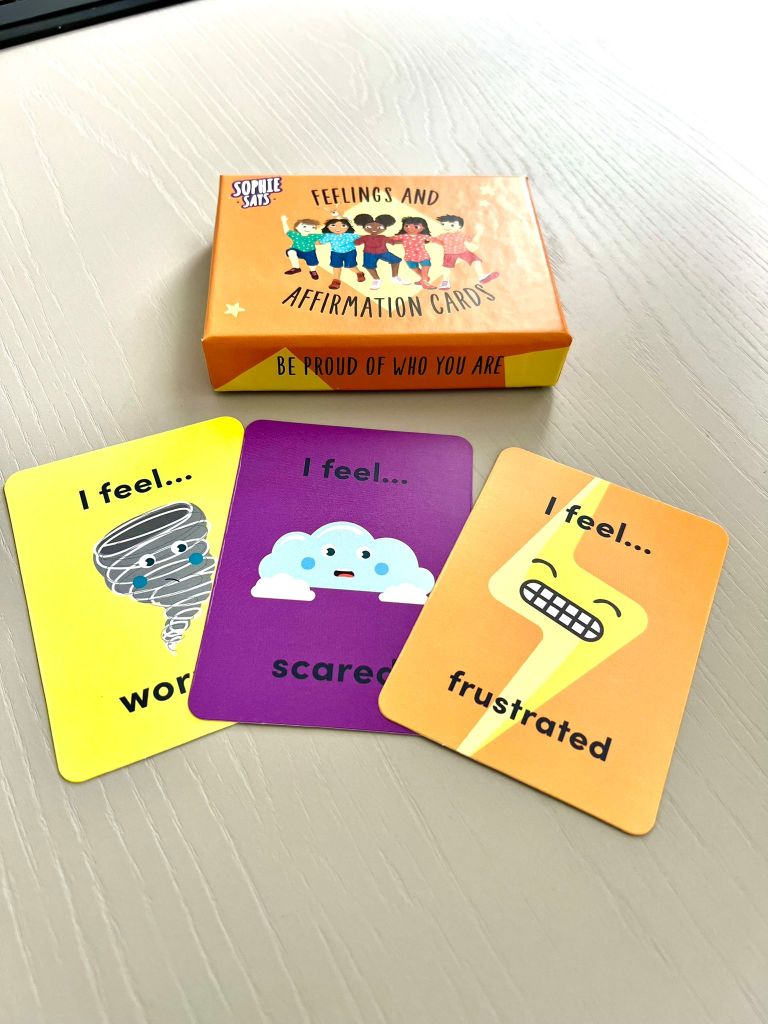
I have followed Esther Marshall’s journey for a while as a children’s author, speaker and mental health advocate for the next generation. On World Mental Health Day, Esther released a surprise and wonderful new product- Feelings and Affirmation cards to help children to communicate their feelings and emotions (and understand them).
420,000 children and young people in England are treated for mental health problems every month. Mum of three and author of the Sophie Says children’s book series is on a mission to make a positive impact on the world specifically for the next generation. The empowering children’s book series ensure critically important lessons in self-belief, mental health and gender equality are shown in an authentic and fun way.
Sophie Says Feelings and Affirmations Cards have been made specifically to help a parent or carer and child talk about their feelings together in a fun way through the much-loved Sophie Says characters. Affirmations and feelings cards are a proven tool for developing positive thinking, The Sophie Says affirmations cards have been designed to make exploring feelings a fun and interactive experience for children, parents, and carers, to empower self-belief and to help children believe they can achieve their dreams.
(image: Sophie Says)
Esther began her writing career with her debut book Sophie Says “I Can, I Will”, she wrote this during night feeds with her firstborn son as she wanted to teach him that girls were just as strong and powerful as boys, that people from different backgrounds to him could teach him things and he should listen and be kind to everyone.
The second book Sophie Says It’s Okay Not To Be Okay was written in memory of Esther’s younger sister Rebecca, who tragically took her life after her battle with mental illness at the all too young age of 28. The passion and driving force behind Sophie Says is to keep Rebecca’s legacy alive, teach young children about the importance of mental health, and talk about their feelings from a young age. The Sophie Says series now includes three books ‘I Can, I Will’, ‘It’s Okay Not To Be Okay’, and ‘Be Proud Of Who You Are’.
Esther Marshall says: “My mission is to help create a world where all children grow up feeling equipped and empowered to face their futures. Our new Sophie Says affirmations cards will help parents and carers communicate with their children and encourage them to express their feelings from an early age to help children, avoid harmful stereotypes before they set in.”
I love these cards and can’t wait to use them too!
Appearance-related anxiety in men is deeply rooted in psychological and societal factors. Body dysmorphic disorder (BDD) describes how men can become fixated on perceived flaws, such as their hair, muscles, or facial features. This preoccupation goes beyond ordinary concern and can lead to behaviours like avoiding mirrors or compulsively seeking reassurance. Research shows that this anxiety is not purely superficial but often stems from deeper psychological issues, including past trauma or negative experiences during adolescence. Understanding these origins helps to address the mental health challenges men face, rather than solely relying on cosmetic interventions.
The Psychological Roots of Male Appearance Anxiety
Psychological and societal factors often drive appearance anxiety among men. Body dysmorphic disorder (BDD) exemplifies how men can become fixated on perceived flaws, such as their hair, muscles, or facial features. This fixation goes beyond normal concern and is marked by distress and compulsive behaviours, including excessive mirror checking and seeking reassurance. The condition often has roots in past traumas or negative experiences, particularly during adolescence which compounds the development of BDD.
This anxiety is further exacerbated by cultural narratives around masculinity and appearance where societal expectations can aggravate the psychological impact of conditions like androgenic alopecia. Addressing these issues requires a comprehensive understanding of their origins, as relying on cosmetic interventions alone fails to resolve the underlying psychological distress. This deeper understanding provides effective support and treatment options for men struggling with appearance-related anxiety.
The Impact of Hair Loss on Men’s Mental Health
Androgenic alopecia (AGA), commonly known as male pattern baldness, has a profound impact on men’s self-esteem and mental health. Studies indicate that AGA can impair quality of life, particularly in younger men who view hair loss as a sign of ageing or loss of masculinity. This psychological burden is often underestimated, as societal attitudes towards baldness remain largely negative. Men may feel pressured to conform to idealised standards of appearance, which can lead to anxiety, depression, and social withdrawal.
Unlike BDD, which involves a distorted perception of minor or imagined flaws, AGA concerns are based on actual physical changes, yet the emotional distress can be similar. Many men experience shame and lowered self-esteem, avoiding social situations or altering their behaviour to hide their hair loss. These reactions underscore the need for psychological support rather than cosmetic interventions, which often fail to address the underlying emotional distress associated with hair loss.
The Misconception of Cosmetic Surgery as a Solution
Despite the psychological distress caused by conditions like BDD and androgenic alopecia, many men mistakenly view cosmetic surgery as a solution to their appearance-related anxieties. This misconception is particularly evident in cases where individuals pursue surgical interventions without addressing the underlying psychological issues. Surgery often fails to resolve the distress, and in some instances, it can worsen symptoms. BDD is a perceptual disorder where the perceived flaw is rarely corrected by physical changes. Men seeking surgical solutions may find temporary relief, but this approach does not address the root cause of their anxiety.
Treatment for BDD should include psychological therapies like Cognitive Behavioural Therapy (CBT), which help individuals manage their obsessive thoughts and develop healthier ways of coping with their appearance concerns. Without this psychological support, men remain at risk of dissatisfaction and further psychological harm, even after undergoing surgery.
(image: Daria Liudnaya: Pexels)
The Importance of Recognising Psychological Triggers
To address male appearance anxiety, men must recognise its psychological triggers. Research indicates that many men develop BDD or experience distress from hair loss due to past traumas or negative experiences during adolescence. These triggers can include bullying, teasing, or other forms of social rejection. Recognising these underlying factors is essential for effective treatment, as focusing solely on cosmetic solutions overlooks the deep-seated psychological issues. Integrating therapeutic approaches that address these triggers can significantly improve outcomes and reduce the reliance on cosmetic interventions.
Legal Considerations for Men Seeking Cosmetic Surgery
Men opting for cosmetic surgery must be aware that, even with informed consent, procedures can sometimes lead to complications or dissatisfaction. Those with psychological conditions like body dysmorphic disorder may not fully grasp the risks involved, which could result in a poor surgical outcome or aggravation of mental health issues. If a surgeon fails to assess psychological fitness or provide adequate information about potential risks, this may constitute cosmetic surgery negligence. Men in such situations have the legal right to pursue claims if the surgery worsens their condition or results in harm.
Solicitors can assist clients who have experienced negligent cosmetic surgery by examining whether the medical professional involved adhered to their duty of care. For men affected by psychological issues like body dysmorphic disorder, a failure to conduct proper assessments or consider the mental state of the patient before surgery could be grounds for legal action. Solicitors provide guidance on collecting evidence and understanding the options available for claiming compensation if the surgery has caused further harm or did not meet reasonable standards.
Men contemplating cosmetic surgery should prioritise professional psychological support to understand their motivations and potential outcomes better. Conditions like body dysmorphic disorder can distort self-perception, and as such, points to psychological therapy as the first step. Consulting a mental health professional can clarify whether surgery is the appropriate course of action. Combining psychological and legal support provides a more secure and informed approach to managing appearance-related issues.
This article was written by Michael Saul, Partner at Cosmetic Surgery Solicitors.
This World Mental Health Day 2024, the focus is on our mental health at work. We have known for many years that the UK has a mental health crisis and that many employers fail their staff in this area. A recent survey from Robert Walters found the following:
71% of UK employers currently offer wellbeing benefits to their staff
83% of professionals have at some point experienced poor mental health at work in the last 12 months
58% of professionals state that it feels like a ‘box-ticking exercise’
However, 80% haven’t accessed their employer provided mental health support
Although three-quarters of companies now offer employee wellbeing programmes, 83% of professionals state they’ve experienced mental ill health at work in the past 12 months!
In my own personal experience, I think it is so important that a wellbeing culture is embedded at work from management downwards. Employees should feel safe to express how they feel or if they are going through difficult times- be that bereavement, trauma, depression and anxiety or other forms of mental illness, stress at home and work – and to be well supported if disclosing any confidential information. Similarly, we should be striving to have a workplace where mental health is as recognised as physical health (and prioritised).
As Mind say, “We’re in the middle of a mental health crisis. 2 million people are currently stuck on waiting lists for NHS mental health services. And on top of this, mental health stigma is still a significant issue. Real people, being left behind by a broken mental health system.“
Due to lack of service provision, it is even more important for employers to look after their staffs mental health, on today World Mental Health Day and going forward.
I would love to hear how you find mental health at work too,
This World Mental Health Day 2024, the focus is on mental health at work- it’s time to prioritise mental health in the workplace. As the Mental Health Foundation say, ‘Work can have a huge impact on our mental health. It can be good for our mental health, giving us a sense of purpose, boosting our self-worth, and providing opportunities to connect with others. But it can also be a source of stress and anxiety and contribute to developing or worsening mental health problems. ‘
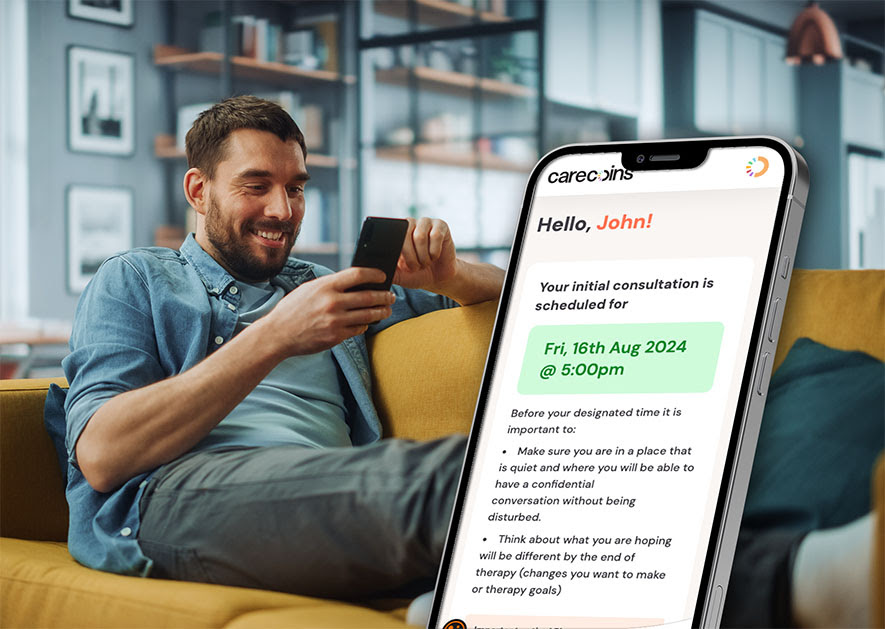
Introducing Carecoins, a pioneering new mental health platform, which is set to transform the landscape of employee mental wellbeing, offering employers a unique support system for their staff this World Mental Health Day 2024 and beyond.
Designed to connect individuals with qualified mental health therapists in an entirely flexible, hassle-free way, Carecoins ensures efficient and reliable access to professional care, Carecoins brings a unique proposition to the market.
Commenting on this exciting venture, managing director and founder, Tim Ladd, said:
“Put simply, Carecoins gives employees access to the support they need to become a happier, healthier version of themselves.
“We are all acutely aware of the growing mental health crisis in the nation, and the difficulty in accessing resources through the NHS. This means employers need to step up to provide that all-necessary support to staff.”
Mental health is now a significant challenge for a large portion of the UK workforce, with surveys showing at least 63% of employees exhibit signs of burnout, and 91% have experienced high or extreme levels of pressure and stress in the past year.
Finding effective support structures to help combat these trends can be challenging for employers. Providing access to a large pool of BACP accredited therapists, comprehensive mental health and suicide prevention services, specialised support for trauma and bereavement and a number of other resources, Carecoins is a holistic solution for employers
Offering full flexibility, the platform gives access to multiple formats of therapy, ensuring services fit around the user’s life and work schedule and suit their individual needs. As part of its groundbreaking offering, Carecoins supplies every new user an innovative human-to-human consultation to assess their needs and preferences and then allocate a therapist that best matches those requirements.
“The element of personalisation is one that is of vital importance to us – everyone’s mental health journey is different and we wanted to build a platform that could honour that,” added Ladd.
“We also understand that confidentiality is a key concern for many employees. Carecoins can be purchased and utilised anonymously, giving employees the freedom and peace of mind they need to take this important step.”
But the platform does not limit organisations to buying therapy services. It enables access to a wide range of mental health and wellbeing services including Mental Health First Aid training provided by Carecoins’ sister company Red Umbrella.
“Using Carecoins is much more than just a means to an end. It showcases a visible commitment from employers to protect the mental wellbeing and resilience of their employees, making them happier, more engaged and more productive.
“More than that, it encourages a much-needed positive attitude towards mental health in the workplace, which benefits businesses and employees alike.”
So, this World Mental Health Day, definitely check out this platform!
Wishing all our Jewish readers around the world a happy, healthy and sweet new year- Shana Tova U’Metuka (which starts on Wednesday night)_ Rosh Hashana- Jewish New Year is a time of reflection on the year that has been and we reflect on how to be better people and do more good deeds.
This year has been particularly difficult for many of us due to the political climate at home and abroad and we hope for peace, prosperity and goodness in the days ahead.
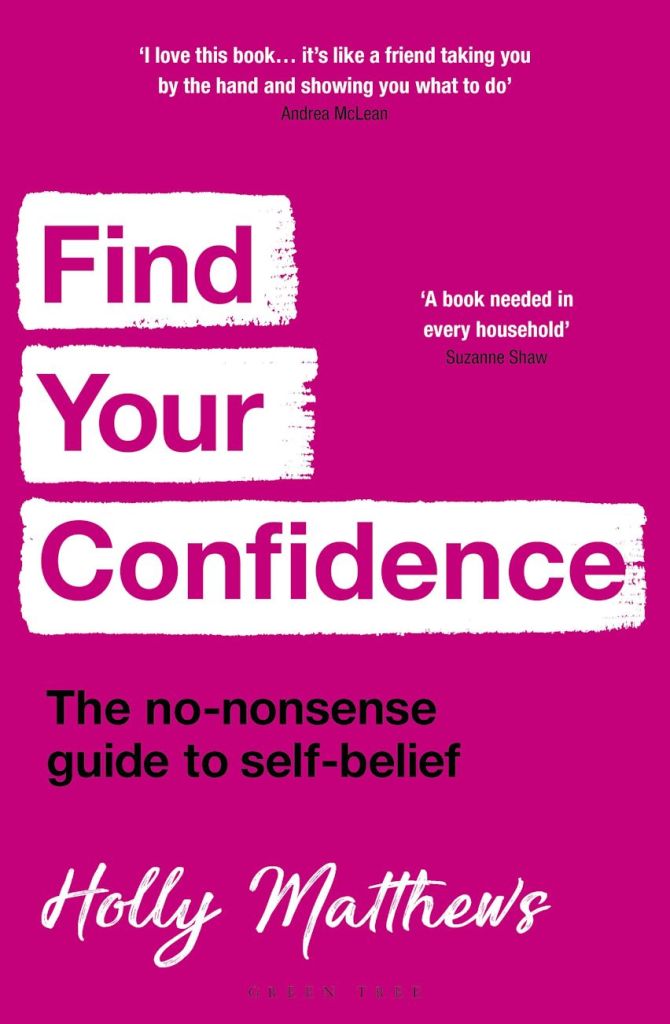
I had the pleasure of reading and reviewing Holly Matthew’s debut book ‘The Happy Me Project’ a few years ago. Holly became a friend when I met her online in 2017 and became one of the first people to sign up to her ‘Happy Me Project’ life reset, which included a workbook and online classes. Holly is one of the most inspirational people I know- not only did she decide to become a life coach and NLP practitioner after the tragic passing of her husband Ross, but she was also an award-winning TV actress and is Mum to two wonderful girls. Holly truly helps people going through difficulties in their lives and so when her new book ‘Find Your Confidence’ came out, I knew I needed to get myself a copy and review it.
The book talks about finding self belief in a wide variety of situations such as in the workplace, at job interviews, at home in every day life. The publisher says,
‘Each chapter is broken down to focus on a different everyday scenario as Holly provides simple and practical advice for tackling confidence head-on. Learn how to: – Thrive in social situations – Develop the tools to be a confident partner and parent – Ace speaking in public and being assertive in the work place.’
(image: Green Tree/ Holly Matthews)
The book’s premise is that ‘Everyone can access confidence – it’s just a case of learning how.‘ Holly says, ‘Confidence is not a skill that we’re born with or without but something that can be taught, practised and developed throughout your life. Focusing on both your inner and outer confidence, will help transform your self-belief from the inside out.’
I absolutely love this guide and tips to strengthen self belief at home and in public. Singer and actress Suzanne Shaw has said, ‘ This book is needed in every household for adults and kids. An absolute guide to help you eradicate self-doubt and give you a huge injection of confidence!
Holly breaks down each chapter into ways to find and build confidence. I truly love the book and know it will be really helpful to me (and others) in specific life situations going forward. Self belief and confidence is something so many people struggle with and having these exercises, links and resources will be invaluable. Working with Holly is very special!
Find Your Confidence: The no nonsense guide to self belief by Holly Matthews is out now in all good book shops (and online).
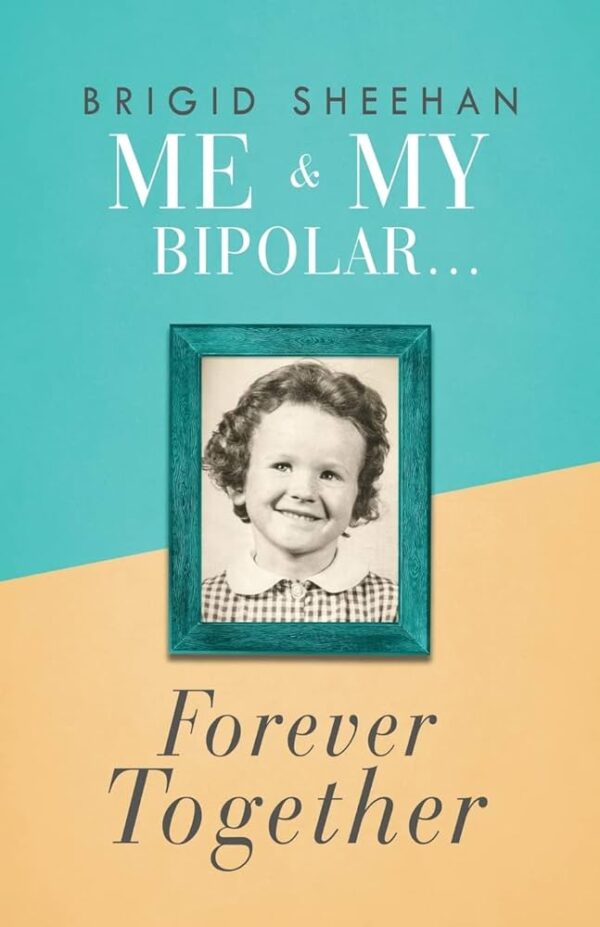
Brigid and team very kindly gifted me a copy of her wonderful book for review. Although I have not yet finished it, I have found it very inspiring and such an important read. Here’s what Brigid and her publisher have to say:
Brigid Sheehan didn’t receive her bipolar diagnosis until early adulthood but, looking back, she realises how the condition may have affected her in so many pivotal moments. By writing this memoir and sharing her highs and lows, she hopes that her journey into the past will help others in the same position – and show them that they, too, can live full lives in spite of their bipolar diagnoses.
Brigid says, “I have chosen to tell the story of my lifelong experience as a bipolar sufferer because I think another person’s lived experience can help access knowledge, although no two situations are the same… Bipolar has not become a friend, but I have simply got to know it better and found the means to cope.”
Living with bipolar is never easy and Brigid documents the many highs and lows and how she lives with it.
A new film by the charity Nip in the Bud exposes the hidden dangers of social media and smartphone use among children. A Stolen Childhood provides startling insights from children, headteachers and doctors, shedding light on the everyday harm caused by digital platforms.
Launching today, the film highlights several alarming statistics. A shocking 90% of girls and 50% of boys report receiving explicit pictures or videos they did not want to see. Additionally, 1 in 5 children have experienced online bullying, with 24% of those bullied resorting to self-harm and 22% altering their appearance as a result.
Furthermore, boys as young as 13 have been targeted for sextortion scams, and 80% of teenage girls feel pressured to provide sexual images of themselves.
Emma Robertson, co-founder of Digital Awareness UK, emphasises the hidden nature of these issues: “The thousands of children we talk to in schools tell us that their parents often don’t know how much time they’re spending on their devices overnight, or what they are doing online. This is a new and hidden world which adults can find hard to penetrate.”
MRI scans show screen time reduces brain areas responsible for visual processing, empathy, attention, memory and early reading skills.
In response to these findings, many psychologists, headteachers and GPs are advocating for stricter guidelines:
No smartphones until age 14
No social media until age 16
These recommendations aim to protect children from various online risks, including increased loneliness, exposure to harmful content, access to strangers, behavioural addiction and cyberbullying.
At Nip in the Bud we produce free, evidence-based films and other resources aimed at parents, carers and teachers of primary-aged who may be struggling with mental illness or unmet neurodiverse needs.
Our mission is to empower families and communities around our children to recognise and respond to early signs of mental illness or challenges in a neurotypical world, with resources made in conjunction with mental health experts, educationalists and families going through similar experiences – facilitating early intervention, so that problems can be “nipped in the bud”, allowing our children to blossom.
We’ve all heard the phrase ‘change starts at the top’. And when it comes to building safe and secure work environments, this notion becomes vitally important. Employees are the ones who bear the brunt of a lack of strong, skilled leadership teams. Leaders, managers and HR teams have a duty to look after staff, and wellbeing is a crucial piece of the puzzle.
With appointing physical first aiders being a legal requirement, more and more businesses are beginning to recognise the need for mental health support to be given the same significance – and Mental Health First Aid training is the solution.
Nathan Shearman, director of training and therapy at Red Umbrella, explores the indispensable role of MHFA training for businesses’ leadership teams.
Why is Mental Health First Aid becoming indispensable to business culture?
“Mental Health First Aid is a powerful resource that allows certain individuals to become qualified with a basic understanding of how to provide mental health support – much like physical first aiders do for physical health issues,” explains Nathan.
“Overall, it’s an incredibly reliable solution to building happier and safer work environments. Most of us would hesitate to join a business without physical first aiders, so why would a lack of mental health support be any less concerning?
“Through MHFA, individuals are trained to identify early signs of mental health issues, and how to act in response. Knowledge and education are instrumental when it comes to mental health, and mental health first aiders can ensure individuals who are struggling are guided towards the right resources.
“Appointing MHFAiders can also help prevent issues from escalating, leading to individuals needing to take time off work, or experiencing a full-blown crisis.”
Why is MHFA vital for leadership teams in particular?
“Recent research shows that 31% of employees feel uncomfortable discussing mental health with their managers, which means that employees are less likely to come forward and start that discussion..We’re all familiar with the culture of stigma that dictates that if someone comes forward to voice their mental health struggles, they may be out of a job. This is extremely detrimental for a business.
“By being MHFA trained, leaders can recognise the signs that someone is not okay, and step in to start those conversations. It enables that vital early intervention that can be the difference between someone recovering to their normal levels of functioning and wellbeing quickly, and someone taking extensive time off, or suffering serious mental health issues.
“It also means leadership teams can be better equipped to manage their own mental health. There are significant pressures on leaders and managers, and often the more senior someone becomes in an organisation, the less likely they are to discuss their own wellbeing, or seek support if they need it. The more informed they are, the more equipped they are to respond.”
(image: Unsplash)
How does MHFA equip leadership teams to handle mental health issues within staff?
“Firstly, it’s about awareness. Being able to spot when someone isn’t okay, when they’re struggling, or just noticing when there are additional risks or stresses associated with a task, role or project.
“For example, having a leader say to their team ‘I know this project has tighter deadlines than usual and that might make some of us feel higher levels of stress, what can we do to support you?’ can go a long way to having employees feel seen, heard and supported.
“It also means when they do notice someone isn’t okay, that they know how to respond. They feel empowered to have those difficult conversations, they don’t worry about saying the wrong thing, and they feel confident that they can be the supportive leader they wish to be.
“Being MHFA trained doesn’t mean that issues won’t arise within a team, but if leaders know how to respond well, their team will have more confidence in them and the organisation itself.”
(image: Unsplash)
What are the short-term vs long-term benefits of implementing MHFA for leadership teams?
“Short-term benefits for leadership are greater awareness and therefore visibility of issues within their teams, which enables them to respond quicker to potential issues. It also allows them to immediately check in with their own wellbeing, and make adjustments to their lives so they are able to be the most effective and healthy version of themselves.
“In the long term, employees will feel more supported, will be more engaged and as a result more productive, creative and loyal to the organisation.
“The biggest benefit is if leaders in an organisation are MHFA trained, the culture around mental health shifts massively. It enables more people to come forward when they’re struggling and to access support, and it makes the company more attractive to current and potential employees, driving talent retention and acquisition.”
For more information on MHFA training and how it can benefit your organisation, please get in touch with Red Umbrella: https://red-umbrella.co.uk/contact
About Nathan Shearman
Nathan Shearman is the director of therapy and training at Red Umbrella, an organisation that’s improving the mental wellbeing of the UK workforce by working in partnership with large employers to deliver bespoke mental health training and support solutions.
Nathan is a qualified psychotherapist and counsellor with a background in private practice and 10+ years of experience in the field.
When dealing with the challenges of at home hospice care, finding ways to reduce stress can make a significant difference in both the patient’s and the caregiver’s experience.
Mindfulness is one such technique that has gained attention for its ability to help individuals manage stress and maintain a sense of peace during difficult times.
This approach is especially valuable when navigating the emotional complexities that come with end-of-life care.
Understanding the Role of Mindfulness in Hospice Care
Mindfulness is about being present in the moment.
It’s a practice that encourages awareness of thoughts, feelings, and sensations without judgment.
For those in at home hospice care, mindfulness can be a tool to manage the anxiety and fear that often accompany serious illness.
One caregiver I spoke with shared how mindfulness helped her mother, who was receiving hospice care at home.
They would sit together, practicing deep breathing exercises and focusing on the simple act of being together.
This small routine became a comforting ritual that eased her mother’s anxiety and brought them closer.
Techniques to Practice Mindfulness
Mindfulness doesn’t have to be complicated.
In fact, it’s often the simplest techniques that are the most effective.
Here are a few methods that can be incorporated into a daily routine:
1. Deep Breathing
Deep breathing is one of the most straightforward mindfulness practices.
Encourage the patient to take slow, deep breaths, focusing on the rise and fall of their chest.
This can be done while lying in bed or sitting comfortably in a chair.
A friend of mine used this technique with her father during his hospice care.
She found that starting the day with a few minutes of deep breathing helped him remain calm and focused throughout the day.
2. Guided Imagery
Guided imagery involves visualizing peaceful and calming scenes.
It could be a favorite vacation spot, a serene beach, or a quiet forest.
This technique allows the patient to mentally escape from their physical discomfort.
A family I know used guided imagery with their loved one who was receivingat home hospice care. They would describe their favourite memories of trips they had taken together, creating a mental journey that brought comfort and joy.
3. Body Scan Meditation
Body scan meditation is a technique where attention is focused on different parts of the body, from the toes to the head.
This practice can help in releasing tension and promoting relaxation. One of my neighbours found this practice particularly helpful for her husband. He would close his eyes and slowly focus on each part of his body, which helped him manage pain and find a sense of peace.
(image: Unsplash)
Integrating Mindfulness Into Daily Care
Incorporating mindfulness into at home hospice care doesn’t require drastic changes to a routine.
It’s about finding moments in the day where mindfulness can be naturally integrated.
For instance, during meal times, caregivers can encourage mindful eating, where the patient focuses on the flavours and textures of their food.
This not only helps with digestion but also turns a mundane activity into a mindful practice.
Another example is during personal care routines, like bathing or dressing.
Caregivers can encourage patients to focus on the sensations of warm water or the feel of soft fabric against their skin.
These moments, though brief, can provide a sense of normalcy and comfort.
Real-Life Impact of Mindfulness in Hospice Care
The real impact of mindfulness is seen in the quality of life it brings to both patients and caregivers.
A close friend of mine shared a touching story about her aunt who was inathome hospice care. Her aunt had always been a worrier, but mindfulness helped her find peace in her final days.
Through guided meditation and deep breathing, she learned to let go of her fears and focus on the present moment.
This not only eased her anxiety but also brought a sense of calm to her family.
The caregivers also found that these mindfulness practices helped them cope with the emotional toll of caring for a loved one in hospice.
They were able to be more present, less overwhelmed, and more connected to their aunt during this difficult time.
Practical Tips for Caregivers
If you’re a caregiver looking to incorporate mindfulness into at home hospice care, here are a few practical tips:
Start small: Begin with just a few minutes of mindfulness each day.
Be patient: Mindfulness is a practice that takes time to develop.
Create a routine: Incorporate mindfulness into daily activities to make it a natural part of the day.
Focus on the positive: Encourage the patient to focus on what they are grateful for in the present moment.
The Healing Power of Presence
Mindfulness in at home hospice care is not about eliminating pain or discomfort; it’s about finding moments of peace amidst the challenges.
By focusing on the present moment, patients can experience a sense of calm that transcends their physical condition.
For caregivers, mindfulness offers a way to connect more deeply with their loved ones, creating meaningful moments that can be cherished long after they are gone.
One patient I knew, who was in the final stages of hospice care, found immense comfort in the simple act of sitting quietly with her daughter.
They would hold hands, breathe together, and share stories from the past.
These moments became a source of strength for both of them, demonstrating the profound impact of mindfulness on the human experience.
Lastly…
Incorporating mindfulness into at home hospice care can provide both patients and caregivers with tools to manage stress, find peace, and create meaningful connections.Whether it’s through deep breathing, guided imagery, or body scan meditation, these practices offer a way to navigate the emotional complexities of end-of-life care.
For those providing care, mindfulness can be a source of comfort and strength, helping them remain present and connected during this difficult journey.
And for patients, mindfulness can offer a sense of peace, allowing them to focus on the moments that matter most.
This article was written by a freelance writer and contains do follow link.